
Keppel Dive
Google 4.7/5 (235 reviews)
Australia · Pacific
Coral gardens, fringing reefs, neighbouring islets and the SS Limerick wreck make Great Keppel Island a practical Queensland base for boat diving.
For subtitles in English: start the video firstthen click the gearat the top right of the video, select “Subtitles/CC”, then “Auto-translate” and choose “English”.
The SS Limerick is part of Great Keppel Island’s underwater character, alongside coral gardens, fringing reefs and the small islands scattered around it. This is an Australian island stay rather than a liveaboard destination, with diving arranged from boats and time left for beaches, walking and sheltered-water activities. It works for newer divers as well as experienced visitors, provided the day’s site is matched to the weather and the group. Three to five days gives the island room to breathe without relying on every day being diveable.
Great Keppel’s diving is built around fringing reefs, coral gardens, drop-offs and nearby islets, with the SS Limerick adding a wreck to the mix. Most outings leave by boat, although some fringing reef can be reached from the beaches. Currents are variable rather than a defining feature of every dive, so a sheltered reef and a more exposed site may feel very different on the same holiday. Visibility is usually more cooperative from April to October, while runoff, swell and unsettled weather can reduce it during the rainy season. Reef condition is mixed across the island, and the marine park’s zoning changes from one area to another. Ask what has been selected for the day, particularly if the plan includes a drop-off, deeper water or the wreck.
The reliable attraction here is the underwater scenery: coral gardens, reef edges, small-island walls and the structure of the SS Limerick. A dive can move from a sheltered fringing reef into clearer open water, or follow a drop-off where depth and exposure make the character of the site change. Great Keppel is better approached as a place to explore its reef landscape than as a destination built around a guaranteed seasonal animal encounter. Snorkellers can also see the shallow reef environment from beaches and sheltered bays, giving non-divers a genuine share of the island rather than a consolation activity. Conditions usually show the reef at its most appealing from April to October, when visibility is generally more settled.
April to October is the sensible window for a first visit, because the dry season generally brings clearer water and more favourable sea conditions. That matters here: diving depends on boats, and the ferry from the mainland is part of the same weather equation. From November to March, the rainy season can bring runoff, swell and less consistent visibility. It does not rule out diving, but it makes a flexible programme more valuable. The dry-season months also attract more visitors, especially at weekends and during Australian school holidays, so weekday travel can make the crossings and accessible sites feel less pressured.
Great Keppel Island suits beginners, refresher divers and certified divers who are happy to let the day’s conditions decide the site. Training and introductory dives can use suitable sheltered water, while drop-offs, deeper sites and the SS Limerick may call for more experience. An Advanced Open Water certification is useful if the itinerary goes beyond usual Open Water depths. Divers should be comfortable with boat procedures and changing plans, rather than expecting every outing to deliver the same depth, current or visibility.
From London Heathrow, London Gatwick or Manchester, travel first to Australia and then take a domestic connection to Rockhampton. From Rockhampton, allow about 40 minutes by road to Rosslyn Bay Harbour near Yeppoon, where the compulsory ferry crossing to Great Keppel Island takes roughly 30 minutes. Check the ferry timetable before fixing the rest of the journey, and leave enough time for the road transfer and ferry check-in. Once on the island, walking is the usual way to move around the Fisherman’s Beach and village area. If accommodation or diving arrangements require a shuttle or transfer, confirm that in advance rather than assuming one will be available.
Build weather margin into the trip. Both the ferry and the dive boats depend on sea conditions, so a lost day can affect more than the diving. Do not book a tight onward flight on the day you leave the island, as a ferry interruption can break the connection. It is also worth travelling midweek and outside Australian school holidays if quieter crossings and less busy sites matter to you. Before each boat trip, ask which reef, islet or wreck has been chosen for the group’s level. Great Keppel combines sheltered water with more exposed and deeper diving, and an Advanced Open Water qualification is sensible for an itinerary that includes those sites. Do not assume the best reefs are reachable from shore. Keep a land-based alternative in reserve, and check the marine park zoning before fishing or collecting, since the rules change between multiple-use and conservation areas.
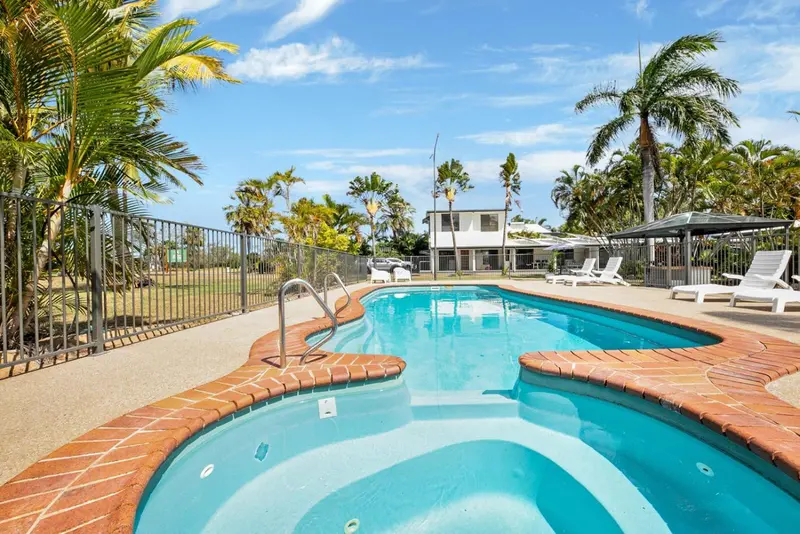
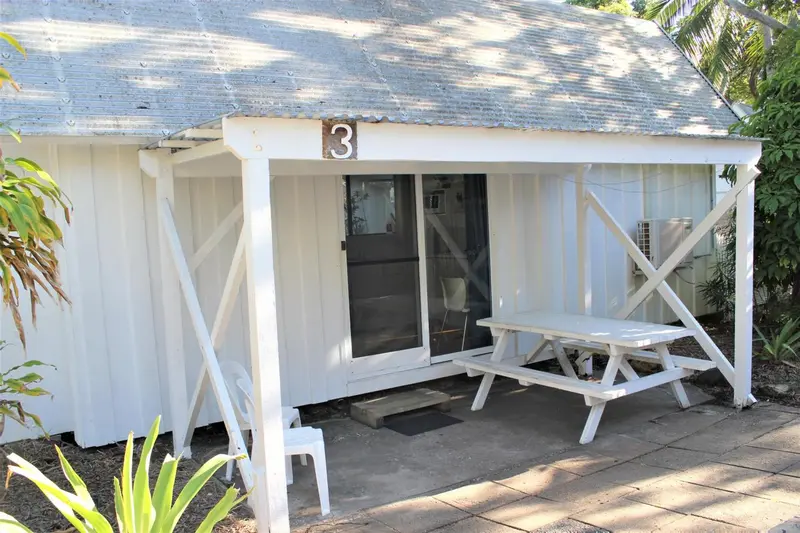
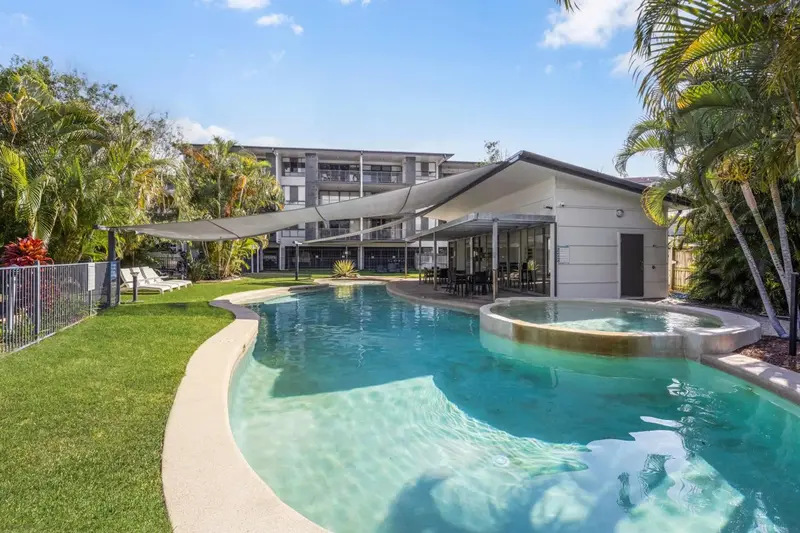
A three- to five-day stay allows several boat outings while keeping days available for weather changes. Accommodation is centred around Fisherman’s Beach and the island village, with walking the normal way to reach beaches, bays and local services. Coordinate lodging, ferry timings and boat departures carefully, because this is a shore-based diving holiday rather than a liveaboard schedule. Non-divers can fill a cancelled dive day with beaches, hiking, swimming, snorkelling, kayaking or paddleboarding in sheltered bays.
Hello, I'm Marina, DivingDeal.com's AI assistant. I guide you through destinations, areas and countries.
Thinking about the whole trip and the flights? Talk it over with Edith →
Marina is an AI. Some links are affiliate links: DivingDeal may earn a commission, at no extra cost to you. Bookings are made with the partner.
April to October generally offers clearer water and calmer sea conditions, making it a sensible time to visit Great Keppel Island. From November to March, rainy-season runoff, swell and unsettled weather can reduce visibility. The drier months are busier, particularly at weekends and during Australian school holidays, so consider travelling midweek.
Great Keppel Island suits beginners, refresher divers and certified divers who can adapt to changing conditions. Sheltered water may suit training and introductory dives, while drop-offs, deeper sites and the SS Limerick can require more experience. An Advanced Open Water qualification is useful for itineraries beyond usual Open Water depths.
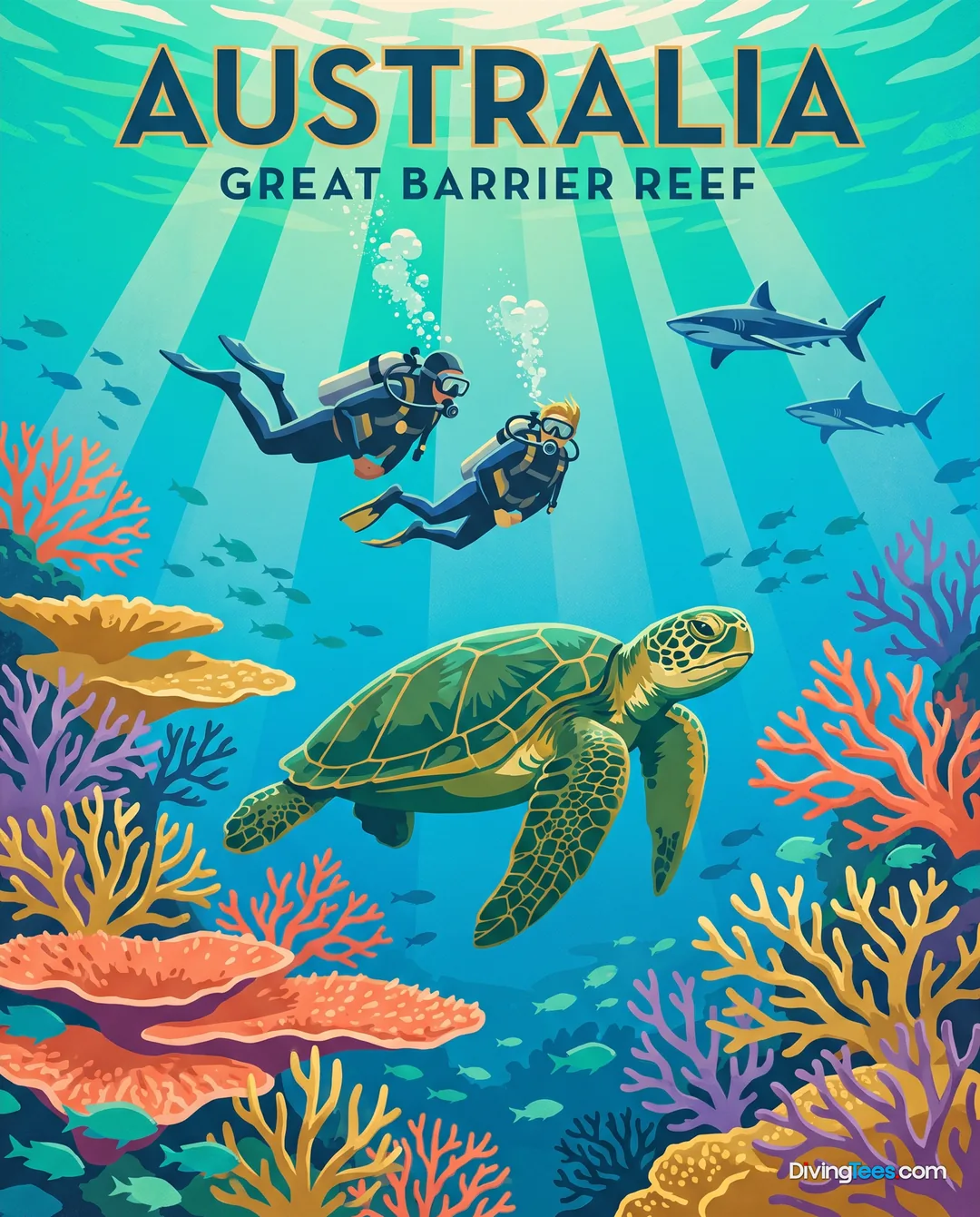
Diving at Great Keppel Island focuses on coral gardens, fringing reefs, reef edges, drop-offs and small-island walls. The SS Limerick provides a wreck experience at about twelve metres. You may also find sheltered reefs or clearer open water, while snorkellers can explore shallow fringing reefs from beaches and sheltered bays.
Arrange accommodation, the mainland road transfer, ferry crossing and boat dives together, allowing flexibility for weather-related interruptions. Stay around Fisherman’s Beach or the island village, where walking is usual. Ask which site suits your group, keep land activities available, and avoid a tight onward flight after leaving the island.