
Tas Divers
Google 4.9/5 (36 reviews)
Australia · Pacific
Jetties, temperate reefs, historic wrecks and the limestone caverns of Piccaninnie Ponds give Kingston a distinctly road-based South Australian diving holiday.
The limestone caverns of Piccaninnie Ponds, coastal jetties, temperate reefs and historic wrecks all belong to the Kingston experience, but not to one compact town-centre dive operation. Kingston SE works as a road base for the wider Limestone Coast, linking shore entries and exposed coastal sites with freshwater diving inland. That makes it a practical choice for divers who enjoy changing the plan with the conditions, and for travelling companions who would rather walk, explore natural landscapes or visit freshwater attractions than spend every day on a boat.
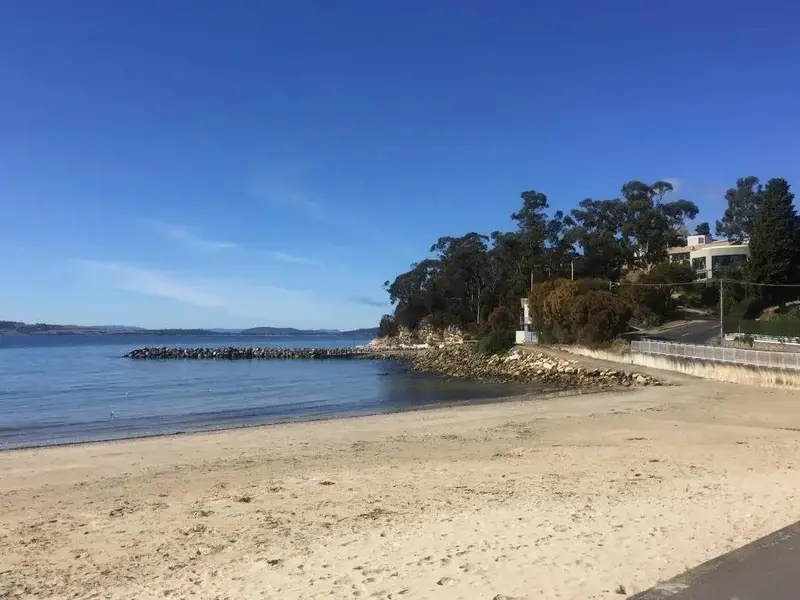
Underwater, Kingston is a mixture of jetty diving, coastal reef, wrecks and freshwater caverns rather than one standard format. The jetties can provide more sheltered alternatives when swell makes the open coast unpleasant, while the sectors around Cape Banks and Carpenter Rocks demand a careful local assessment before entering. Currents are variable, so a straightforward shore dive can become a more committing outing when water movement increases. Margaret Brock Reef is treated as a lightly explored leisure-diving site, making current advice particularly important before setting out. Expect temperate habitats with sponges and gorgonians, alongside the different feel of limestone resurgences and ponds inland. The useful mindset here is to keep the day flexible: a coastal dive when conditions allow, a jetty as a fallback, or a freshwater booking when the marine forecast has closed the exposed sites.
Beneath the jetties and along the coastal reefs, the visual character is temperate rather than tropical. Sponges and gorgonians provide the strongest fixed colour and structure, with the surrounding habitats supporting temperate marine life. Wrecks add historical interest and another kind of underwater terrain, although they should be treated as protected heritage places rather than playgrounds for souvenir hunting. Inland, Piccaninnie Ponds and Ewens Ponds replace saltwater reef scenery with pale limestone formations, clear-looking resurgences and cavern environments governed by their own access rules. There is no wildlife calendar to build the whole trip around, so timing is better driven by workable coastal conditions and confirmed freshwater access. That also suits Kingston’s character: the reward is the contrast between a jetty, a reef, a wreck and a limestone pond, not a guaranteed seasonal spectacle.
Kingston does not have one dependable best season for every kind of diving. The sensible time to go is when the coastal forecast offers a workable window, because exposed sectors can be affected by Southern Ocean conditions and may become impracticable. Keep alternative jetty sites available rather than assuming a planned reef entry will happen. Freshwater diving can give the itinerary another direction, but Piccaninnie Ponds requires advance permission and booking, so it cannot simply be used as an improvised weather day. A stay of five to seven days makes sense here: it gives the coast several chances to settle and leaves room to move between coastal and inland diving without forcing one poor-weather day to decide the holiday.
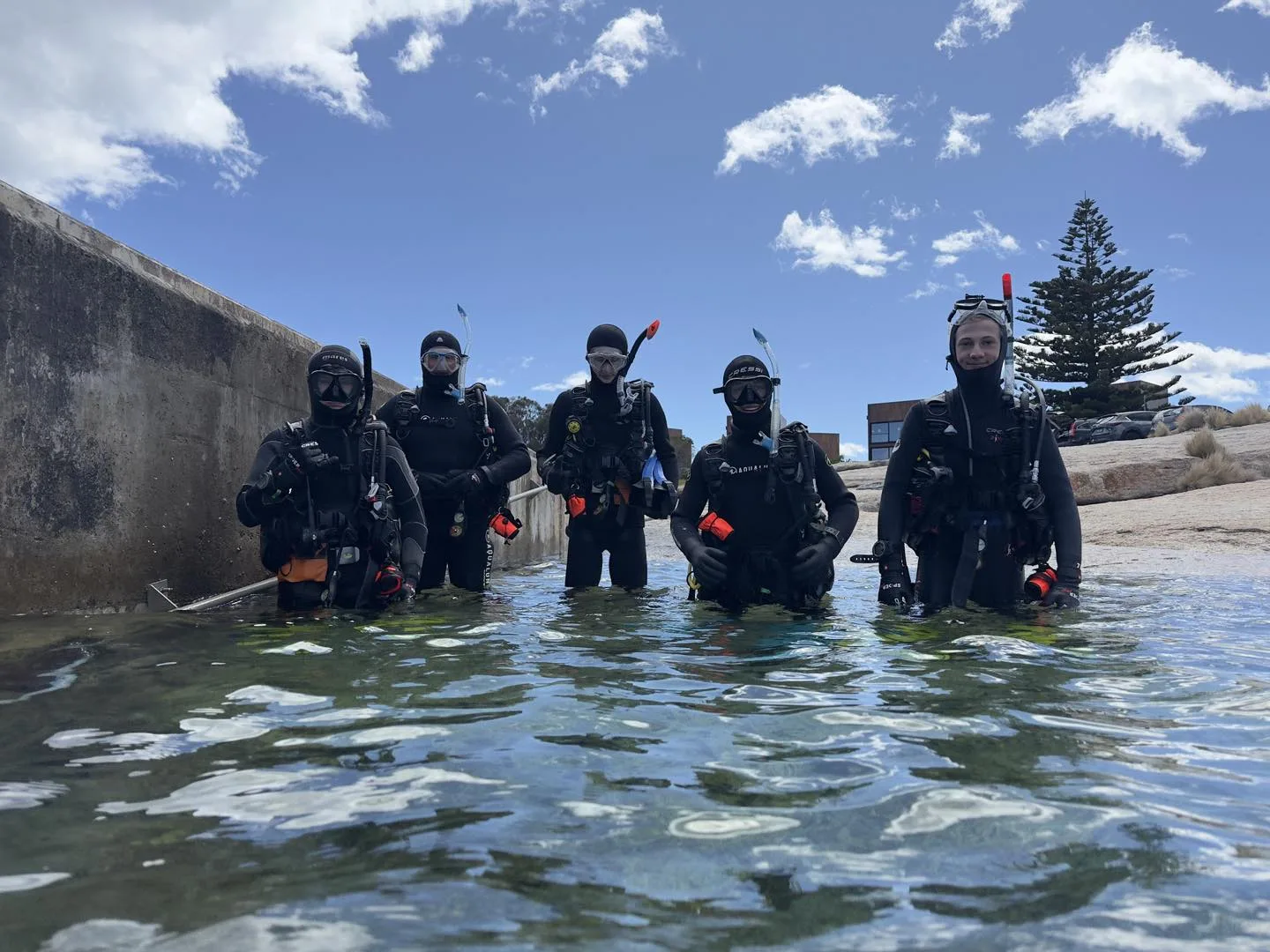
Some jetty dives can suit newer divers, provided the entry, exit and conditions are appropriate on the day. More exposed reef sections, wrecks and freshwater cavern environments require a more honest match between training and site. PADI, SSI and BSAC qualifications can all be relevant, but the decisive question is experience in temperate water, shore entries, changing conditions and overhead environments. Piccaninnie Ponds should not be treated as an ordinary open-water excursion, and wreck protection rules must be understood before entering a heritage site.
From London Heathrow or Gatwick, or from Manchester, Kingston is reached as part of a road journey rather than by a direct local flight. The two practical approaches are by road from Adelaide along the A1, or from Melbourne via the Limestone Coast. Allow time for the onward drive after reaching either city, and do not build the itinerary around a ferry connection, as Kingston is a road-based destination. Once in the region, a vehicle is the practical way to move between Kingston, Cape Jaffa, Robe, Beachport, Port MacDonnell and the inland ponds. The sites are spread along the coast and inland, so walking, a standard local taxi or an assumed hotel shuttle will not replace having transport arranged.
Treat Kingston as a regional base, not as a walk-from-the-room dive centre. Arrange a vehicle before relying on a day-to-day coastal plan, and keep a jetty option in reserve for the occasions when swell closes the exposed sectors around Cape Banks or Carpenter Rocks. Ask locally about conditions before committing to Margaret Brock Reef, particularly because it is described as little explored by leisure divers. Piccaninnie Ponds needs its permit and booking sorted before the journey, not on arrival. The same applies to historic wrecks: check the rules for the particular wreck and obtain the required permit before entering a protected wreck area. Do not confuse Kingston SE with Kingston in Tasmania when searching for services. Finally, resist the temptation to book the whole stay around a single coastal entry. The point of this region is the ability to switch between reefs, jetties and freshwater limestone when the coast changes its mind.
Plan for five to seven nights with a car, using Kingston as the base for a broad Limestone Coast itinerary. Coastal days can reach towards Cape Jaffa, Robe, Beachport or Port MacDonnell, while a separate outing covers Piccaninnie Ponds or Ewens Ponds under their access rules. This arrangement leaves space for weather changes instead of wasting a day waiting beside one exposed entry. Non-divers have plenty to do on the coast, in the natural areas and around the freshwater landscapes, so the trip works well as a shared road holiday.
Hello, I'm Marina, DivingDeal.com's AI assistant. I guide you through destinations, areas and countries.
Thinking about the whole trip and the flights? Talk it over with Edith →
Marina is an AI. Some links are affiliate links: DivingDeal may earn a commission, at no extra cost to you. Bookings are made with the partner.
Choose your visit around a workable coastal forecast rather than a fixed season. Southern Ocean conditions can make exposed sites impracticable, so keep sheltered jetties available as alternatives. Freshwater diving adds flexibility, although Piccaninnie Ponds requires advance permission and booking. Allow enough time to move between coastal and inland options when conditions change.
Some jetty dives may suit newer divers when the entry, exit and conditions are appropriate. Exposed reefs, wrecks and freshwater caverns require experience matched to the site, including temperate water, shore entries, changing conditions and overhead environments. Relevant PADI, SSI and BSAC qualifications may help, while wreck protection rules must be understood.
Kingston offers temperate jetty and reef diving, historic wrecks, and freshwater limestone environments. Sponges and gorgonians provide colour and structure along coastal habitats, while Piccaninnie Ponds and Ewens Ponds offer resurgences, pale limestone formations and cavern scenery. The experience is defined by changing between marine sites and inland freshwater landscapes.
Use Kingston as a road base and arrange a vehicle before travelling, because sites stretch across the Limestone Coast and inland ponds. Keep jetty, reef and freshwater options in the schedule, check local conditions before exposed sites, and arrange Piccaninnie Ponds permission and booking in advance. Treat protected wrecks according to their rules.