
Islander Cruises
Google 4.9/5 (12 reviews)
Australia · Pacific
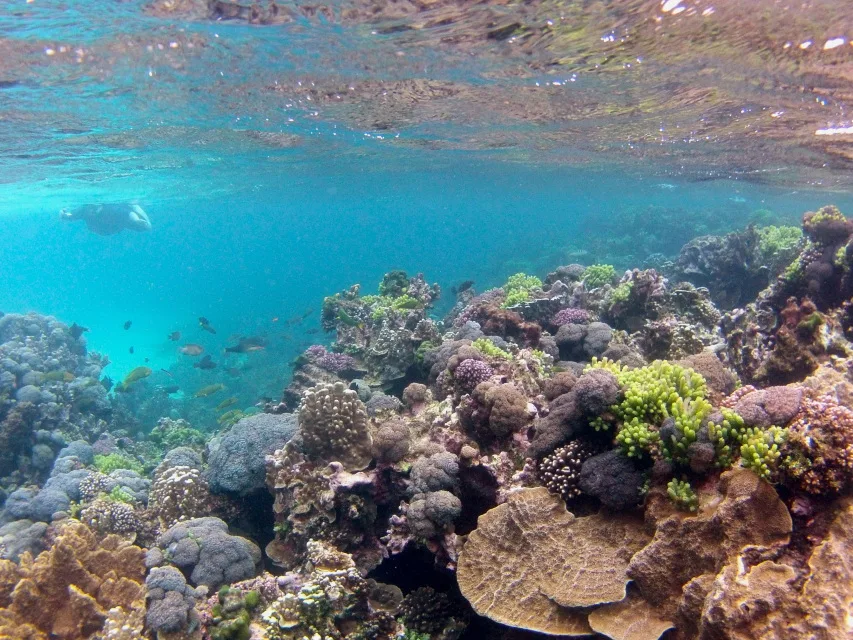
Coral gardens in the lagoon, sheer walls around the Admiralty Islands, caves and the isolated bulk of Balls Pyramid offshore.
For subtitles in English: start the video firstthen click the gearat the top right of the video, select “Subtitles/CC”, then “Auto-translate” and choose “English”.
Lord Howe Island is a small, isolated Australian island where diving is organised from boats rather than a liveaboard. The appeal lies in the change of scale underwater: sheltered lagoon shallows give way to coral reefs, deeper drop-offs, caves and the exposed relief around the Admiralty Islands and Balls Pyramid. It suits a diver who wants a proper island stay, clear water when conditions cooperate, and landscapes that feel more subtropical and temperate than a standard tropical reef holiday. Limited accommodation and air access are part of the experience, not details to leave until later.
Most dives leave by boat for reefs around the island, the Admiralty Islands, the lagoon or, when the sea allows, the more exposed terrain around Balls Pyramid. Underwater, the scenery shifts from shallow coral areas to deeper reefs, caves, walls and steep offshore relief. Currents are variable, so a calm-looking plan can still involve a moving-water dive, particularly away from sheltered areas. Visibility is generally better outside the lagoon, reaching roughly 25 metres and sometimes beyond 40 metres in the warmer months. In the cooler period it can fall to around 10 to 20 metres. The lagoon offers more protected, shallow water, while offshore trips demand a genuine weather window and enough flexibility to wait for it. This is boat diving with a strong sense of changing terrain, not a shore-based routine of repeating the same entry.
Lord Howe Island sits where subtropical and temperate influences meet, and that shows in the fish life as well as the scenery. Coral reefs and lagoon shallows carry tropical fish, with their presence generally more noticeable from December to April when the water is warmer. Outside the lagoon, clearer water and deeper reef structure give the marine life more space, although the attraction is the combination of habitat and setting rather than a guaranteed list of named animals. Large pelagics are an occasional possibility from June to August, but they are not a dependable reason to build the whole trip around winter. The protected marine environment, sanctuary zones and low visitor pressure help keep the reefs in healthy condition, while natural disturbances, including past bleaching, cannot be ruled out.
The most dependable diving period runs from September to May. December to March is the busiest local window, when warmer water brings more tropical fish and demand for boats rises. December to May usually offers the clearest visibility, especially away from the lagoon. June, July and August are a different proposition: weather becomes less predictable, offshore trips can be curtailed, and the main local operator usually closes for annual equipment maintenance. Winter can bring occasional large pelagics, but it is not simply a cheaper low season with the same diving available. Early and late season can reduce pressure on boats, provided the itinerary includes spare days for weather.
There is something here for different certification levels, including shallower lagoon and coastal dives. A diver should nevertheless be comfortable in the water before booking the deeper reefs, caves or offshore relief around Balls Pyramid. Advanced Open Water is useful for those sites, while Nitrox may suit repeated diving if it is available locally. Anyone returning after a long break should consider a refresher, because variable currents, boat entries and exposed topography reward sound buoyancy and calm decision-making. This is not a technical destination by default, but it is not a place to arrive rusty and expect every outing to be sheltered.
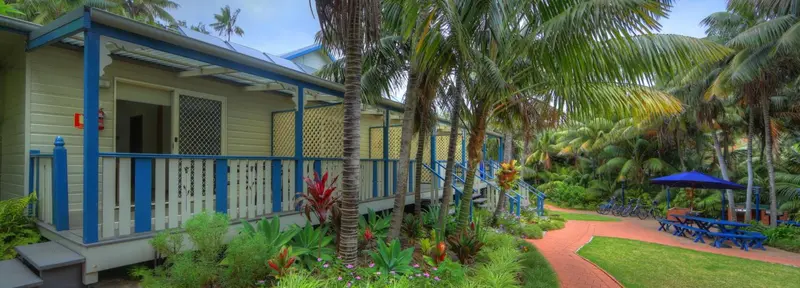
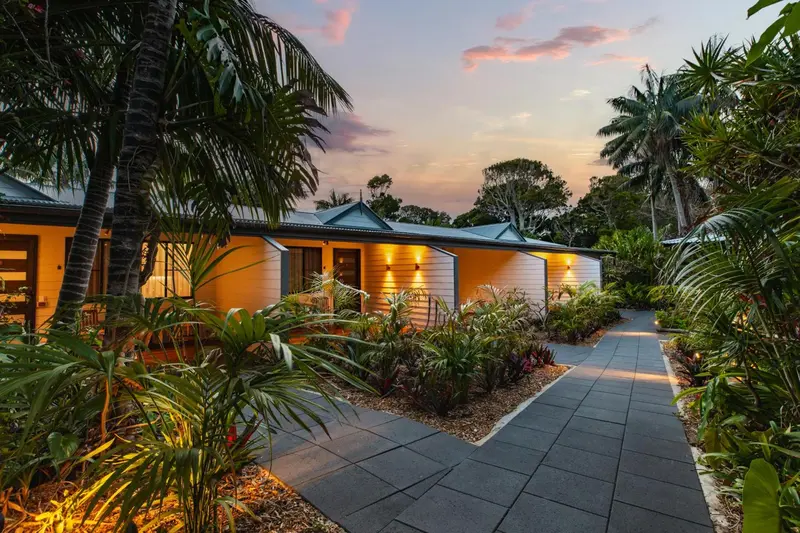
From London Heathrow, London Gatwick or Manchester, the journey involves a connection in Australia before the island flight. The usual final departure point is Sydney, with the flight to Lord Howe Island generally taking less than two hours. There is no regular ferry needed to reach the island. Air capacity is limited, so the island flight needs to be fitted into the international itinerary rather than treated as a casual add-on. Once there, accommodation and activities are concentrated in a small area. Depending on where you stay, walking or a bicycle can cover local journeys, although the distance to the diving arrangements varies by accommodation.
Book the island stay and the diving together, then leave several days of slack in the plan. Balls Pyramid and other offshore outings should sit in the middle of the holiday, never immediately before the flight home, because a weather cancellation can otherwise remove the trip's main objective. Seven to ten days gives the limited air service, changing sea conditions and land days room to coexist. Do not arrive in June, July or August without checking that diving is operating, as the usual annual maintenance closure falls in that period. Pack for a substantial seasonal change in water temperature rather than assuming tropical kit will work year-round. Before getting on a boat, read the Lord Howe Island Marine Park zoning: sanctuary areas prohibit fishing and collecting, and prohibit damage to animals, plants and habitats, while anchoring rules vary by zone. If the lagoon is calm but visibility disappoints, keep the better-visibility outer reefs in the plan rather than treating the lagoon as the whole destination.
This works best as a land-based island holiday, with boat dives placed around the weather rather than a fixed daily schedule. Allow non-diving days for the lagoon, beaches, walking tracks, wildlife and bird watching, or a glass-bottom boat trip. Snorkelling and guided nature activities give companions plenty to do. The small concentration of accommodation and activities makes walking or cycling practical for many local journeys, while a longer stay leaves room when an offshore day is postponed.
Hello, I'm Marina, DivingDeal.com's AI assistant. I guide you through destinations, areas and countries.
Thinking about the whole trip and the flights? Talk it over with Edith →
Marina is an AI. Some links are affiliate links: DivingDeal may earn a commission, at no extra cost to you. Bookings are made with the partner.
Plan your Lord Howe Island diving between September and May, with warmer water and more tropical fish generally noticeable from December to April. December to May usually brings clearer visibility offshore. June to August can offer occasional large pelagics, but weather is less predictable, offshore trips may be curtailed, and annual equipment maintenance can close the main operator.
Lord Howe Island offers shallower lagoon and coastal dives for different certification levels, while deeper reefs, caves and offshore relief around Balls Pyramid require comfort in the water. Advanced Open Water is useful for those sites. Variable currents, boat entries and exposed topography make a refresher sensible if you have been away from diving.
Diving at Lord Howe Island ranges from protected lagoon shallows and coral gardens to deeper reefs, caves, walls, drop-offs and steep relief around the Admiralty Islands and Balls Pyramid. Tropical fish are more noticeable in warmer months, while occasional large pelagics may appear in winter. Clear offshore water adds scale to the scenery.
Arrange your Lord Howe Island accommodation and diving together, then leave several days of flexibility for weather. Place Balls Pyramid and other offshore outings away from your departure, allowing postponed trips to be rescheduled. A land-based stay also leaves time for lagoon visits, walking, wildlife, bird watching, snorkelling or nature activities between boat dives.