Coral Sea · Australia · Pacific
Max. depth · 40 mHolmes Reef, Coral Sea: Walls, Pinnacles, and Pelagic Encounters
Holmes Reef offers remote Coral Sea diving with dramatic walls, current-swept pinnacles, and consistent pelagic action against a backdrop of excellent visibility.
What makes this site special
- Sheer walls dropping into hundreds of metres
- Isolated pinnacles attracting pelagic species
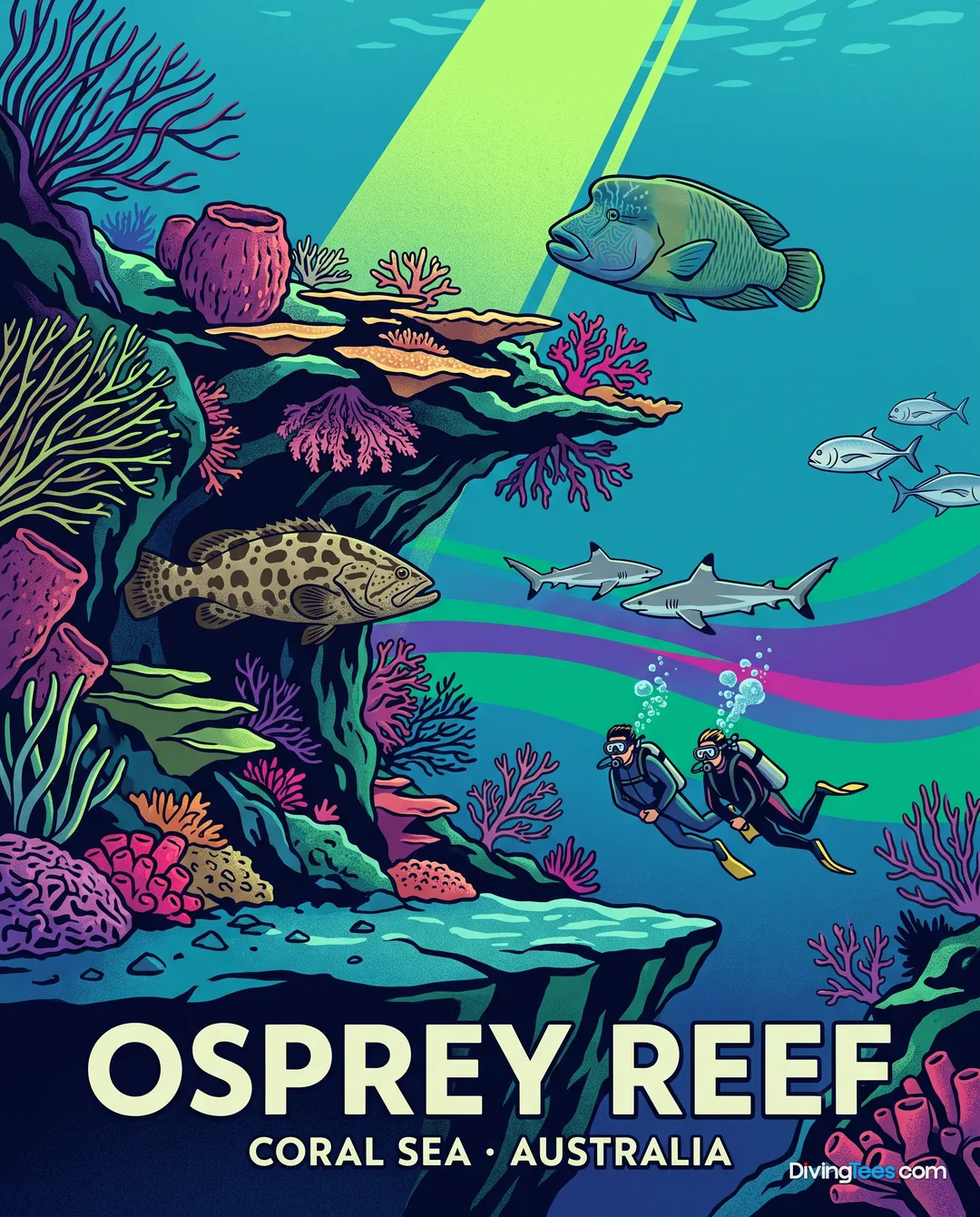
- Frequent encounters with grey reef and silvertip sharks
- Large schools of dogtooth tuna and trevally
- Consistently excellent visibility, often 25-40 meters
- Potato cod, goliath grouper, and Napoleon wrasse residents
- Remote Coral Sea location accessed by liveaboard
- Rich soft coral and gorgonian growth on deep structures
Holmes Reef about the site
Holmes Reef is a remote open-ocean system in Australia's Coral Sea, split into East and West sections, each providing extensive lagoons that offer sheltered anchorage points for liveaboards. The underwater topography is defined by impressive sheer walls that drop from shallow reef tops into hundreds of meters of open ocean, alongside isolated pinnacles that rise from significant depths to just below the surface. These structures are often heavily adorned with large soft corals, gorgonians, and sea whips, creating a vibrant environment in constant flow.
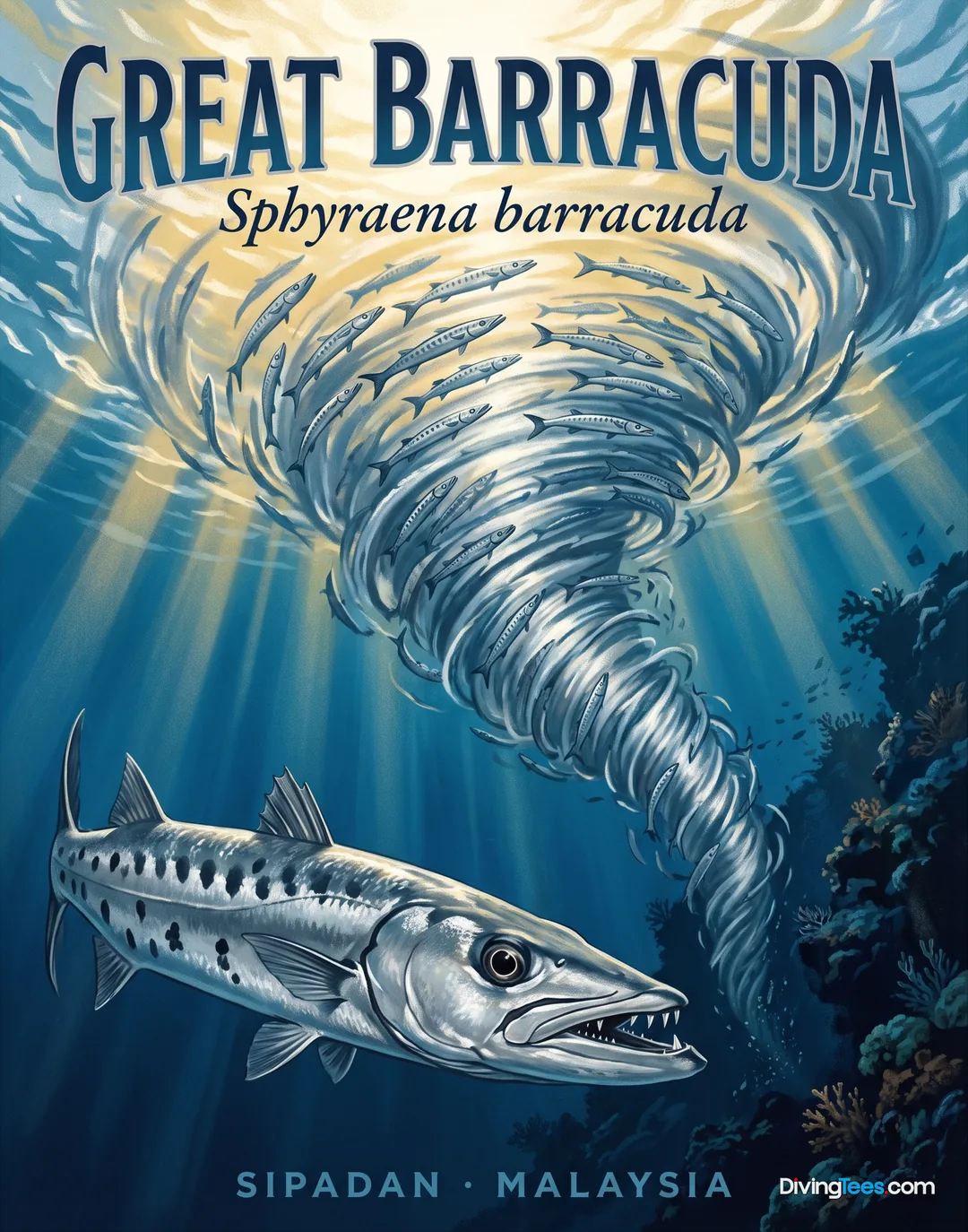
Sites like 'The Abyss' and 'Golden Wall' exemplify the vertical drop-offs, where you descend alongside an endless blue face, often feeling the water column move around you as you go. Other areas, such as 'Nonki Bommie' and 'Turbo,' are towering coral structures that stand alone, attracting schools of pelagic fish. These isolated formations act as beacons in the open water, drawing in large schools of barracuda and trevally, creating a dynamic environment that contrasts with the quieter, more intricate reef slopes and coral gardens found between the larger structures.
Descending along these walls and pinnacles, you move through zones where pristine white sand slopes transition into denser coral growth. The constant flow of oceanic water maintains visibility that is rarely below 25 to 30 meters, often extending to 40 meters, allowing you to appreciate the scale of these formations and the distant silhouettes of larger marine life. This clarity is a hallmark of Coral Sea diving, distinct from many coastal or inner-reef sites, providing a true blue-water experience where the horizon stretches indefinitely.
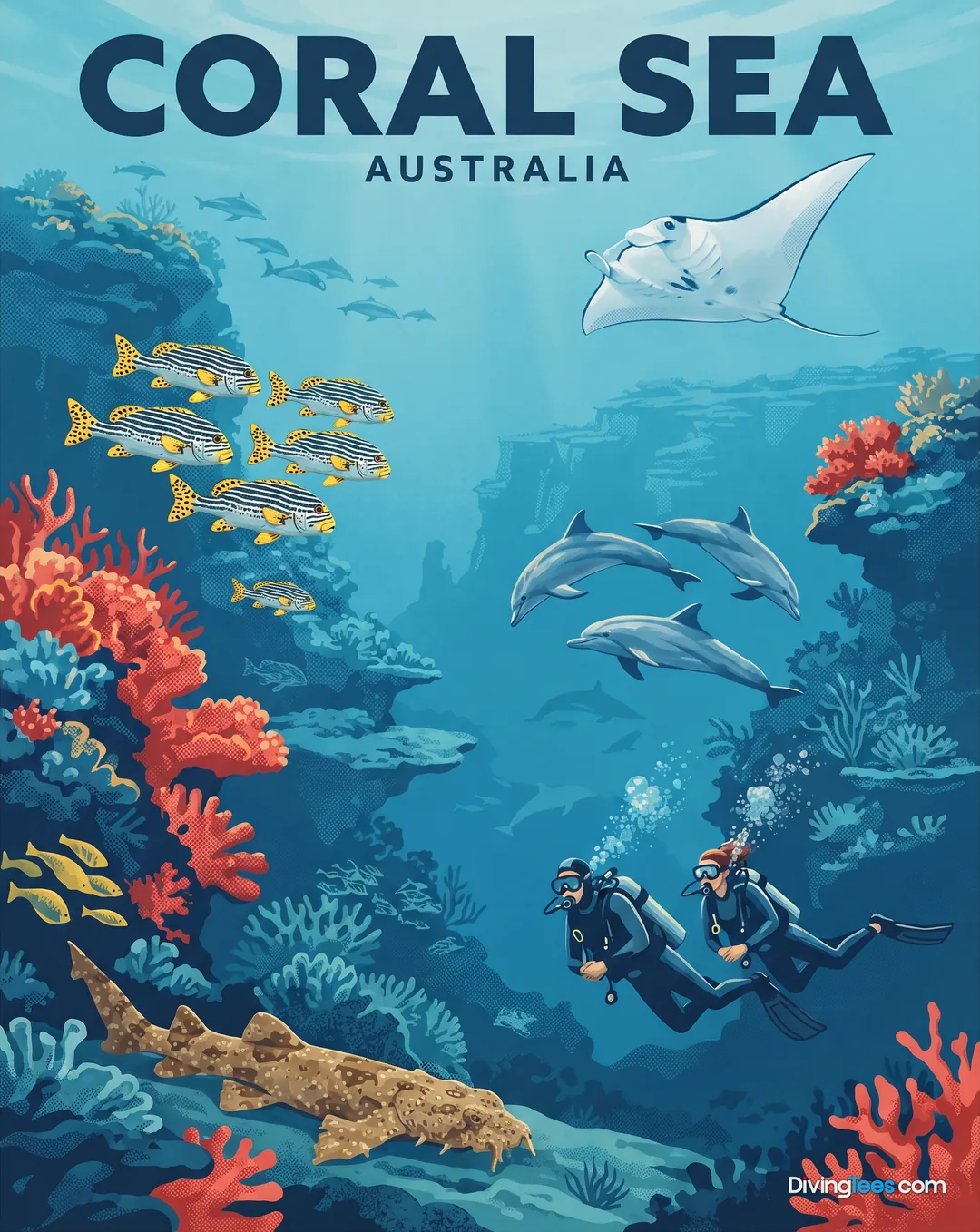
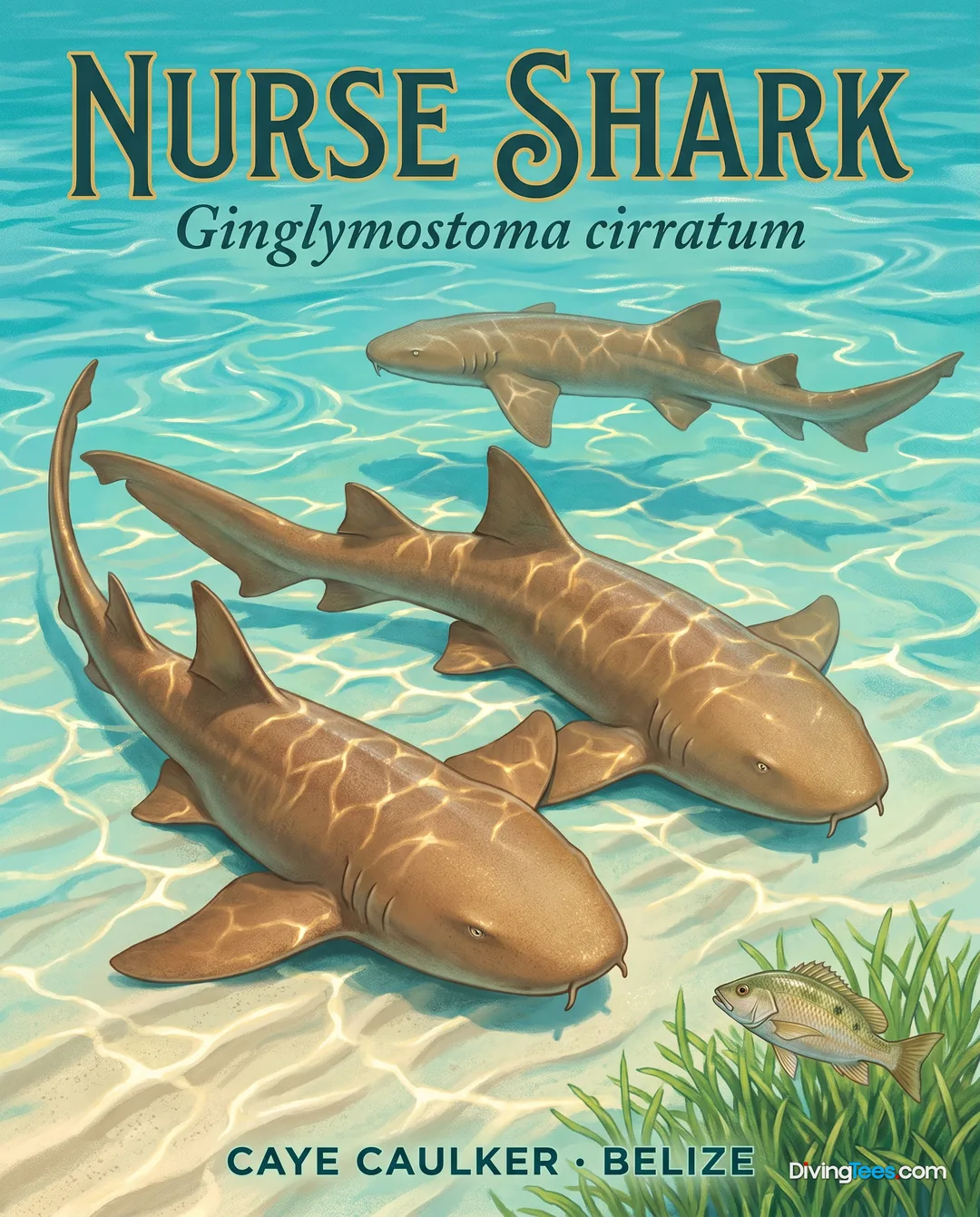
The reef's remote location and deep-water access contribute to a high density of pelagic activity. You will frequently encounter grey reef sharks, whitetip reef sharks, and silvertip sharks patrolling the reef edges and around the pinnacles. Tawny nurse sharks are also resident, often found in more sheltered areas. These encounters are a regular part of a Holmes Reef dive, underscoring the site's reputation for significant shark presence.
Beyond the sharks, Holmes Reef is a crossroads for larger schooling fish. Dogtooth tuna and various mackerel species sweep past the walls and bommies, often in pursuit of smaller prey. You'll also see large schools of bigeye trevally and other trevally species, particularly around the isolated pinnacles where they congregate in dense formations. These movements create a constant sense of activity in the water column, a testament to the health and productivity of this remote ecosystem.
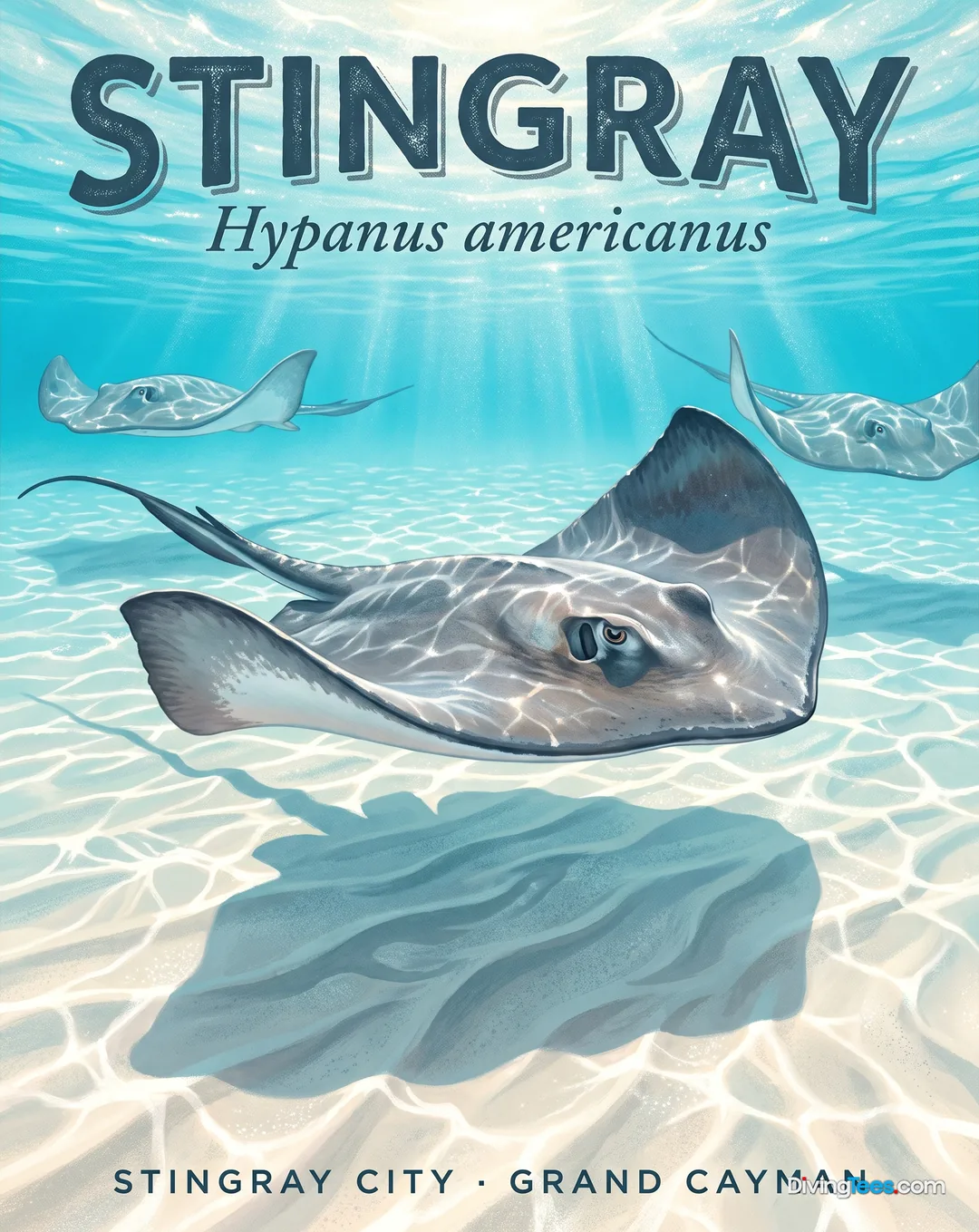
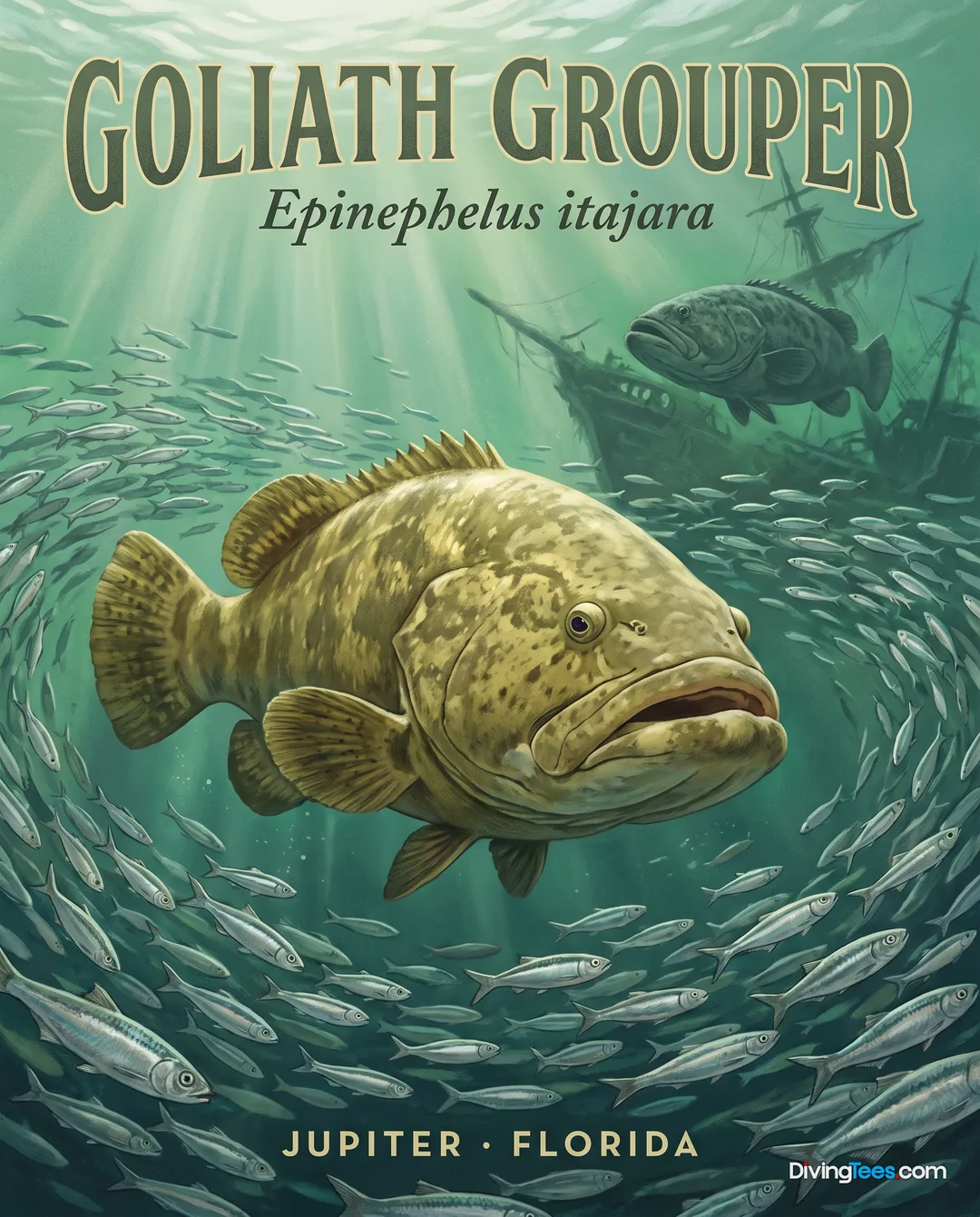
Closer to the reef, the diversity continues with species such as potato cod and goliath grouper often encountered near ledges and overhangs. Maori wrasse and Napoleon wrasse, identifiable by their size and distinct head shape, navigate the reef structure. Keep an eye out for turtles, eagle rays, and stingrays moving across the sand patches or along the reef edges. The shallower sections are home to vibrant reef fish populations, including schools of golden anthias adding splashes of colour to the coral gardens.
What sets Holmes Reef apart is the combination of its untouched, remote character, the dramatic vertical topology, and the consistent presence of large pelagic predators and schooling fish. Unlike many Great Barrier Reef shelf sites, Holmes offers an unbuffered oceanic environment where marine life thrives in strong currents and clear water. This environment rewards divers with a consistent big-fish experience that is directly linked to its isolation and exposure to the open Coral Sea.
Diving Holmes Reef: the marine life you’ll meet
Diving conditions
Holmes Reef is suited for advanced divers who are comfortable with blue-water wall dives and have experience in depths ranging from 25 to 35 meters. Currents are variable; while often gentle, they can become strong, especially at certain sites or during tide changes, sometimes necessitating drift diving techniques. Visibility is consistently high, typically ranging from 25 to 40 meters. The optimal season for reliable access and good conditions is generally from September to January, though January to March also provides warm water and clear visibility. Winter months can offer even better visibility, albeit with cooler water temperatures.