
Scuba World
Google 4.9/5 (531 reviews)
Australia · Pacific
Shallow coastal reefs, the Ex-HMAS Brisbane’s 15-metre decks, passing humpback whales and a lively harbour shape Mooloolaba’s diving.
For subtitles in English: start the video firstthen click the gearat the top right of the video, select “Subtitles/CC”, then “Auto-translate” and choose “English”.
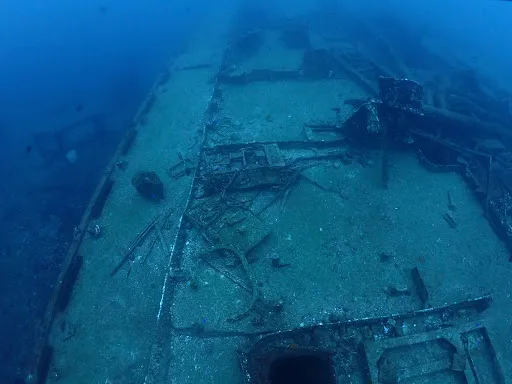
The Ex-HMAS Brisbane gives Mooloolaba its defining underwater landmark: a former military ship lying close enough to reach in about fifteen minutes from the harbour. Its main decks sit around 15 metres, while deeper sections reach roughly 27 metres. Around it, coastal reefs provide shallower boat diving and a practical alternative when the wreck is not running. This is a shore-based Australian holiday, not a liveaboard itinerary, with the beach, harbour and Sunshine Coast hinterland available to non-divers.
Mooloolaba diving is built around boat trips to coastal reefs and the Ex-HMAS Brisbane. The reefs are generally shallow to medium-depth and suit Open Water profiles, while the wreck offers broad main decks around 15 metres and deeper areas approaching 27 metres. Currents are variable rather than predictable, so the same site can feel straightforward on one outing and more demanding on another. Local reef visibility is commonly around 12 to 16 metres. Around the Brisbane, about 15 metres is usual, with occasional visibility beyond 20 metres. Wind, swell and current can reduce those figures, particularly outside the more favourable winter period. Treat the wreck as a structured dive with a clear route, a controlled ascent and a safety stop, rather than assuming that its short boat journey guarantees easy conditions.
The Ex-HMAS Brisbane has become an artificial reef, so the ship’s structure is part of the attraction as well as the habitat. Fish gather around the wreck and local reefs, where encounters can include clownfish, wrasse, octopus and scorpionfish. Turtles, wobbegongs and rays are occasional visitors, while nudibranchs reward a slower look along the reef and wreck surfaces. The most dependable seasonal wildlife interest is above the water: humpback whales pass Mooloolaba from July to October, when whale-watching and swimming trips complement the diving. Underwater sightings remain variable rather than guaranteed, but the combination of metal decks, reef life and open-water wildlife gives the destination more range than a wreck-only break.
June to October is the sensible window if visibility matters most. Local operators generally find the water clearer through the Australian winter and early spring than from November to May, when summer conditions more often reduce visibility. That does not make the warmer months undiveable, and no season is automatically ruled out, but swell, wind and currents can still alter the plan at any time. Winter may feel distinctly cooler in the water, so bring exposure protection suited to the conditions rather than relying on a tropical-diving assumption. July to October also adds the prospect of humpback whales, giving the best visibility period a useful topside bonus.
Most local reefs are suitable for Open Water divers, making Mooloolaba workable for mixed-experience groups. The Ex-HMAS Brisbane’s main decks can suit beginners when properly guided, but its deeper sections require more experience and qualification. An Advanced Open Water certificate is useful if the wreck or deeper reef profiles are central to the trip. Variable currents and changing sea conditions matter more than the short boat ride, so divers should be comfortable adjusting a plan rather than pressing on with a fixed profile.
From London Heathrow, Gatwick or Manchester, the journey is organised around reaching Queensland and then continuing by road to Mooloolaba. The final approach is by the Bruce Highway from Brisbane, or by road from elsewhere on the Sunshine Coast. Sunshine Coast Airport provides the nearer regional air arrival, followed by a road transfer. Allow time for connections and the onward journey rather than treating the flight and the diving as one seamless leg. There is no ferry crossing to arrange for Mooloolaba itself. Once based there, the harbour and nearby dive businesses may be walkable, depending on the accommodation, with taxis available when they are not.
Build in several diving days, not a single attempt on the Ex-HMAS Brisbane. Wind and swell can change the boat plan, while the local reefs give you a useful replacement day without abandoning the trip. Put the dives you most want at the start of a five- to seven-day stay, leaving later days as weather cover. Check the Brisbane’s access arrangements before travelling: Queensland Parks and Wildlife Service regulates the site, and visits go through authorised operators or the applicable permit route for private divers and clubs. Do not assume that Open Water training covers the deeper sections, where an Advanced qualification is the sensible benchmark. For a mixed group, keep reef days flexible and use the harbour and beachfront as the meeting point. Leave adequate time after diving before any flight or other activity involving altitude, following the decompression rules for the profiles completed.
A five- to seven-day stay works well from a base near Mooloolaba harbour. Use the first days for the wreck and local reefs, then keep a reserve day or two for wind and swell. Non-divers can fill those gaps with the beach, harbour walks, water activities, coastal excursions or the Sunshine Coast hinterland. From July to October, a whale-watching outing adds a seasonal change of pace without moving the base.
Hello, I'm Marina, DivingDeal.com's AI assistant. I guide you through destinations, areas and countries.
Thinking about the whole trip and the flights? Talk it over with Edith →
Marina is an AI. Some links are affiliate links: DivingDeal may earn a commission, at no extra cost to you. Bookings are made with the partner.
Visit Mooloolaba from June to October if visibility is important, as local operators commonly find clearer water during the Australian winter and early spring. From July to October, humpback whales pass the coast. Wind, swell and currents can still change conditions, and winter water may feel cooler, so bring suitable exposure protection.
Mooloolaba’s generally shallow coastal reefs suit Open Water divers, making them practical for mixed-experience groups. Guided dives on the Ex-HMAS Brisbane’s main decks can also suit beginners, but deeper wreck sections require more experience and qualification. An Advanced Open Water certificate is useful for deeper wreck or reef profiles, especially with variable currents.
Mooloolaba combines the metal structure of the Ex-HMAS Brisbane with coastal reef habitats. You may encounter clownfish, wrasse, octopus, scorpionfish, turtles, wobbegongs, rays and nudibranchs, although sightings vary. Above water, humpback whales pass from July to October, adding a seasonal wildlife experience alongside reef and wreck diving.
Base yourself near Mooloolaba harbour and allow several diving days rather than relying on one wreck attempt. Put preferred dives early, then keep reserve time for wind and swell, using coastal reefs as alternatives. Check authorised operator or permit arrangements for the Ex-HMAS Brisbane, and leave suitable time after diving before flights or altitude activities.