Liveaboards · Fiji
Nai'a — Fiji's purpose-built expedition liveaboard
What makes this boat unique
- Nai'a combines Fiji diving with two rigid inflatable skiffs that collect divers wherever they surface.
- The boat carries up to 16 passengers in air-conditioned cabins with private bathrooms and portholes at the waterline.
- A dedicated camera room sits beside two large freshwater rinse tanks and compressed air for servicing equipment.
- The Fiji route covers 7-day and 10-day expeditions departing from and returning to Lautoka.
For subtitles in English: start the video firstthen click the gearat the top right of the video, select “Subtitles/CC”, then “Auto-translate” and choose “English”.
The invitation
Nai'a is for divers who want Fiji's reefs rather than a resort that happens to float. The reason to choose her is the diving system: two skiffs take divers directly to the site, then come back to the place where they finish instead of asking them to fight current or surface exactly where they started. That changes the kind of dive possible, especially on pinnacles, walls and current-swept reef. The boat also suits photographers and naturalists. A proper camera room, freshwater rinse tanks, local knowledge and onboard talks give small subjects as much attention as sharks and schooling fish. The Fijian crew is a large part of the appeal, but not as decoration: they handle tanks, skiffs and the practical work that leaves divers free to stay underwater. Come for soft coral, reef fish, sharks and critters across a wide route, with enough comfort to repeat the process for a week or ten days.
Boarding
Nai'a makes the impression of a working expedition ship rather than a floating boutique hotel. Built in Dutch steel and designed for long Pacific passages, she has the solidity to move between distant reef systems while keeping the diving operation at the centre of the layout. The 2010 renovation matters less as a date than as evidence of how the boat has been kept: the passenger spaces were rebuilt with room for dive gear, and the accommodation remains bright, cool and practical. Once aboard, movement is straightforward. The main salon, dive deck, stern platform and sun deck each have a clear job, so divers are not threading through a hotel corridor with a fully loaded kit. The ship's history is present in that separation between passage-making and diving. She feels established, organised and built around repeated days at sea.
The atmosphere on board
Nai'a's atmosphere comes from the way the crew stays involved after the equipment is put away. The Fijian crew quickly learn names, move tanks and bags without drama, and keep the skiffs turning around so one diver's short gas supply does not hold back another's long macro dive. Cruise directors bridge the local crew and passengers, lead briefings, teach courses and explain what is living on the reef. English is the working language. In the evening, the boat can be lively without becoming a party ship: crew members may play guitar on deck, and Fijian customs and kava become part of the shared experience. A close crew-to-passenger ratio makes help feel immediate, but the important point is practical rather than sentimental. The staff notice the small problems—an ear that needs attention, a difficult exit, a camera that needs air—and solve them before they become the story of the trip.
The sites you’ll dive
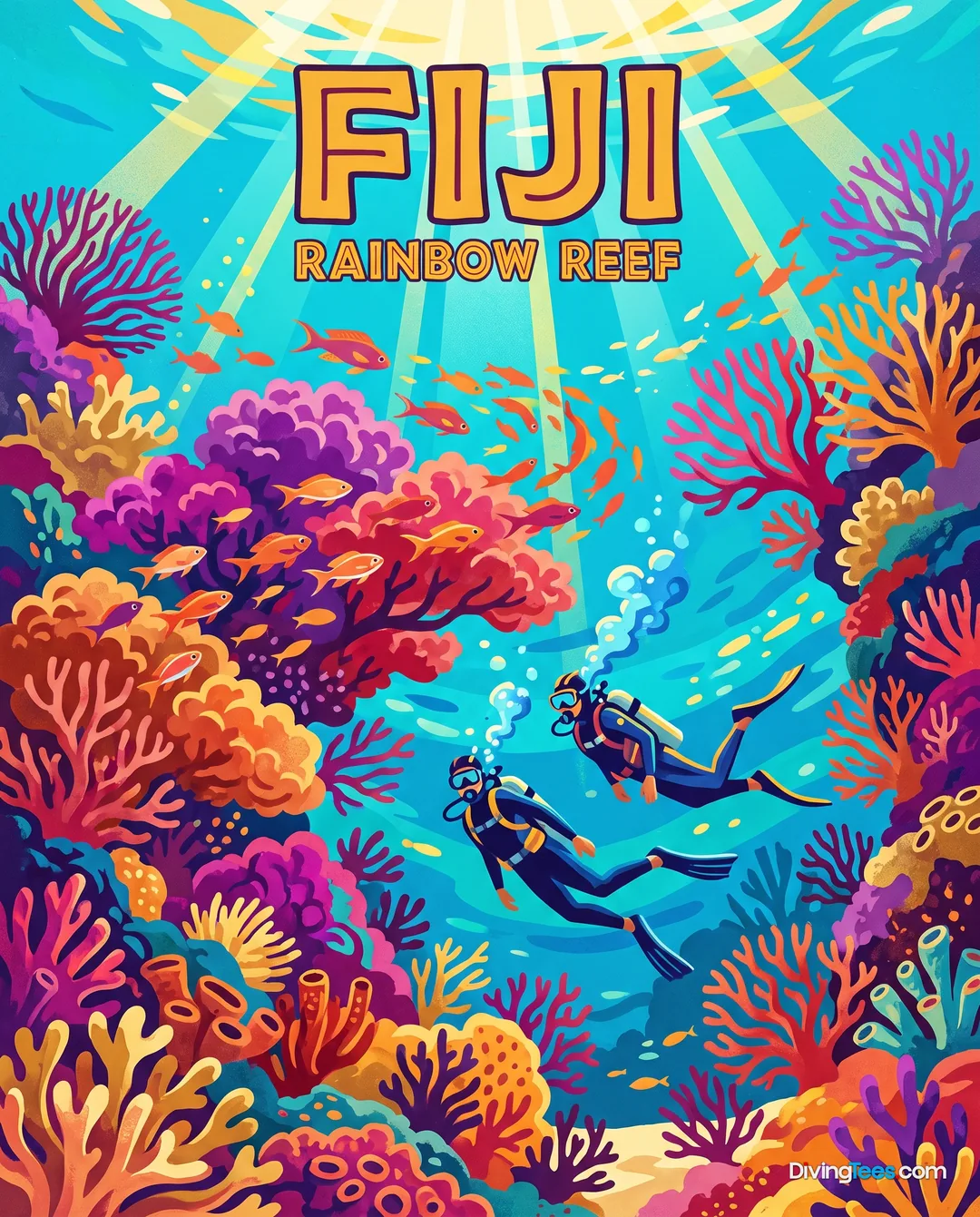
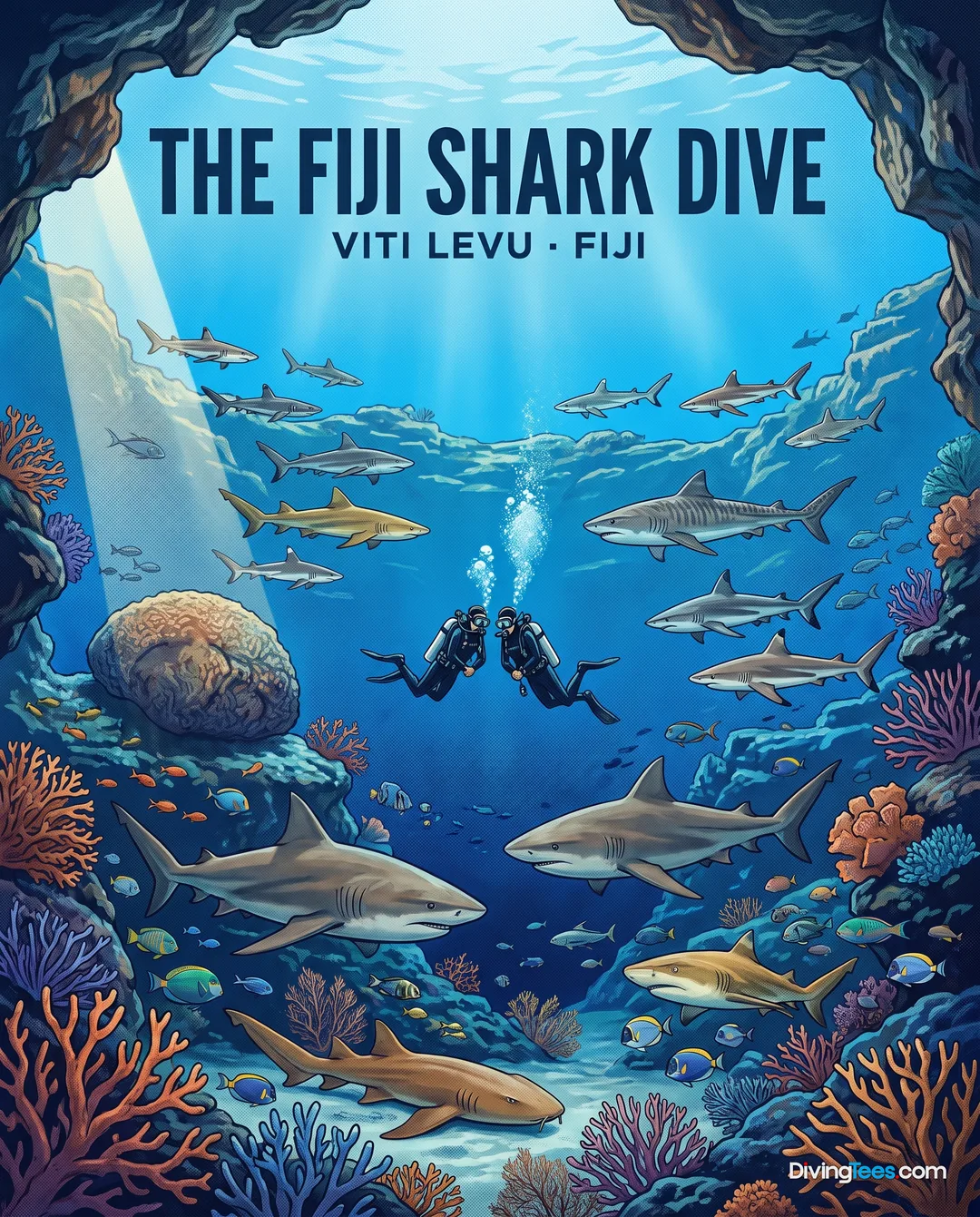
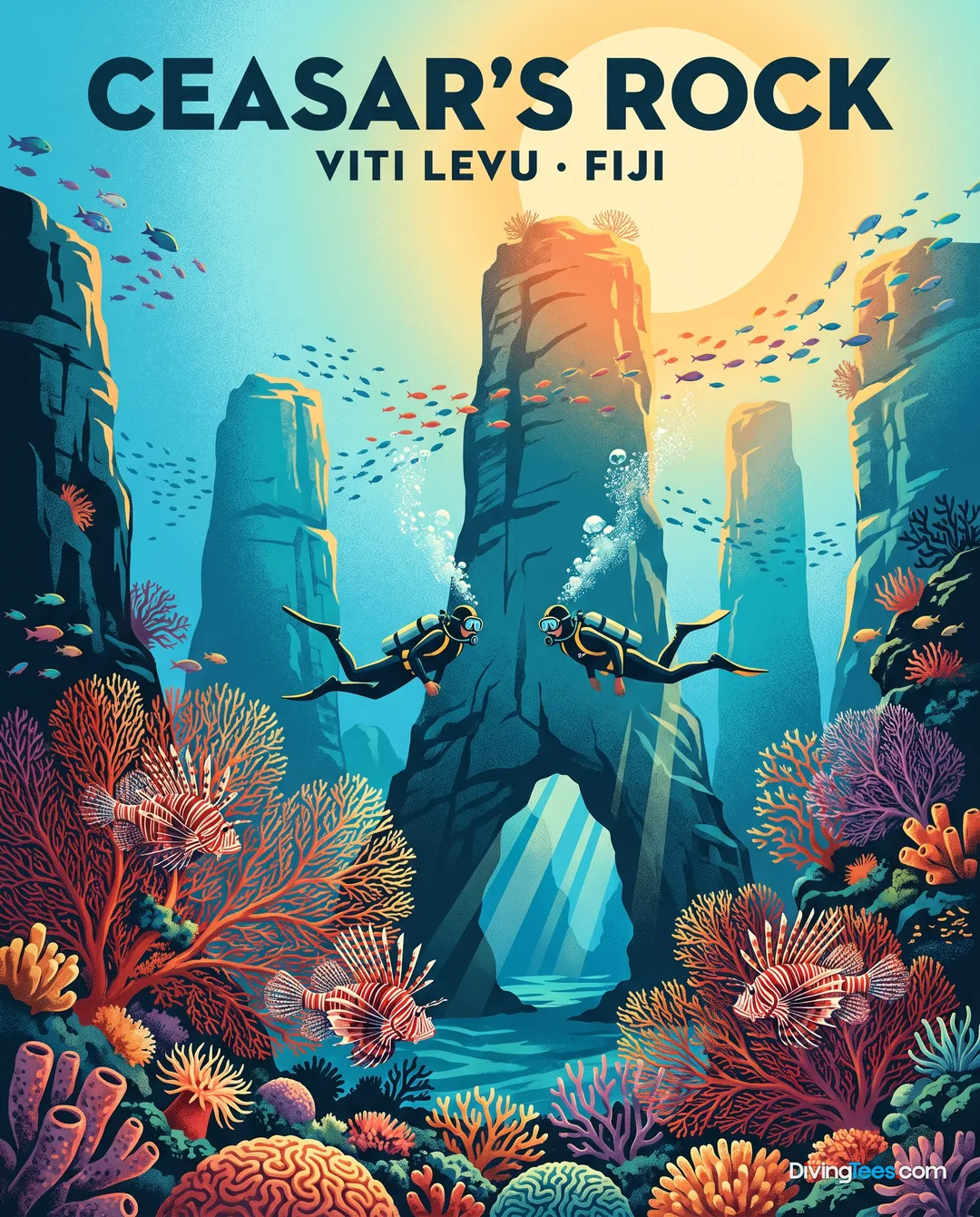
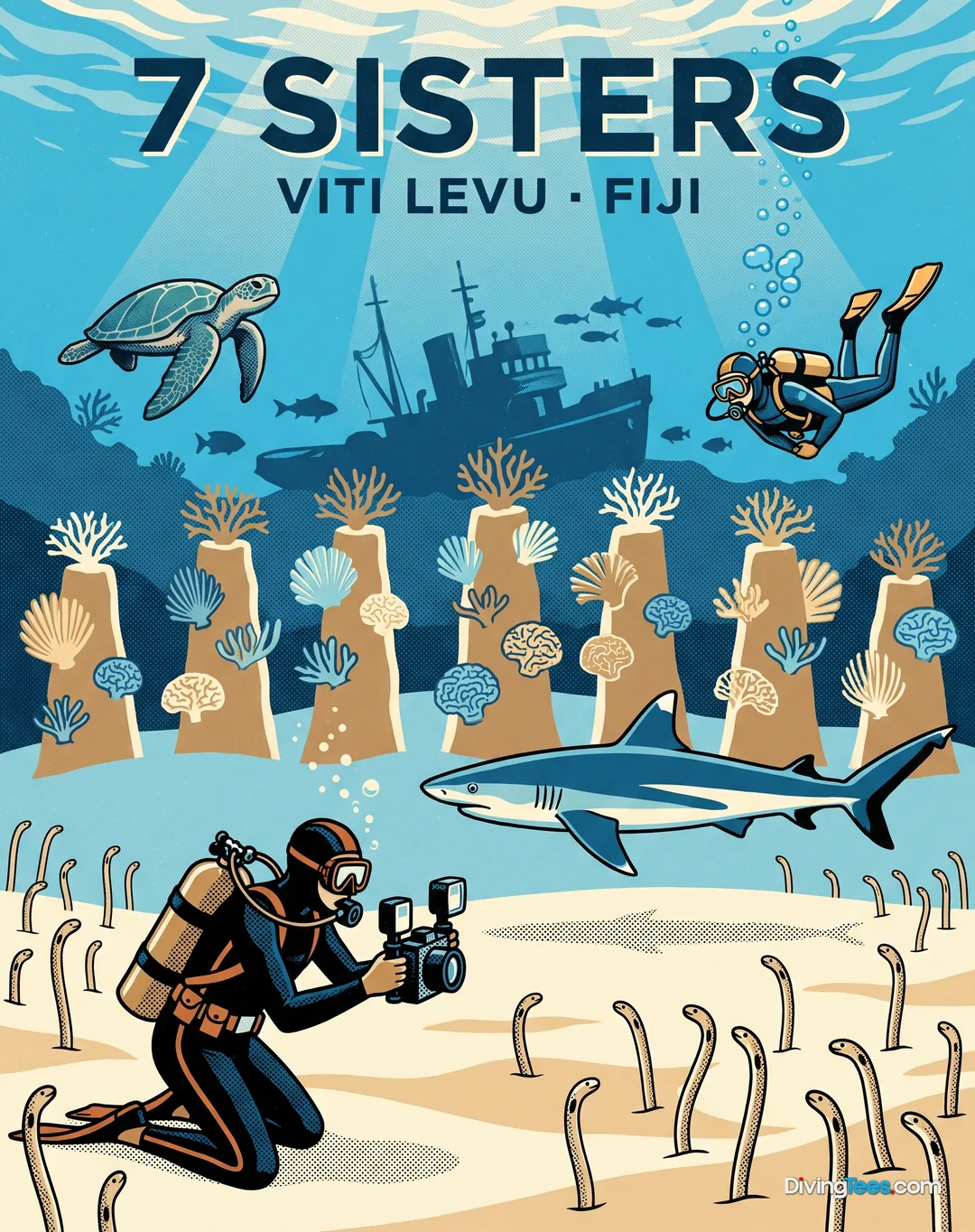
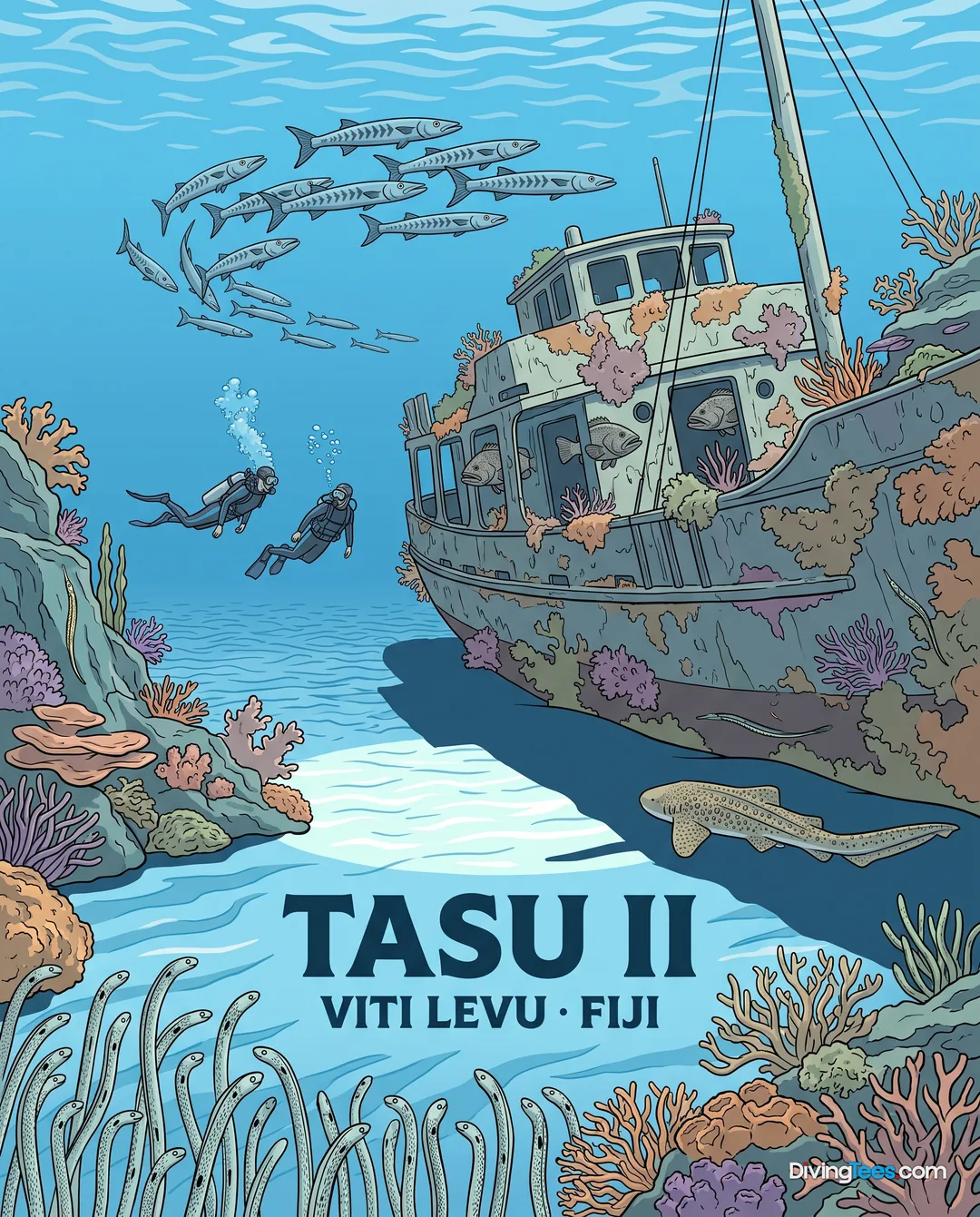
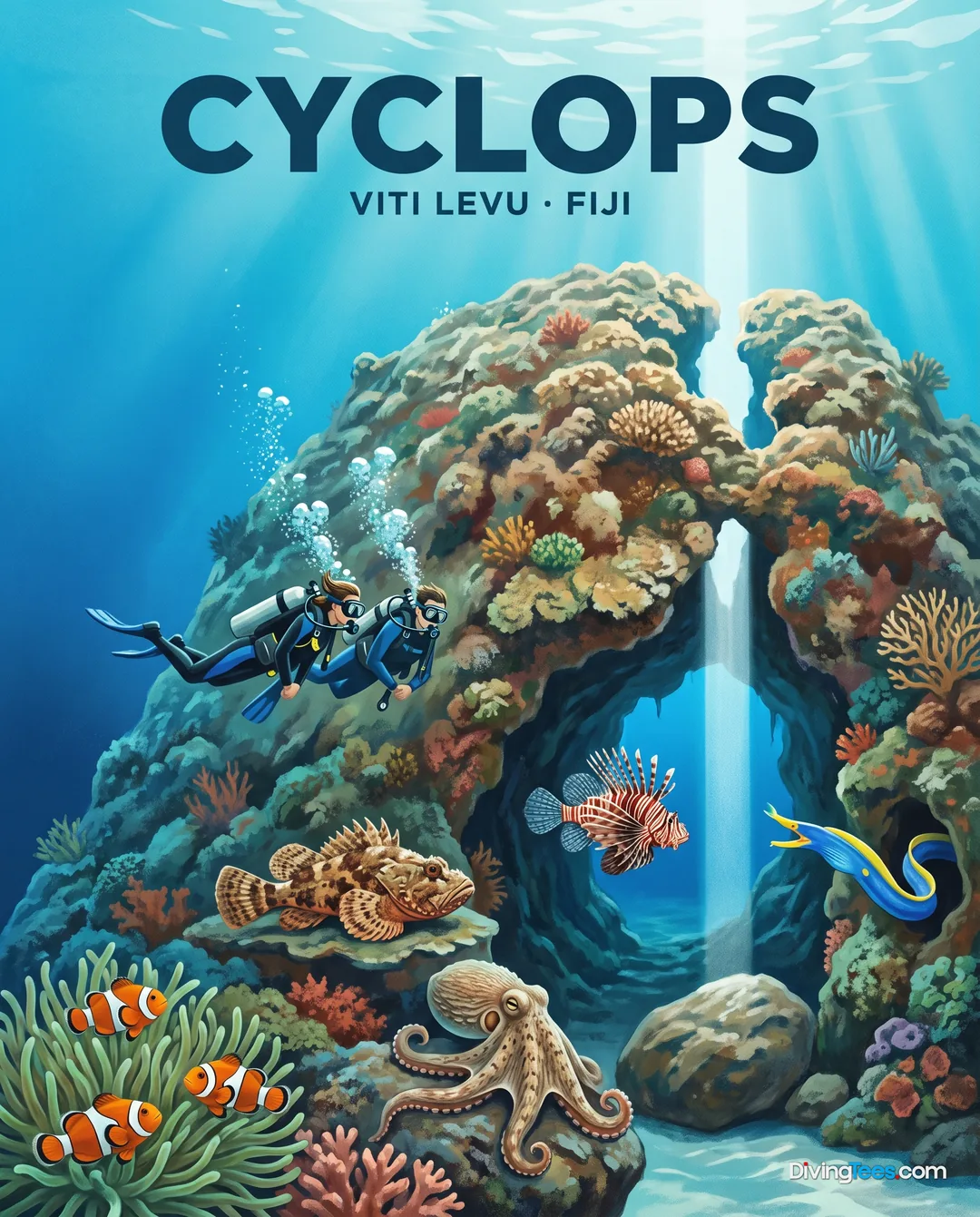
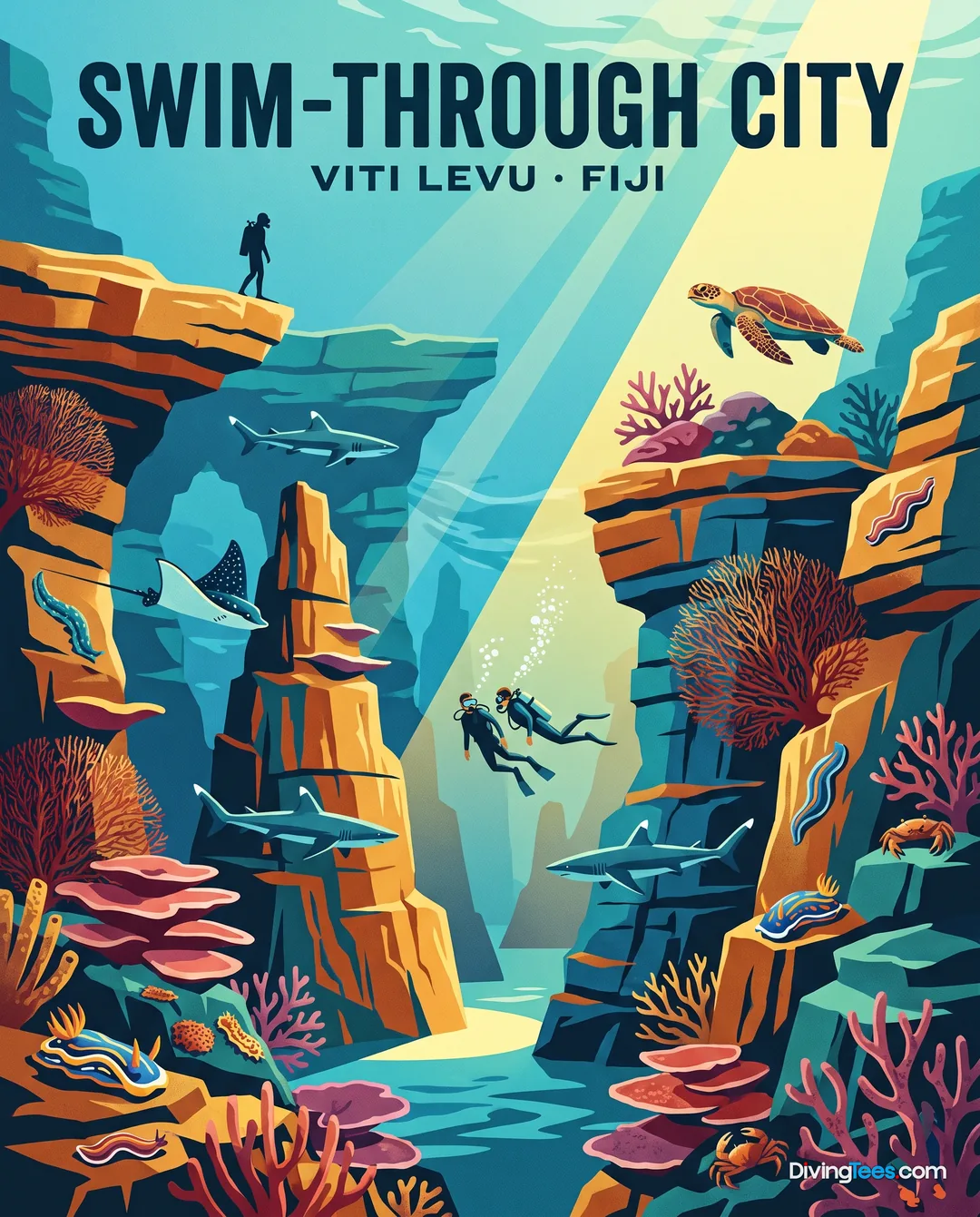
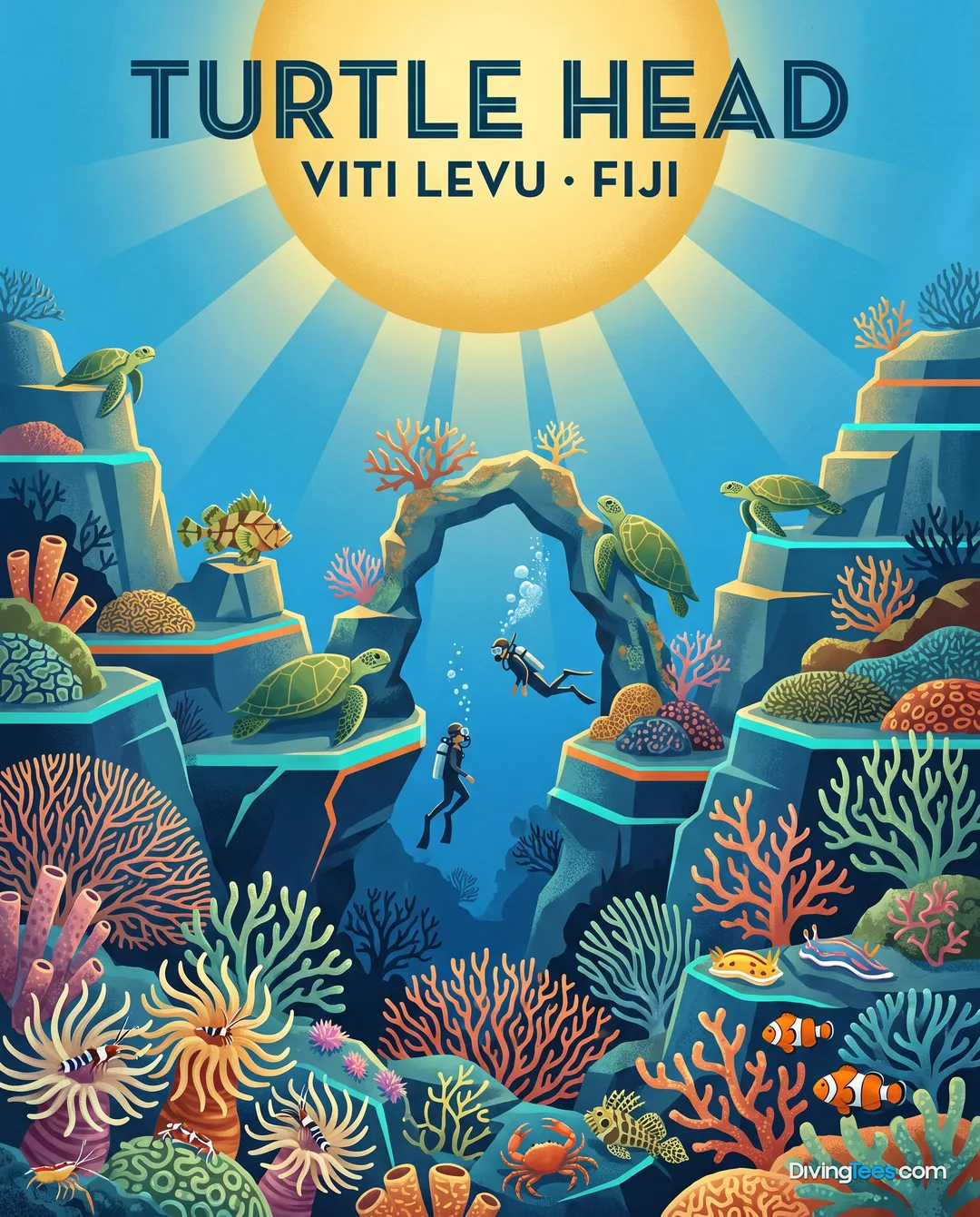
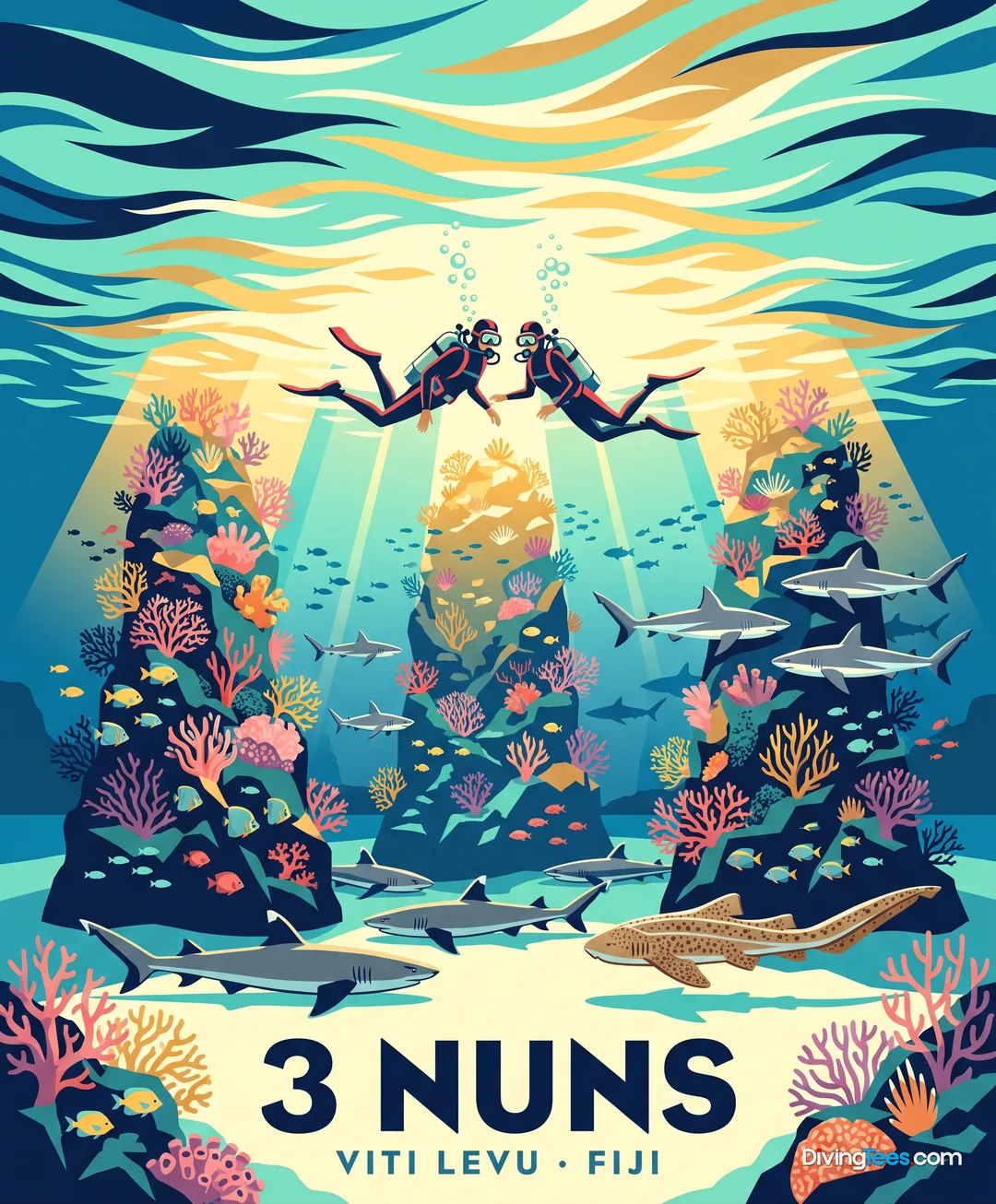
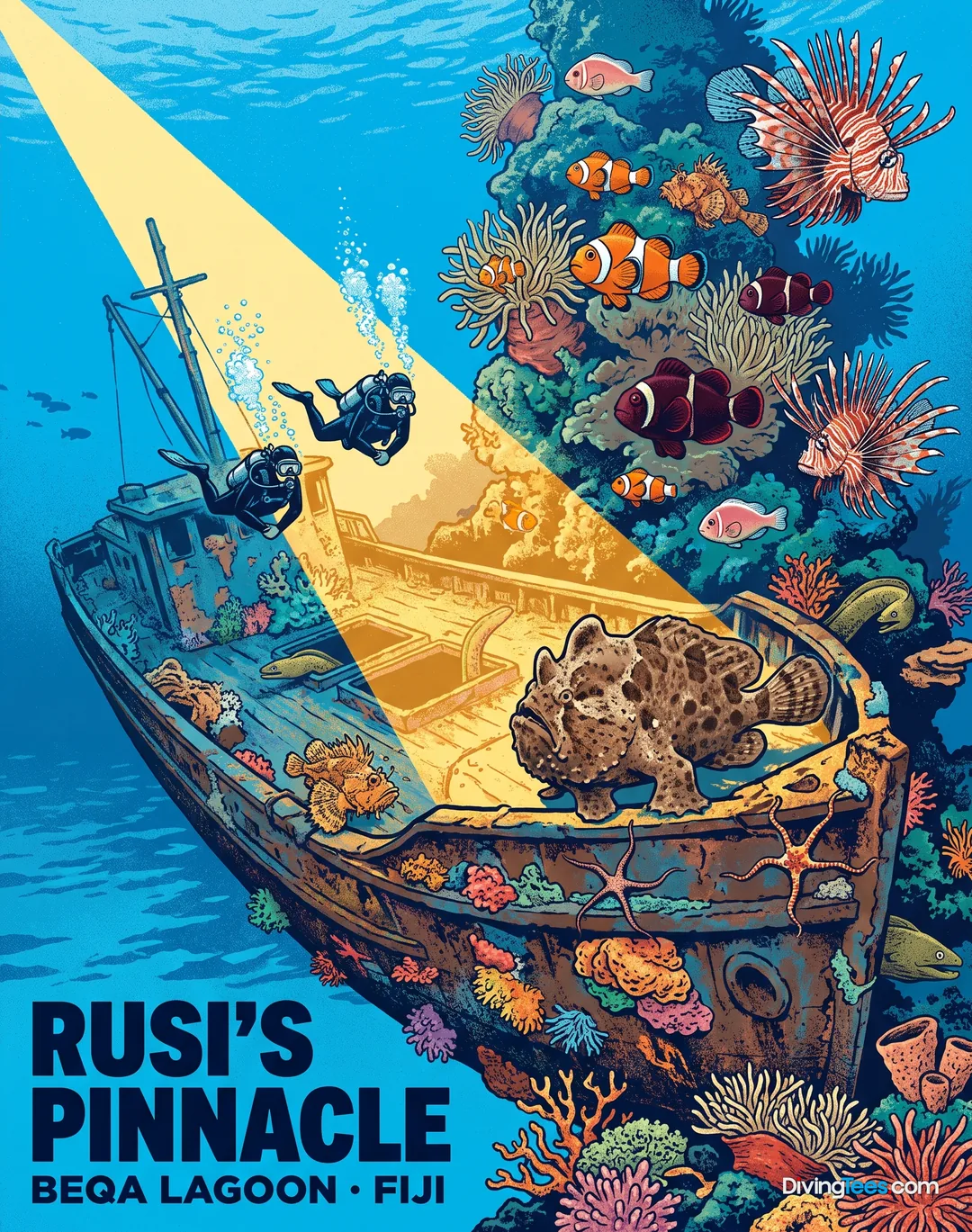
The Viti Levu sites on this route move between shark encounters, coral pinnacles, swim-throughs and wrecks. The Fiji Shark Dive reaches -30m in Shark Reef Marine Reserve, where up to eight shark species may pass, including bull, nurse, lemon, tiger and grey reef sharks. Ceasar's Rock drops to -30m across five current-swept pinnacles covered in soft corals and gorgonian fans. At 7 Sisters, seven pinnacles lead to the Tasu II wreck at 25m; the wreck is also listed separately to -28m, where its soft-coral-covered hull shelters grouper, pipefish and barracuda. E.T. / Cyclops has an 18-metre passage lined with coral, ribbon eels, lionfish and reef octopus. Swim-Through City / Bird Island combines hard-coral pinnacles, tunnels, reef sharks and turtles. Turtle Head reaches -20m and has a golden arch with small creatures around it. 3 Nuns reaches -19m for white-tip, grey reef and possible zebra sharks. Rusi's Pinnacle reaches -32m and includes a 40-metre fishing vessel with macro life and a natural pinnacle. Departures are 7-day trips of 8 days and 7 nights, or 10-day trips of 11 days and 10 nights, from Lautoka to Lautoka.
Itineraries, dates and prices
Prices per person. Each month shows its lowest price: click a month, or pick an itinerary.
Next departures · 31 departuresfrom £3,678$4,917€4,393
November 2026
February 2027
March 2027
See dates and prices
If you click these links and make a purchase on the partner site, DivingDeal may earn a commission, at no extra cost to you.
Dates and prices taken from Divebooker and liveaboard.com, updated 20 October 2026
What you’ll meet underwater
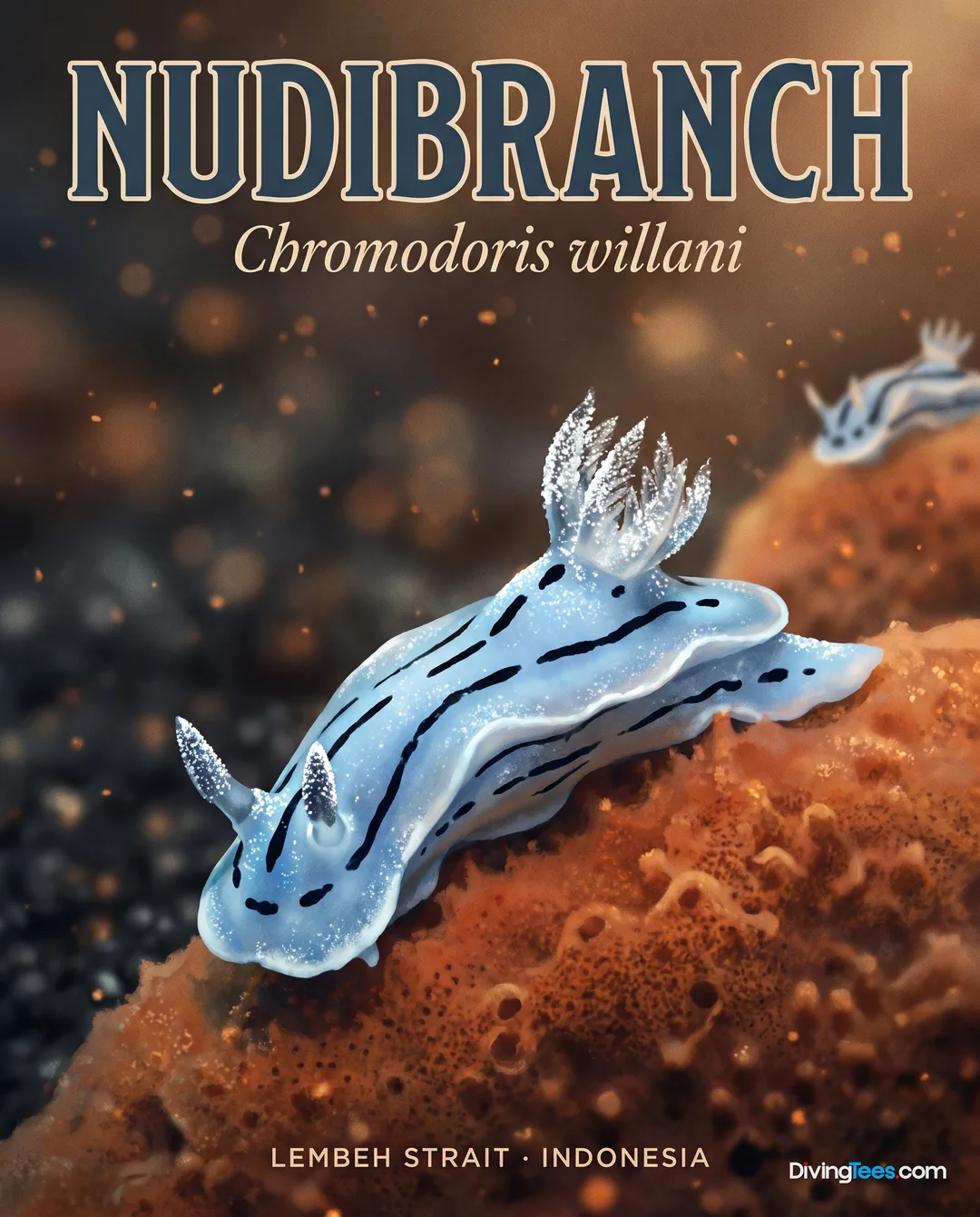
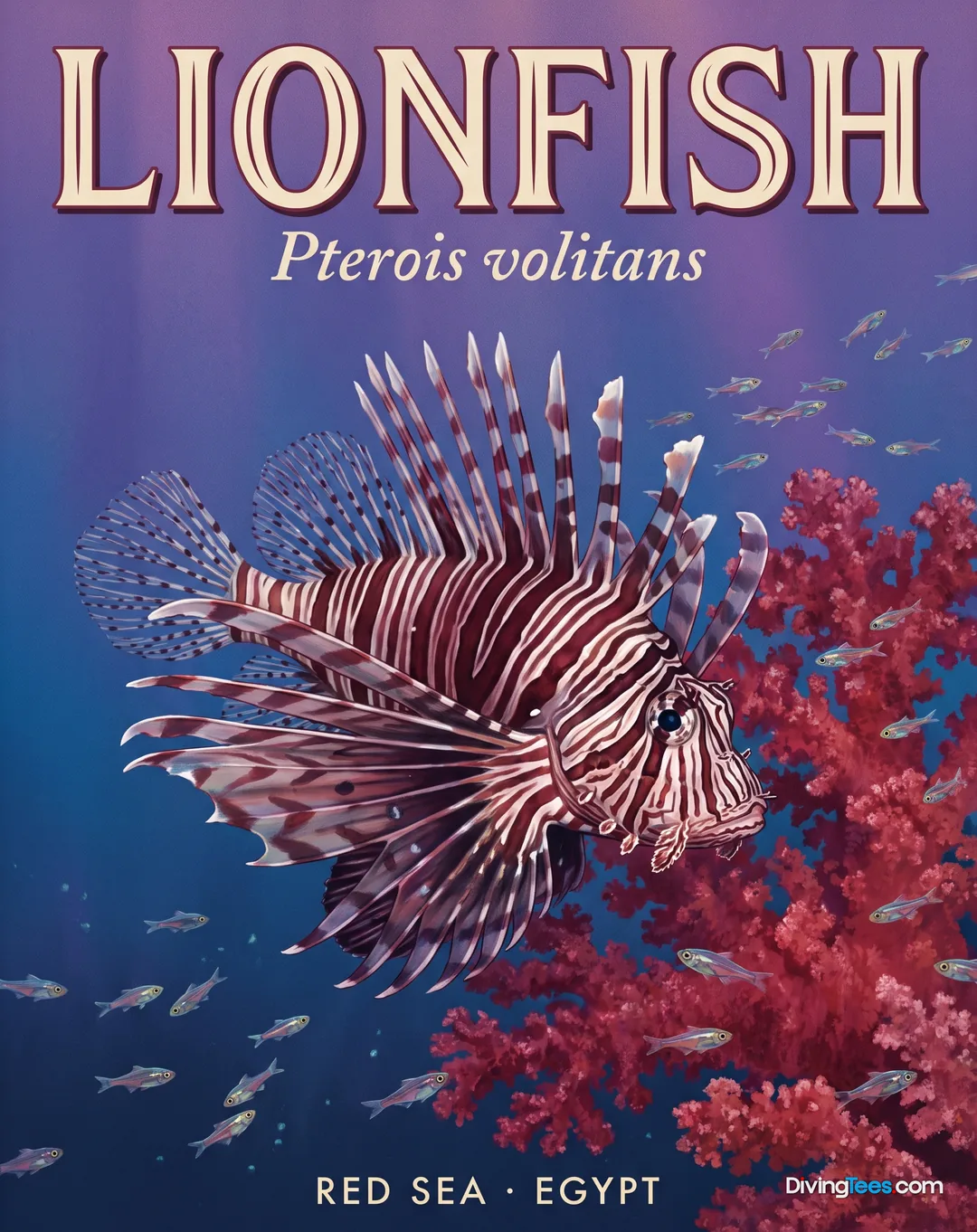
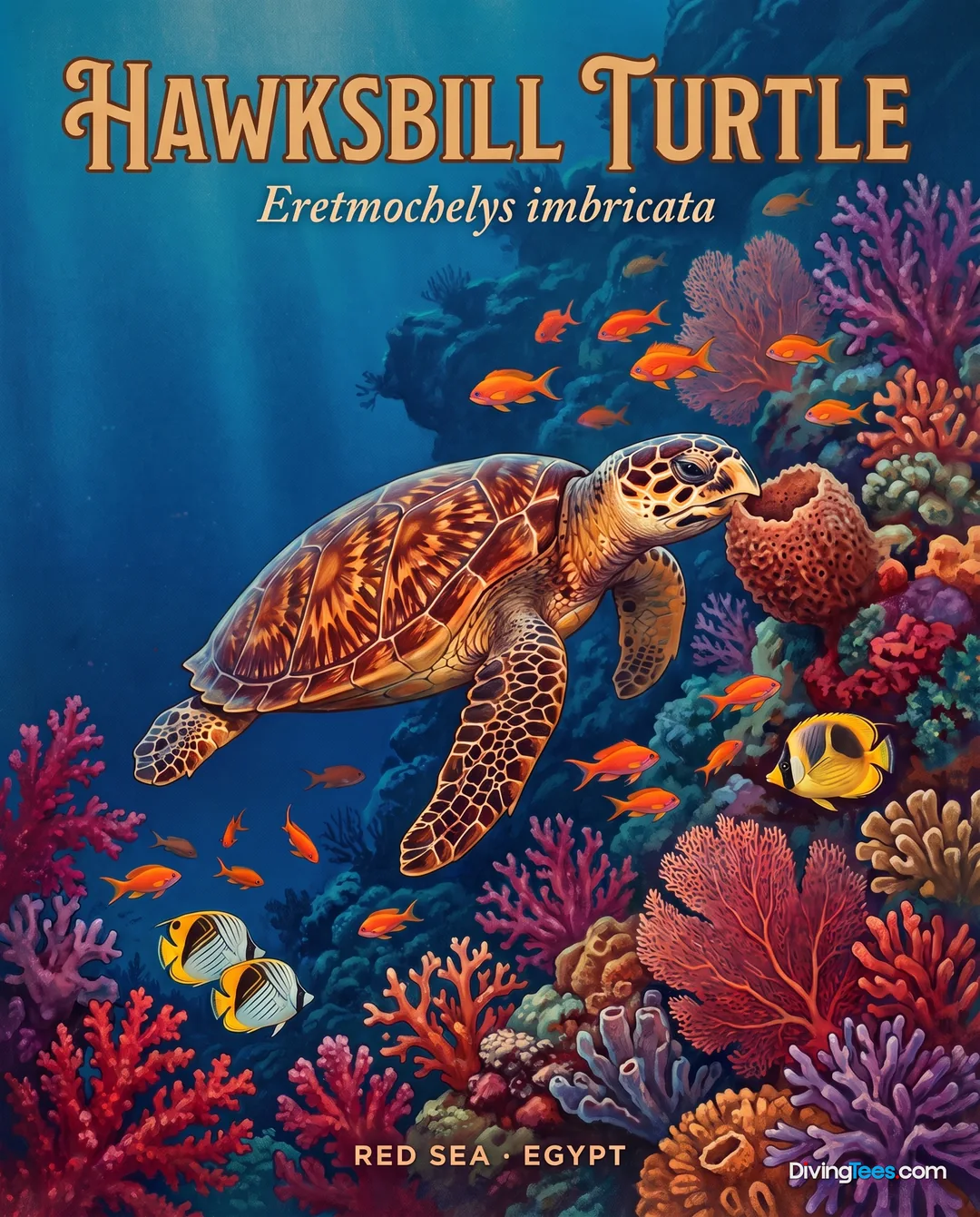
White-tip reef sharks, soft corals and lionfish are the recurring cast across this route, with gorgonian fans appearing on several sites. That gives Fiji a reliable wide-angle character without making the smaller life an afterthought: nudibranchs, pipefish, eels, octopus and scorpionfish reward a slower pass along the reef. The site-specific sightings are what sharpen the itinerary. The Fiji Shark Dive is the place for the less predictable blacktip, bull, tiger and carangid encounters. Tasu II is the listed site for barracuda and grouper around the wreck. Turtle Head is the reason to look for anemones and leafy scorpionfish. Swim-Through City / Bird Island combines hard coral, a spotted eagle ray and hawksbill turtle. Rusi's Pinnacle is the specialist stop for frogfish and stonefish among the wreck and pinnacle life. At 3 Nuns, zebra sharks are an elusive possibility alongside white-tip and grey reef sharks. Strong current at exposed sites is part of why the larger animals gather there, but none of these sightings is guaranteed.
Who puts you in the water
The dive team includes two divemasters and two instructors, with groups limited to eight divers per divemaster or instructor. Briefings cover the site, local conditions and the profile the guides use, but divers are not required to follow a guide; staying with one is also fine, especially for a first day or for finding small creatures. Nai'a expects divers to be comfortable in the water and recommends completing Advanced Open Water before boarding, including the Deep and Navigation components; Drift and Buoyancy training is strongly encouraged. Brand-new divers may join only with the required preparation, including 30 dives within the previous calendar year. The cruise directors can teach PADI Enriched Air, Advanced Open Water and Deep Diver courses, using eLearning before or during the charter. Nitrox certification can also be completed aboard, with the course instruction arranged in advance.
The dive deck and the gear
The dive operation is built around two 6.8-metre rigid inflatable skiffs. Their low freeboard and boarding ladders make entry and exit easier, and the skiffs collect divers wherever they surface, which removes the usual pressure to swim back to the descent point. Tanks are standard 11.1-litre aluminium 80-cubic-foot cylinders, with DIN adapters available; 15-litre tanks are no longer supplied. Air fills are handled aboard, and enriched-air Nitrox is produced through a high-capacity membrane system, normally at 32%. Specific mixes from 21% to 100% can be arranged for recreational or rebreather diving. Rebreather divers can rent small 2- or 3-litre cylinders, with oxygen fills and staging tanks available. Rental equipment includes SeaQuest Pro BCDs, Aqua Lung Titan regulators, Suunto Zoop or Gekko computers and dive lights. Cameras have two freshwater rinse tanks, a dedicated room and compressed air for drying and servicing.
Between dives
Between dives, the best places are the shaded dive area, the air-conditioned salon, the library and the sun deck. The salon is useful when the heat has caught up with you; the upper deck is where people read, dry off and watch the passage between islands. The observation deck gives the non-diver or snorkeler a place to follow the day without being tied to the dive schedule, although not every site suits snorkeling. Nai'a also uses the quiet hours for natural-history and conservation presentations, including daily video screenings on local marine life or environmental subjects. The camera room can absorb an entire surface interval for photographers, especially after a dive with small subjects. When the ship is under way, the gap between dives becomes travel rather than dead time: the next reef is being reached while divers shower, eat, review images or simply sleep.
A day on board
A day begins with a briefing and a first dive at a new site, followed by the basic Nai'a sequence: return by skiff, hand over the tank, rinse the camera, shower, eat and rest before the next drop. The crew moves filled tanks to the skiff, so divers normally carry only mask and fins to the boat and put the tank on at the site. Dives continue through the day, with meals and snacks placed between them rather than forcing a long break away from the water. The two skiffs let divers surface early and return while photographers or slow observers stay down longer. On roughly half the evenings, conditions and the site allow a night dive. The ship often travels during the night, so morning brings a different reef system instead of a long daytime crossing. A 7-day charter provides six full dive days; a 10-day charter provides nine.
What you eat aboard
Meals are a serious part of Nai'a's daily rhythm: dive, eat, rest, then go again. The galley serves a mix of local Fijian and Western food, with fine-dining standards, à la carte dinners and a menu varied enough for a multi-day charter. Vegetarian and vegan dishes are available, and dietary requirements can be handled when advised in advance. Non-alcoholic drinks, tea, coffee, snacks and wine with dinner are part of the onboard routine; beer and other drinks are available as well. Portions are generous, so smaller servings can be requested. That is not a minor detail on a boat running repeated dives: a good meal arrives when divers need fuel without turning the afternoon into a recovery period. Dinner also gives the day a proper pause, whether the conversation is about a shark pass, a new nudibranch or the next site's current.
Nights at sea
The eight cabins sit at the waterline, each with a porthole that stays closed, air-conditioning and a private bathroom. They are not suites, but they were rebuilt with more storage and usable space than is common on a dive vessel, which matters once bags, cameras and wet gear arrive. Hot showers are available, including after a dive, and the cabins are kept cool and fresh. A night aboard is therefore more about quiet separation from the working deck than a view through an opening window: the boat's movement and the machinery remain part of the setting, while the porthole gives a low, blue-lit connection to the sea. The saloon and library offer places to read or watch something before turning in. Cabin assignments can be requested, but final allocations are made close to departure; solo travellers can share with someone of the same gender.
Cabins
What to know before boarding
Nai'a boards and returns at Lautoka Main Wharf. Transfers from Nadi International Airport or most hotels in the Nadi area to the boat are provided and included; passengers cannot make their own way through the restricted wharf. On charter days, pickup begins between 1:00pm and 1:30pm, and the return transfer leaves after the charter ends at 8:00am. Arriving in Fiji the night before is sensible after the long flight and time change.
What the boat does for the ocean
Nai'a turns its dive operation into an active conservation platform. The boat runs ocean-temperature monitoring at depth, coral-reef monitoring and baseline surveys, with divers sometimes assisting cruise directors or visiting scientists. Passenger observations can be added to the vessel's dive log and reef database. The operation has worked with organisations including the University of the South Pacific, WWF, Conservation International, the Wildlife Conservation Society and the New England Aquarium. Onboard presentations and marine-life screenings give those observations context, while village visits and cultural exchanges connect the diving to the communities around the reefs.
- Year built
- 1979
- Year renovated
- 2010
- Length
- 36.6 m
- Maximum number of passengers
- 16
- Number of cabins
- 8
- Number of bathrooms
- 8
- Website
- naia.com.fj ↗
Hello, I'm Marina, DivingDeal.com's AI assistant. I answer in detail about hotels, dive centres and liveaboards.
Thinking about the whole trip and the flights? Talk it over with Edith →
Marina is an AI. Some links are affiliate links: DivingDeal may earn a commission, at no extra cost to you. Bookings are made with the partner.