
Mantaray Dive LTD
Google 4.6/5 (1,182 reviews)
Yawasa Island · Fiji · Pacific
Descend into the heart of the Manta Channel, where the unique hydrography between Barefoot Manta and Naviti Islands concentrates zooplankton, guaranteeing regular encounters with majestic manta rays.
Diving the Manta Channel transports you to a natural highway for mobulids, an experience shaped by the very geography of the Yasawa Islands. As you descend, you're entering the narrow passage between Barefoot Manta Island and Naviti Island, a critical pinch-point where current and topography conspire to create ideal feeding conditions. The seasonal influx of zooplankton, driven by regional weather patterns, is the engine that draws these gentle giants to this specific location for half the year.
The dive profile here is less about dramatic walls or deep wrecks, and more about observing life in motion within a dynamic channel environment. Your focus will be on the water column, scanning for the dark, graceful silhouettes of the manta rays as they feed. The interaction between the islands' shapes and the currents is visible, creating the conditions that make zooplankton masses so dense, turning this channel into a seasonal buffet for these iconic creatures.
While the manta rays are undoubtedly the stars of the show from April to October, the channel is a vibrant ecosystem year-round. Beneath the surface, the coral structures provide an intricate habitat. You'll encounter over 60 species of hard corals forming the reef's foundation, creating shelter and hunting grounds for an astounding diversity of marine life. This is a system where the reef itself supports a complex food web, even outside the peak manta season.
Beyond the main attraction, the biodiversity within Manta Channel is impressive, even for Fiji. As you navigate the site, keep an eye out for the resident fish populations; over 300 distinct species call these waters home. From schooling reef fish to solitary predators, the sheer variety underscores the health and productivity of this channel system. This rich resident population contributes to the overall allure of the site, providing constant visual interest.
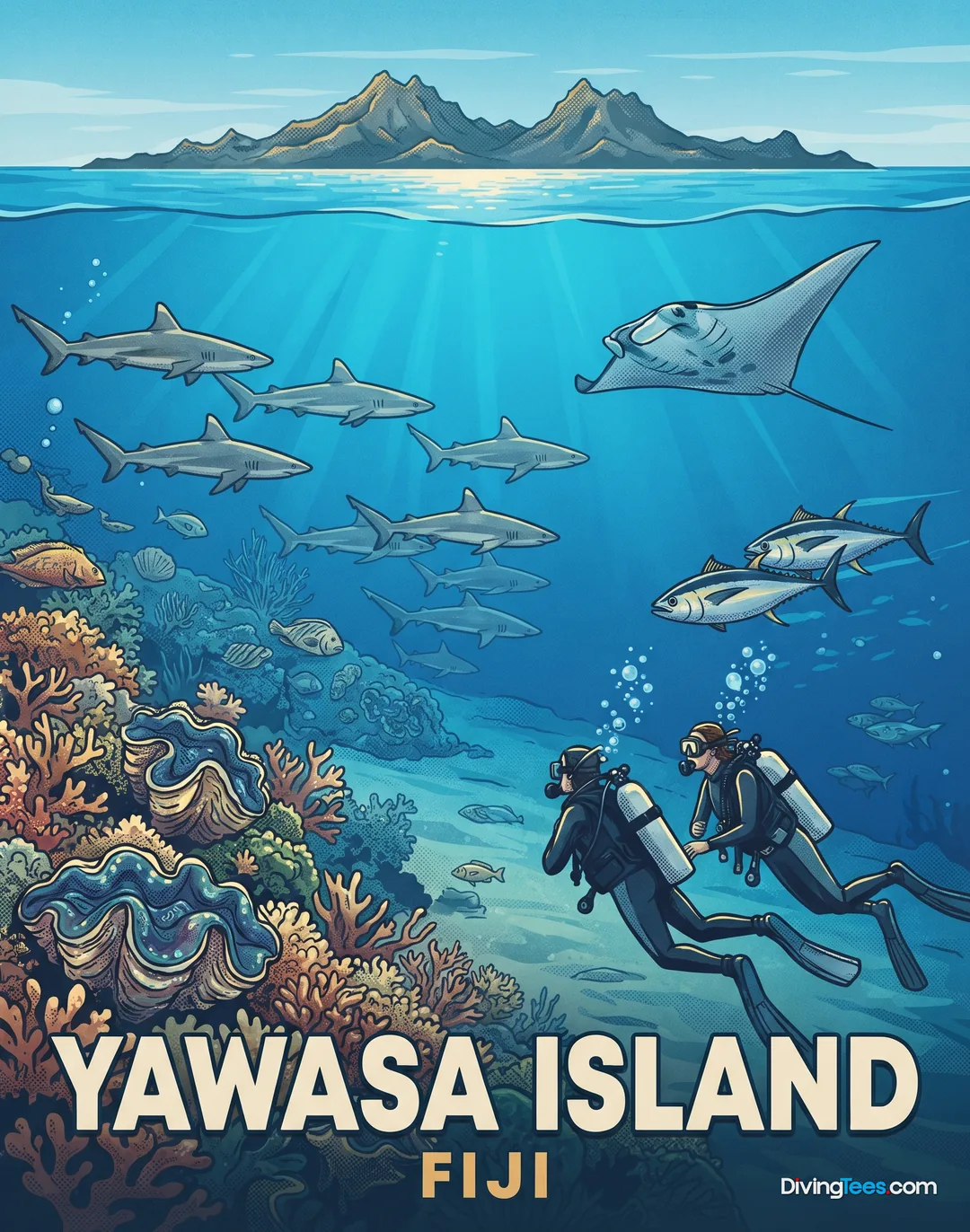
The larger inhabitants are also a significant draw. The channel hosts at least 11 species of sharks and other rays, beyond the mantas. While specific encounters vary, the presence of such a diverse array of elasmobranchs indicates a healthy food chain and a thriving marine environment. This diversity adds another layer to the dive, offering the potential for unexpected encounters with various apex predators and bottom dwellers as you explore the reef's contours.
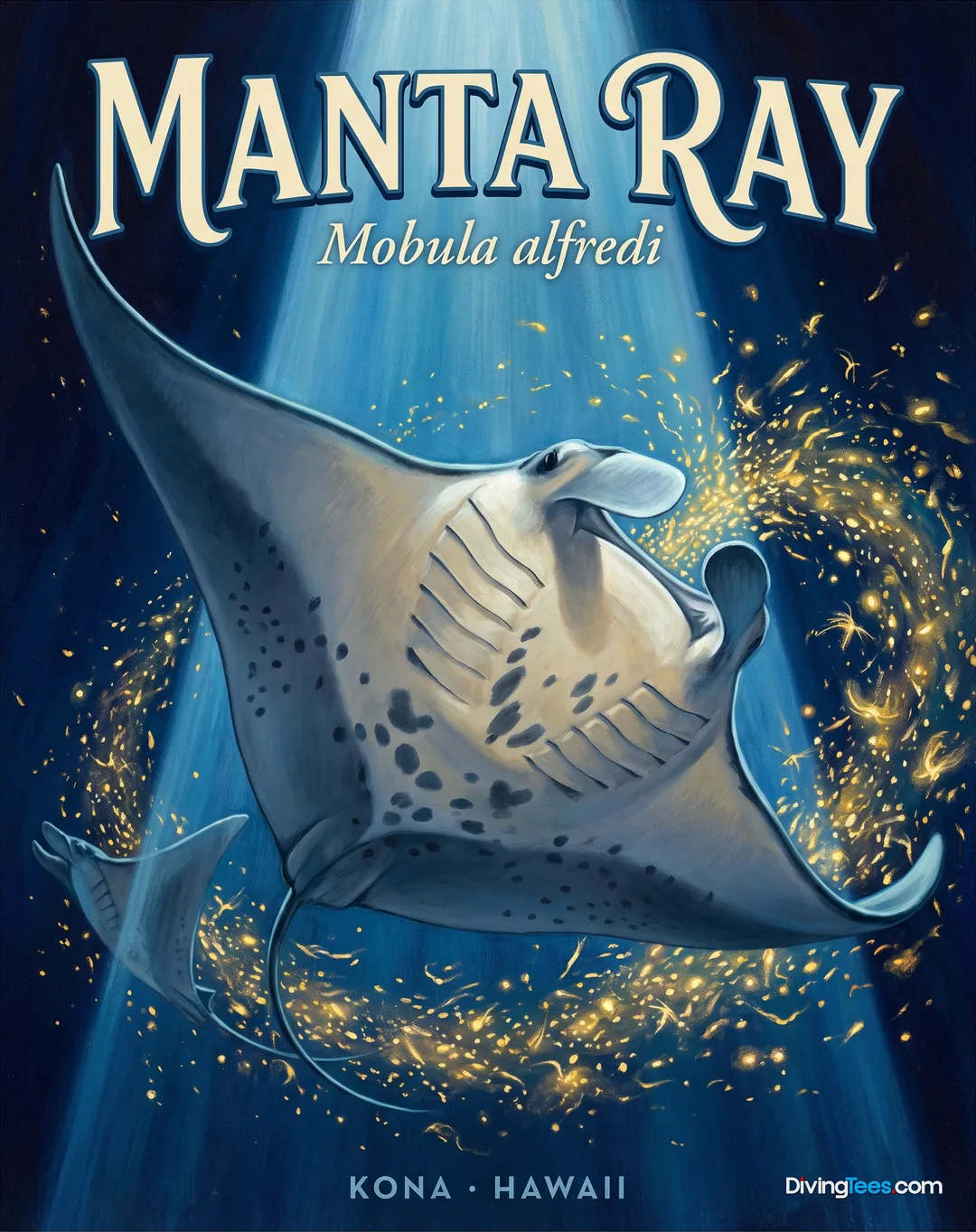
What truly sets Manta Channel apart is the dependable, natural aggregation of manta rays. It's not a chance encounter; it's a predictable, seasonal phenomenon that has been consistently observed and studied since 2011. The local conservation team has identified over 120 individual manta rays here, a testament to the site's importance as a critical feeding ground. This ongoing research effort highlights the ecological significance of this precise location.
To fully appreciate the experience, you'll want to focus on buoyancy control and observation, letting the current carry you gently or finding sheltered spots to watch the mantas. The interaction here is generally slow and deliberate, allowing for prolonged observation periods. This direct, often close-up, encounter with feeding mantas in their natural environment is what defines a dive in Manta Channel.
This site is accessible to divers of all levels. The best period for encountering manta rays at Manta Channel is from April to October, when the regional conditions concentrate zooplankton within the channel, attracting them to feed.
Plan your dive at Manta Channel from April to October if manta rays are your main interest. During this period, regional conditions concentrate zooplankton within the channel, attracting mantas to feed. The site remains a vibrant reef environment throughout the year, with corals, fish, sharks, and other rays present.
Manta Channel is accessible to divers of all levels. The experience centers on observing marine life in a dynamic channel environment rather than exploring a deep wreck or dramatic wall. You will benefit from comfortable buoyancy control and calm observation skills while watching mantas and other animals in their natural surroundings.
Manta Channel is shaped by the passage between Barefoot Manta Island and Naviti Island, where geography and currents concentrate zooplankton. The environment is dynamic, and you may let the current carry you gently or use sheltered spots for observation. Focus on buoyancy control as you watch life moving through the water column.
At Manta Channel, you can watch manta rays feeding in the water column, particularly from April to October. The reef supports a broad range of marine life, including schooling fish, solitary predators, sharks, other rays, and hard corals. The channel’s resident biodiversity provides visual interest even outside manta season.