
Loloata Dive Resort
Google 4.4/5 (523 reviews)
2 km away as the crow flies
Port Moresby · Papua New Guinea · Pacific
Max. depth · 18 mExplore the remarkably intact fuselage of an American A-20 Havoc bomber, resting on a sandy seabed in Bootless Bay since WWII.
Dropping onto the A 20 Havoc, you'll find the complete airframe of a WWII American bomber resting on a sand bottom. The wreck lies adjacent to a shallow reef in Bootless Bay, near Port Moresby. Its metallic skin, now encrusted, retains its form, offering a clear outline of the cockpit, wings, and tail section. The bomber sits upright, giving the impression it could still take flight, a silent testament to its past.
The dive profile here is straightforward, allowing for a thorough exploration of the aircraft. The shallowest part of the wreck begins at 5 metres, extending down to its deepest point at 18 metres. This depth range makes it accessible for extended bottom times, giving you ample opportunity to inspect the details of the fuselage. The surrounding soft, sandy bottom ensures that visibility remains focused on the wreck itself, with minimal particulate disturbance.
While the wreck is the primary focus, the site offers more as you ascend. The safety stop zones transform into vibrant hard coral gardens, providing a stark contrast to the historical relic below. These flourishing reefs are home to various reef fish, adding a layer of natural beauty to the dive. This combination of a historical wreck and a living reef makes the A 20 Havoc a distinctive dive in the Port Moresby area.
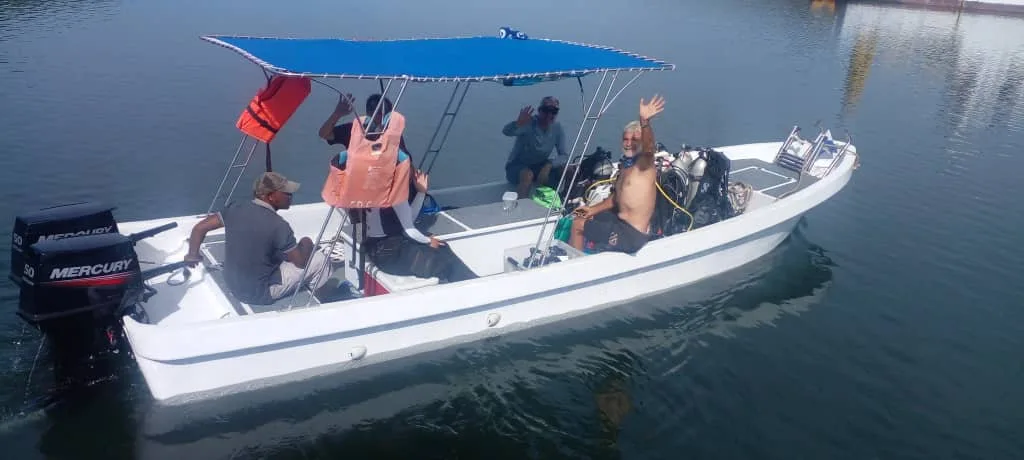
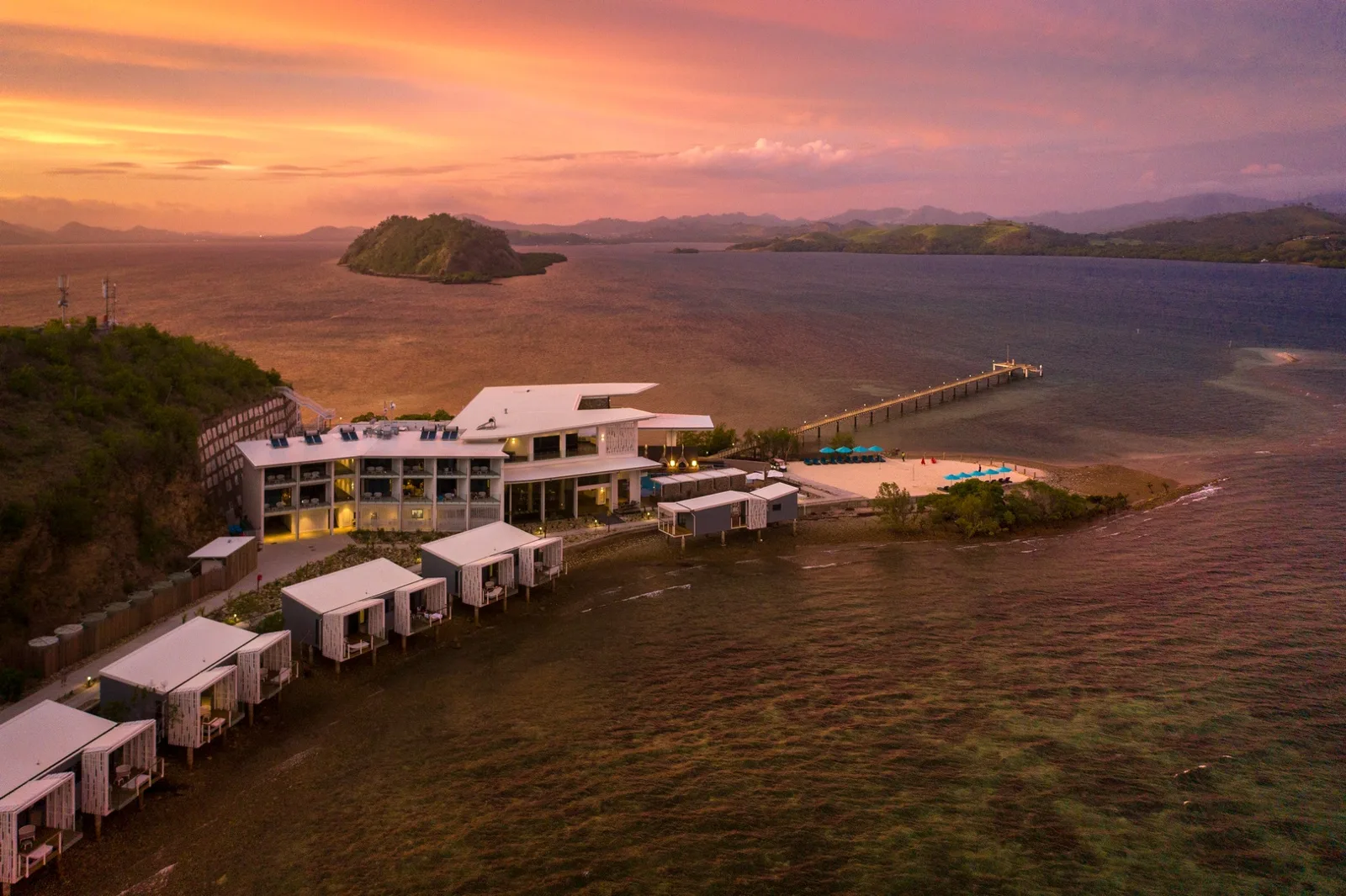
Access to the A 20 Havoc is typically by boat from Loloata Island Resort or its jetty in Bootless Bay. The site is approximately one nautical mile from the Loloata jetty, a short transfer from Port Moresby. While the current is generally manageable, conditions can be variable. Timing your dive for the morning or high tide is often recommended to ensure the most comfortable experience, rather than needing to manage strong currents.
The A 20 Havoc is accessible with minimum depths of 5 metres and maximum depths reaching 18 metres. It is suitable for Open Water divers comfortable with wreck diving at recreational depths. Current conditions are variable, often dependent on tides; planning your dive for morning or high tide is advisable. The best time to experience this site is from late October until early December, when seas are typically calm and visibility is good. Visibility can decline from late December until early April during the wet season.
A 20 Havoc is suited to diving from late October until early December, when seas are typically calm and visibility is good. Visibility can decline from late December until early April during the wet season. Planning your dive for the morning or high tide can also support a more comfortable experience at the site.
A 20 Havoc is suitable for Open Water divers who are comfortable with wreck diving at recreational depths. The wreck begins at 5 metres and reaches 18 metres, allowing you to explore the aircraft within a straightforward depth range. Its upright position and clear outline make the cockpit, wings, and tail accessible to inspect.
At A 20 Havoc, current conditions are variable and often depend on the tides. The current is generally manageable, but planning your dive for the morning or high tide is advisable. This timing is recommended for a more comfortable experience, rather than needing to manage strong currents during your exploration of the wreck.
At A 20 Havoc, you will explore a fully intact WWII American A-20 Havoc bomber resting upright on a sandy bottom. Its encrusted metallic skin retains the cockpit, wings, and tail section. In the safety stop zones, hard coral gardens add reef fish and living colour beside the historical wreck.