


Extra Divers Temple Point
Google 4.3/5 (822 reviews)
Watamu · Kenya · Africa
Max. depth · 27 mDescend along the northern reef slopes of Watamu to encounter green turtles and elusive reef sharks among vibrant schools of fish and a kaleidoscope of nudibranchs.
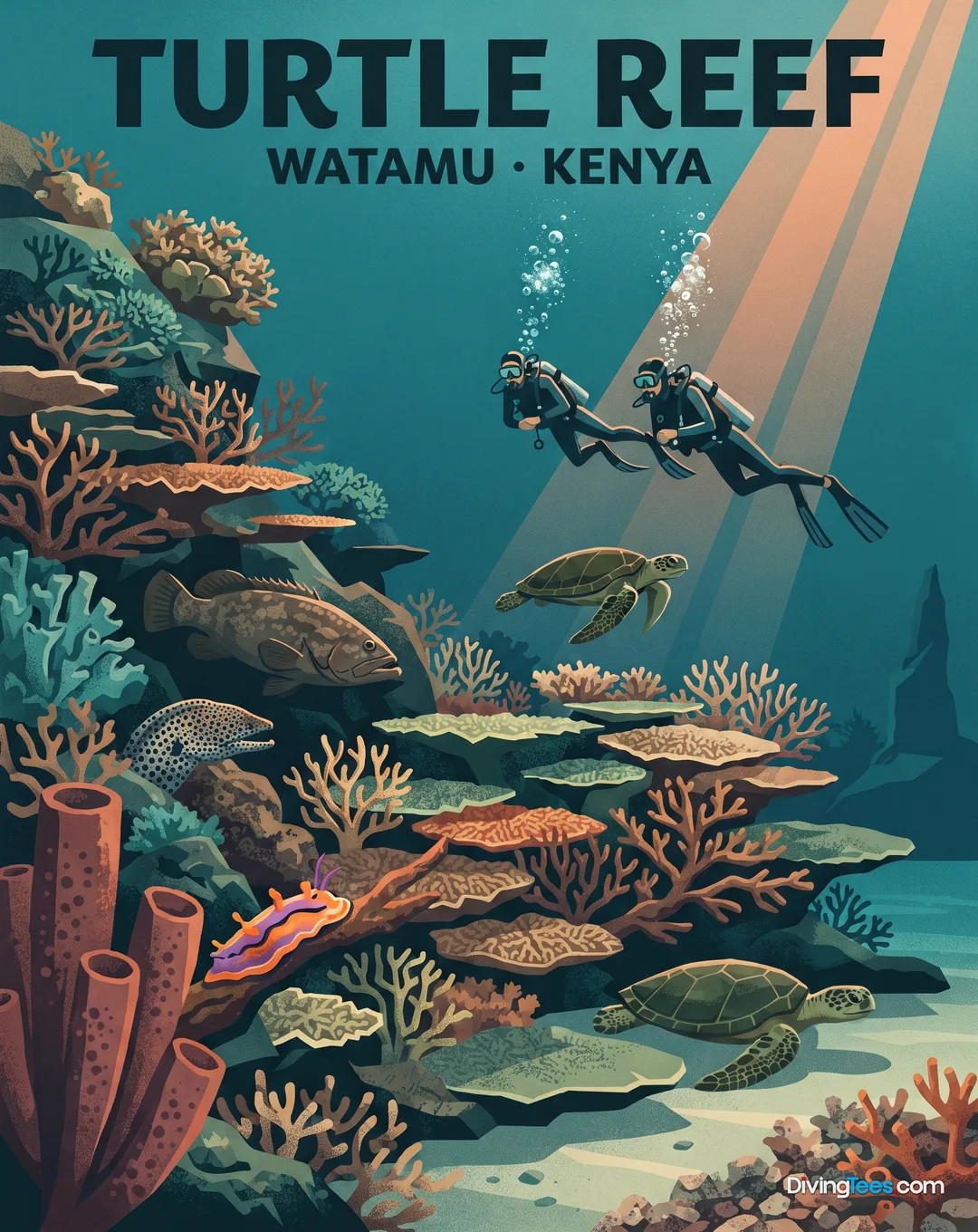
Diving into Oktopus Reef and Moray Reef, you immediately feel the gentle embrace of the Watamu waters as you begin your descent along the northern reef structure. The dive commences at a shallow 10 meters, where the vibrant reef crest transitions into a sloping expanse that gradually deepens. This initial section is often where you'll first encounter the site's most iconic residents: the marine turtles, gracefully gliding past or resting on the coral bommies.
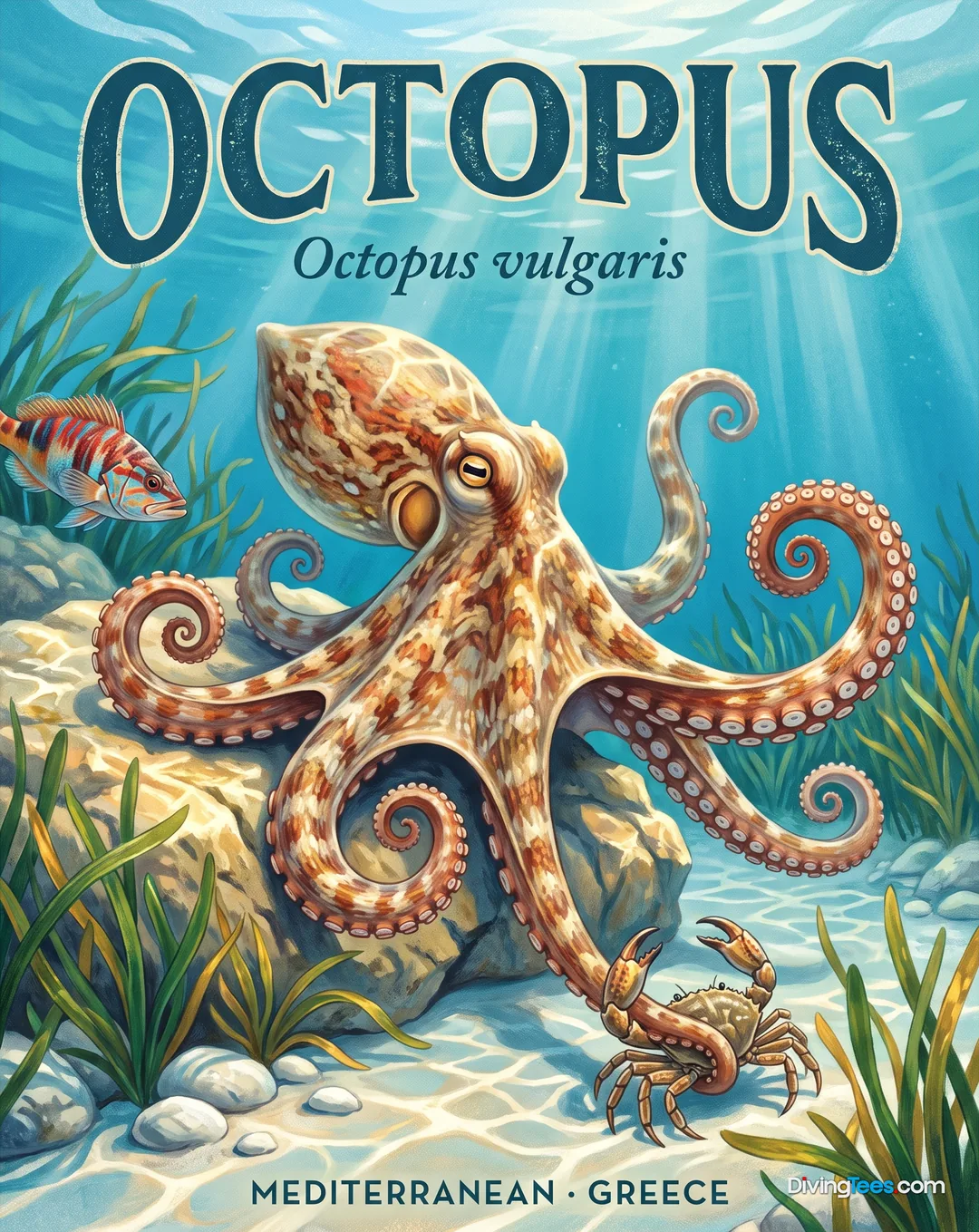
As you follow the reef down, the profile extends to approximately 27 meters, where the coral gives way to a soft sandy bottom. It's along this varied terrain that the two distinct sections, Oktopus Reef and Moray Reef, offer their unique character. Oktopus Reef, in particular, lives up to its name with the promise of encountering interesting marine life, especially the frequent presence of its namesake octopuses although not consistently listed, and the ubiquitous sea turtles.
Moving deeper into the reef's structure, keep a keen eye trained on the overhangs and ledges. Here, you might just catch a glimpse of the reef's more elusive inhabitants: the blacktip reef shark (Carcharhinus melanopterus) or whitetip reef shark (Triaenodon obesus) often found resting calmly beneath a rocky outcropping. These encounters are typically tranquil moments, offering a unique perspective on their natural behavior in their daytime retreats.
Transitioning to Moray Reef, the reef continues to teem with pelagic life. Large schools of blue-striped snapper (Lutjanus kasmira) are a common sight, their shimmering bodies forming a dynamic curtain against the deeper blue. Further along, you'll find impressive aggregations of flute fish (Fistularia commersonii), fusiliers (Caesionidae), and barracudas (Sphyraenidae) schooling in unison, creating an immersive experience as you navigate through their formations.
However, what truly sets Moray Reef apart for the macro enthusiast are its smaller, yet equally captivating, residents. This site is a vibrant hub for nudibranchs, presenting a remarkable diversity in colors and forms. Spend time exploring the nooks and crannies of the coral, and you'll uncover these intricate sea slugs, each a miniature masterpiece of nature, adding an unexpected layer of biodiversity to the dive.
This site offers a maximum dive depth of 27 meters, with the reef crest beginning at 10 meters. The best period to dive Oktopus Reef and Moray Reef is from November to March.
The best period to dive Oktopus Reef and Moray Reef is from November to March. During this season, you can explore the northern reef structure, beginning at the shallow reef crest and following its slope toward deeper sections, where the two reef areas continue across varied underwater terrain.
Oktopus Reef and Moray Reef range from 10 to 27 meters. The reef crest begins at 10 meters, then slopes gradually downward along the reef wall. At approximately 27 meters, the coral gives way to a soft sandy bottom, creating a varied profile between the shallower crest and deeper reef.
At Oktopus Reef and Moray Reef, you may encounter marine turtles gliding past or resting on coral bommies. Blacktip and whitetip reef sharks may rest beneath overhangs and ledges. Schools of blue-striped snapper, flute fish, fusiliers, and barracudas add larger moving groups throughout the reef.
Oktopus Reef and Moray Reef offer diverse nudibranchs among the reef’s nooks and crannies. You can spend time examining their colors and forms while exploring the coral. This macro life adds another layer to the site, alongside turtles, reef sharks, schooling fish, and barracudas.