Americas
Mexico: reefs, cenotes and opposite seasons
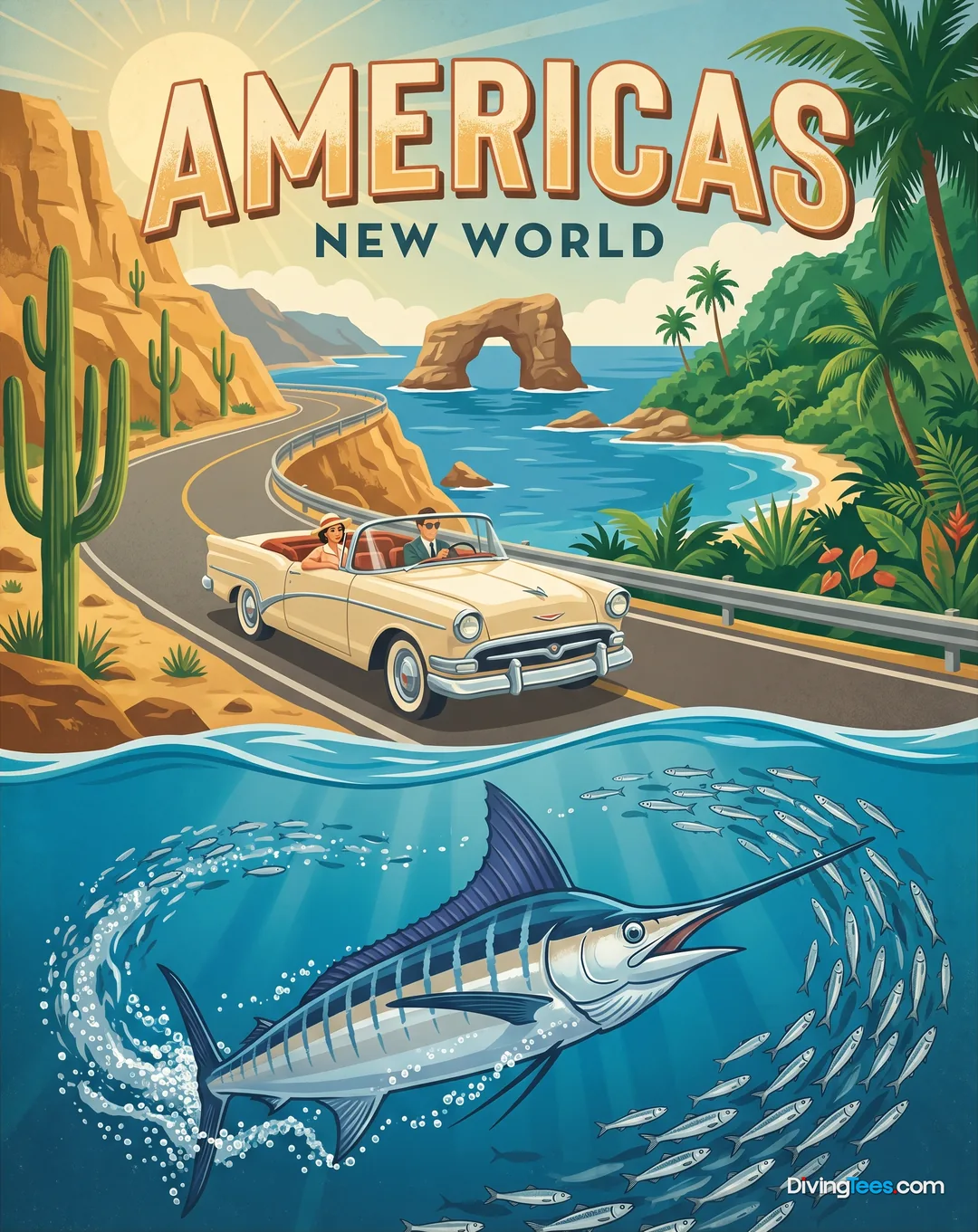
From Cozumel’s drift reefs to Baja California’s desert coast, Mexico joins Yucatán cenotes, Maya sites and Pacific sea life in one country.
What makes this country unique
- Cozumel drift reefs and the Yucatán cenotes
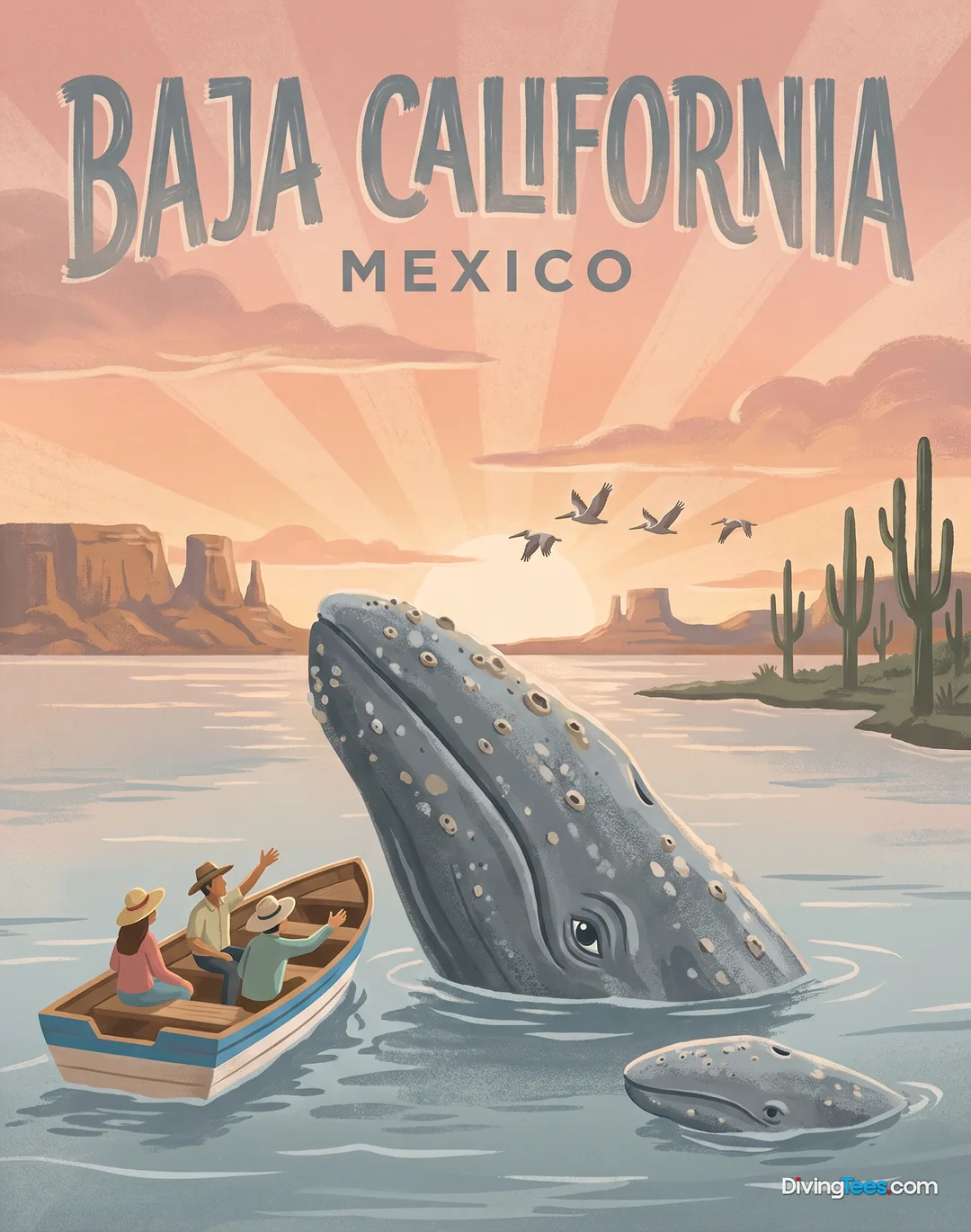
- Baja California’s desert coast and Espíritu Santo
- San José del Cabo from November through April
- Socorro Island and giant manta encounters
- Banco Chinchorro beyond Mahahual’s coastal village
- Cochinita pibil in Mérida and Valladolid
- Puerto Vallarta’s markets and Isla Marietas
For subtitles in English: start the video firstthen click the gearat the top right of the video, select “Subtitles/CC”, then “Auto-translate” and choose “English”.
This country for a diver
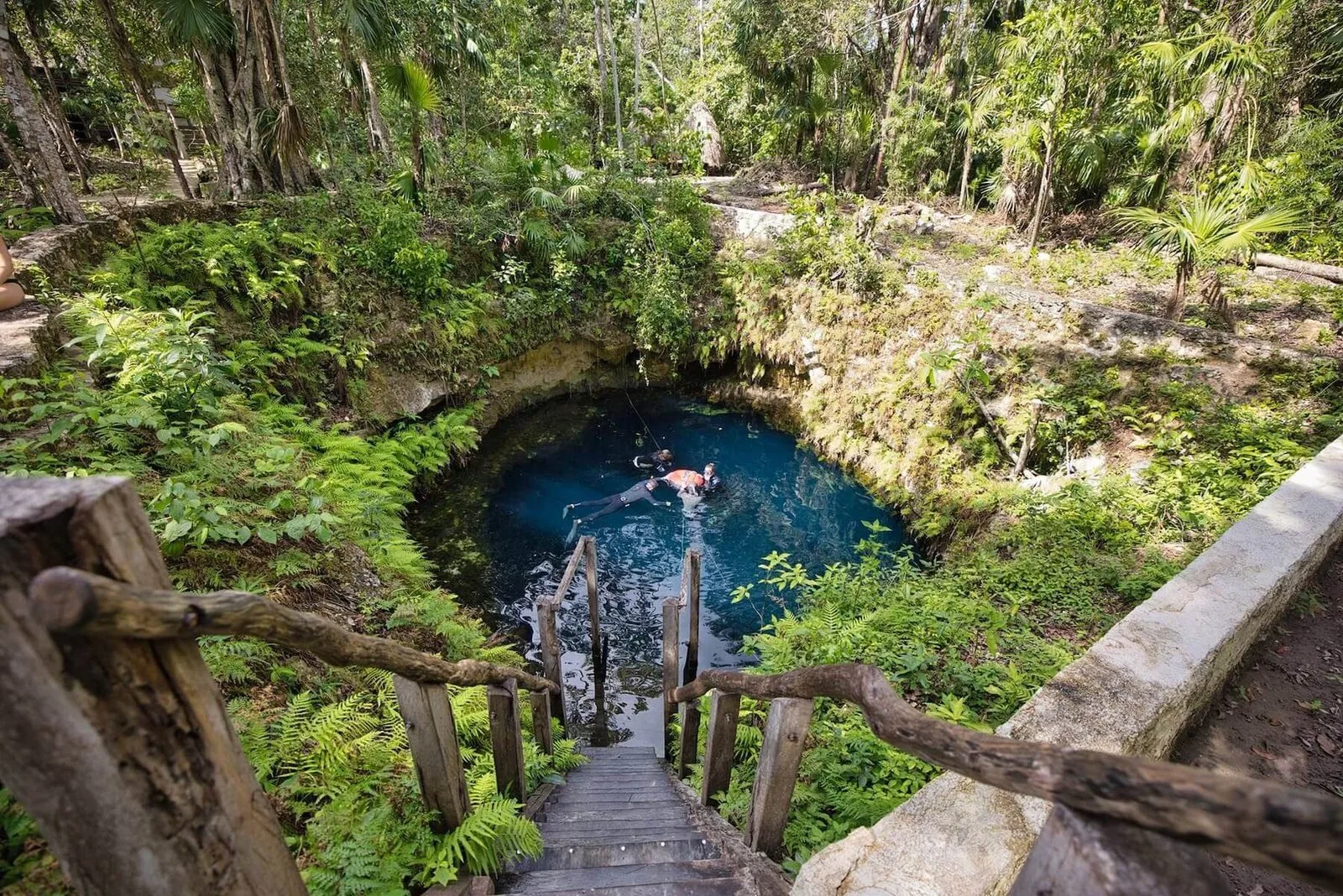
For a diver, Mexico is a country of three very different maritime settings: Caribbean reefs and cenotes in the Yucatán, desert-fringed waters in Baja California, and the Pacific coast around Puerto Vallarta. That geographical spread matters more than a single national identity. Boat diving dominates the exposed Pacific and Baja sites, while the Caribbean side mixes reefs, wrecks and freshwater caverns. Currents range from light to variable, reef health is mixed in the coastal destinations, and Socorro stands apart as a remote, expensive option for experienced divers. Mexico rewards an itinerary built around one coast at a time.
How the country divides
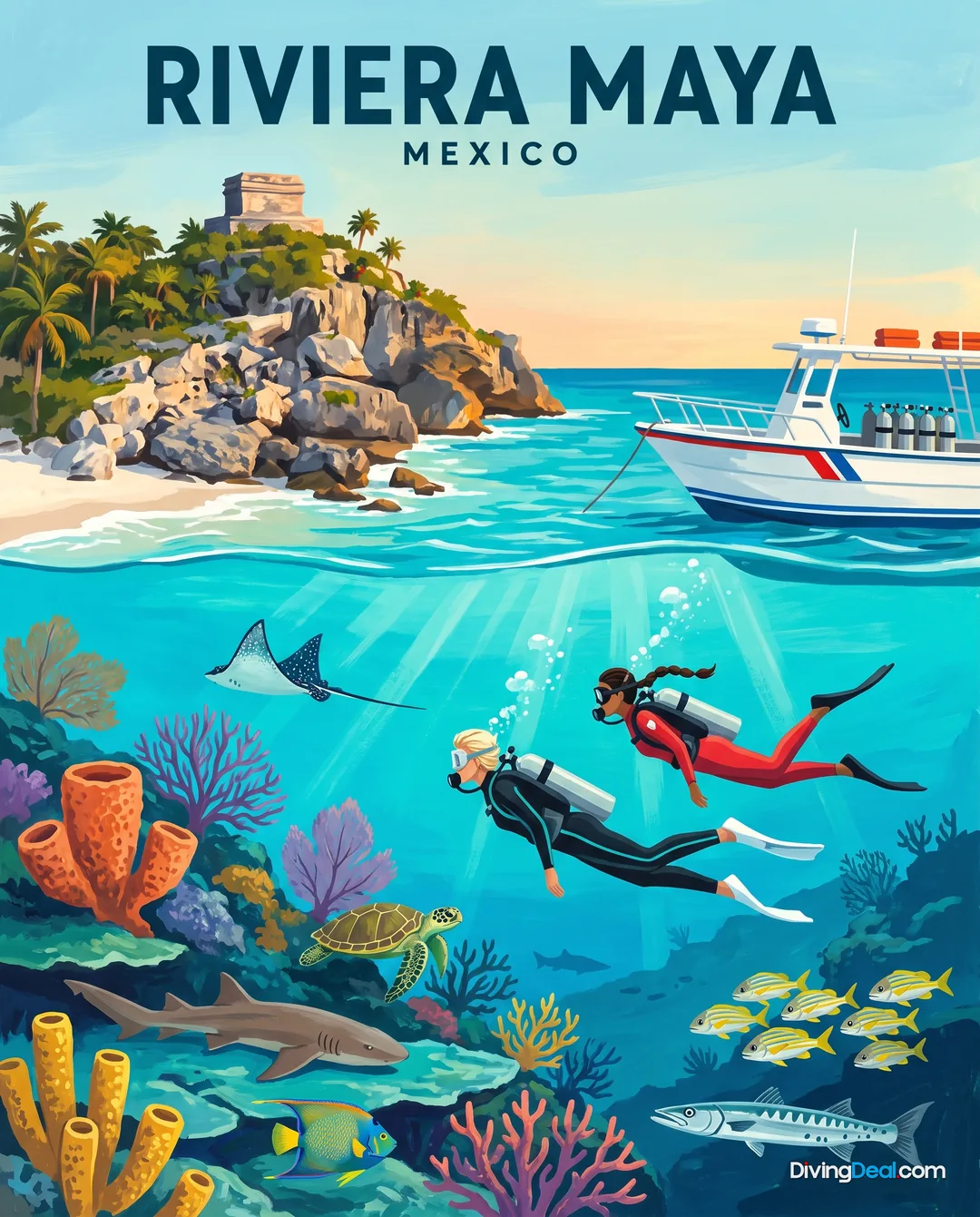
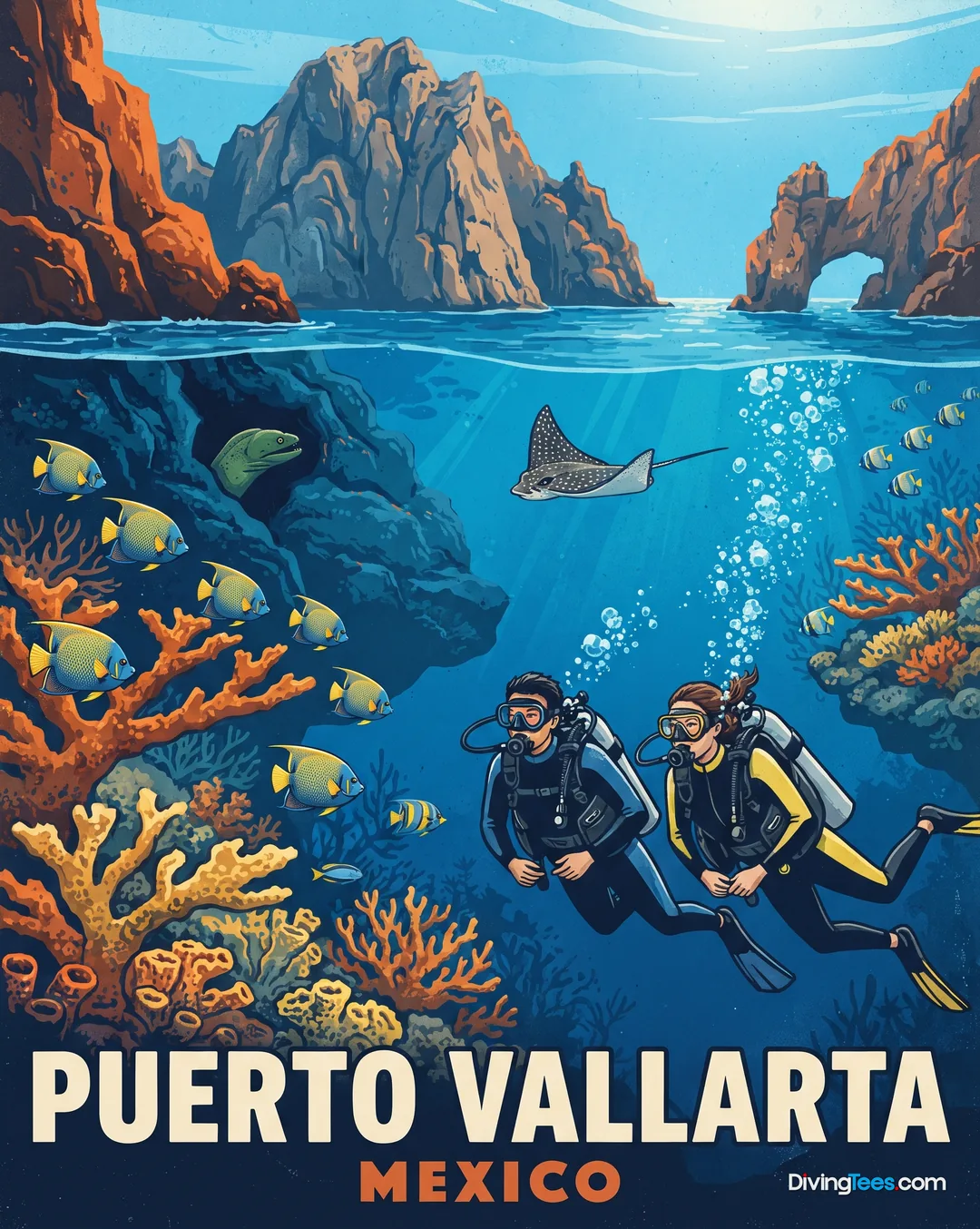
The Yucatán grouping is the most varied and easiest to combine geographically. Cozumel is the island base for boat-dived reefs, while the Riviera Maya links coastal diving with cenotes and Maya sites; its season runs mainly from July into autumn. Mahahual belongs to the quieter Costa Maya rather than the central resort corridor, and Banco Chinchorro requires a separate commitment beyond the village. Baja California Sur is a different proposition: Cabo San Lucas, La Paz, the Sea of Cortez and San José del Cabo sit between desert roads and marine parks. Their seasons overlap unevenly, so the choice is between warm-season activity around La Paz and the Sea of Cortez, or San José del Cabo from November to April. Puerto Vallarta forms a self-contained Pacific option from June to November. Socorro is the remote liveaboard choice, priced higher and suited to experienced divers.
Diving destinations
Dive centres

Hotels
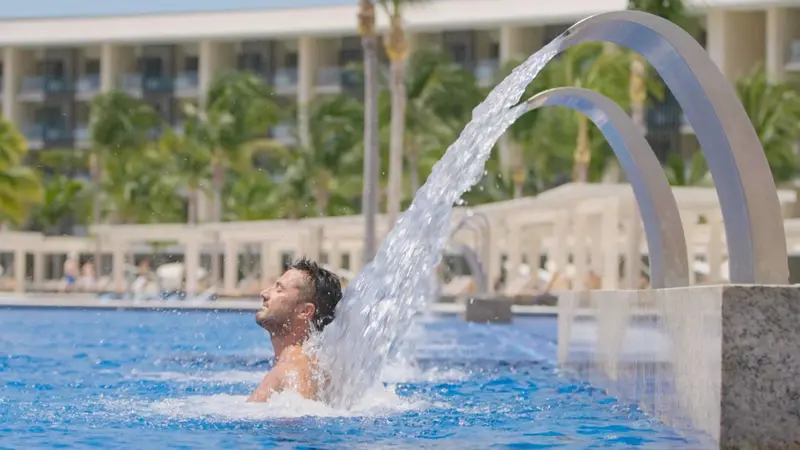
Barceló Maya Riviera - Adults Only - All Inclusive
Akumal, Riviera Maya
★★★★
Google 4.9/5 (43,693 reviews)
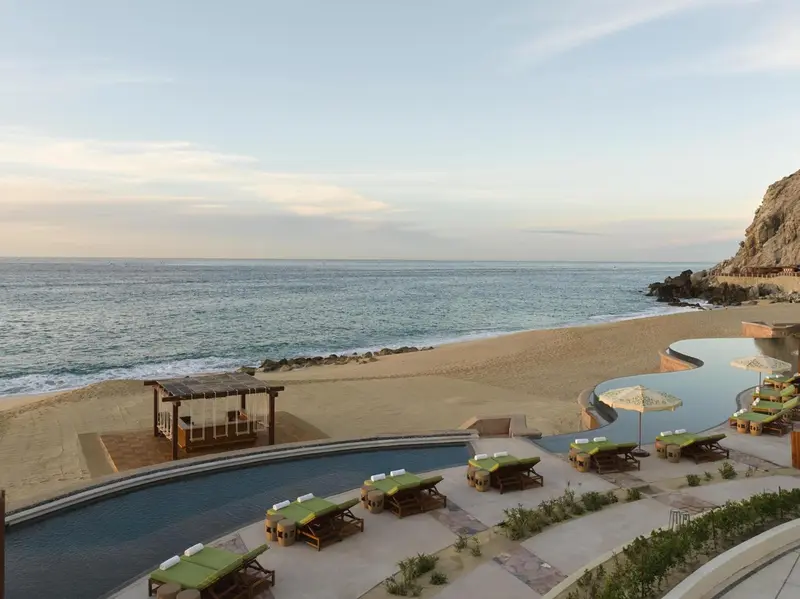
Waldorf Astoria Los Cabos Pedregal
Baja California
★★★★★
Google 4.8/5 (2,004 reviews)
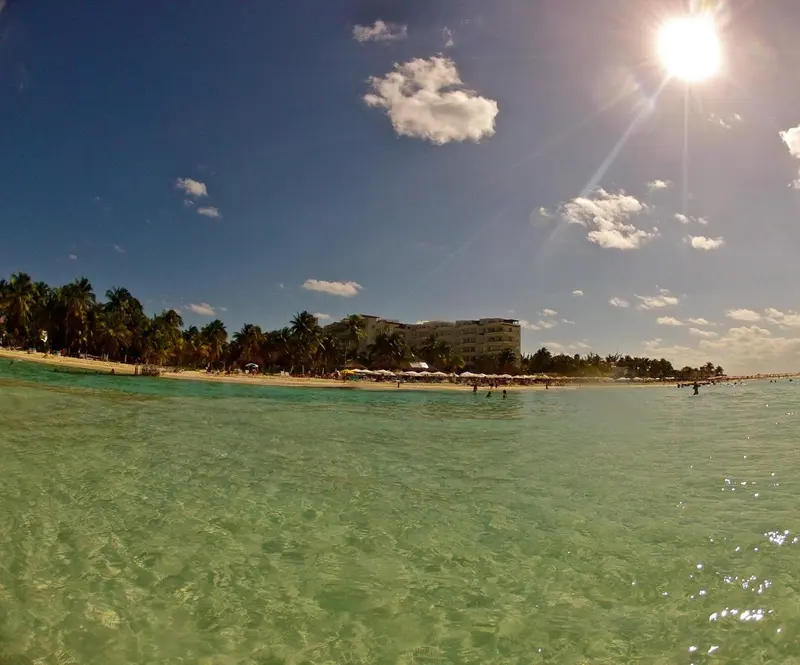
Sea Hawk Suites
Isla Mujeres, Riviera Maya
Google 4.9/5 (775 reviews)
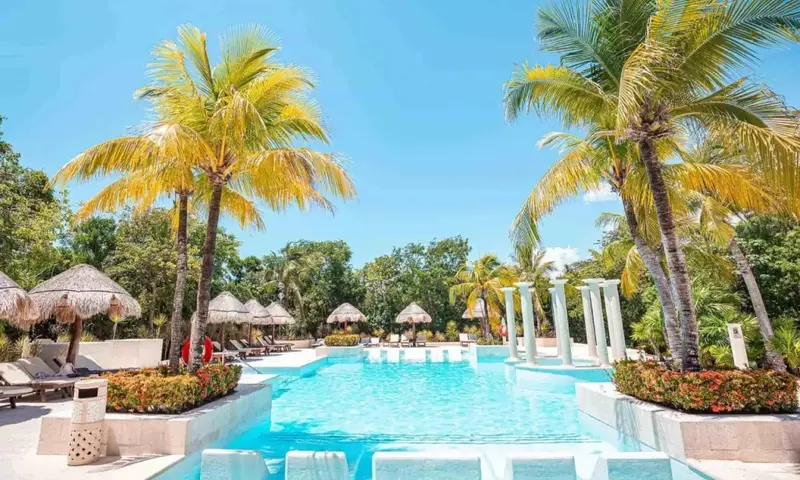
Grand Palladium Colonial Resort & Spa All Inclusive
Puerto Aventuras, Riviera Maya
★★★★★
Google 4.7/5 (26,113 reviews)
Liveaboards
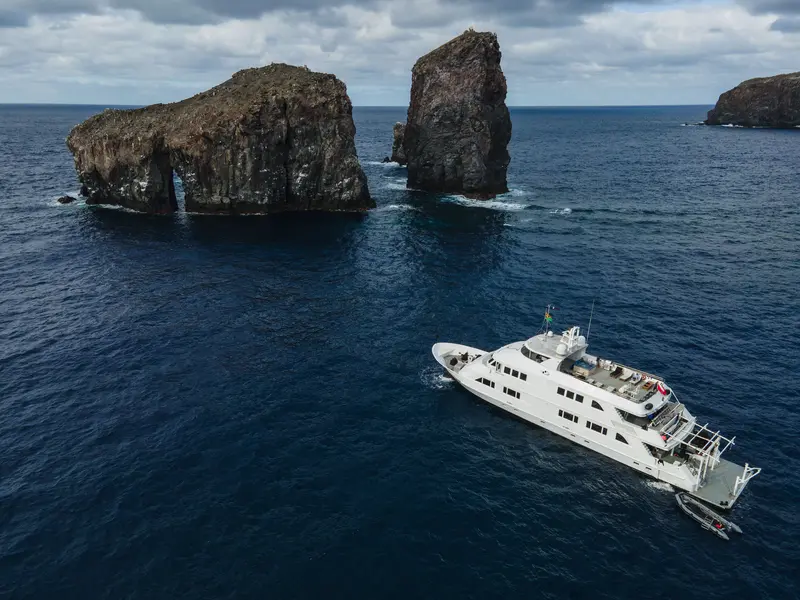
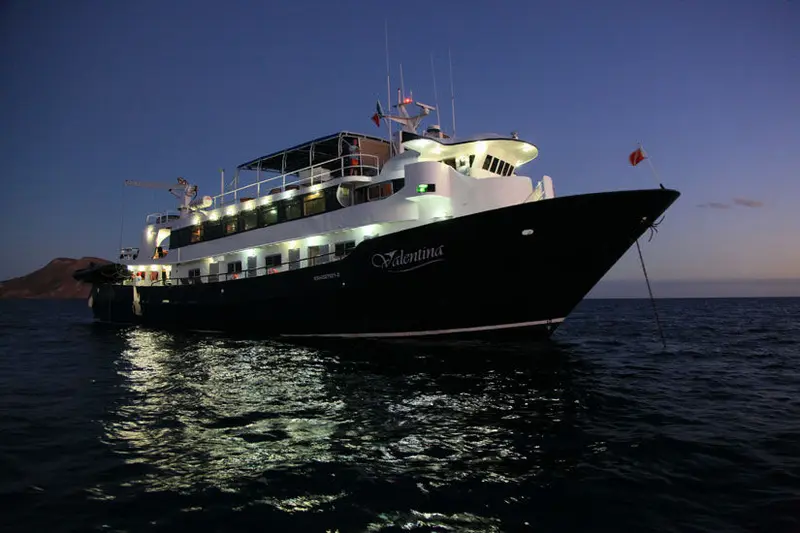
When to go, and where by month
January, February and March belong to San José del Cabo, whose November-to-April season is the country’s clearest counterpoint to the Yucatán. In April, San José del Cabo overlaps with the Sea of Cortez; May leaves the Sea of Cortez as the practical choice. June opens La Paz and Puerto Vallarta alongside the Sea of Cortez. July, August and September are Mexico’s broadest diving window: the Caribbean cluster, Baja’s warm-season destinations and Puerto Vallarta are all in season, with San José del Cabo the notable exception. October keeps most of that pattern, although Cozumel closes after September. November brings Cabo San Lucas, La Paz and Puerto Vallarta together with San José del Cabo, while Puerto Aventuras continues into the month. December returns the focus to San José del Cabo. The contrast reflects different coastlines and biological calendars rather than one national rainy season or monsoon.
Marine life, coast by coast
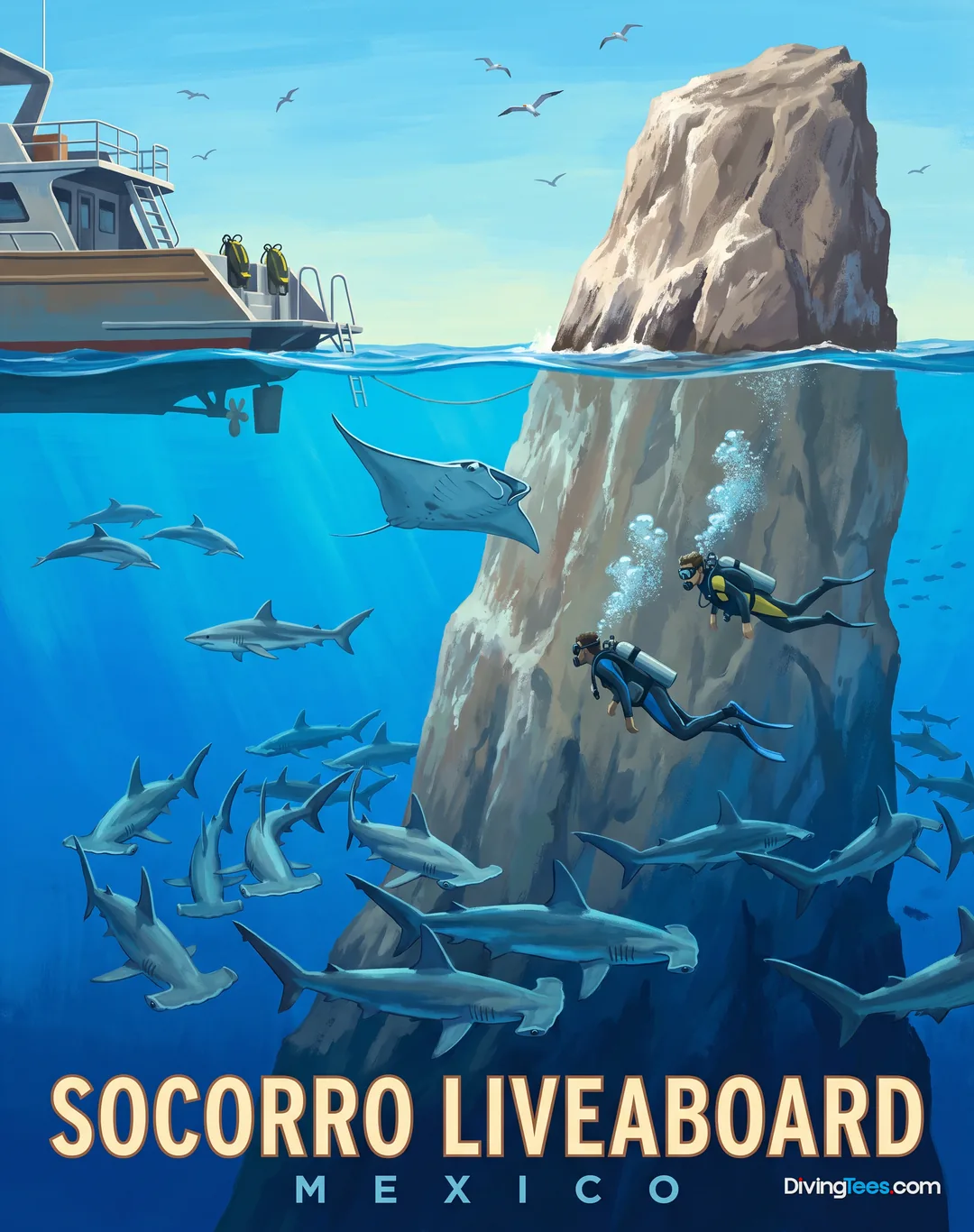
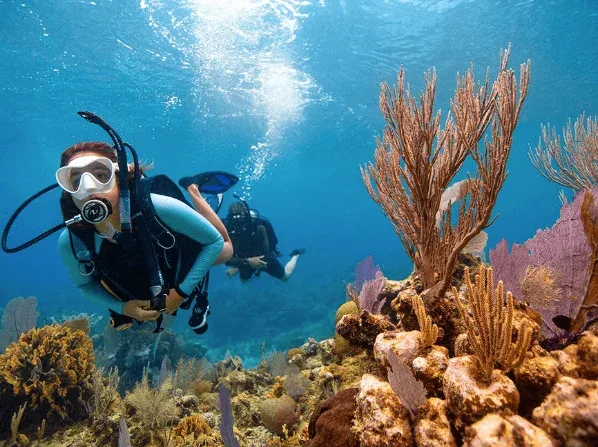
Mexico’s wildlife changes sharply between its Caribbean and Pacific-facing regions. Around Cozumel, Playa del Carmen, Puerto Aventuras, Puerto Morelos and Tulum, the familiar reef cast includes barracuda, angelfish, reef sharks, nurse sharks, eagle rays, green morays and spotted morays, set among hard and soft corals. The Baja and Sea of Cortez side brings garden eels, frogfish, mobula rays, cow-nose rays and California sea lions, alongside tropical reef fish and several moray species. Socorro adds the scale that draws experienced divers to a liveaboard, including giant manta encounters. That difference can shape a journey: a Yucatán plan favours reef variety and cenotes, while Baja is chosen for pinnipeds, rays and larger pelagic possibilities.
Getting between the areas
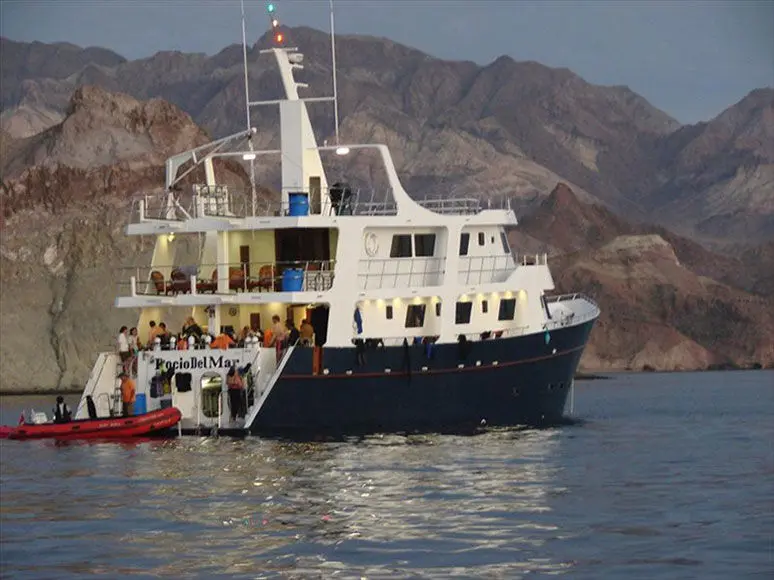
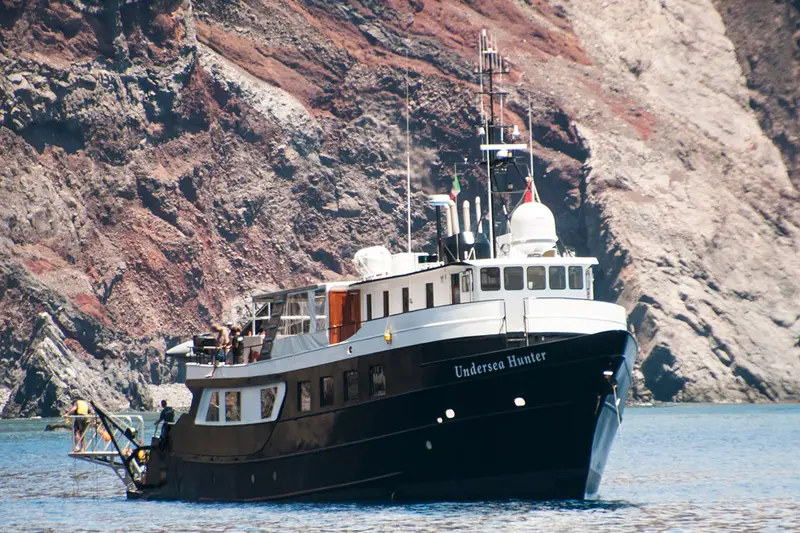
The Yucatán coast works as a connected travel corridor. Cozumel is about twenty kilometres from Playa del Carmen by passenger ferry, with Puerto Aventuras close enough to fold into the same base, while Puerto Morelos and Tulum extend the road journey along the Riviera Maya. Mahahual is the awkward outlier: its distance from Tulum is 168 kilometres, and Banco Chinchorro is not a casual add-on to a central Yucatán stay. In Baja, Cabo San Lucas and San José del Cabo are only 31 kilometres apart, and La Paz sits just five kilometres from the Sea of Cortez diving area. Puerto Vallarta is a separate Pacific segment, more than 500 kilometres from the Los Cabos region. Socorro belongs to a liveaboard plan departing from Cabo San Lucas or nearby ports, not a quick land-based link-up.
Take off your mask
Mexico’s land culture changes as noticeably as its coastlines. In the Yucatán, the Maya heritage runs from the cliff-top ruins of Tulum to Chichén Itzá, Cobá, Mérida and Valladolid. The Ruta de los Cenotes near Puerto Morelos makes a natural inland counterpoint, while Sian Ka’an extends south of Tulum into lagoons, channels and protected coastal country. Baja California Sur turns the scene towards Espíritu Santo and its volcanic cliffs, isolated beaches and sea-lion colonies at Los Islotes; La Paz’s malecón is the urban complement. Around Puerto Vallarta, the Centro and Malecón lead to markets, public art and boat trips towards Isla Marietas. Food follows the regions: cochinita pibil, sopa de lima, panuchos and salbutes belong to the Yucatán, ceviche to Mahahual, and chocolate clams and mariscos de La Paz to Baja. Tequila is especially at home on menus around Puerto Vallarta, while micheladas and aguas frescas suit the coastal heat. Lunch often falls between two and four, with dinner after eight, and “poco picante” is useful at the table.
What holds true everywhere here
Across Mexico, a site briefing deserves attention before the first descent. Ask whether the plan is a drift dive or an anchored or moored descent: current is variable around Cabo San Lucas, Cozumel, La Paz, the Sea of Cortez, San José del Cabo and Socorro, and a downcurrent can change the character of a dive quickly. Buoyancy matters in protected places such as Cabo Pulmo and Espíritu Santo, where contact with the reef is particularly unwelcome. Keep a weather buffer rather than building an itinerary around a single boat day, especially when crossings or exposed archipelagos are involved. On Cozumel, nitrox has a practical advantage when several consecutive drift-reef days are planned. A port-side base also helps a non-diving partner enjoy a malecón, beach or restaurant without chasing boat transfers.
Frequently asked questions about Mexico
When should you visit Mexico for diving?
Choose Mexico’s region around the experience you want. San José del Cabo is highlighted from November through April, while Cozumel, the Yucatán coast, Baja California, the Sea of Cortez and Socorro offer distinct diving opportunities. Your timing can therefore follow the destination within Mexico that best matches your interests.
What diving experience do you need for Mexico’s sites?
Mexico includes sites suited to different diving interests, but Socorro is specifically associated with experienced divers travelling by liveaboard. Elsewhere, you can choose between Cozumel’s drift reefs, the Yucatán cenotes, Baja and Sea of Cortez sites, or Caribbean locations around the Yucatán coast, depending on your comfort and goals.
What can you see while diving in Mexico?
Mexico offers very different marine life by region. Caribbean reefs may bring barracuda, angelfish, reef sharks, nurse sharks, eagle rays, green morays, spotted morays, and hard and soft corals. Baja and the Sea of Cortez feature garden eels, frogfish, mobula rays, cow-nose rays, California sea lions, tropical fish, and morays.
How should you plan a diving stay in Mexico?
Plan your Mexico stay around one marine region or combine contrasting experiences. A Yucatán itinerary can pair reef diving and cenotes with Maya sites, Cochinita pibil in Mérida or Valladolid, and coastal locations. A Baja-focused trip can include the desert coast, Espíritu Santo, San José del Cabo, or a liveaboard journey to Socorro.