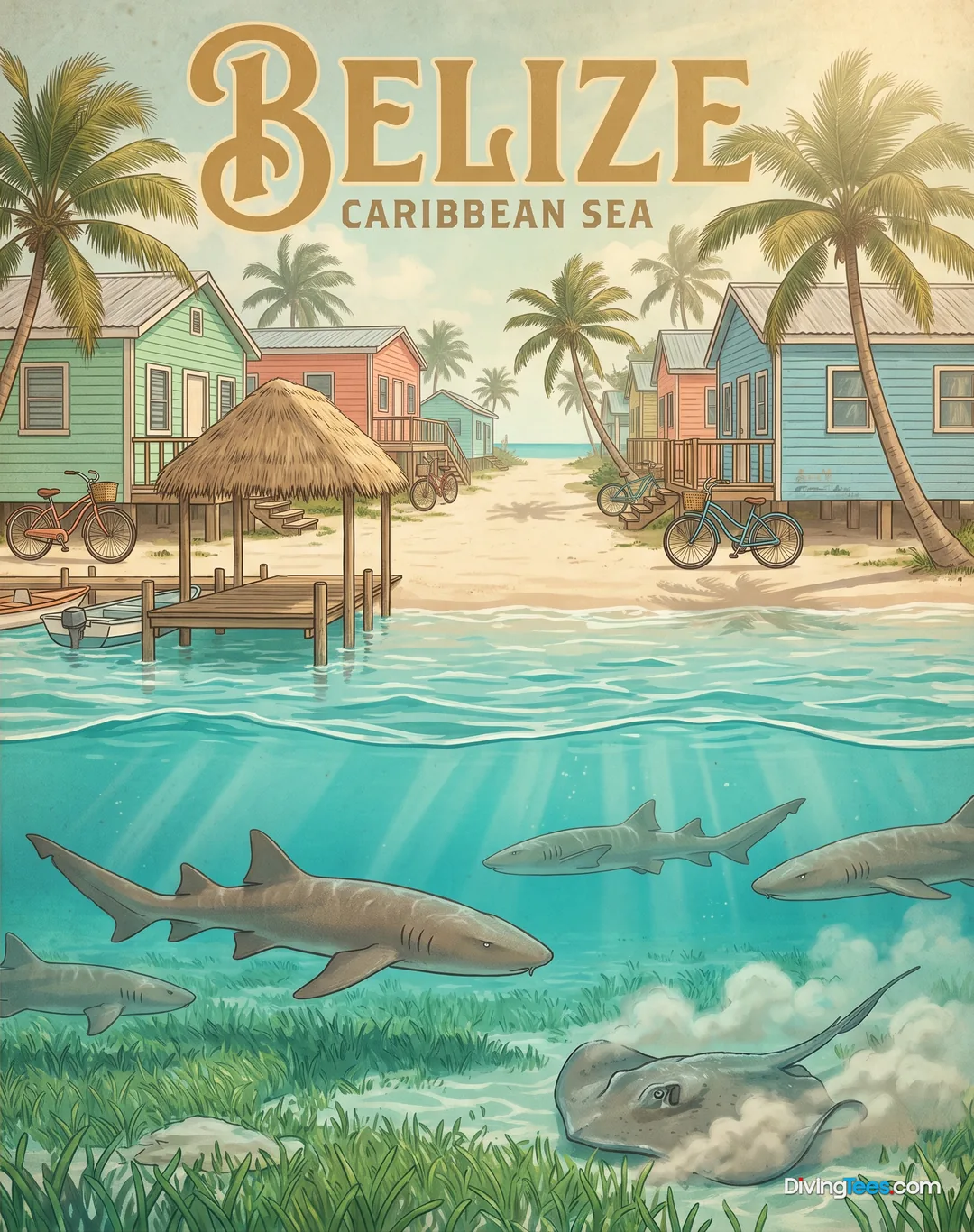
Liveaboards · Belize
Belize Aggressor V — a compact, dive-first Belize liveaboard
What makes this boat unique
- Seven-night cruises leave Placencia Municipal Dock on Saturdays and cover six days of diving.
- The programme offers four to five dives a day, including night dives on most evenings, with two dives on the final day.
- The boat carries 14 passengers in six cabins, including one quad stateroom and five deluxe staterooms.
- Its dive setup includes 12-litre tanks, two compressors, membrane nitrox, camera facilities and warm-water showers.
- The 2022 renovation refreshed a vessel whose strongest points remain its diving programme and crew.
The invitation
Belize Aggressor V is for divers who want Belize’s southern reefs, walls and blue holes without spending the week treating the boat as a resort. The route links Placencia with Glover’s Reef, Turneffe Atoll, Lighthouse Reef and Ambergris Caye, so the water changes from shallow coral gardens to steep walls, wrecks and geological formations. Four or five dives a day keeps the focus where it belongs: on the reef, not on a long list of onboard distractions. The boat is compact, carries only 14 passengers, and has a practical rather than lavish character. That matters here. A smaller group makes the dive operation easier to follow and the crew more present between entries, while the 2022 renovation keeps the shared spaces usable after a long day in salt water. Choose it for volume of diving, a broad Belize itinerary and a crew-led week. Choose another boat if large cabins, Wi-Fi or technical diving are central to the trip.
Boarding
From the dock, this is a working dive boat rather than a floating hotel. The aluminium hull, compact proportions and straightforward layout point to a vessel built around repeated dives, tank handling and getting people back into the water without ceremony. The 2022 renovation has kept the boat presentable, but it has not turned an older hull into a modern yacht. Passenger feedback consistently puts the crew and diving ahead of the vessel itself: the boat is functional and comfortable enough, while the people onboard do the work that makes the week run well. That is a fair exchange for divers who spend most of their waking hours on deck or underwater. Once aboard, movement is simple: cabin, saloon, dive deck, water. The modest scale also means the group becomes familiar quickly, and the crew can respond when weather or competition for a site forces the plan to change.
The atmosphere on board
The atmosphere is built by the crew more than by the hull. Passenger feedback describes staff who stay involved from the first safety briefing through meals, dive preparation and the return from the water, with warm towels and practical help repeatedly remembered as part of the week. The boat itself is older and more basic than some liveaboards, but the crew closes much of that gap through attention and flexibility. Conditions can vary, and the captain may need to chase a site while several boats compete for the same water; that is where the crew’s local judgement becomes visible. With English as the working language and only 14 passengers, instructions do not need to travel through a crowd. Evenings are shaped by the last dive, dinner, photos and conversation. The group usually has something concrete to discuss: a shark passing the reef, a difficult current, or a frame finally recovered from the camera.
The sites you’ll dive
The seven-night Belize South route gives six days of diving, averaging 24 to 27 dives. Placencia sites include Ranguana Caye, where nurse sharks move through reef fish down to -20m, and Pompion Caye, a shallow coral ecosystem reaching -15m. Glover’s Reef Atoll combines coral, sponges, mantas, turtles and walls that drop to the listed maximum of -2700m. Turneffe Atoll brings current into The Elbow, where nurse sharks and morays can appear, and The Aquarium descends from a shallow shelf to a wall at -24m. The Witconcrete Wreck, Belize’s dedicated wreck dive, lies from 15 to 24 metres; Sayonara Wreck offers a quieter look at Belize’s underwater past. Lighthouse Reef includes the Great Blue Hole, with ancient stalactites and a listed maximum of -130m, while the Blue Hole site is listed to -39m. Farther north, Half Moon Caye Wall reaches -24m, Hol Chan -8m, Stingray City -3m and Mexico Rocks -4m. The route is unusually varied for one week.
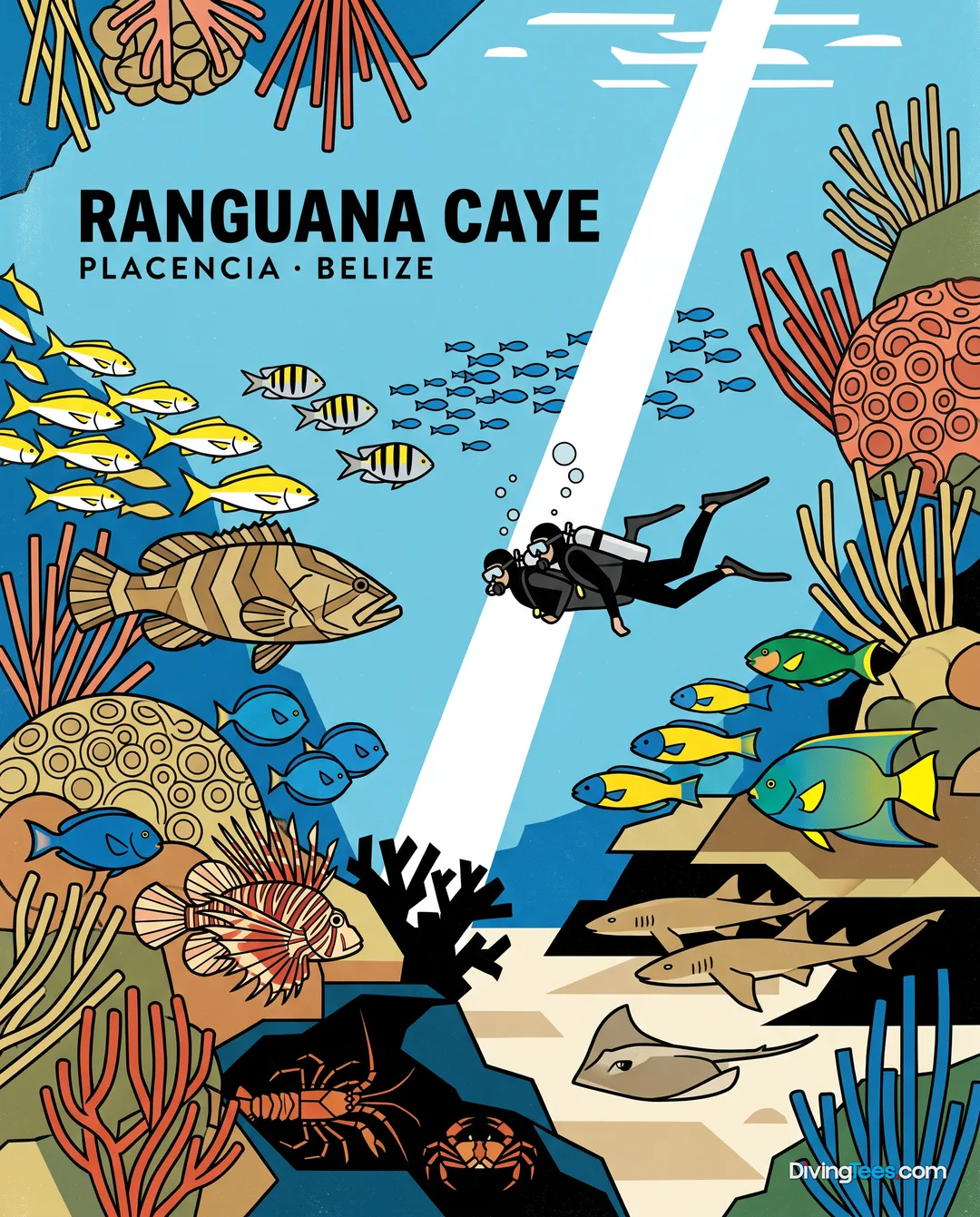
Ranguana Caye →
Max. depth · 20 m
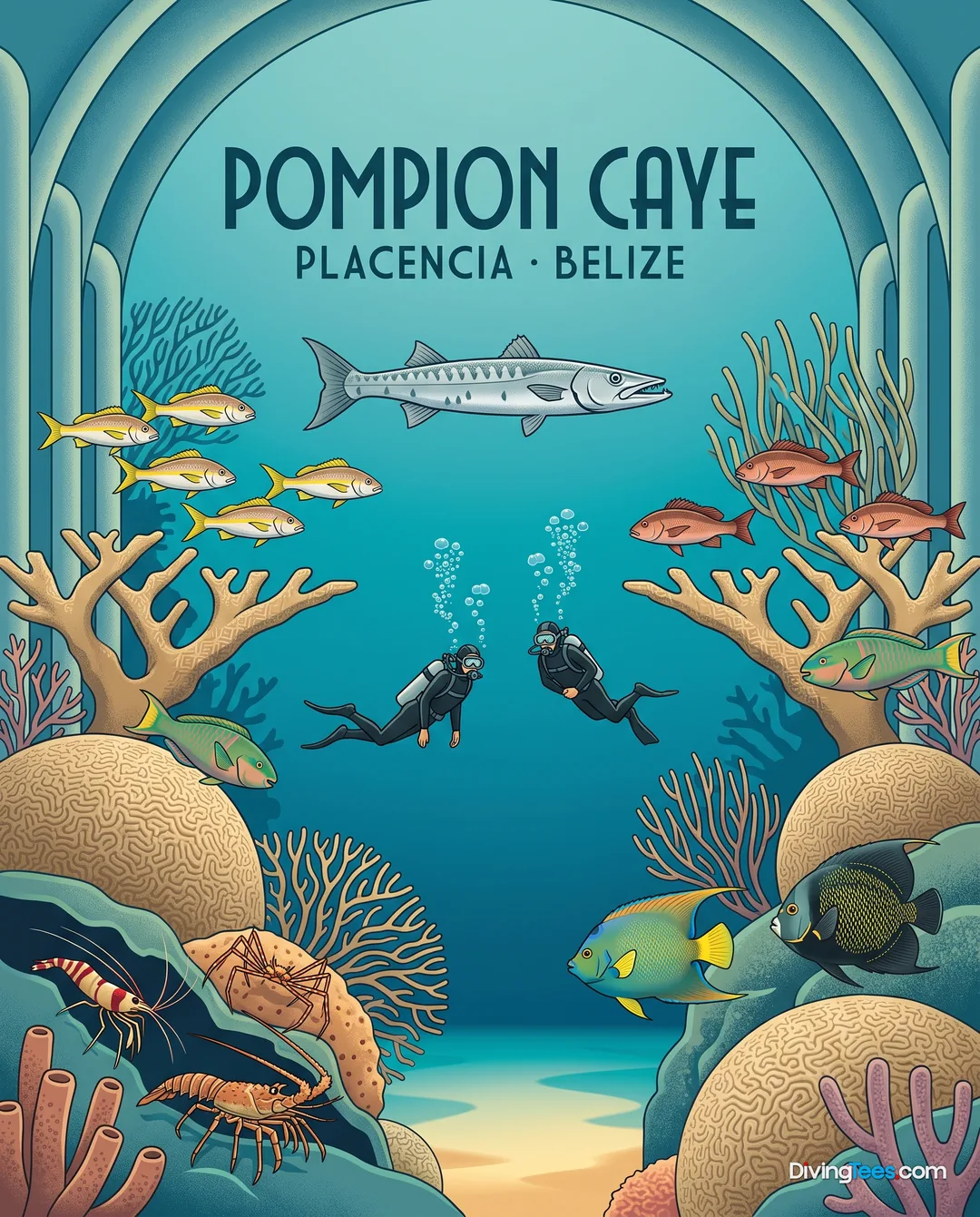
Pompion Caye →
Max. depth · 15 m
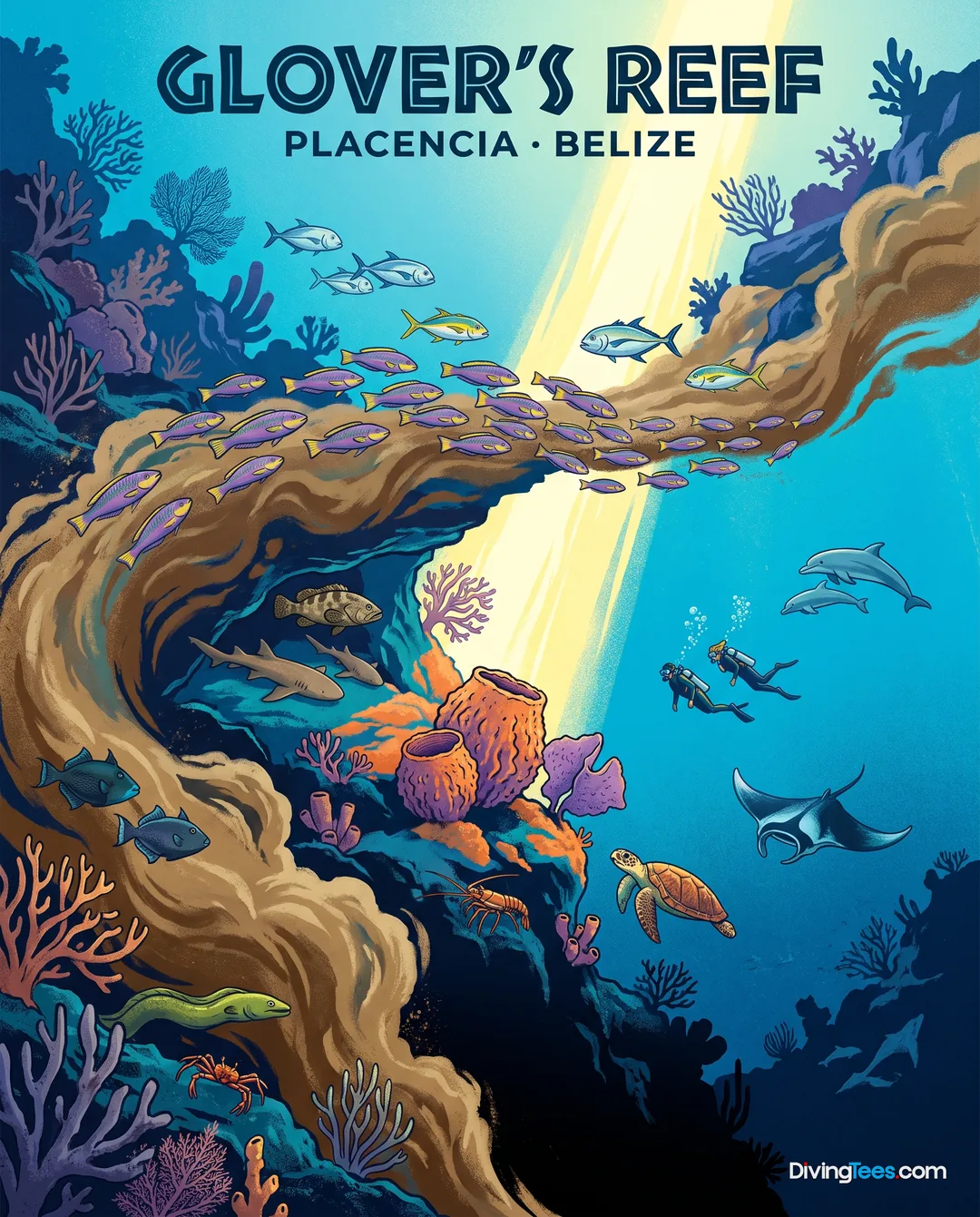
Glover’s Reef Atoll →
Max. depth · 2700 m
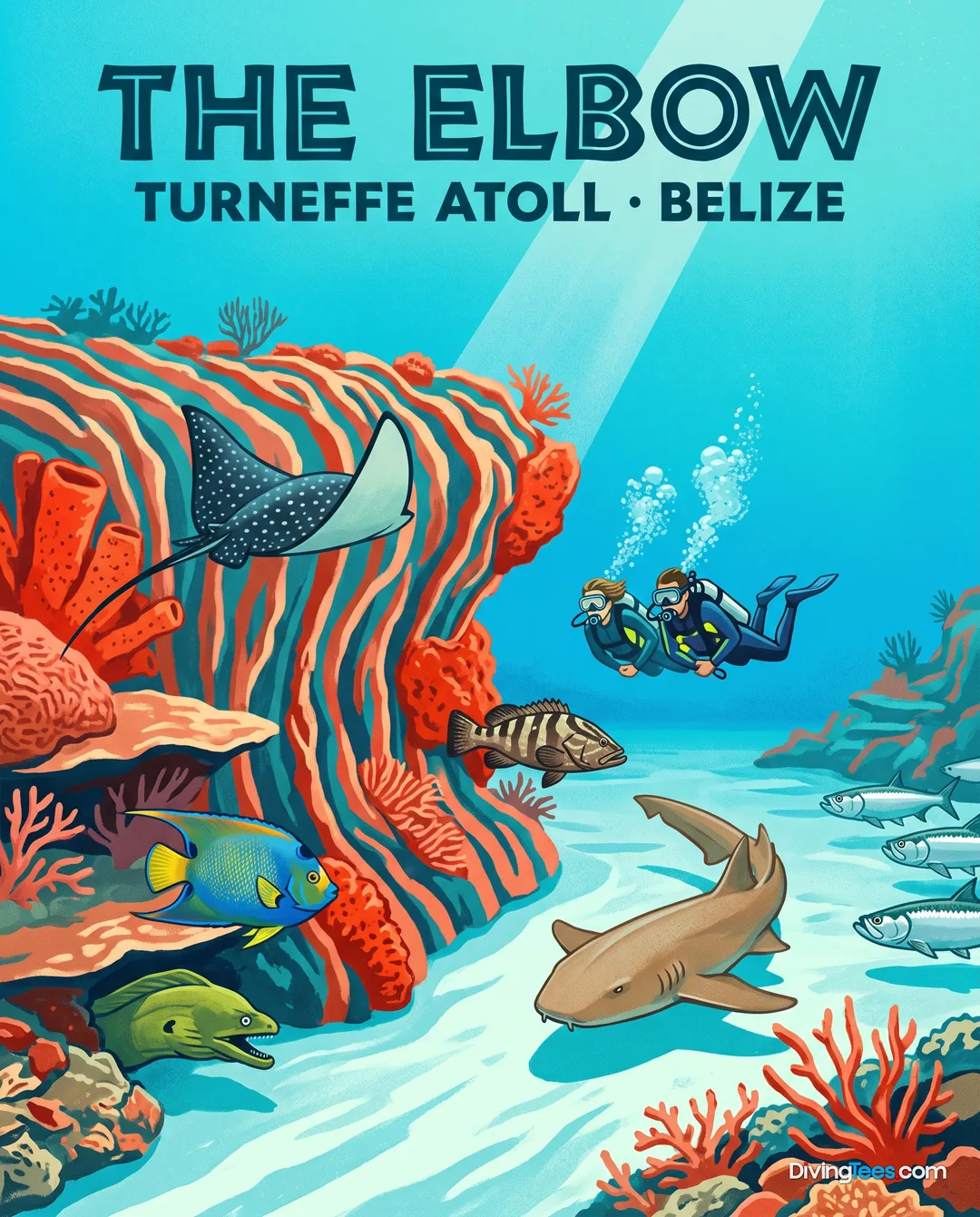
The Elbow →
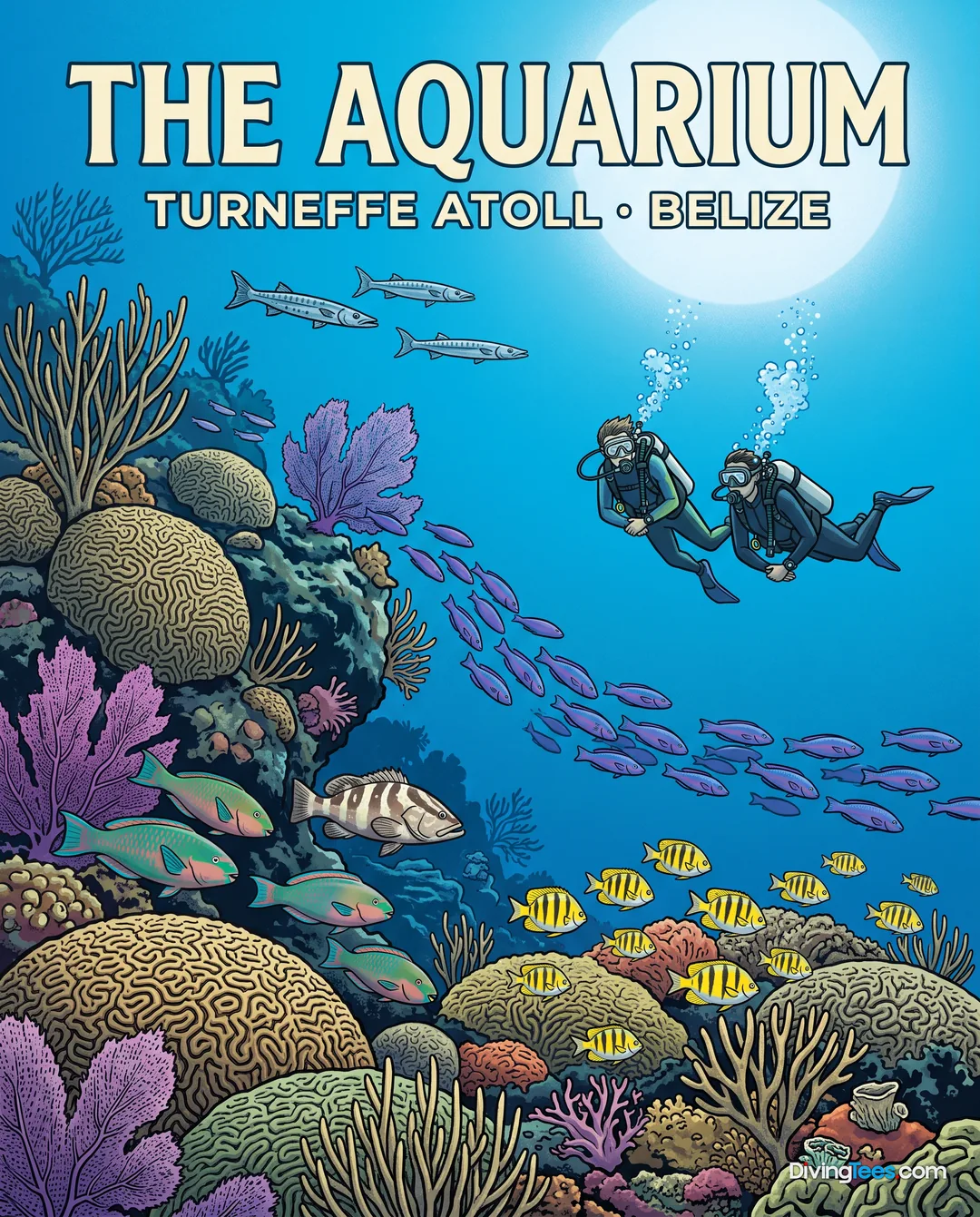
The Aquarium →
Max. depth · 24 m
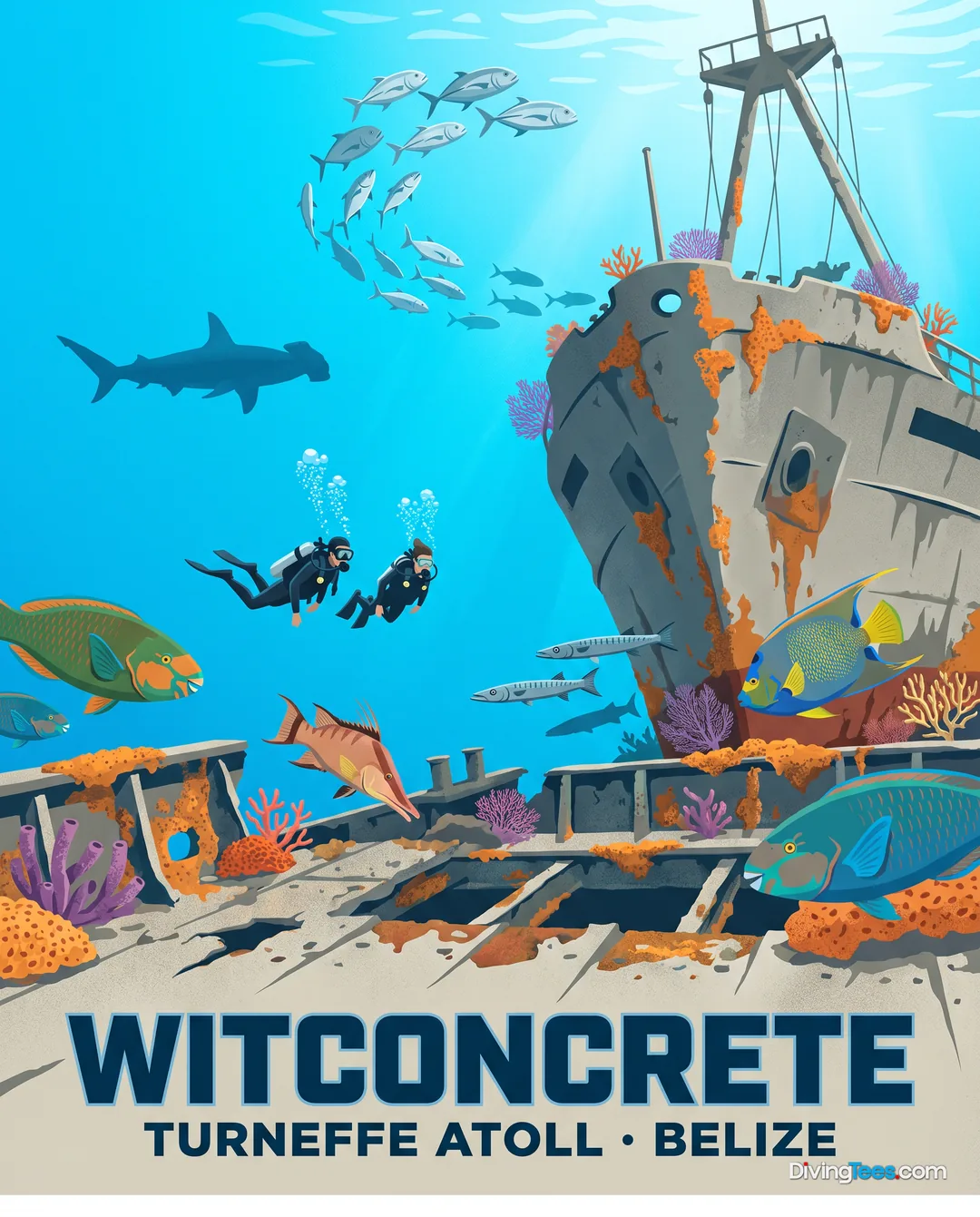
Witconcrete Wreck →
Max. depth · 24 m
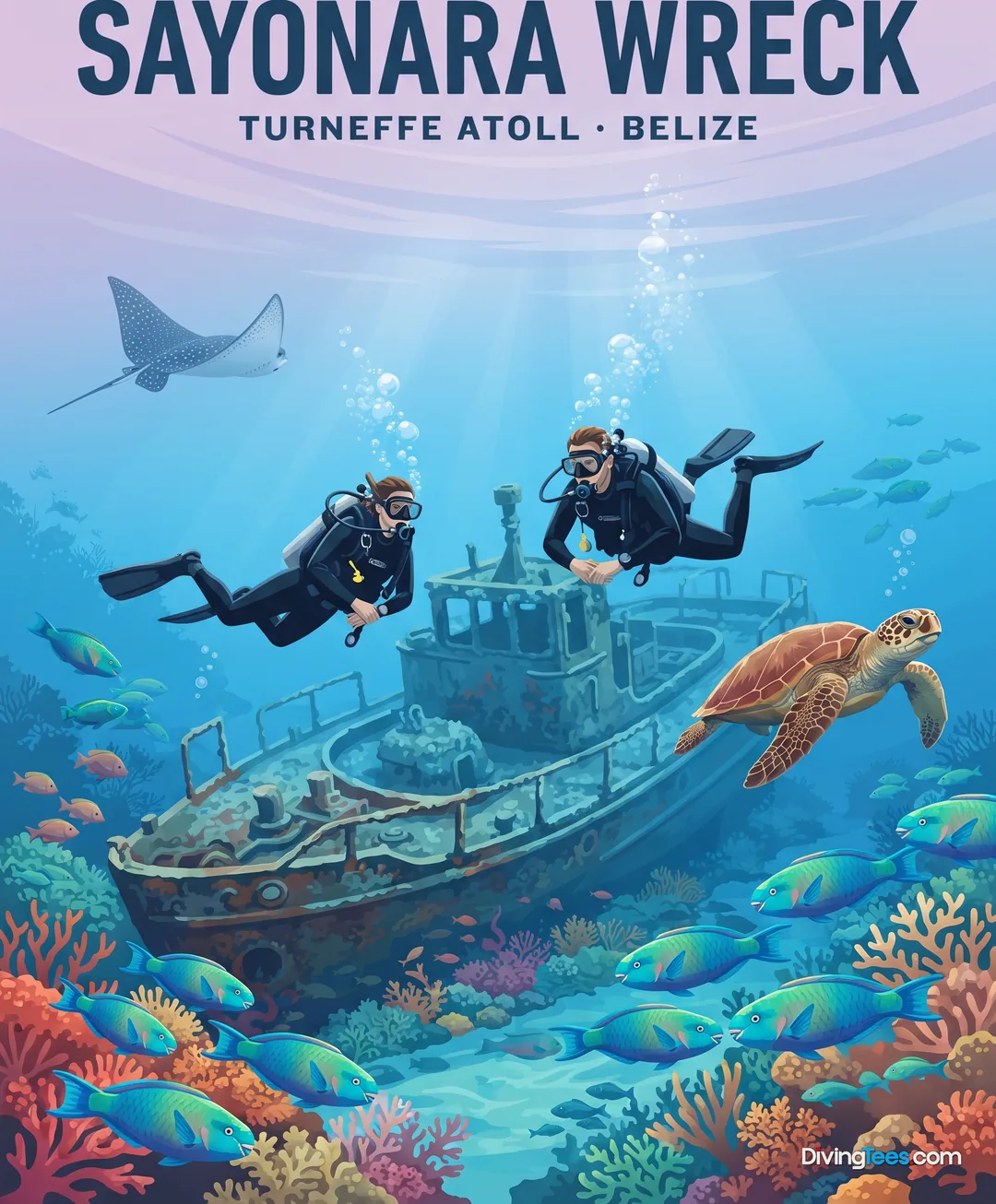
Sayonara Wreck →
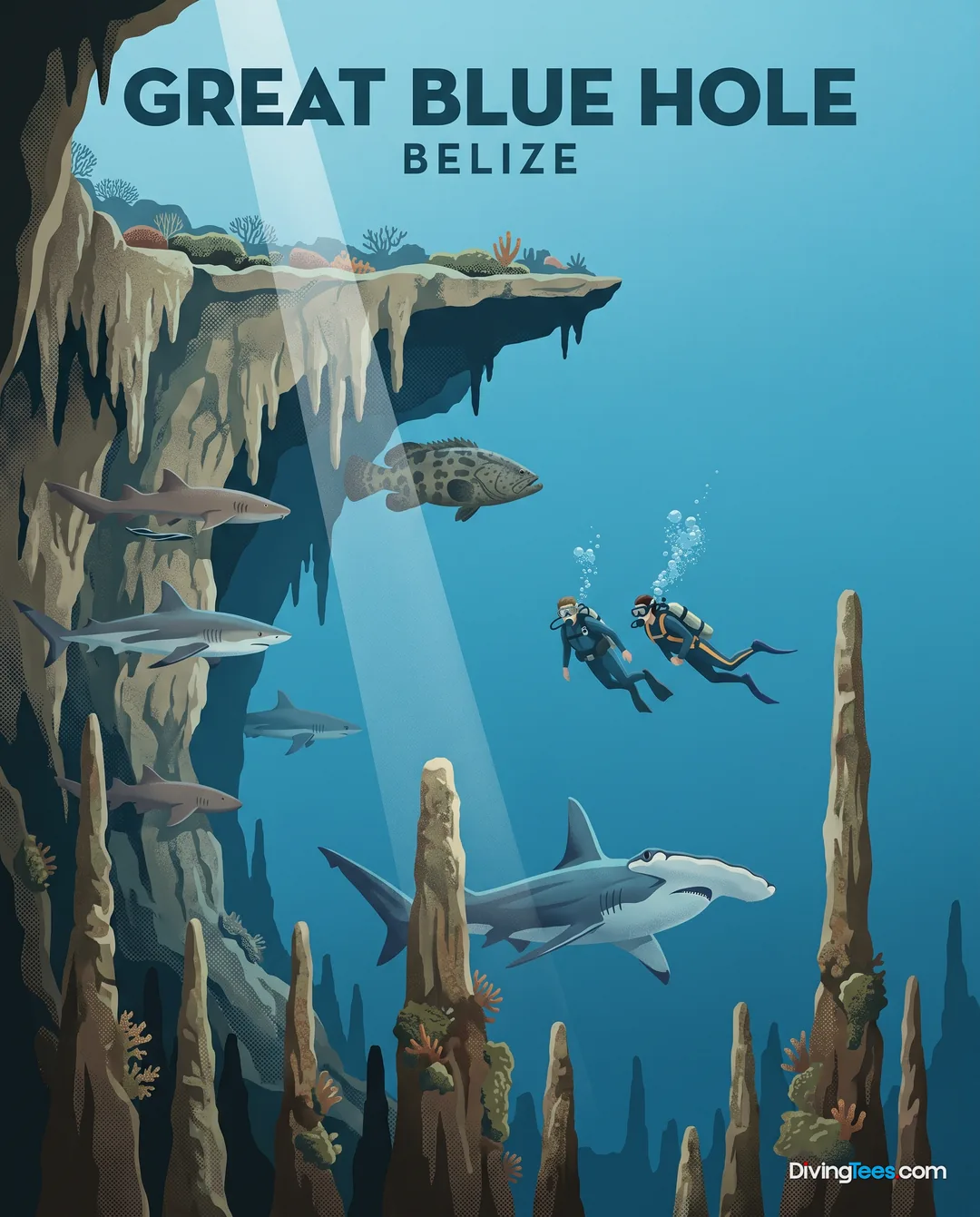
The Great Blue Hole →
Max. depth · 130 m
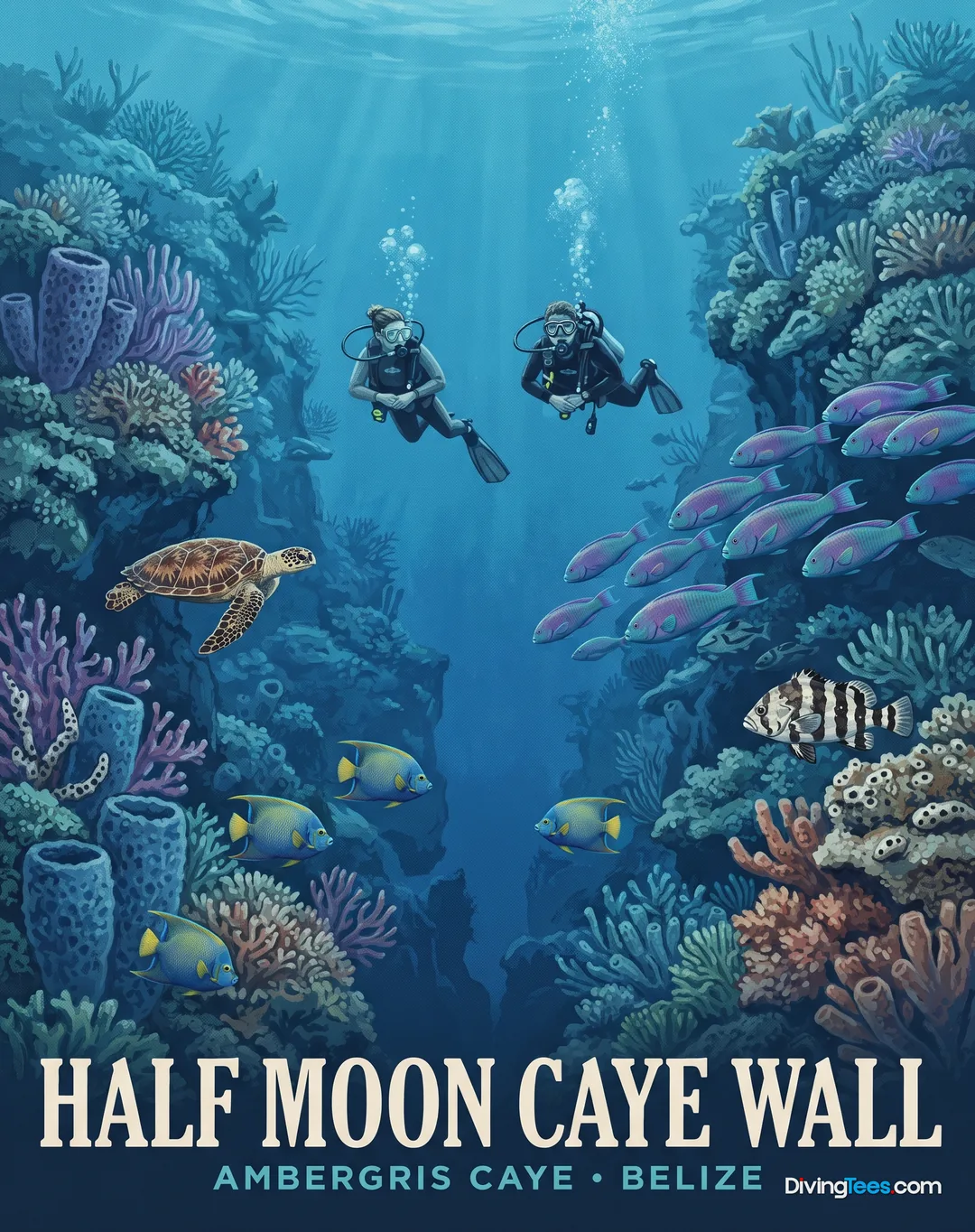
Half Moon Caye Wall →
Max. depth · 24 m
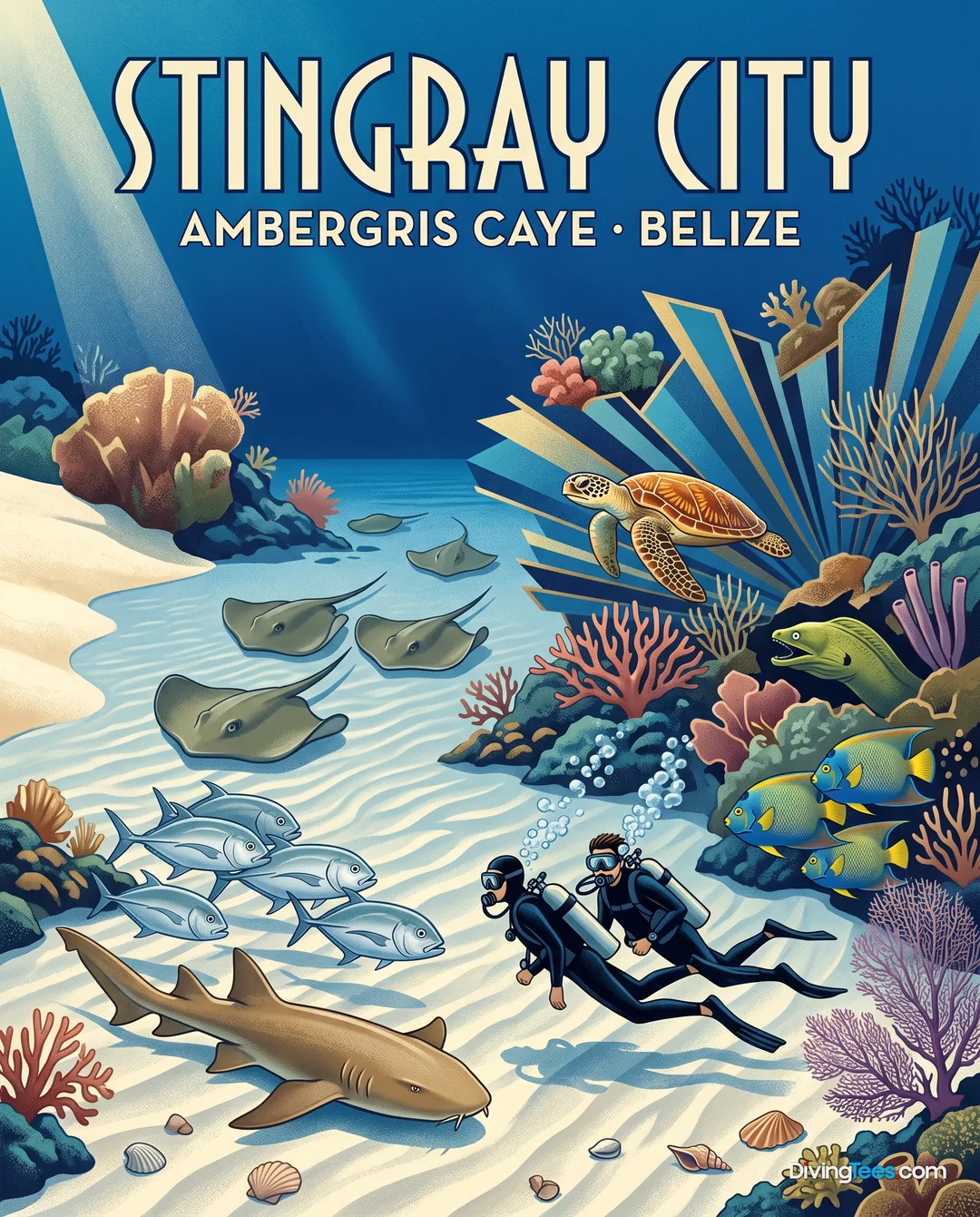
Stingray City →
Max. depth · 3 m
What you’ll meet underwater
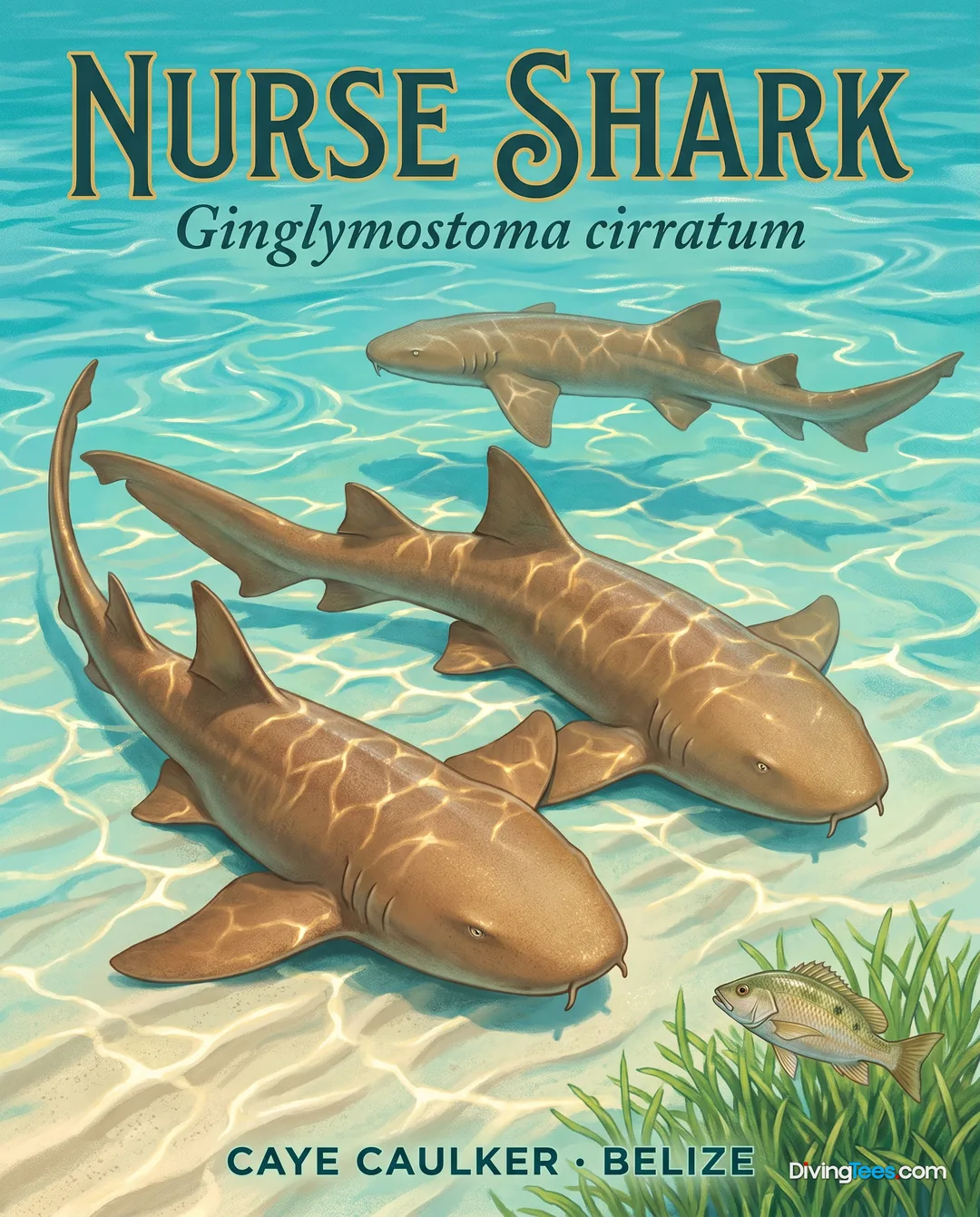
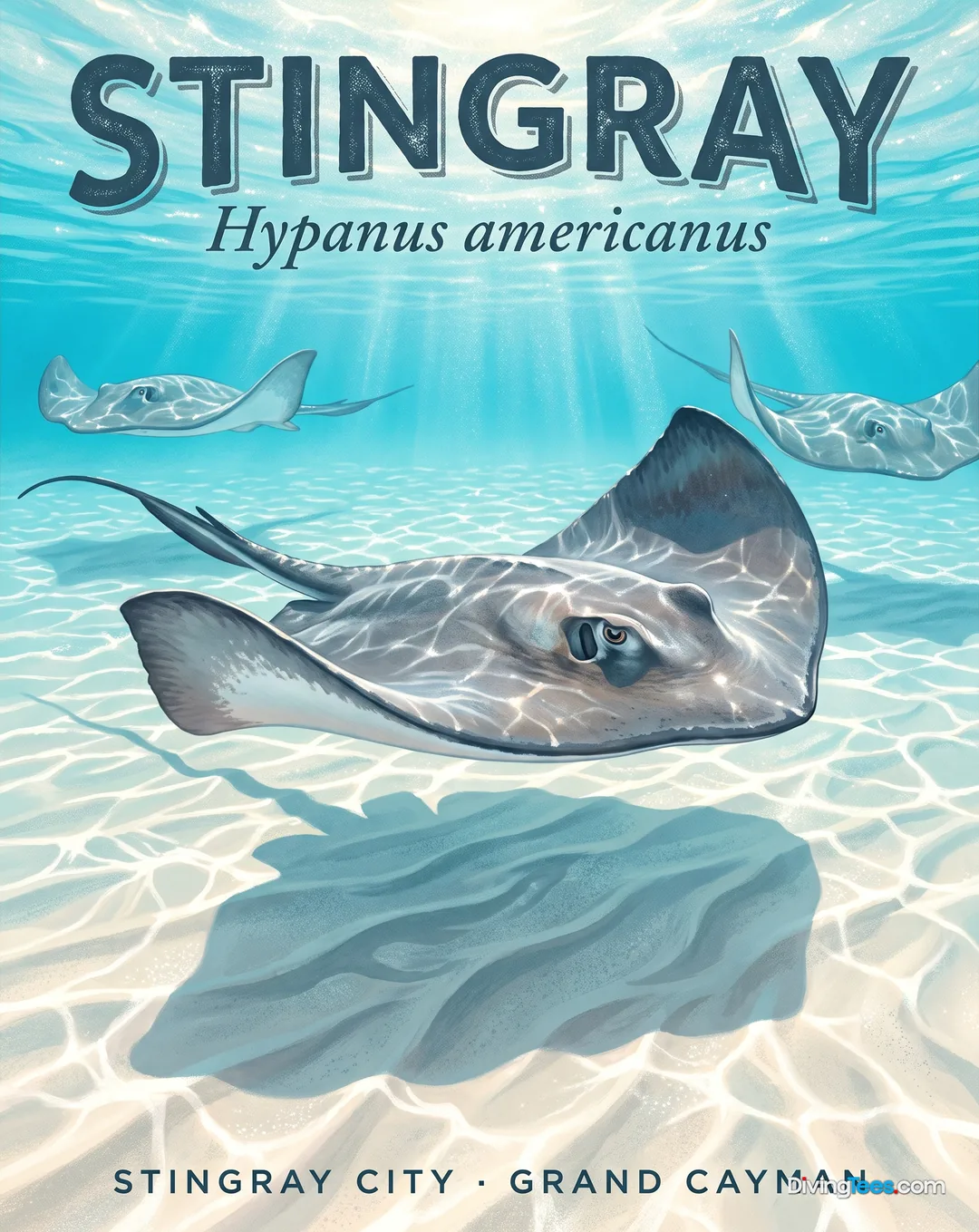
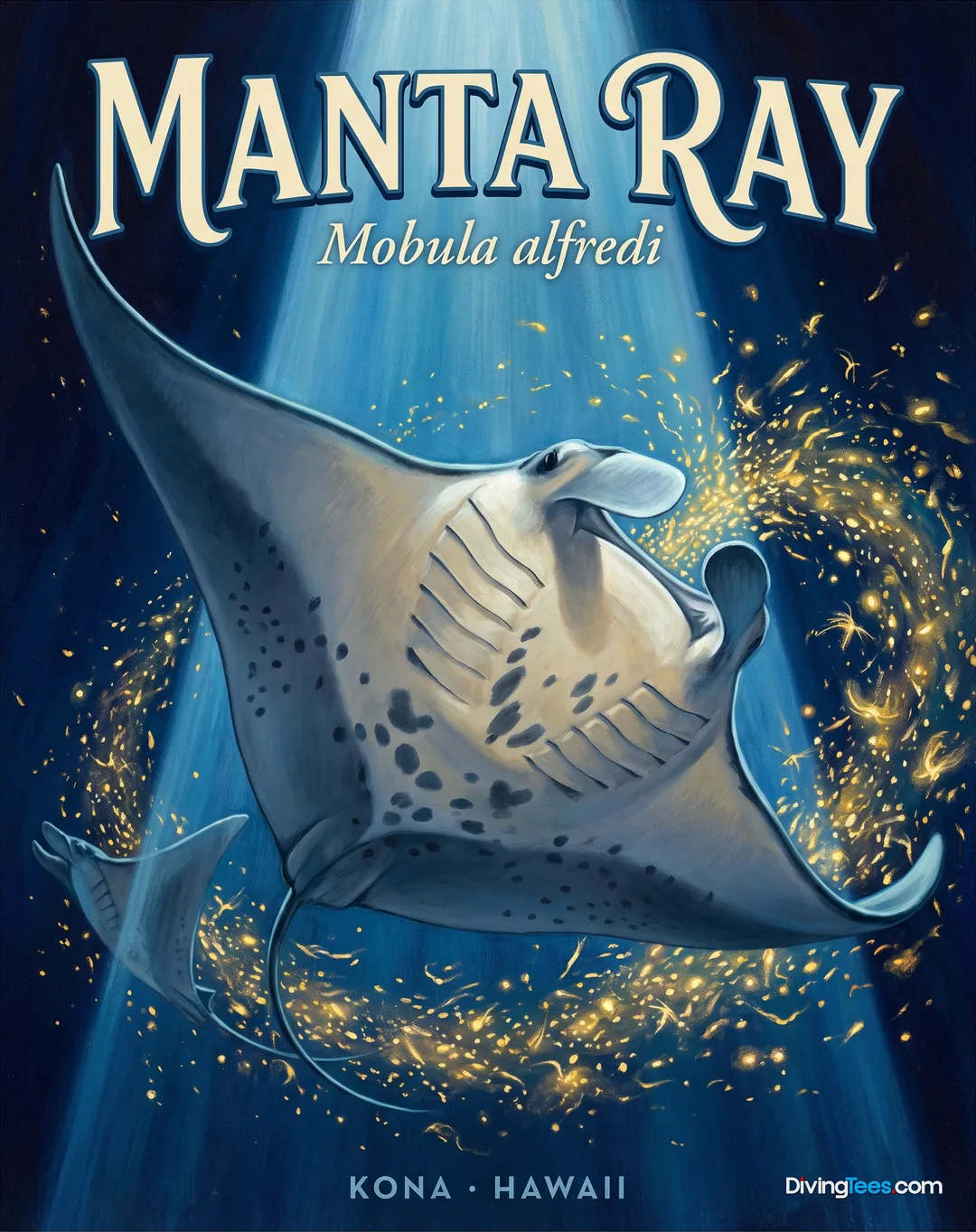
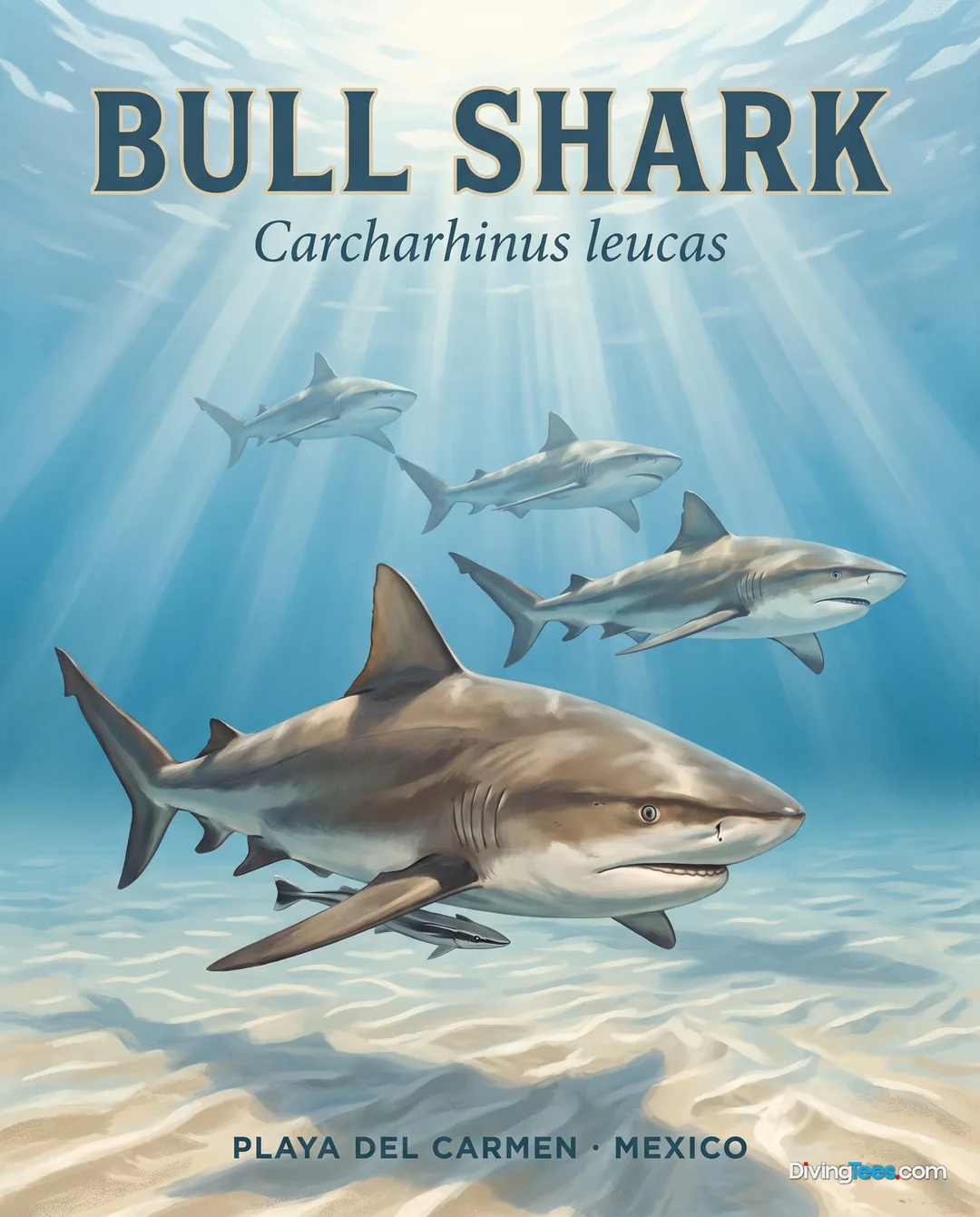
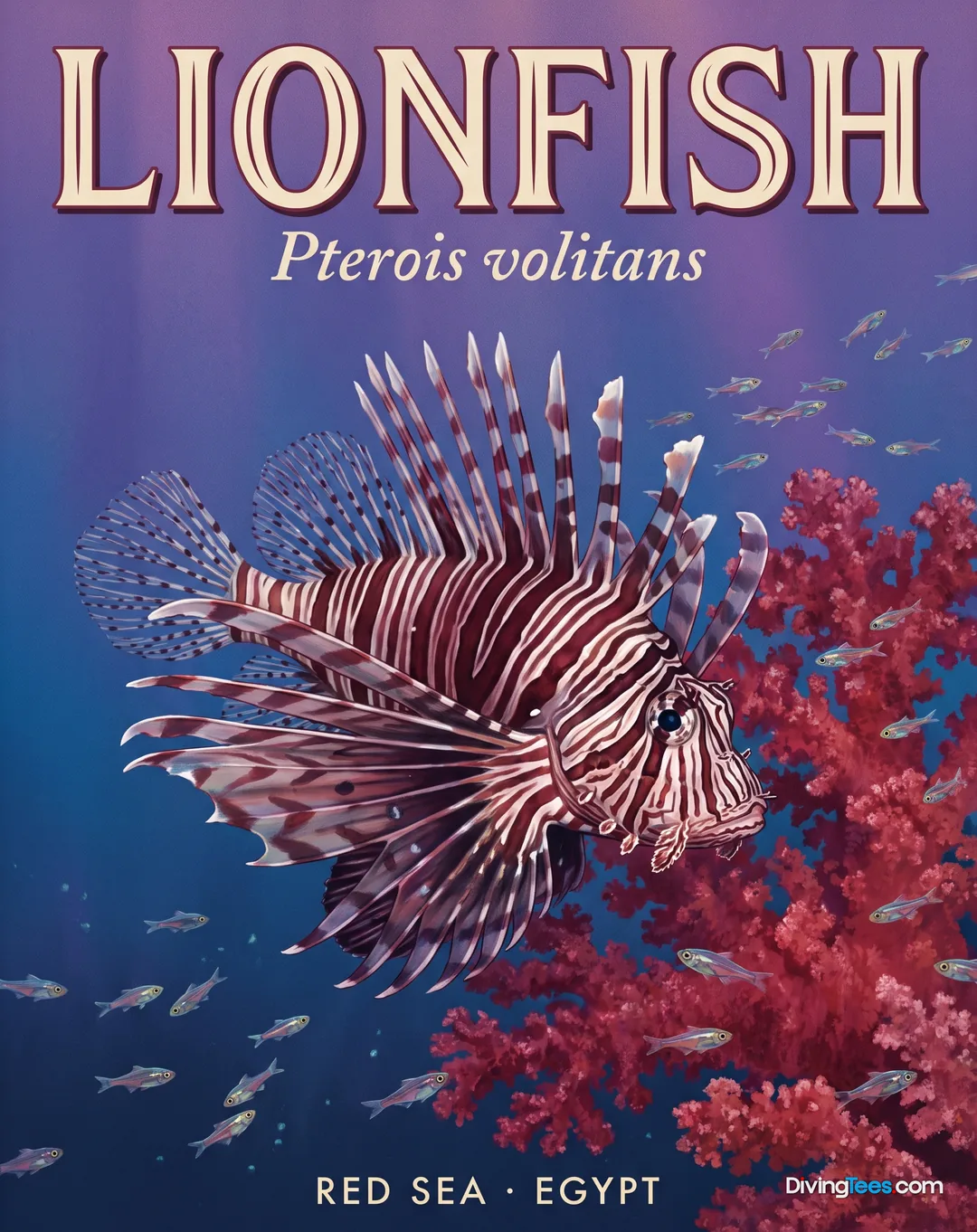
Most dives on this route carry the same cast: parrotfish, nurse sharks, snappers, groupers, barracuda, jacks, angelfish, reef sharks, gorgonians, lobsters, morays and rays. The shallow reefs at Ranguana Caye and Pompion Caye suit close observation of reef fish and smaller crustaceans, while The Elbow’s converging currents can bring nurse sharks, rays and larger movement through the coral. The route’s specific prizes give each site a reason to exist. Manta rays are recorded at Glover’s Reef Atoll. Blacktip sharks are recorded at Blue Hole, and bull sharks at Lighthouse Reef Atoll & Blue Hole. Half Moon Caye Wall is the place for green turtles, garden eels and spotted eagle rays. The Aquarium is noted for bigeye jacks among schooling fish. Sayonara Wreck is where spiny lobster is recorded, and Stingray City is built around southern stingrays in only -3m. Ranguana Caye adds lionfish and damselfish; the route does not promise any sighting, but it gives divers several distinct chances to look.
Who puts you in the water
The dive team briefs every dive and organises guests into buddy teams rather than treating the staff as automatic buddies. The working language is English. Divers need at least 20 logged dives and an Advanced Open Water Diver certification or equivalent, which fits the route’s mix of shallow reefs, walls, currents, wrecks and deeper formations. The crew guides the operation, but guests are not required to follow an in-water staff member on every dive. This gives experienced buddy teams room to make their own decisions within the briefing while keeping the dive plan clear. Safety equipment and procedures are covered in the full boat safety programme. Advanced and nitrox training may be available onboard, subject to instructor availability and confirmation after arrival. The boat is not intended for technical diving, so divers planning decompression work, rebreathers or complex equipment configurations should choose a different platform.
The dive deck and the gear
The dive operation is set up for repeated recreational dives from the yacht. Standard equipment includes 12-litre tanks and weights; rental equipment is available at extra cost, as are 15-litre tanks and nitrox. The supplied air tanks use K valves. Two compressors keep the filling operation moving, and the nitrox system uses a membrane with cascade storage; nitrox is an extra and is filled at 32 percent for certified divers. The boat is not set up for technical diving or rebreathers. The deck has warm-water showers, a camera table, charging stations, special underwater-camera storage and separate rinse tanks for cameras. All dives are from the yacht, with a small tender available for optional shore excursions rather than as the normal dive platform. That keeps the routine direct: gear stays organised on the dive deck, divers enter from the boat, and the surface interval returns them to the same working space. Bring the configuration required for buddy diving; independent solo diving is not the operating model.
Between dives
Between dives, the choice is simple and useful. The shaded wet bar and indoor saloon give divers somewhere cool to sit, while the sun deck has loungers, a jacuzzi and a grill for the hours when nobody wants to put on another piece of equipment. The boat also carries a complete photo centre with digital editing equipment, professional photographer support, a camera table, charging stations and dedicated camera storage. That changes the quiet hours for photographers: a surface interval can mean rinsing, charging, editing and checking the next shot rather than waiting for the next meal. The small tender is available for optional shore excursions during the week. There is no Wi-Fi, so the boat naturally favours downloaded music, shared photos, reef discussions and the view over Placencia, Turneffe Atoll or the outer reef.
A day on board
The day starts with the first dive briefing, followed by a morning dive before the boat serves the next meal and the next site. The cycle repeats through the day: gear preparation, entry, surface interval, food, water again. Depending on the itinerary and conditions, the programme reaches four or five dives, with a night dive on most evenings. Between entries, divers dry off, check cameras, sit under the shaded wet bar or stretch out on the sun deck. The boat may move while the group eats or rests, positioning for the next reef rather than following a fixed clock. The final day is shorter, with two dives, leaving the boat to return to port around Friday noon. That rhythm is the point of the trip: not one headline dive, but enough separate descents for a site to reveal its sharks, schooling fish, wall life or small reef details before the week ends.
What you eat aboard
Meals are full board and served buffet-style, with local food alongside familiar dishes, hot and cold soft drinks, local beer and wine, and snacks available throughout the day. Dietary restrictions can be accommodated. On a four- or five-dive programme, the galley is not background service; it is what gets divers through the next entry. Breakfast follows the first preparation of the day, lunch arrives between the main dive blocks, and dinner closes the cycle after the afternoon or night dive. Passenger feedback is especially strong on the food, with alternatives possible when a dish does not suit someone. The useful feature is not ceremony but availability: food appears often, portions can be adjusted, and snacks stop a long surface interval from becoming an empty one. Local dishes add a sense of place without making every meal an experiment.
Nights at sea
The six cabins are divided between one Quad Stateroom and five Deluxe Staterooms. They are places to sleep between dives, not private retreats built for lingering. The boat’s compact size makes space valuable, especially when dive bags and personal luggage are aboard, so soft luggage and a disciplined cabin routine will help. The air-conditioned saloon gives the group a cooler place to sit when the sun is high, while the sun deck offers the opposite: open air, loungers and a view of the reef country passing by. Passenger feedback describes the cabins as small but acceptable because the diving fills the day. That is the right expectation. The cabin is where a diver dries off, checks a computer, sleeps and starts again. The renovated common areas and practical layout matter more than decorative finish on a week built around 24 to 27 dives.
Quad Stateroom (#1)
Deluxe Stateroom (#2, 3, 4, 5, 6)
What to know before boarding
Belize Aggressor V boards every Saturday at 6 pm from Placencia Municipal Dock and returns to port around Friday noon. Transfers to and from the dock are not included. Arriving in Placencia the night before is the sensible choice, leaving margin for travel delays before boarding.
- Year built
- 1984
- Year renovated
- 2022
- Length
- 30.4 m
- Beam
- 6.7 m
- Maximum number of passengers
- 14
- Number of cabins
- 6
- Engines
- Twin diesel
- Website
- aggressor.com ↗
Hello, I'm Marina, DivingDeal.com's AI assistant. I answer in detail about hotels, dive centres and liveaboards.

Thinking about the whole trip and the flights? Talk it over with Edith →
Marina is an AI. Some links are affiliate links: DivingDeal may earn a commission, at no extra cost to you. Bookings are made with the partner.