Sea Paradise
Google 4.9/5 (309 reviews)
2.2 km away as the crow flies
Fernando de Noronha · Brazil · Americas
Max. depth · 18 mRessurreta offers a gentle profile for divers seeking calm waters and consistent reef life within Fernando de Noronha's diverse dive landscape.
Diving Ressurreta brings you into a calm, shallow coastal reef environment that stands in contrast to some of Fernando de Noronha's deeper, more exposed sites. The topography is a gentle channel or shoreline reef, lacking dramatic walls but making up for it with accessible coral formations. You'll typically begin your descent into clear water, settling onto a bottom that slopes gradually, allowing for extended bottom times at various depths.
The dive profile here is straightforward, mostly staying within the 7 to 18-meter range, making it suitable for longer explorations. As you navigate the reef, you'll find small coral structures, including brain corals, providing shelter and foraging grounds for a variety of marine life. This gentle setting allows you to focus on your buoyancy and observe the smaller details of the reef ecosystem without the added challenge of strong currents.
Visibility at Ressurreta is consistently good, often ranging between 30 and 50 meters, which enhances the feeling of openness and allows for clear views of the reef's inhabitants. The light penetration at these shallow depths ensures a vibrant palette of colours underwater, making it a visually engaging dive even without dramatic drop-offs. You'll move through the water with minimal effort, allowing for a relaxed pace.
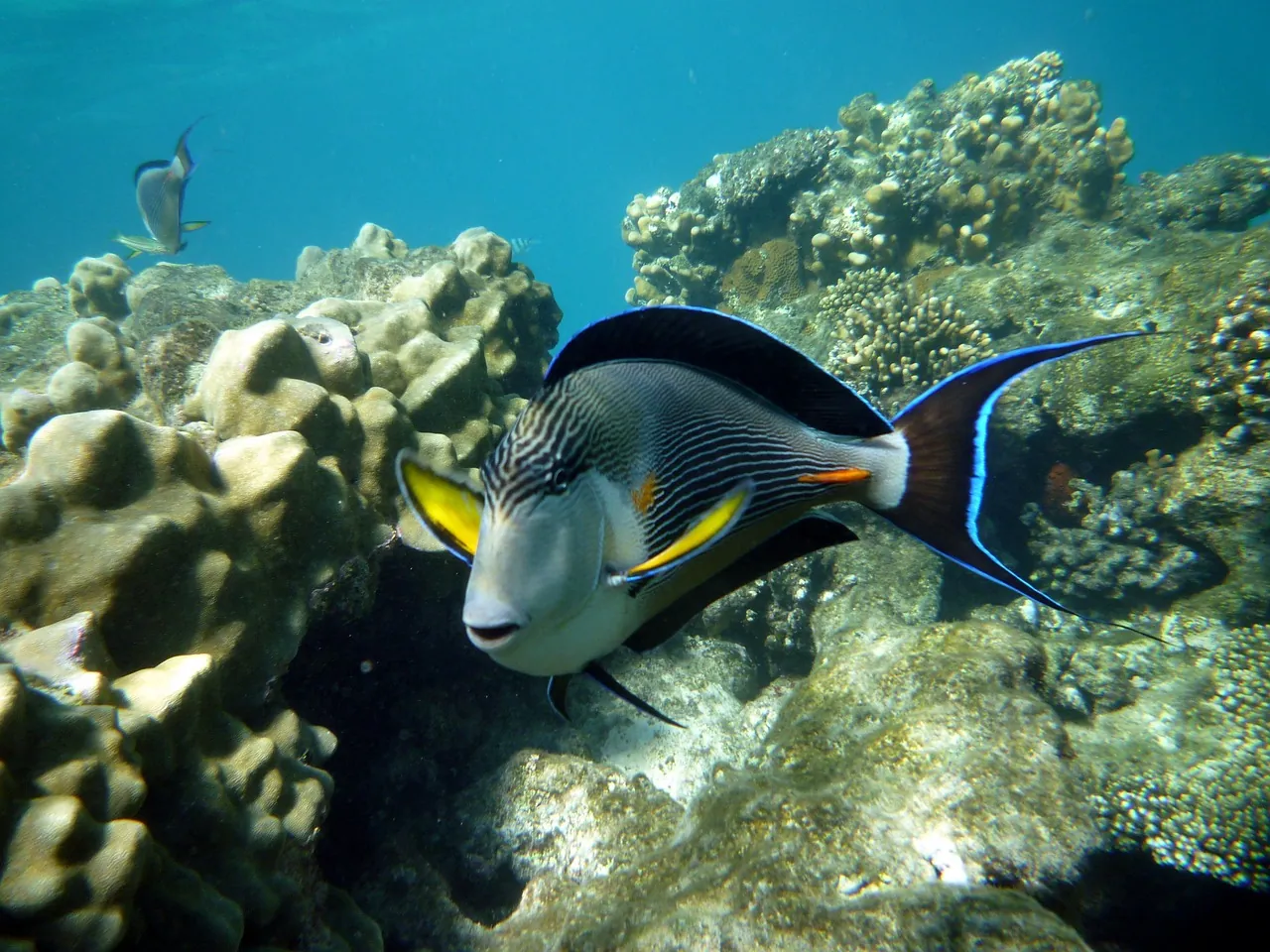
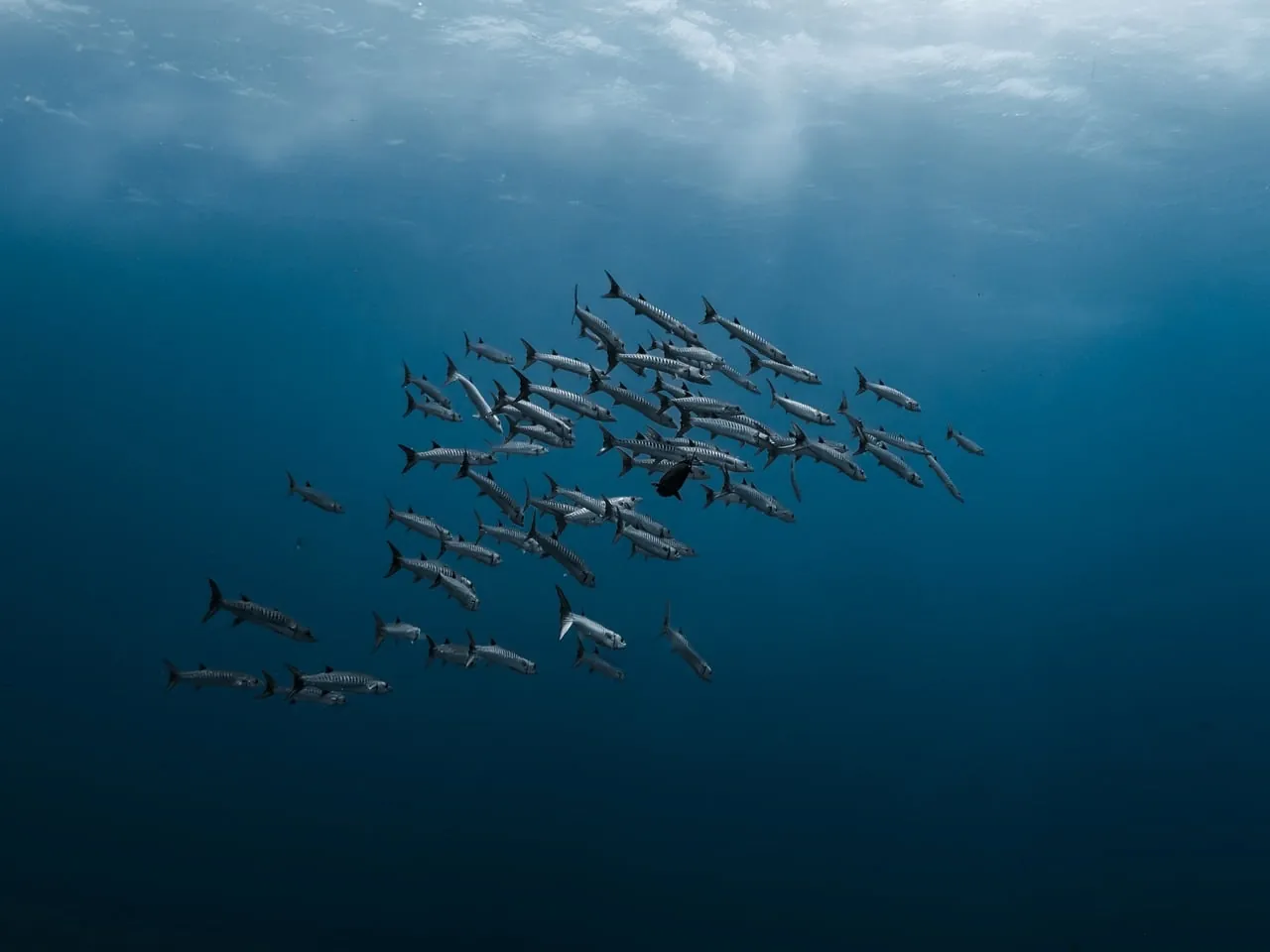
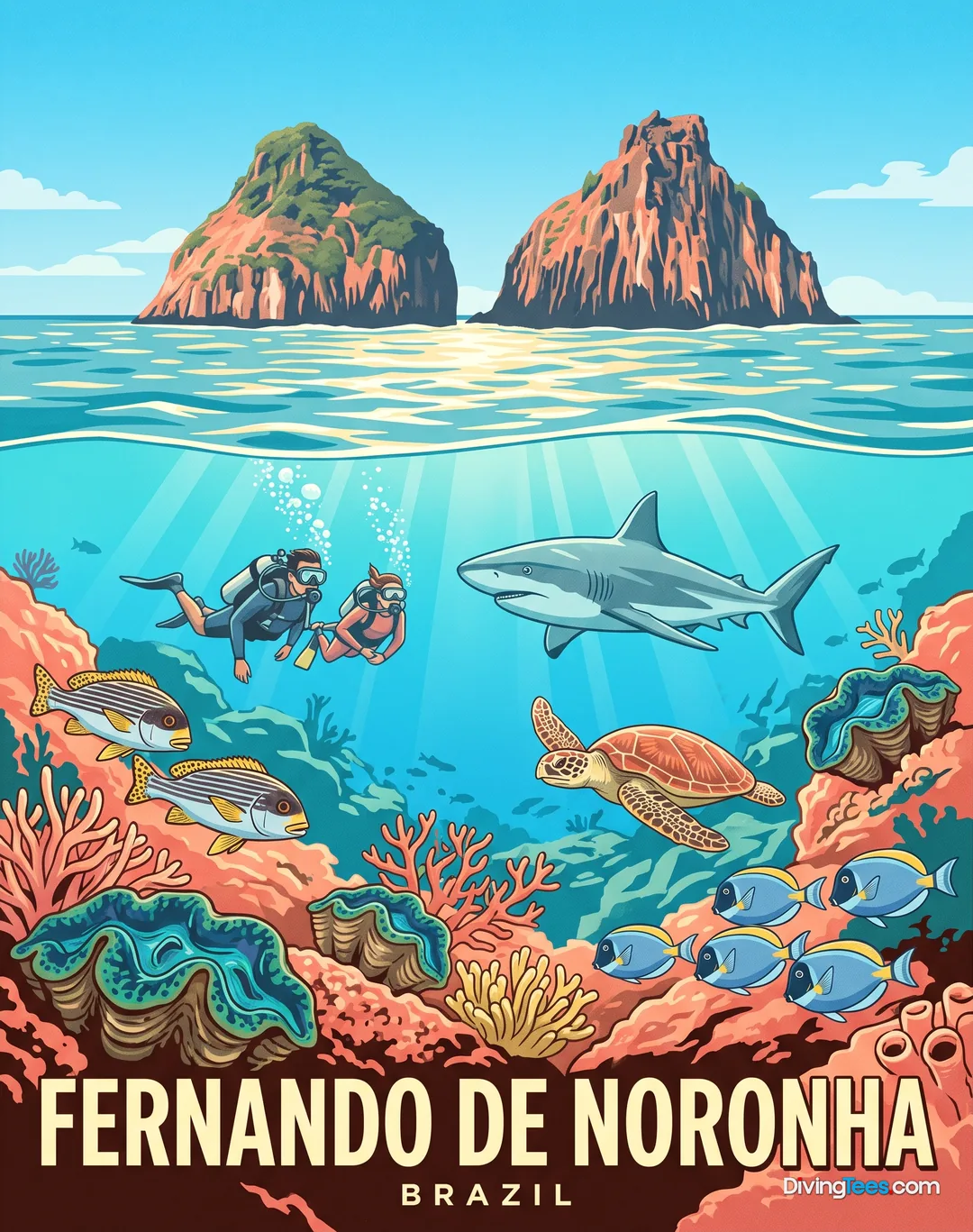
Among the marine life you'll encounter, parrotfish are a common sight, grazing on the corals and contributing to the health of the reef. Sea turtles are also frequent visitors, often seen gliding effortlessly or resting on the sandy patches. Keep an eye out for barracudas, which often patrol the edges of the reef, and moray eels tucked into crevices, their heads peeking out from their retreats.
Reef sharks are occasionally spotted, usually cruising calmly in the distance, adding to the sense of a healthy, active ecosystem without posing any concerns. The gentle current often present can lend itself to a mild drift, allowing you to cover more ground with less effort, maintaining an easy connection with the dive guide. This is a site designed for observation and relaxation, a welcome change from more strenuous dives.
What sets Ressurreta apart is its consistent calm and accessibility. It's a place where you can refine your diving skills, particularly buoyancy control, in conditions that are forgiving yet engaging. The prevalence of common reef species in a sheltered environment makes it a reliable site for marine life encounters, especially for those new to the region or those looking for a less demanding dive experience.
Ressurreta is accessible from Open Water Diver level, with a minimum depth of 7 meters and a maximum depth of 18 meters. Currents are typically light, occasionally suitable for a gentle drift, and visibility is consistently good, ranging from 30 to 50 meters.
You can dive Ressurreta with an Open Water Diver certification. Its calm, shallow coastal reef and light currents create a forgiving setting for practicing buoyancy. The straightforward profile and relaxed pace also suit divers seeking a less demanding experience, including a comfortable second dive during a day of diving in Fernando de Noronha.
Ressurreta ranges from 7 to 18 meters, with a gradually sloping bottom that supports relaxed exploration at different depths. The site is a shallow coastal reef with brain corals and other reef formations rather than dramatic walls. Its accessible profile allows you to focus on reef details and buoyancy during extended explorations.
Ressurreta usually has light currents, and conditions can occasionally suit a gentle drift. You can move through the water with minimal effort while staying connected to your dive guide. Visibility is consistently good, ranging from 30 to 50 meters, giving you clear views across the reef and its inhabitants.
At Ressurreta, you can commonly see parrotfish grazing around brain corals and reef formations, along with sea turtles gliding or resting on sandy patches. Barracudas may patrol the reef edges, while moray eels hide in crevices. Reef sharks are occasional visitors, usually cruising calmly in the distance.