Sea Paradise
Google 4.9/5 (309 reviews)
2.9 km away as the crow flies
Fernando de Noronha · Brazil · Americas
Max. depth · 40 mDescend into a volcanic landscape of underwater cliffs and canyons at Cagarras Fundas, where deep chambers and cleaning stations await.
Cagarras Fundas takes you down along a rocky, volcanic structure that slopes from a shallower plateau into deeper water. This is a distinct deep dive, not to be confused with Cagarras Rasas, and it offers a significantly more involved topography than other nearby sites. You'll navigate underwater cliffs and canyons, exploring a network of chambers and narrow passages carved into ancient lava flows, providing a sense of true underwater exploration.
The dive profile at Cagarras Fundas begins on a plateau at 12 metres before dropping sharply along the wall, reaching down to 40 metres. Light penetration shifts as you descend, revealing the geological complexity of the site. These volcanic formations create numerous cavities and overhangs, acting as natural shelters and often as cleaning stations for larger pelagics, adding an element of anticipation as you approach each formation.
While the site is generally considered sheltered, expect variable current conditions, primarily influenced by northeast swells and local visibility patterns. Being a rocky coastal area, the current can shift with the tide and sea state. Despite these variations, the site’s topography often provides respite within its deeper chambers and intricate volcanic structures, allowing for observation of resident marine life.
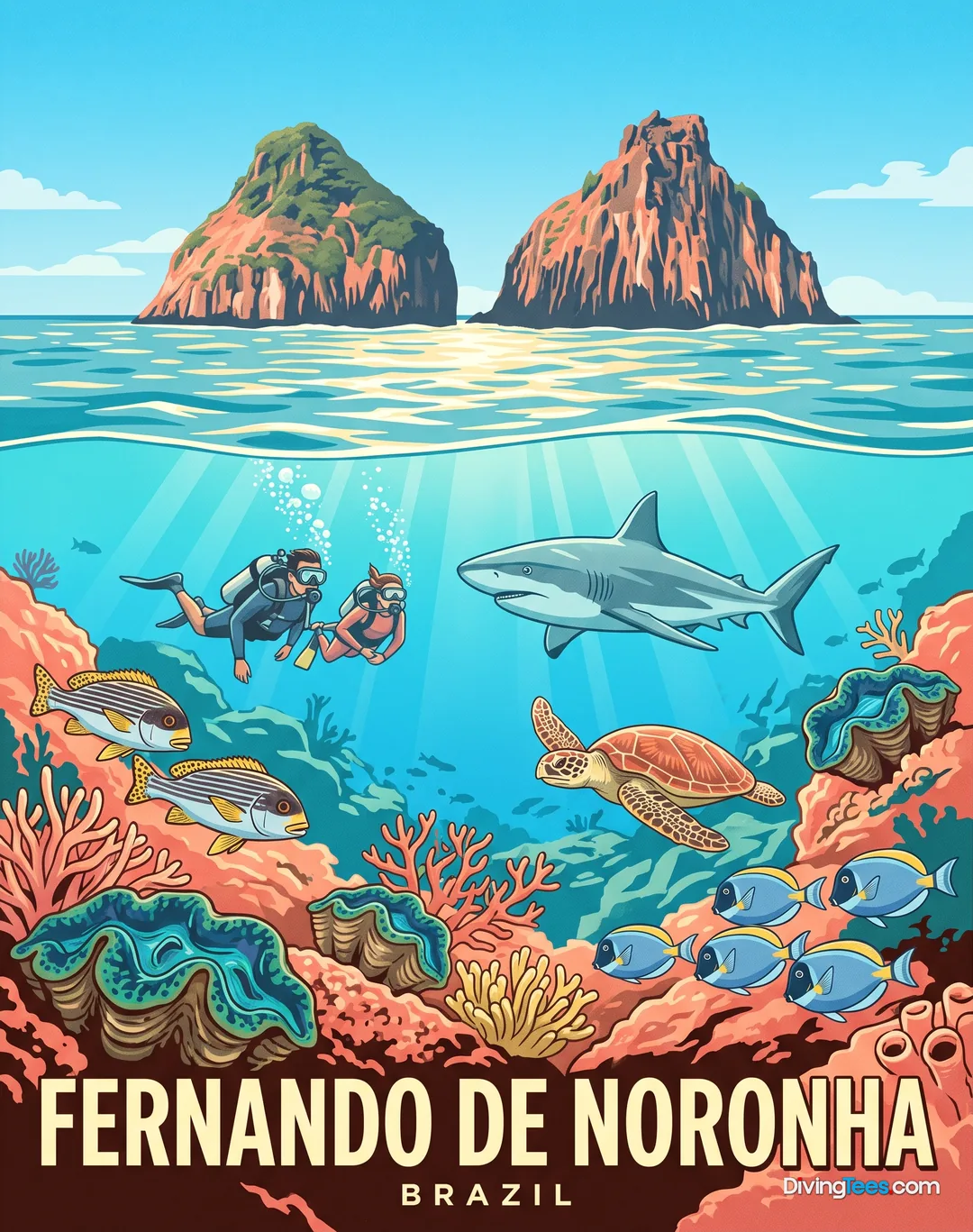
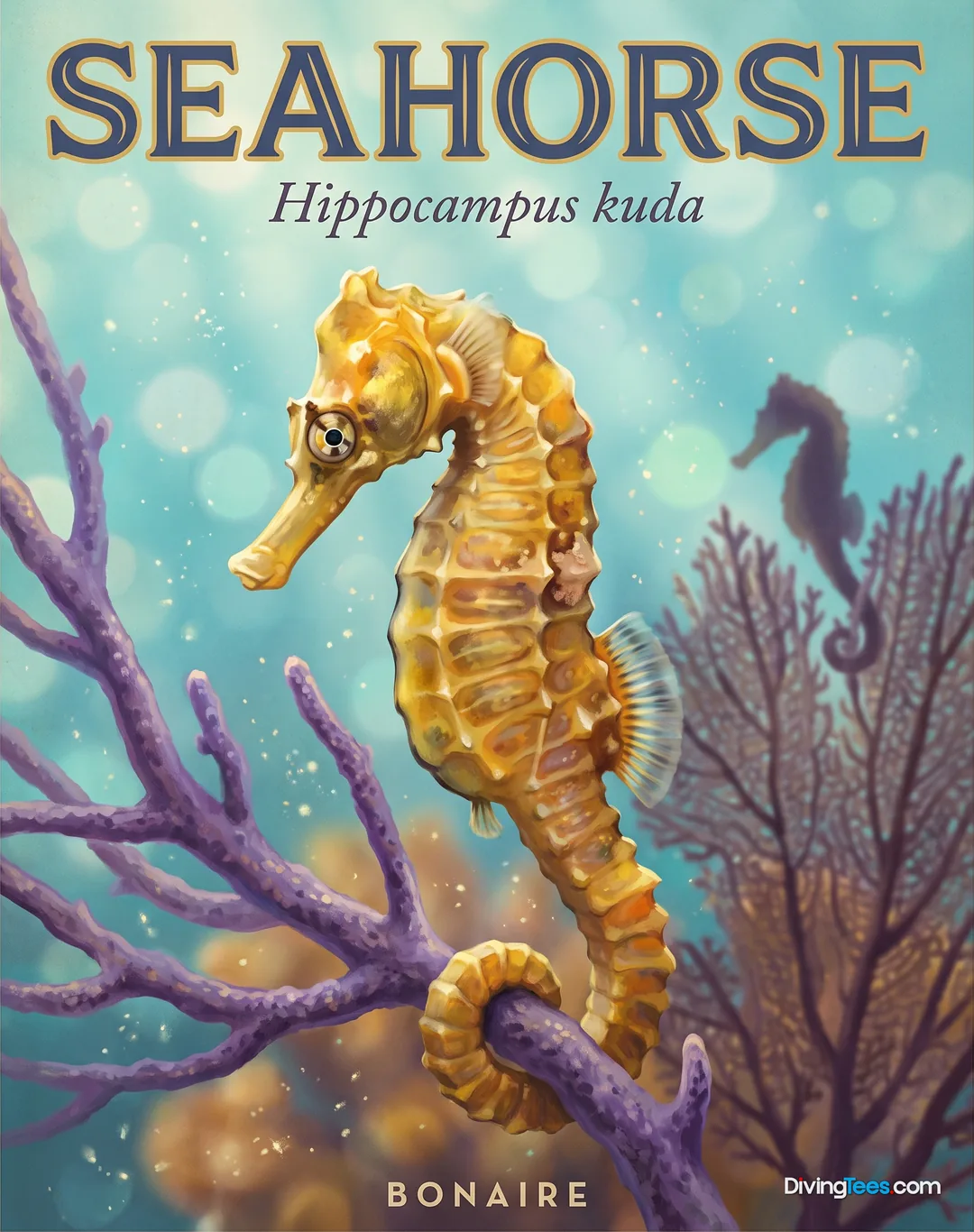
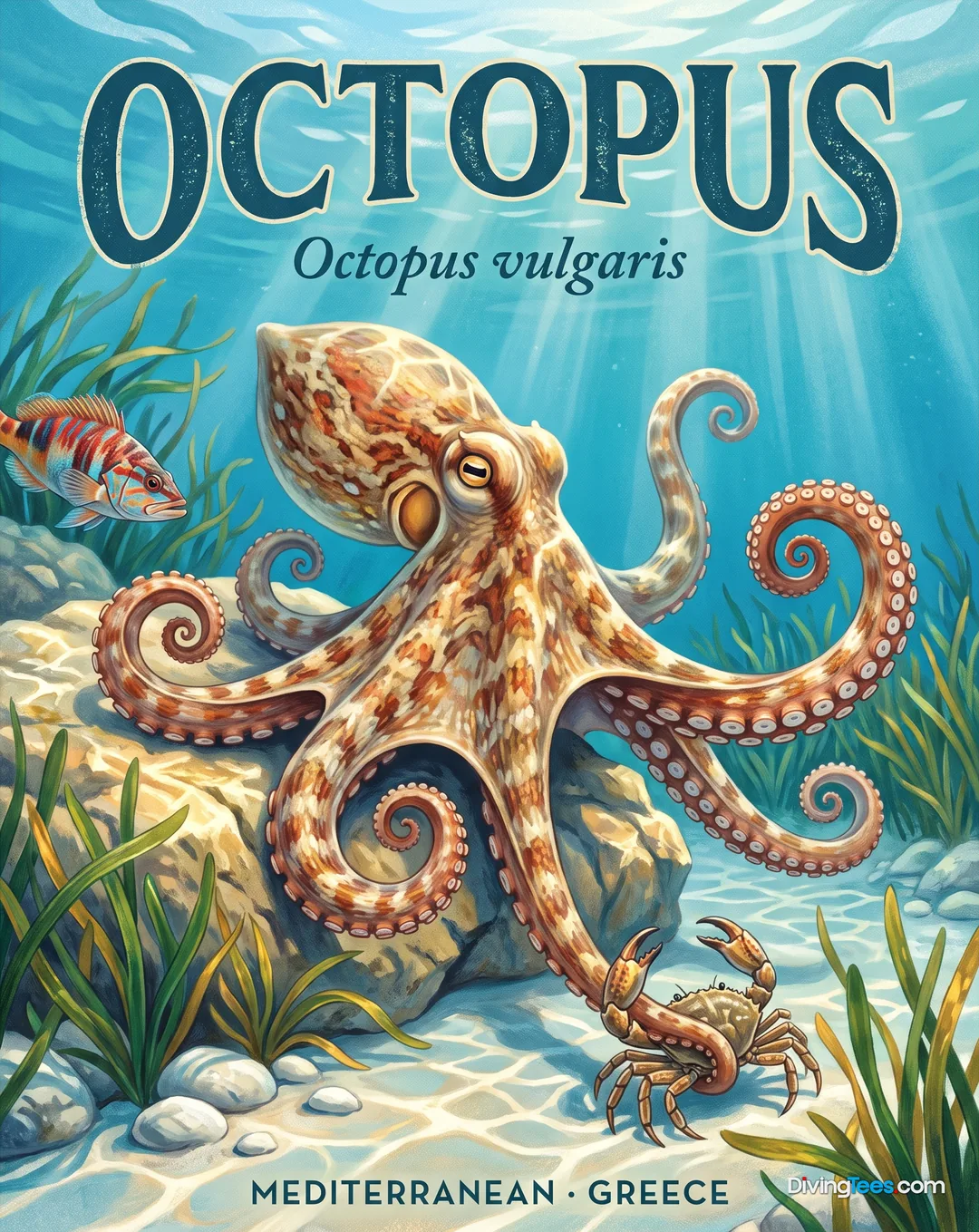
Among the marine inhabitants of Cagarras Fundas, you'll encounter a diverse range of species. Keep an eye out for eagle rays gliding past the deeper sections, green sea turtles resting in crevices, and various shark species. The rock formations also host smaller, more cryptic life, including the Brazilian seahorse and the coconut octopus, often found tucked into the volcanic nooks.
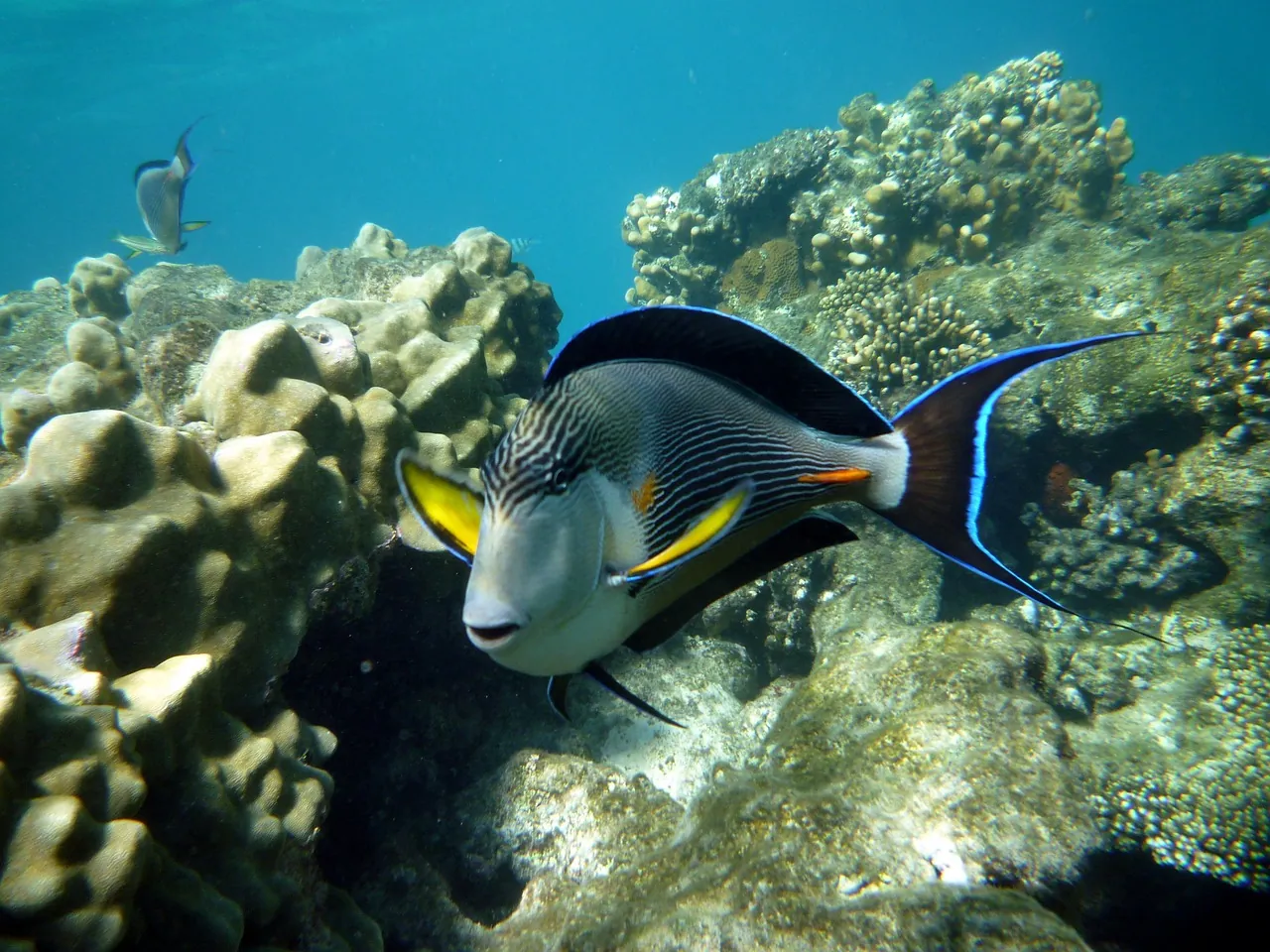
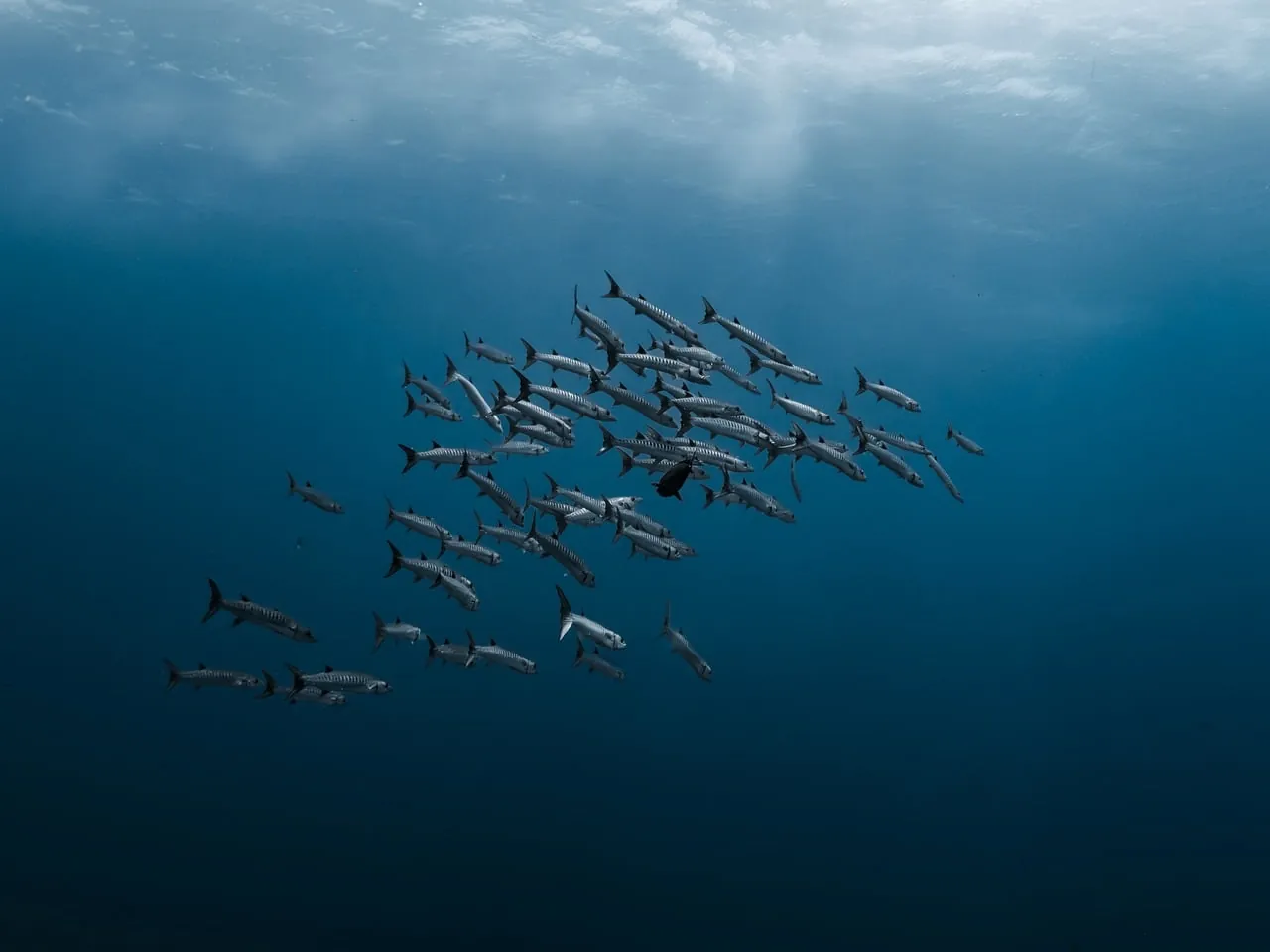
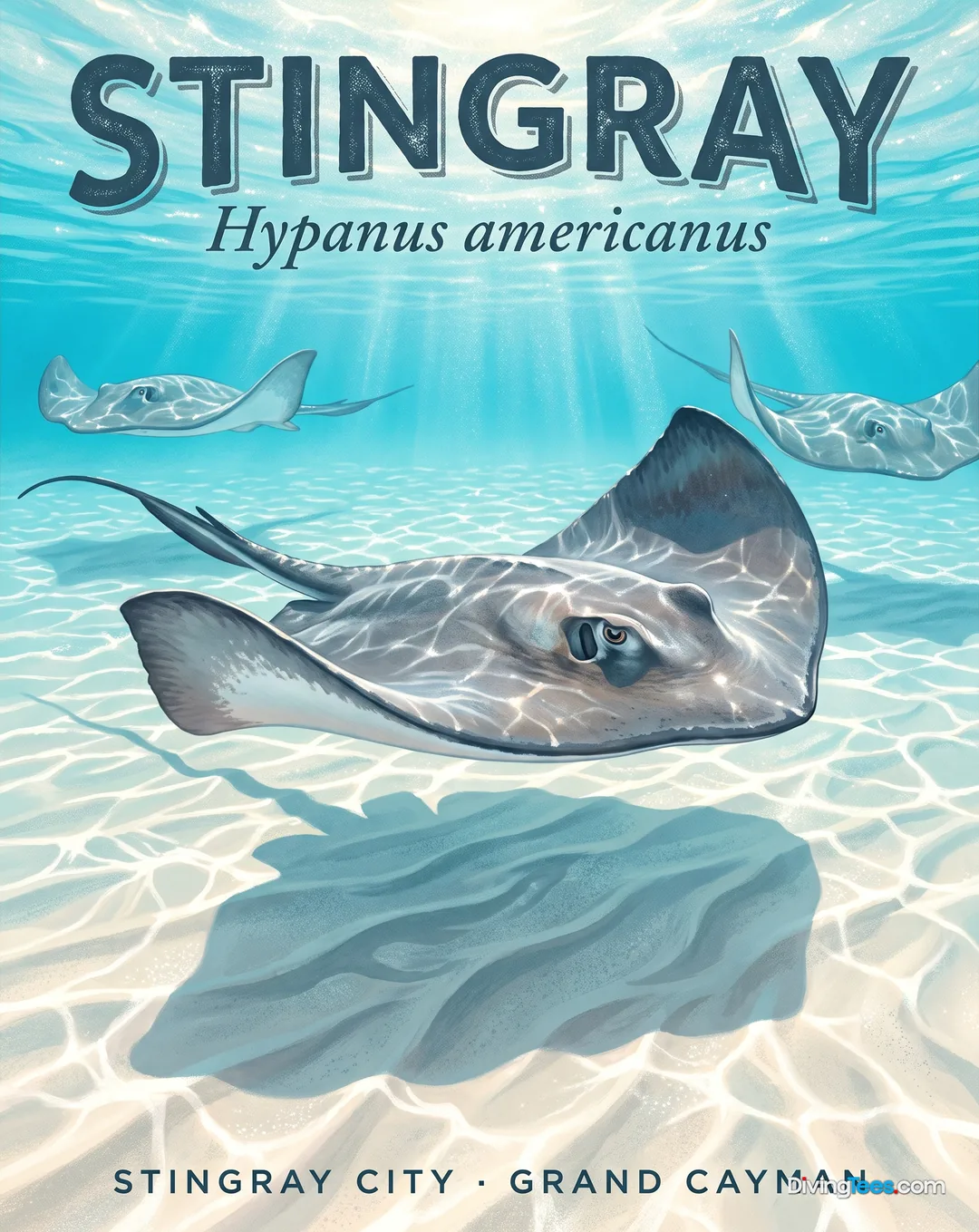
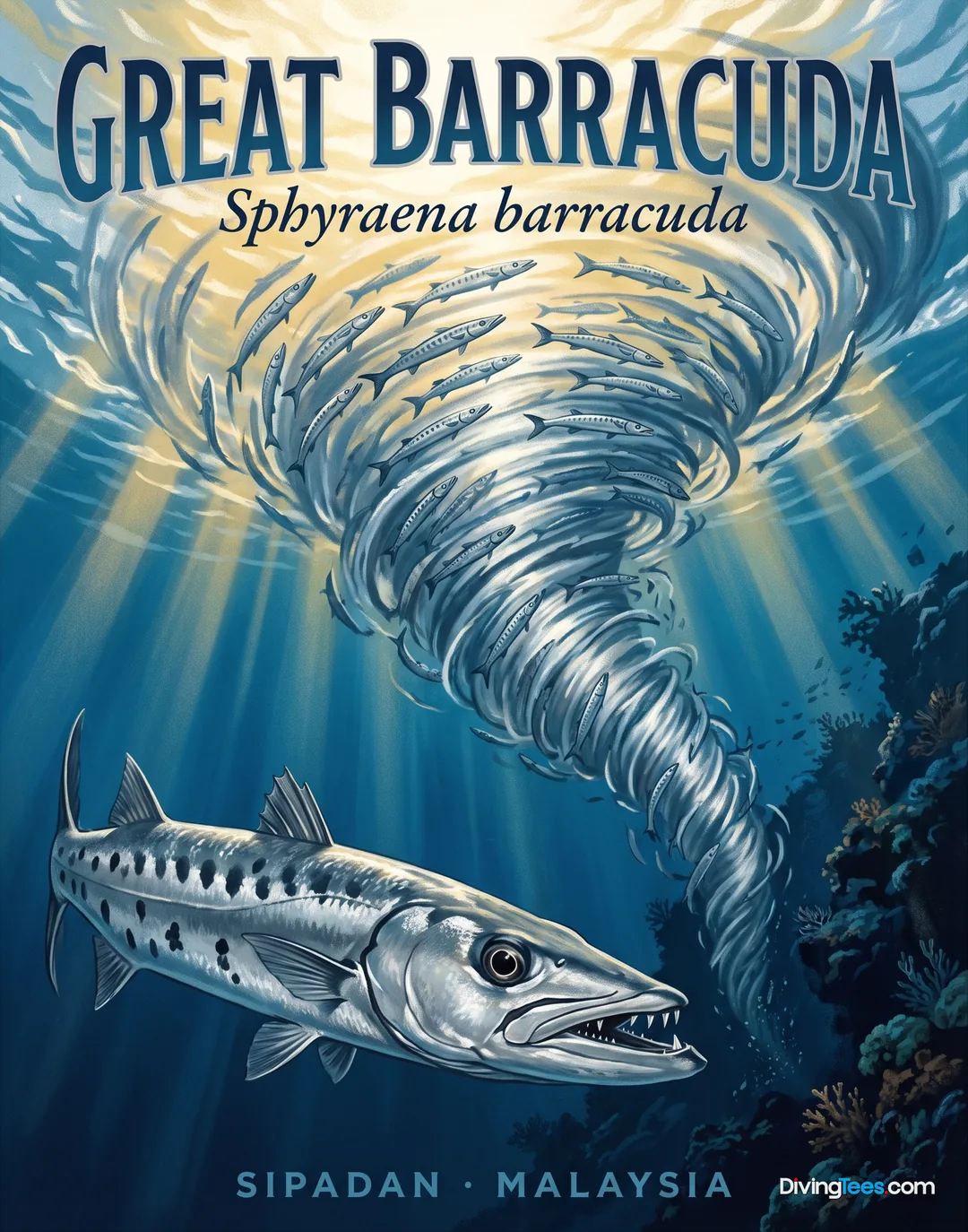
The resident reef fish population is vibrant, with French angelfish, sergeant majors, and sea chubs schooling along the rock faces. Stingrays are commonly observed on sandy patches near the base of the deeper formations, and lobsters can be spotted in the various cracks and ledges. Barracudas are also a frequent sight, often patrolling the mid-water column.
The uniqueness of Cagarras Fundas lies in its dramatic, engaged topography, featuring deep volcanic chambers and potential cleaning stations for larger species. This makes it a technical and visually impressive dive, standing apart from the typical reef dives in the archipelago. It's a site that demands attention to depth and surroundings, offering a deeper understanding of Fernando de Noronha's underwater geology.
Diving Cagarras Fundas often involves a boat access, with entries typically made directly from the sea. Depending on the prevailing conditions, you may experience a drift dive or require the assistance of a local guide for optimal positioning and navigation. The best periods for clearer and warmer water are generally reported to be March and then October to November, though the site remains accessible year-round for those prepared for potential variations.
Cagarras Fundas is a deep dive, with depths ranging from 12 metres down to 40 metres. An Advanced certification with demonstrated deep-diving experience is required due to the depths involved and the complex topography. While the site is generally sheltered, current can be variable, influenced by swells and tidal movements, requiring awareness and good buoyancy control. Visibility typically ranges between 20 and 30 metres, offering clear views of the volcanic landscape. The site is open year-round, with March and October-November often providing the clearest and warmest conditions.
Cagarras Fundas is open year-round, but March and October to November often bring the clearest and warmest conditions. You should still be prepared for changing conditions, since visibility, swell, tidal movement, and sea state can vary. The site is generally sheltered, although those influences may affect your dive.
Cagarras Fundas is a deep dive for Advanced divers with demonstrated deep-diving experience. The profile starts on a plateau at 12 metres, then drops sharply along a wall to 40 metres. You will need to manage depth carefully while navigating volcanic cliffs, canyons, chambers, overhangs, and narrow passages.
At Cagarras Fundas, current can be variable and may shift with northeast swells, tides, and sea state. You should maintain awareness and good buoyancy control throughout the dive. Although the site is generally sheltered, deeper chambers and intricate volcanic structures can provide respite from changing flow conditions.
At Cagarras Fundas, you can explore deep volcanic rock formations, canyons, chambers, narrow passages, cavities, and overhangs. Marine life may include eagle rays, green sea turtles, various shark species, barracudas, stingrays, lobsters, French angelfish, sergeant majors, sea chubs, Brazilian seahorses, and coconut octopuses.