Sea Paradise
Google 4.9/5 (309 reviews)
10 km away as the crow flies
Fernando de Noronha · Brazil · Americas
Max. depth · 43 mCabeco Da Sapata is an offshore volcanic pinnacle, rising from 43 metres to within 18 metres of the surface, known for its strong currents and schooling pelagic life.
Cabeco Da Sapata is an exposed offshore pinnacle, a volcanic seamount that stands apart from the shallower, more protected reef sites around Fernando de Noronha. The top of the pinnacle plateaus at around 18 metres, providing a clear reference point for the dive. From this upper section, the structure drops dramatically, forming steep walls that descend to depths of 35 to 43 metres, offering a substantial vertical profile to explore.
The topography of Cabeco Da Sapata is complex and varied, allowing for different dive profiles depending on current and diver experience. Beyond the main pinnacle, some areas reveal mound-like formations capped with fire coral, while a nearby cave-like area with a sandy bottom offers a different environment. This intricate structure provides numerous hiding spots and transit routes for marine life, particularly in the deeper sections where the pinnacle’s base meets the surrounding seafloor.
Exploring the site typically involves navigating the outer sides, where the currents are most pronounced. There is a distinct passage or opening through the deeper part of the pinnacle, allowing for a traverse that truly highlights its volcanic origins. This multi-level profile means you can spend time investigating the shallower plateaus before descending along the walls to explore the deeper crevices and overhangs.
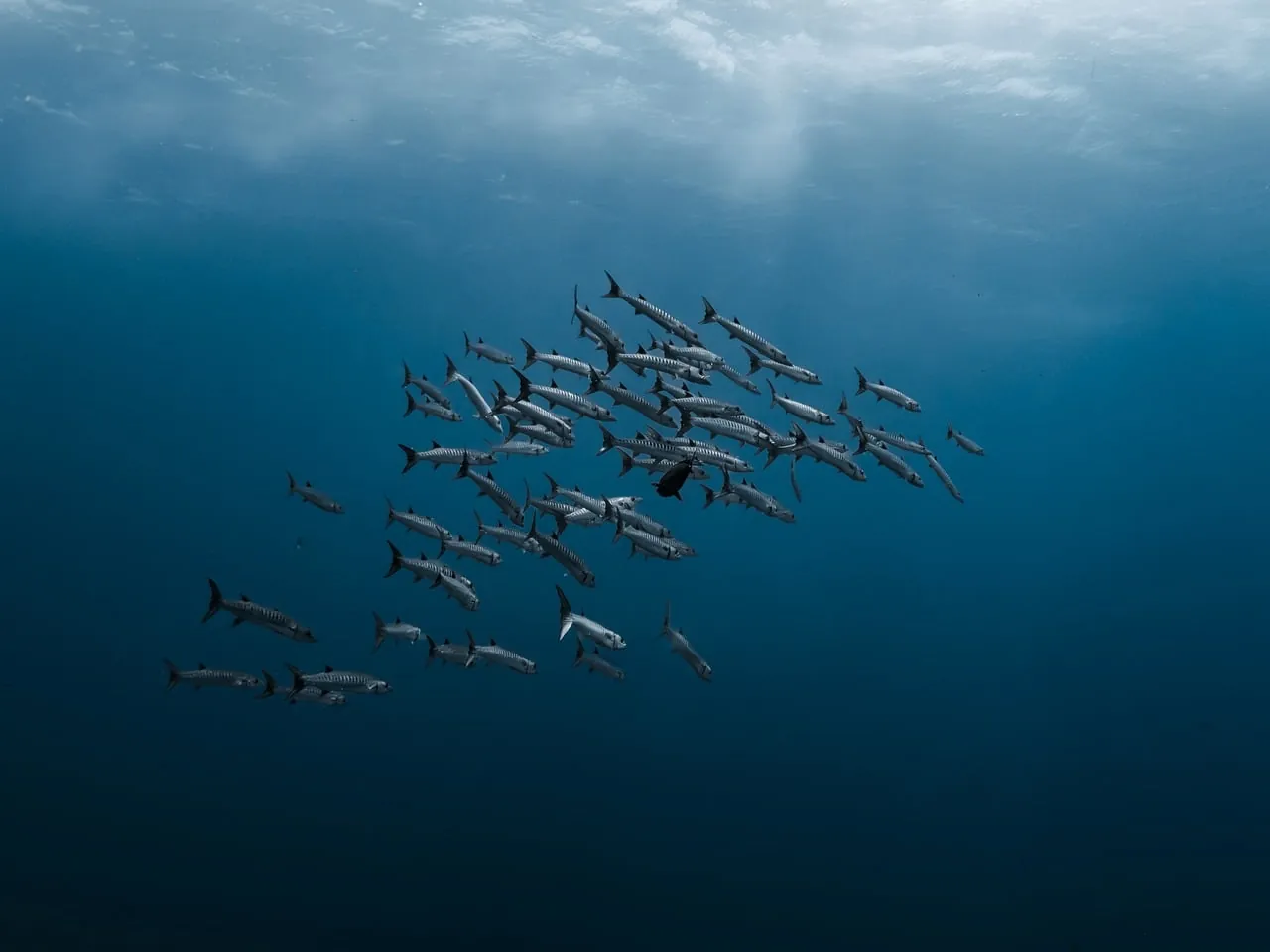
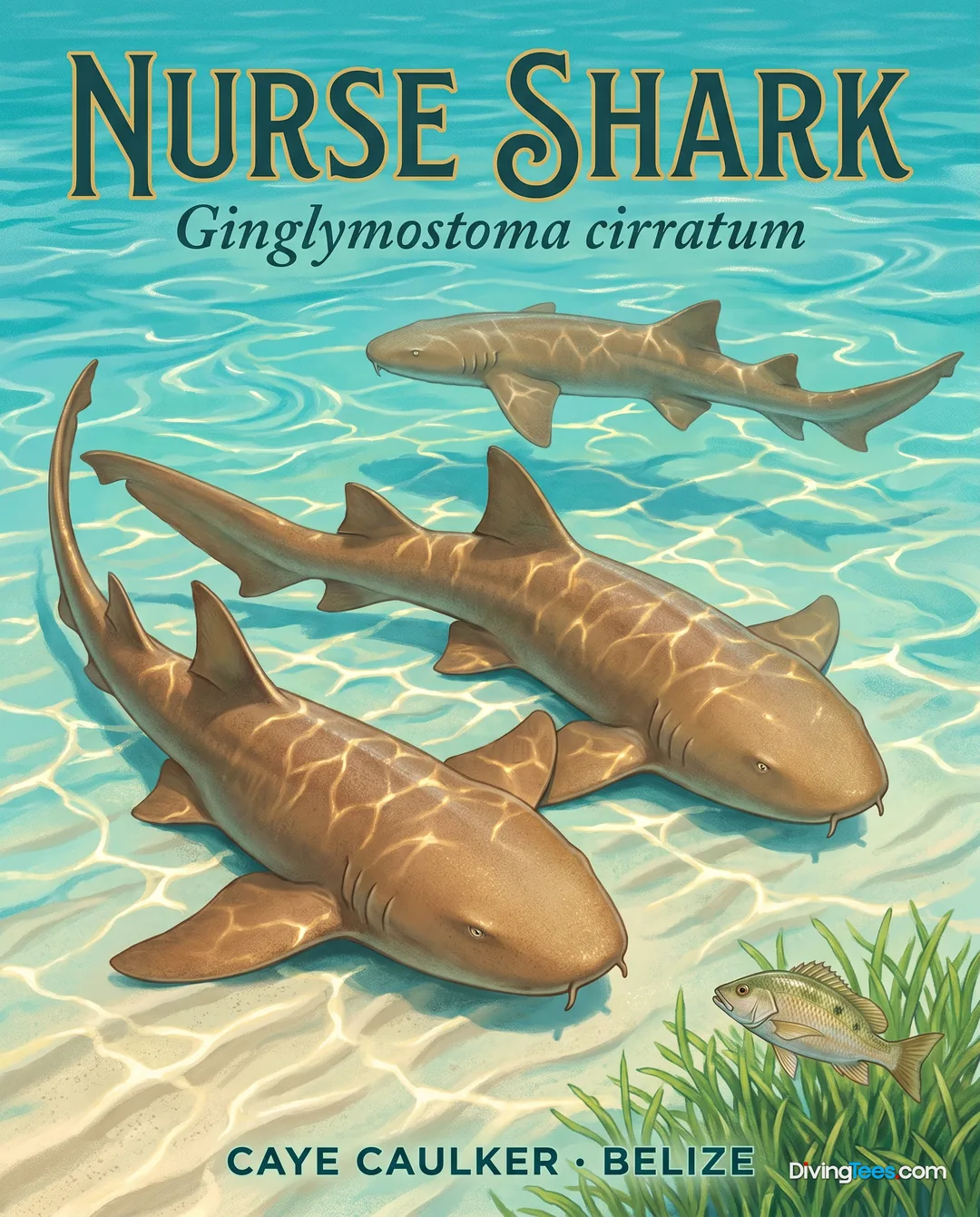
Cabeco Da Sapata is renowned for its pelagic encounters, with grey reef sharks (Carcharhinus amblyrhynchos) and nurse sharks (Ginglymostoma cirratum) being regular sights, often patrolling the edges of the pinnacle. Large schools of horse-eyed jack (Caranx latus) and grouper (Epinephelus spp.) congregate in the currents, creating a dynamic environment that changes with the flow of water. Southern stingrays (Hypanus americanus) are also present, often found resting on the sandy bottom sections or cruising along the deeper ledges.
While the site can present periods of gentler conditions, strong, open-ocean currents are a defining characteristic of Cabeco Da Sapata, especially on the outer and southern walls. This constant flow brings in clear water, contributing to the excellent visibility which typically ranges from 25 to 40 metres. This exposure to current also explains the prevalence of pelagic species and large schooling fish, as the site acts as a cleaning station and feeding ground.
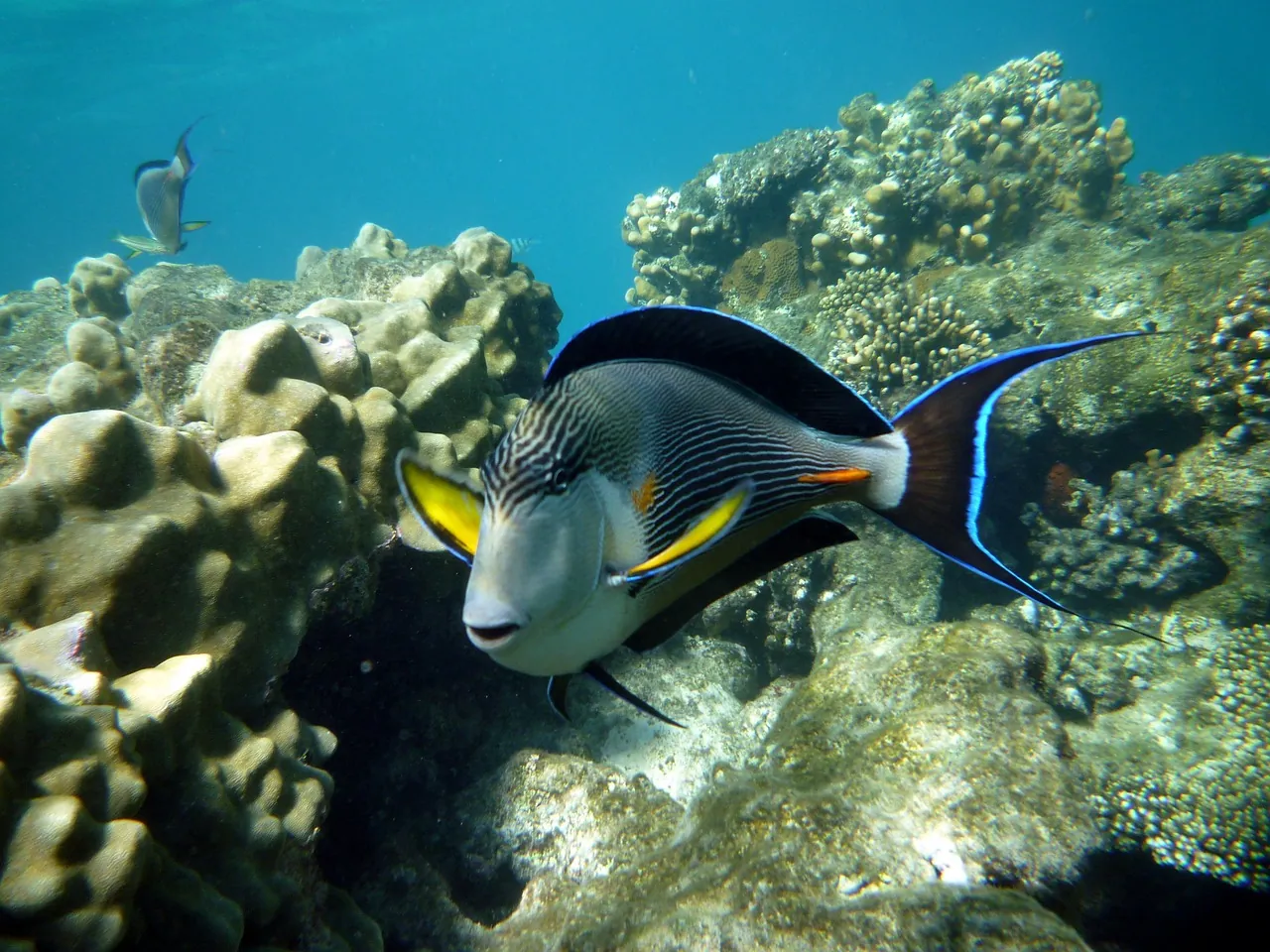
The deeper profile and strong currents at Cabeco Da Sapata mean that marine life here tends to be larger and more robust than on some of the shallower, more sheltered sites around Fernando de Noronha. Beyond the sharks and jacks, you might also spot green sea turtles (Chelonia mydas) moving between the pinnacle and the surface, along with dog snappers (Lutjanus jocu) and French angelfish (Pomacanthus paru) closer to the walls. Cleaner wrasse (Labroides dimidiatus) are common, indicating the health of the reef system.
Compared to many other dive sites in the region, Cabeco Da Sapata offers a distinct experience focused on open-ocean exposure and larger marine life, rather than intricate coral gardens. Its deep profile and consistent current separate it from the nearby shallow reefs, making it a prime location for encountering schooling pelagics and exploring a true volcanic seamount that reaches into the clear, blue water of the Atlantic.
Cabeco Da Sapata is an advanced dive site, with depths ranging from 18 metres to a maximum of 43 metres. Strong currents are the norm here, particularly on the outer walls, so experience in significant current is highly recommended. Visibility is consistently good, usually between 25 and 40 metres. The optimal period for diving this site, generally offering the clearest and calmest conditions in Fernando de Noronha, is from August to February, though the site is accessible year-round depending on daily conditions.
You can dive Cabeco Da Sapata year-round, depending on daily conditions. The period from August to February generally brings clearer and calmer conditions in Fernando de Noronha. Visibility is typically good, ranging from 25 to 40 metres, although the exposed offshore setting means conditions can vary with the current.
Cabeco Da Sapata is an advanced dive site suited to divers experienced in significant current. Strong oceanic flow is normal, particularly along the outer and southern walls. Its exposed position, deep walls, and multi-level volcanic structure require you to be comfortable navigating current while managing changing depths.
Cabeco Da Sapata has a pinnacle plateau at around 18 metres, with steep walls descending to depths from 35 to 43 metres. Strong currents are a defining feature, especially on the outer walls. You may encounter gentler periods, but the open-ocean flow remains an important part of the dive.
At Cabeco Da Sapata, you can encounter grey reef sharks, nurse sharks, large schools of horse-eyed jacks and groupers, southern stingrays, and green sea turtles. Dog snappers, French angelfish, and cleaner wrasse occur near the walls. The volcanic pinnacle also offers fire-coral formations, deeper crevices, overhangs, and a cave-like sandy area.