
Sea Paradise
Google 4.9/5 (309 reviews)
3.7 km away as the crow flies
Fernando de Noronha · Brazil · Americas
Max. depth · 40 mAt Ponta De Macaxeira, explore a dramatic rock wall near Rata Island, where schooling fish are often silhouetted against clear water and you can encounter pelagics in the current.
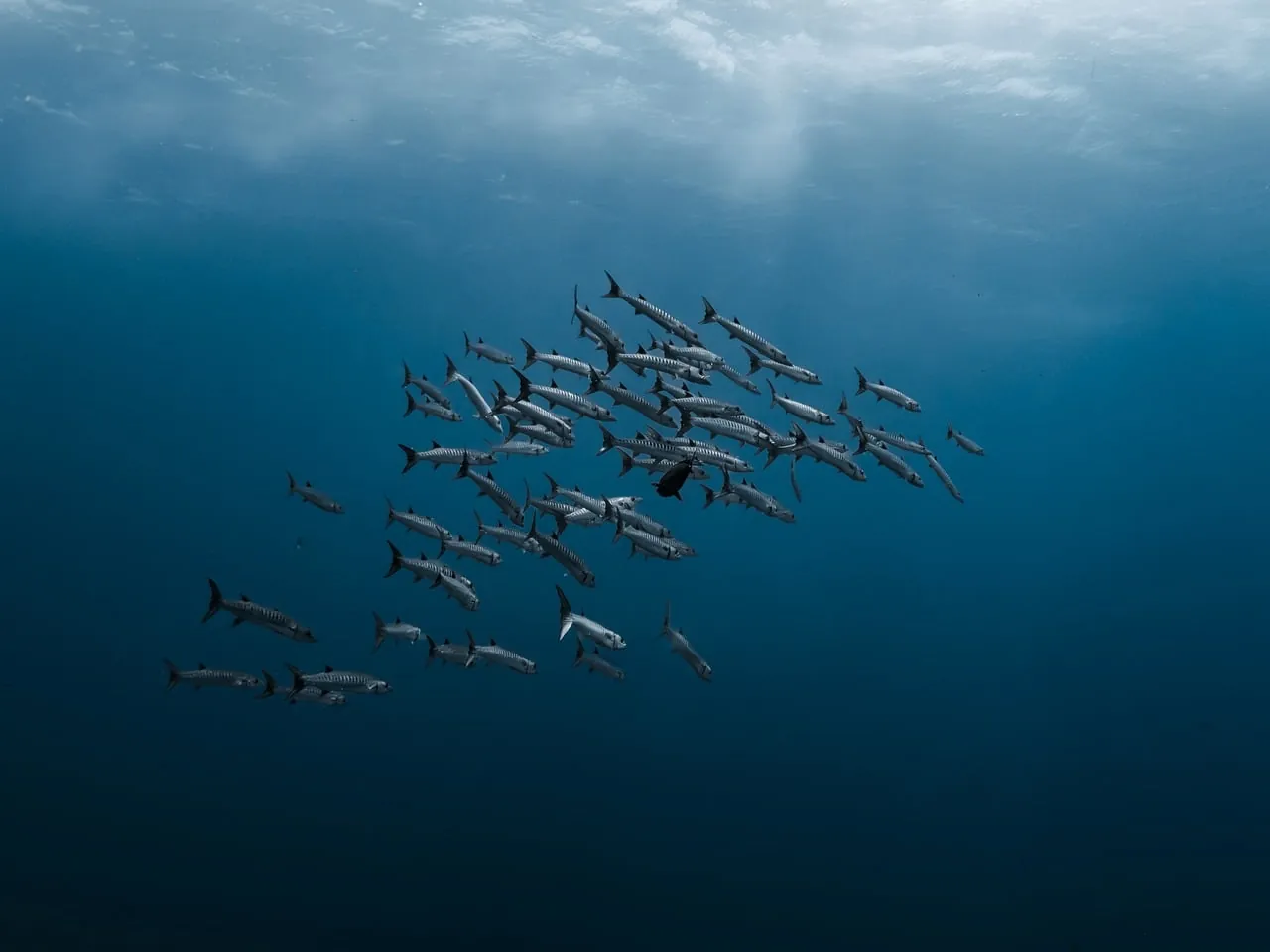
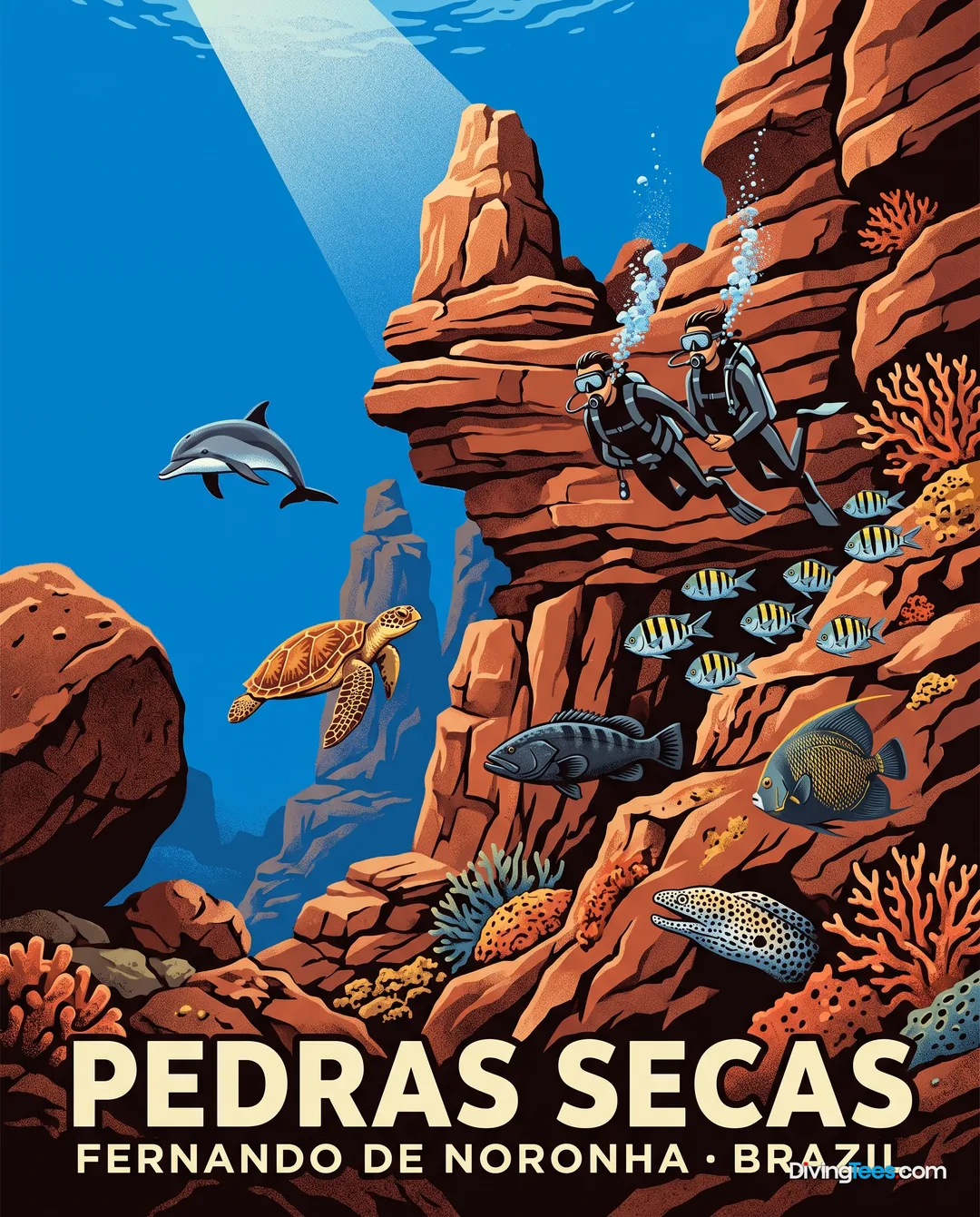
Diving Ponta De Macaxeira takes you along a prominent rock wall and drop-off that flanks Rata Island, extending down from 8 meters to a sandy bottom at 40 meters. This isn't a flat reef; instead, the site combines sheer wall sections with a sloping reef system as it contours the headland. You'll find yourself navigating around large rock formations and through crevices, where the topography itself becomes a significant part of the dive experience. The light often plays strikingly on the wall, backlighting schools of fish and creating a visual depth distinct from shallower, more sheltered sites around Fernando de Noronha.
The dive profile typically begins near the surface, allowing for a gradual descent along the wall. As you move deeper, the reef transitions, offering a varied topography that includes both abrupt drop-offs and more gently sloping areas. This diversity in relief provides a range of habitats for marine life. While coral density can vary depending on your exact entry point and depth, the site compensates with its structural complexity, providing numerous hiding spots and hunting grounds for resident species. The visibility here is generally excellent, often between 20 and 40 meters, which allows for expansive views of the underwater landscape.
Currents at Ponta De Macaxeira demand attention. They can be moderate, but are frequently reported as strong, particularly around the exposed point and near the surface where surge is common. These conditions are heavily influenced by tidal movements and the site's open ocean exposure. This dynamic environment is precisely what draws pelagic species closer to the wall. Experienced divers will appreciate the challenge and the rewards of holding position against a steady flow, observing how the marine life adapts to and uses these currents.
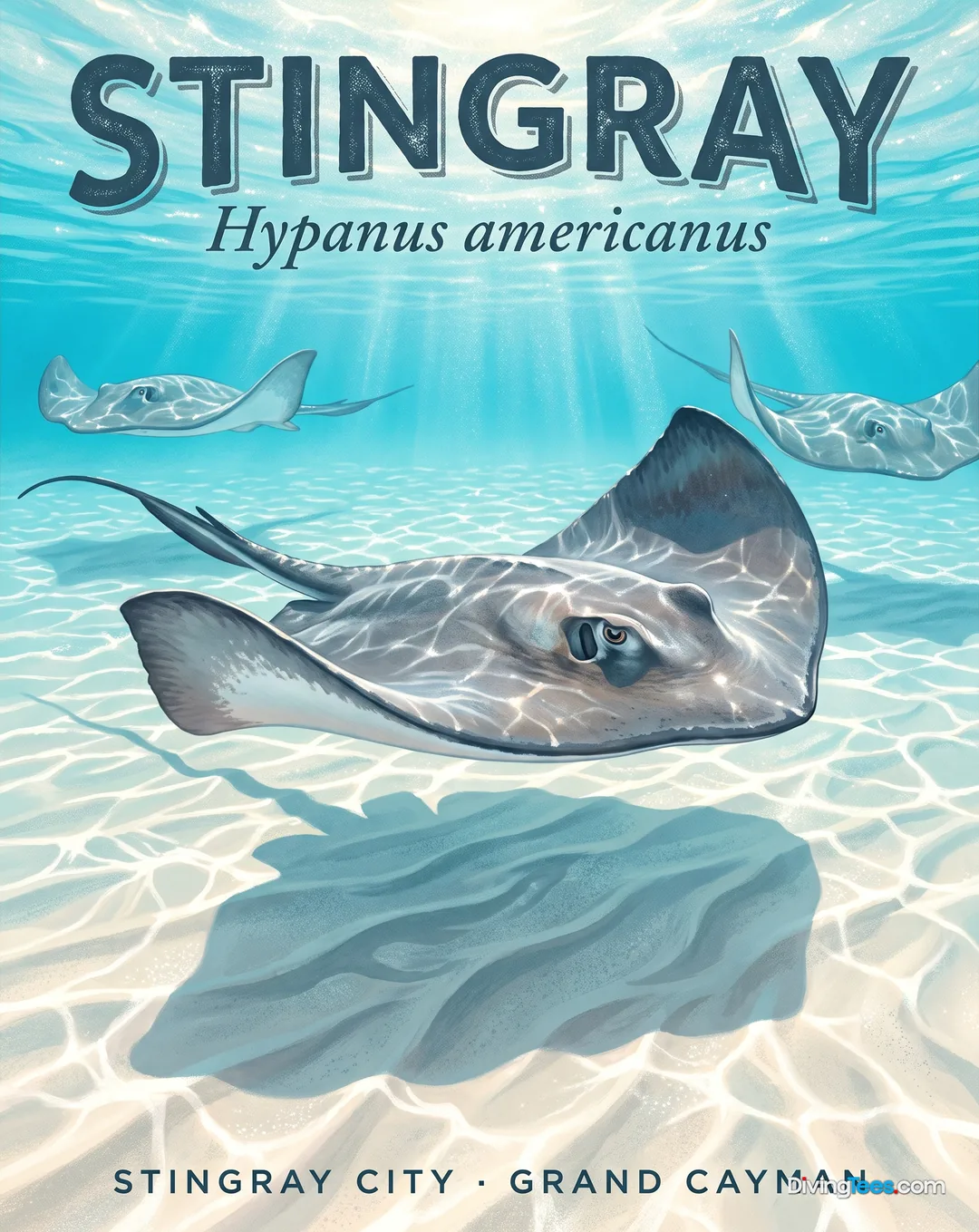
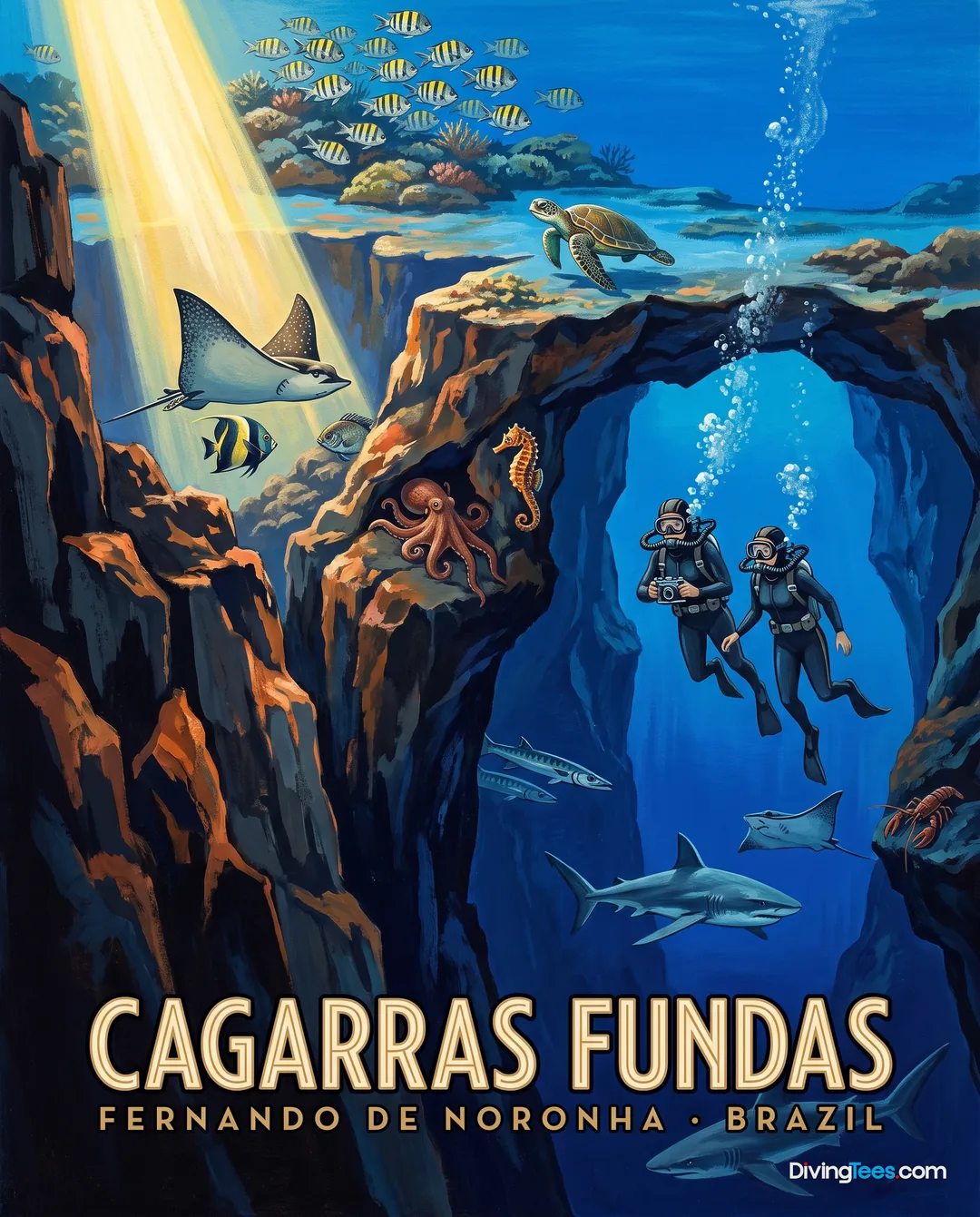
This site is a prime location for encounters with a variety of rays. You can often spot southern stingrays (Dasyatis americana) resting on the sandy bottom sections or gliding along the reef. Eagle rays (Aetobatus narinari) are also frequent visitors, recognizable by their distinct spotted backs as they move gracefully through the water column. Keeping an eye on the transition zones between wall and sand, especially where the current is present, increases your chances of spotting these impressive cartilaginous fish.
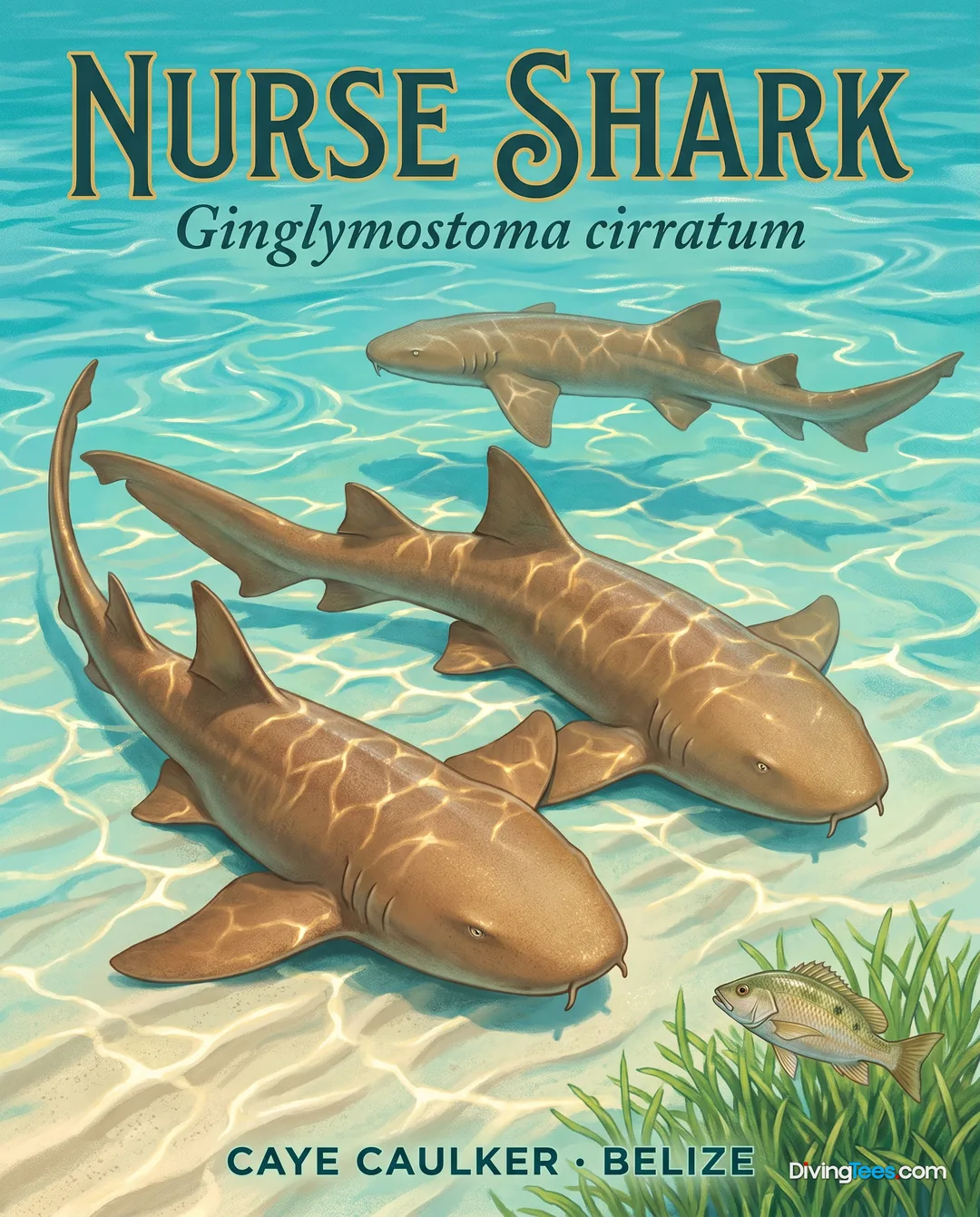
The rock formations and crevices serve as home to numerous reef inhabitants. Green moray eels (Gymnothorax funebris) are commonly seen peeking from their retreats, their heads swaying gently with the water movement. Nurse sharks (Ginglymostoma cirratum), often found resting under ledges or in hollows, add another dimension to the reef's resident predators. The intricate structure of the wall also supports smaller reef fish, including the brightly coloured sergeant major damselfish (Abudefduf saxatilis) and rock hinds (Epinephelus adscensionis).
Schools of yellowtail snapper (Ocyurus chrysurus) and horse-eyed jacks (Caranx latus) are a common sight, often congregating in areas where the current delivers nutrients. Watching these schools move as a single entity, especially when backlit by the surface light, is one of the distinct experiences of diving Macaxeira. The presence of reef sharks (Carcharhinus perezi) patrolling the deeper sections underscores the site's health and its position within a productive marine ecosystem, offering a true sense of the open ocean just off the island's edge.
What sets Ponta De Macaxeira apart from other Fernando de Noronha sites is its combination of an exposed, current-swept point with a significant wall and sloping reef. It is not a gentle drift; it demands conscious diving and current awareness. The opportunity to witness larger pelagic activity alongside a thriving reef fish community, all within excellent visibility, makes this a compelling dive for those seeking a more challenging and rewarding experience than the archipelago’s calmer, shallower locations.
Dive depths at Ponta De Macaxeira typically range from 8 meters down to 40 meters. This site requires an Advanced Open Water Diver certification as a minimum, alongside demonstrable experience in diving with current and at depth. The current here can be moderate to strong, especially around the point and during tidal changes, so comfort with dynamic conditions is important. Visibility is generally very good, usually between 20 and 40 meters. The best time to dive this site is between August and February, when conditions are most favourable.
You will find the most favourable diving conditions at Ponta De Macaxeira between August and February. The site’s open-ocean exposure and tidal influence shape the experience, so this seasonal window is the period identified for diving here. Visibility is generally very good, typically ranging from 20 to 40 meters.
Ponta De Macaxeira requires at least Advanced Open Water Diver certification. You should also have demonstrable experience diving in current and at depth, because the site combines an exposed point, a substantial wall, deeper sections, and dynamic water movement. Comfort with changing conditions is important for managing this dive.
Ponta De Macaxeira descends from approximately 8 meters near the surface to a sandy bottom at 40 meters. You can follow a gradual descent along the rock wall, moving through sheer sections, sloping reef, large formations, and crevices. The changing relief provides different habitats as you move deeper.
At Ponta De Macaxeira, currents can be moderate to strong, especially around the exposed point, near the surface, and during tidal changes. You may encounter southern stingrays, eagle rays, green moray eels, nurse sharks, yellowtail snapper, horse-eyed jacks, and reef sharks among the wall, sand, and crevices.