Sea Paradise
Google 4.9/5 (309 reviews)
1.8 km away as the crow flies
Fernando de Noronha · Brazil · Americas
Max. depth · 25 mDescend into a network of volcanic arches and tunnels at Pedras Secas, where green sea turtles find refuge and reef sharks patrol the pinnacles.
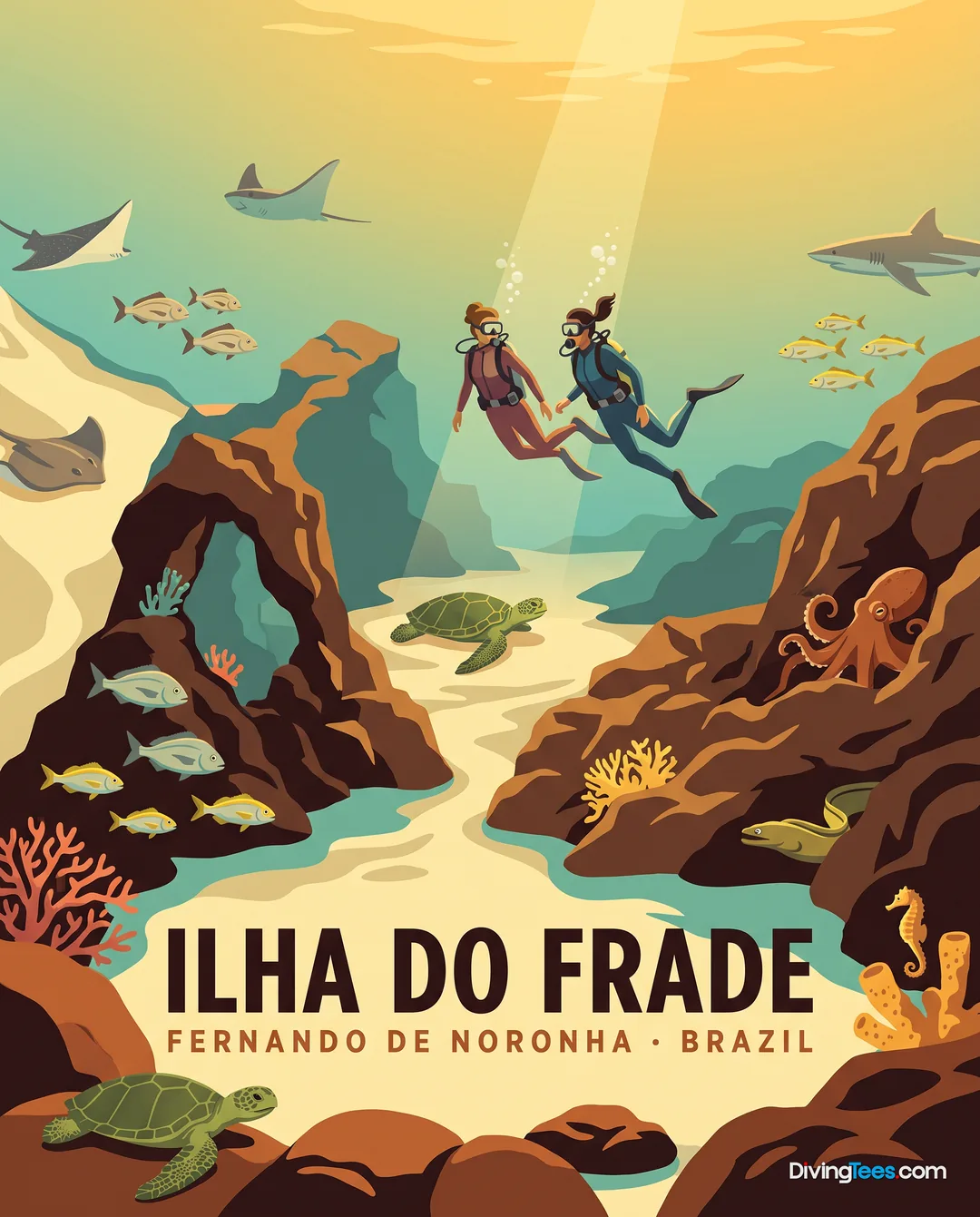
Pedras Secas is more than just a reef; it's a complex system of coral and lava pinnacles that rise from a sandy seabed, with some formations breaking the surface as 'dry rocks.' The overall structure is that of a shallow reef-pinnacle system, rather than a singular wall, offering a varied topography to explore. Between the major rock formations, you'll find sandy channels, particularly in the shallower sections between 8 and 15 metres, which host distinct micro-habitats and often reveal unexpected encounters.
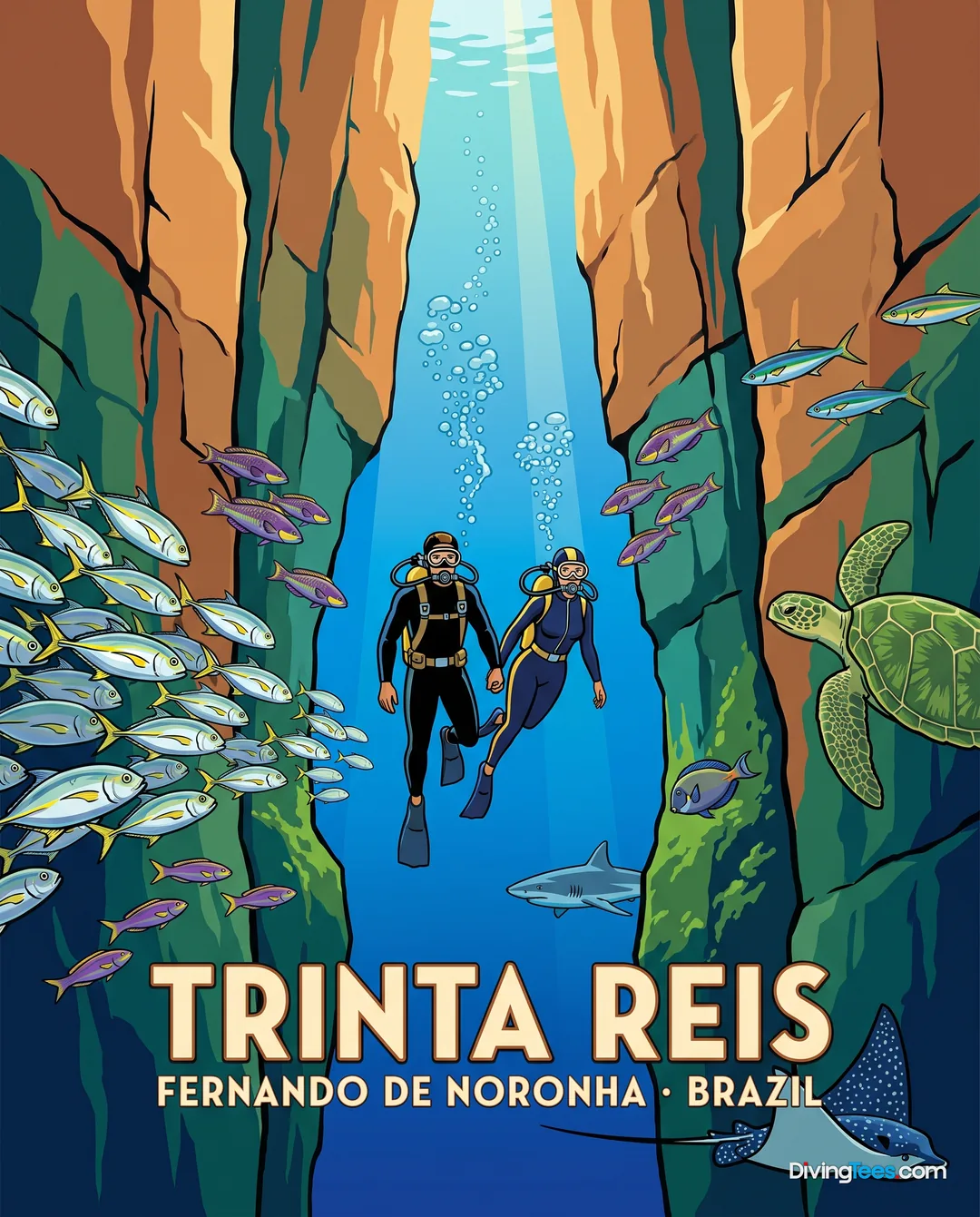
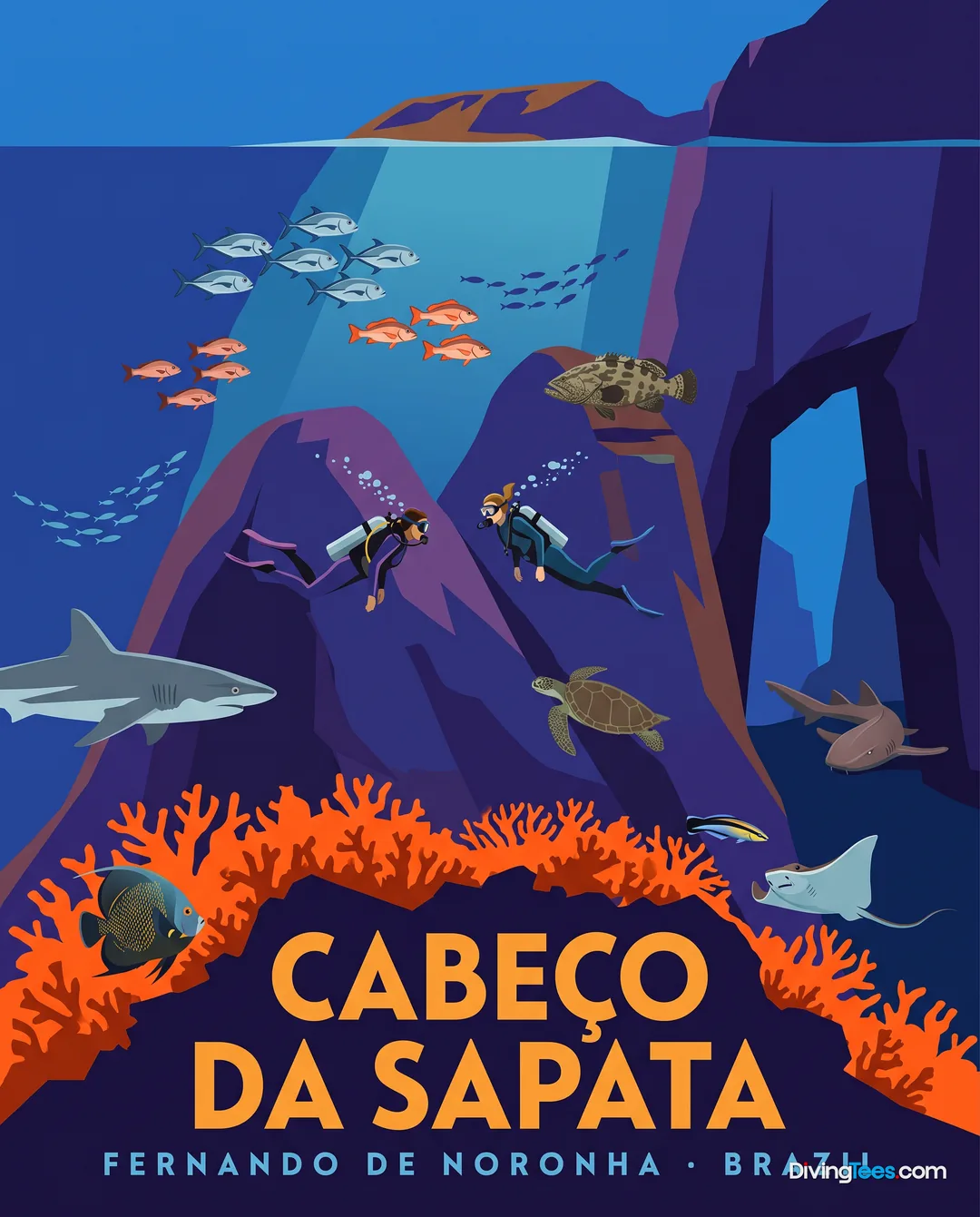
The defining feature of Pedras Secas is its intricate network of arches, tunnels, crevices, and canyons. As you navigate these formations, the light plays dramatically through the overhangs and corridors, creating an ever-changing visual experience. These natural swim-throughs are a key part of the dive profile here, offering a sense of exploration and discovery within relatively shallow depths. Planning your route through these passages allows for a dynamic dive, moving from open water to more confined spaces, always with an exit strategy in mind.
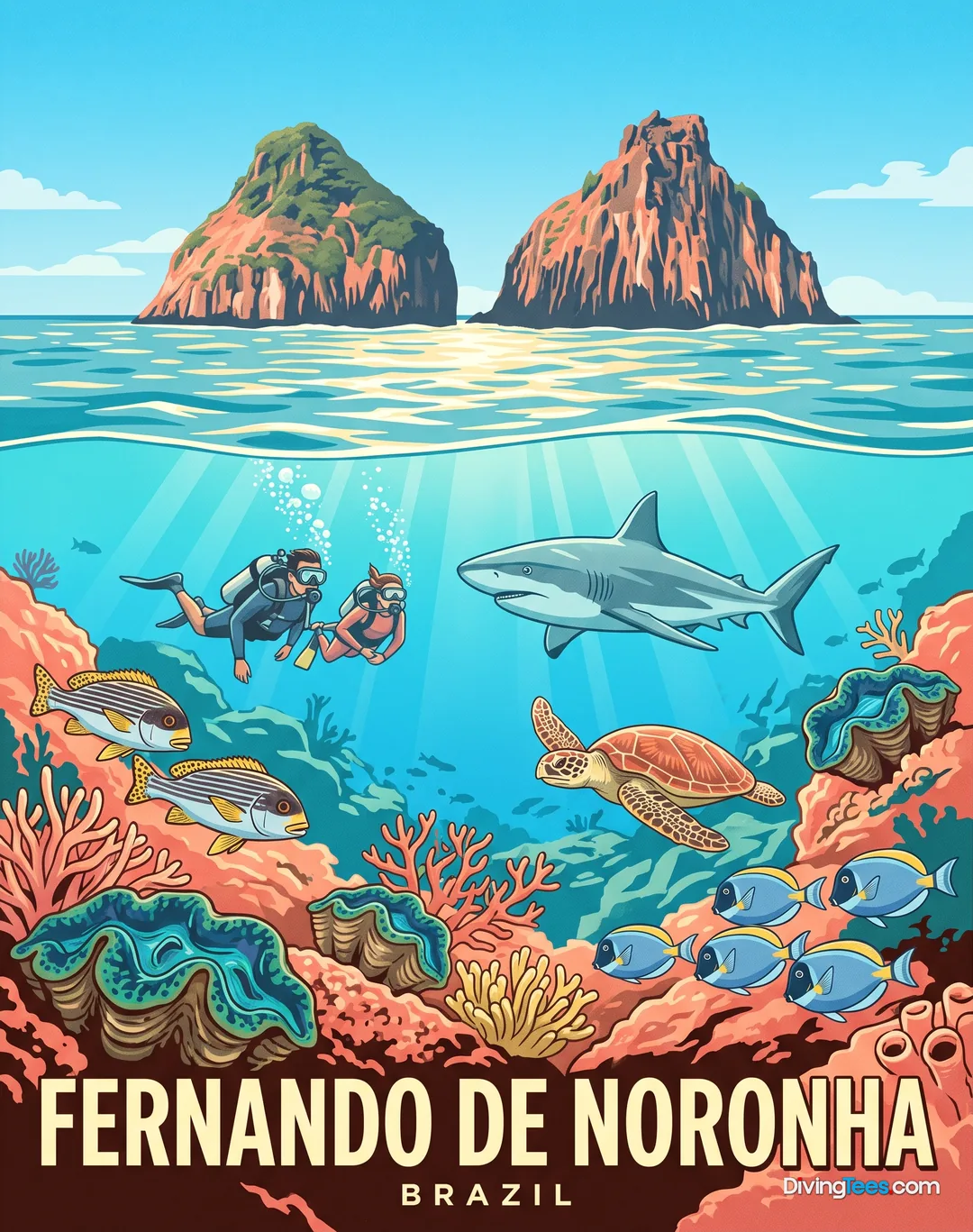
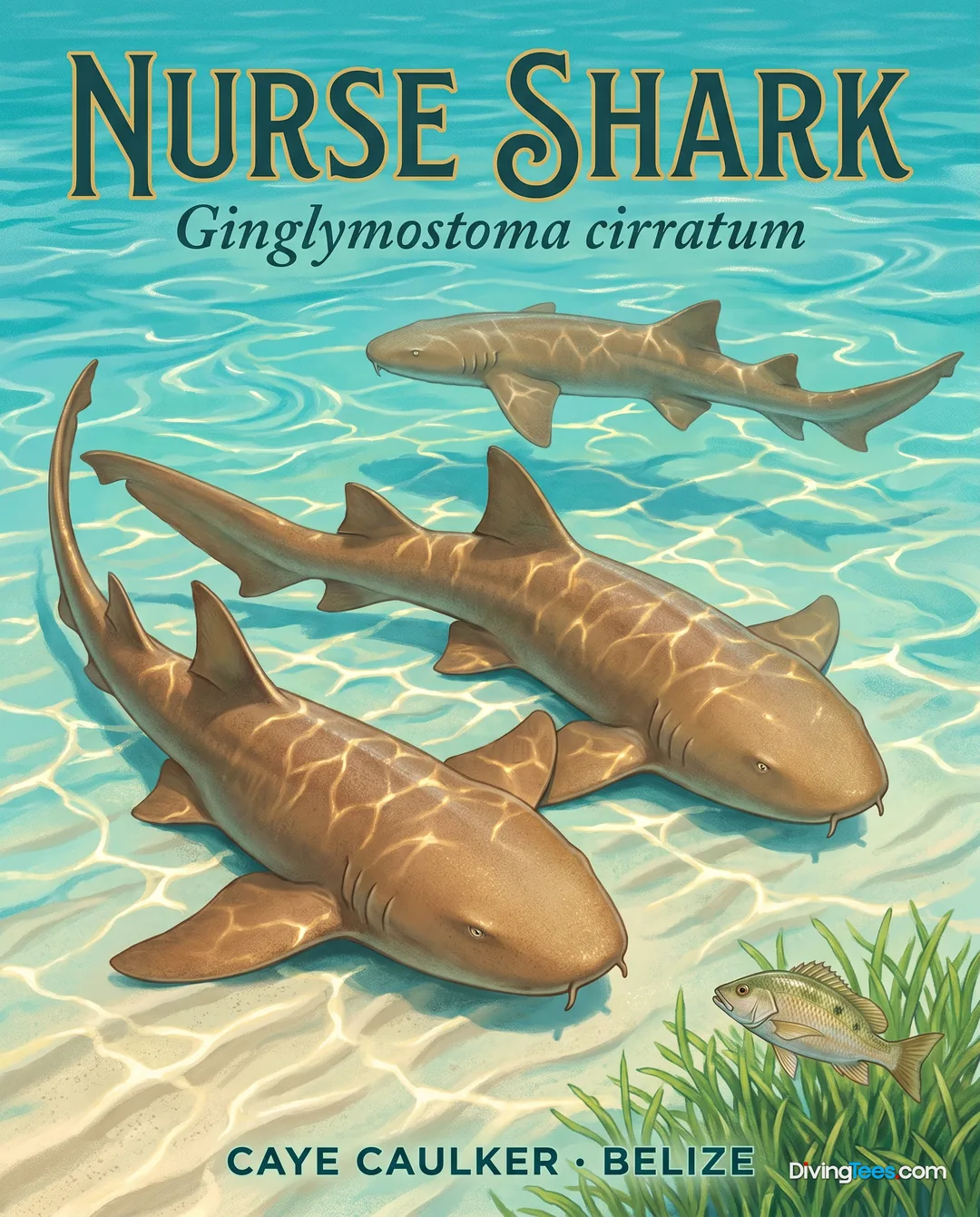
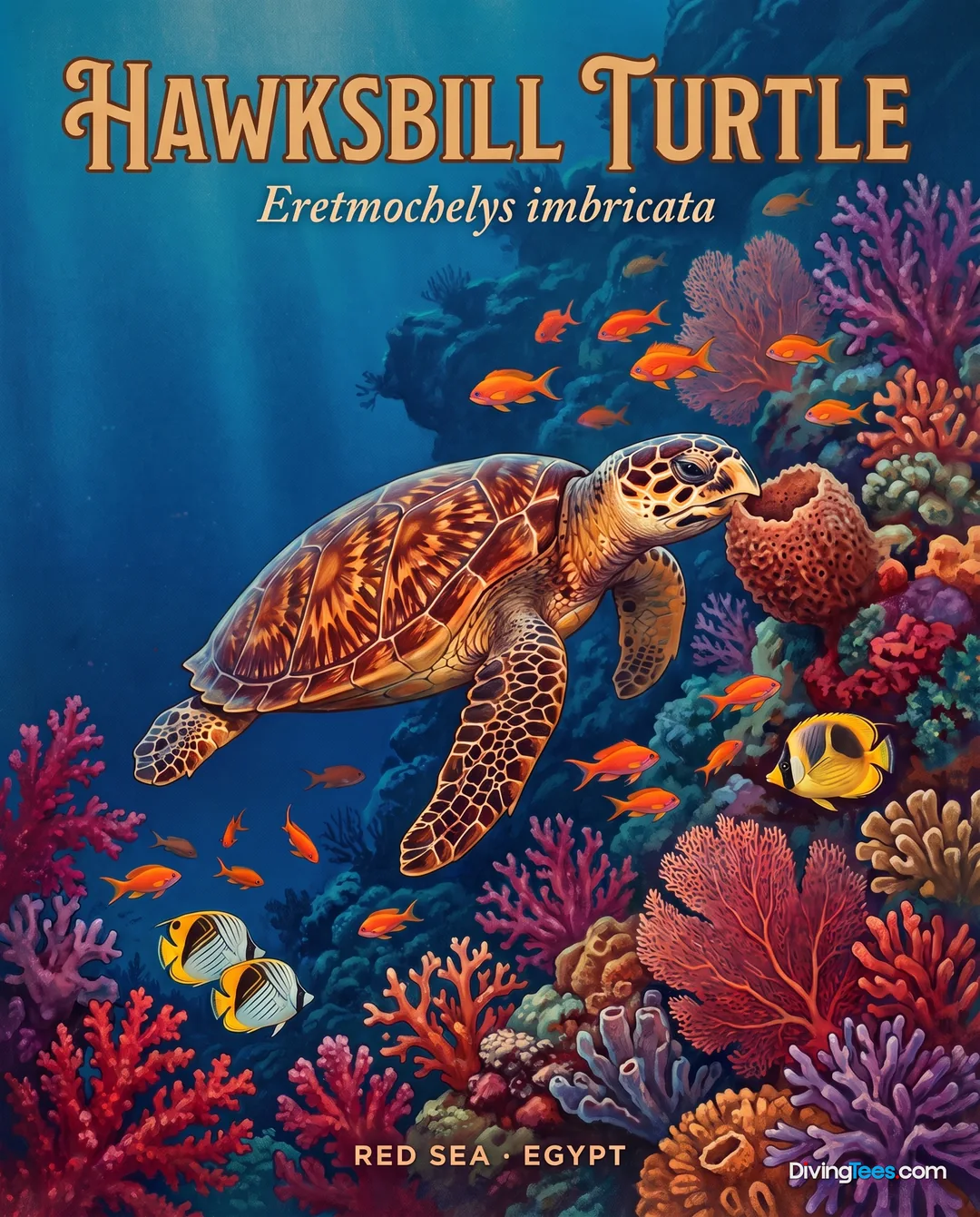
Beneath the surface, the site comes alive with a variety of marine inhabitants. Green sea turtles (Chelonia mydas) and hawksbill turtles (Eretmochelys imbricata) are regular residents, often found resting or grazing among the corals. The deeper sections and outer reaches of the pinnacles are patrolled by Caribbean reef sharks (Carcharhinus perezi) and nurse sharks (Ginglymostoma cirratum). Keep an eye out for these larger pelagic species, particularly when rounding a pinnacle or emerging from a swim-through into open water.
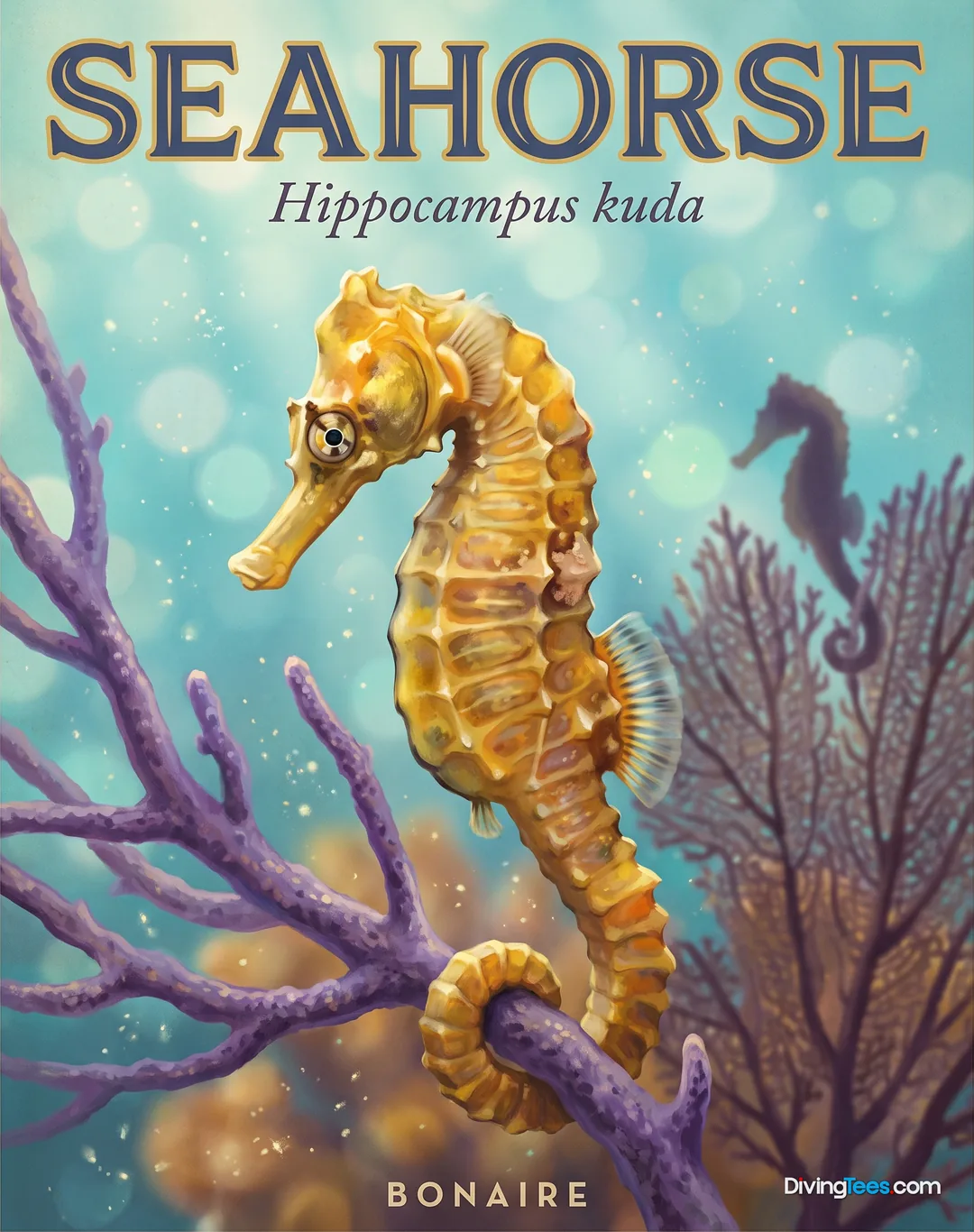
The sandy channels and coral heads at Pedras Secas are reliable spots for finding smaller, more elusive creatures. Seahorses (Hippocampus spp.) are consistently present in these areas, requiring a keen eye and patient approach. Coconut octopuses (Amphioctopus marginatus) are also often observed camouflaged against the substrate. This blend of macro life in the reef structure and larger species in the surrounding water makes for a constantly engaging dive, catering to various interests.
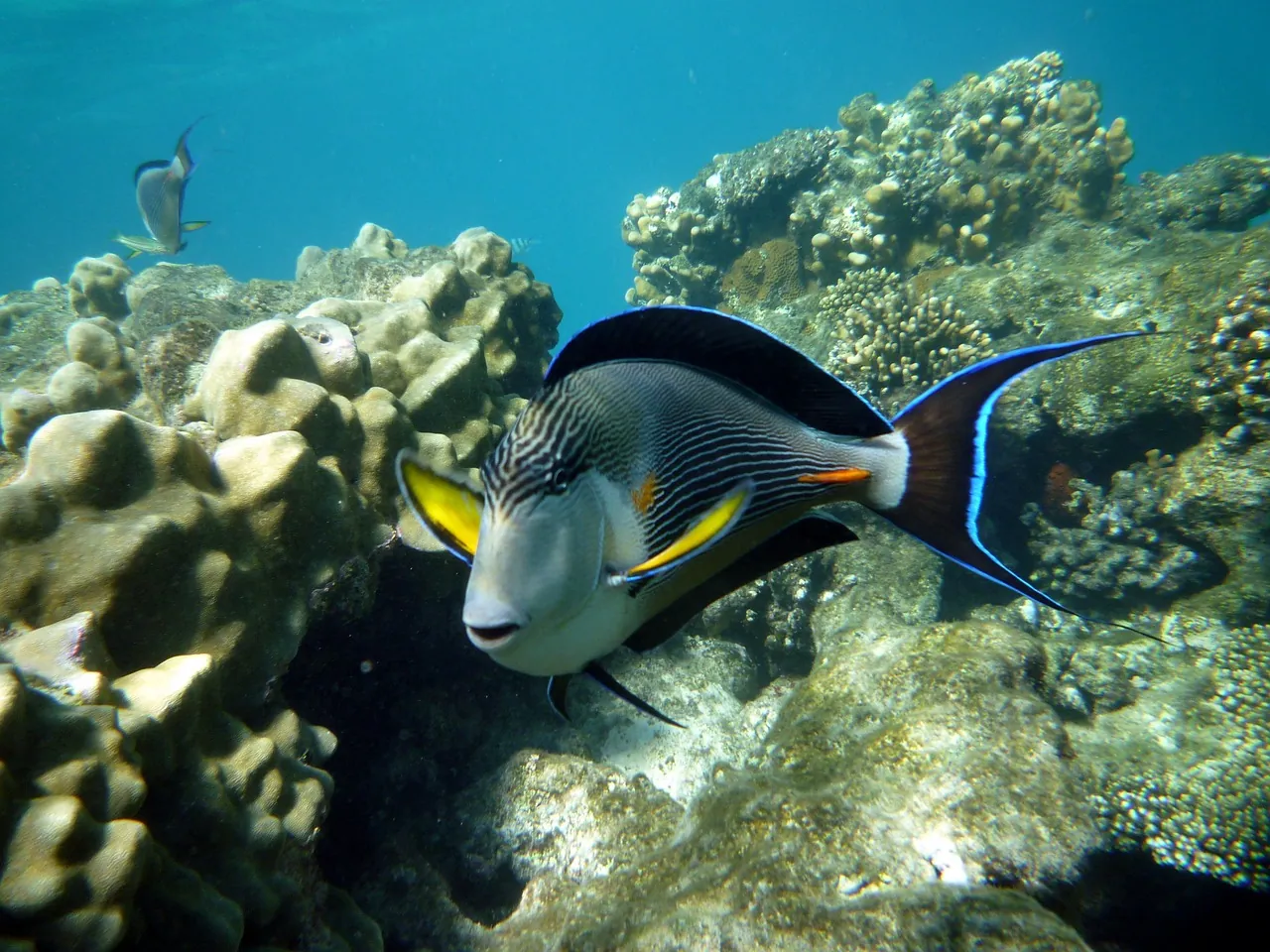
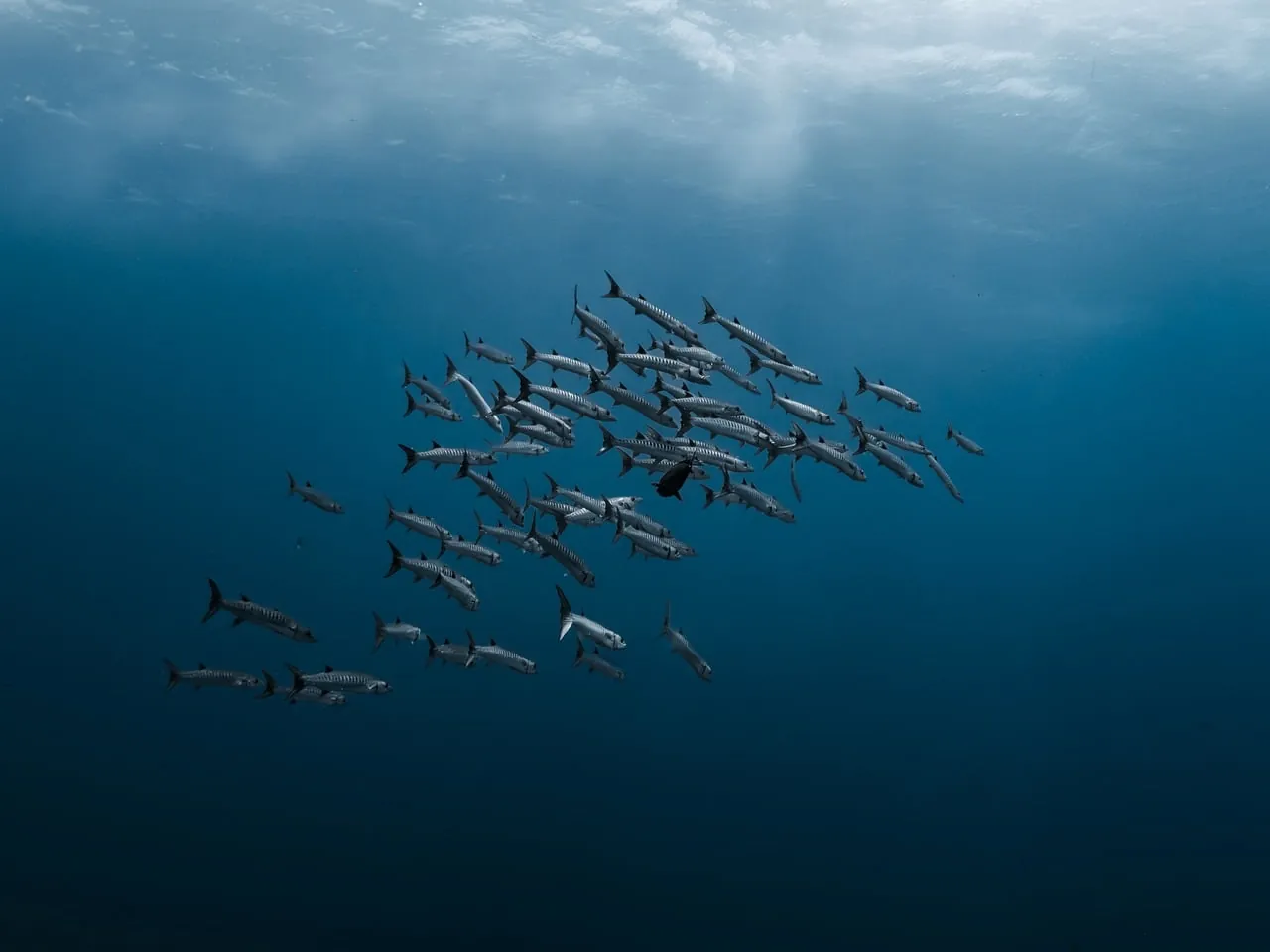
While Pedras Secas is known for its diverse marine life, it also offers encounters with schools of fish. Grunts, black margate (Anisotremus surinamensis), squirrelfish, and trevally move in formations around the pinnacles, creating dynamic scenes, particularly when a current is present. Angelfish and groupers (Epinephelus spp.) are also common, often found sheltering in the crevices or swimming gracefully over the coral formations. The blend of resident reef fish and occasional schooling pelagics adds another layer to the underwater experience.
Currents at Pedras Secas can be moderate, particularly with tidal shifts or oceanic swell. This adds to the dynamic nature of the dive, as you learn to read the water and position yourself strategically to observe marine life. The site's location within Fernando de Noronha’s Mar de Fora sector means it can be exposed to oceanic swells and winds, especially outside the calmer season. Adapting your finning technique and buoyancy to these conditions is part of the dive here, and it’s why experience with currents is beneficial.
Pedras Secas stands out among Fernando de Noronha's dive sites due to its unique combination of complex topology, approachable depths, and consistent megafauna encounters. It's not just a collection of rocks; it's an intricate maze that offers dramatic lighting, ideal for photography, and serves as a vital resting and feeding ground for turtles and a hunting ground for sharks. The constant presence of seahorses and coconut octopuses in such an exposed environment is also noteworthy, making it a site that genuinely delivers on its reputation for high biodiversity and engaging exploration.
Pedras Secas is accessible by boat dive from Fernando de Noronha. The dive profile typically ranges from a minimum depth of 8 metres to a maximum of 25 metres. While accessible to Open Water Divers comfortable with moderate currents and swim-throughs, an intermediate to advanced certification, or at least 50 logged dives in similar conditions, is recommended due to potential moderate currents and occasional surface chop. Visibility is generally excellent, often reaching 30 to 40 metres. The best period for diving here is typically from August to February for calmer seas and peak visibility, with November and December often noted for the clearest and warmest conditions.
The best period for diving Pedras Secas is typically from August to February, when seas are calmer and visibility is at its peak. November and December are often noted for the clearest and warmest conditions. Outside this period, the site can be more exposed to oceanic swells and winds.
Pedras Secas is accessible to Open Water Divers who are comfortable with moderate currents and swim-throughs. However, an intermediate to advanced certification, or at least 50 logged dives in similar conditions, is recommended. Planning your route through the passages and maintaining an exit strategy are important parts of the dive.
Pedras Secas ranges from 8 to 25 metres, with sandy channels particularly common between 8 and 15 metres. Currents can be moderate, especially with tidal shifts or oceanic swell. The site may also experience surface chop, so adapting your finning technique and buoyancy helps you position yourself around the pinnacles.
At Pedras Secas, you can explore volcanic arches, tunnels, crevices, canyons and swim-throughs with dramatic light effects. Green and hawksbill turtles, Caribbean reef sharks, nurse sharks, seahorses, moray eels, eagle rays and coconut octopuses may be seen, along with schools of reef fish, angelfish and groupers.