
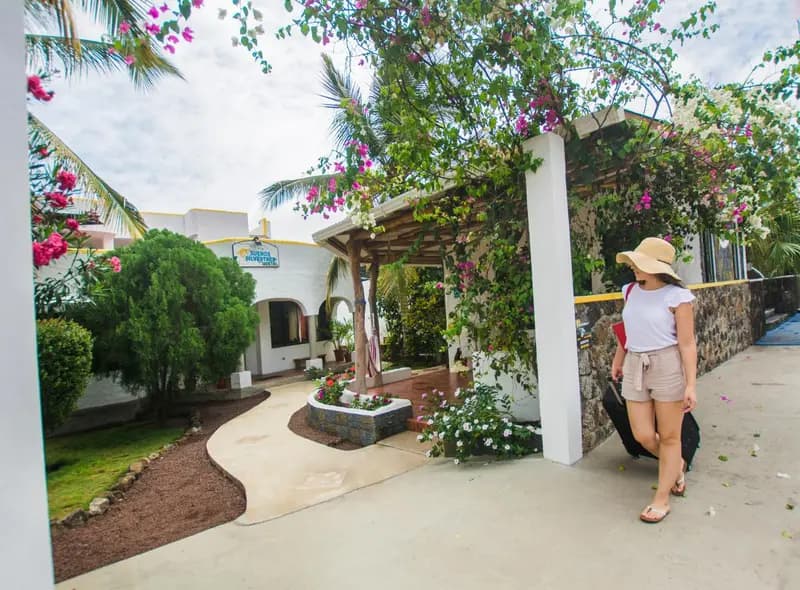
Hostal Sueños Silvestres
★ 9.2/10 (207 reviews)
less than 1 km away as the crow flies
Dive centre · Santa Cruz Island · Ecuador
5.01 Google reviewSpecialised technical support for CCR divers in the Galapagos, providing medical-grade oxygen and Sofnolime for advanced expeditions.
For subtitles in English: start the video firstthen click the gearat the top right of the video, select “Subtitles/CC”, then “Auto-translate” and choose “English”.
Located on Santa Cruz Island, Galapagos Rebreathers has served the technical diving community in the archipelago since 2009. While the Galapagos is a destination known for its raw marine life, this centre focuses on the specific logistical demands of the technical diver, particularly those operating on rebreathers.
They have established themselves as a pioneer in the region, offering a level of technical support that is otherwise difficult to find in the islands. Whether you are conducting scientific research, filming underwater, or diving from a private superyacht, the centre provides the specialised infrastructure required for high-level technical diving.
The team is comprised of expert CCR guides and passionate naturalist guides, ensuring that technical precision is matched by a deep understanding of the local ecosystem. This dual expertise is vital for divers looking to navigate the complex currents of the central islands while identifying the unique species that inhabit them.
Services are delivered in both English and Spanish, making the centre accessible to an international community of technical divers. The focus remains on providing reliable, professional support for complex diving profiles, including custom liveaboard itineraries and tailored excursions.
While the centre's primary focus is technical support and logistical services for experienced divers, they manage a variety of custom dive programmes. These include bespoke liveaboard arrangements and excursions tailored to the specific needs of the diver's profile.
The centre organises 8 or 10-day liveaboard trips on established vessels including the Galapagos Sky, Calipso, Galapagos Master / Deep Blue, and Galaxy Diver. These trips are specifically tailored to accommodate CCR divers and their logistical requirements.
In addition to liveaboard expeditions, the centre offers day excursions for those based on Santa Cruz. These trips are designed to bring divers to the most significant sites in the central islands, providing a flexible option for technical diving projects.
For the CCR diver, the centre provides a complete logistical suite, including medical-grade oxygen, Sofnolime CO2 absorbent, and booster pumps. They also supply internal cylinders and essential bailout kits to ensure safety during technical profiles.
This technical support is designed to meet the high standards required by scientific divers and professional film crews, ensuring that all gas-related needs are met on-site.
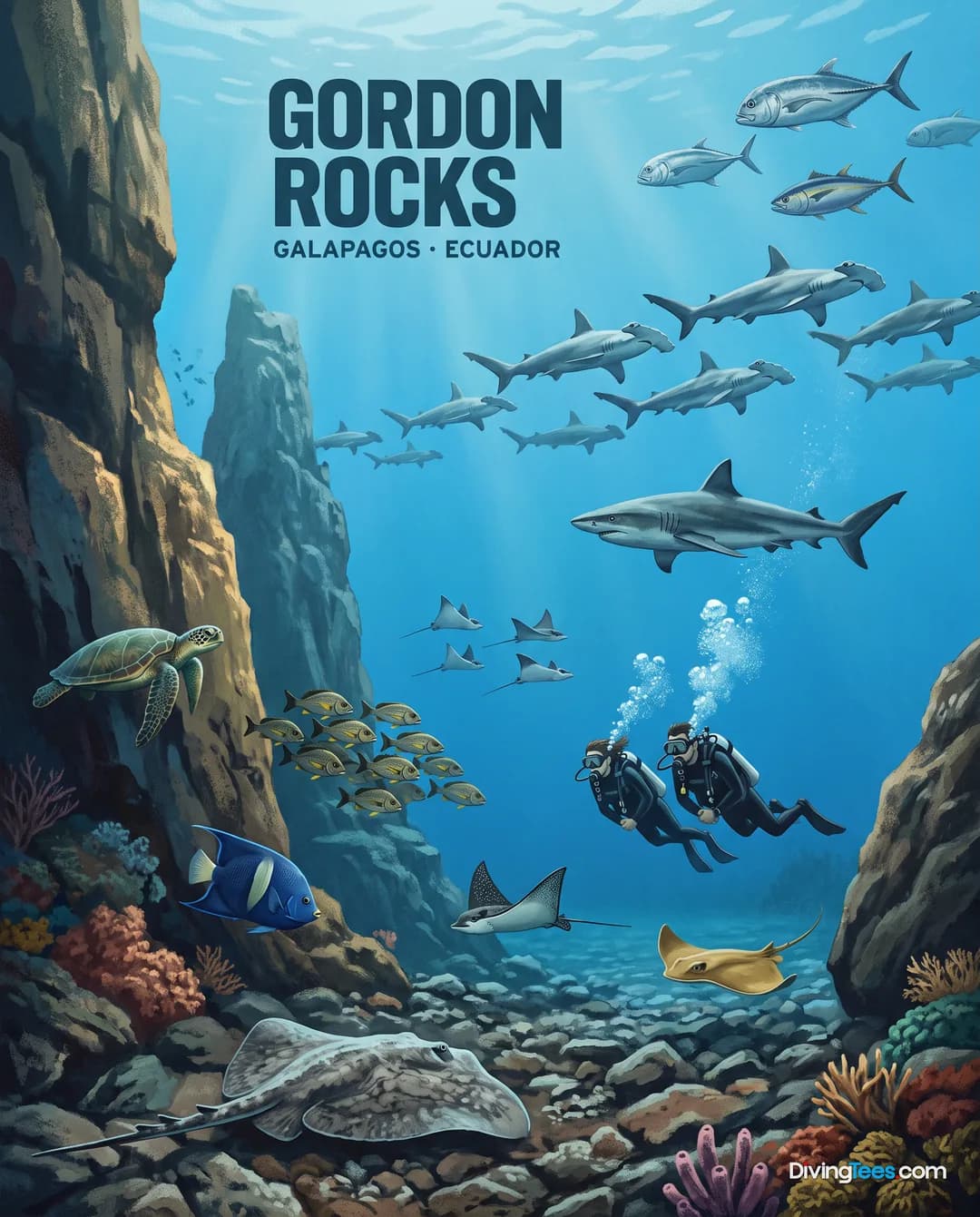
Gordon Rocks is an iconic site in the central islands, known for its challenging conditions and significant marine life. It is a key location for divers looking to experience the raw energy of the Galapagos.
North Seymour and Mosquera are emblematic sites of the central islands. These areas offer unique opportunities to observe the local ecology in a diverse marine environment.
Cousins Rock is another significant site in the central archipelago, providing a reliable location for seeing the region's characteristic species.
Floreana Island offers diverse diving opportunities, representing the varied habitats found throughout the central islands.
And some of the dive sites the centre runs.
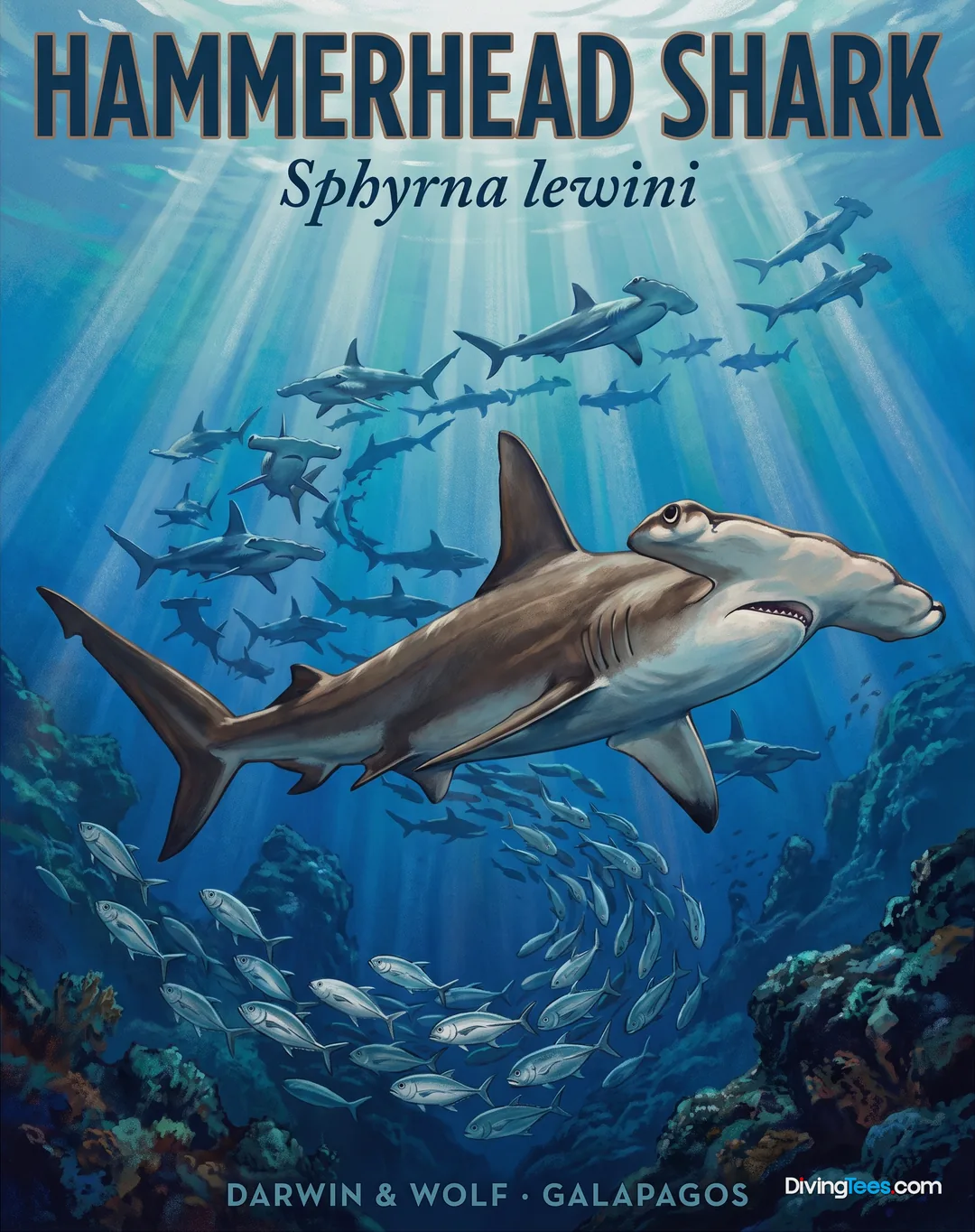
The waters around the central islands are home to a high concentration of large pelagics. You can regularly encounter Hammerhead sharks (Sphyrnidae), Galapagos sharks, and whitetip sharks. These species often move through the area in significant numbers, particularly around sites like Gordon Rocks.
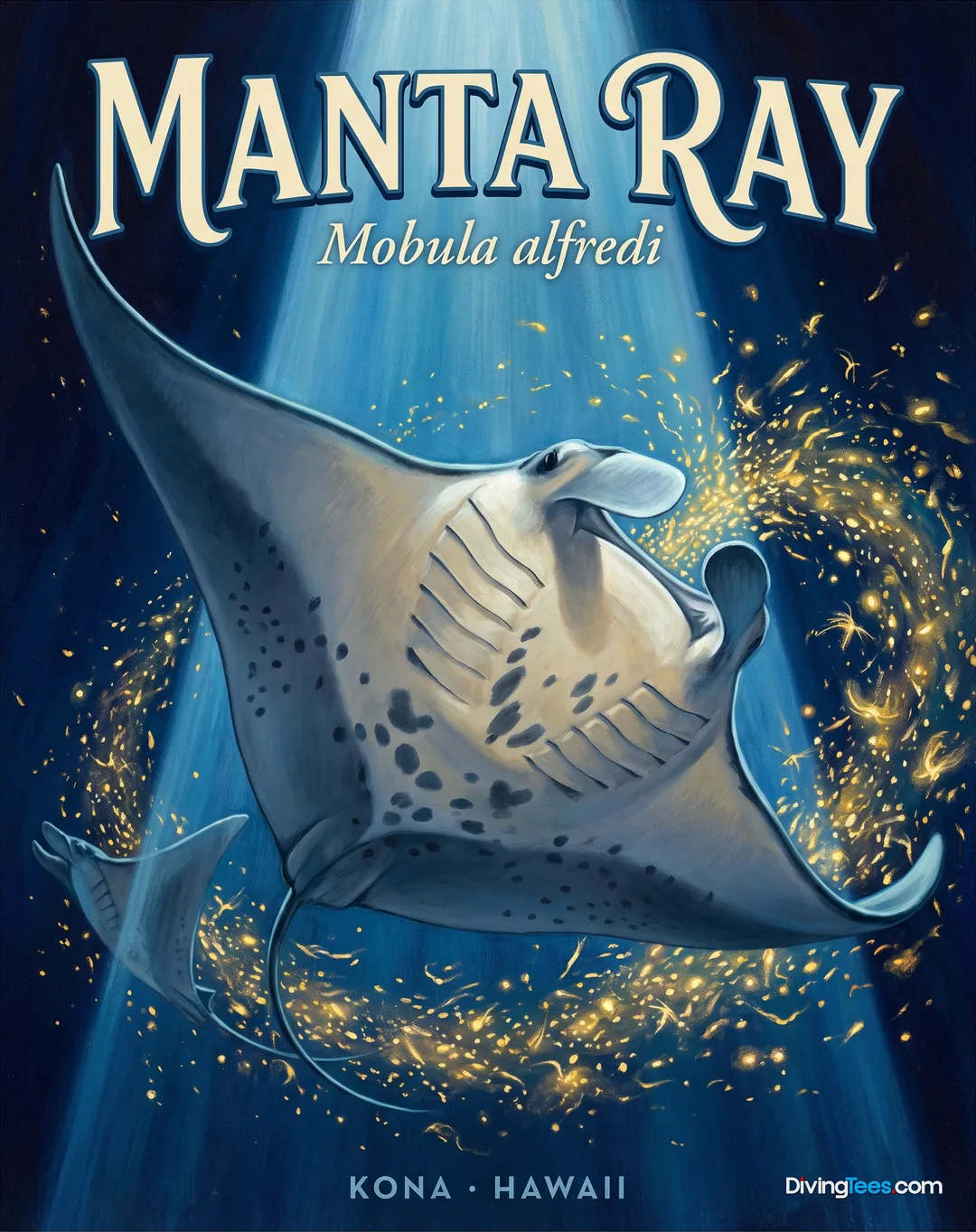
Other large species frequently sighted include the Eagle ray (Aetobatus), Mobula ray (Mobula), and Manta ray (Mobula alfredi). Divers may also see various types of rays, including stingrays, golden rays, marble rays, and Jack (Carangidae).
The reef and surrounding waters are populated by a wide array of fish, such as Tuna (Thunnus), Barracuda (Sphyraena), and various Snappers (Lutjanidae). You will also find Parrotfish (Calotomus), Triggerfish (Balistidae), and Surgeonfish (Acanthuridae) amongst the structures.
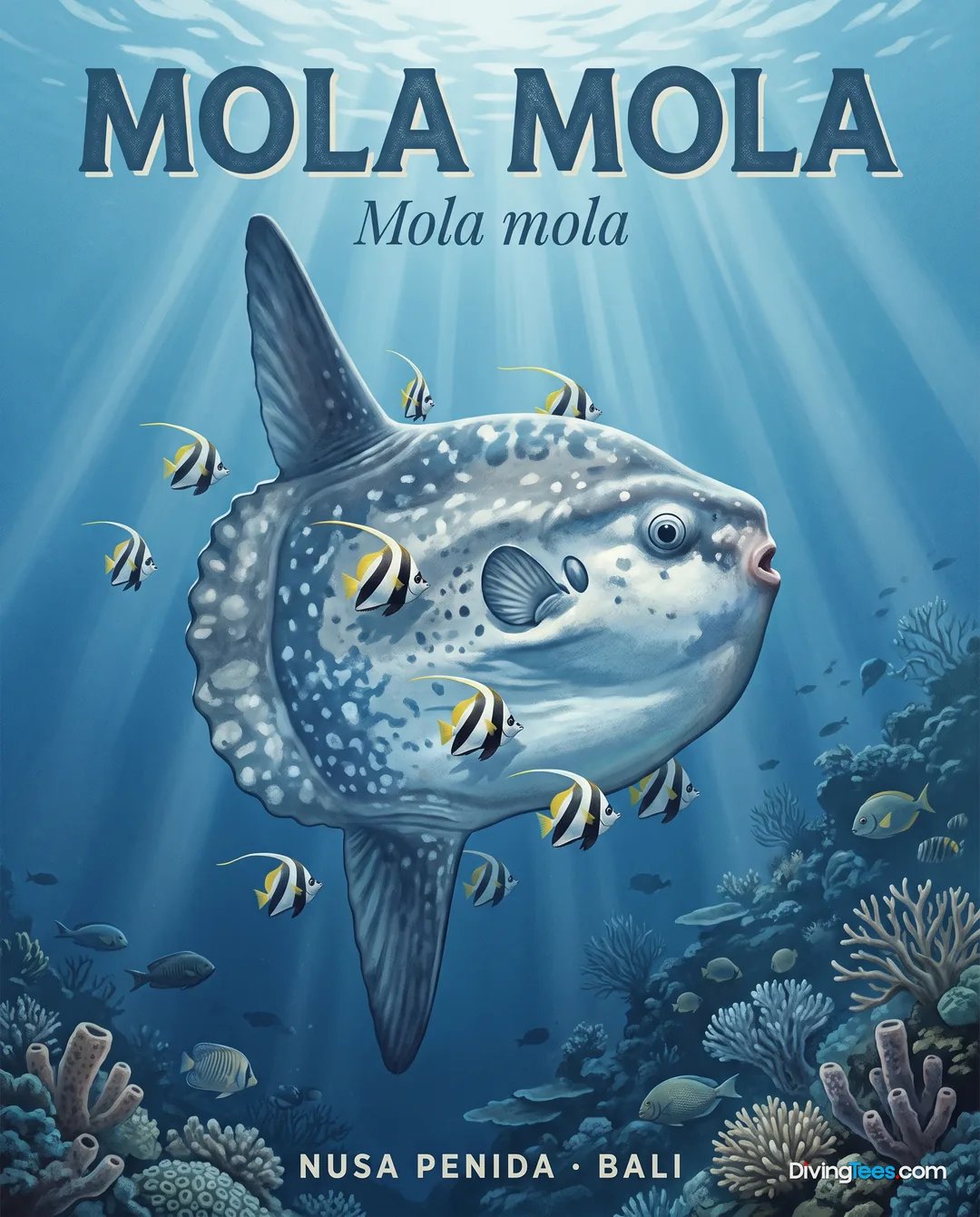
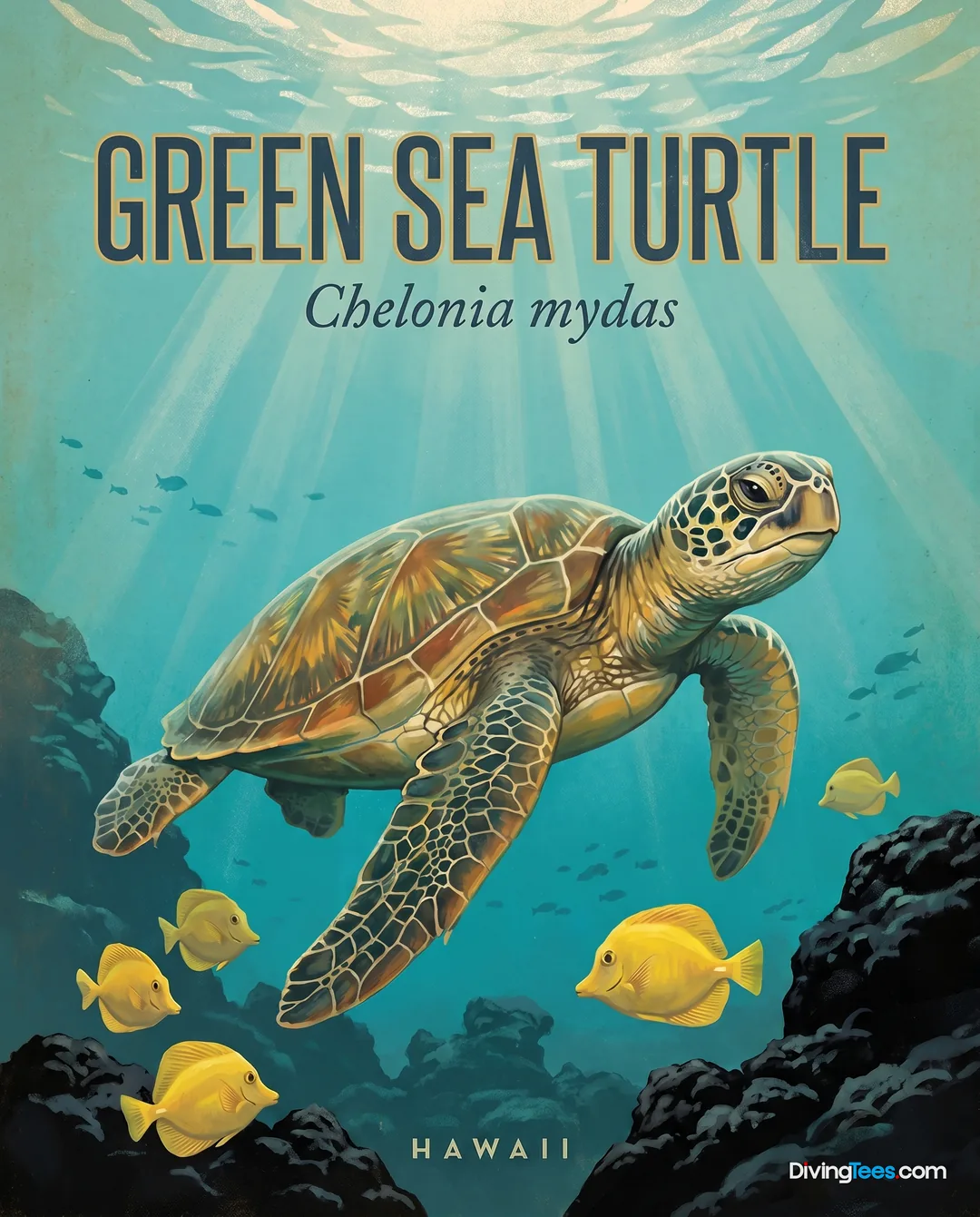
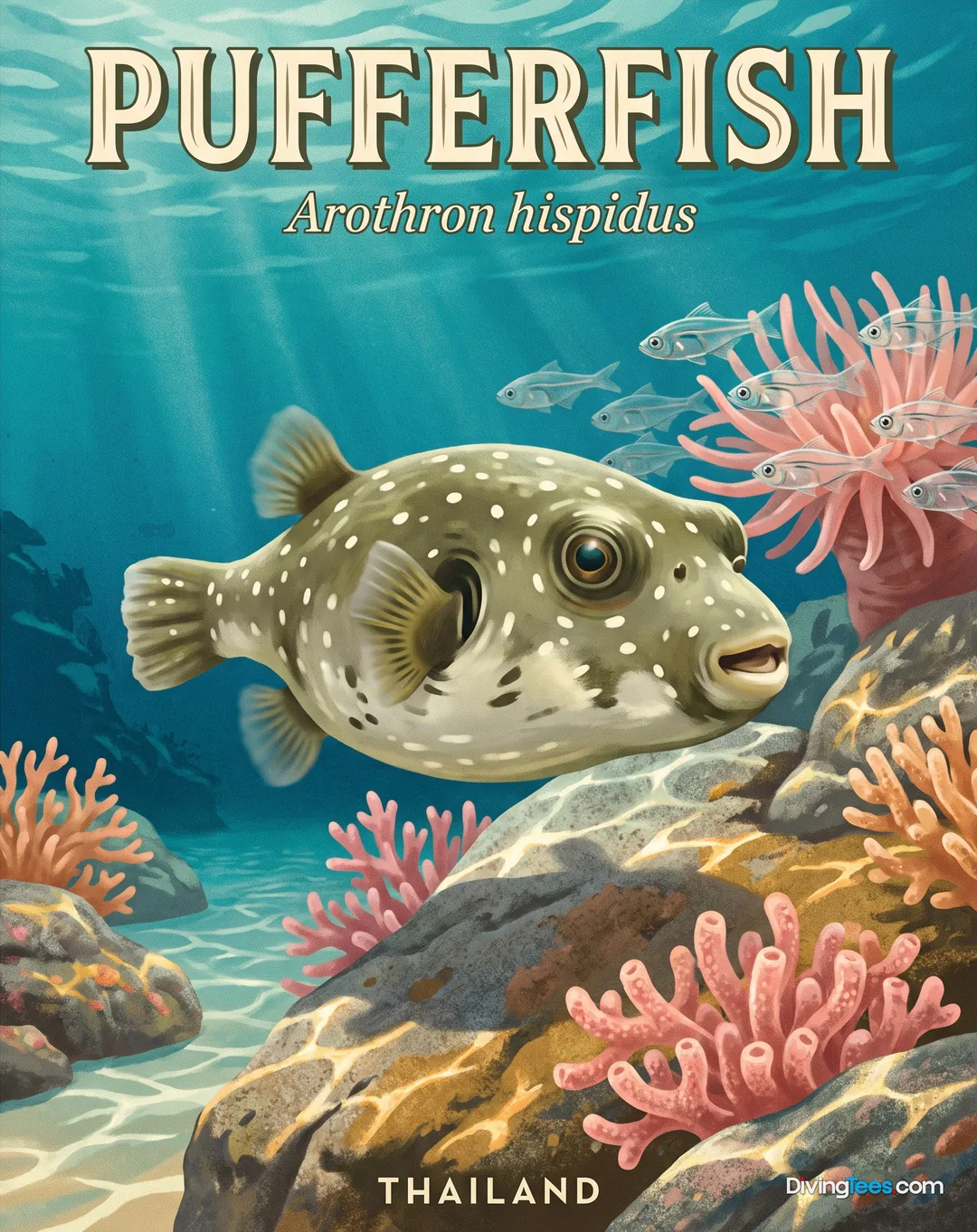
Unique local fauna includes the Galapagos penguin and the marine iguana, which can be observed in the surrounding island environments. The marine life is rounded out by species such as green turtles, bump-head sunfish, and various species of pufferfish.
Diving in the Galapagos requires an understanding of the central islands' dynamic environment. The region is known for its significant currents, which are a primary factor when planning drift dives or technical excursions.
Divers should prepare for varying conditions that characterize the archipelago, particularly when selecting between day trips and extended liveaboard expeditions.
Hello, I'm Marina, DivingDeal.com's AI assistant. I answer in detail about hotels, dive centres and liveaboards.

Thinking about the whole trip and the flights? Talk it over with Edith →
Marina is an AI. Some links are affiliate links: DivingDeal may earn a commission, at no extra cost to you. Bookings are made with the partner.
★ 9.2/10 (207 reviews)
less than 1 km away as the crow flies
★★★★
★ 9.7/10 (107 reviews)
less than 1 km away as the crow flies
★★★★
★ 9.4/10 (59 reviews)
less than 1 km away as the crow flies
★ 8.7/10 (133 reviews)
less than 1 km away as the crow flies