

Scuba Iguana
Google 4.7/5 (357 reviews)
27 km away as the crow flies
Santa Cruz Island · Ecuador · Americas
Max. depth · 60 mDescend into an extinct tuff cone to encounter schools of hammerhead sharks (Sphyrna lewini) and large pelagics in strong, shifting currents.
For subtitles in English: start the video firstthen click the gearat the top right of the video, select “Subtitles/CC”, then “Auto-translate” and choose “English”.
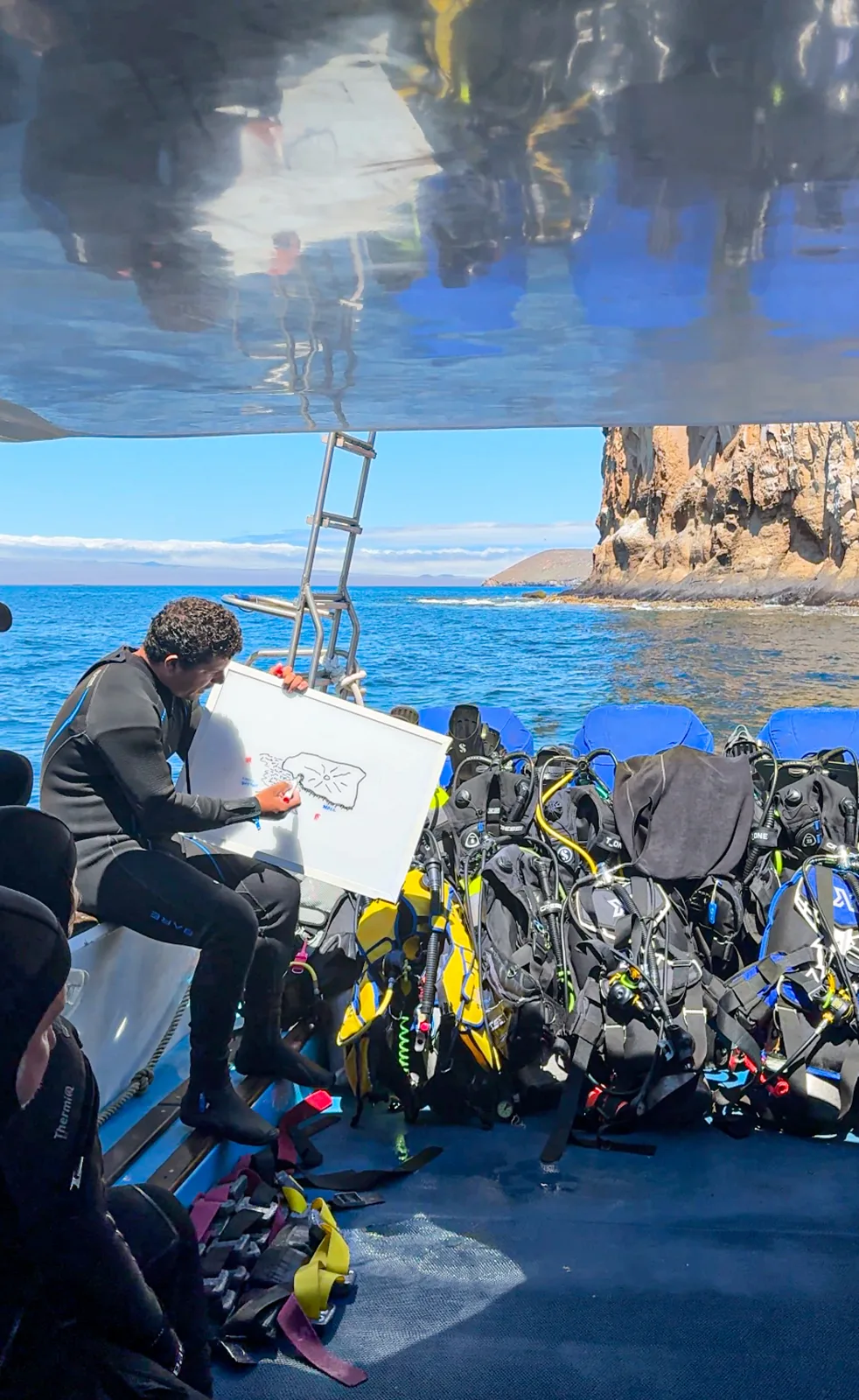
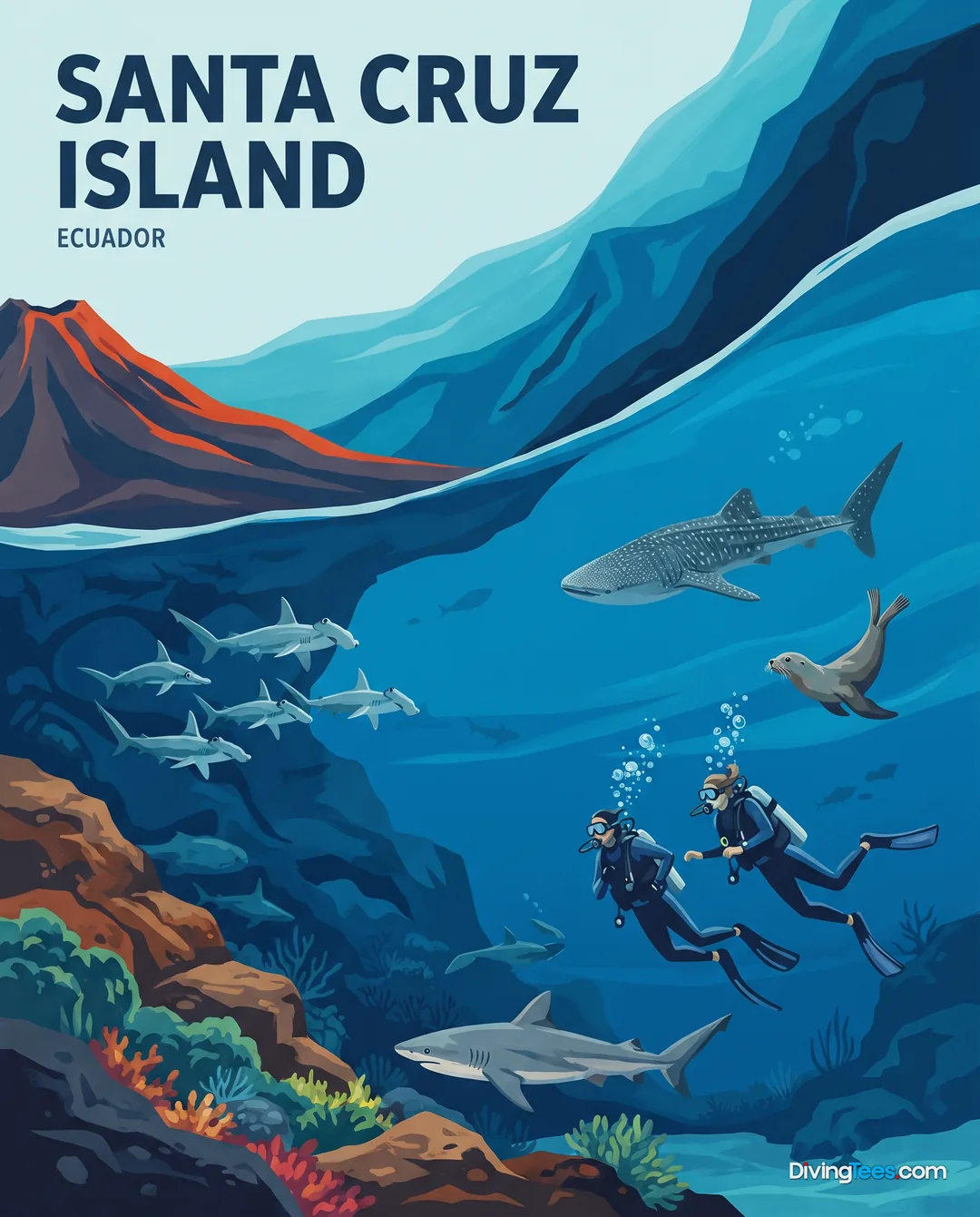
Gordon Rocks is a dive site shaped by an extinct tuff cone, its surface remnants visible as three rocks. The dive primarily takes place inside the cone's crater, an arena formed by steep outer walls that drop to 60 meters. Below the surface, four distinct pinnacles rise, with three in the northern section connecting to the surface rocks, ranging from 8 to 30 meters. A fourth pinnacle stands centrally within the caldera, its peak at 21 meters and base at 30 meters, structuring the underwater geography and dictating dive profiles.
Approaching Gordon Rocks, you'll feel the current immediately. This site is known for its strong to very strong flow, a characteristic that defines the dive and influences the behavior of the marine life here. The current can be quite technical, requiring attention to detail and sound diving practices. Briefings often include a check of current direction and visibility on arrival, with the dive plan adjusted to conditions, highlighting the dynamic nature of the site and the need for adaptable diving.
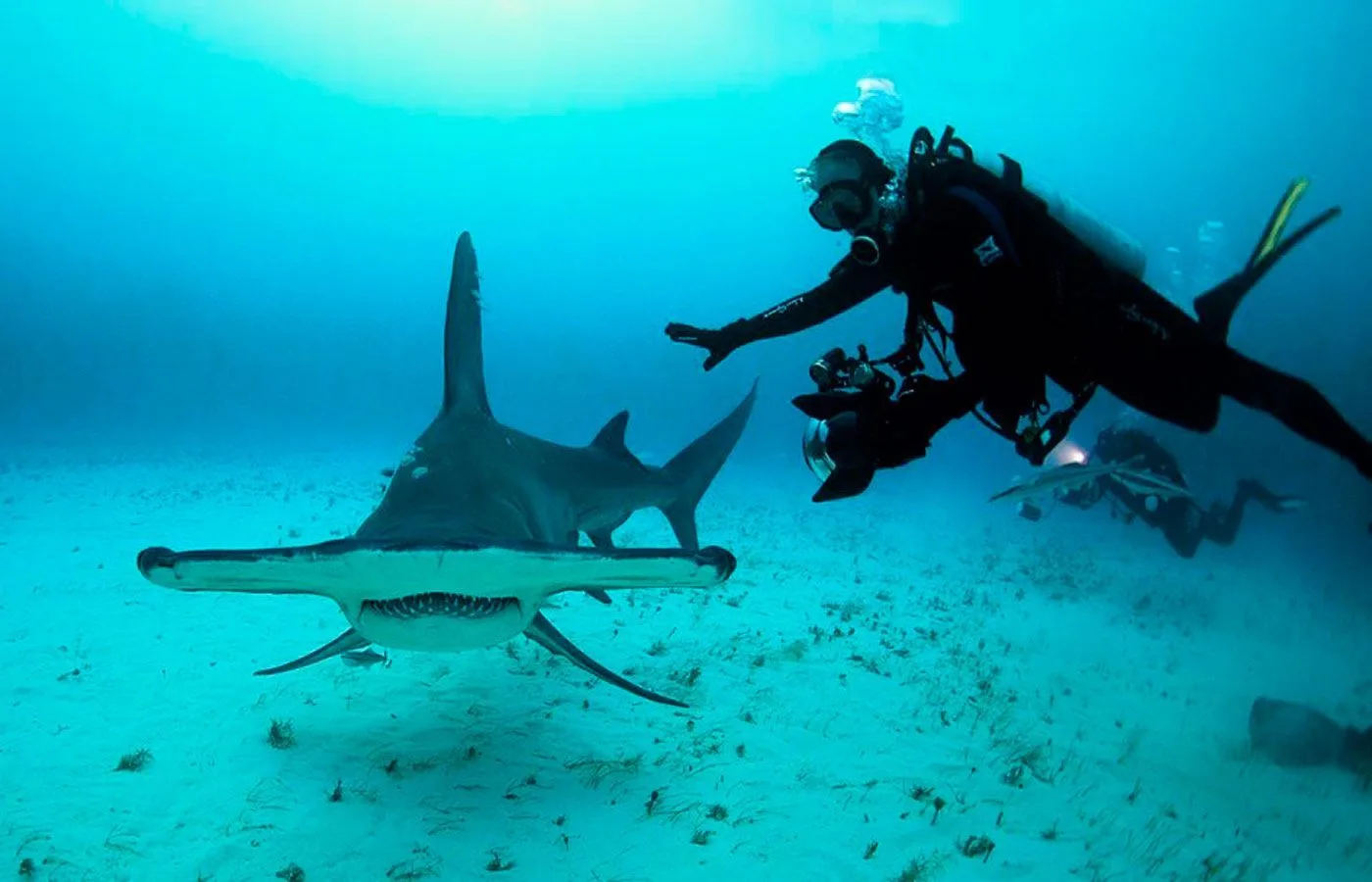
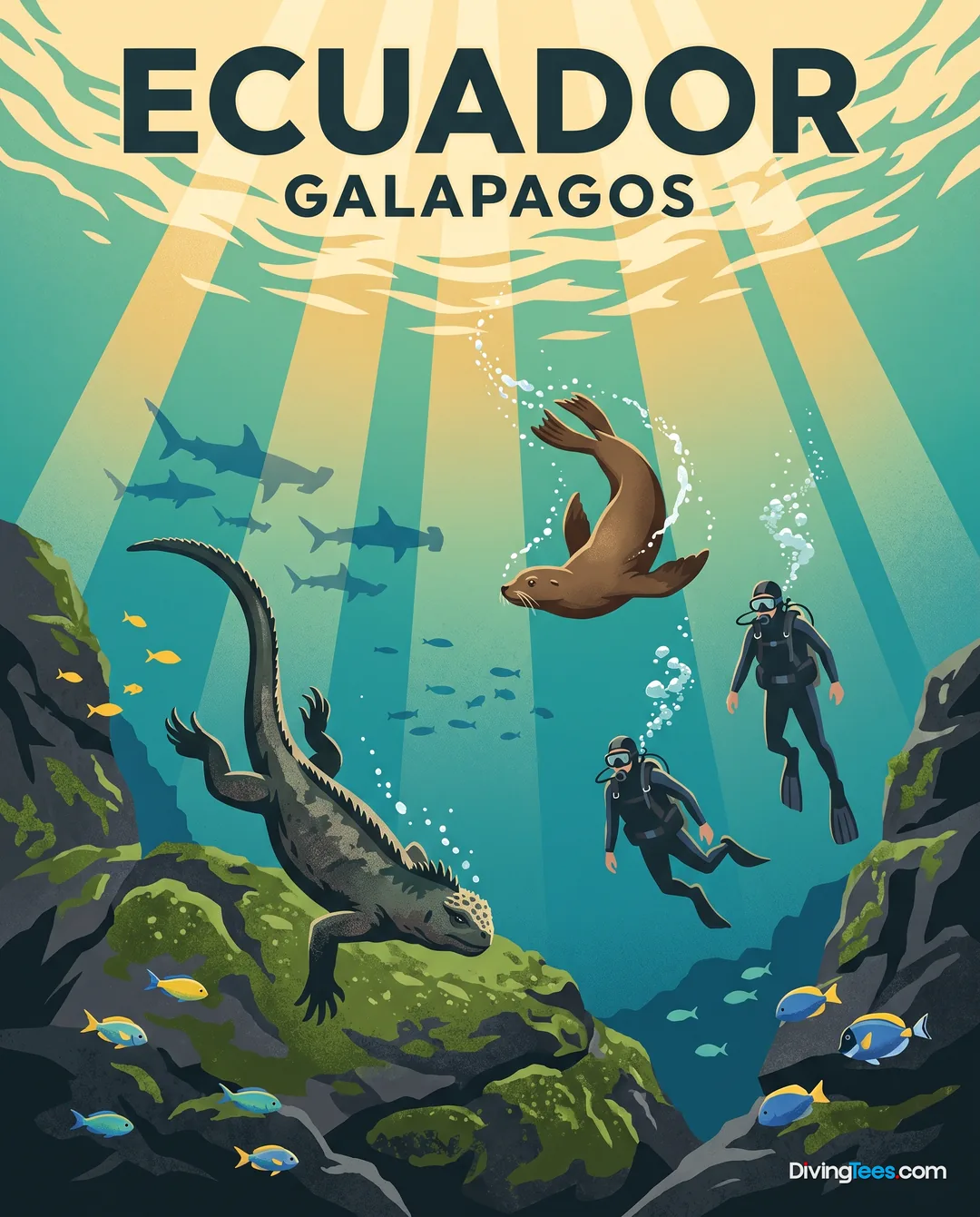
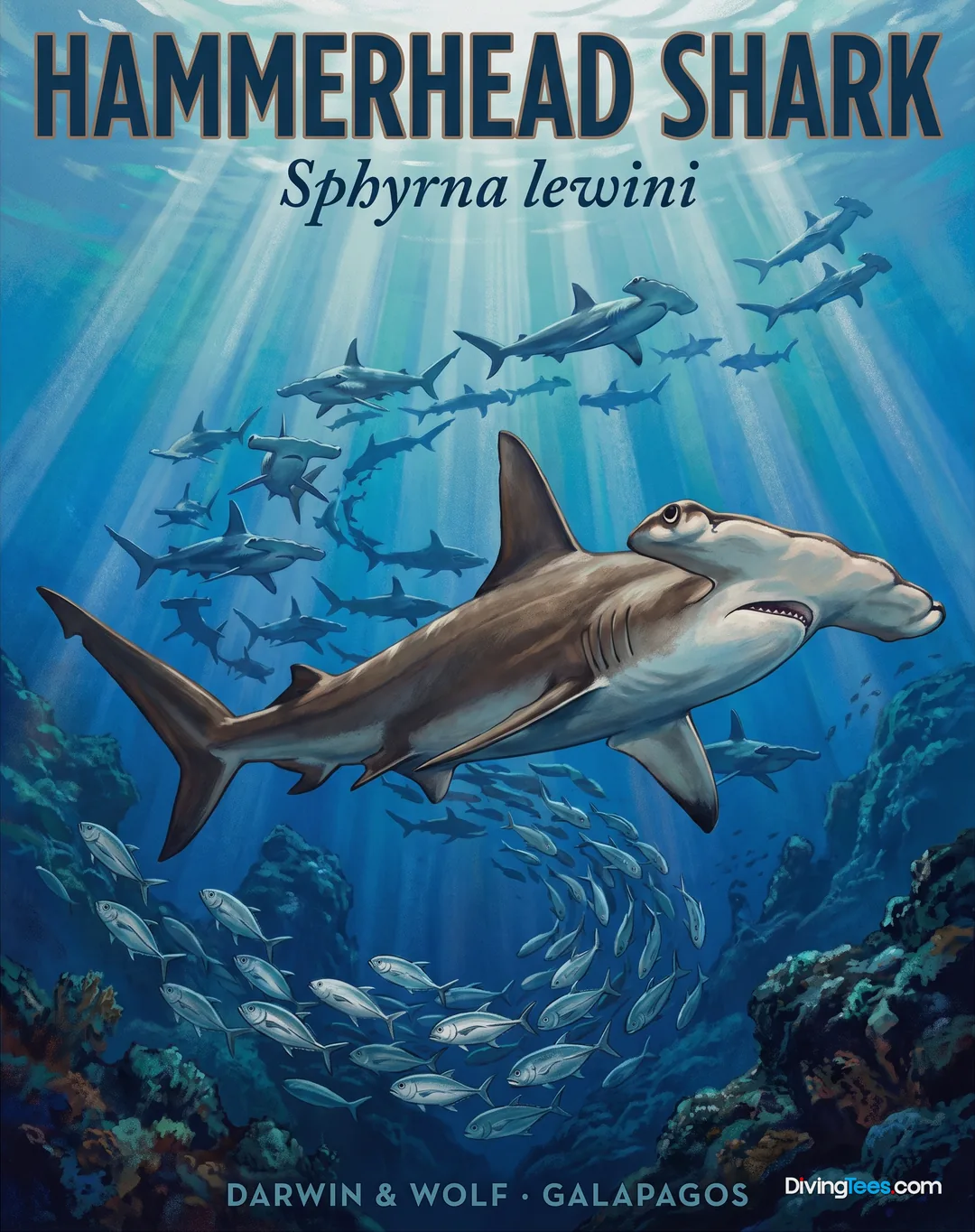
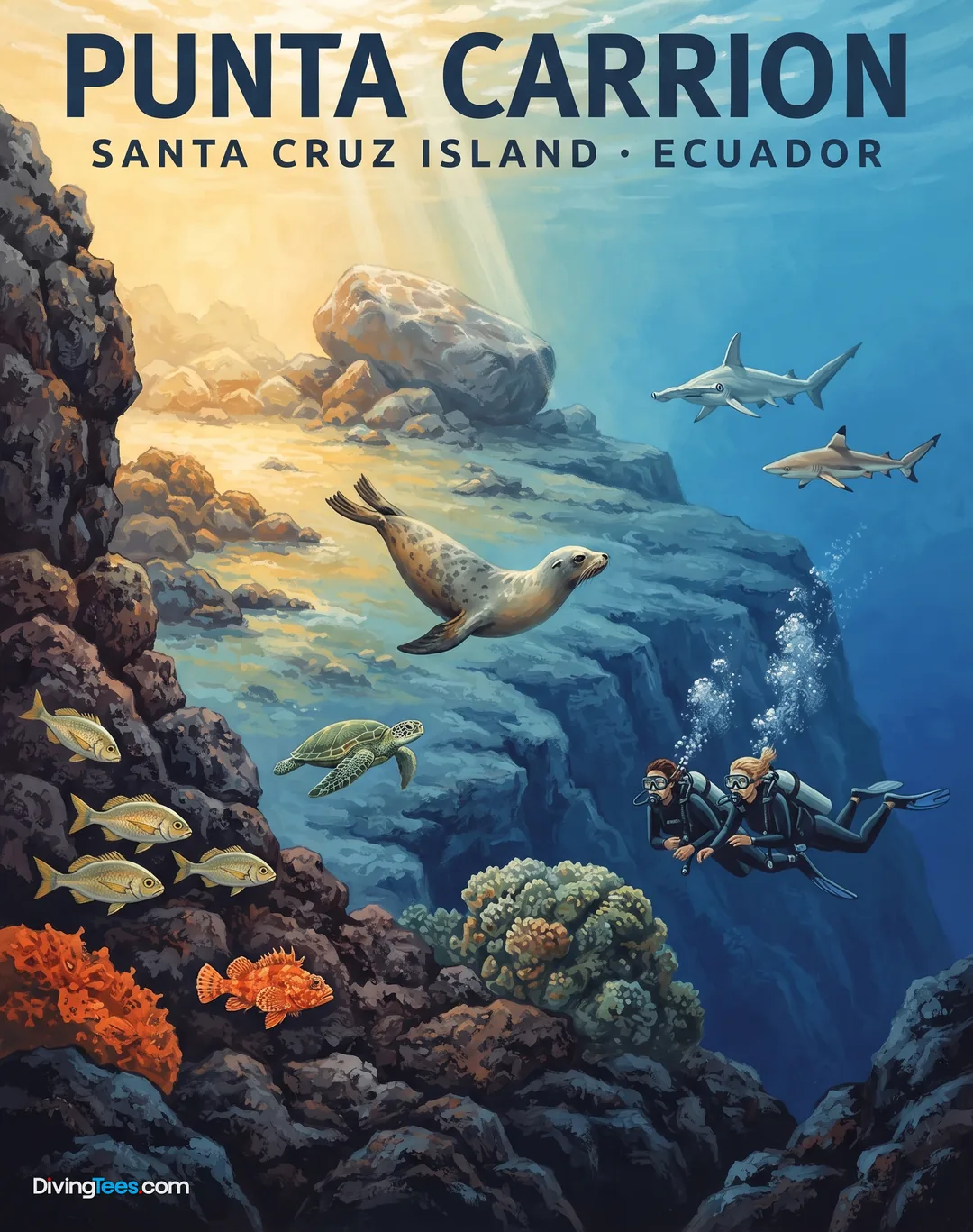
The topography of Gordon Rocks, with its underwater pinnacles and crater walls, creates a natural aggregation point for pelagic species. Hammerhead sharks (Sphyrna lewini) are the main draw, often seen schooling in numbers around the pinnacles. These encounters typically involve holding your position against the current, waiting for the schools to move into view, offering a unique perspective on their behavior in a dynamic environment.
Beyond hammerheads, the site is rich with a variety of other large marine life. You can expect to encounter different species of rays, including eagle rays, golden rays, sting rays, marble rays, and mobulas. Various sharks, such as white tip sharks, Galapagos sharks, and blacktip sharks, are also regular visitors. The constant flow of water brings in nutrients, supporting a diverse ecosystem that attracts these larger predators.
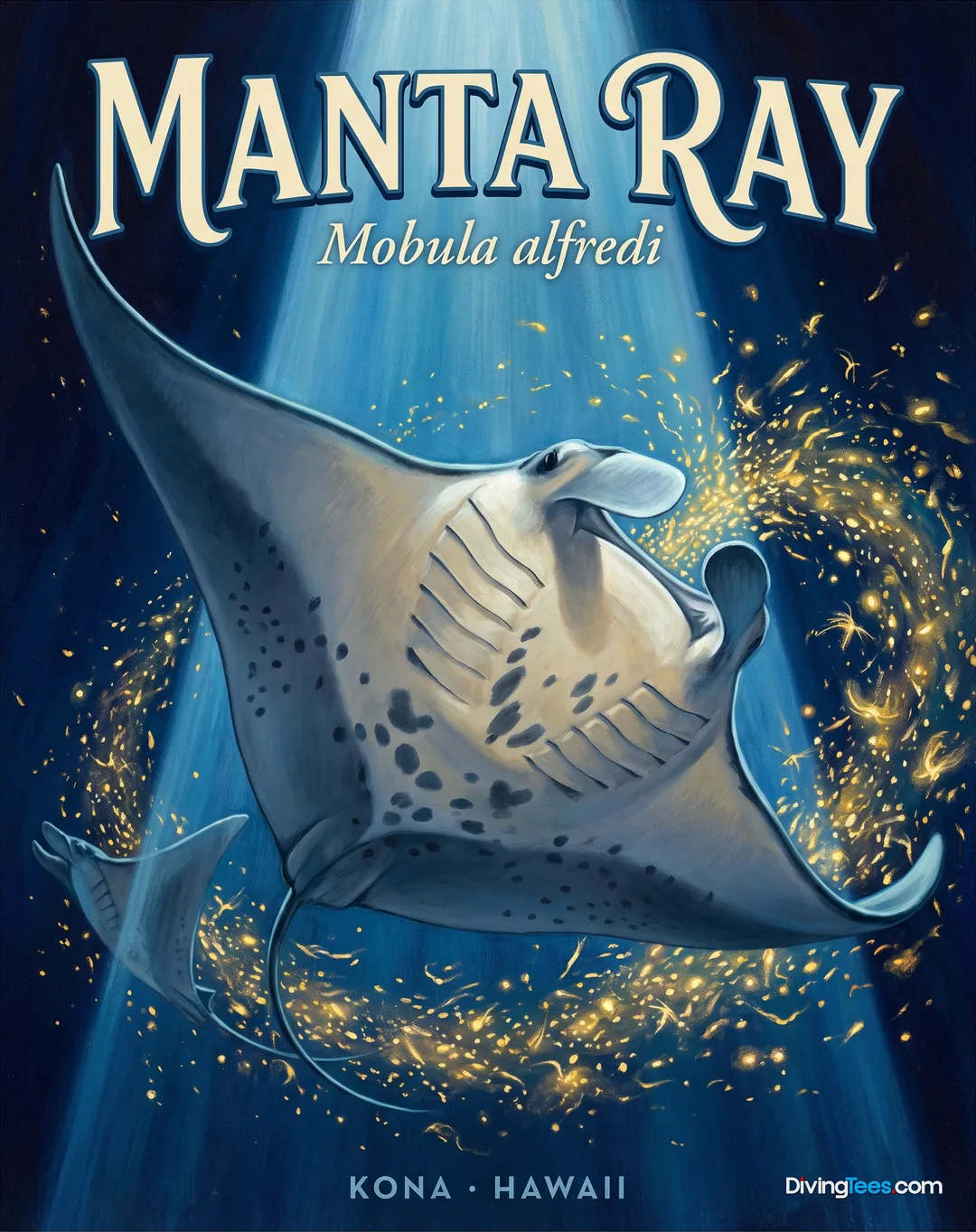
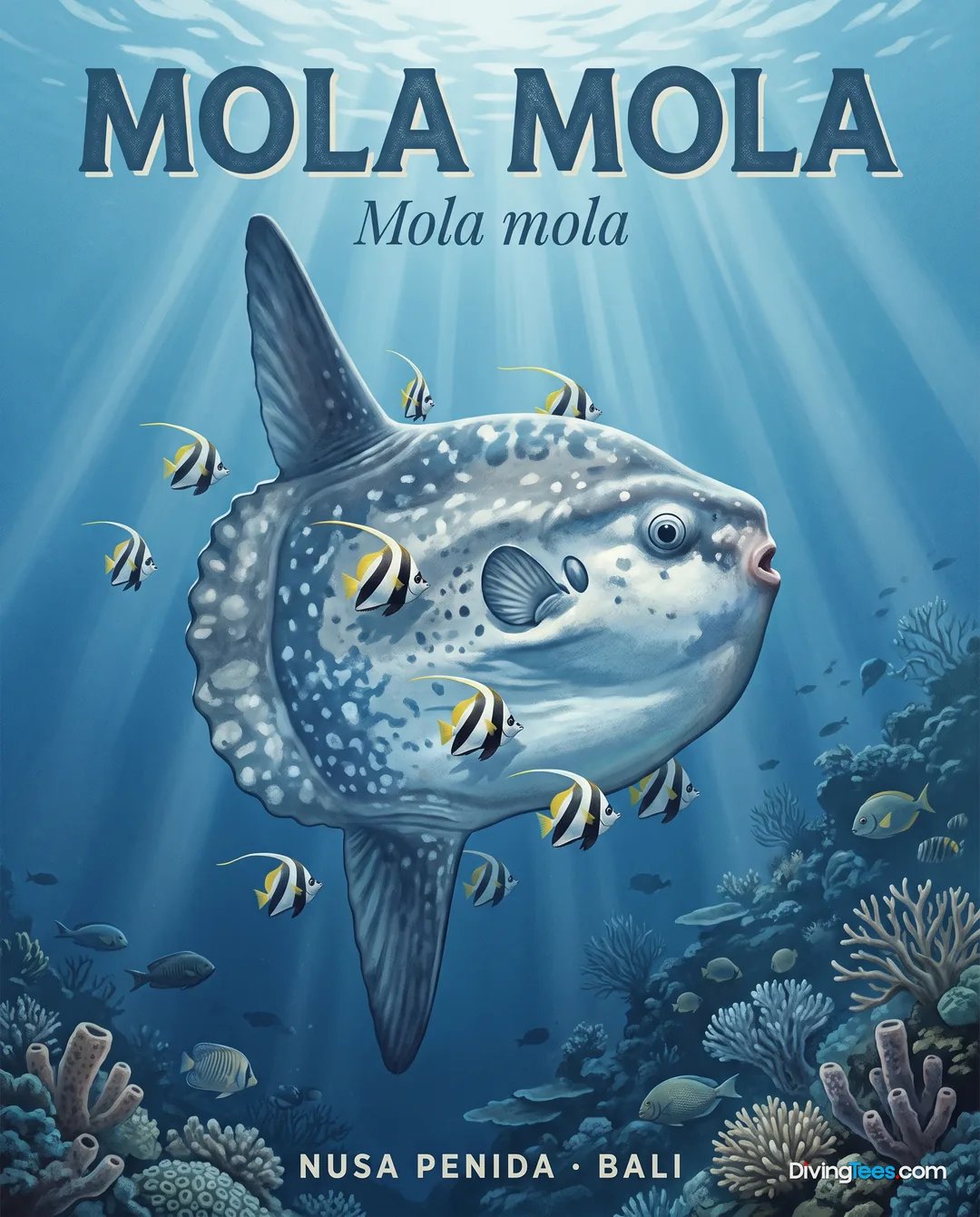
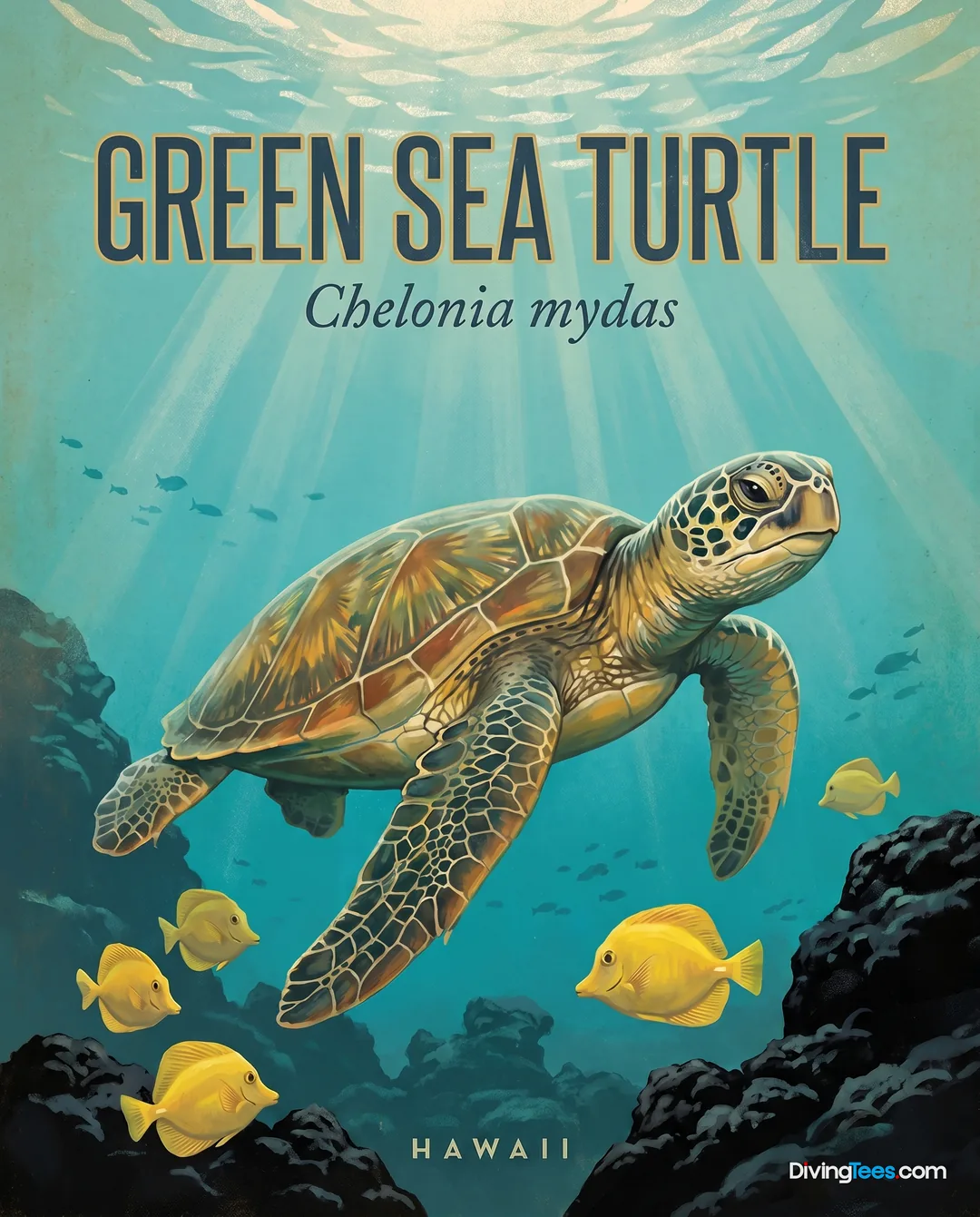
The pelagic parade at Gordon Rocks extends to other notable species. Green turtles (Chelonia mydas) navigate the currents, often seen feeding or resting. Schools of tuna and barracudas sweep through, adding to the sense of an active open-ocean environment. Occasionally, the cold season brings sightings of manta rays and sunfish (Mola alexandrini), although these are less frequent and often depend on specific conditions.
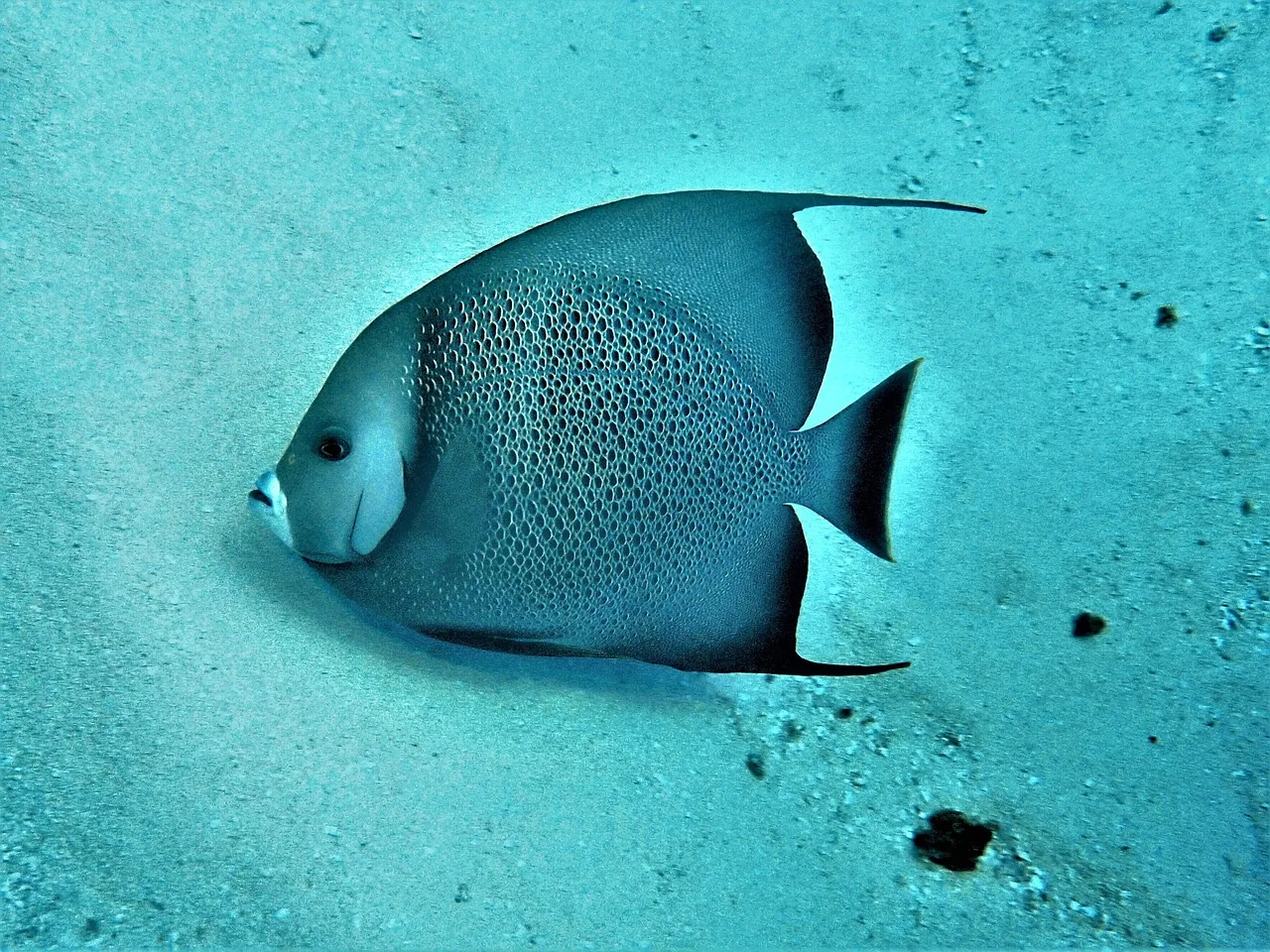
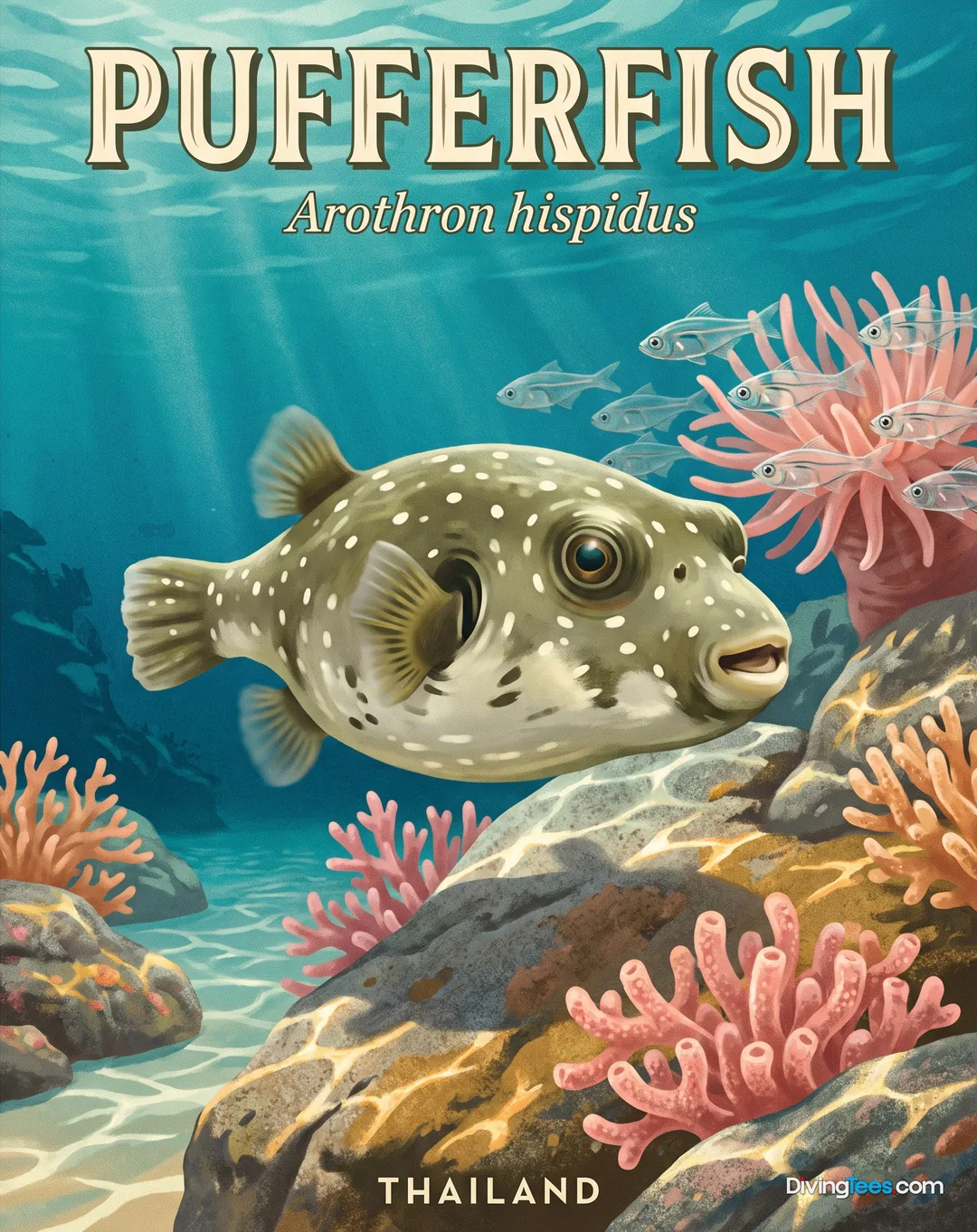
Closer to the reef structures, a variety of reef fish find shelter and sustenance. Galapagos grunts, snappers, parrotfish, hogfish, pufferfish, and triggerfish are common. Moray eels are often found within crevices, while surgeonfish, wahoos, jacks, butterfly fish, and banner fish complete a vibrant reef community. Despite the challenging currents, there are opportunities to observe the smaller resident species that thrive in this environment.
Gordon Rocks is an advanced dive site due to its consistently strong to very strong currents and limited visual references. A minimum of 25 logged dives is required, or a prior evaluation dive at a less demanding site. The maximum depth for recreational diving is typically around 30 meters, although the walls extend to 60 meters, making the deeper sections suitable for divers with appropriate training. The site can be dived year-round, with the cold season sometimes bringing specific pelagic sightings like manta rays and sunfish.
You can dive Gordon Rocks year-round. The cold season sometimes brings specific pelagic sightings, including manta rays and sunfish. Conditions and wildlife vary with the dynamic environment, while the site’s underwater pinnacles and crater walls provide the setting for encounters with pelagic species throughout the year.
Gordon Rocks is an advanced dive site with consistently strong to very strong currents and limited visual references. You need a minimum of 25 logged dives or a prior evaluation dive at a less demanding site. Expect to check current direction and visibility on arrival, then adapt your plan accordingly.
Gordon Rocks ranges from 8 to 60 meters. Recreational dives typically reach around 30 meters, while the walls extend to 60 meters and the deeper sections suit divers with appropriate training. Four underwater pinnacles shape the site, with one central pinnacle rising to 21 meters from a 30-meter base.
At Gordon Rocks, frequent schooling hammerhead sharks are the main attraction. You may also encounter eagle, golden, sting, marble, and mobula rays, plus Galapagos, white tip, and blacktip sharks. Tuna, barracudas, jacks, green turtles, reef fish, and moray eels add to the marine life around the pinnacles.