
Scuba Star
Google 5/5 (94 reviews)
United States · Americas
Three reef lines, artificial wrecks, sea turtles and nurse sharks make Fort Lauderdale an easy-going Florida base for shore dives and short offshore trips.
For subtitles in English: start the video firstthen click the gearat the top right of the video, select “Subtitles/CC”, then “Auto-translate” and choose “English”.
Three reef lines run parallel to Fort Lauderdale’s coast, with artificial wrecks beyond them and Lauderdale-by-the-Sea offering shore entries. That combination gives a diver several ways to spend a week: an uncomplicated shallow dive, a half-day boat trip to deeper reef or wrecks, and a drift dive when the current is running. It is a practical base for mixed abilities, while still giving experienced divers deeper profiles and plenty of repeat-diving options.
The diving is built around parallel reef lines rather than one isolated formation. Inner reefs are generally shallower and more forgiving, while outer reefs bring greater depth, more variable current and the possibility of a proper drift dive. Artificial reefs and wrecks add structure, with some wrecks suitable for viewing from outside and others better reserved for trained divers. Boat trips normally reach their sites in under thirty minutes from the local marinas, so much of the day is spent underwater rather than travelling. The Wreck Trek can link several wrecks on one drift when conditions allow, but the recovery plan matters because a diver who surfaces away from the group can move quickly. Visibility commonly falls between 12 and 30 metres, with rain, north-easterly winds, swell and plankton all capable of changing the picture.
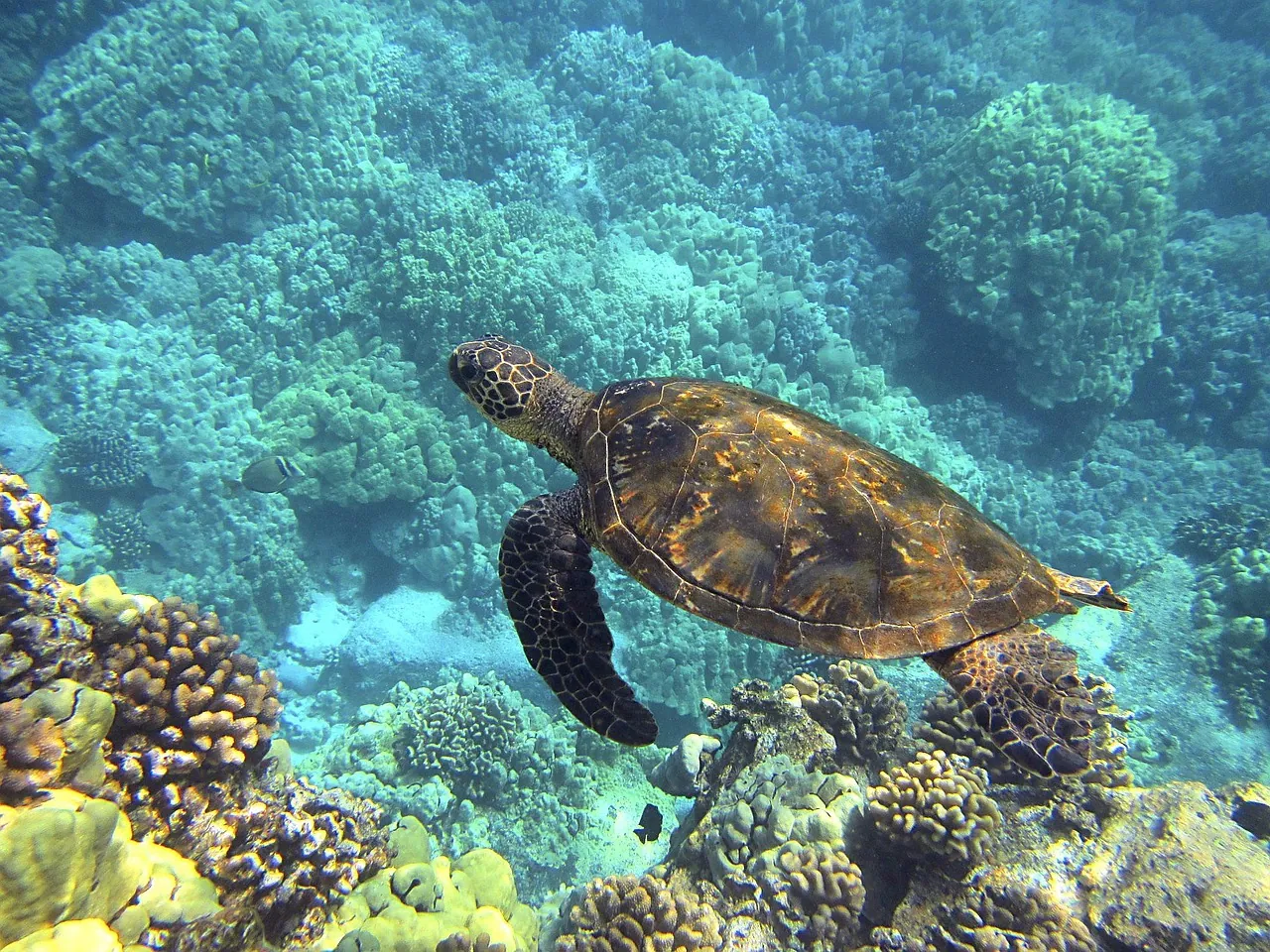
Sea turtles and nurse sharks are regular year-round possibilities, and both give the reef and wreck dives a distinctly Floridian feel. Lobsters are also encountered throughout the year, tucked into the artificial structures and reef terrain. Giant groupers and eagle rays are less predictable but possible on any suitable outing, so they are best treated as rewarding encounters rather than guarantees. Seahorses are an occasional find on nearby macro sites around Palm Beach, making that area a useful extension for divers who prefer patient searching to open-water action. The mix is not confined to one season, although clearer water from November to May makes it easier to scan the reef, wreck edges and sandy patches where larger animals pass.
November to May is generally the more dependable period, with clearer water and more settled conditions making both shore entries and offshore trips easier to plan. Summer brings warmer water, but thunderstorms, swell and plankton can reduce visibility, particularly after heavy rain. Calm spells from August to October can still produce excellent diving, though they depend more heavily on the weather forecast. Early weekday departures usually mean less crowding than winter weekends, holiday periods and the middle of the day at Lauderdale-by-the-Sea. A 3 to 5 mm wetsuit covers most seasonal needs, depending on personal tolerance and the number of dives planned.
Fort Lauderdale works for newly qualified divers on the inner reefs and suitable shallow wrecks, provided they are comfortable with local sea conditions and shore entries. Advanced Open Water is useful for deeper reefs and wreck profiles. A Wreck certification becomes important for penetration or structured wreck exploration, though many artificial wrecks can be viewed from outside. Drift-diving experience helps on outer reefs, where current can become stronger and less predictable than on the inner line. Nitrox is practical for repeated boat dives over several days.
From London Heathrow, Gatwick or Manchester, travel by air to Fort Lauderdale, allowing for a connection where the chosen itinerary requires one. Once there, the diving area is reached by road, with no ferry needed to get to the coast or offshore sites. Local boat trips leave from different marinas, so the accommodation’s position can make a noticeable difference to the morning journey. A hire car or taxi is the most flexible way to move between hotel districts, beach areas, Lauderdale-by-the-Sea and the relevant marina. Some Lauderdale-by-the-Sea accommodation puts shore access within walking distance, but boat departures still require transport to their own harbour.
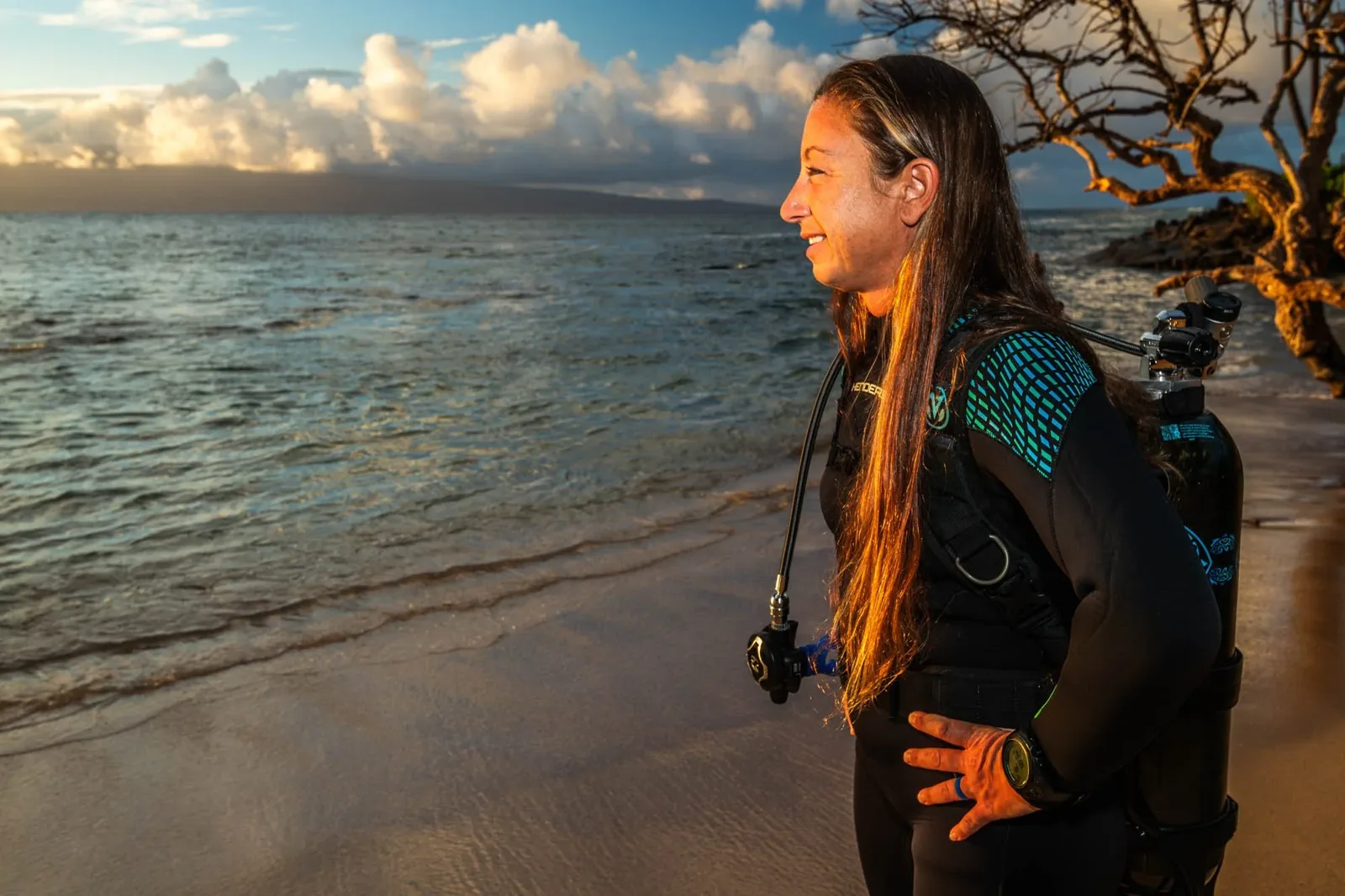
Start with an inner reef or a shore dive at Lauderdale-by-the-Sea before committing to a deeper wreck. The shallow water is not automatically easy when swell makes the entry or exit awkward, so check the sea state locally rather than judging conditions from the beach. For any drift dive, ask exactly how the boat recovers divers and where the surface marker should be deployed. After heavy rain, give coastal reefs time to clear and confirm visibility before booking around them. Check the wreck depth and profile against your experience: Open Water is not a sensible match for a deep or penetrative plan. Nitrox earns its place here because short boat rides make repeated diving tempting. Bring or reserve the wetsuit thickness you actually use, as rental choice is not guaranteed. Finally, check that a booking is for Fort Lauderdale, not Palm Beach or the Keys, since the marinas and dive profiles differ.
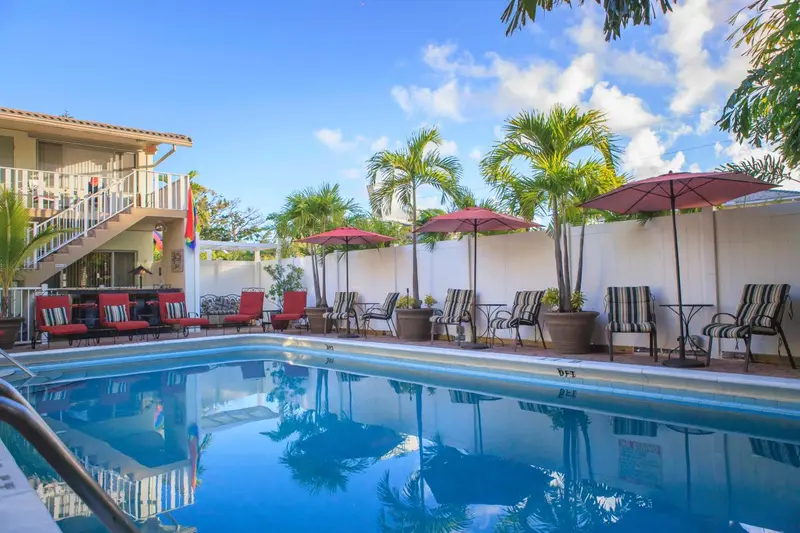
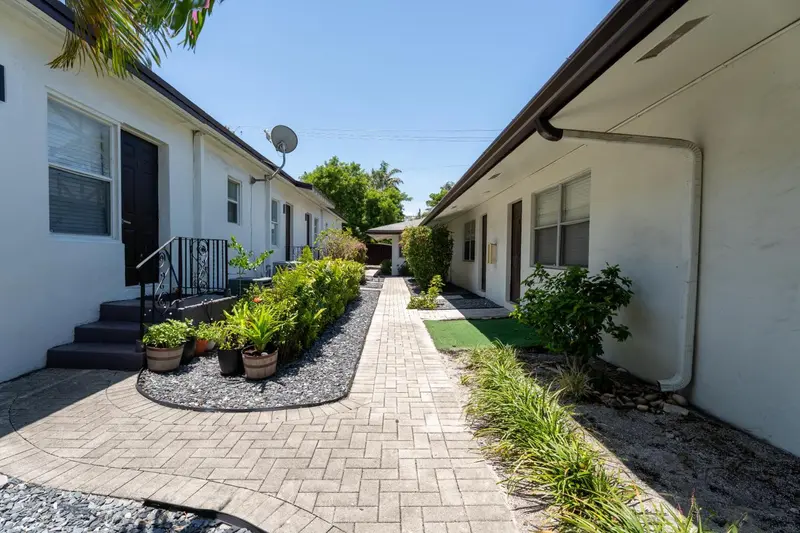
Allow five to seven days for several boat outings, a shore dive at Lauderdale-by-the-Sea and a day without diving. The town also works well for mixed groups, with beaches, canal trips, paddling, museums and cultural districts close at hand. An Everglades excursion or a coastal wildlife trip can fill the non-diving day. Staying near the beach simplifies shore diving, while a central or marina-based base may reduce transfer time for boat departures.
Hello, I'm Marina, DivingDeal.com's AI assistant. I guide you through destinations, areas and countries.
Thinking about the whole trip and the flights? Talk it over with Edith →
Marina is an AI. Some links are affiliate links: DivingDeal may earn a commission, at no extra cost to you. Bookings are made with the partner.
Choose November to May for clearer water and more settled conditions, which help with shore entries and offshore trips. Summer has warmer water but thunderstorms, swell and plankton may reduce visibility. Calm spells from August to October can still work, although they depend more on the forecast.
Newly qualified divers can use the inner reefs and suitable shallow wrecks if comfortable with sea conditions and shore entries. Advanced Open Water helps with deeper reefs and wreck profiles. Wreck certification matters for penetration, while drift experience helps on outer reefs. Nitrox is practical for repeated boat dives.
Fort Lauderdale offers three parallel reef lines, artificial wrecks and the Wreck Trek drift. Sea turtles, nurse sharks and lobsters are possible year-round, while giant groupers and eagle rays are less predictable. Visibility commonly ranges from 12 to 30 metres in clearer months, and outer reefs bring greater depth and current.
Allow five to seven days for several boat outings, a Lauderdale-by-the-Sea shore dive and a non-diving day. Staying near the beach simplifies shore access, while a central or marina base can shorten boat transfers. Check sea state, visibility, wreck depth, recovery procedures and transport to the correct marina before booking.