
Key Dives
Google 4.9/5 (576 reviews)
United States · Americas
Coral reefs at six metres, the 34-metre Eagle, Alligator Reef snorkelling and short boat rides define Islamorada’s practical appeal.
For subtitles in English: start the video firstthen click the gearat the top right of the video, select “Subtitles/CC”, then “Auto-translate” and choose “English”.
At around 34 metres, the Eagle gives Islamorada its serious edge, but the destination starts much shallower. Alligator Reef, Cheeca Rocks and Hen and Chickens bring coral scenery within reach of Open Water divers, while nearby marinas keep boat journeys short. That makes the Upper Keys useful for a mixed group: one diver can work on confidence or photographs over shallow reef, another can plan a deeper wreck or wall. Snorkelling, kayaking and time on the Overseas Highway give non-divers a proper holiday too.
Islamorada is boat diving, with most sites reached in less than twenty minutes from the local marinas. The underwater choice runs from coral reefs at roughly six to eight metres to deeper wrecks and drop-offs beyond 30 metres. Alligator Reef, Cheeca Rocks and Hen and Chickens suit relaxed reef dives, while the Eagle and Duane bring a more demanding wreck profile. Current is variable rather than a defining constant, so the crew selects the site around wind, sea state, current and the group’s certification. Visibility is often over 25 metres from November to June, but it can deteriorate when the sea turns rough or storms pass through. Expect day boats, usually with the morning’s plan adjusted to conditions, rather than a fixed itinerary that treats every site as interchangeable.
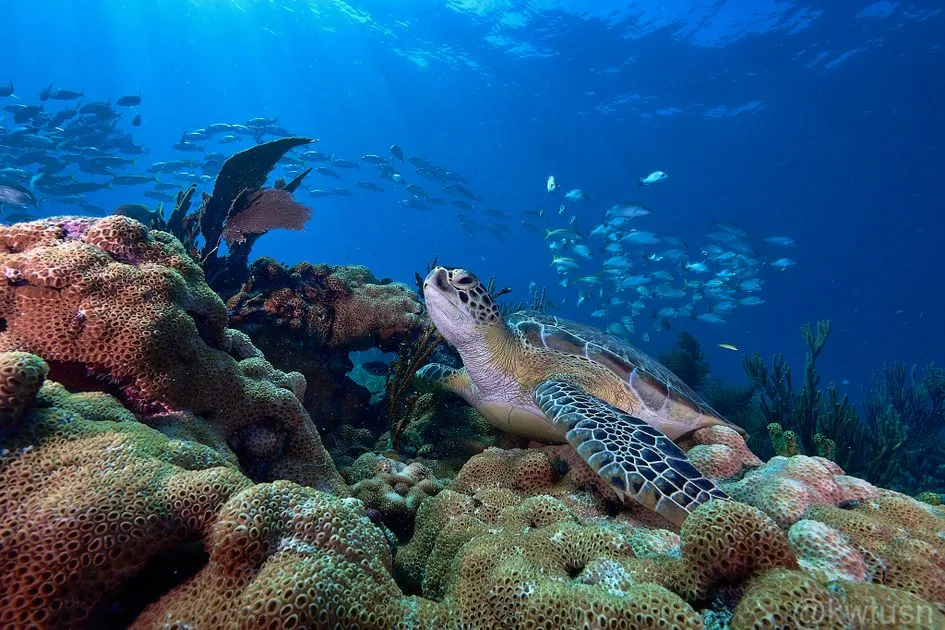
The reefs put living coral and reef fish in front of the mask at depths that leave plenty of time for careful observation and photography. Around the wrecks, the structure itself provides shelter and habitat, giving the dive a different feel from the open reef. The Eagle is the place for divers who want a substantial wreck profile, while shallow sites such as Alligator Reef also work for snorkellers. Marine life is present year-round, but there is no dependable seasonal calendar to build a trip around. In practice, Islamorada rewards looking closely at the reef, the coral growth and the life using the wrecks, rather than arriving with a guaranteed species list.
November to June is the sensible planning window. Northeasterly winds are generally lighter then, and visibility is more often above 25 metres, which matters when the attraction is clear reef relief and a deep wreck rather than simply getting underwater. July to October remains diveable, but afternoon thunderstorms and rougher seas can disrupt boat departures. If travelling in that period, keep mornings flexible and leave spare days in the programme. The weather can decide whether the boat reaches the Eagle, substitutes a shallower reef or stays in harbour, so a tightly packed week is a false economy.
Islamorada genuinely covers the range from first reef dives to deeper wreck work. Open Water divers can look at Alligator Reef, Cheeca Rocks, Hen and Chickens, Davis Reef and Davy Crocker when conditions allow. Advanced Open Water training is useful for deeper sites, and the Eagle calls for experience appropriate to its depth. A Wreck qualification becomes important if penetration is planned. Variable current and changing weather still matter, so certification alone does not make a deep wreck suitable on every day.
From London Heathrow, Gatwick or Manchester, the practical constraint is the final road journey. Islamorada sits on the Overseas Highway, linked by road to the Florida mainland and the other Keys, so there is no ferry leg to build into the plan. Arrange the onward transfer or hire car with enough time for the journey to the island, rather than assuming an airport-based diving operation. Once in Islamorada, the boats leave from marinas, particularly around mile marker 84.5. A car or road transfer is generally needed if accommodation is not close to the marina, as there is no standard local shuttle to rely on.
Ask the day before which sites are being considered. Wind, current and the group’s certification can move the plan from the Eagle to a shallow reef, and that is normal here. Put a shallow dive such as Alligator Reef, Cheeca Rocks or Hen and Chickens early in the stay, then keep a spare day before committing the whole programme to a deep wreck. Summer visitors should favour morning departures where possible, because afternoon thunderstorms are more disruptive. Carry the certification and experience appropriate to the planned depth, especially if the Eagle or wreck penetration is involved. The sanctuary rules are practical kit for the dive: display a dive flag, use a mooring buoy where one is available, never anchor on coral, and do not touch, stand on or collect anything. Do not confuse an easy shallow reef with an easy deep wreck, and do not build the holiday around one wreck alone.
Allow five to seven days, using the short boat runs for repeated reef mornings and leaving room for an Eagle or Duane dive when conditions and qualifications align. A sensible stay alternates shallow coral, deeper wreck work and a non-diving day rather than stacking every outing without a weather margin. Snorkelling, kayaking, other water sports, the maritime heritage of the Keys and drives along the Overseas Highway keep companions occupied between dives.
Hello, I'm Marina, DivingDeal.com's AI assistant. I guide you through destinations, areas and countries.
Thinking about the whole trip and the flights? Talk it over with Edith →
Marina is an AI. Some links are affiliate links: DivingDeal may earn a commission, at no extra cost to you. Bookings are made with the partner.
November to June is the sensible planning window, with generally lighter northeasterly winds and visibility often above twenty-five metres. July to October remains diveable, but afternoon thunderstorms and rougher seas can disrupt boat departures. Keep mornings flexible and allow spare days if you travel during the summer period.
Islamorada suits Open Water divers at Alligator Reef, Cheeca Rocks, Hen and Chickens, Davis Reef and Davy Crocker when conditions allow. Advanced Open Water training is useful for deeper sites, while the Eagle requires experience appropriate to its depth. A Wreck qualification matters if you plan penetration, and conditions still affect suitability.
You can explore living coral, reef fish and coral growth across shallow reefs, with the structure of wrecks providing shelter and habitat. Alligator Reef is also shared with snorkellers, while the Eagle offers a substantial wreck profile. Marine life is present year-round, but there is no dependable seasonal species calendar.
Plan a stay of five to seven days, using short boat journeys for repeated reef mornings and leaving room for a deeper wreck when conditions and qualifications align. Ask the day before about sites, keep a spare weather day, and alternate diving with snorkelling, kayaking or drives along the Overseas Highway.