
Aaron's Dive Shop
Google 4.8/5 (612 reviews)
United States · Americas
Lava arches, rocky entries, winter humpback whales and boat dives across Oʻahu give Kailua a practical base for combining underwater days with island travel.
For subtitles in English: start the video firstthen click the gearat the top right of the video, select “Subtitles/CC”, then “Auto-translate” and choose “English”.
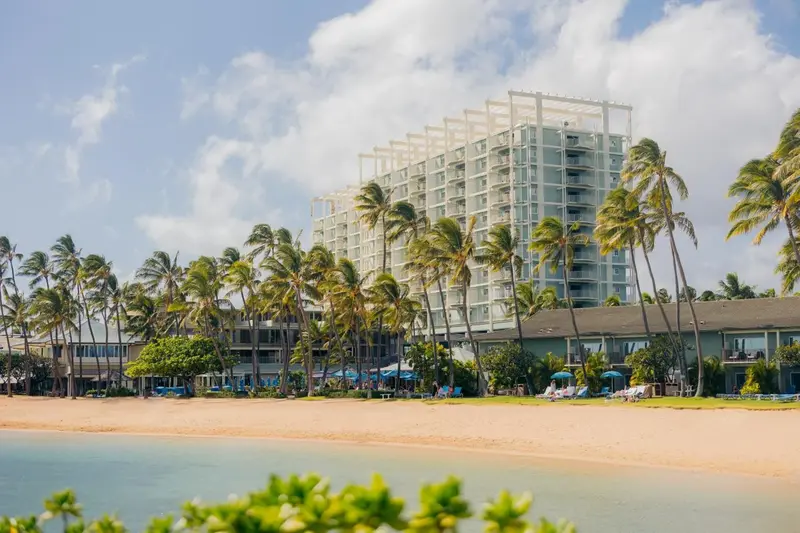
Kailua is best understood as a place to live between dives, not a harbour built around them. Set on Oʻahu’s east coast, it gives you beaches, a residential town and road access to coastal entries and boat departures in other parts of the island. That makes sense for a week or more, with diving mixed with island days and weather margins. It also makes Kailua quite different from Kailua-Kona, which is on another island.
The diving here follows Oʻahu’s volcanic coastline rather than one compact house reef. At Shark’s Cove and Three Tables, lava reliefs, cavities and arches give rocky coastal dives their shape, but the same formations become heavily exposed when winter swell arrives. Other outings leave from local harbours and reach different sectors of the island by boat, so the day’s character depends on which coast is workable. Currents are variable, and surface conditions can change quickly with exposure. Visibility is usually more convincing from May to October, while swell, surf and coastal run-off can cloud the water. Expect a mixture of guided shore entries and boat diving, with the entry and exit often as important as the underwater route. This is not a place for choosing a site by name alone, then assuming the sea will oblige.
The most clearly seasonal animal encounter is the humpback whale, present around Hawaiʻi in winter. Kailua’s coast gives non-divers and divers a chance to look for whales from shore, while respecting the required approach distances. They should be treated as a surface wildlife bonus, not as a guaranteed underwater meeting. On the dives themselves, the dependable visual subject is the volcanic habitat: dark rock, openings, arches and the changing light around the shore. Reef condition is mixed across Oʻahu, with heavy coastal and tourist pressure in places, so do not expect every site to show the same vitality. Keep hands, fins and equipment off coral and rock, and never feed fish.
Plan the main diving window from May through October. Summer usually brings calmer water to Oʻahu’s exposed coasts, improving the prospects for shore entries, boat departures and clearer water. From November to March, northern swells and periods of rough sea can reduce visibility, cancel boats and turn a rocky entry or exit into a poor choice. Kailua itself may look settled while another coast is taking the full force of the swell, so the local forecast is not enough. Winter is worthwhile for whale watching, but it needs spare days and a willingness to move the diving to a more sheltered sector.
Kailua can suit beginners when the day’s site has been selected locally and the entry is straightforward. PADI, SSI and BSAC divers should find no destination-specific qualification demanded by the diving described here. Experience matters more than the agency when surf, rock and confined volcanic features are involved. A first visit to a cavity, arch or exposed shore entry is better made with a guide who knows the local water, particularly if conditions have changed since breakfast.
From London Heathrow, Gatwick or Manchester, travel by air to Honolulu, then continue to Kailua by road. The drive from Honolulu generally takes around 30 to 45 minutes, with traffic making the difference. There is no regular passenger ferry from Kailua to the other Hawaiian islands, so inter-island travel is by air rather than by boat. Once in Kailua, central accommodation can make some local errands walkable, but a car or taxi is useful for shore sites and boat departures elsewhere on Oʻahu. Do not assume that a dive boat will be moored near your accommodation. If the itinerary involves more than one coast, flexible road transport is particularly useful.
Ask which coast is genuinely diveable on the day, rather than booking around the reputation of Shark’s Cove or Three Tables. A calm-looking Kailua morning does not rule out dangerous swell on the north coast. Morning departures are usually the sensible bet, before wind and surface conditions build. Keep several days free in a seven- to ten-day plan, because a cancellation can be a sensible response to surf rather than bad luck. A guided first entry is worthwhile at rocky sites with arches and cavities, where local knowledge changes the decision before you get in. Keep a car or another flexible transport option if several sectors of Oʻahu are on the plan. Leave margin before flying home, since a swell-related cancellation may shift the dive to another coast or remove it altogether. Finally, check every booking carefully: Kailua on Oʻahu is not Kailua-Kona on Hawaiʻi Island, and the ports and diving arrangements are entirely different.
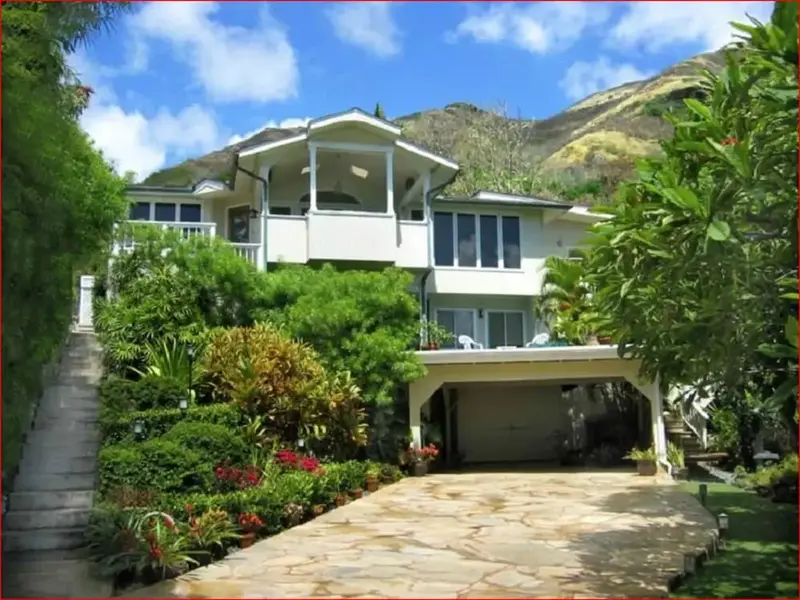
Allow seven to ten days if diving is only part of the holiday. Kailua works as a residential base, with beaches, walks, kayaking and island sightseeing filling weather days or non-diving days. Central accommodation may cover everyday needs on foot, but diving usually adds road journeys because departures are not concentrated beside the town’s hotels. Build the stay around flexible mornings, reserve days and a car when the plan includes both coastal entries and boat trips. Winter visitors can add shore-based whale watching.
Hello, I'm Marina, DivingDeal.com's AI assistant. I guide you through destinations, areas and countries.
Thinking about the whole trip and the flights? Talk it over with Edith →
Marina is an AI. Some links are affiliate links: DivingDeal may earn a commission, at no extra cost to you. Bookings are made with the partner.
Plan your main diving window from May through October, when summer generally brings calmer water to Oʻahu’s exposed coasts and better prospects for shore entries, boat departures and clearer water. Winter can bring humpback whales and sheltered opportunities, but northern swells may reduce visibility, cancel boats and make rocky entries unsuitable.
Kailua can suit beginners when local operators select a straightforward site and entry. Experience is useful because surf, rock, changing surface conditions and confined volcanic features can affect the dive. A guided first entry is sensible at sites with arches or cavities, especially when conditions have changed since the morning forecast.
Expect volcanic underwater scenery rather than one compact house reef. Shark’s Cove and Three Tables feature dark lava reliefs, cavities, arches and changing light around rocky shores. Currents and visibility vary, reef condition is mixed across Oʻahu, and winter humpback sightings from shore are a wildlife bonus rather than an underwater expectation.
Use Kailua as a residential base for combining diving with beaches, kayaking and island travel. Keep mornings flexible, ask which coast is genuinely workable, and allow spare days for weather cancellations. A car or taxi helps reach shore sites and boat departures elsewhere on Oʻahu, while central accommodation can make everyday errands walkable.