
Ace Diving
Google 4.9/5 (1,500 reviews)
United States · Americas
Shallow coral reefs, wrecks resting around 30 metres, Gulf Stream drifts and Biscayne’s protected historic hulks put city life beside varied diving.
For subtitles in English: start the video firstthen click the gearat the top right of the video, select “Subtitles/CC”, then “Auto-translate” and choose “English”.
At 20 to 35 feet, Miami’s shallow reefs make straightforward first dives, while the county’s artificial-reef programme puts substantial wrecks into the itinerary. Sheri Lynn and Ophelia Brian offer a very different day from the coral patches, with depth and current becoming part of the planning. South of the city, Biscayne National Park adds historic wrecks and protected reefs reached by boat. The result is a shore-based holiday that combines proper diving days with beaches, neighbourhoods and parks for non-divers.
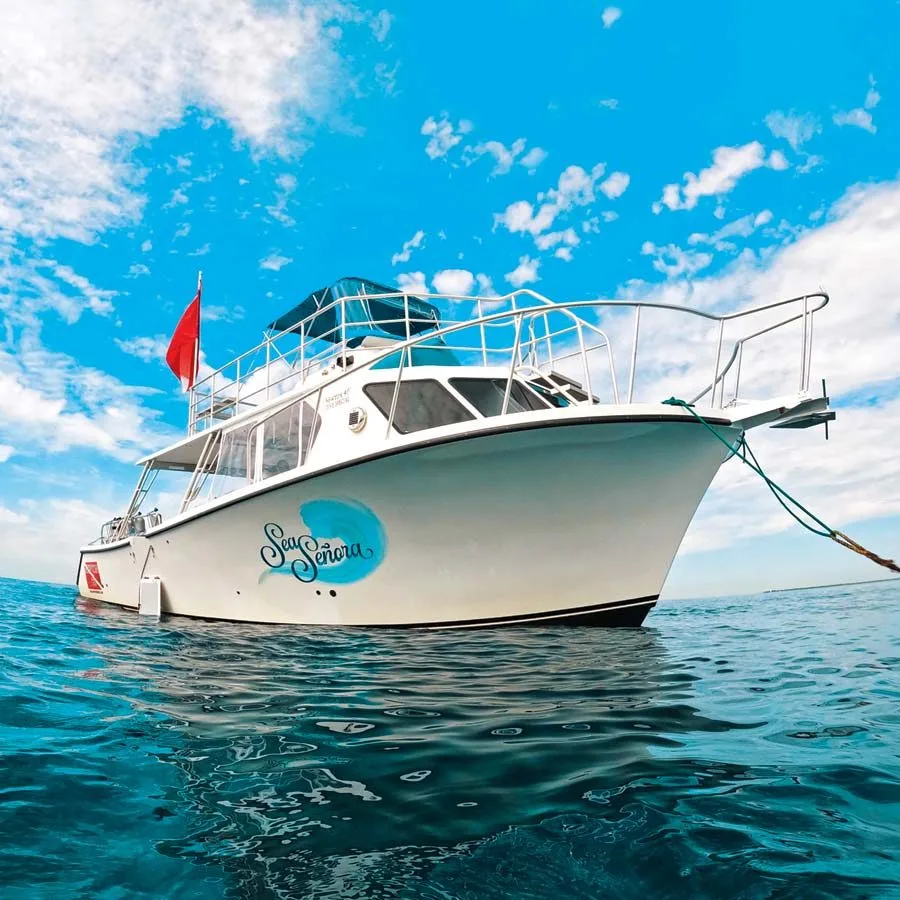
Miami’s diving shifts quickly between low coral outcrops, artificial wrecks and exposed reef drifts. The shallow sites around Miami Beach and Key Biscayne sit at roughly 20 to 35 feet, useful for relaxed reef dives and the final dives before flying. Many of the larger wrecks lie between 20 and 30 metres, with some deeper than that, and can be affected by the Gulf Stream. Currents are variable rather than guaranteed, but a drift dive is part of the local repertoire, especially on exposed reefs and in Biscayne National Park. Visibility commonly falls between 15 and 30 metres, though rain, wind and tropical swell can reduce it sharply. Most trips are day-boat outings from urban marinas, with Biscayne requiring a separate boat day rather than a casual add-on.
The reefs around Miami carry coral growth and reef fish, although they are not pristine gardens. Florida’s Coral Reef has suffered from warming, disease, poor water quality and coastal development, and Biscayne National Park reports low coral cover alongside bleaching, fishing debris and anchoring damage. That makes careful buoyancy and a hands-off approach particularly important here. Around the wrecks, the structure itself provides the visual focus, with fish and other marine life using the artificial habitat. Winter occasionally brings sightings of a manatee, but it is an opportunistic encounter rather than a reason to book a particular dive. Biscayne’s protected setting can offer varied marine life, while conditions and visibility still determine how much you actually see.
Spring and early summer are generally the most dependable period for calm water and good visibility on Miami’s reefs and wrecks. March through July suits divers who want several boat days, although summer also brings more holiday traffic on the water. August and early September deserve flexibility because tropical storms, swell and thunderstorms can cancel or alter departures. September and October can still produce good diving when weather settles, while autumn and winter are often quieter on the boats. Winter fronts may roughen the sea, but the water remains diveable with the right exposure protection. The cooler months also offer the occasional manatee encounter.
Miami works for newly qualified divers on the shallow reefs, provided they are comfortable with boat procedures and changing conditions. Advanced Open Water is useful for the deeper wrecks around 30 metres, while a recognised Wreck Diver qualification makes more sense for exploring large artificial wrecks such as Sheri Lynn or Ophelia Brian. Nitrox is practical when several reef and wreck dives are planned in a day. Drift Diver training helps with Gulf Stream sites and Biscayne outings where current management matters.
From London, set out via Heathrow or Gatwick, or from Manchester, and fly to Miami International Airport. From there, the diving is spread along the coast rather than concentrated at one departure point. Allow road time to reach marinas at Downtown, Miami Beach, Haulover Park or Key Biscayne, particularly for early boat departures, as urban traffic can be slow. Biscayne National Park requires a separate road journey south towards Homestead and Convoy Point, followed by a boat to the reefs or Maritime Heritage Trail wrecks. A hire car, taxi or ride-hailing service is therefore useful for linking accommodation with different marinas. The park is not a walk-up diving option.
Keep a complete day for Biscayne National Park rather than trying to fit it around a Miami morning boat. The drive south and the boat-only access to the Maritime Heritage Trail make connections tighter than the map suggests. Check park closures before booking a specific reef or wreck, because the superintendent can close areas to diving, snorkelling or swimming. On the deeper artificial wrecks, confirm the depth, current plan and qualification requirements in advance, especially for Sheri Lynn, Ophelia Brian and Tortuga. Morning departures are usually the sensible choice for exposed wrecks and Gulf Stream sites, before wind and recreational traffic build. Leave spare days in the itinerary during hurricane season, when a cancellation can arrive at short notice. In Biscayne, do not touch coral, anchor on reef, approach protected wrecks or remove artefacts. Those wrecks are cultural resources, not souvenirs.
Plan Miami as a land-based stay of roughly seven to ten days, using separate boat days for shallow reefs, artificial wrecks and Biscayne National Park. Keep the final dive days shallow around Miami Beach or Key Biscayne, which makes a conservative end to the diving easier. Non-divers have beaches, parks, boat trips and city districts such as Downtown, Brickell, Wynwood and Little Havana close at hand. Traffic means that accommodation near one marina will not necessarily suit every departure.
Hello, I'm Marina, DivingDeal.com's AI assistant. I guide you through destinations, areas and countries.
Thinking about the whole trip and the flights? Talk it over with Edith →
Marina is an AI. Some links are affiliate links: DivingDeal may earn a commission, at no extra cost to you. Bookings are made with the partner.
Spring and early summer are generally the most dependable for calm water and good visibility, with March through July suiting several boat days. August and early September need flexibility for storms and thunderstorms. September and October can still be good after settled weather, while winter is quieter but may bring rough fronts.
You can make newly qualified diver trips on Miami’s shallow reefs if you are comfortable with boat procedures and changing conditions. Advanced Open Water is useful for wrecks around 30 metres. A recognised Wreck Diver qualification suits larger artificial wrecks, while Drift Diver training helps with Gulf Stream and Biscayne current management.
You can see coral growth and reef fish on shallow reefs, artificial wrecks supporting fish and other marine life, and historic wrecks along Biscayne’s Maritime Heritage Trail. Gulf Stream drift dives add exposed reef conditions. Visibility commonly reaches 15 to 30 metres, and winter occasionally brings a manatee encounter.
Plan a land-based stay of roughly seven to ten days, with separate boat days for shallow reefs, artificial wrecks and Biscayne National Park. Allow road time between marinas and keep Biscayne as a full-day outing. Finish with shallow dives, and leave spare days during hurricane season for cancellations.