
Cruise Fish Dive
Google 4.3/5 (147 reviews)
United States · Americas
Artificial reefs, sunken barges, limestone ledges, Goliath groupers and shifting Gulf visibility define diving from Naples and Marco Island offshore.
Concrete barges, wrecks and limestone ledges give Naples its underwater character, rather than a continuous natural coral reef. The diving is offshore, reached by boat from Naples or Marco Island, with artificial structures providing shelter for groupers, snappers and the occasional lobster. Some reefs remain moderately deep and approachable, while farther sites demand more experience and a steadier sea. Allow three to five days on land, so a cancelled boat day does not remove the substance from the trip.
Naples is a boat-diving destination built around artificial reefs, sunken barges, wrecks, radio towers, living bottoms and limestone formations. The structures are the attraction: you swim along metal edges, inspect openings and concrete surfaces, then look out into the surrounding Gulf water for large fish. Nearer reefs can offer moderate profiles, while more distant offshore sites may be deeper and better suited to experienced divers. Currents are variable rather than a defining feature, so this is not a destination to book specifically for a predictable drift dive. Visibility can change sharply with coastal inputs, turbidity and the condition of the water. A normal outing is a day on a dive boat from Naples or Marco Island, with the exact structure selected according to sea state, depth and what can be seen on the day.
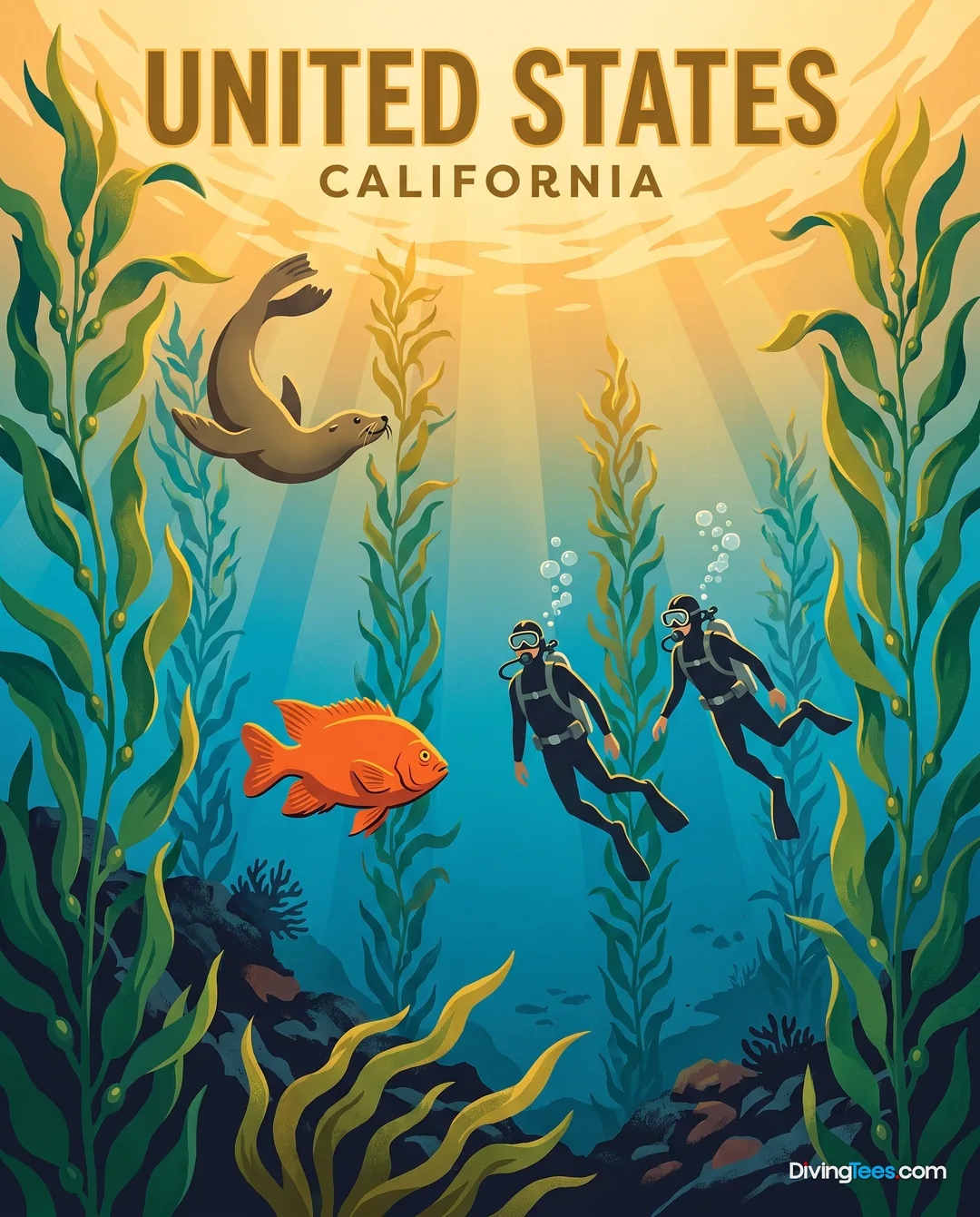
Goliath groupers are the signature encounter, and they can be present on the artificial reefs throughout the year. Other groupers and snappers also use the sunken structures and rocky bottoms, giving the diver reasons to slow down around concrete, metal and limestone rather than simply crossing the site. Lobsters are possible, but less consistent than the larger fish. The appeal is therefore concentrated in the animals that adopt these man-made habitats, not in a broad coral garden. Expect the visibility to influence the experience as much as the wildlife: when the water is turbid, the next grouper or wreck section may appear only at close range. There is no special seasonal wildlife calendar to plan around, so the practical choice is a sound weather window.
March to May is a sensible period for Naples, with quieter tourism and generally better opportunities for sea conditions. November and December can also work well, particularly around the calmer windows that follow passing cold fronts. July, August and September bring more afternoon thunderstorms and tougher offshore conditions, making distant sites harder to rely on. Winter is not automatically easy, because wind after a front can disrupt a boat day, while the busiest tourist period is usually from December into February. Morning departures make most sense when storms are more likely later in the day, whatever the season.
Naples can suit beginners on shallower artificial reefs, provided they are comfortable with a boat day and changing visibility. PADI, SSI and BSAC divers should match their qualification and recent experience to the planned depth, distance offshore and sea state. A Wreck qualification is useful for barges and wrecks, while Advanced-level training is sensible for deeper offshore structures. The variable current and the possibility of limited visibility reward calm navigation, good buoyancy and an honest assessment of experience rather than a fixation on the most distant site.
From London or Manchester, travel by air to Southwest Florida International Airport in Fort Myers, then continue by road to Naples. There is no ferry or domestic flight needed for the diving area. Build the journey around the air connection and the road transfer, rather than assuming that the boat departure is close to the airport. Diving itself starts from marinas in Naples or Marco Island, and the sites are reachable only by boat, with some several nautical miles offshore. A car or taxi is the practical way to get between your accommodation, the marina and the airport. Naples and Marco Island are both usable bases, so the right choice depends on where the booked boat leaves, not simply on the name of the town.
Keep a spare day in the programme. Offshore reefs and wrecks are exposed to the Gulf, and a poor sea window can remove the more distant outing altogether. Ask about the expected visibility before settling on a structure, because Naples can change from worthwhile close-up diving to a frustrating search through haze. Leave early where possible, especially in July to September, when afternoon thunderstorms can close the useful window. Be clear whether the trip is aimed at an artificial reef, wreck, limestone drop, living bottom or radio tower, since the depth and underwater interest differ. Do not book Naples expecting the coral scenery of the Florida Keys: here, the satisfaction comes from finding fish around concrete, metal and stone. Pack thermal protection for the season, and do not choose a site merely because it lies farther offshore. Its depth and profile may be a poor match for an easy day.
Base yourself in Naples or Marco Island and plan daily boat trips from the relevant marina. Three to five days gives room for several outings while keeping a reserve day for wind, storms or poor visibility. Accommodation is generally reached from the marina by car or taxi rather than on foot. Non-divers have beaches, boating, dolphin watching, mangroves, estuaries, wetlands and the wider coastal landscape to explore. Keep any final immersion clear of the flight home, and use the spare day for Marco Island or Naples on land if the boats cannot run.
Hello, I'm Marina, DivingDeal.com's AI assistant. I guide you through destinations, areas and countries.
Thinking about the whole trip and the flights? Talk it over with Edith →
Marina is an AI. Some links are affiliate links: DivingDeal may earn a commission, at no extra cost to you. Bookings are made with the partner.
Plan around calmer sea windows rather than a wildlife season. March through May often offers quieter tourism and better sea opportunities, while November and December can work around calmer periods after cold fronts. July through September bring more afternoon thunderstorms. Morning departures help preserve the useful weather window.
Naples can suit beginners on shallower artificial reefs if you are comfortable with boat diving and changing visibility. Match your qualification and recent experience to the planned depth, distance offshore and sea state. Wreck training helps for barges and wrecks, while Advanced-level training suits deeper offshore structures.
You can explore sunken barges, wrecks, artificial reefs, radio towers, limestone ledges and living bottoms. Goliath groupers may be present throughout the year, alongside other groupers, snappers and occasional lobsters. The attraction is marine life around concrete, metal and stone, with visibility sometimes limiting what appears beyond close range.
Base yourself in Naples or Marco Island and arrange daily boat trips from the relevant marina. Allow three to five days, including a spare day for wind, storms or poor visibility. Travel by air to Southwest Florida International Airport, continue by road, and use a car or taxi between accommodation, marina and airport.