
Keys Huka Dive
Google 4.8/5 (470 reviews)
United States · Americas
Artificial reefs, limestone ledges and wrecks meet groupers, barracudas and rays in Gulf waters ranging from shallow leisure dives to 130 feet
For subtitles in English: start the video firstthen click the gearat the top right of the video, select “Subtitles/CC”, then “Auto-translate” and choose “English”.
Artificial reefs, limestone ledges and wrecks give Sarasota its underwater identity. This is a boat-diving destination in the Gulf, linking Sarasota with Bradenton and Venice rather than revolving around one famous reef. The diving ranges from relatively shallow structures for ordinary recreational outings to deep wrecks requiring more careful planning. Groupers, snappers, barracudas and rays are part of the year-round picture, while the coastline, beaches and cultural life make it practical for a mixed-interest holiday.
Most dives begin with a boat journey to artificial reefs, limestone outcrops, wrecks and other submerged structures. Recreational profiles commonly sit between 45 and 100 feet, while specialist wreck trips can reach about 130 feet. The bottom is less about coral gardens than about finding life around hard relief in otherwise open Gulf water. Currents are variable rather than a defining constant, but the sea state can change the plan. Visibility is the main caveat: after wind, rain or a disturbed bottom it may fall to only a few feet, yet on a good day it can exceed 30 feet. Operators generally run two- or three-dive outings, with the captain choosing or changing the site according to conditions. Early departures make sense because wind and afternoon storms often make the return less settled.
Groupers and snappers are the dependable residents of Sarasota’s reefs and wrecks, with more activity reported in spring. Barracudas and rays can be encountered throughout the year, adding movement to the hard structures and open water around them. Sea turtles are possible at any time, though they are an occasional rather than guaranteed sight. Expect encounters shaped by the Gulf’s changing visibility: a grouper appearing from poor water can be more memorable than a long list of species. The artificial reefs are managed to provide marine habitat as well as fishing and diving structure, so the appeal lies in what gathers around the concrete, metal and limestone rather than in tropical coral scenery.
April to October is the sensible window, with late summer and autumn generally offering the clearest conditions and autumn often bringing fewer people. Summer can be the calmest period on the water, but afternoon thunderstorms need to be allowed for. Morning boat departures usually give the best chance of avoiding the day’s increasing wind and chop. December to February is less dependable because winter commonly brings cooler water, more agitation and less regular visibility. Rain, runoff and a stirred bottom can reduce clarity in any season, so a flexible itinerary matters more than choosing a single supposedly perfect week.
Sarasota can suit newer divers on shallow recreational reefs when the Gulf is settled, but it also rewards experienced divers looking beyond those profiles. Advanced training is appropriate for deeper reefs and wrecks, and a wreck qualification is useful for wreck-focused trips. Dives around 130 feet require suitable depth training, experience and disciplined gas planning, not simply an interest in seeing a larger wreck. Nitrox is useful on repetitive two- or three-dive days when the planned profiles and certification allow it.
From London or Manchester, reach the Sarasota-Bradenton area by air, or travel there by road within the United States. No ferry is needed to reach the diving region. Allow room in the overall journey for the connections required by the flight itinerary you choose, rather than building a tight first-day boat departure around an assumed routing. Once there, the diving is spread between ports in Sarasota, Bradenton and Venice. A hire car is the most practical way to match accommodation with the chosen harbour and to compare departure points. Taxis can cover individual transfers, but a standard shuttle linking the whole region should not be assumed.
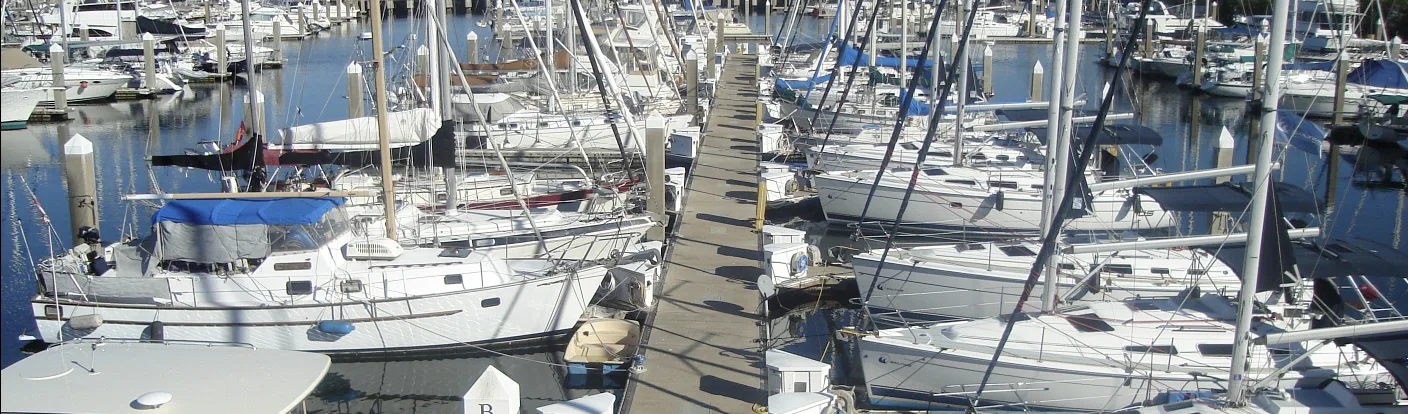
Treat Sarasota as a flexible boat-diving trip, not a destination where you can simply turn up and expect the characteristic diving from the shore. Keep more than one day available for the boat, because wind, swell and poor visibility can mean a changed site or a postponed departure. For a first outing in uncertain conditions, ask about reefs closer to the harbour rather than committing immediately to the deepest wreck profile. Compare Sarasota, Bradenton and Venice departures: the harbour you use can reduce the time spent travelling towards the type of reef or wreck you want. Do not mistake a nearby artificial reef for a deep wreck trip. Check the depth, qualification and gas requirements before booking, particularly for a three-dive day. Plan the final dive early enough to leave margin for afternoon wind and thunderstorms, and never assume warm water guarantees clear visibility.
A five- to seven-day stay gives the trip room to absorb a cancelled or moved boat day while leaving time for several outings. Base yourself where the drive to the selected harbour is manageable, remembering that Sarasota, Bradenton and Venice form one regional diving area rather than a single embarkation point. Non-divers have beaches, barrier islands, Sarasota’s cultural centre, coastal wildlife and non-motorised watersports to fill the surface intervals. Venice also makes an easy land-based excursion.
Hello, I'm Marina, DivingDeal.com's AI assistant. I guide you through destinations, areas and countries.
Thinking about the whole trip and the flights? Talk it over with Edith →
Marina is an AI. Some links are affiliate links: DivingDeal may earn a commission, at no extra cost to you. Bookings are made with the partner.
Plan for April to October, with late summer and autumn generally bringing clearer water. Summer may offer calmer conditions, but afternoon thunderstorms can affect plans, so morning departures are sensible. Winter is less dependable because cooler water, agitation and irregular visibility can complicate boat diving. Keep your itinerary flexible.
Sarasota can suit newer divers on shallow recreational reefs when the Gulf is settled. Deeper reefs and wrecks call for advanced training, while wreck-focused trips benefit from a wreck qualification. Dives reaching about 130 feet require suitable depth training, experience and disciplined gas planning. Nitrox may help on repetitive outings.
Sarasota’s artificial reefs, limestone ledges and wrecks attract groupers and snappers throughout the year, with more activity reported in spring. Barracudas and rays may appear around offshore structures, while sea turtles are possible but occasional. Expect marine life around concrete, metal and limestone rather than tropical coral gardens.
Treat Sarasota as a flexible boat-diving trip and keep more than one day available for outings in case weather changes plans. Compare departures from Sarasota, Bradenton and Venice, and use a hire car to match accommodation with your harbour. Allow time for beaches, barrier islands, cultural activities and coastal wildlife.