
Conch Republic Divers
Google 4.9/5 (430 reviews)
United States · Americas
Conch Reef’s protected coral, Pickles Reef’s shallower contours, the Duane and Eagle wrecks, all reached by boat from the Upper Keys.
For subtitles in English: start the video firstthen click the gearat the top right of the video, select “Subtitles/CC”, then “Auto-translate” and choose “English”.
Tavernier is a practical Upper Keys base where a shore-based holiday can reach coral reefs, drop-offs and substantial wrecks by boat. Pickles Reef and Conch Reef offer the gentler introduction, while Davis and Crocker add more varied reef terrain. The Duane and Eagle bring a different proposition altogether, with depth, structure and the possibility of current. Stay here rather than on a liveaboard, and keep the rest of the Keys within reach for non-diving days.
The diving moves between shallow patch reefs, coral formations, drop-offs and deep wrecks. Pickles Reef and Conch Reef suit unhurried reef exploration, while Davis and Crocker provide a change of scale and terrain. The Duane and Eagle are deeper outings, with current possible, so they should not be treated as simply larger versions of a reef dive. Conditions are variable. Wind and swell can reduce visibility and alter which sites are sensible, even when diving remains possible elsewhere. Most trips leave by boat from a Tavernier or Islamorada marina, with the exact run depending on the reef or wreck. Plan for a safety stop and for a dive profile that matches the day, rather than assuming every scheduled site will remain appropriate once offshore.
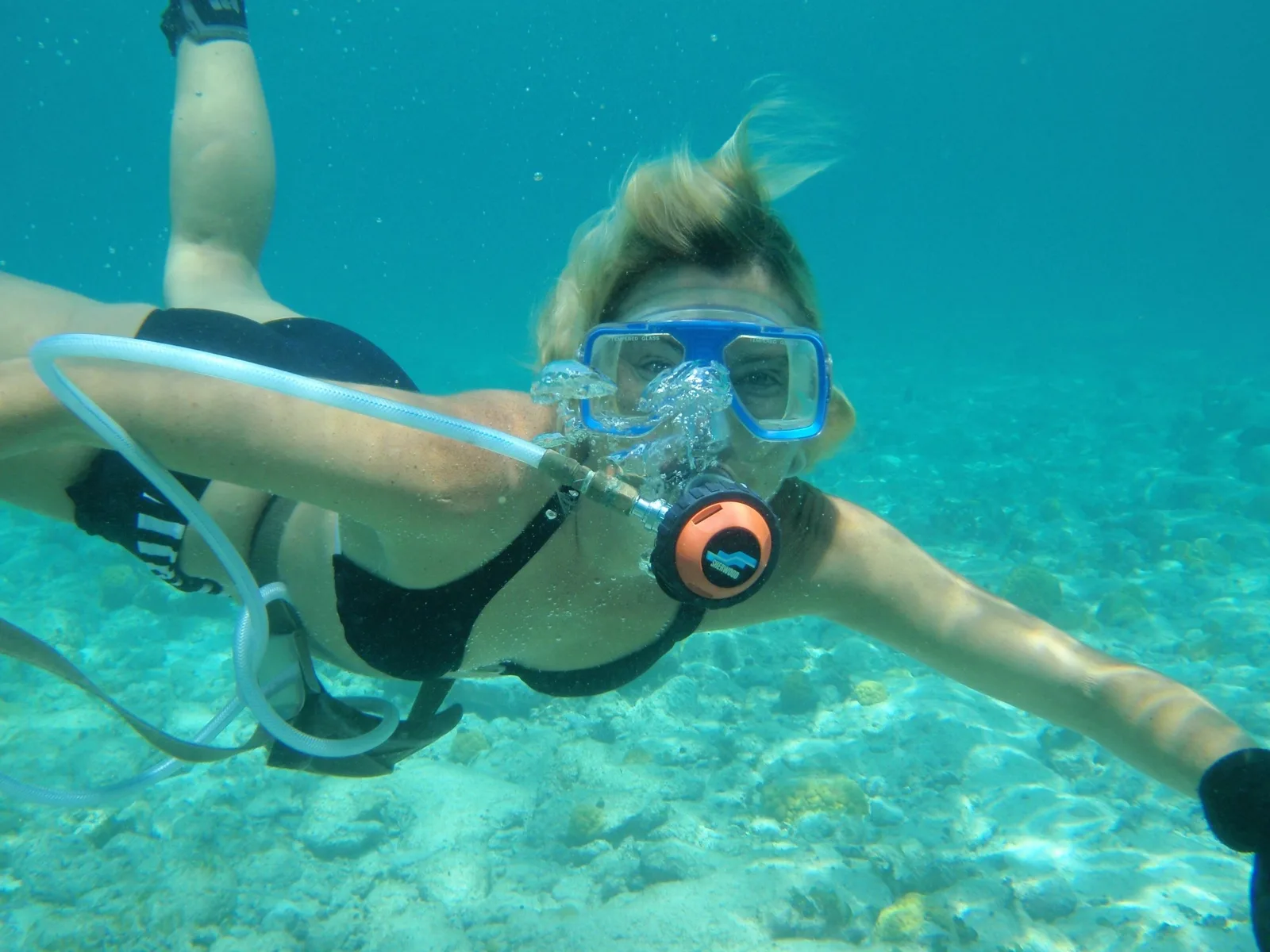
At Tavernier, marine life is part of the reef and wreck setting rather than a single guaranteed encounter. Coral habitat and reef fauna accompany the contours at Pickles Reef, Conch Reef, Davis Reef and Crocker Reef, while the Duane and Eagle provide large artificial structures for life to occupy and divers to inspect. Conch Reef’s protected status helps preserve the habitat and the animals seen there. The emphasis is on looking closely at coral and structure, not on collecting or handling anything. The reef and wreck environments remain available throughout the year, but wind, swell and visibility usually determine how rewarding a particular wildlife dive feels.
Tavernier can be dived throughout the year, but summer into autumn is generally the easier period to plan around. From May to November, calmer seas and more favourable visibility often make reef and wreck schedules more workable. Winter can bring stronger winds, which may change the chosen site or make an exposed wreck outing unsuitable, although it does not close the area systematically. October and November are often quieter than the busiest holiday and summer periods. A five to seven-day stay gives enough room to use good weather for the Duane or Eagle, and keep a flexible day for the reefs when conditions turn.
The shallow reefs suit divers of all levels, including those building confidence with a PADI, SSI or BSAC qualification. The Duane and Eagle require more than basic reef experience: check the planned depth, current and profile with the centre before booking. Advanced Open Water, or an equivalent qualification and suitable experience, is useful for these wrecks. This is not a destination where every diver needs advanced training, but it is one where the itinerary should reflect the gap between a shallow patch reef and a deep wreck.
From London Heathrow, London Gatwick or Manchester, reach South Florida and continue to Tavernier by road. The final approach is along the Overseas Highway, with Miami the main onward gateway described for the area. There is no ferry to arrange and no domestic flight is needed. Once in the Upper Keys, dive boats leave from marinas in Tavernier or Islamorada. Accommodation and departure points are not always beside one another, so allow for a car or a pre-arranged land transfer. Walking between a hotel, dive boat and marina should not be assumed, particularly when the operator uses a different harbour from the one nearest your accommodation.
Book a shallow reef outing early in the stay, before committing the whole plan to the Duane or Eagle. That gives you a useful read on the local sea state and leaves room to move the deeper dives if wind or current changes the programme. Ask specifically about depth, current and the required experience for either wreck, rather than treating an Advanced Open Water qualification as the whole answer. Choose accommodation with the actual departure marina in mind, not just the label Tavernier or Islamorada. Keep a spare day for weather. Use mooring buoys where provided, never anchor on coral, and carry the required dive flag, including for snorkelling. The sanctuary rules matter here: Conch Reef is a Sanctuary Preservation Area, where fishing and collecting are prohibited. Do not touch, feed or remove anything, and do not assume a calm start guarantees suitable conditions farther offshore.
A typical stay is built around daily boat departures, with morning reef dives and, when the local schedule and sea state allow, an afternoon dive. Keep the more exposed reefs and deep wrecks for the best weather window. Between trips, the Keys provide straightforward alternatives: reef snorkelling, kayaking through mangroves, boating, wildlife watching and visits around Key Largo, Islamorada and the surrounding natural areas. A car or land transfer makes this rhythm much easier.
Hello, I'm Marina, DivingDeal.com's AI assistant. I guide you through destinations, areas and countries.
Thinking about the whole trip and the flights? Talk it over with Edith →
Marina is an AI. Some links are affiliate links: DivingDeal may earn a commission, at no extra cost to you. Bookings are made with the partner.
Tavernier can be dived throughout the year, but summer into autumn is generally easier to plan around, with calmer seas and more favourable visibility often supporting reef and wreck schedules. Winter may bring stronger winds, which can change the chosen site or make an exposed wreck outing unsuitable.
Tavernier’s shallow reefs suit divers of all levels, including those building confidence with a PADI, SSI or BSAC qualification. The Duane and Eagle require deeper-wreck experience, so check the planned depth, current and profile with the dive centre. Advanced Open Water or equivalent training is useful for these outings.
Tavernier offers shallow patch reefs, coral formations, drop-offs and substantial wrecks. Pickles Reef and Conch Reef provide coral habitat and reef fauna, while Davis and Crocker add deeper reef terrain. The Duane and Eagle are large artificial structures occupied by marine life, with Conch Reef’s protected status helping preserve its habitat.
Plan around daily boat departures from a Tavernier or Islamorada marina, booking a shallow reef outing early to assess sea conditions before committing to the Duane or Eagle. Keep a flexible weather day, choose accommodation near the actual departure point, and arrange a car or land transfer because hotels and marinas may be separate.