
The Kyalami Scuba Club
Google 5/5 (460 reviews)
United States · Americas
Gulf Stream drift dives, Breakers Reef, offshore wrecks, Goliath groupers and spring turtles make West Palm Beach a boat-diving base with a distinctly moving rhythm.
For subtitles in English: start the video firstthen click the gearat the top right of the video, select “Subtitles/CC”, then “Auto-translate” and choose “English”.
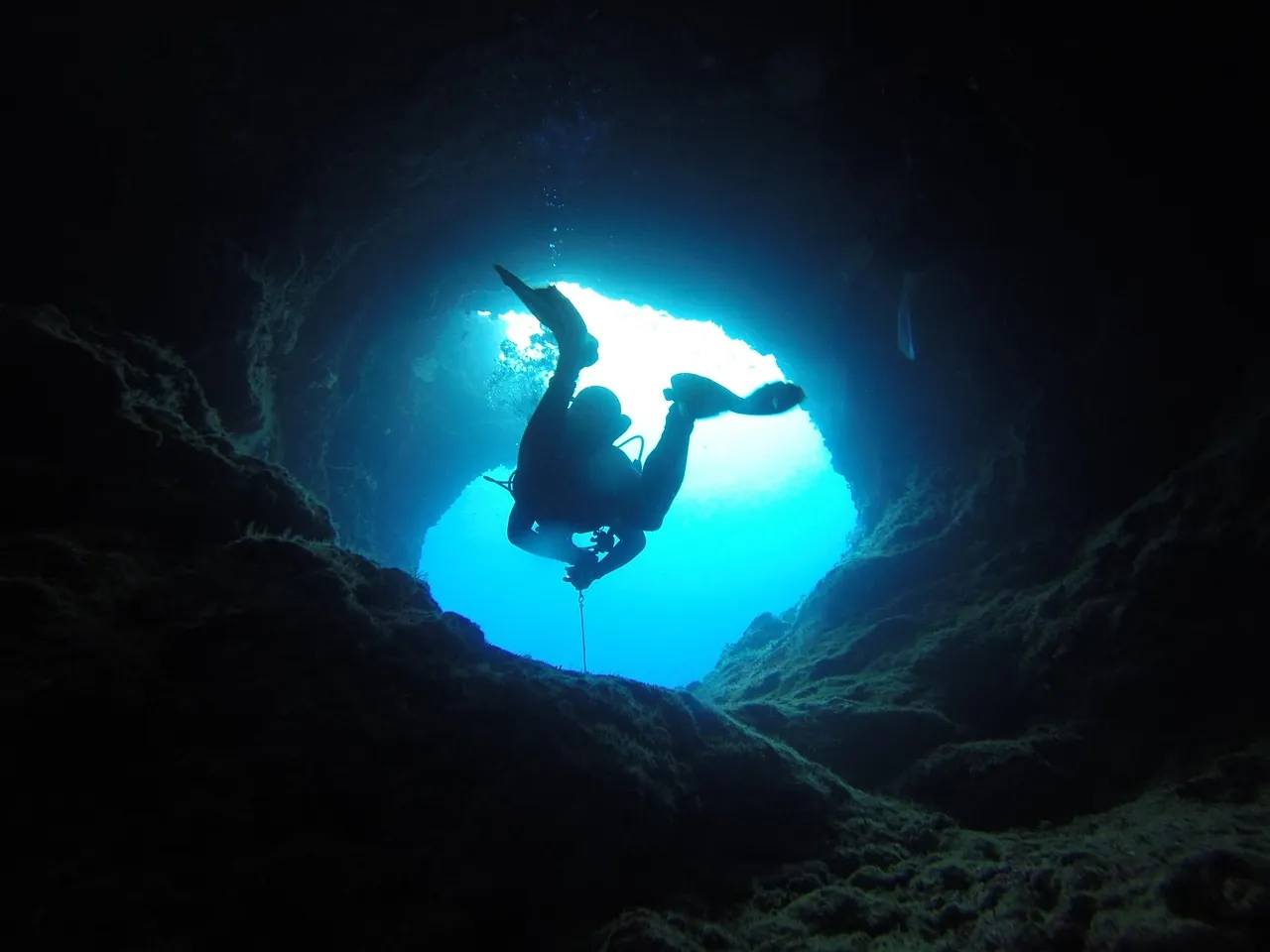
West Palm Beach puts natural reef lines, artificial reefs and offshore wrecks into the same boat programme. The signature is the drift dive: you enter above the reef, let the current carry the group, then surface with a marker for collection. Breakers Reef gives Open Water divers a relatively straightforward introduction, while deeper wreck routes bring Advanced Open Water territory. Goliath groupers, turtles and the occasional reef shark give the moving scenery its point.
Most local dives are not anchored circuits. The boat drops divers above a natural reef, artificial reef or wreck, and the group travels with the current while the boat follows overhead. Natural reefs form linear underwater routes, while the wreck programme adds structures that are generally deeper and may be explored externally or, with suitable training, from inside. Current strength varies, but even a moderate-depth reef can demand a controlled descent and disciplined regrouping. At the end, divers deploy or carry a surface marker, complete the safety stop as planned and are collected after the drift, rather than swimming back to a fixed mooring. Visibility also moves with current, swell, rainfall and coastal conditions, so a clear picture is never something to assume from the site name alone.
Goliath groupers are the dependable headline here, with sightings possible throughout the year. Reef sharks are occasional rather than guaranteed, but add a different scale to the reef and wreck scenery. Spring and summer bring regular encounters with Loggerhead turtles and Green turtles on some reefs, while Hawksbill turtles are an occasional bonus. These animals fit the local style of diving well: the boat releases you above the reef, the current carries you along, and a turtle or large grouper can appear beside the route without any need to chase it. Artificial reefs and wrecks provide further structure for observation, although the marine life is not uniform across every site.
November through June is the usual window for a West Palm Beach diving holiday. The later autumn, winter and spring months generally offer a more settled basis for planning several boat days, while the warmer part of the year can bring more rain, weather disturbances and less consistent visibility. Spring and early summer are especially appealing if turtles are a priority, with Loggerhead and Green turtles regularly present on some reefs and Hawksbill turtles appearing occasionally. Weekends and periods of strong demand can crowd Breakers Reef and the wreck routes, so weekday departures usually make for a less concentrated experience.
Open Water divers can use suitable natural reefs, including Breakers Reef, provided they are comfortable entering directly into a drift dive. Divers trained through BSAC, PADI or SSI should match their qualification to the site rather than treating the whole area as one level. Advanced Open Water, or equivalent experience, is useful for deeper wreck routes. Wreck penetration is a separate matter: confined spaces, possible collapse and navigation inside a structure require specific training and a proper briefing.
From London Heathrow or Gatwick, or Manchester, the practical endpoint is Palm Beach International Airport. From there, West Palm Beach’s dive marinas are reached by road, with departures around Palm Beach, Riviera Beach and Lake Worth. The marine sites themselves are boat-only, so there is no ferry leg or domestic flight to add once you have reached the area. Depending on where you stay, marina access may be on foot in the immediate waterfront districts, or by car, taxi or a centre shuttle where offered. Build the journey around the boat departure time, not simply the accommodation check-in, because every offshore dive starts and finishes at a marina.
Treat the first descent as part of the dive, not as a leisurely warm-up. A negative entry and a firm grasp of the current make sense here, particularly when the boat is placing the group directly above the reef. Keep the guide, your team and the surface marker in sight: the boat follows bubbles and collects divers after the drift, rather than returning to the point of entry. Put a natural-reef day such as Breakers Reef ahead of a deep wreck route if this is your first visit. Before selecting a wreck, establish its depth and whether the plan is an external tour or a penetration. Weekday departures reduce congestion at the popular sites. Plan several boat days, because sea conditions can change the site choice, and keep the final twenty-four hours before flying for land-based activities. Nitrox can be useful on repetitive fifty- to ninety-foot days when your training and the dive plan allow it.
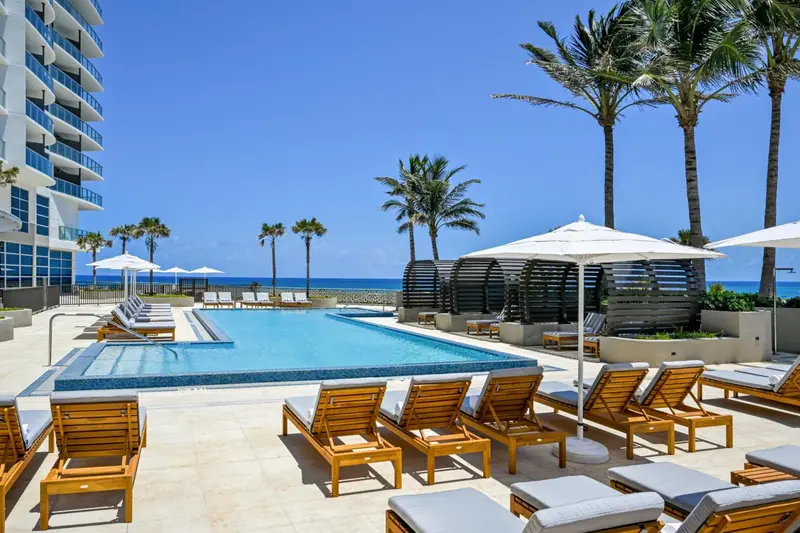
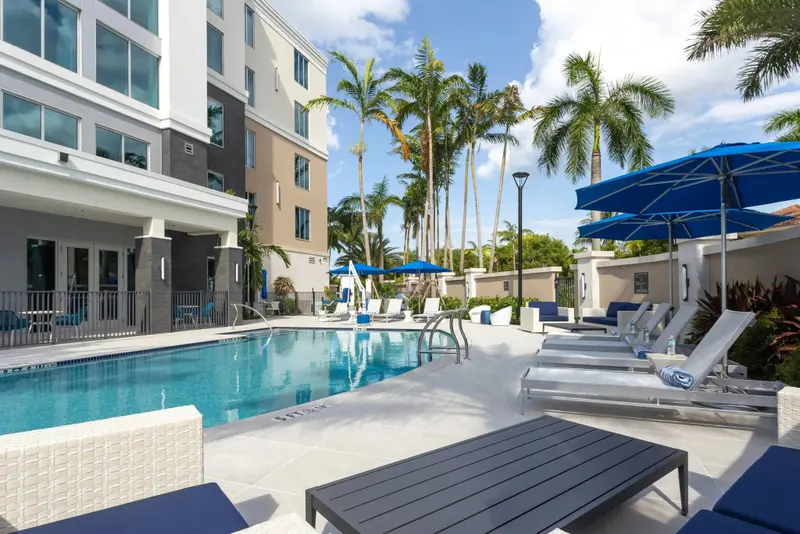
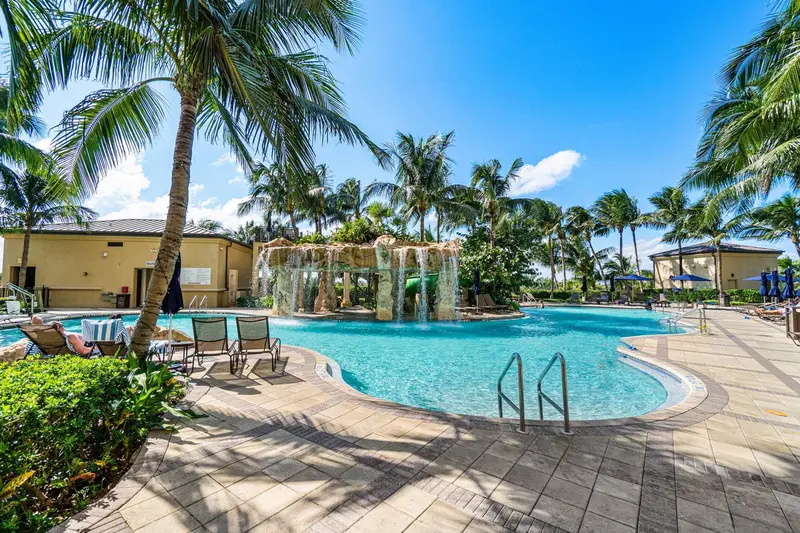
Allow about a week on shore, using several days for boat diving and keeping room to change plans with the sea conditions. Alternate natural reefs, artificial reefs and wreck routes rather than making every day a deep one. Palm Beach, West Palm Beach, Riviera Beach and Lake Worth all form part of the local accommodation and marina pattern, so transport needs checking against the exact departure point. Non-divers have beaches, waterfront walks, parks, nature areas, boating and urban attractions across Palm Beach County.
Hello, I'm Marina, DivingDeal.com's AI assistant. I guide you through destinations, areas and countries.
Thinking about the whole trip and the flights? Talk it over with Edith →
Marina is an AI. Some links are affiliate links: DivingDeal may earn a commission, at no extra cost to you. Bookings are made with the partner.
Choose West Palm Beach between November and June, when later autumn, winter and spring generally provide a more settled basis for several boat days. Spring and early summer suit you if turtles matter, with Loggerhead and Green turtles regularly present on some reefs. Rain, weather disturbances and visibility can be less consistent during warmer months.
Open Water divers can dive suitable natural reefs, including Breakers Reef, if you are comfortable entering directly into a drift dive. Advanced Open Water or equivalent experience is useful for deeper wreck routes. Wreck penetration requires separate training, because confined spaces, possible collapse and internal navigation demand appropriate skills and a detailed briefing.
West Palm Beach combines natural reef lines, artificial reefs and offshore wrecks explored by boat. Goliath groupers may appear throughout the year, while Reef sharks are occasional encounters. Spring and summer bring regular Loggerhead and Green turtle sightings on some reefs, with Hawksbill turtles appearing occasionally. Wrecks and artificial reefs add structure for observation.
Plan around boat departure times and the exact marina, since sites are reached only by boat. Allow about a week ashore, with several boat-diving days and flexibility for changing sea conditions. Alternate natural reefs, artificial reefs and wrecks, begin with Breakers Reef if appropriate, and leave the final twenty-four hours before flying for land-based activities.