Santa Cruz · Azores · Atlantic
Max. depth · 18 mArcos da Caloura, Santa Cruz: Exploring Azores' Volcanic Arches
Descend into the intricate volcanic arches of Arcos da Caloura, where sunlight filters through ancient rock formations between 5 and 18 metres, revealing a vibrant reef ecosystem.
What makes this site special
- Exploring natural underwater arches and caverns
- Max depth of 20 metres for extended bottom time
- Intricate volcanic rock formations
- Dense schools of dusky groupers
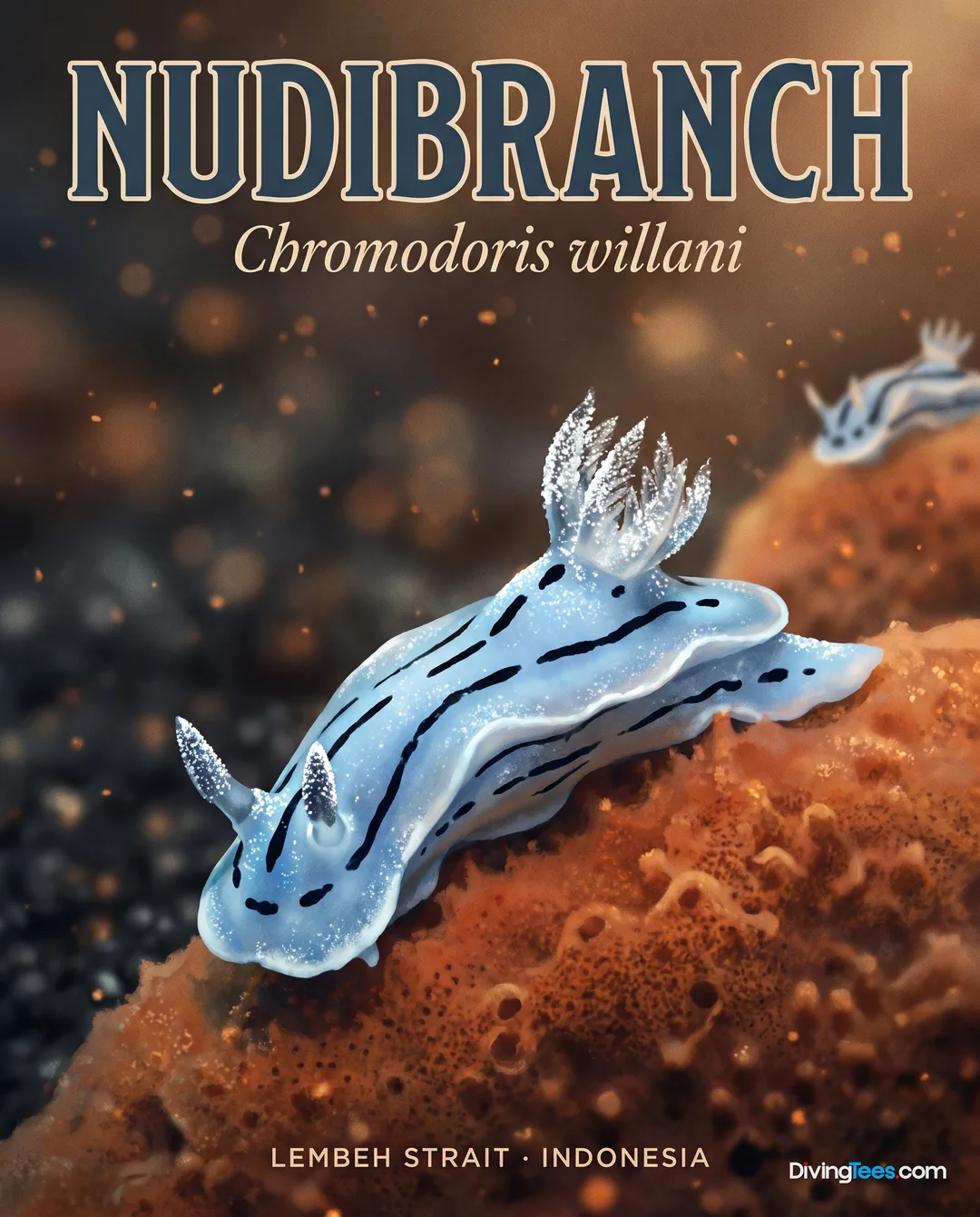
- Numerous nudibranch species in cave ceilings
- Diverse reef fish including white trevally and moray eels
For subtitles in English: start the video firstthen click the gearat the top right of the video, select “Subtitles/CC”, then “Auto-translate” and choose “English”.
Arcos da Caloura about the site
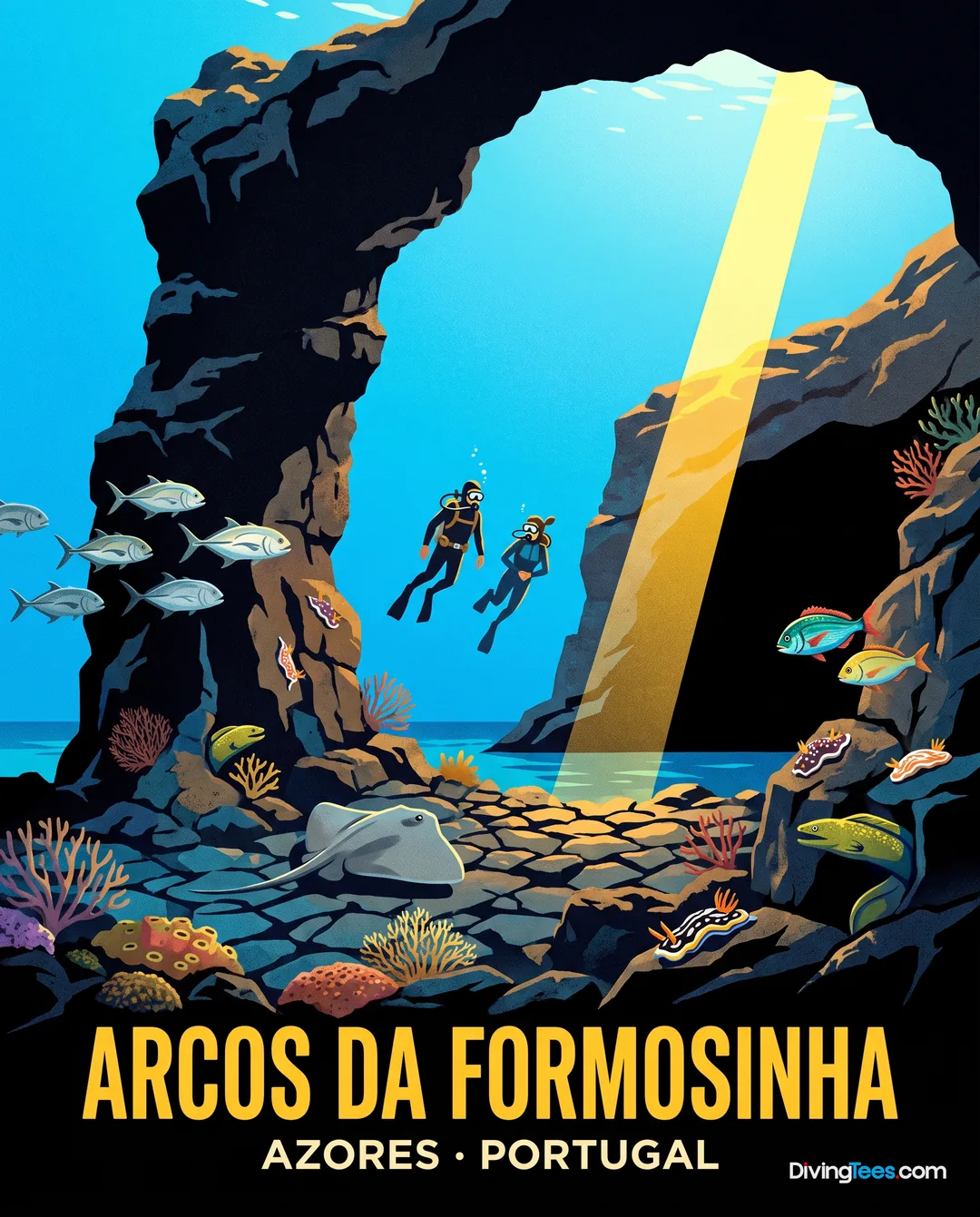
Your dive at Arcos da Caloura begins in the shallow plateau around 5 metres, a sheltered area that quickly transitions into the site's defining feature: a series of impressive underwater arches. These formations, carved by millennia of volcanic activity and the Atlantic's persistent force, create a submerged landscape that feels more like an ancient ruin than a typical reef. Sunlight penetrates the shallower sections, casting dynamic patterns of light and shadow across the rugged rock faces and illuminating the resident organisms.
As you navigate through these natural passages, you'll find yourself moving between distinct features that guide your exploration. The architectural complexity of the arches and small caverns provides shelter and a varied habitat, making for an engaging journey. Keep your focus on the rock walls and crevices, where you'll discover various invertebrates and smaller reef fish seeking refuge, adding detail to the larger geological spectacle.
The site's topography includes a shallow plateau that gradually drops to a maximum depth of 20 metres, allowing for extended bottom time to fully immerse yourself in the environment. This depth profile makes it an excellent location for thorough exploration of the arches and the marine life that congregates around them. The way the arches frame the open ocean offers unique perspectives, drawing your eye towards the blue where larger species might occasionally pass by.
Arcos da Caloura is particularly noted for an imposing cave system, with entrances situated around 16 metres. Inside these caves and around the archways, you'll frequently encounter dense schools of dusky groupers and other reef fish. The ceilings of these formations are heavily colonized by numerous nudibranch species, making it a rewarding spot for macro photography and detailed observation.
The marine life here is diverse, with species like white trevally, moray eels, and Guinean puffers commonly observed. You'll also find rainbow wrasse, wide-eyed flounder, and ornate wrasse moving across the reef. Salema porgy and Azores chromis add to the vibrant schools, while parrotfish and blacktail comber contribute to the reef's activity, creating a dynamic underwater scene.
While many Azorean sites are known for dramatic walls or pelagic encounters, Arcos da Caloura offers an intimate exploration of intricate underwater architecture. It stands out for its blend of geological formations and marine habitat, where the landscape itself is a primary draw. This site invites repeat visits to uncover new perspectives and observe subtle changes in its resident population, from the smallest nudibranch to the larger reef inhabitants.
Access to Arcos da Caloura is typically by boat, a journey of about 15 minutes from Vila Franca do Campo marina or approximately 30 minutes from Ponta Delgada marina. The site's location within a sheltered bay, roughly 300 metres from the shore, generally implies calmer conditions. However, like many exposed locations in the Azores, conditions can vary with swell and weather, and strong currents are possible, particularly with tidal changes.
Diving Arcos da Caloura: the marine life you’ll meet
Diving conditions
Arcos da Caloura is accessible for all levels of certified divers, with depths ranging from a minimum of 5 metres to a maximum of 20 metres. Penetration into the cave system is reserved for appropriately trained and guided divers. While the bay is generally sheltered, currents can be variable and occasionally strong, especially with swell and weather changes. Divers should be prepared for potentially dynamic conditions.