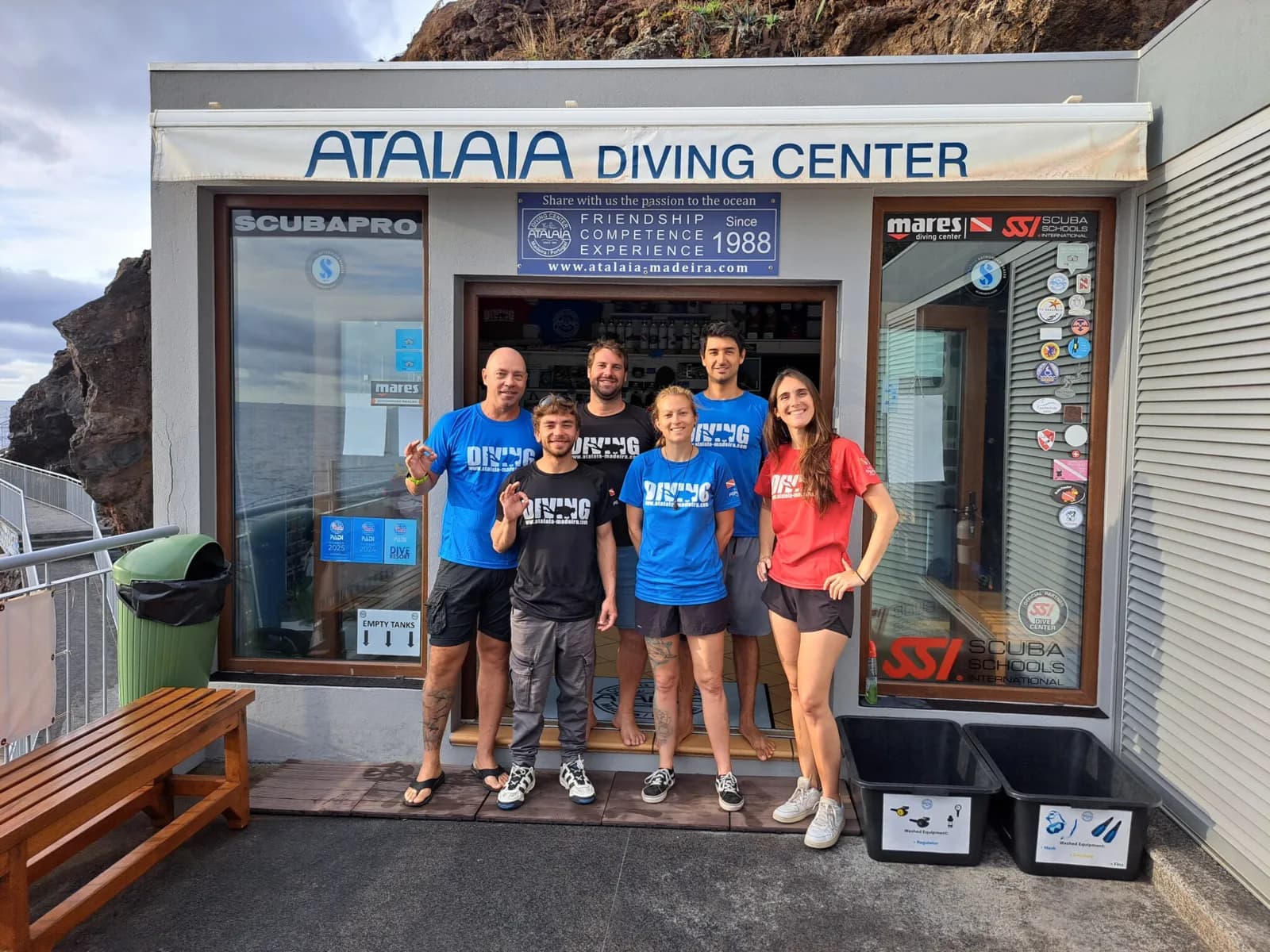

Atalaia Diving Center
★ 5/5 (473 reviews)
2 km away as the crow flies
Portugal · Atlantic
Volcanic walls, a narrow grotto, dusky groupers and exposed drops to 40 metres give Madeira a distinctly Atlantic alternative to tropical reef holidays.
Madeira suits divers who prefer a proper island holiday with diving fitted around it, rather than a liveaboard routine. The underwater landscape is volcanic rock: walls, ledges, caves and sandy floors, with short boat runs from the coast and several shore-accessible options. Garajau Wall combines shallow formations with a deeper descent to 30 metres, while the Blue Hole adds a narrow tunnel. Wrecks are part of the Funchal-area mix, but not the whole reason to come.
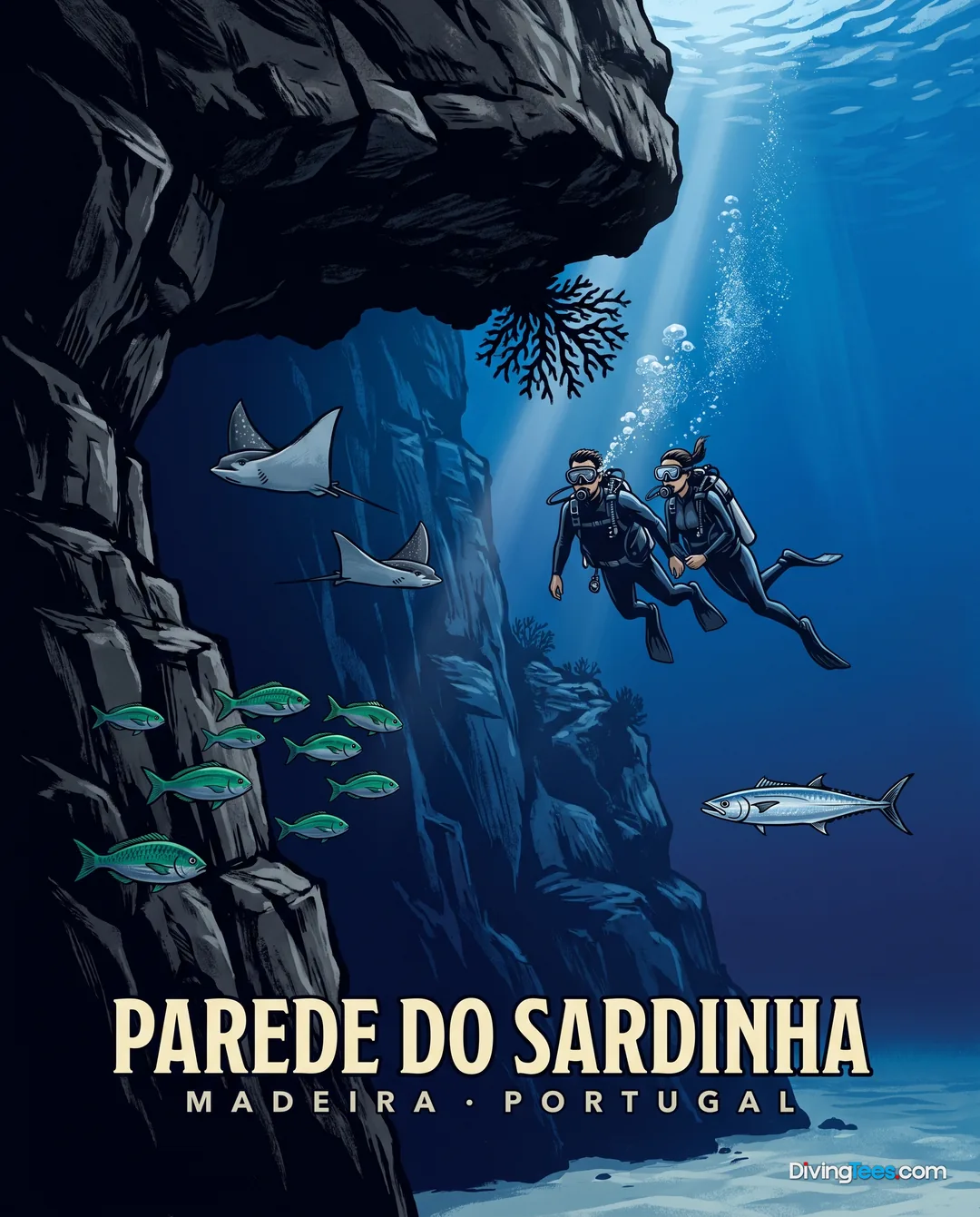
Most dives take place over volcanic reef and rock, with the exact site choice governed by exposure and sea state. Sheltered south-coast locations are the practical starting point; more exposed areas can become unsuitable when swell or tidal flow picks up. Garajau Wall begins in shallow rock and falls to 30 metres, allowing a shallower profile or a deeper wall dive. Blue Hole reaches 19 metres through a grotto entered from about eight metres, where buoyancy and calm movement matter. Parede Do Sardinha is a different proposition: a steep wall from 15 metres to a sandy floor at 40 metres, with changing conditions around Ponta de São Lourenço. Visibility is commonly described as 10 to 30 metres at Garajau Wall, while the wider destination is best treated as condition-dependent rather than guaranteed.
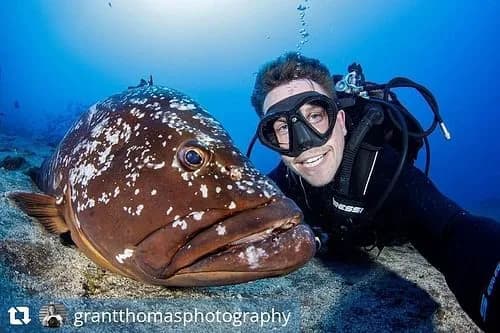
Madeira's animal encounters fit its Atlantic volcanic setting rather than a tropical coral-reef template. Moray eels are among the familiar residents to look for in cracks and volcanic rock. Garajau Wall is noted for dusky groupers living around the protected wall, giving divers something substantial to watch while following the contour. Parede Do Sardinha can bring the possibility of rays and kingfish, although its exposed position makes the conditions as important as the wildlife. Schools of fish gather around the Blue Hole's grotto, alongside larger resident species. These encounters are not tied to a documented migration calendar; they are part of the resident and occasional marine life found through the year, with site choice and sea state shaping what a particular dive delivers.
Madeira is diveable throughout the year, but May to October is the sensible window for a first visit. Late spring through early autumn generally brings calmer sea conditions, easier surface intervals and more predictable boat operations. August and September are specifically associated with the better visibility reported at Garajau Wall, where figures of 10 to 30 metres are given. The main holiday months bring more people to convenient sites near Funchal and the south coast, though overall crowding remains manageable. A five- to seven-day trip works well because it leaves room to move exposed dives to a better-weather day rather than forcing the itinerary around one departure.
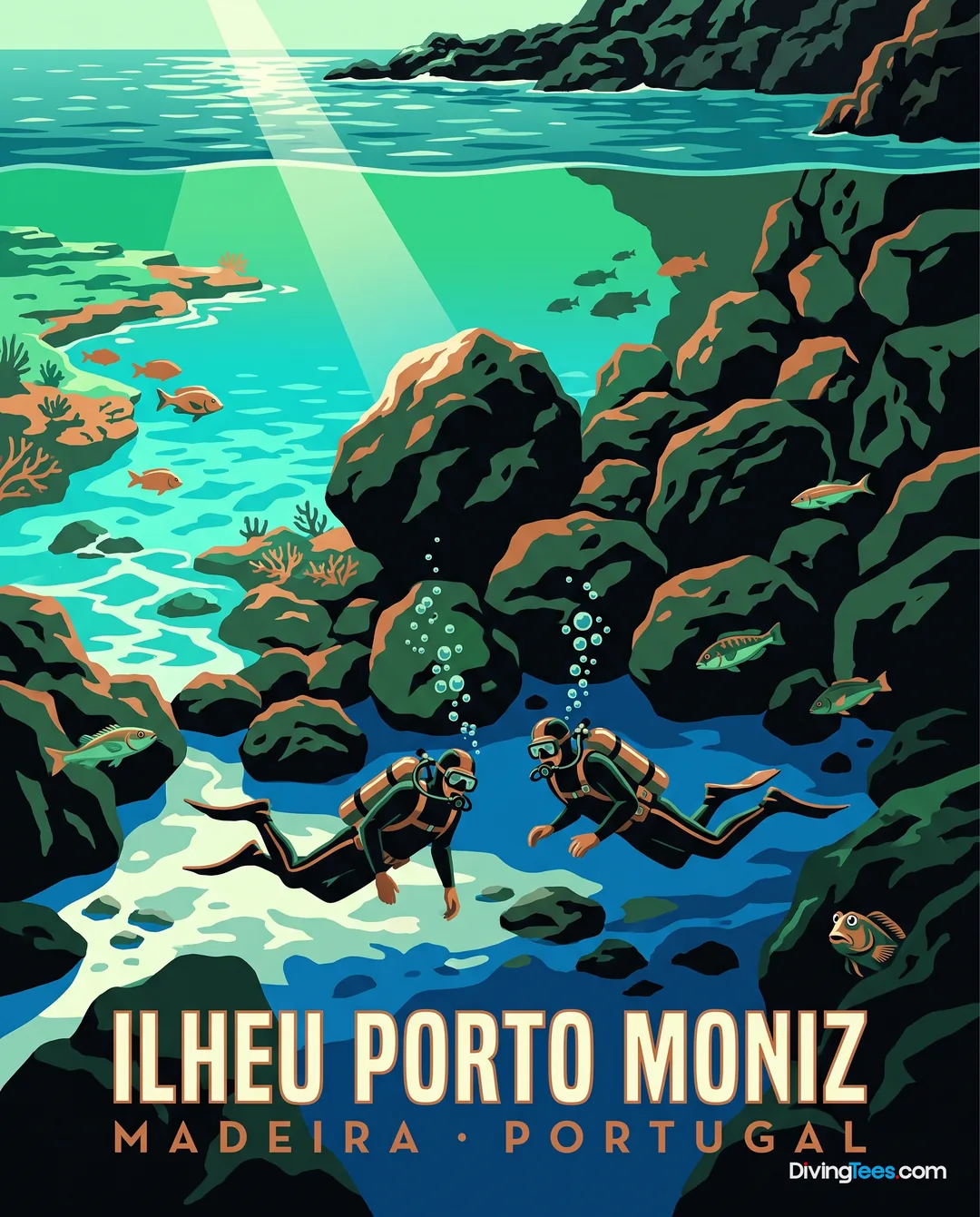
Madeira works for all levels, provided the site matches the diver's experience. Open Water divers can use the shallow parts of Garajau Wall, Cave and Ilhéu De Porto Moniz. Cave is especially suitable for a refresher, with a confined shallow environment down to 10 metres. Advanced Open Water is useful for deeper wall work and Blue Hole's tunnel, where buoyancy control is important. Parede Do Sardinha reaches 40 metres and calls for genuine comfort with depth, walls and changing conditions. Nitrox is useful for repetitive diving.
From London Heathrow, London Gatwick or Manchester, Madeira is reached by international flight to Funchal; the flying time from Western Europe is typically about three to five hours, followed by the island's road transfer to the chosen dive centre or coastal town. There is no ferry requirement for the main diving areas on Madeira itself. Once there, a short taxi, road transfer or walk is normally enough when accommodation is near the centre. A different arrangement applies when adding Porto Santo or the Desertas: a boat crossing becomes part of the journey, and weather can affect both outer-island connections and departures. The south coast is the straightforward base, with most centres and the more reliable access concentrated on the island's sheltered side.
Build the trip around the south coast first, then use the calmest day for exposed sites such as Parede Do Sardinha. Madeira is not one uniformly sheltered bay: north and south can behave very differently, and a fixed single dive day leaves little room when swell changes the plan. Leave buffer days if Garajau Wall, an outer-islet outing or another exposed site matters to the trip. Pack for repetitive Atlantic diving, including a hood and warmer exposure protection rather than relying on light tropical kit. Treat Madeira as a place where a familiar coast can look different from one day to the next, not as a one-dive checklist. Divers expecting long coral gardens should reset that expectation before travelling; the appeal is volcanic rock, walls, caves and Atlantic fish life. Keep a non-dive day available for the island's roads, cliffs and levadas if the sea state closes the more ambitious plan.
A five- to seven-day land-based stay gives enough time for repeat dives on the south coast, a weather reserve and a day away from the water. Staying close to the chosen dive centre keeps daily transfers short; a taxi or brief road journey covers the rest. Non-divers have plenty to do, from Funchal and coastal boat trips to levada walks, cliff viewpoints and wider island sightseeing. The final day should remain conservative before flying, with the island's scenery providing an easy alternative to another dive.
Hello, I'm Marina, DivingDeal.com's AI assistant. I guide you through destinations, areas and countries.

Thinking about the whole trip and the flights? Talk it over with Edith →
Marina is an AI. Some links are affiliate links: DivingDeal may earn a commission, at no extra cost to you. Bookings are made with the partner.
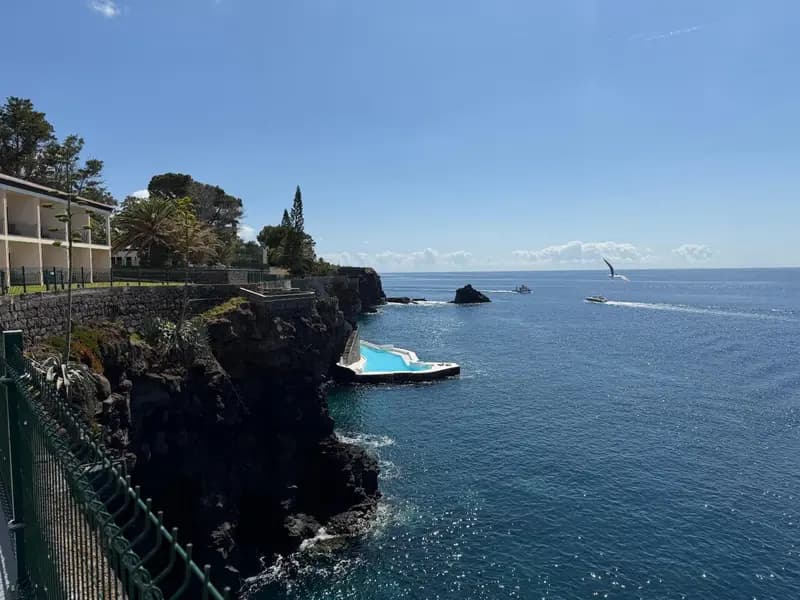
★★★★★
★ 9.7/10 (534 reviews)
6.8 km away as the crow flies
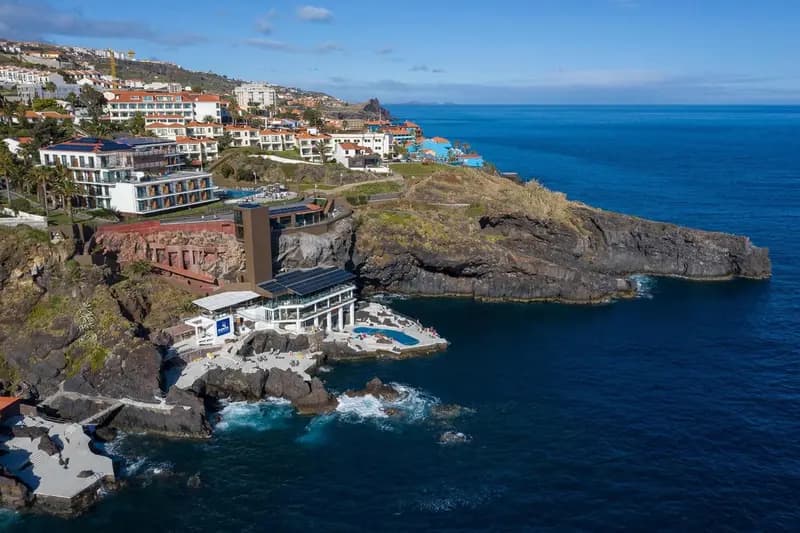
★★★★
★ 9/10 (1,206 reviews)
1.9 km away as the crow flies
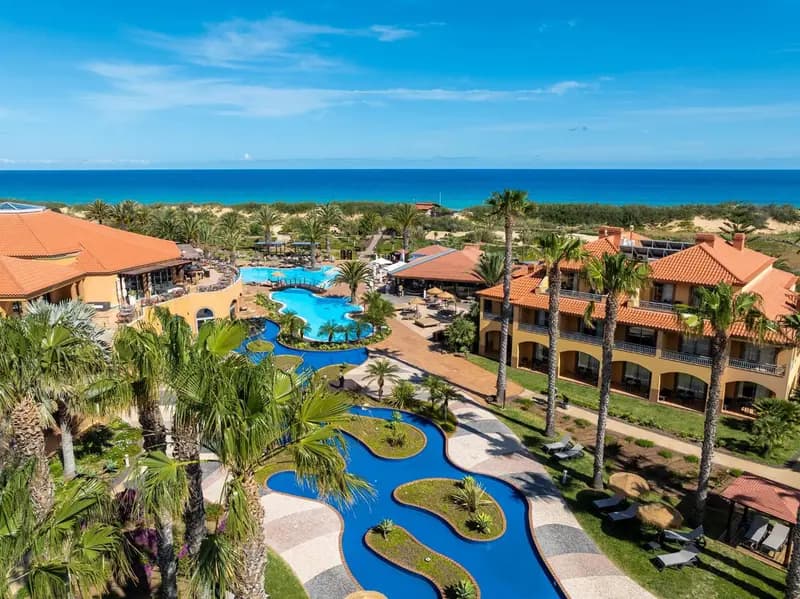
★★★★★
★ 9/10 (1,076 reviews)
62 km away as the crow flies
★★★★★
★ 8.8/10 (1,754 reviews)
7.8 km away as the crow flies
Your last day stays dry: no diving in the 18-24 hours before a flight the perfect window to see the destination from another angle.
 Culture
⏱ 3 h · ★ 5.0 (187 reviews)
from €70
see on Viator ↗
 Nature
⏱ 3 h · ★ 5.0 (182 reviews)
from €175
see on Viator ↗
 City
City⏱ 2 h · ★ 5.0 (174 reviews)
from €95
see on Viator ↗
 Nature
⏱ 7 h · ★ 5.0 (174 reviews)
from €55
see on Viator ↗
Ratings and reviews collected by Viator and Tripadvisor.