Liveaboards · Bahamas
Blackbeards Morning Star — a no-frills Bahamas dive boat built around the diving
What makes this boat unique
- A budget liveaboard from Nassau to Nassau, with seven days and six nights aboard.
- Dormitory-style single-space and double-space bunks share three bathrooms and showers.
- The boat takes up to 24 passengers and is especially suited to solo divers who enjoy a communal trip.
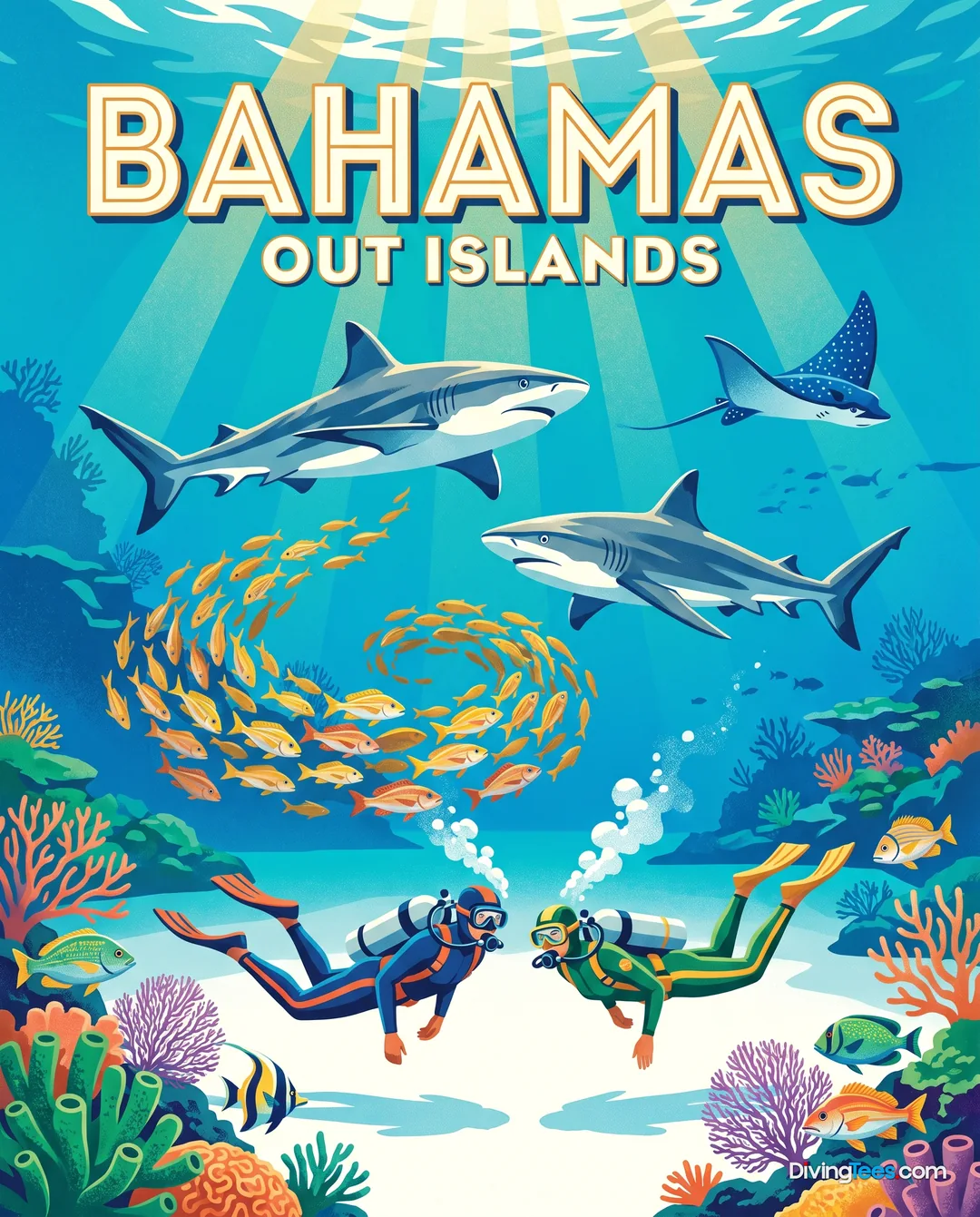
- The diving includes wrecks, blue holes, reefs and shark encounters around Nassau.
- Tanks, weights, meals, snacks, Wi-Fi and shore excursions are included; rental gear and nitrox are optional extras.
For subtitles in English: start the video firstthen click the gearat the top right of the video, select “Subtitles/CC”, then “Auto-translate” and choose “English”.
The invitation
Blackbeards Morning Star is for the diver who puts the money into the dives, not the cabin. The fare sits at the budget end of the Bahamas liveaboard range, and the accommodation is a shared dormitory rather than a private retreat. That trade is clear from the start: less personal space, more time in the water and a lower-cost way to reach Nassau’s wrecks, blue holes and shark sites. Solo travellers fit naturally here because the boat is built around shared bunks, shared meals and shared dive stories. The strongest scores belong to the crew, food, diving and value rather than the hull itself. That is the useful reading of the boat: Morning Star is an older, practical platform whose people and dive operation carry the week. Come aboard for straightforward Bahamas diving, a close-knit group and four dives on the days when the itinerary allows it—not for polished yacht living.
Boarding
At the dock, Morning Star presents as a working dive boat rather than a floating hotel. The layout is compact, with the dive deck and platform at the centre of daily life and the living areas close enough that passengers quickly learn who is aboard. A single Ford Lehman engine drives the boat, so underway is part of the experience rather than something hidden behind a quiet machinery space. The boat was built in 1983, and its character comes from that working history: practical spaces, straightforward finishes and no attempt to disguise the fact that divers are here to get wet. Boarding is simple. Gear gets organised, the safety briefing comes before departure, and the boat heads out from Nassau toward the Central Bahamas. Morning Star suits people who would rather accept an older hull in exchange for an accessible week of diving.
The atmosphere on board
Morning Star’s atmosphere is made by the people more than by the vessel. The crew scores especially strongly, and the names that come back are Karen in the galley and Sarah, the assistant captain. Their role is practical and visible: food appears when divers need it, the boat keeps moving, and the day’s small problems are handled without making them the centre of attention. With up to 24 passengers sharing bunks, bathrooms, meals and dive spaces, privacy is limited but conversation is easy. Solo divers do not arrive into a private-cabin culture; they enter a group that forms around the water, the table and the evening’s retelling of what passed below. The boat’s social strength is the counterweight to its older, simpler hull. People remember the care and camaraderie because those are what shape every day aboard.
The sites you’ll dive
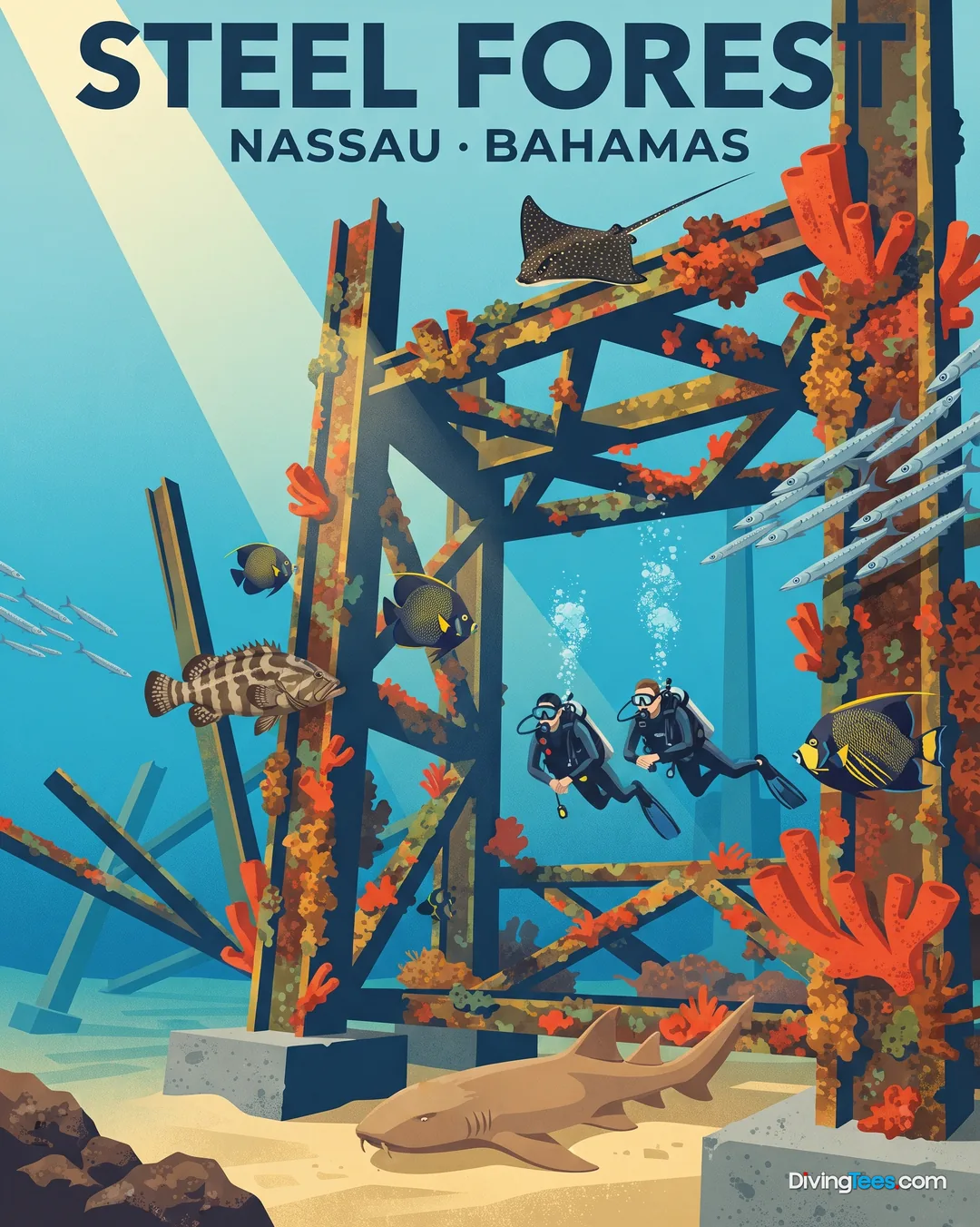
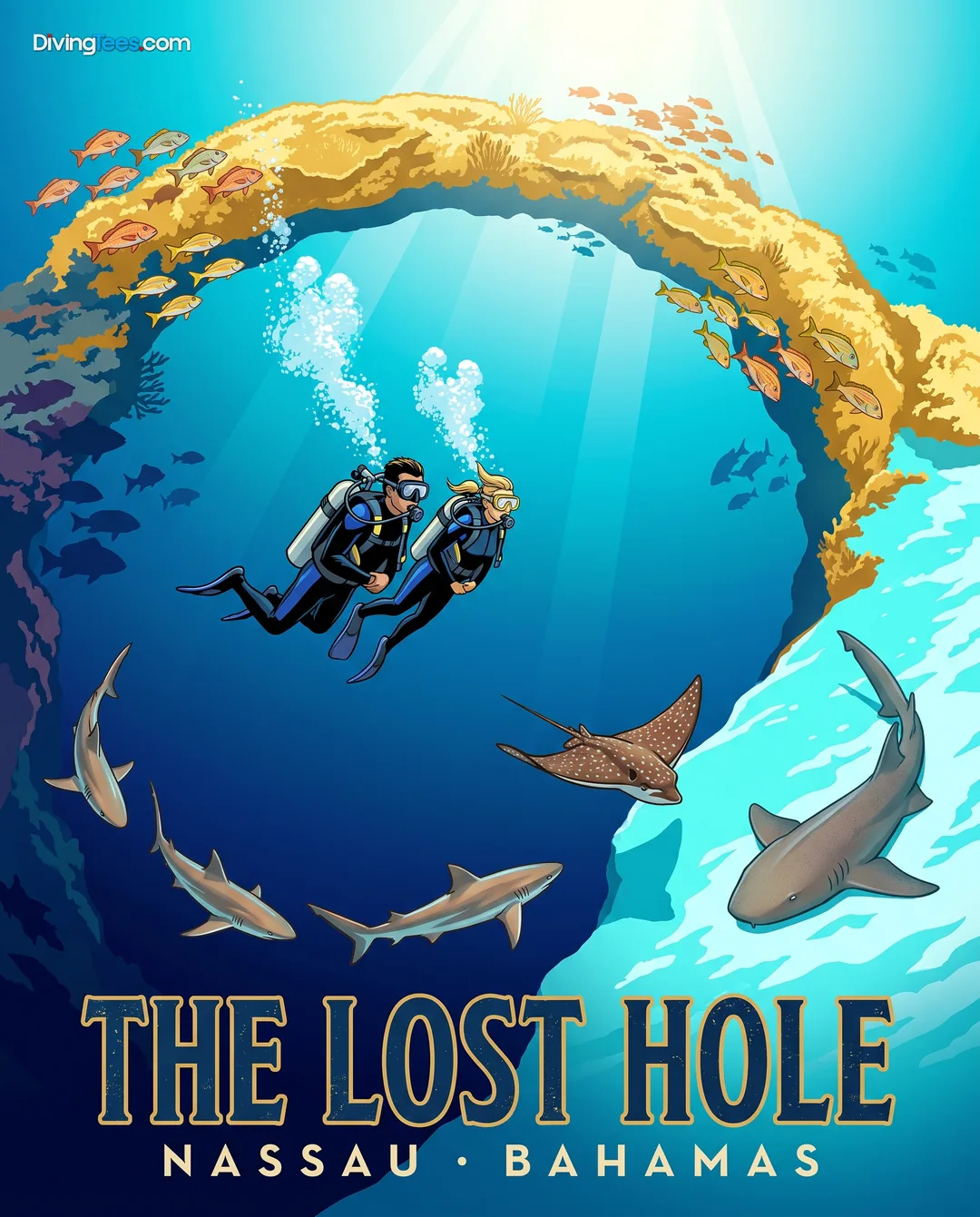
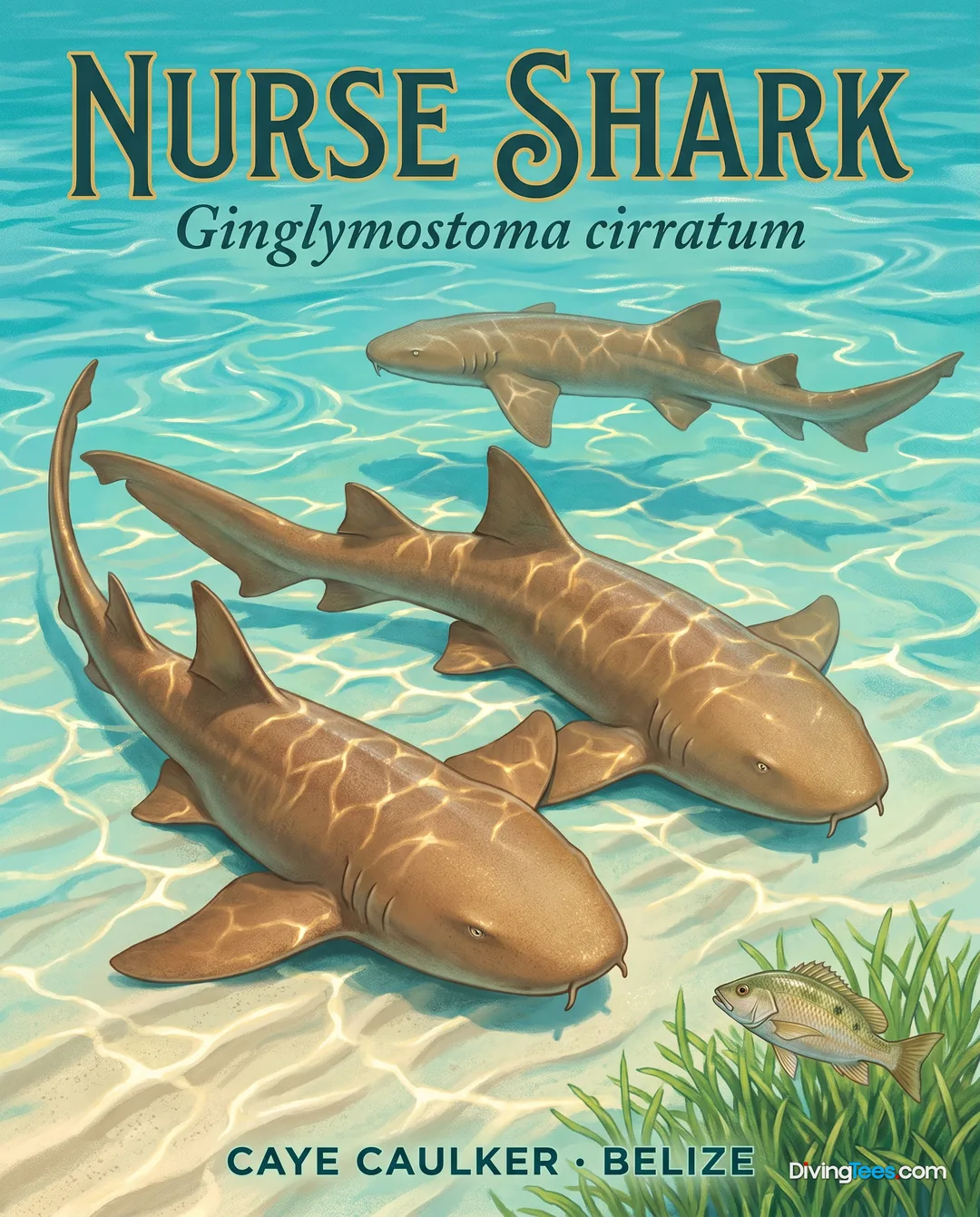
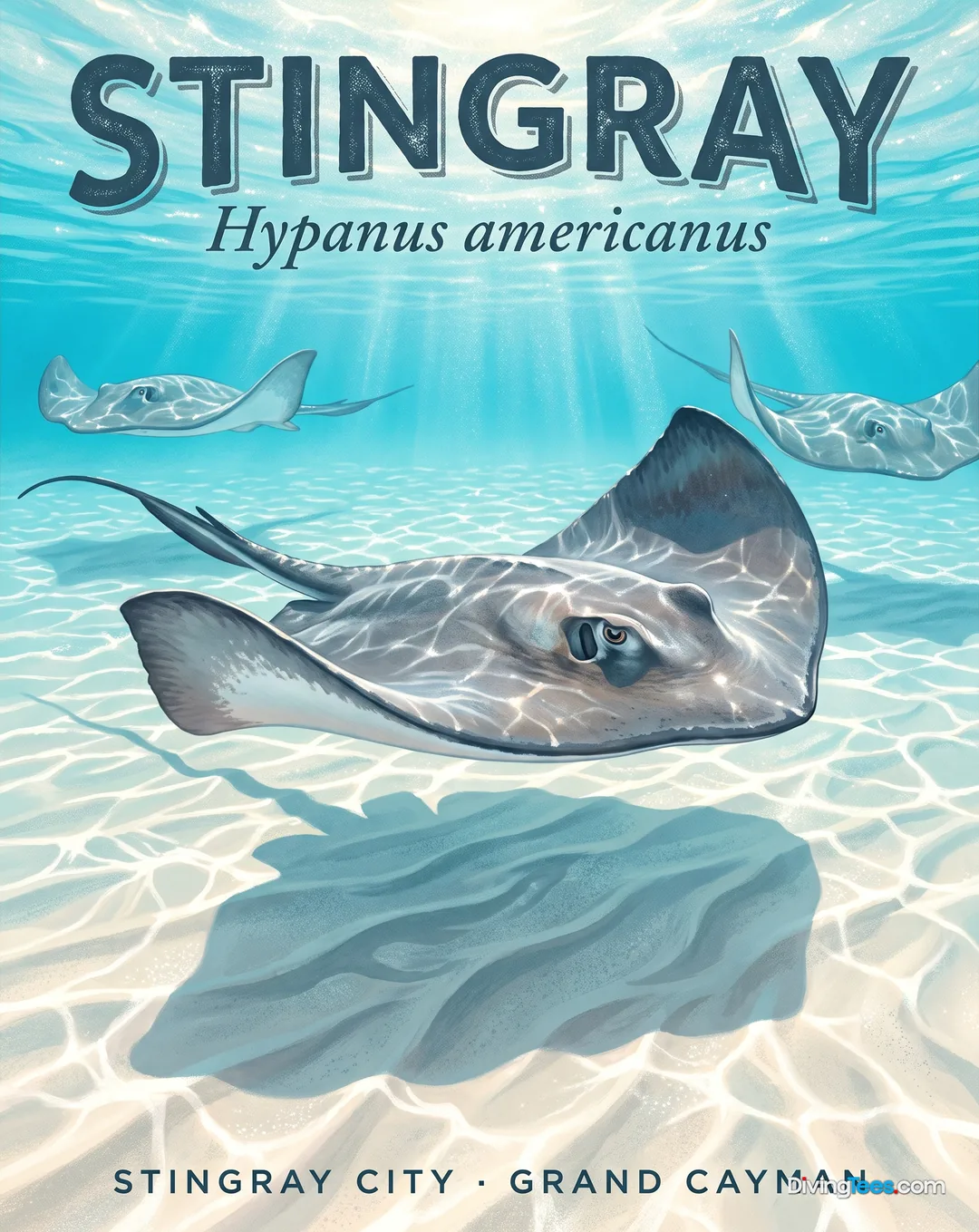
The route is Blackbeard’s The Best of the Bahamas, a seven-day, six-night round trip from Nassau. At Steel Forest, the descent reaches a trio of wrecks where steel structures sit beside the sharp drop-off of the Tongue of the Ocean; the site reaches -33m and can bring Caribbean reef sharks, nurse sharks and southern stingrays into the same wide view as the wrecks. The Lost Hole changes the geometry completely. Off Nassau, the reef rim falls toward a deep oceanic blue hole, with the descent reaching -60m and Caribbean reef sharks patrolling the blue void. This is a route for divers who want more than one Bahamas signature: wreck structure at Steel Forest, the vertical pull of a blue hole at The Lost Hole and the possibility of sharks at both. Weather and the final itinerary determine what is reached.
What you’ll meet underwater
Caribbean reef sharks and nurse sharks are the large presence on this route, with southern stingrays, eagle rays and large pelagic fish adding movement over the reef and blue water. Nassau groupers, yellowtail snappers, blue tangs and parrotfish fill the closer reef scenes, while moray eels may hold in the structure. The site-specific animals give each dive its own reason. Steel Forest is the place for green turtles, moray eels and parrotfish, alongside the wrecks and drop-off. The Lost Hole is where eagle rays and large pelagic fish may cross the blue space, with Caribbean reef sharks patrolling the deep opening. These are sightings, not appointments: the attraction is the setting that gives each animal a chance to appear, from steel wreckage at Steel Forest to the deep void at The Lost Hole.
Who puts you in the water
The crew speaks English, and Sarah serves as assistant captain. The operation is organised around the crew’s dive briefings and the group’s experience, but no fixed guide-to-diver ratio or guide roster is given. The boat welcomes divers travelling alone, pairing the social side of the trip with shared diving rather than requiring a private buddy arrangement. Tanks and weightbelts are supplied, while rental gear and diving instruction can be arranged as optional services. The available information does not establish which certification courses run on this specific trip, so Morning Star should be chosen for its regular Bahamas diving rather than booked around a course. Oxygen, first-aid kits, fire alarms, extinguishers, a VHF/DSC/SSB radio, radar, sonar, GPS, an emergency beacon and life rafts form the safety equipment behind the operation.
The dive deck and the gear
The dive deck is a working platform with a dedicated dive station, gear rinse tanks and a separate camera rinse. DIN adapters are available. The tender is an 11-foot boat with a 15-horsepower outboard, used to move divers between Morning Star and the sites when the operation calls for it; divers return to the main boat through the dive platform. The deck is built for repeated entries rather than ceremony, with equipment kept close to the water and a hot shower available after dives. Tanks and weightbelts are part of the dive package. Rental equipment can be arranged, but the available gear list and brands are not detailed here. Nitrox is not listed as a standard feature for Blackbeards Morning Star, so divers should not assume enriched air is included. The boat carries oxygen and first-aid kits, with additional safety equipment aboard.
Between dives
Between dives, people spread through the salon, the outdoor dining area and the deck rather than retreating into large private spaces. The salon is air-conditioned, with audio and video entertainment, while the boat’s Wi-Fi gives passengers a way to handle messages when connected. Shore excursions are part of the trip, offering a change from the dive deck without turning the week into a sightseeing cruise. The useful luxury here is simply having somewhere to sit with a drink, dry equipment and let the surface interval pass. The boat is designed for diving, so the quiet hours remain close to the next briefing and the next entry into the water.
A day on board
Boarding starts at noon on Saturday. After check-in, lunch, unpacking and the safety briefing, the boat leaves Nassau and heads toward the Central Bahamas; on longer summer days, a check-out dive may be offered on arrival in the Exumas. From Sunday through Wednesday, the working rhythm is three daytime dives and one night dive each day and night in the Exuma Cays and/or Eleuthera. Thursday brings two daytime dives before the boat returns toward Nassau in the afternoon, with the final night spent in port and dinner served aboard. That gives the week a clear shape: first dive, surface interval, second dive, food, another descent, daylight fading, then the night dive when scheduled. Friday is disembarkation morning, with the boat left by 9:00am.
What you eat aboard
Karen runs the galley, and her cooking is one of the reasons this boat stays in people’s memories. Meals are served buffet-style, with Western and local dishes, vegetarian and vegan choices, non-alcoholic drinks, tea and coffee, and snacks available through the day. Wine is served with dinner; beer is available aboard. The timing matters more than the presentation on a four-dive day: food has to be ready when divers climb the ladder hungry, not when a dining-room timetable says it should be. The table is part of the recovery cycle—eat, drink, dry off, check the next site and do it again. There is also outdoor dining, so meals need not be taken in the air-conditioned salon every time.
Nights at sea
The cabins are air-conditioned and arranged as single-space or double-space bunks, with shared bathrooms and showers rather than en-suite facilities. This is dormitory accommodation: enough room to sleep, stow the essentials and recover between dives, but not a private suite where a diver can disappear for the week. The shared layout is part of the boat’s social character. You hear people moving toward the dive deck, returning from the water and comparing notes in the spaces between cabins. Three bathrooms serve the boat, so considerate timing matters after a dive. Cabins are non-smoking. For a diver travelling alone, the arrangement removes the awkwardness of finding a private room on a budget trip; for a couple or friends, it means accepting communal accommodation even when the diving is the reason for booking.
Single Space Bunks
Double Space Bunks
What to know before boarding
Blackbeards Morning Star departs from Nassau and returns to Nassau. Airport-to-dock ground transfers can be arranged separately and are not included. Boarding is on Saturday at noon, so arriving in Nassau the night before is the sensible way to protect the start of the trip from a delayed flight. The boat returns Thursday afternoon, with disembarkation on Friday morning.
- Year built
- 1983
- Length
- 19.8 m
- Beam
- 5.8 m
- Maximum number of passengers
- 24
- Number of cabins
- 6
- Number of bathrooms
- 3
- Engines
- 1 Ford Lehman
- Cruising speed
- 8 knots
- Tenders
- 1 3.4 m with 15 hp outboard
- Website
- allstarliveaboards.com ↗
Hello, I'm Marina, DivingDeal.com's AI assistant. I answer in detail about hotels, dive centres and liveaboards.

Thinking about the whole trip and the flights? Talk it over with Edith →
Marina is an AI. Some links are affiliate links: DivingDeal may earn a commission, at no extra cost to you. Bookings are made with the partner.