
Made in Water Excursions - Snorkelling, Underwater photos and Diving in Bahamas
Google 5/5 (232 reviews)
8.9 km away as the crow flies
Nassau · Bahamas · Caribbean
Max. depth · 33 mDescend onto a unique trio of wrecks, where steel structures meet the dramatic drop-off of the Tongue of the Ocean.
The Steel Forest dive begins as you descend onto a series of three distinct shipwrecks, strategically placed and aligned roughly 15 metres apart. These vessels rest on a sand flat, creating a compact artificial reef that gradually deepens from around 9 metres. Each wreck provides ample opportunities for exploration, with structural elements offering shelter and habitat for various marine species, drawing you further along the site’s unique profile.
As you navigate the wrecks, the site’s topography reveals a stepped descent. The shallowest wreck is found around 12 metres, and from there, the wrecks extend towards the edge of the Tongue of the Ocean. The stern of the deepest wreck sits at approximately 33 metres, providing a clear progression into deeper water and a perspective on the dramatic drop-off that defines this part of the Bahamian waters. This alignment allows for a sustained bottom time across varying depths.
What sets Steel Forest apart is its immediate proximity to the Tongue of the Ocean wall. While you explore the intricate structures of the wrecks, the deep blue of the open ocean serves as a constant backdrop. This dual environment offers the stability and shelter of a wreck dive alongside the potential for pelagic encounters typical of a wall dive, making for a dynamic and varied experience that shifts from the confined spaces of the wrecks to the expansive blue.
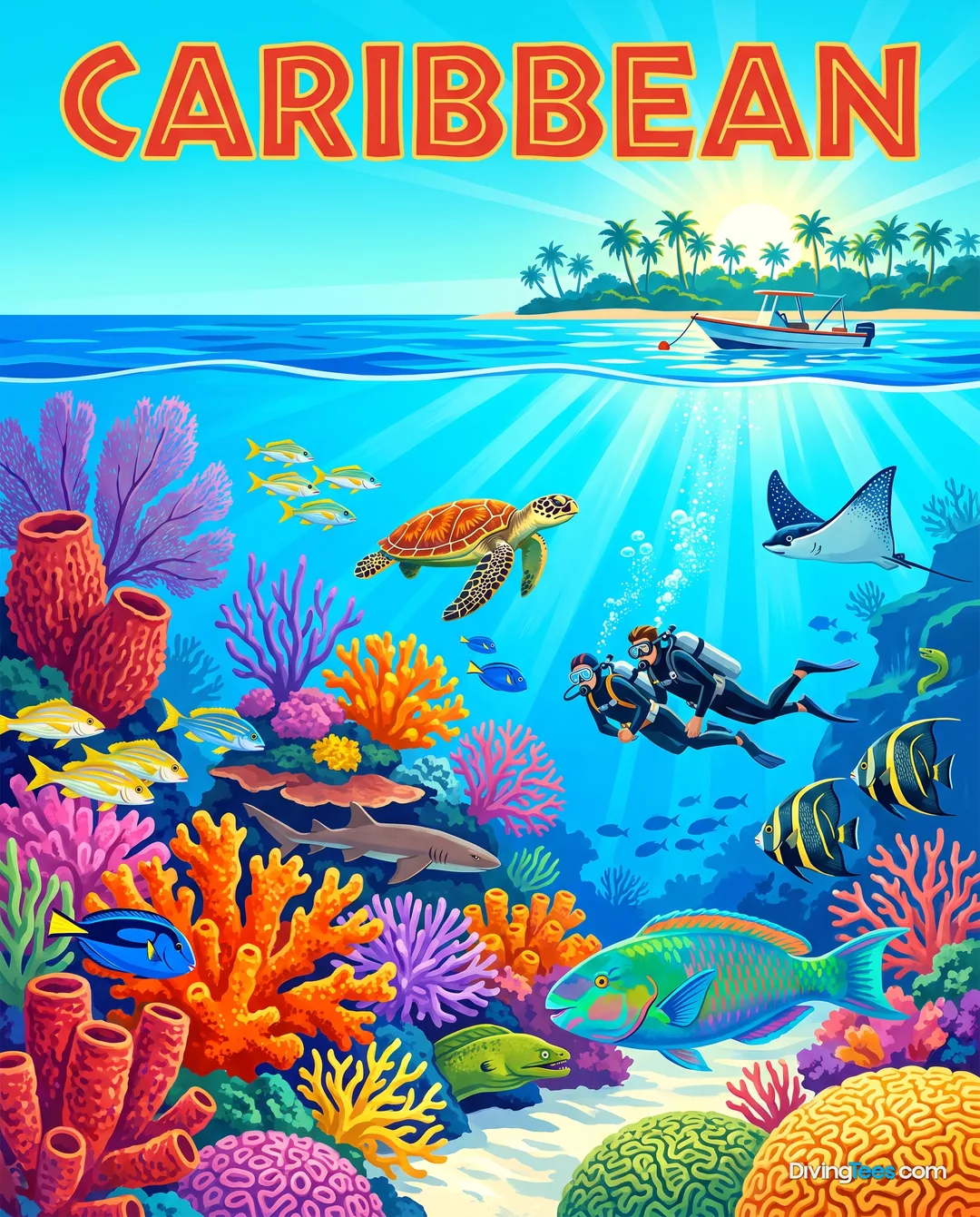
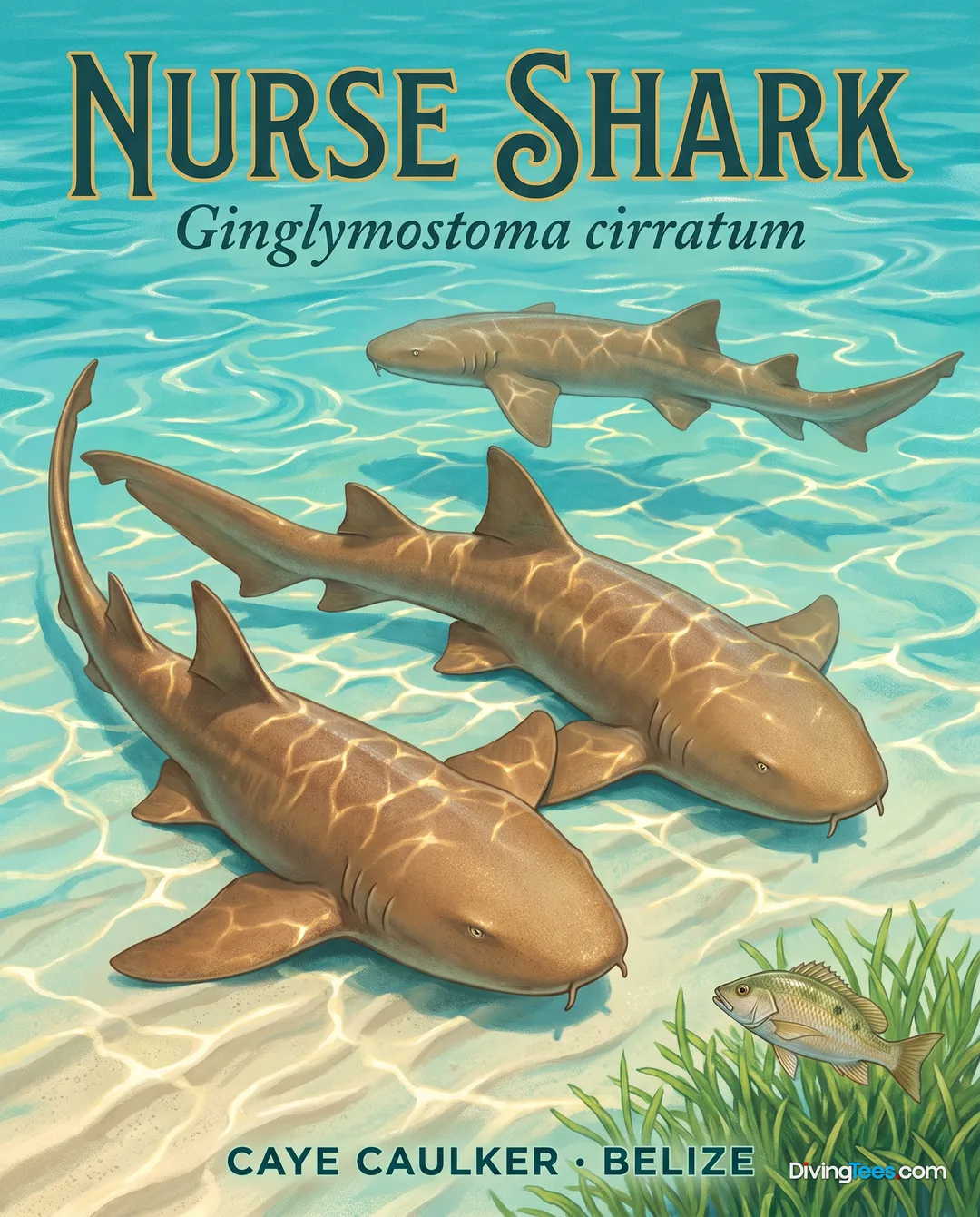
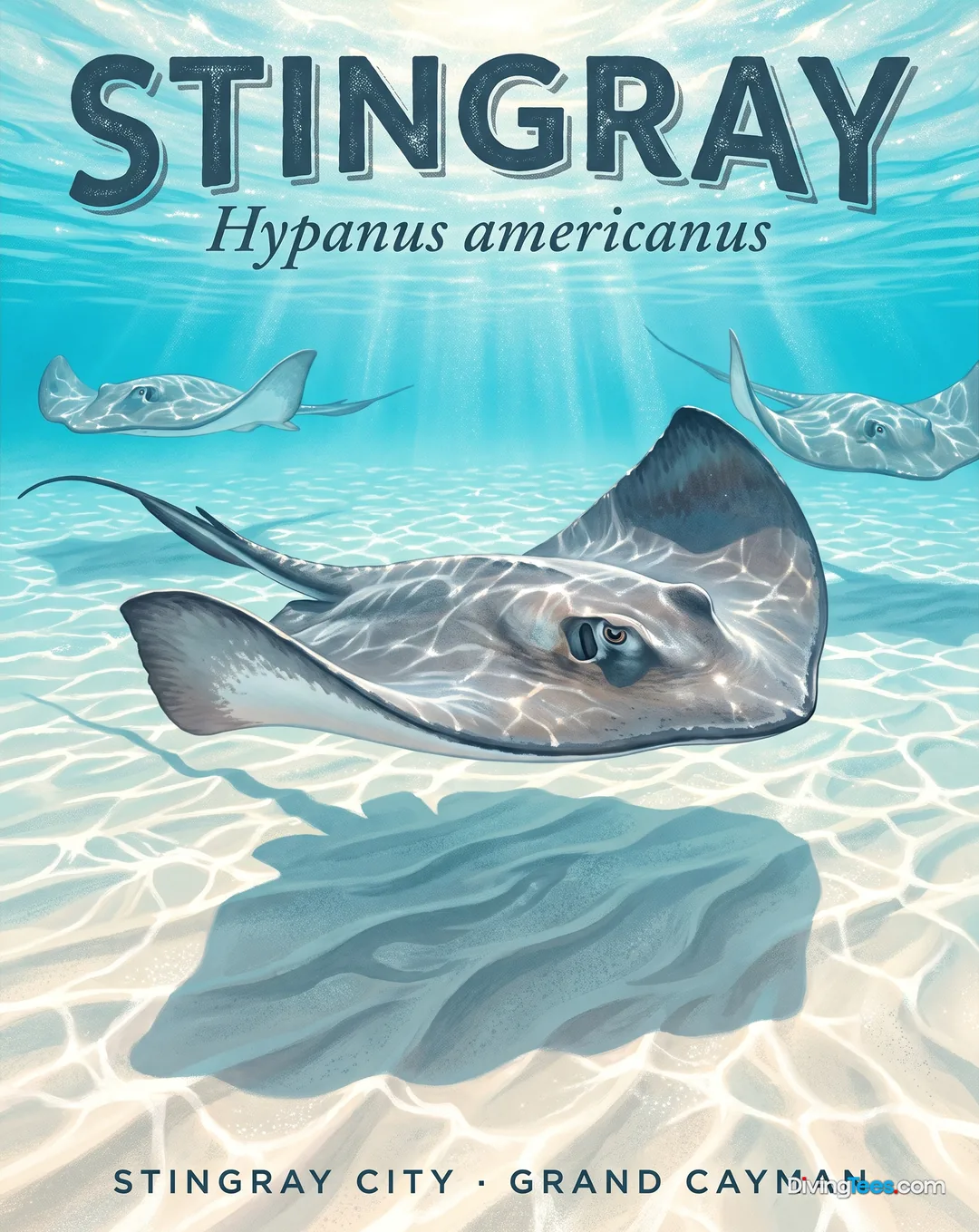
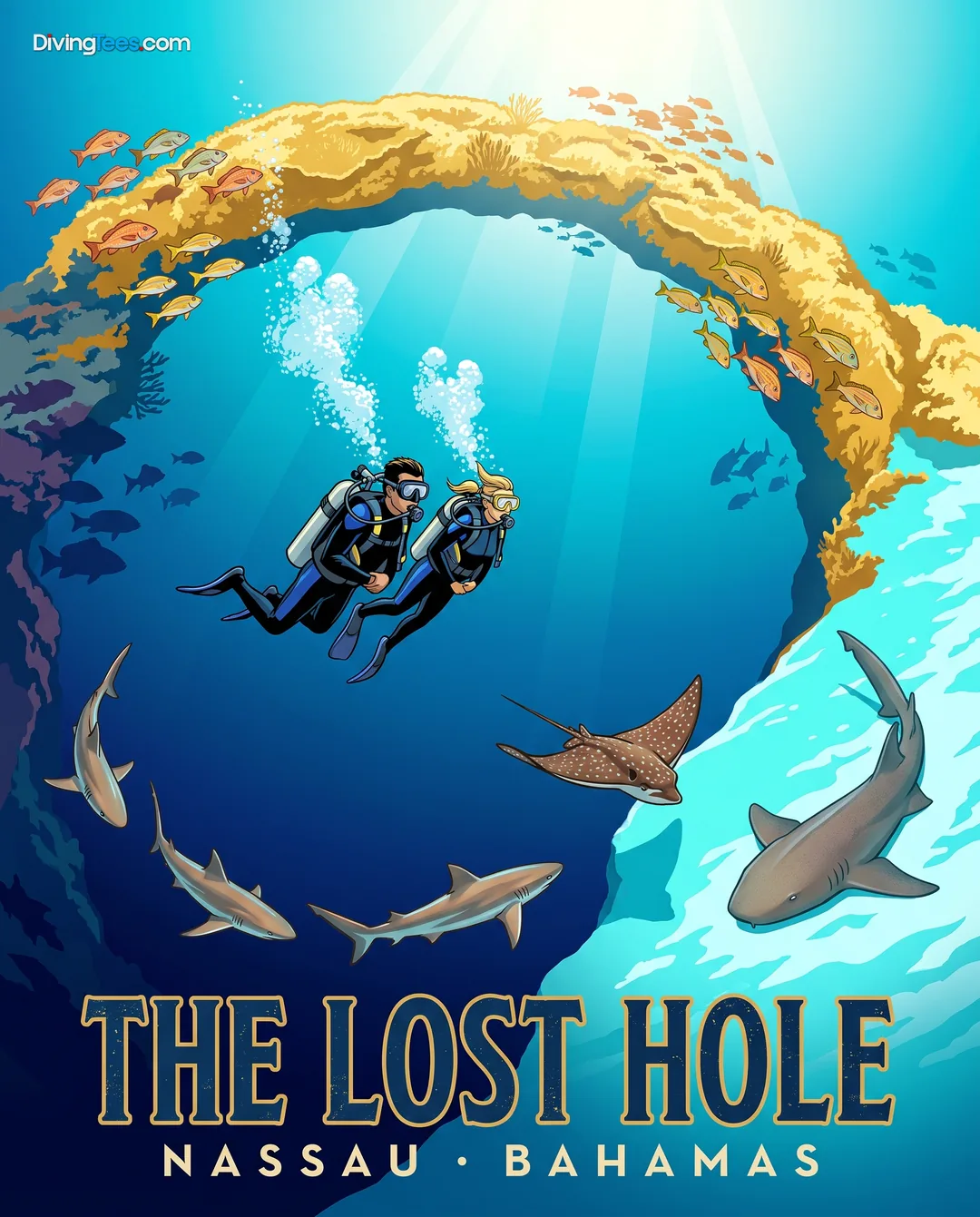
The resident marine life around the Steel Forest wrecks is notable for both its diversity and the opportunity for close observation. You can expect to encounter Caribbean reef sharks and nurse sharks patrolling the structures, often resting in or around the sunken vessels. Southern stingrays are commonly found on the sandy bottom between the wrecks, while green sea turtles may glide past, unfazed by divers as they navigate their feeding grounds.
Beyond the larger species, the wrecks themselves host a vibrant reef ecosystem. Moray eels can be spotted within the crevices and openings of the shipwrecks, while Nassau groupers and yellowtail snappers form schools around the more intact sections. Look for blue tangs and parrotfish grazing on the surfaces, contributing to the healthy ecosystem that has developed on these artificial structures since their sinking.
Currents at Steel Forest can be variable, a characteristic often observed at sites situated near significant oceanic drop-offs like the Tongue of the Ocean. While not always strong, the current’s behavior can shift, especially with tidal changes. Being prepared to manage varying water movement allows you to fully appreciate the interaction between the wrecks and the deeper water, enhancing the experience of diving a site with both structure and exposure.
Steel Forest is an Advanced level dive due to its depth profile, which ranges from 9 metres down to a maximum of 33 metres. Visibility here typically allows for clear views across the wreck complex and into the blue of the wall. Current can be variable; divers should be prepared for potential shifts in water movement, particularly around the edge of the Tongue of the Ocean.
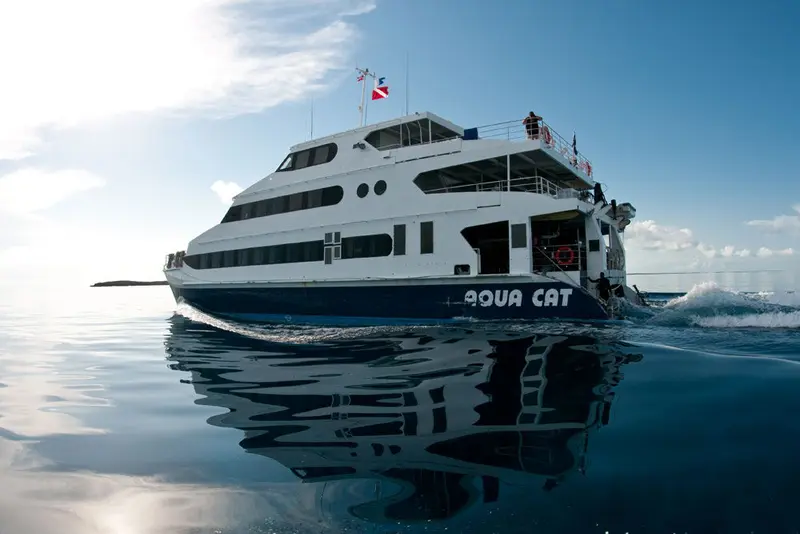
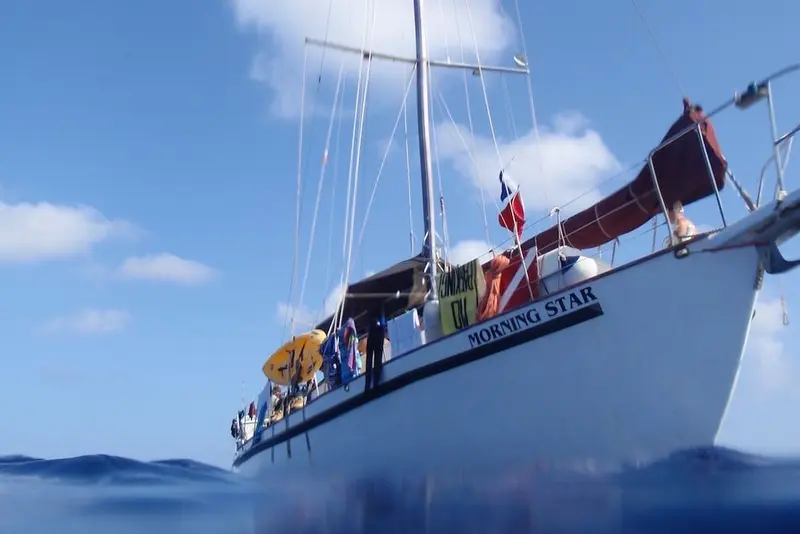
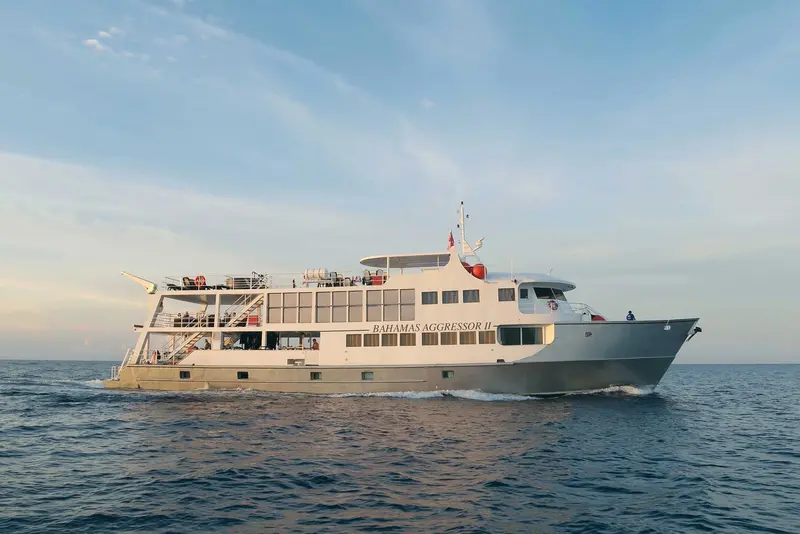
5 liveaboards depart from Nassau another way to explore the region, over several days at sea.
Steel Forest is an Advanced level dive because its wrecks follow a stepped profile from shallow sections into deeper water. You explore three aligned shipwrecks on a sand flat, with the route extending toward the Tongue of the Ocean wall and requiring comfort with changing depth throughout the site.
Steel Forest descends through a stepped wreck profile, beginning around nine metres and reaching a maximum depth of thirty-three metres. The shallowest wreck lies around twelve metres, while the stern of the deepest wreck rests at approximately thirty-three metres near the Tongue of the Ocean drop-off.
At Steel Forest, current can be variable and water movement may shift around the edge of the Tongue of the Ocean. Conditions are not always strong, but tidal changes can affect the current’s behavior. You should be prepared to manage changing movement while navigating between the wrecks and deeper water.
At Steel Forest, you may encounter Caribbean reef sharks and nurse sharks around the wrecks, with southern stingrays on the sandy bottom and green sea turtles passing through. Moray eels shelter in crevices, while Nassau groupers, yellowtail snappers, blue tangs, and parrotfish inhabit or graze across the artificial reef.