
Cabrits Dive Centre
Google 4.8/5 (101 reviews)
Portsmouth · Dominica · Caribbean
Max. depth · 23 mDescend to the intentionally scuttled Nadine L. wreck, a perfect introduction to submerged history and its vibrant marine residents.
Your dive at the Cannon Site begins above the resting place of the Nadine L., a 17-meter vessel intentionally scuttled in 2003. This is not a dive into murky, deep obscurity; instead, you'll find an approachable wreck experience situated perfectly for those looking to explore history beneath the waves without venturing too deep. The wreck's clear structure offers a straightforward outline, allowing you to appreciate its form against the backdrop of the vibrant reef life that has claimed it.
As you descend towards the Nadine L., you'll notice the structure of the wreck becoming clearer, drawing you into its new role as an artificial habitat. The dive profile around the wreck is accommodating, allowing ample time to explore its exterior. This intentional sinking has created an ecosystem where various marine creatures have found refuge, offering a dynamic contrast between the ship's steel and the soft movements of its inhabitants.
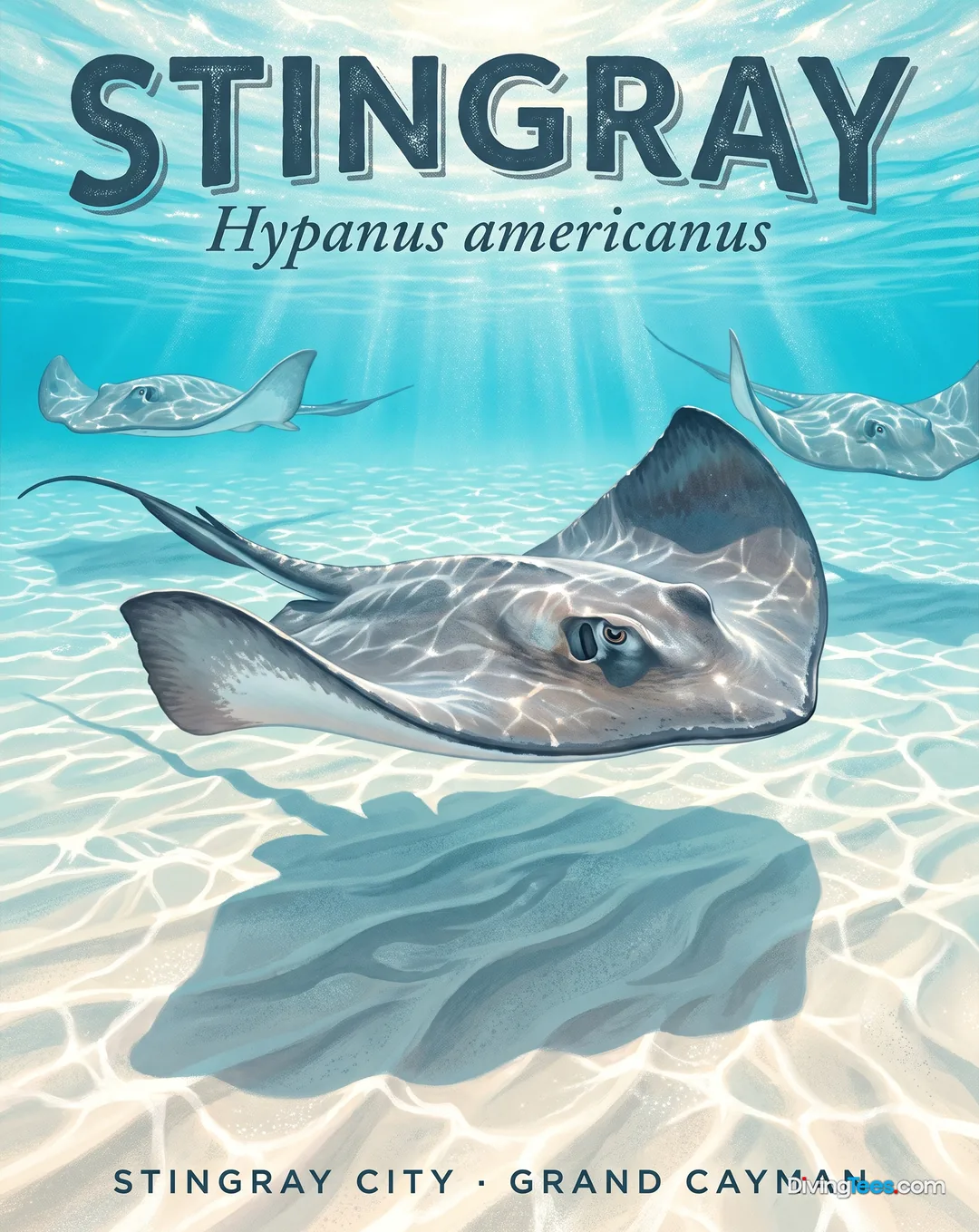
The resident marine life around the Nadine L. is a major highlight of the Cannon Site. Keep your eyes peeled for the distinct shapes of stingrays (Dasyatidae species) gliding gracefully over the sandy patches adjacent to the wreck, often partially buried and waiting for prey. Electric rays (Torpediniformes) may also be spotted, typically resting discreetly on the seabed or tucked into crevices, their unique forms adding to the diversity of the site.
The wreck also acts as a magnet for a variety of colourful reef fish. You'll observe angelfish (Pomacanthidae) meticulously picking at the growth on the ship's hull, their vibrant patterns a stark contrast to the rust-coloured steel. These fish are often seen in pairs or small groups, exhibiting their natural behaviours as they navigate their new environment. The interaction between these reef dwellers and the wreck provides a continuous display of underwater activity.
Closer inspection of the wreck's surfaces and hidden corners will reveal decorator crabs (Dromiidae), masters of camouflage. They adorn their shells with sponges, anemones, and other debris from their surroundings, effectively disappearing into the structure of the Nadine L. Their intricate disguise mechanisms make them a rewarding find for divers who take the time to look closely, offering a subtle yet fascinating glimpse into the micro-ecosystem of the wreck.
The Cannon Site is accessible between a minimum depth of 6 meters and a maximum of 23 meters. This range makes it an ideal dive for beginners, requiring only an entry-level certification. There is no specific information available regarding current or visibility for this site.
Cannon Site is suitable for beginners and requires only an entry-level certification. The approachable profile lets you explore the Nadine L. wreck and its surrounding reef life without venturing into deep water. You can focus on observing the wreck structure and marine life while building experience in a straightforward setting.
Cannon Site ranges from 6 to 23 meters deep. The dive includes access to the Nadine L., a 17-meter vessel intentionally sunk in 2003. This depth range provides an accessible wreck experience, with the ship’s structure and surrounding sandy seabed available to explore without reaching extreme depths.
At Cannon Site, you can explore the Nadine L. wreck and observe its clear structure as an artificial habitat. Stingrays may glide over sandy areas, while electric rays can rest near the wreck. Angelfish feed around the hull, and decorator crabs hide among surfaces and corners using camouflage.
Around Cannon Site, look closely at the sandy seabed for stingrays, including partially buried individuals. Electric rays may rest on the bottom or in crevices near the wreck. Angelfish often feed on growth covering the hull, while decorator crabs blend into the structure with sponges, anemones, and debris.