
Island Dive Operations
Google 5/5 (56 reviews)
less than 1 km away as the crow flies
Portsmouth · Dominica · Caribbean
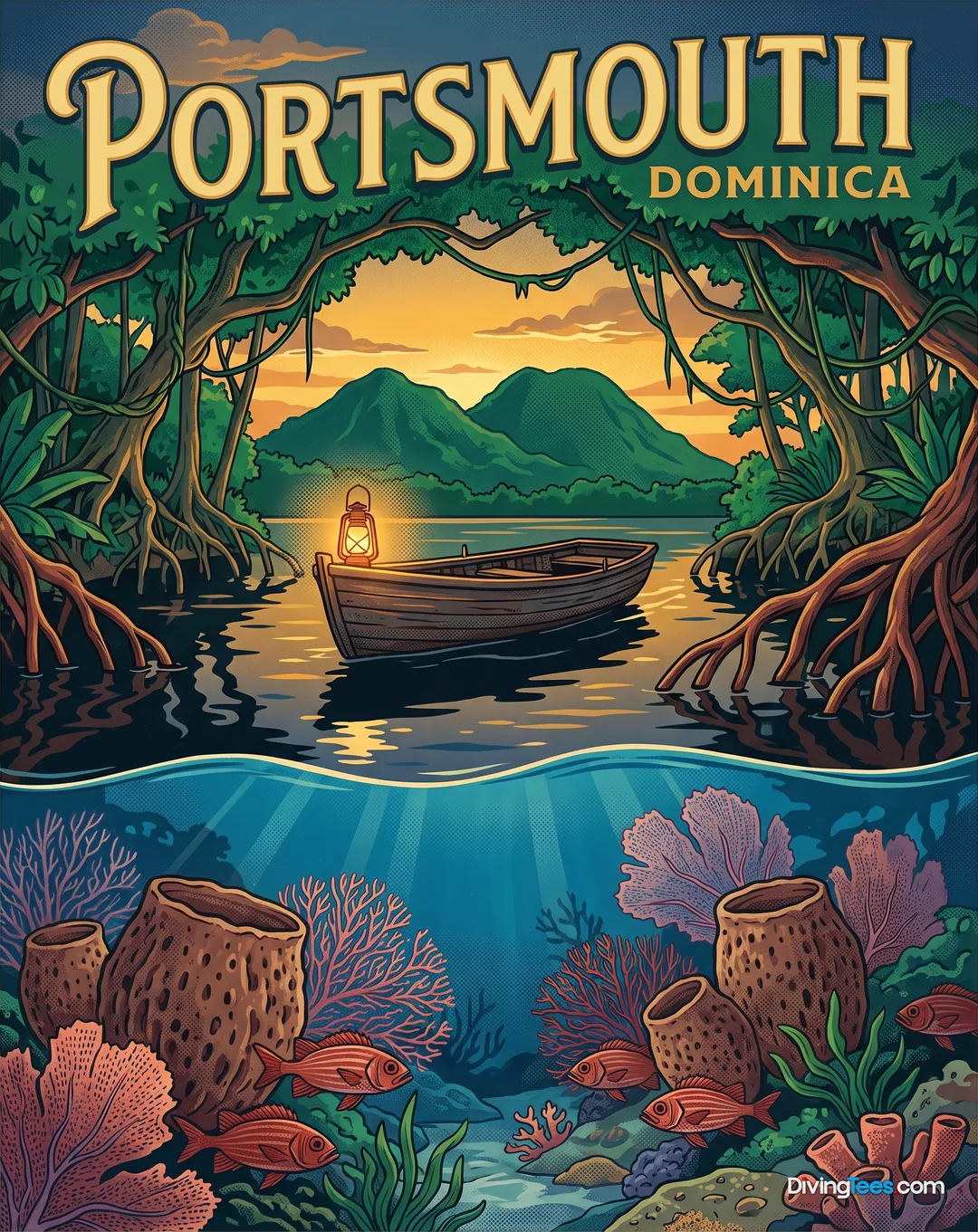
Max. depth · 14 mDescend beneath the cruise ship pier at Cabrits, where an intricate world of sponges and wooden poles hosts some of Dominica's most sought-after macro marine life.
Diving Pole to Pole takes you into a sheltered, shallow environment directly beneath the Cabrits cruise ship pier in Portsmouth, Dominica. From the moment you descend, you are enveloped by a forest of wooden pilings, each one a miniature ecosystem blanketed in vibrant sponges. This distinctive backdrop creates a habitat unlike any conventional reef, inviting divers to explore the nooks and crannies of this man-made structure that has become home to an astonishing array of marine creatures.
The dive profile here is gentle and straightforward, following the contours of the pier's support structures. You typically begin your exploration along the outer sections, where light filters through the water, creating an ethereal glow. As you move deeper into the pilings, the light softens, enhancing the sense of discovery as you navigate around the sponge-encrusted posts. This sheltered environment ensures a calm experience, allowing ample time for meticulous observation.
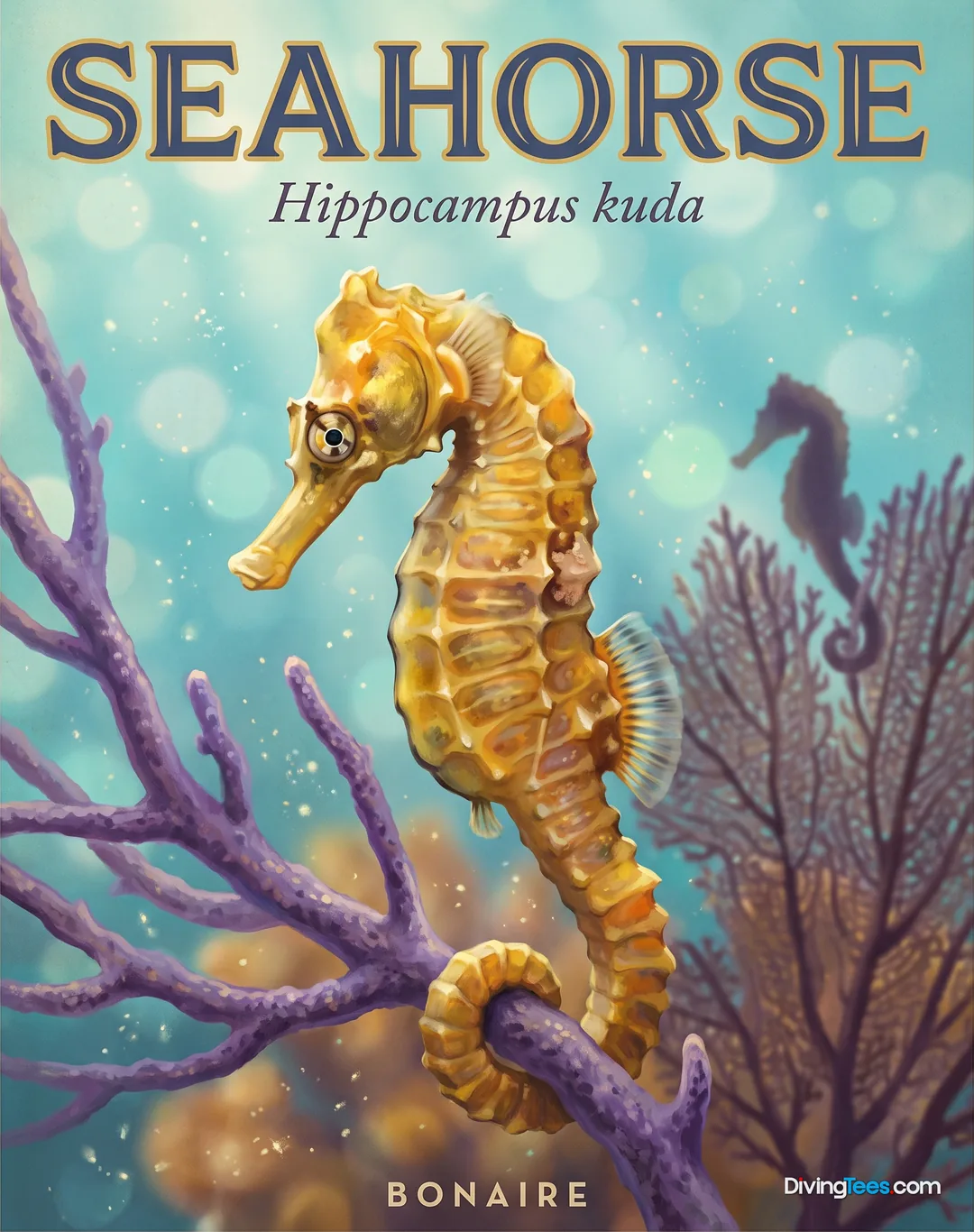
Pole to Pole is celebrated for its density of rare and elusive macro life. You'll spend much of your dive in search of these hidden gems, often spotting seahorses (Hippocampus spp.) expertly camouflaged among the sponges and algae. Keep a keen eye out for the intriguing batfish (Platax spp.), which often mimic debris as they drift, and the captivating flying gurnards (Dactylopteridae spp.), known for their expansive, wing-like fins that they fan out when disturbed.
Beyond the more renowned residents, the sandy patches between the pier's foundations are alive with activity. Here, you can often find colonies of sand eels (Heterocongrinae spp.) swaying rhythmically from their burrows, adding another layer of intricate life to the site. The interaction between the natural marine world and the artificial structure of the pier fosters a highly diverse and concentrated population of species, making every dive a treasure hunt.
The site truly transforms after sunset, offering a completely different perspective for night divers. Under the beam of your torch, the sponges and corals reveal their nocturnal colours, and creatures typically hidden during the day emerge. This provides an exceptional opportunity to observe many of the site's rare inhabitants in a more active state, highlighting why Pole to Pole was voted one of the top pier diving sites by Scuba Diving Magazine in 2010.
This site is comfortably accessible for divers classified as 'débutant', or beginner level. Depths at Pole to Pole range from a shallow 5 metres down to 14 metres, providing a generous no-decompression limit for extended exploration. The protective nature of the pier means conditions are generally calm and free from strong currents.
You can dive Pole to Pole during the day or at night. After sunset, the site offers a different view beneath the pier, as torchlight reveals nocturnal colours and brings out creatures that are usually hidden during daylight. This makes the sheltered structure suitable for both daytime exploration and night diving.
Pole to Pole is comfortably accessible for beginner divers. The profile is shallow and straightforward, following the pier’s support structures from five metres to fourteen metres. This depth range provides a generous no-decompression limit, giving you time to explore the wooden pilings and inspect the sponge-covered surfaces carefully.
At Pole to Pole, the protective Cabrits cruise ship pier creates a sheltered diving environment. Conditions are generally calm and free from strong currents, allowing you to move around the wooden pilings comfortably. The protected setting supports a relaxed exploration of the pier’s structures and the marine life living among them.
At Pole to Pole, you can search sponge-covered wooden pilings for a high density of seahorses, along with batfish and flying gurnards. Sandy patches may hold colonies of sand eels, while the pier supports vibrant sponge life. During night dives, hidden creatures emerge and the site’s nocturnal colours become visible.