
Scubaqua
Google 4.7/5 (107 reviews)
less than 1 km away as the crow flies
St Eustache · Sint Eustatius · Caribbean
Max. depth · 17 mExplore the unique blend of coral heads, sand flats, and seagrass beds at Blue Bead Hole, a site known for its historic blue trading beads and the vibrant flying gurnards that guard them.
For subtitles in English: start the video firstthen click the gearat the top right of the video, select “Subtitles/CC”, then “Auto-translate” and choose “English”.
Blue Bead Hole sits in the area between the old port and the vibrant southern reefs of Sint Eustatius. As you descend, you find yourself over a diverse bottom typography that transitions between healthy coral heads, expansive sand flats, and swaying seagrass beds. This varied environment creates a habitat for a mix of macro life and more active reef dwellers, making it a site where careful observation reveals new details on each dive.
The maximum depth here is 17 metres, keeping it well within recreational limits and allowing for extended bottom times to explore. The site’s profile encourages a relaxed pace, letting you methodically search the sand and seagrass. Keep an eye out for the historic blue trading beads, remnants of the island’s past, which are still occasionally found embedded in the substrate. This element adds a layer of archaeological interest to the dive, blending natural exploration with a tangible link to history.
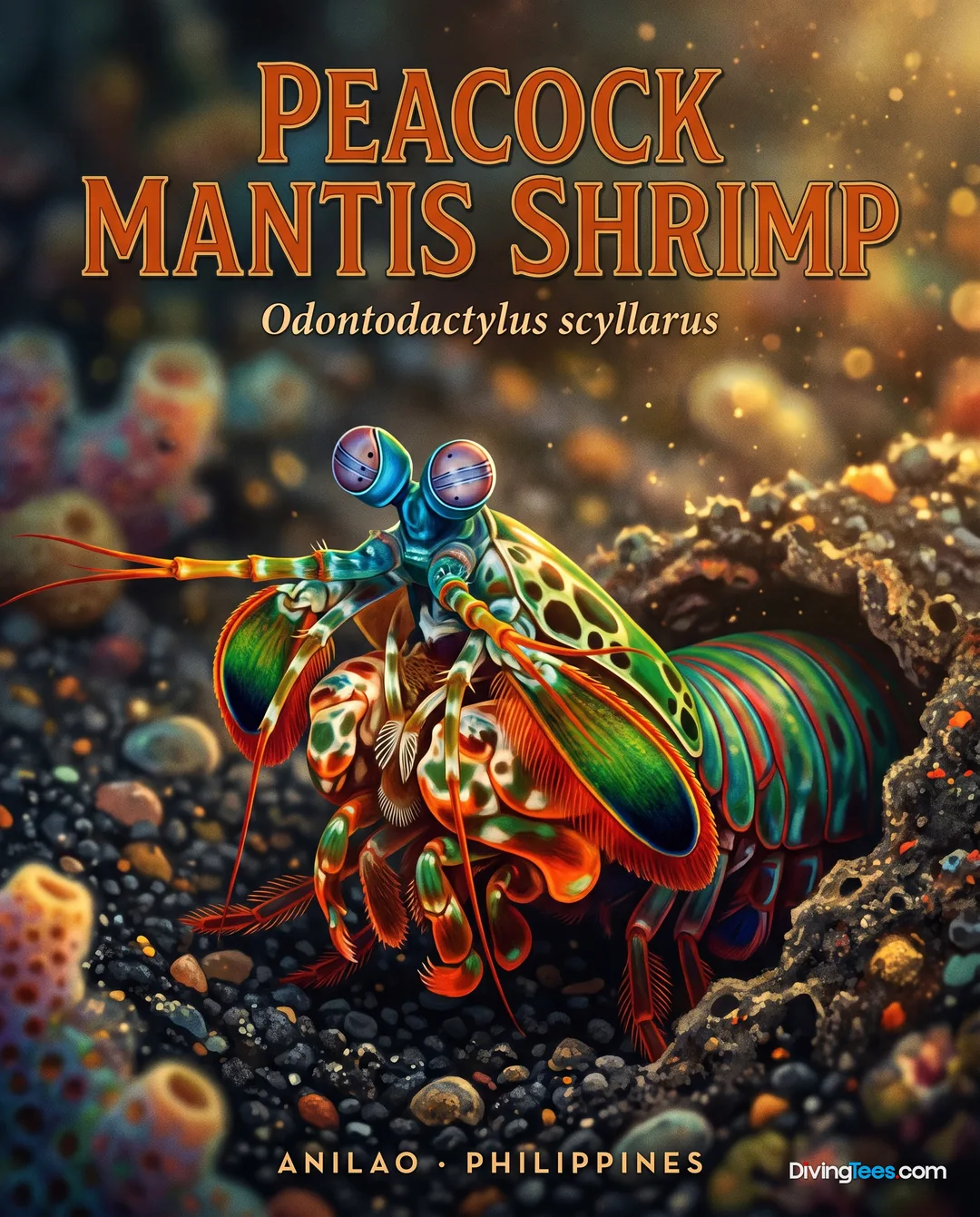
Among the marine inhabitants, you will encounter the pikeblenny (Chaenopsis gobioides) and the distinctive sailfin blenny (Emblemaria pandionis), often found peeking from their sandy or coral refuges. Scorpionfish (Scorpaenidae) blend seamlessly with the environment, requiring a keen eye to spot, while mantis shrimp (Stomatopoda) can be observed tending to their burrows. These smaller, often camouflaged species make Blue Bead Hole a prime location for macro photography and patient observation.
A highlight of diving Blue Bead Hole is the chance to spot flying gurnards (Dactylopterus volitans). These fish, with their large, wing-like pectoral fins, glide across the sandy bottom. Their coloration often mirrors the blue trading beads, earning them the local nickname of 'Guardians of the Blue Beads.' Observing them as they fan out their fins is a distinctive experience that sets this site apart.
The blend of historical significance, unique geology, and specialized marine life creates a distinct diving experience. It’s not a site defined by dramatic drop-offs or large pelagics, but rather by the intricate details and the quiet satisfaction of discovering something unique. The ability to find historical artifacts alongside a rich ecosystem of smaller, often overlooked creatures makes each dive here a deliberate exploration.
This site is accessible for Open Water Diver certified individuals, with a maximum depth of 17 metres. The waters around St Eustatius generally feature very mild currents, however, conditions can vary and the possibility of drift diving exists if stronger currents develop. Water temperatures typically range between 26°C and 30°C. September is generally avoided due to hurricane season and boat maintenance.
You can plan dives at Blue Bead Hole when conditions suit your trip, while September is generally avoided because of hurricane season and boat maintenance. Water temperatures typically range from 26°C to 30°C, providing warm conditions for exploring the coral heads, sand flats, and seagrass beds.
Blue Bead Hole is accessible to Open Water Diver certified individuals. The maximum depth is 17 metres, keeping the site within recreational limits and allowing you to explore at a relaxed pace. You can search the sand and seagrass for blue trading beads and observe small marine life.
Waters around Blue Bead Hole generally feature very mild currents, supporting a relaxed approach as you inspect the bottom. Conditions can vary, however, and stronger currents may create the possibility of drift diving. Check the conditions before entering and be prepared for movement if the current develops.
At Blue Bead Hole, you can search for historic blue trading beads among coral heads, sand flats, and seagrass beds. Look for flying gurnards, pikeblennies, sailfin blennies, camouflaged scorpionfish, and mantis shrimp activity. Careful observation may reveal small creatures peeking from refuges or tending burrows.