

Tobago Dive Experience
Google 5/5 (48 reviews)
Tobago · Trinidad & Tobago · Caribbean
Max. depth · 40 mSpeyside offers a unique dive experience with dramatic underwater pinnacles, extensive sloping reefs, and the world's largest reported Brain Coral, all fueled by nutrient-rich Atlantic currents.
For subtitles in English: start the video firstthen click the gearat the top right of the video, select “Subtitles/CC”, then “Auto-translate” and choose “English”.
Speyside, located on Tobago's Atlantic coast, serves as the primary access point to a cluster of dive sites concentrated around Goat Island and Little Tobago. The underwater topography here is defined by deep pinnacles that rise dramatically from the seabed, some even breaking the surface. These formations create a complex environment, transitioning into extensive sloping reefs that begin around 11 metres and descend to a maximum depth of 40 metres, offering varied profiles for divers of all experience levels.
As you begin your descent, the upper sections of the reef reveal a dense covering of soft corals and barrel sponges, creating a textured and colourful landscape. This area is a consistent habitat for Black Durgon fish, whose distinctive patterns are a common sight against the vibrant reef. The interplay of light and shadow around the pinnacles adds a dynamic element to the dive, constantly drawing your attention to new details within the coral structures and the life they support.
Further along the dive, the reef's gradient steepens, forming a more pronounced edge that drops into deeper waters. This rugged, rocky terrain acts as a natural patrol route for large schools of Barracudas. Their silvery forms frequently emerge from the blue, cruising the reef's edge with an imposing presence, adding a pelagic dimension to the dive. These structures host a diverse array of fish species, many of which are less common in other Caribbean locations, a direct result of the nutrient-rich Atlantic currents.
The consistent flow of Atlantic currents is a defining characteristic of Speyside, bringing a steady supply of nutrients that supports a dense and varied marine ecosystem. While the Atlantic side offers dynamic drift dives, the Speyside area also includes sites along the calmer Caribbean coast, such as The Sisters. These contrasting conditions provide a range of diving experiences, from exhilarating current dives to more sheltered observations, allowing for different types of marine encounters.
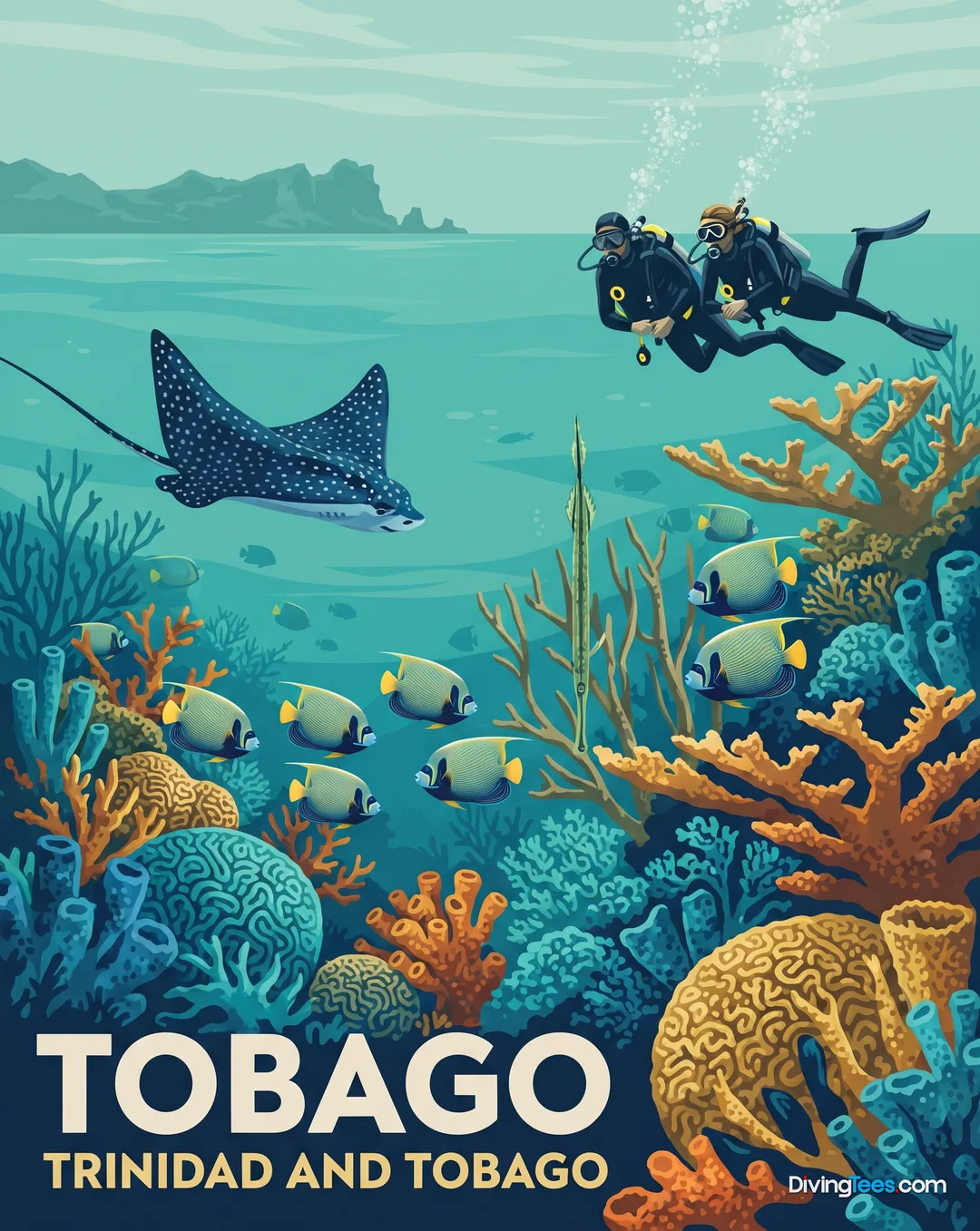
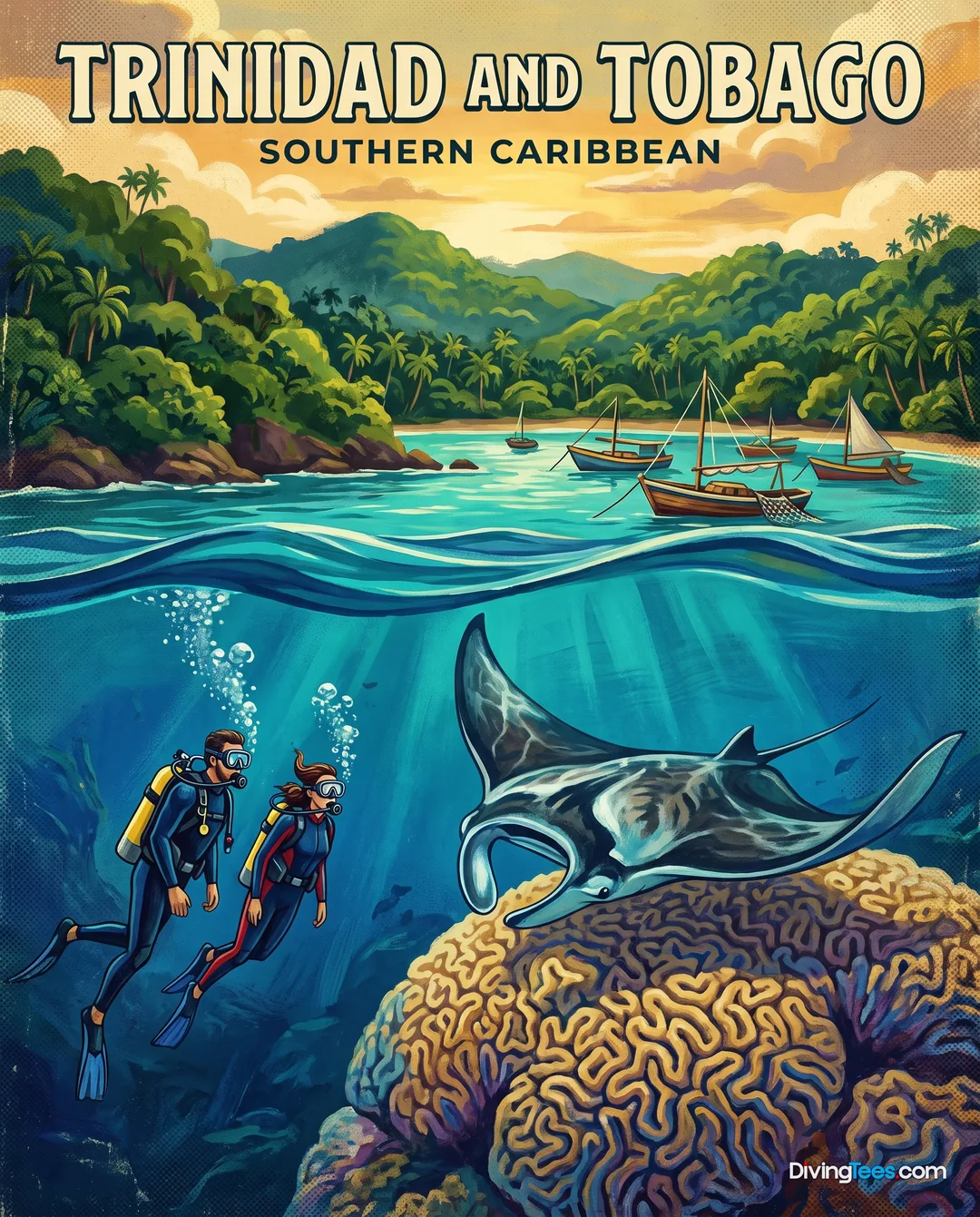
One of Speyside's most celebrated features is the monumental Brain Coral formation, widely considered the largest of its kind globally, found at Kelleston Drain. This coral stands as a testament to the health and vitality of the reef, maintaining excellent condition and continuing its slow, impressive growth. Encountering this living landmark is a highlight, often accompanied by the chance to spot larger pelagics like manta rays and eagle rays, adding to the grandeur of the underwater landscape.
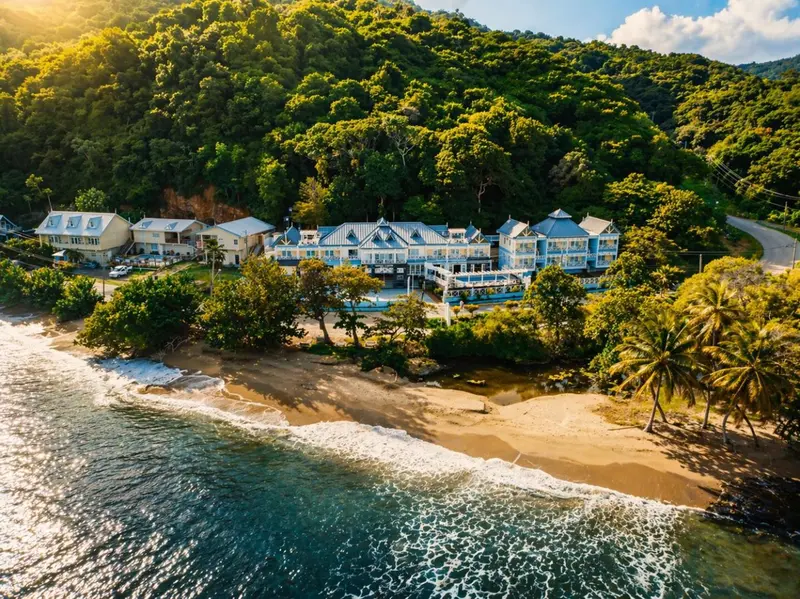
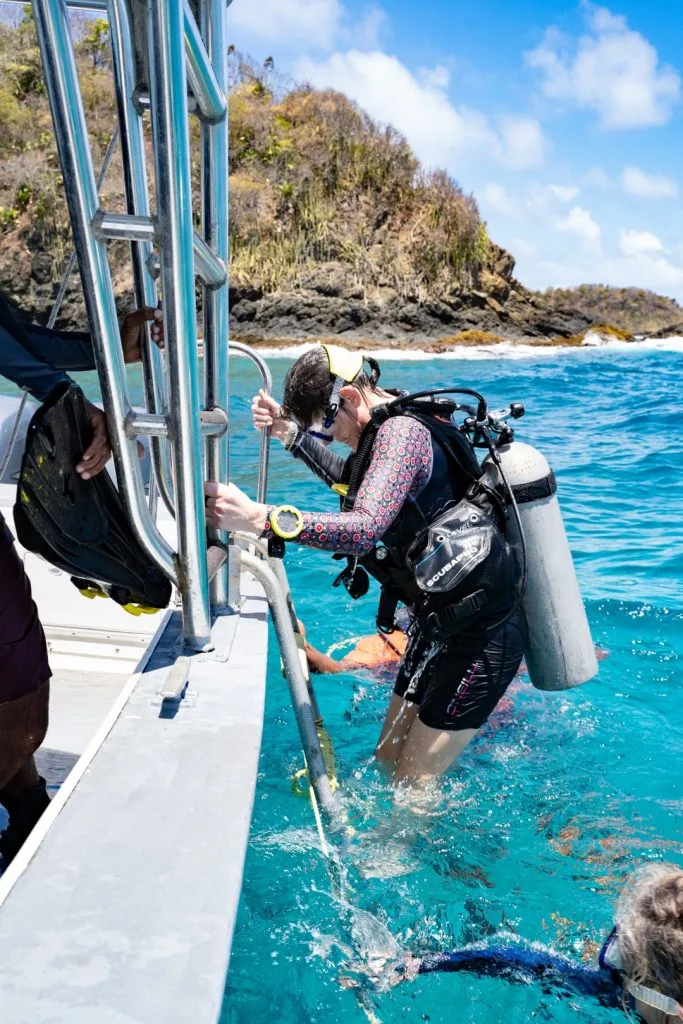
The dive sites around Speyside are typically accessed by boat, with short rides from the local jetty to reach the various locations. This accessibility, combined with the unique topography and rich marine life, makes it a significant dive destination. The concentration of reef sites around Little Tobago and Goat Island, along with nearby offshore features, ensures a wide array of dive options within a compact area, catering to different preferences and conditions.
Visibility at Speyside is generally good, allowing for clear views of the extensive reef systems and the marine life inhabiting them. While currents can be moderate to strong on the Atlantic side, particularly around the more exposed reef edges, they are often utilized for drift dives, allowing you to cover significant sections of the reef with ease. Understanding these current patterns is key to planning your dive and maximizing your time exploring the vibrant underwater world.
Speyside is accessible for intermediate divers comfortable with moderate currents, though some sites can present stronger conditions. The maximum depth for recreational diving here is 40 metres, with many profiles keeping divers above 21 metres. Current is typically moderate to strong on the Atlantic side, making it suitable for drift diving. Visibility is generally good year-round. While accessible to intermediate divers, those with experience in current will find the Atlantic-facing sites more rewarding.
You can dive Speyside year-round, with generally good visibility and consistent conditions. The area offers varied options, from dynamic Atlantic sites around Goat Island and Little Tobago to calmer bays along the Caribbean coast. Short boat rides from the local jetty provide access to the concentrated cluster of dive sites.
Speyside is accessible to intermediate divers who are comfortable with moderate currents. Divers experienced in current may find the Atlantic-facing sites particularly rewarding, while sheltered bays provide calmer observations. The extensive sloping reefs and varied profiles offer options for different experience levels, with deeper terrain available beyond the upper reef sections.
Speyside offers dive profiles from 4 to 40 metres. Extensive sloping reefs begin around 11 metres, while deep pinnacles and steeper reef edges descend farther into open water. Many profiles keep you above 21 metres, and the maximum depth for recreational diving in the area is 40 metres.
Atlantic-facing sites at Speyside typically have moderate to strong currents and are often used for drift diving, while nearby sheltered bays offer calmer conditions. You can see soft corals, barrel sponges, Black Durgon fish, large Barracuda schools, and the Brain Coral at Kelleston Drain, with possible manta ray, turtle, and eagle ray sightings.