Kudadoo Maldives Private Island – Luxury All inclusive
★★★★★
★ 10/10 (13 reviews)
10 km away as the crow flies
Dive centre · Lhaviyani Atoll · Maldives
5.015 Google reviewsDive the historic SkipJack wrecks in Lhaviyani Atoll with a PADI 5 Star Eco Centre dedicated to reef restoration.
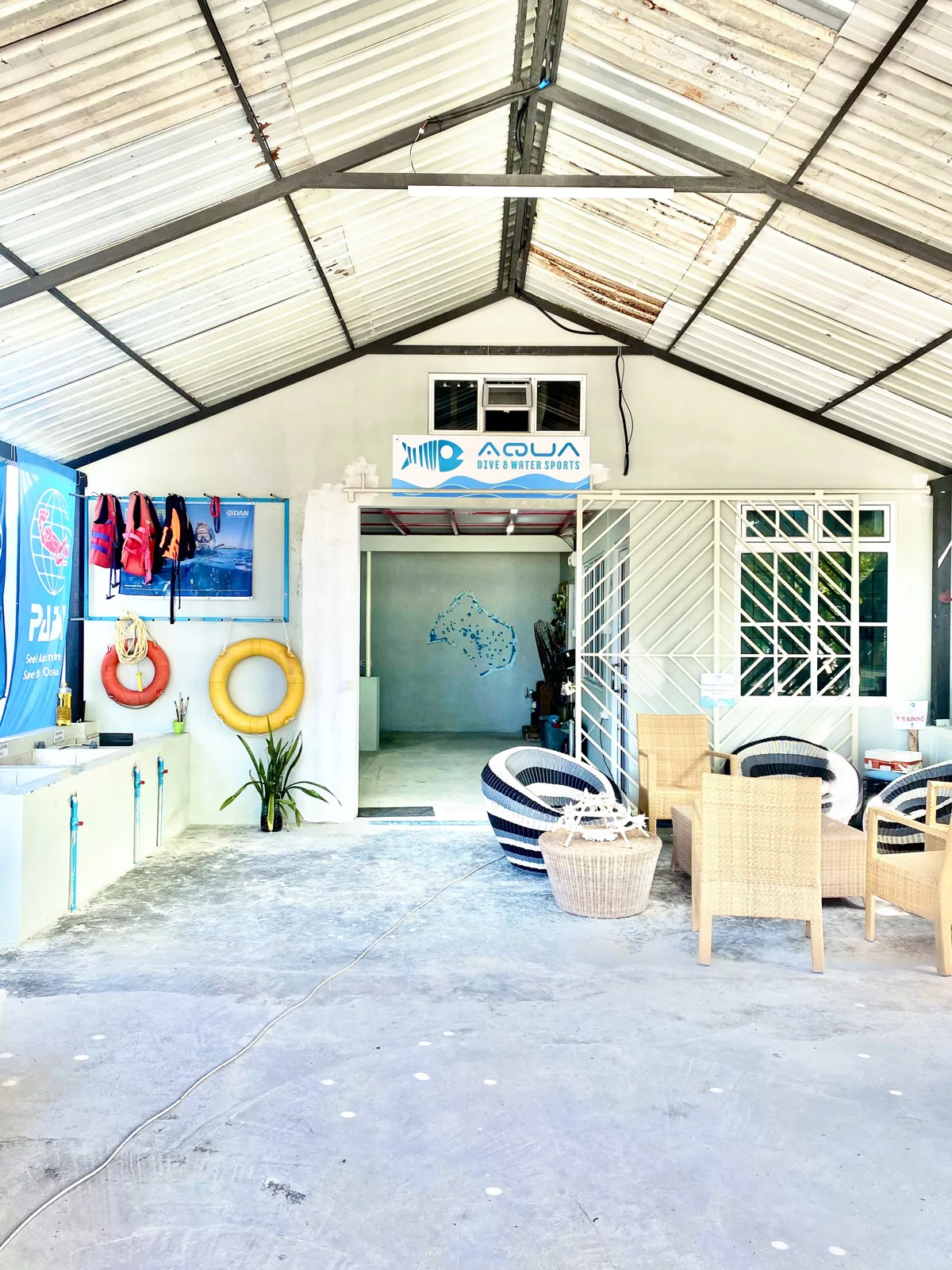
Aqua Dive & Water Sports is situated on Naifaru, the principal hub of the Lhaviyani Atoll. The centre operates from this lively local island, which is well-connected to Malé via domestic flights and offers various accommodation options, including the One The Island hotel.
As a PADI 5 Star Eco Centre and a Green Fins member, the operation is built around marine biodiversity and community resilience. They work closely with the local Atoll Marine Centre and its marine biologists to integrate conservation into the diving experience, moving beyond standard tourism to focus on active reef protection.
The centre is heavily focused on environmental stewardship, serving as a PADI Eco Centre. This commitment is woven into their training, particularly for those looking to move into professional roles through their conservation-orientated Divemaster programme.
Their curriculum includes specialised training in coral restoration, fish abundance surveys, and reef health monitoring. For those interested in long-term volunteering, they offer structured programmes in coral gardening and reef restoration that can span several weeks.
The training programme covers the full PADI spectrum, starting with Discover Scuba Diving and progressing through Open Water Diver and Advanced Open Water Diver. For those looking to advance their technical skills or career, they offer Rescue Diver, Divemaster, and various specialty courses.
They provide a deep catalogue of PADI specialties, with a particular emphasis on ocean awareness and conservation. This includes PADI AWARE Dive Against Debris, Shark Conservation, Whale Shark Awareness, and Coral Reef Conservation. They also offer Reef Guru courses in both Coral Restoration and Coral Conservation, as well as Fish ID and Underwater Naturalist training.
The centre provides a full range of rental kit for divers, including regulators, BCDs, and exposure suits. For those who prefer to bring their own equipment, a complete selection of fins and masks is also available for hire.
In line with their environmental mission, the centre operates a zero single-use plastic policy to protect the local marine ecosystem.
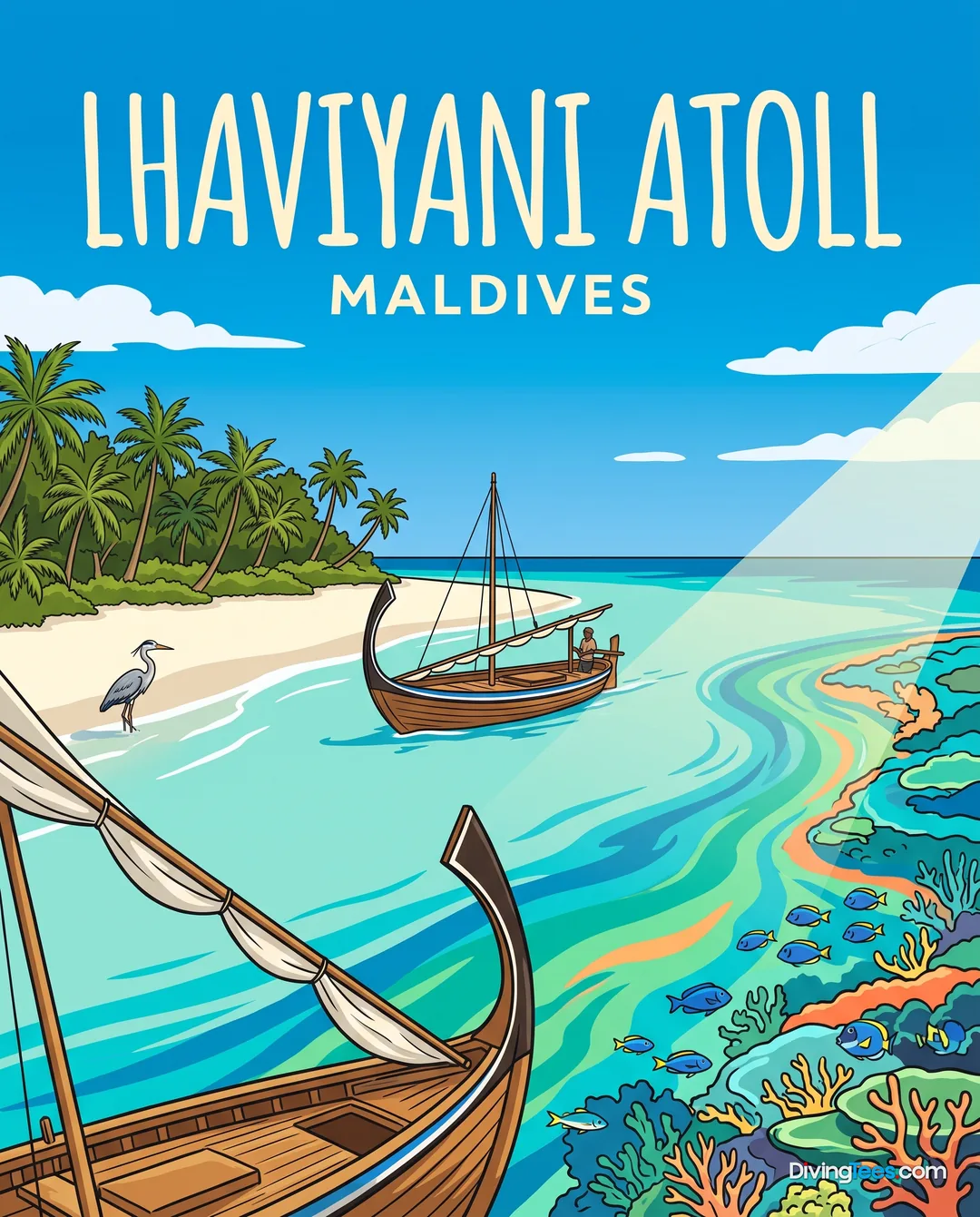
The Shipyard is a premier wreck site featuring the SkipJack 1 and SkipJack 2. Located at depths between 20 and 30 metres, these wrecks are encrusted with gorgonians and hard corals, providing a habitat for macro life and larger pelagics like Napoleon wrasse and reef sharks.
Naifaru Beyru is a local favourite that offers a variety of topographies, including large caves, overhangs, and swim-throughs. You can expect to find nurse sharks resting in the caves and green turtles gliding through the blue.
Kuredu Caves, also known as Turtle Airport, is a shallow site ranging from 8 to 25 metres. It is famous for its resident population of green turtles that use the various overhangs as resting spots.
Anemone Thila is a deep pinnacle located in the middle of the atoll. This protected marine zone is a riot of biodiversity, featuring extensive fields of sea anemones and Clark's anemonefish among the hard and soft corals.
And some of the dive sites the centre runs.
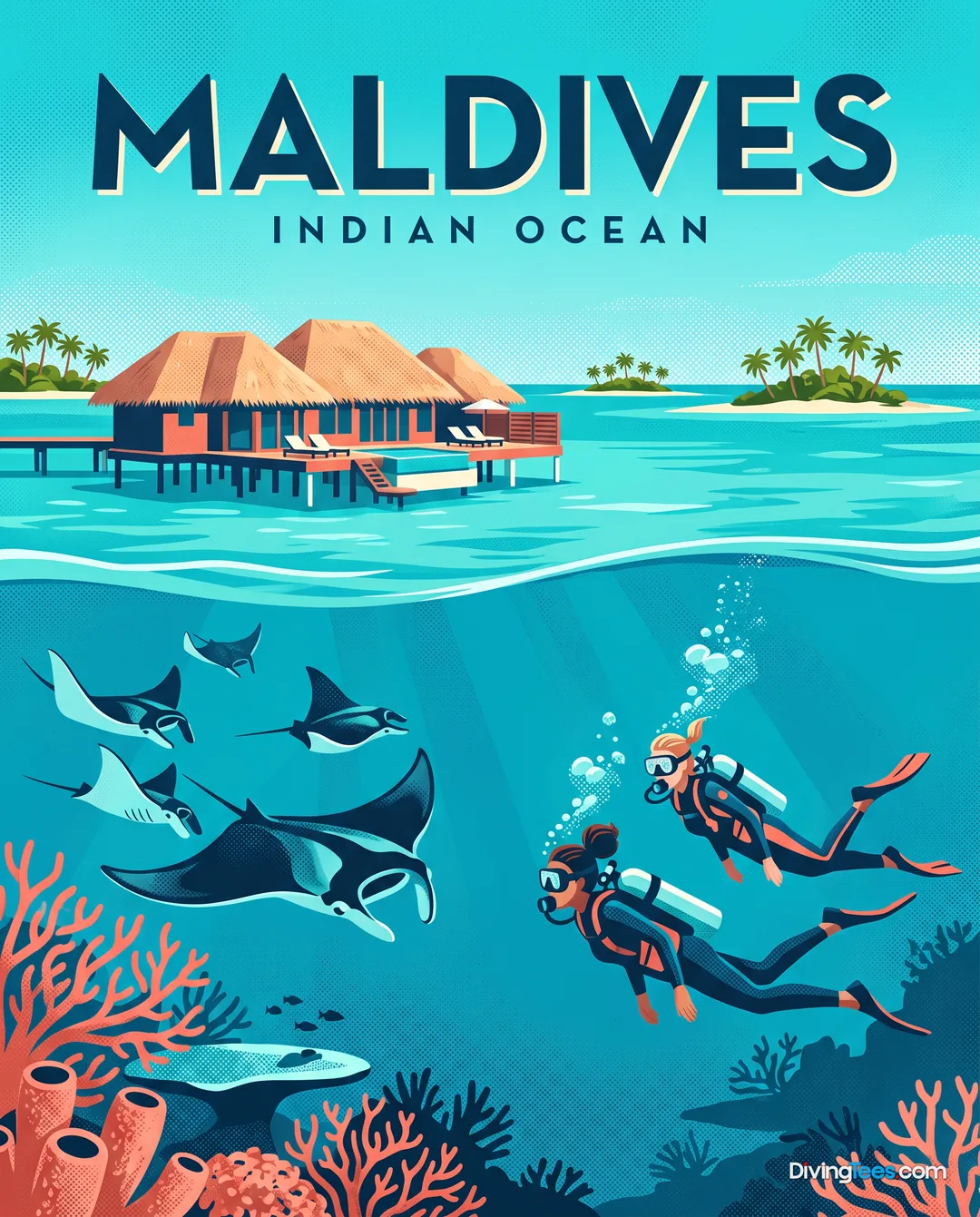
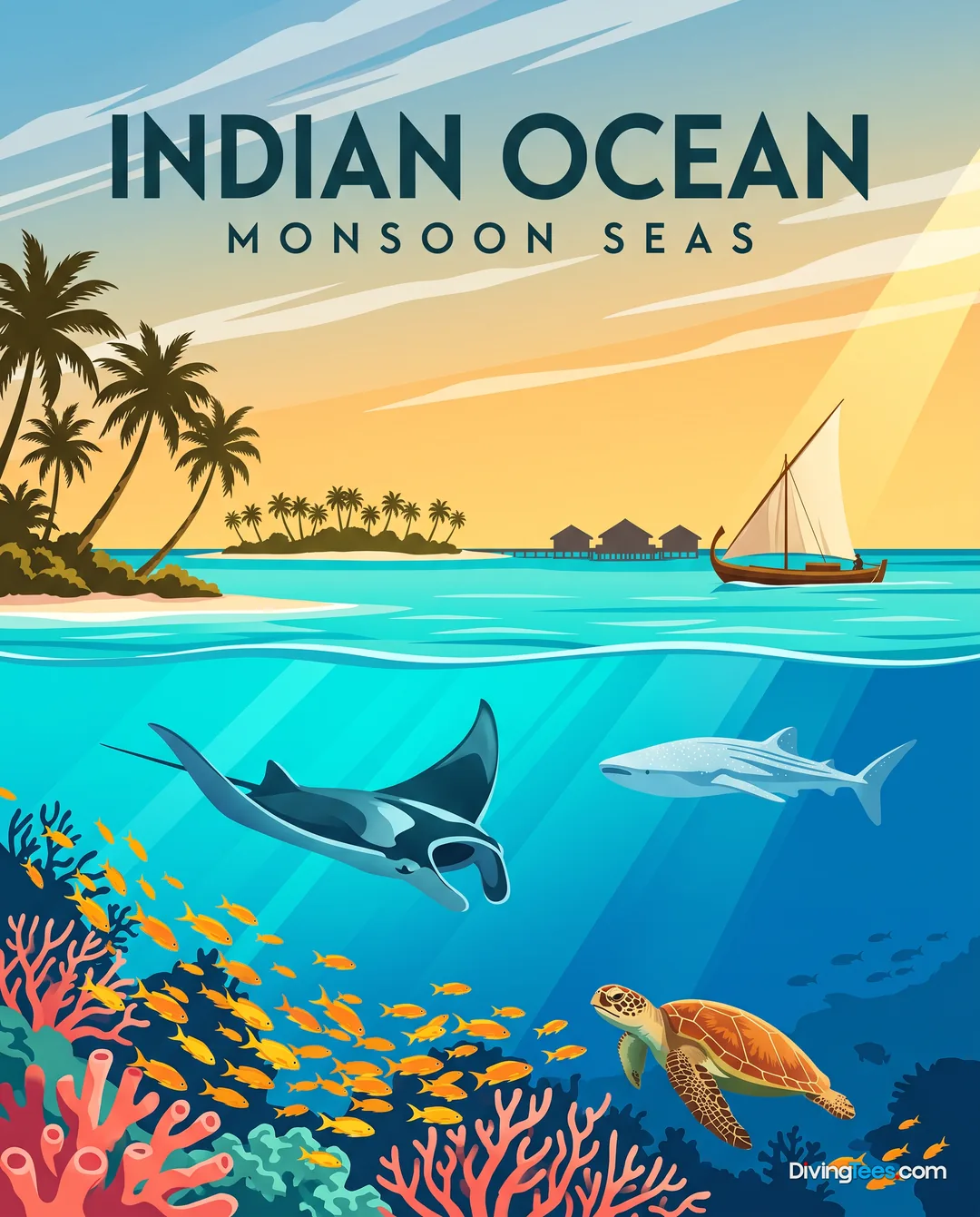
The Lhaviyani Atoll is a high-biodiversity zone where you will regularly encounter green turtles, hawksbill turtles, and various species of reef sharks, including whitetip reef sharks. Large rays, such as eagle rays, are also common, alongside Napoleon wrasse and numerous species of wrasse and butterflyfish.
During the southwest monsoon season, from December onwards, you may have the opportunity to see manta rays. The waters are also known to host bottlenose dolphins and spinner dolphins.
For macro enthusiasts, the sites offer plenty of smaller life, including various species of shrimp, moray eels, scorpionfish, and leaf scorpionfish. You will also find a high density of clownfish living within the abundant sea anemones.
The reef structure itself is built upon a rich foundation of hard and soft corals, gorgonians, and various sea anemones that support the local ecosystem.
Divers should be aware of the 'Kandu', which are channels between islands that can produce strong currents. These currents are often what draw larger pelagics, such as sharks and rays, into the area.
Seasonal patterns influence the presence of certain species, such as the arrival of manta rays during the southwest monsoon.
Hello, I'm Marina, DivingDeal.com's AI assistant. I answer in detail about hotels, dive centres and liveaboards.

Thinking about the whole trip and the flights? Talk it over with Edith →
Marina is an AI. Some links are affiliate links: DivingDeal may earn a commission, at no extra cost to you. Bookings are made with the partner.