
Sub Oceanic @ Le Méridien Maldives
Google 5/5 (791 reviews)
Maldives · Indian Ocean
Drift through current-swept passes, circle thilas beneath reef sharks and watch manta rays arrive at cleaning sites during the monsoon.
For subtitles in English: start the video firstthen click the gearat the top right of the video, select “Subtitles/CC”, then “Auto-translate” and choose “English”.
Kuredu Express puts a very particular question to the diver: how well do you handle moving water? Around Lhaviyani, passes funnel current past drop-offs and reef walls, while thilas, overhangs and house reefs offer quieter alternatives. Grey reef sharks, turtles and large schools of fish are part of the picture, with manta rays becoming a stronger reason to visit during the south-west monsoon. It is a Maldivian island-hotel base where the most dramatic diving usually begins with a boat ride.
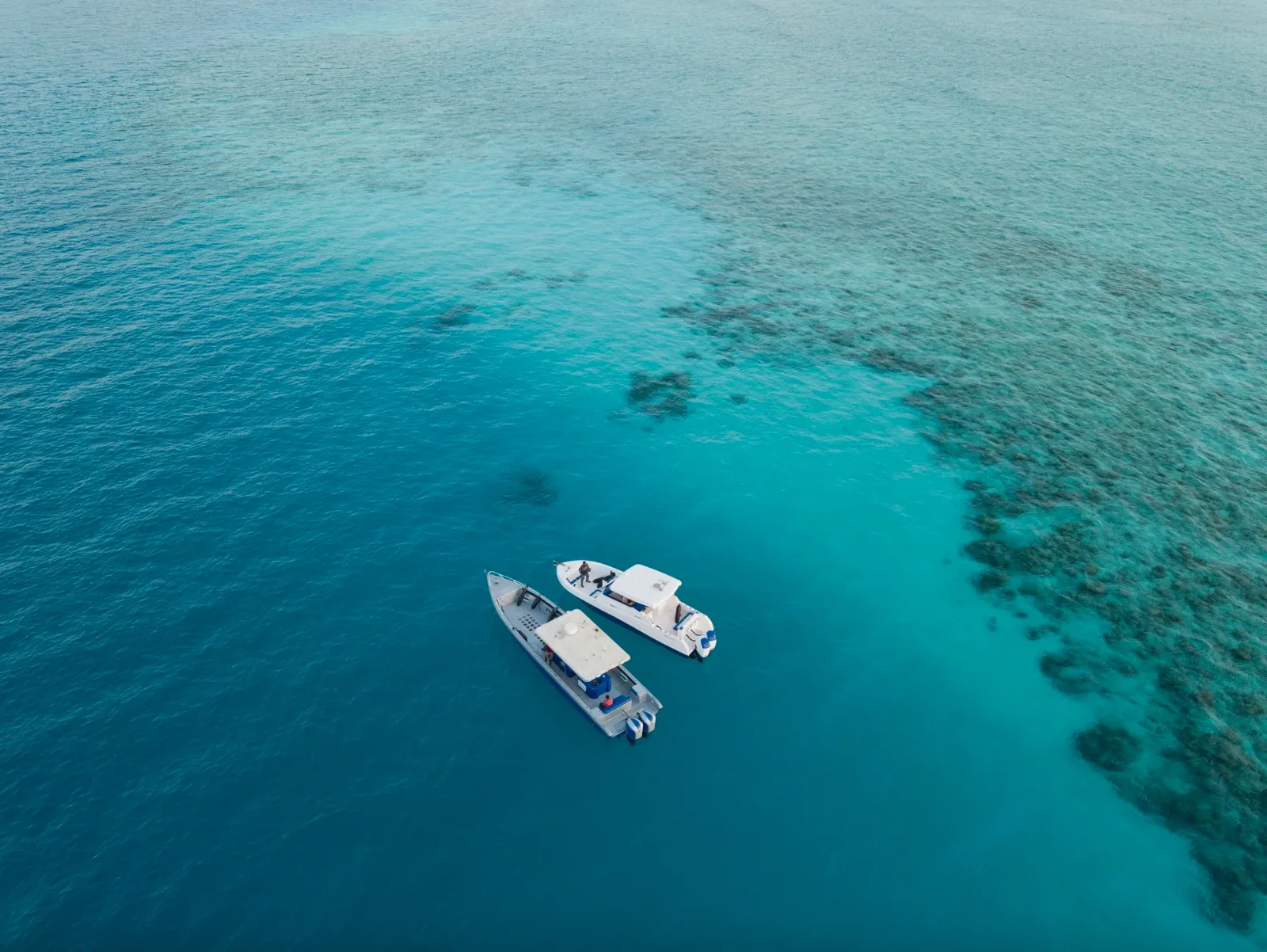
The diving is built around boat trips to passes, outer reef walls, thilas, caves and overhangs, with house reefs providing a useful change of pace. In a pass, the current can turn a planned descent into a genuine drift dive: you may hold position briefly, watch the reef slide past, then move downcurrent with the group and boat. Kuredu Express and similar channels are for divers comfortable with stronger water, while sheltered reefs suit less experienced visitors. Visibility is generally most dependable from December to April, although plankton-rich water and swell during the south-west monsoon can reduce it. Advanced Open Water training helps with deeper descents and pass work, and a drift-diving qualification is useful preparation.
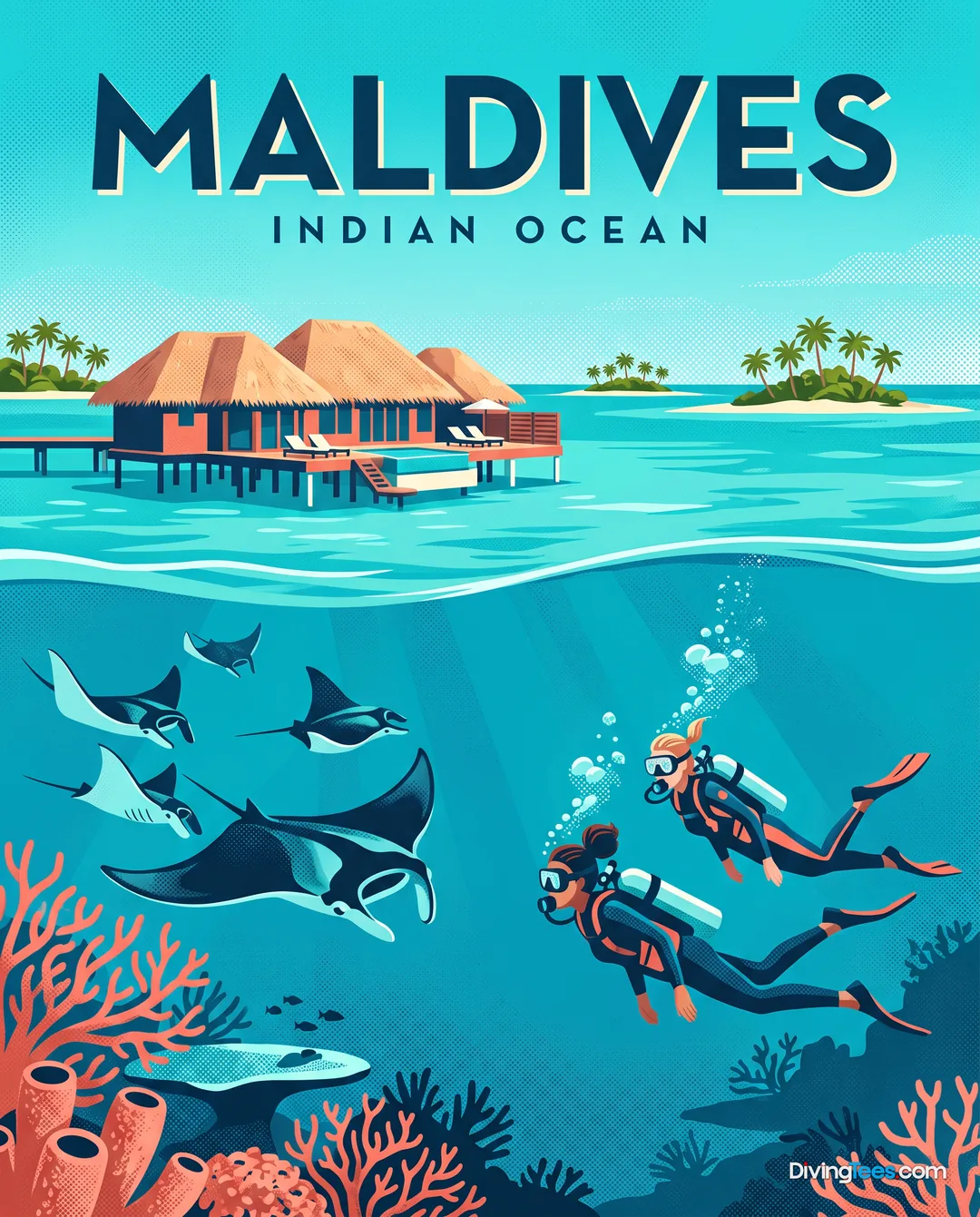
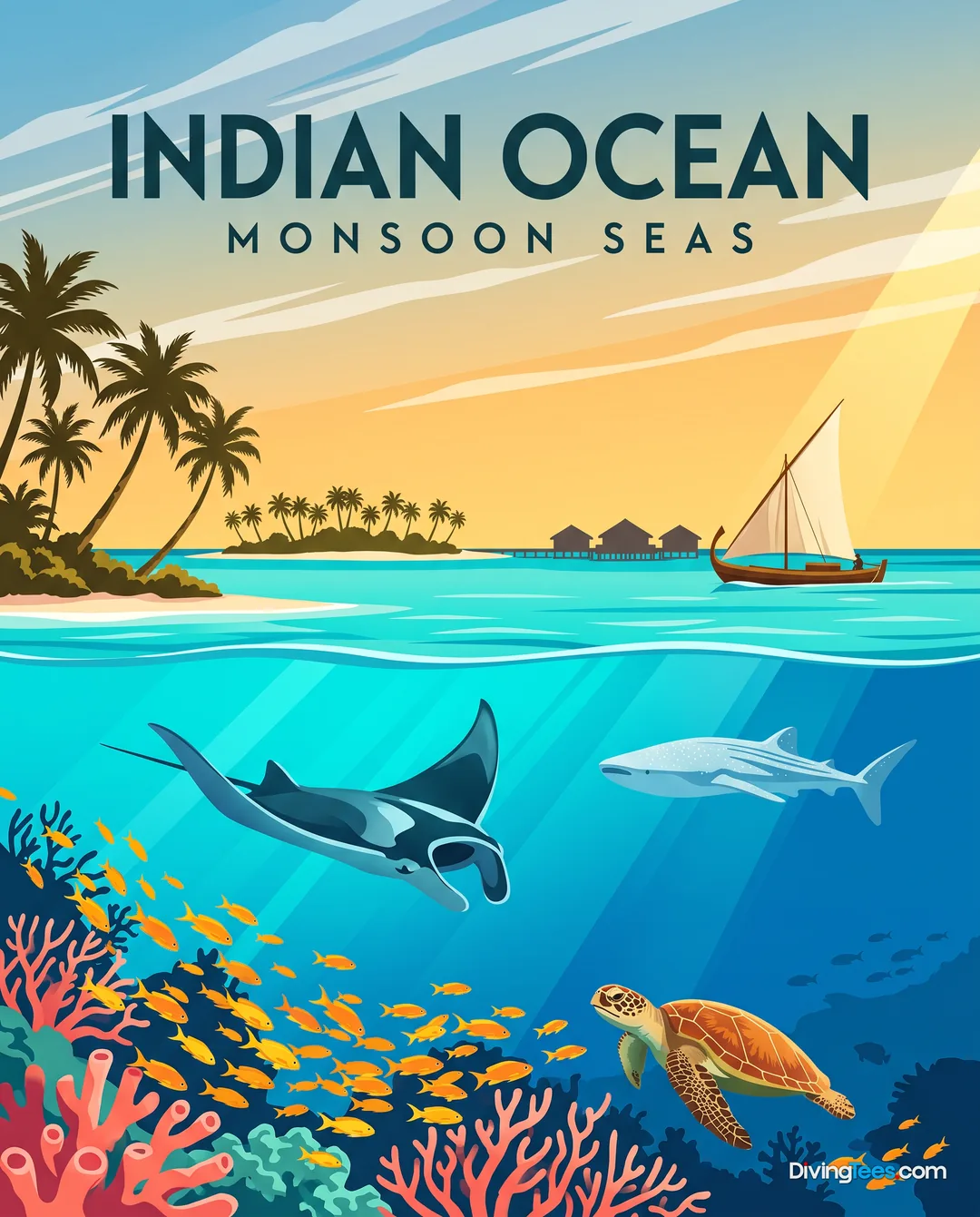
Grey reef sharks are a regular possibility throughout the year, particularly where pass currents bring water across the reef. Whitetip reef sharks and eagle rays are less consistent encounters, while hawksbill turtles can turn up on both reef and wall dives. Manta rays are the seasonal draw: from May to November, plankton-rich water and cleaning sites in parts of the atoll can improve the chances of seeing them. That same richness may mean less clear water and more unsettled conditions. Whale sharks are rare here, so they should not shape the trip. The practical expectation is a mix of reef sharks, turtles and schooling fish, with mantas added when season, site and current align.
Choose December to April when calm surface conditions and clearer water matter most, especially if passes and reef sharks are the priority. The north-east monsoon generally brings less rain, lighter seas and better visibility for boat diving. From May to November, the south-west monsoon, or rainy season, brings more swell and stronger, less predictable pass conditions, but it also carries the plankton that attracts manta rays to cleaning sites. June is a poor month to select solely for visibility, as the sea can be particularly unsettled. The choice is therefore straightforward: dry-season comfort, or seasonal mantas with more flexibility required.
Lhaviyani works for mixed-experience groups because house reefs and sheltered sites can accommodate newer divers, while passes demand more judgement. Beginners should not treat the atoll's shark reputation as a reason to enter a strong channel before they are ready. Advanced Open Water is useful for deeper descents and pass dives, and drift-diving training is worthwhile for anyone intending to make current-led outings. Experience with buoyancy, entries and exits in moving water will make the exposed sites considerably more manageable.
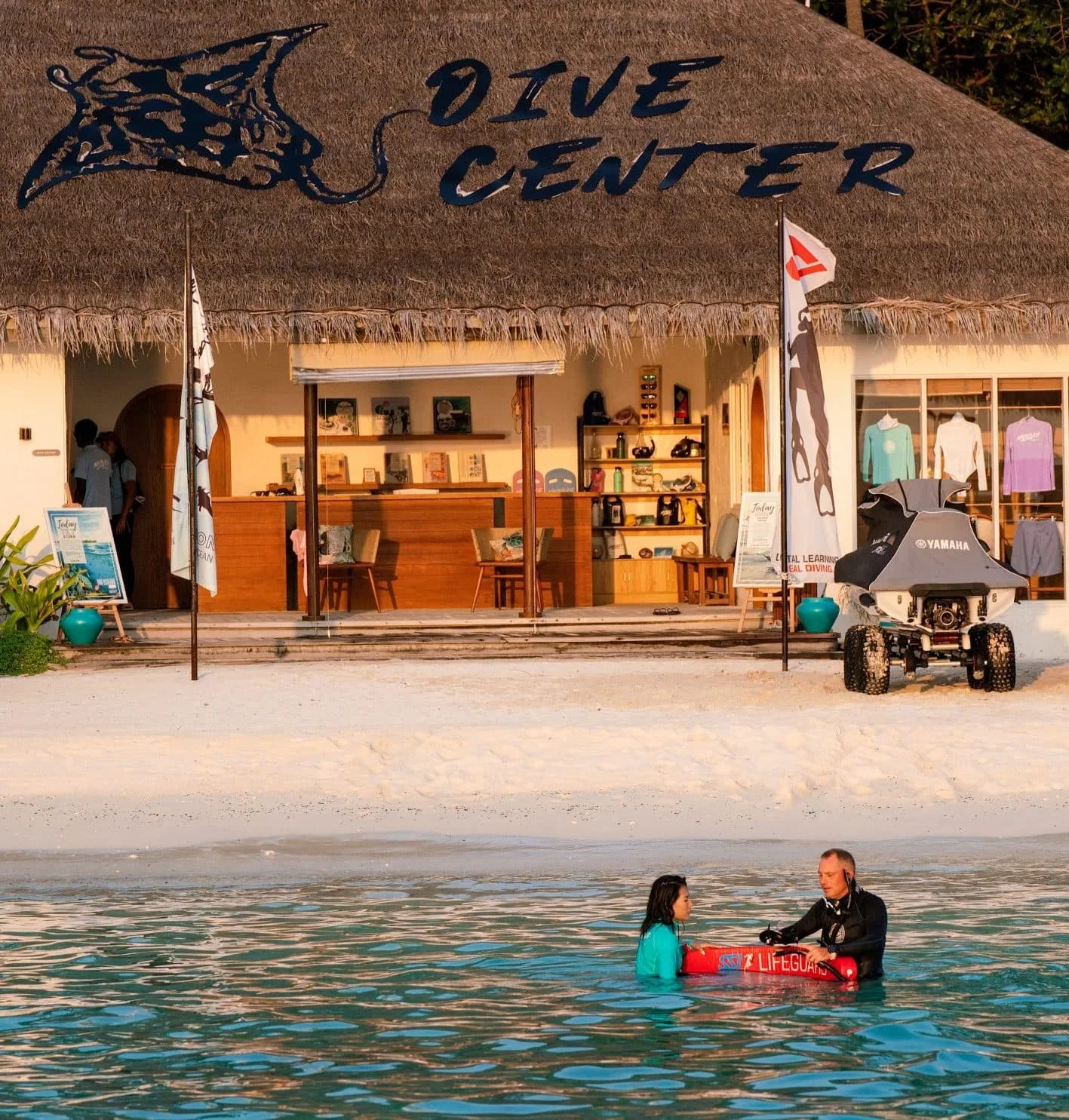
From London Heathrow, London Gatwick or Manchester, travel normally begins with a flight to Velana International Airport at Malé. The onward transfer depends on the island hotel: some use a seaplane, while others combine a domestic flight with a speedboat. There is no single journey pattern for the atoll, so check the exact arrangement before booking. Resort-imposed departure times matter, and a late arrival in Malé may require an overnight stop before the onward leg. Once on the island, the dive centre is generally within walking distance of the accommodation or reached using the island's internal transport. The boat then becomes the practical way to reach passes, thilas and outer reefs.
Ask before booking which Lhaviyani sites are actually run from your chosen island. A site shown on an atoll map may be too distant for a routine outing, or offered only when weather, current and boat plans line up. Leave several days for diving rather than building the trip around one pass day. That gives the centre room to replace Kuredu Express or another exposed channel when the current is too strong or the sea is running hard. Treat pass dives as drift dives, agree the downcurrent plan and keep the safety stop and boat rendezvous in mind before entering the water. If mantas matter more than visibility, target cleaning sites during the south-west monsoon and accept more variable conditions. Conversely, do not book June simply for clear water. Finally, leave a proper surface interval before any onward flight, and avoid a tightly timed transfer after the last dive.
The simplest arrangement is a seven- to ten-day stay on an island hotel with its own dive centre. House-reef dives can fill quieter days, while boat trips reach the passes, thilas and more distant sectors. A liveaboard may include Lhaviyani on a northern-atoll itinerary, but it is not essential when the island itself provides accommodation and diving. Non-divers have beaches, snorkelling, boat excursions, kayaking and other non-motorised water activities, so the trip need not revolve entirely around boat departures.
Hello, I'm Marina, DivingDeal.com's AI assistant. I guide you through destinations, areas and countries.
Thinking about the whole trip and the flights? Talk it over with Edith →
Marina is an AI. Some links are affiliate links: DivingDeal may earn a commission, at no extra cost to you. Bookings are made with the partner.
Choose December to April if calmer seas and clearer water matter most, especially for boat trips to passes and reef shark sites. From May to November, plankton-rich conditions can attract manta rays to cleaning sites, but swell, rain and less predictable currents may reduce visibility. June can be particularly unsettled.
Lhaviyani Atoll suits mixed-experience groups because house reefs and sheltered sites can accommodate newer divers. Stronger channels such as Kuredu Express require comfort with moving water and drift diving. Advanced Open Water training helps with deeper descents and pass dives, while drift-diving training and confident buoyancy improve your handling of exposed sites.
In Lhaviyani Atoll, you can explore current-swept passes, thilas, drop-offs, overhangs, reef caves and house reefs. Grey reef sharks are a regular possibility, with hawksbill turtles, schooling fish, whitetip reef sharks and eagle rays also appearing. Manta rays are the seasonal draw from May to November at suitable cleaning sites.
Choose an island hotel with its own dive centre and check which Lhaviyani Atoll sites it actually visits. Allow several days for diving so weather and currents can change the schedule, mixing house reefs with boat trips to passes and thilas. Confirm the transfer arrangement from Malé, resort departure times and any overnight stop needed.