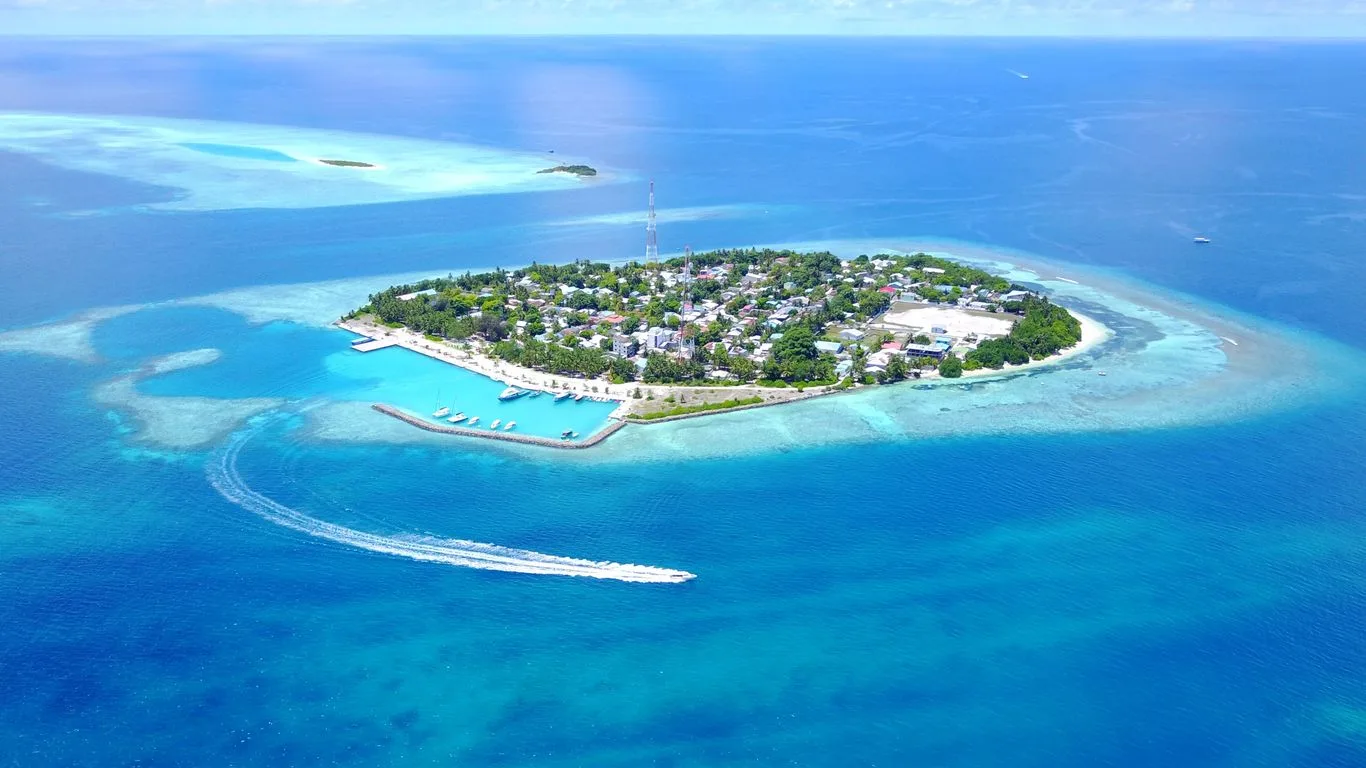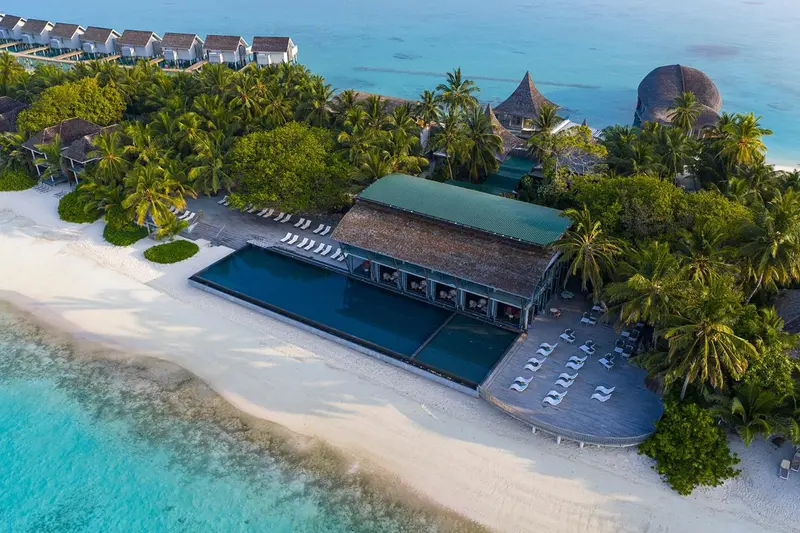
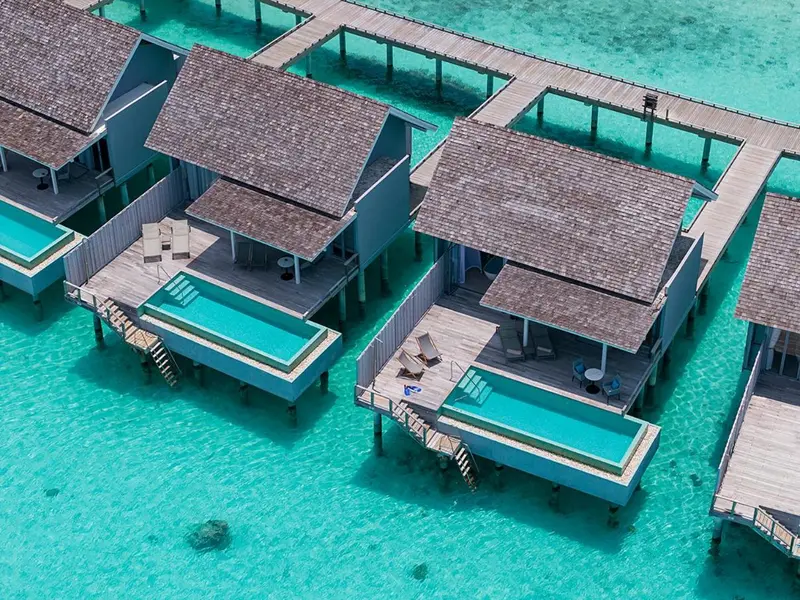
 Dive centre in the hotel
Niva Kuramathi Maldives
★★★★
Google 4.8/5 (2,658 reviews)
The dive centre
Kuramathi Dive Club
SSI · PADI
Google 4.8/5 (46 reviews)
Dives: Manta Block, Madivaru, Caves
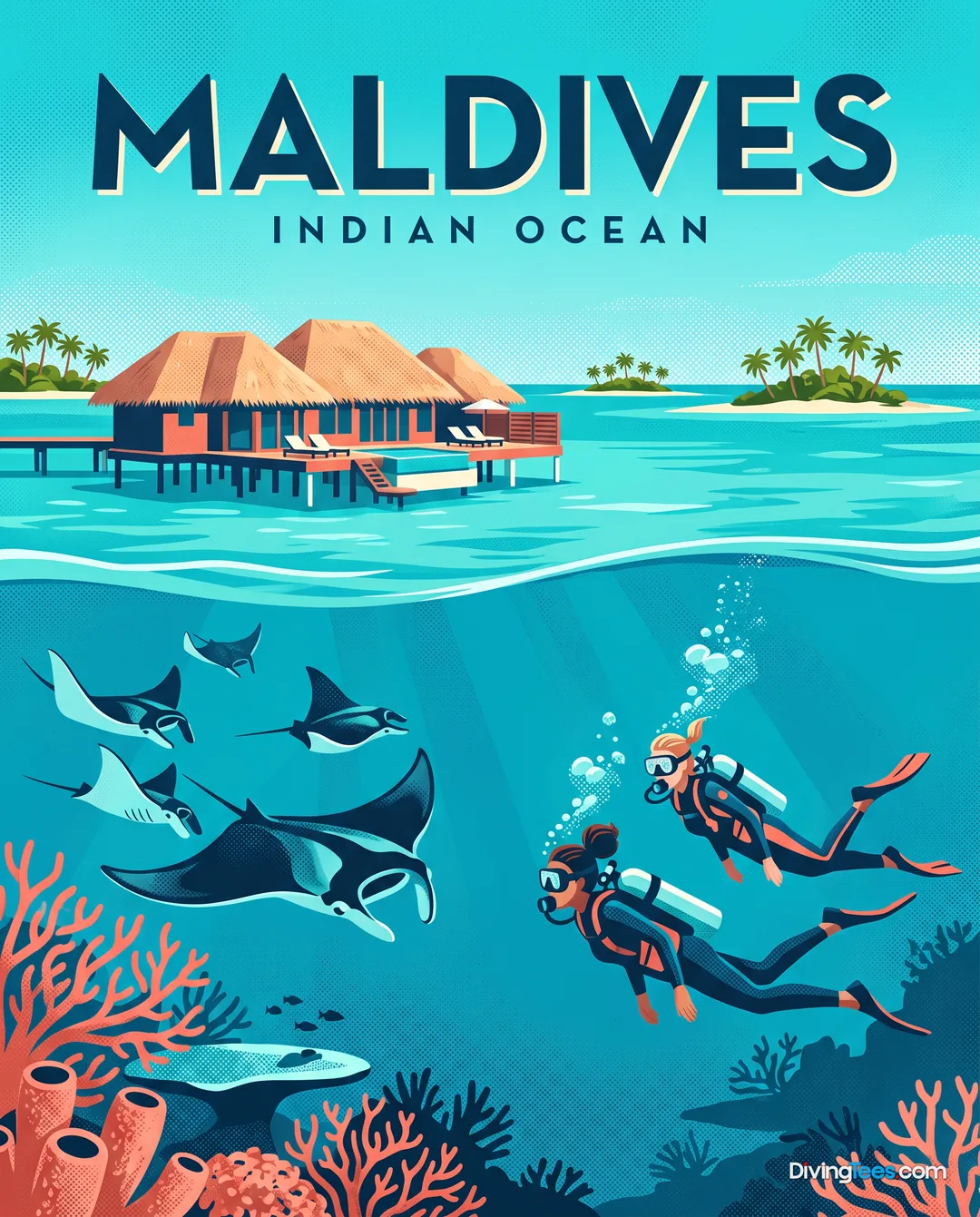
Maldives · Indian Ocean
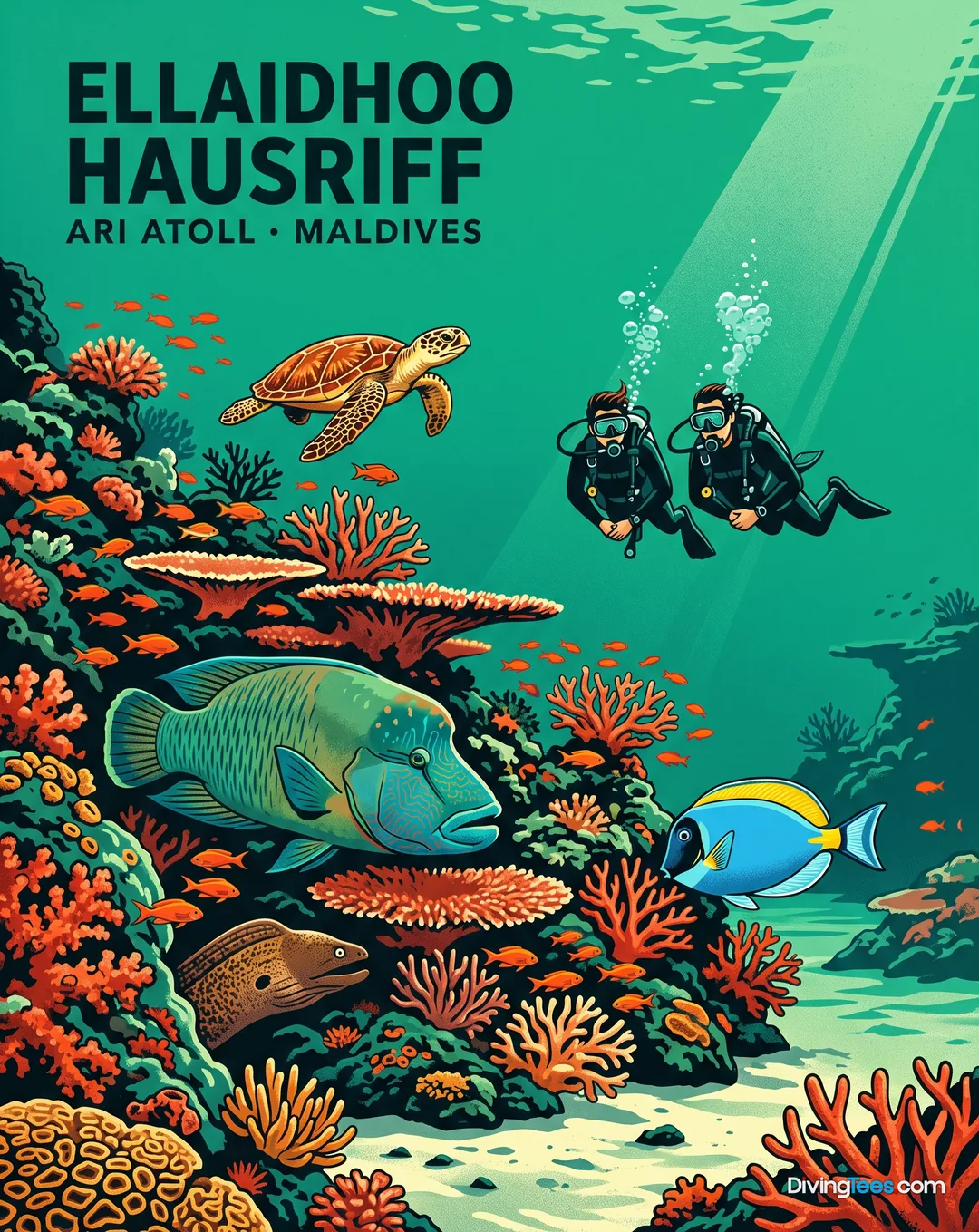
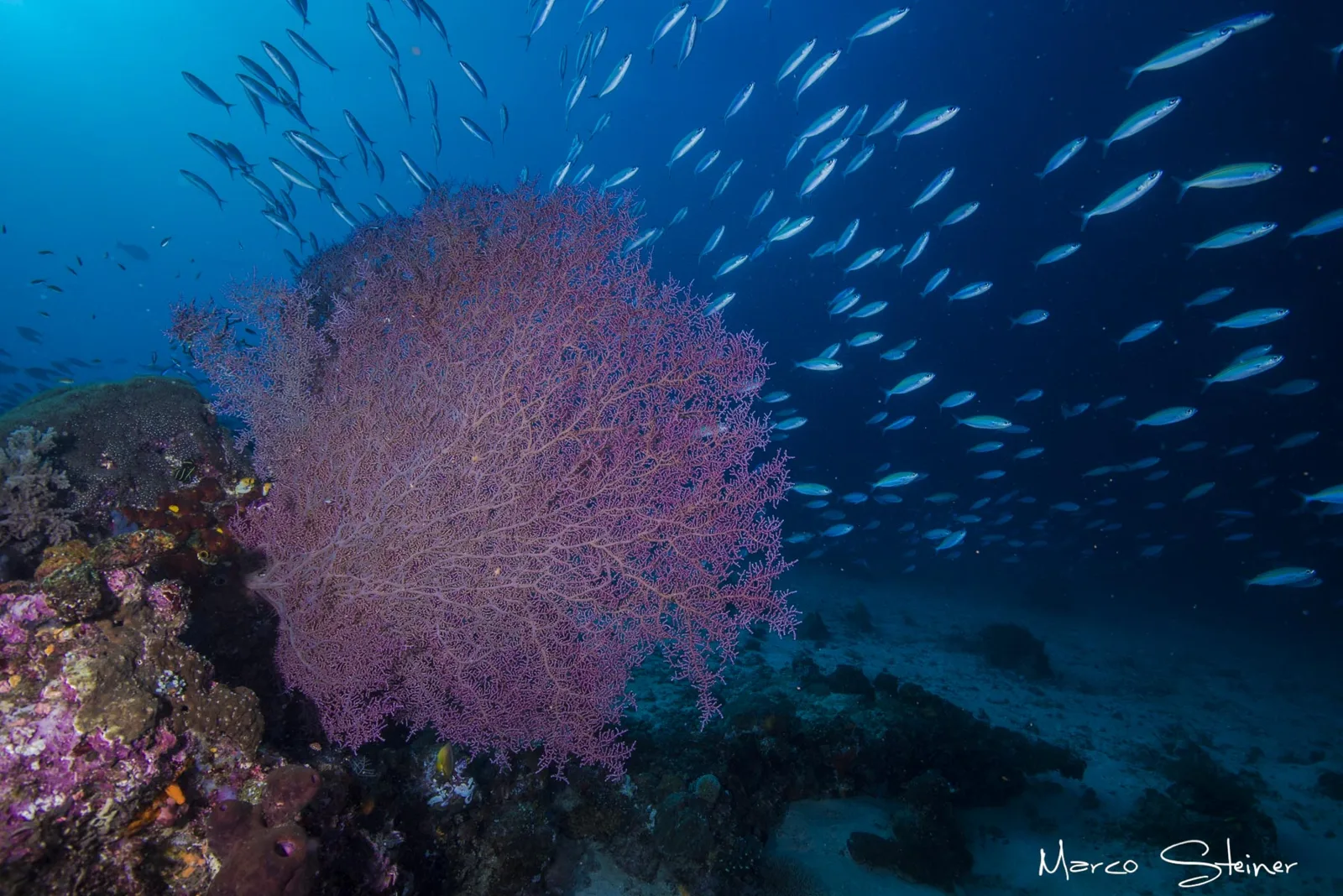
Hafza Thila’s black corals, Kudarah Thila’s blue-striped snappers, manta rays and whale sharks define Ari Atoll’s boat diving.
For subtitles in English: start the video firstthen click the gearat the top right of the video, select “Subtitles/CC”, then “Auto-translate” and choose “English”.
Ari Atoll is built around boat diving, with thilas, channel entrances, outer reef walls and lagoon sites forming the daily menu. At Hafza Thila, hard black corals rise from ten metres towards a sandy bottom at 35 metres, while grey reef sharks and schooling reef fish use the current. Kudarah Thila offers steep walls, a canyon and a cave, with blue-striped snappers packed along the reef. Resort boats and liveaboards both work well here.
The diving alternates between sheltered lagoon reefs, isolated pinnacles and current-swept passes. Some dives are calm enough for a relaxed circuit, while channel entries require divers to judge the flow, descend in the right place and hold position without contacting the reef. Hafza Thila is a good illustration: its reef top begins around ten metres, the site reaches 35 metres, and the current can become strong enough to carry divers away from the pinnacle. Kudarah Thila is shallower, with walls between 14 and 25 metres, a northern canyon and an eastern cave. Maya Thila adds a very different night-dive experience. Visibility is not uniform across the atoll; Hafza Thila is typically reported at 30 to 45 metres, while conditions elsewhere depend on monsoon, current and site choice. Most outings are by boat, either from a resort or aboard a liveaboard.
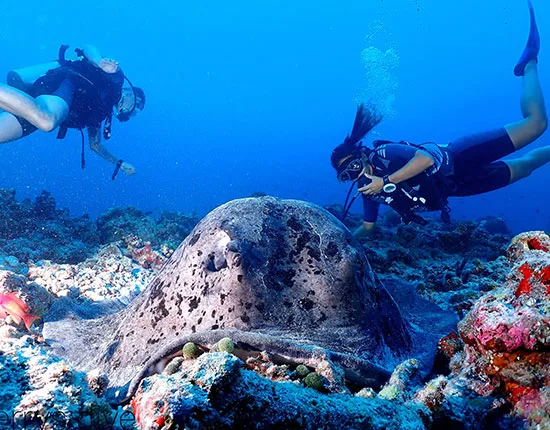
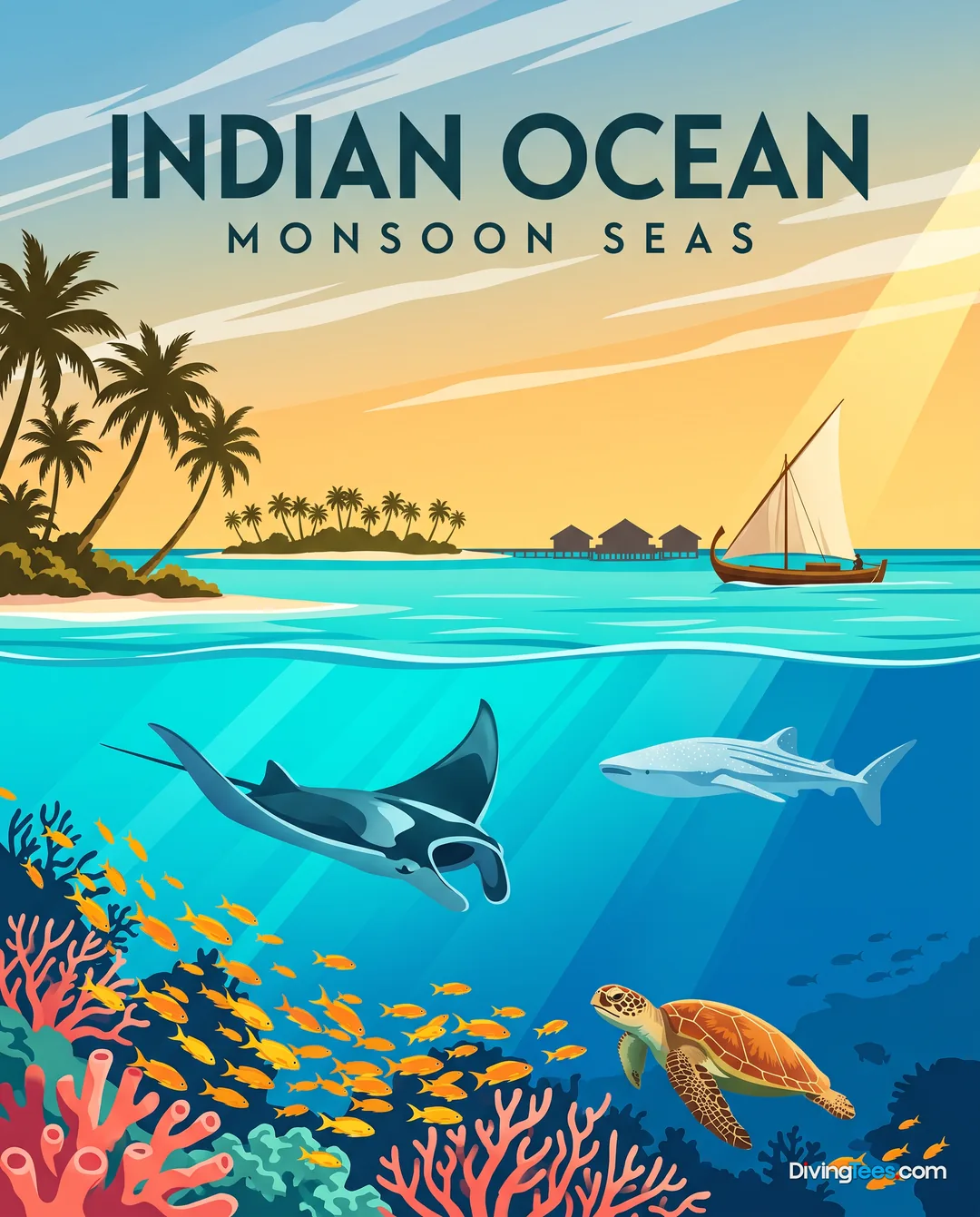
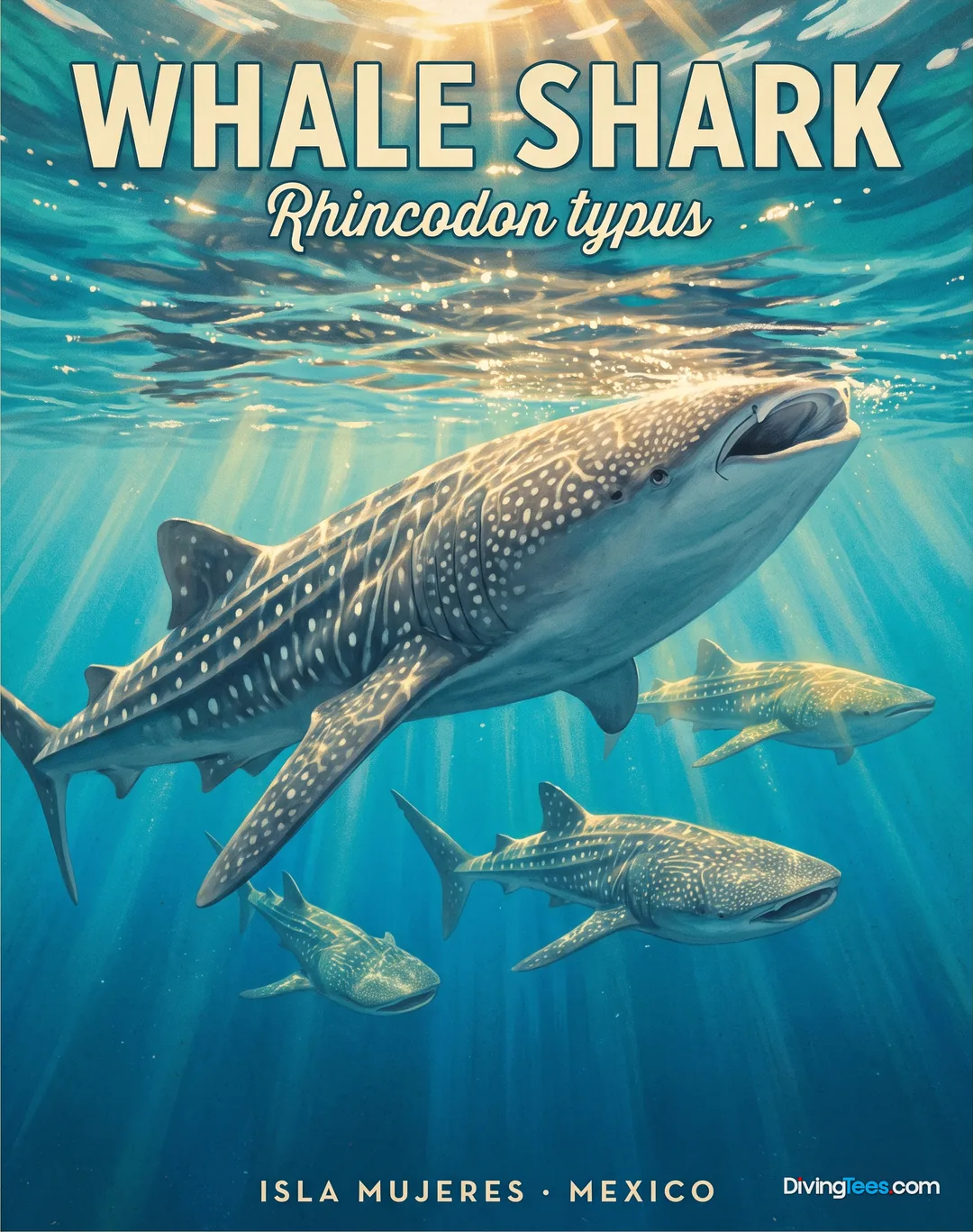
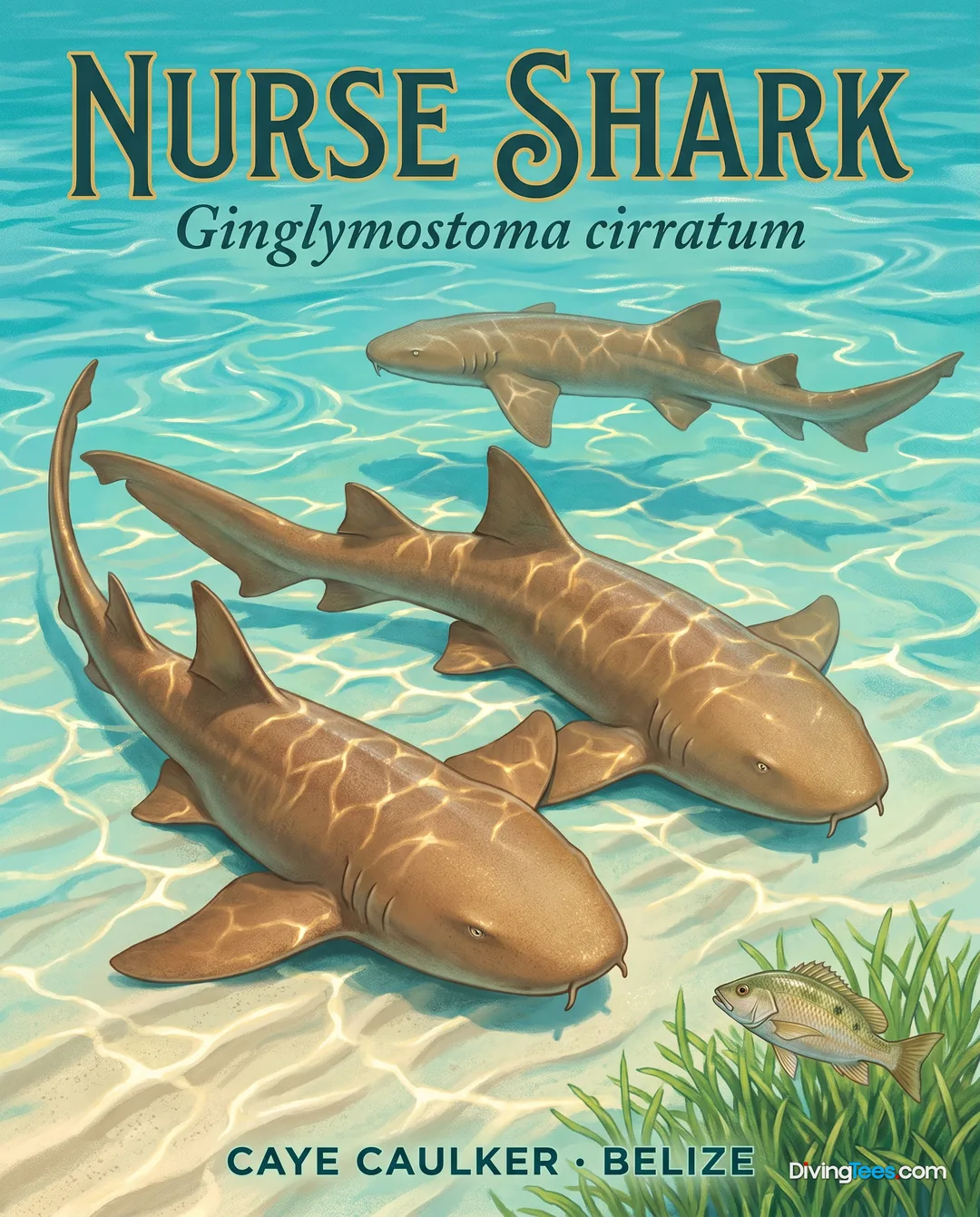
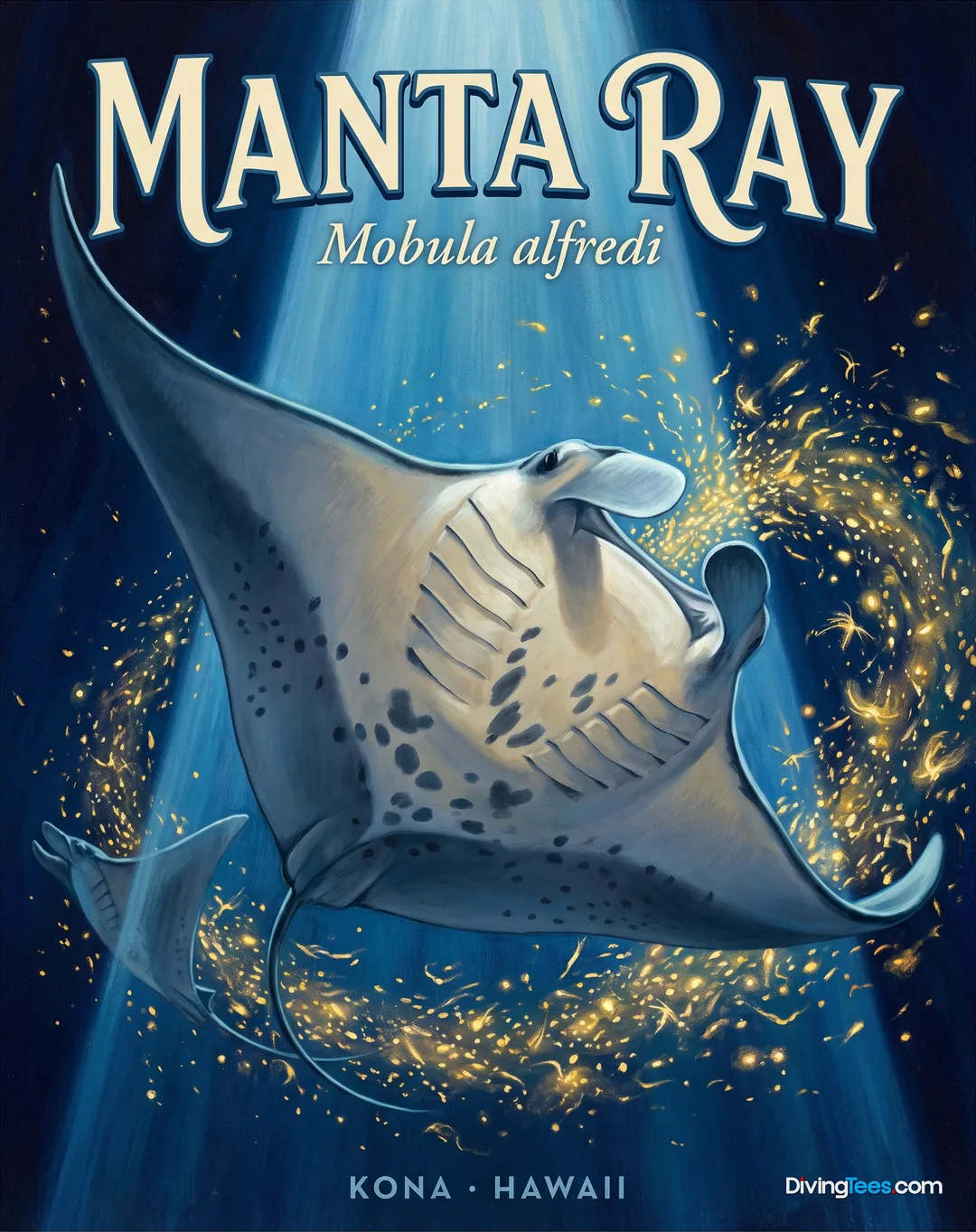
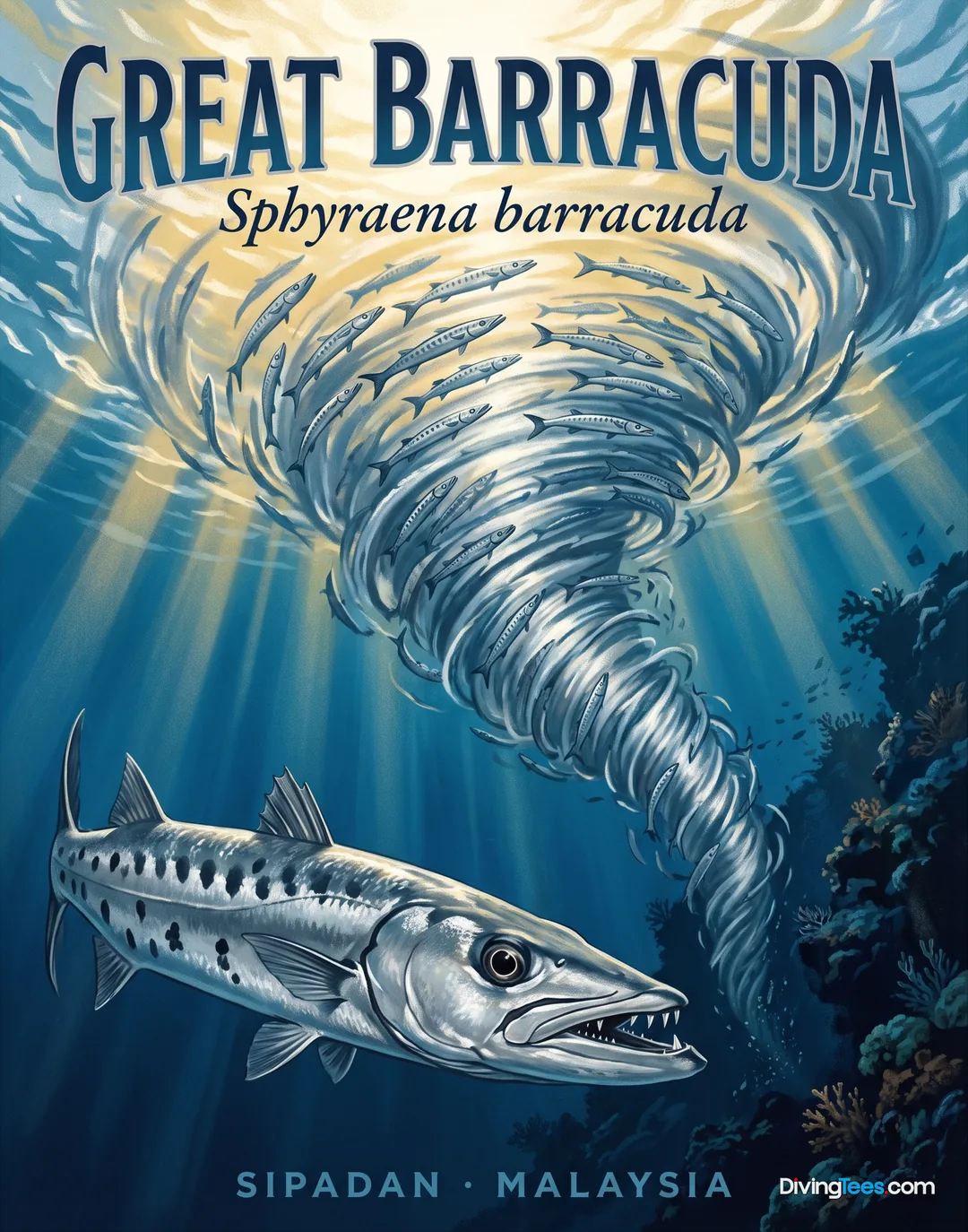
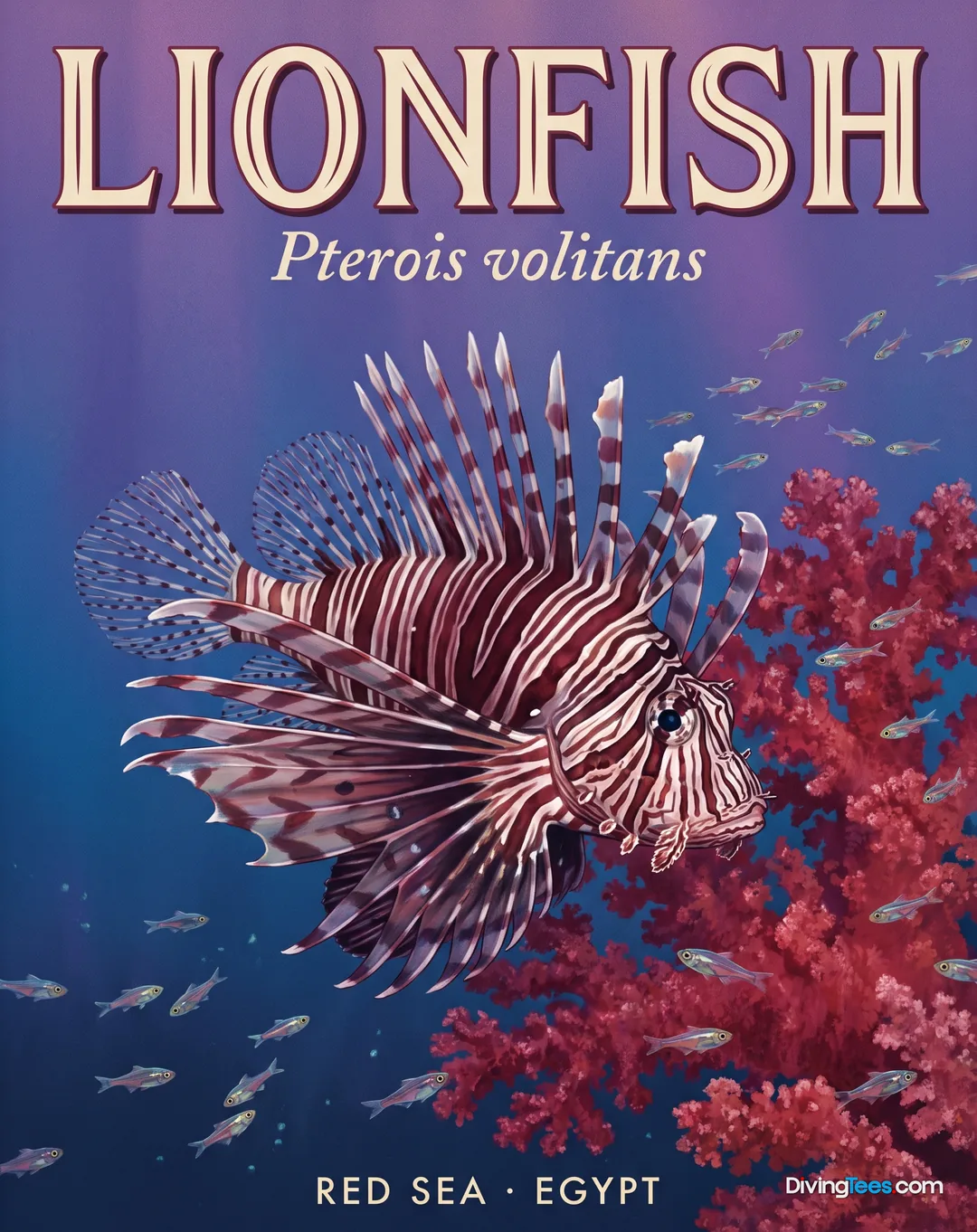
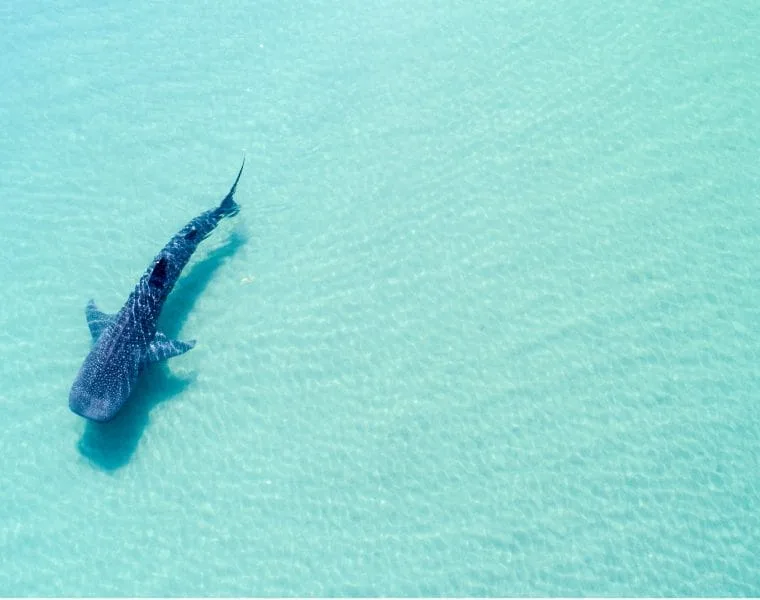
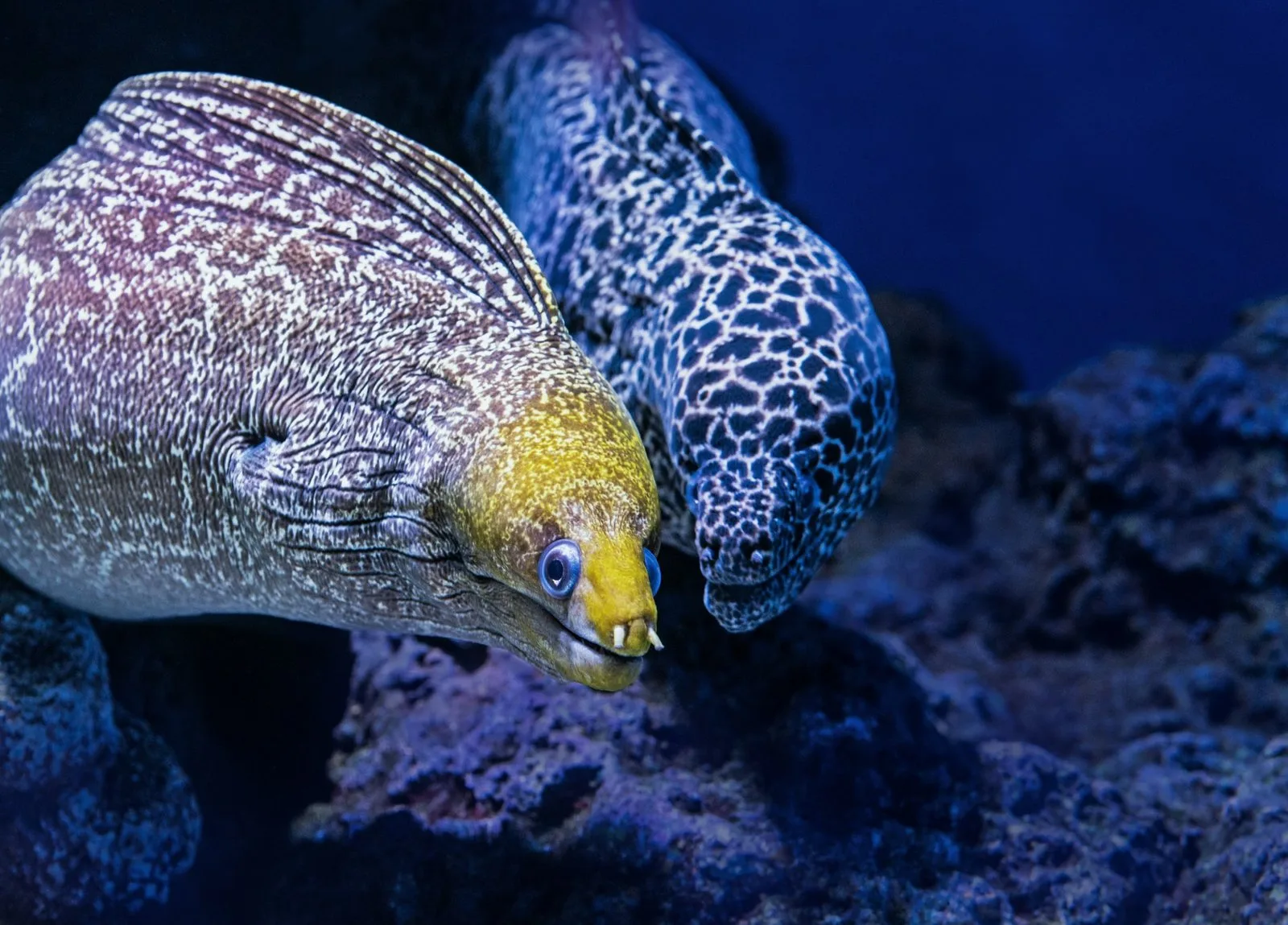
Large animals are part of Ari Atoll’s appeal, but they are tied to place, current and plankton rather than guaranteed on every dive. Manta rays are regular on exposed cleaning and feeding areas during the southwest monsoon, when plankton-rich conditions can bring them close. Whale sharks are also regular, particularly around productive areas of South Ari, although the exact likelihood is site-dependent. Grey reef sharks are present year-round on current-swept channels, with whitetip reef sharks and eagle rays adding to the pelagic traffic. Sea turtles, surgeonfish, fusiliers, groupers, moray eels and lionfish fill the reef scenes. At Kudarah Thila, blue-striped snappers and passing great barracuda give the walls their movement; at Maya Thila, night divers may see whitetip reef sharks hunting while turtles rest.
Ari Atoll can be dived throughout the year, but November to April is the clearest practical window for a calmer trip, with the lowest rainfall from January to April. The northeast monsoon favours a different side of the atoll from the southwest monsoon, so the most useful channels, manta areas and outer reefs shift with wind, current and plankton. The southwest season can be particularly worthwhile for manta rays on exposed feeding and cleaning areas. Divers travelling outside the calmer November-to-April period should allow the itinerary to follow the productive side of the atoll rather than fixing on one animal or one channel.
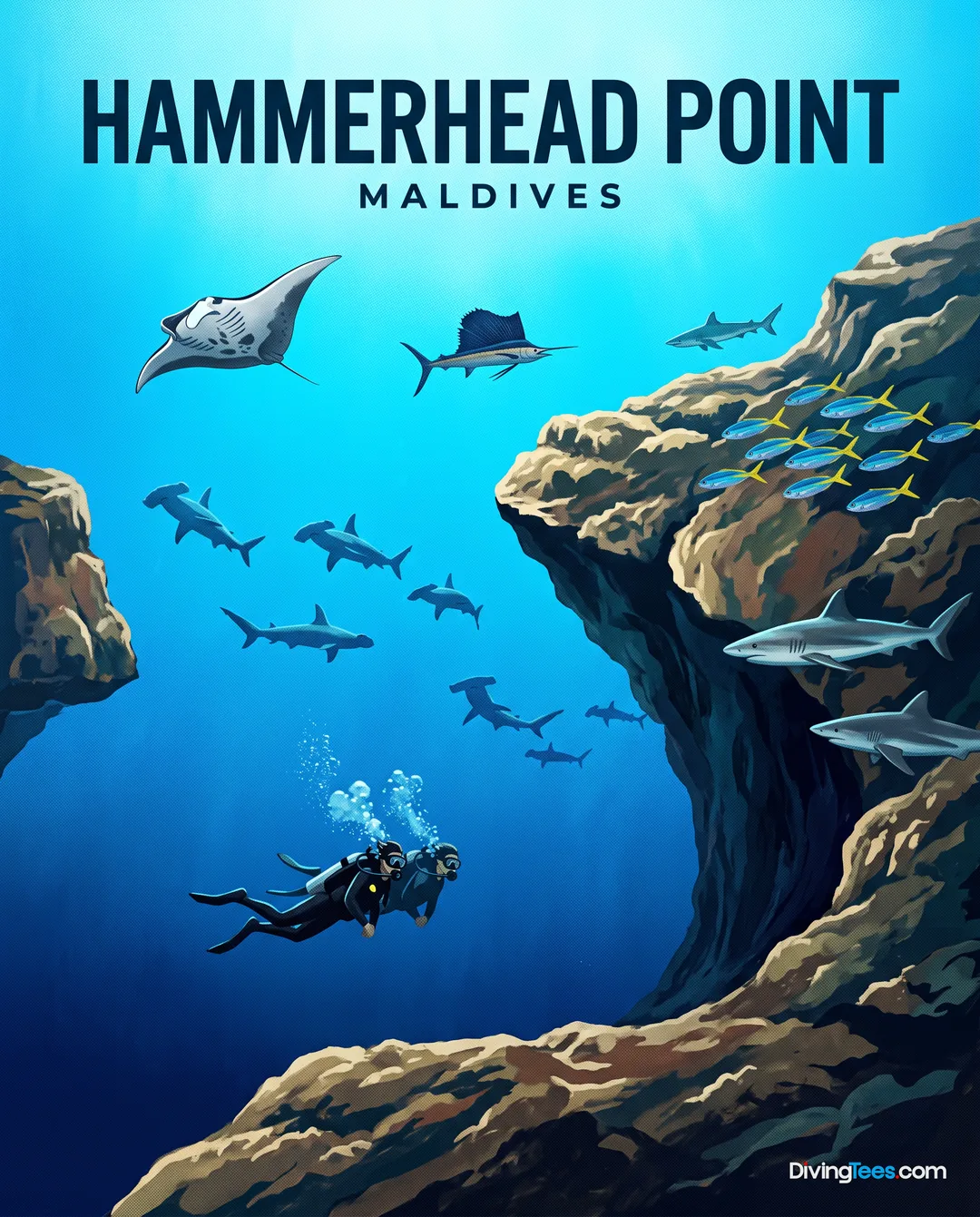
All levels can find suitable diving, provided beginners remain on calmer lagoon and reef sites. The channel and pass dives are a different proposition: current experience, controlled descents and comfort with drift procedures matter more than a simple depth qualification. Advanced Open Water is useful for deeper profiles such as Hammerhead Shark Point, which begins around 30 metres. Nitrox suits repeated boat diving, while Drift training is valuable. BSAC divers should look for equivalent current and deep-diving experience within their own training pathway.
From London Heathrow, London Gatwick or Manchester, the journey to Ari Atoll involves reaching the Maldives first and then making a separate over-water transfer from the Malé area. Depending on the resort or liveaboard routing, that final leg is either a domestic seaplane or a speedboat; there is no road access or land crossing to the atoll. Seaplane timings depend on daylight, and baggage limits may affect how equipment is packed, so the onward connection needs planning rather than treating it as a normal airport transfer. Once in Ari, divers generally leave directly from the resort jetty or a nearby dive centre by boat. Independent, street-style transport is minimal, and liveaboard guests follow the vessel’s route instead.
Ask whether each planned dive is on the lagoon side or the outer reef side. That distinction matters in Ari because the monsoon changes the useful side of the atoll, the current and the chance of finding mantas or active channels. Treat every pass entry as a current dive even if the reef top looks flat; the entry point and timing decide whether the group stays on the pinnacle. A surface marker buoy is worth carrying personally on boat dives, as is sun protection suited to long surface intervals. If the aim is more than one headline species, a package covering channels as well as manta or whale-shark areas gives the trip more resilience when conditions move the action elsewhere. Early departures can reduce boat traffic at busy manta routes. Do not book the trip around a single flagship animal without checking the monsoon side, and do not assume Kudarah Thila or Hafza Thila will be suitable when the current is running too hard.
Seven to ten days allows weather and current to dictate the better sites instead of forcing every dive onto one itinerary. Resort-based divers can build days around the house reef, lagoon sites and longer channel trips, while liveaboards cover more of the atoll without returning to one jetty. A non-dive day works well before the return flight, with snorkelling, lagoon time or a sandbank outing rather than a demanding excursion. Non-divers generally have resort activities, but little independent activity beyond that setting.
Hello, I'm Marina, DivingDeal.com's AI assistant. I guide you through destinations, areas and countries.
Thinking about the whole trip and the flights? Talk it over with Edith →
Marina is an AI. Some links are affiliate links: DivingDeal may earn a commission, at no extra cost to you. Bookings are made with the partner.
In each one, the dive centre is inside the hotel: step out of your room and go diving.
Dive centre in the hotel★★★★
Google 4.8/5 (2,658 reviews)
The dive centre
Kuramathi Dive Club
SSI · PADI
Google 4.8/5 (46 reviews)
Dives: Manta Block, Madivaru, Caves
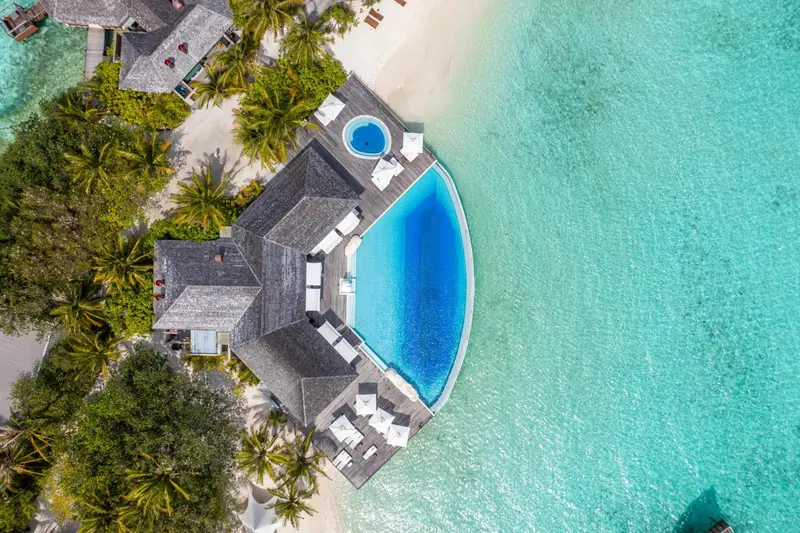 Dive centre in the hotel
★★★★★
Google 4.8/5 (1,264 reviews)
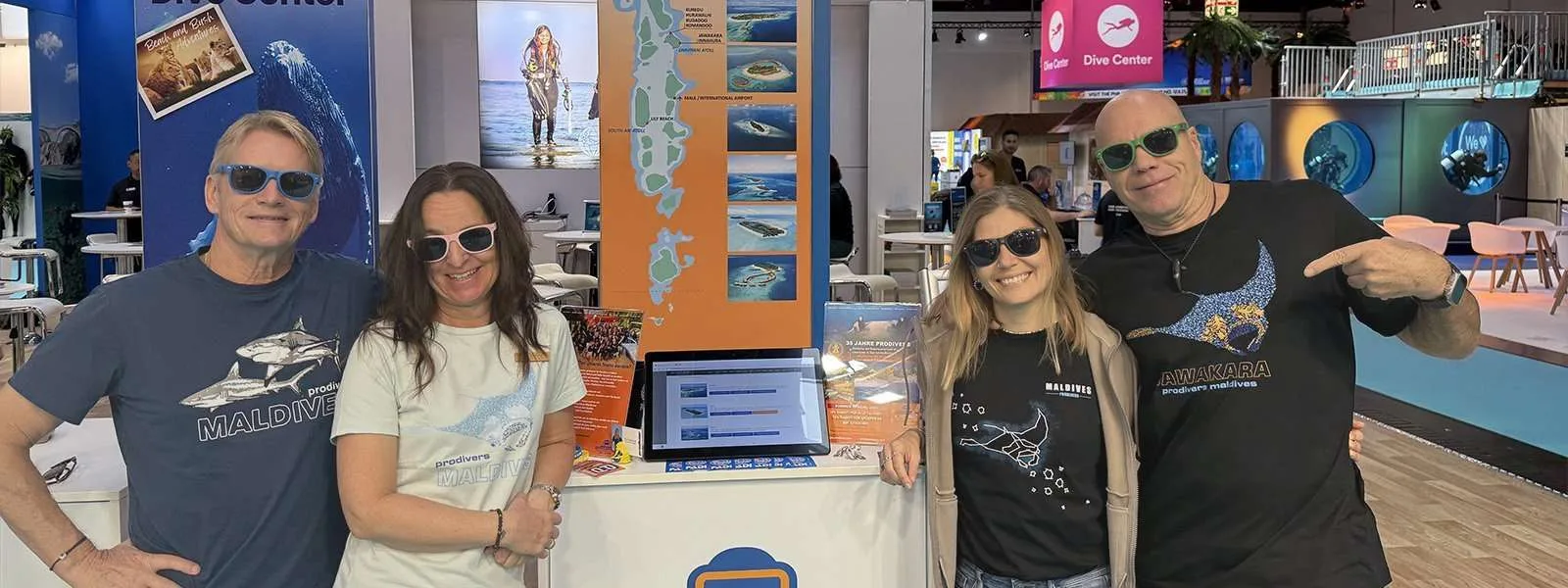
The dive centre
Prodivers Lily Beach
PADI
Google 5/5 (13 reviews)
Dives: House Reef de Lily Beach
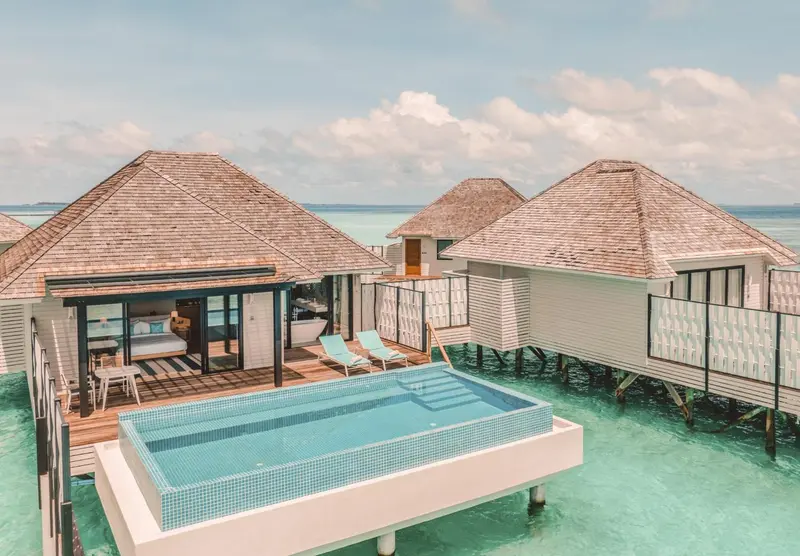 Dive centre in the hotel
★★★★★
Google 4.8/5 (355 reviews)
The dive centre
Aquaholics-Nova
PADI
Google 4.8/5 (371 reviews)
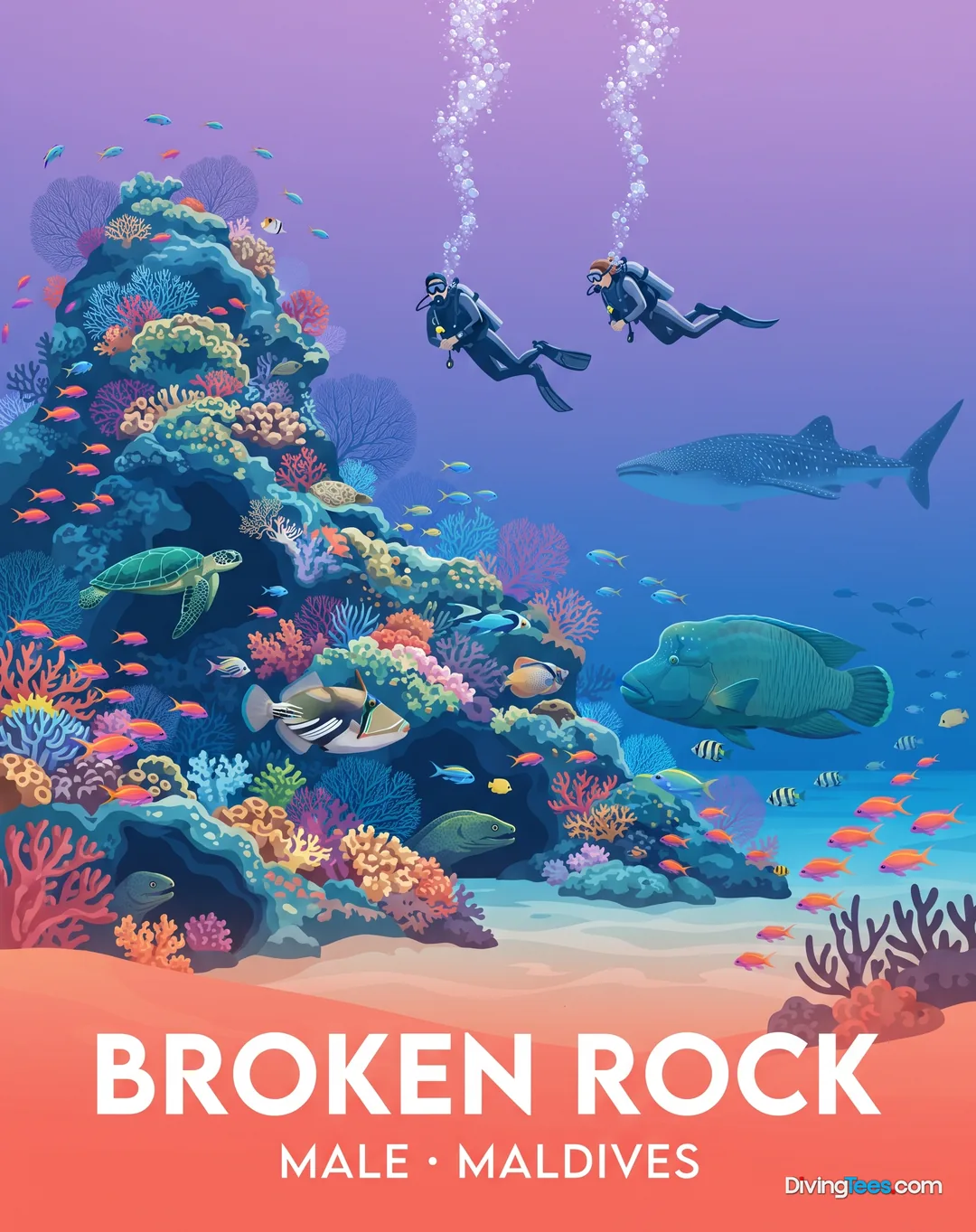
Dives: Kudha Rah Thila, Broken Rock, Reethi Thila
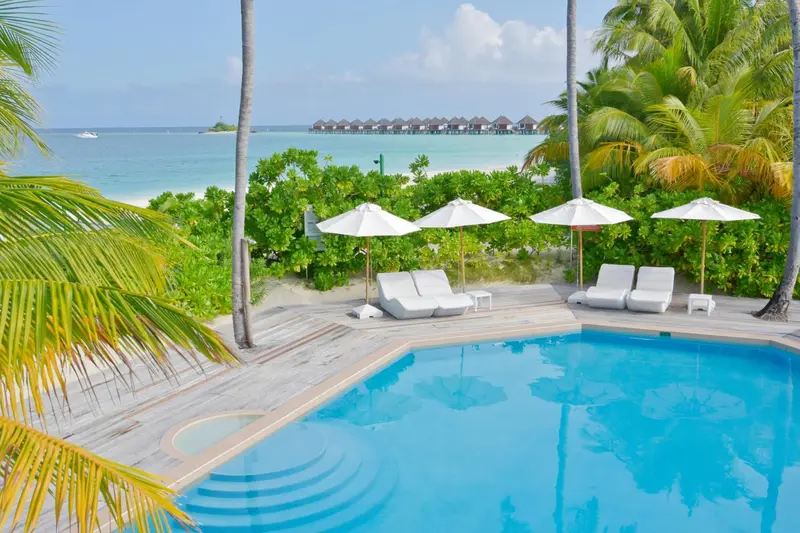 Dive centre in the hotel
★★★★
Google 4.6/5 (543 reviews)
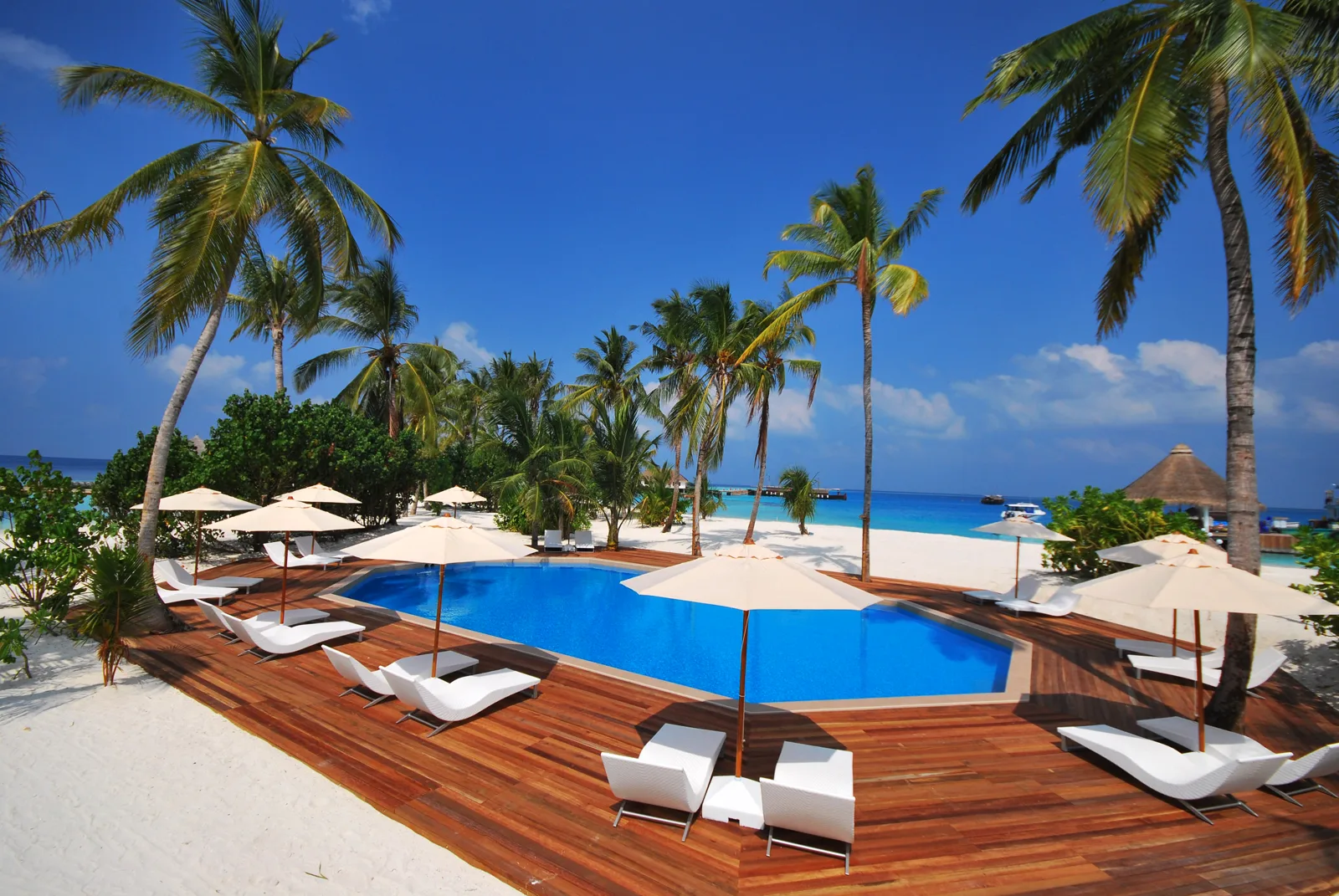
The dive centre
Joy Dive Safari Island
SSI
Google 4.8/5 (26 reviews)
Dives: Récif de maison - Safari Island, Fish-Head, Maaya Thila
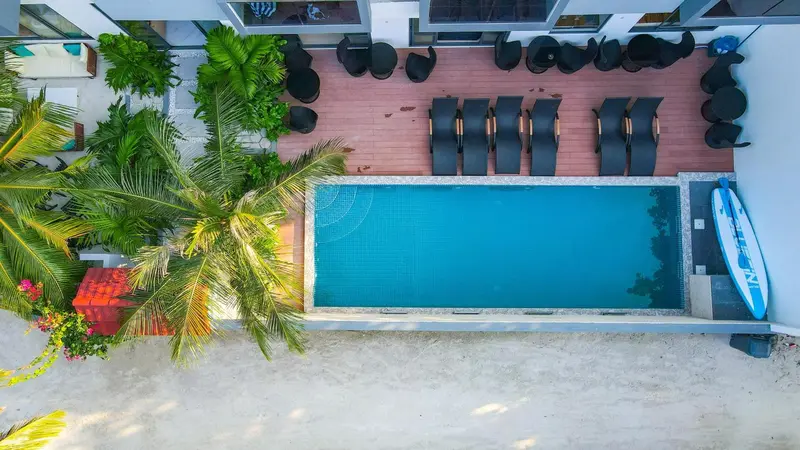 Dive centre in the hotel
Google 4.6/5 (214 reviews)
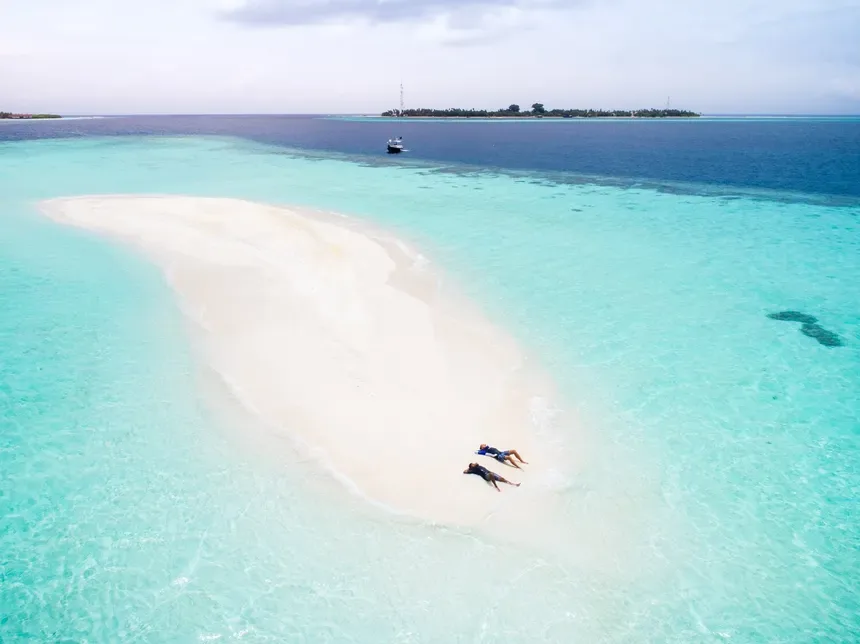
The dive centre
South Ari Dive Center
PADI
Google 4.5/5 (201 reviews)
Dives: Kuda Rah Thila, Brocken Rock, Kuda Giri
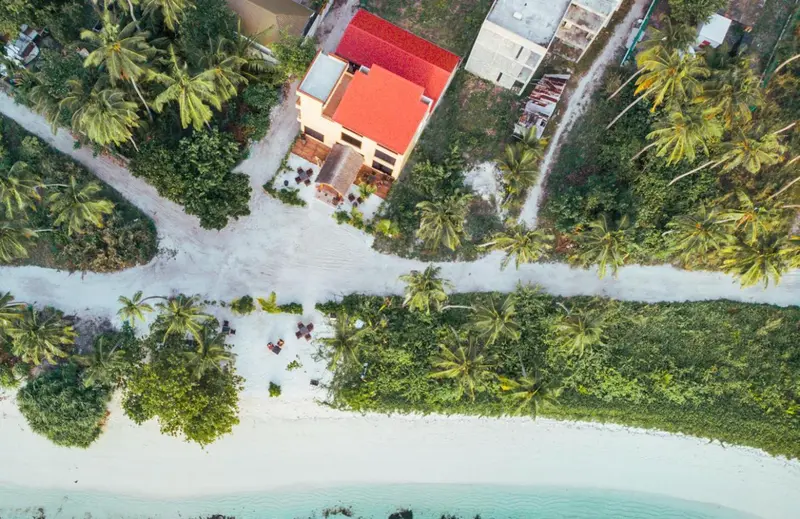 Dive centre in the hotel
★★★
Google 4.5/5 (152 reviews)
The dive centre
Endheri Dive Center
PADI
Google 4.4/5 (82 reviews)
Dives: BANANA REEF, MAHIBADHOO MANTA ROCK, RANGALI MADIVARU MANTA POINT
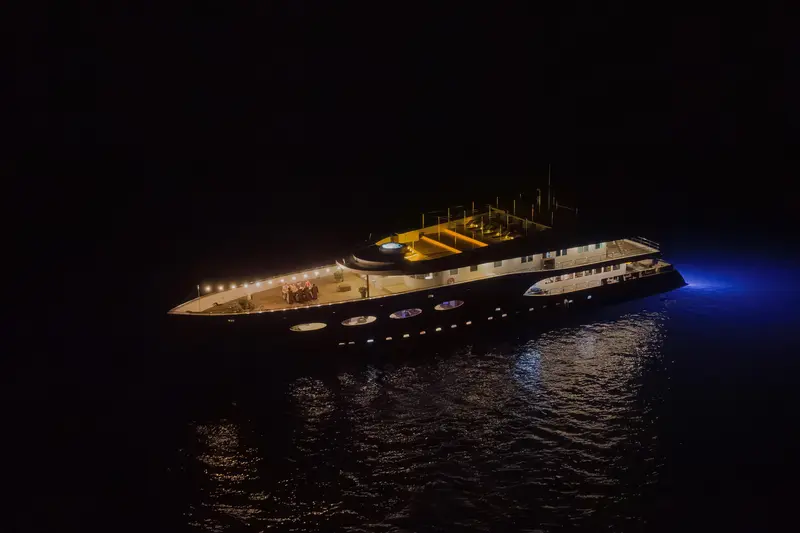
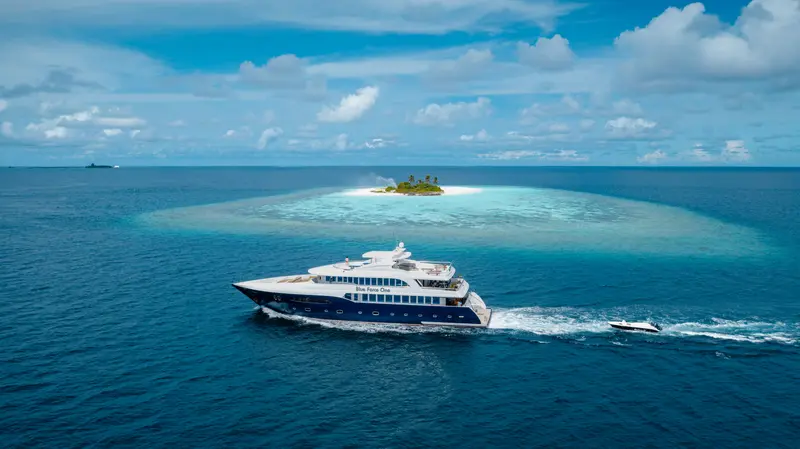
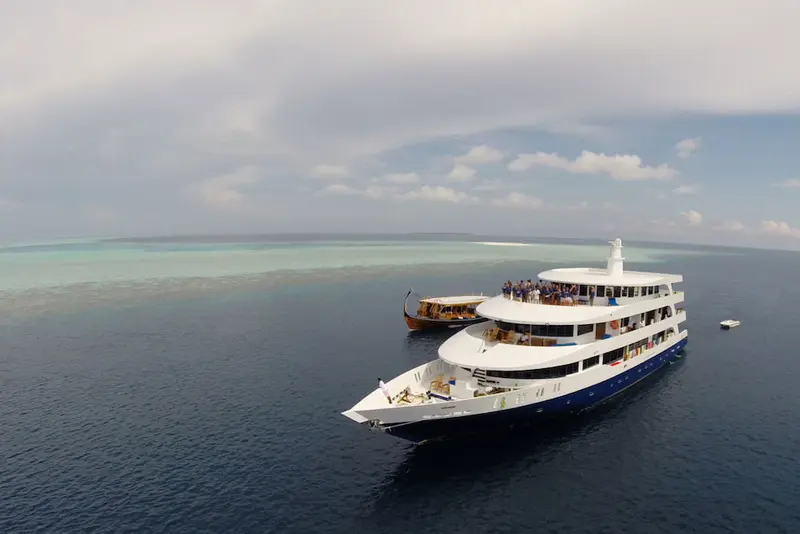
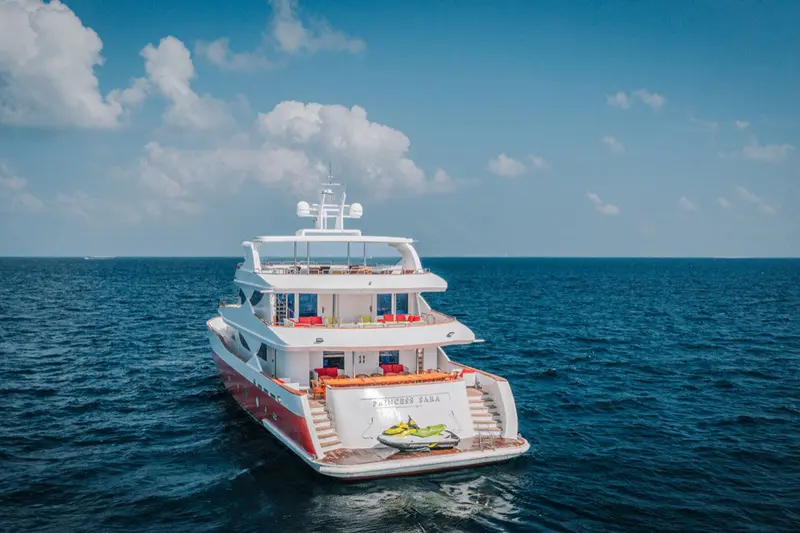
19 liveaboards run trips to Ari Atoll.
Ari Atoll can be dived throughout the year, but November to April offers a calmer practical window, with the lowest rainfall from January to April. The southwest monsoon can be particularly worthwhile for manta rays at exposed feeding and cleaning areas. Wind, current and plankton shift productive sites between sides of the atoll.
Ari Atoll has suitable diving for all levels if beginners stay on calmer lagoon and reef sites. Channel and pass dives require current experience, controlled descents and confidence with drift procedures. Advanced Open Water is useful for deeper profiles such as Hammerhead Shark Point, while Drift training and Nitrox suit repeated boat diving.
In Ari Atoll, you may see grey reef sharks around Hafza Thila, blue-striped snappers and passing great barracuda at Kudarah Thila, and whitetip reef sharks hunting at Maya Thila after dark. Manta rays visit exposed areas during the southwest monsoon, while whale sharks are regular around productive South Ari waters.
Plan Ari Atoll around resort boat diving or a liveaboard, allowing the itinerary to follow the monsoon side, current and productive areas. Seven to ten days lets weather and current influence site choices. Arrange the separate transfer from Malé, check seaplane daylight and baggage limits, and leave a non-dive day before flying home.