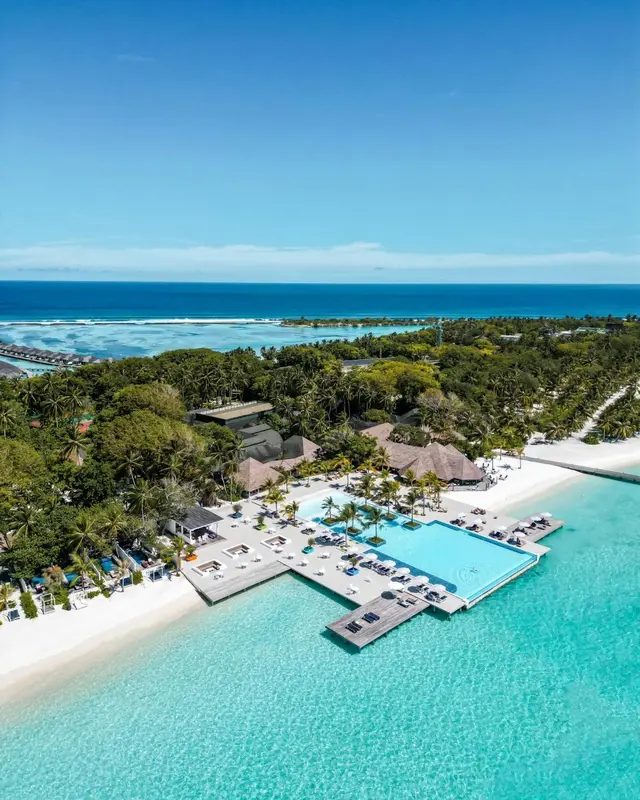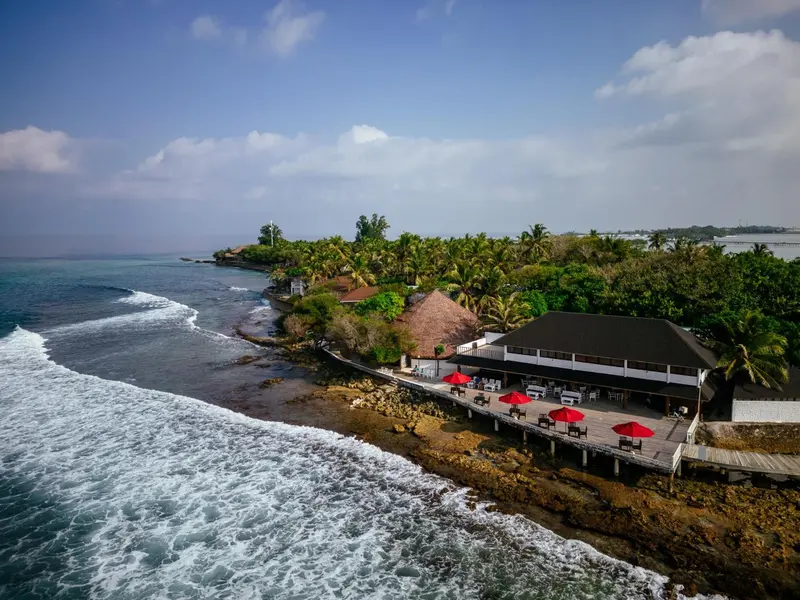
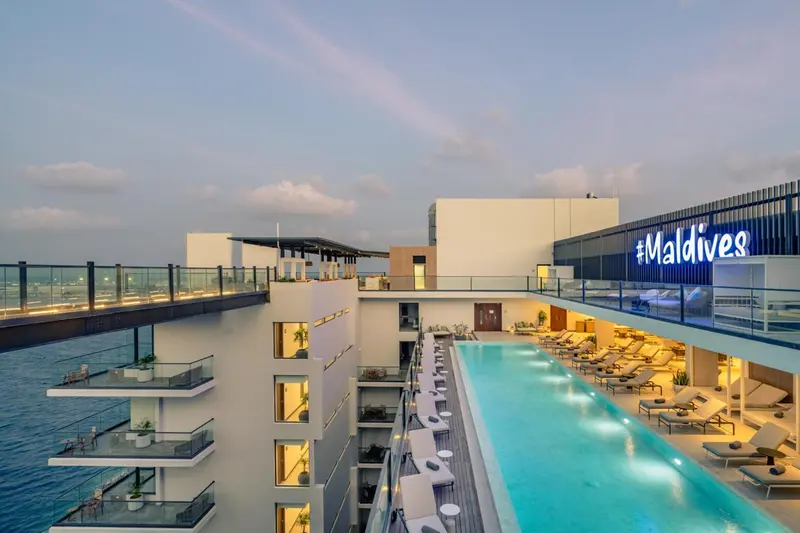
 Dive centre in the hotel
Barceló Nasandhura Male
★★★★★
Google 4.8/5 (1,764 reviews)
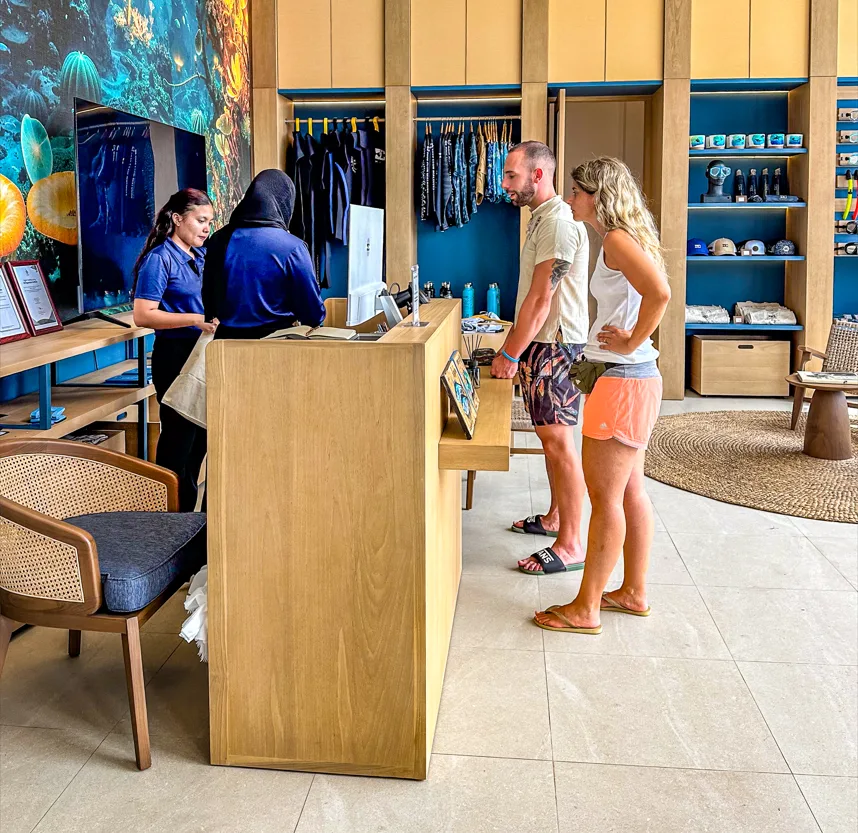
The dive centre
Dive Club Nasandhura
PADI
Google 4.8/5 (4 reviews)
Dives: Back Faru, Banana Reef, Coral Garden
Maldives · Indian Ocean
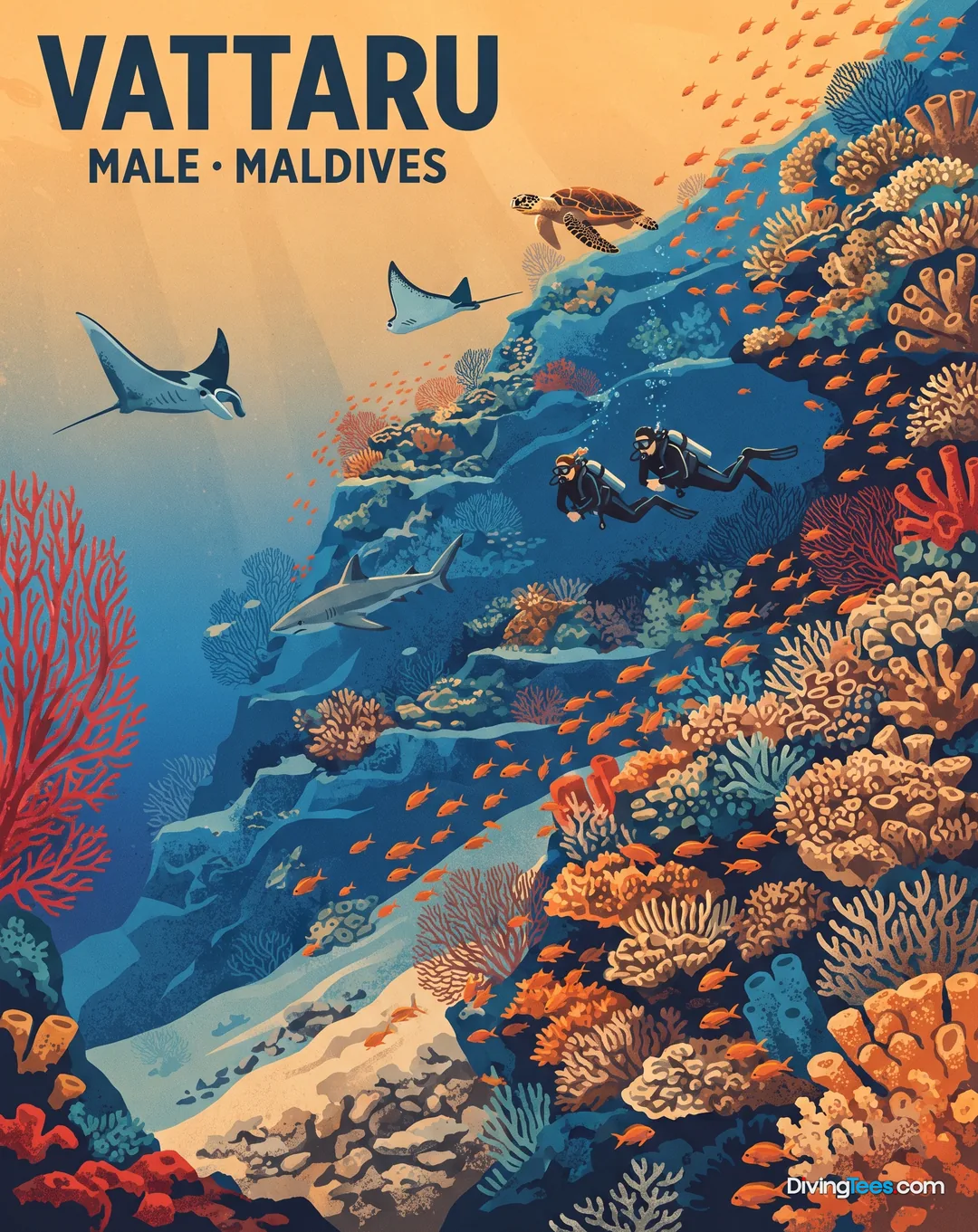
Grey reef sharks on current-swept passes, mantas at Dhonkalo, and submerged pinnacles dropping to 30 metres shape Malé’s day-boat diving.
For subtitles in English: start the video firstthen click the gearat the top right of the video, select “Subtitles/CC”, then “Auto-translate” and choose “English”.
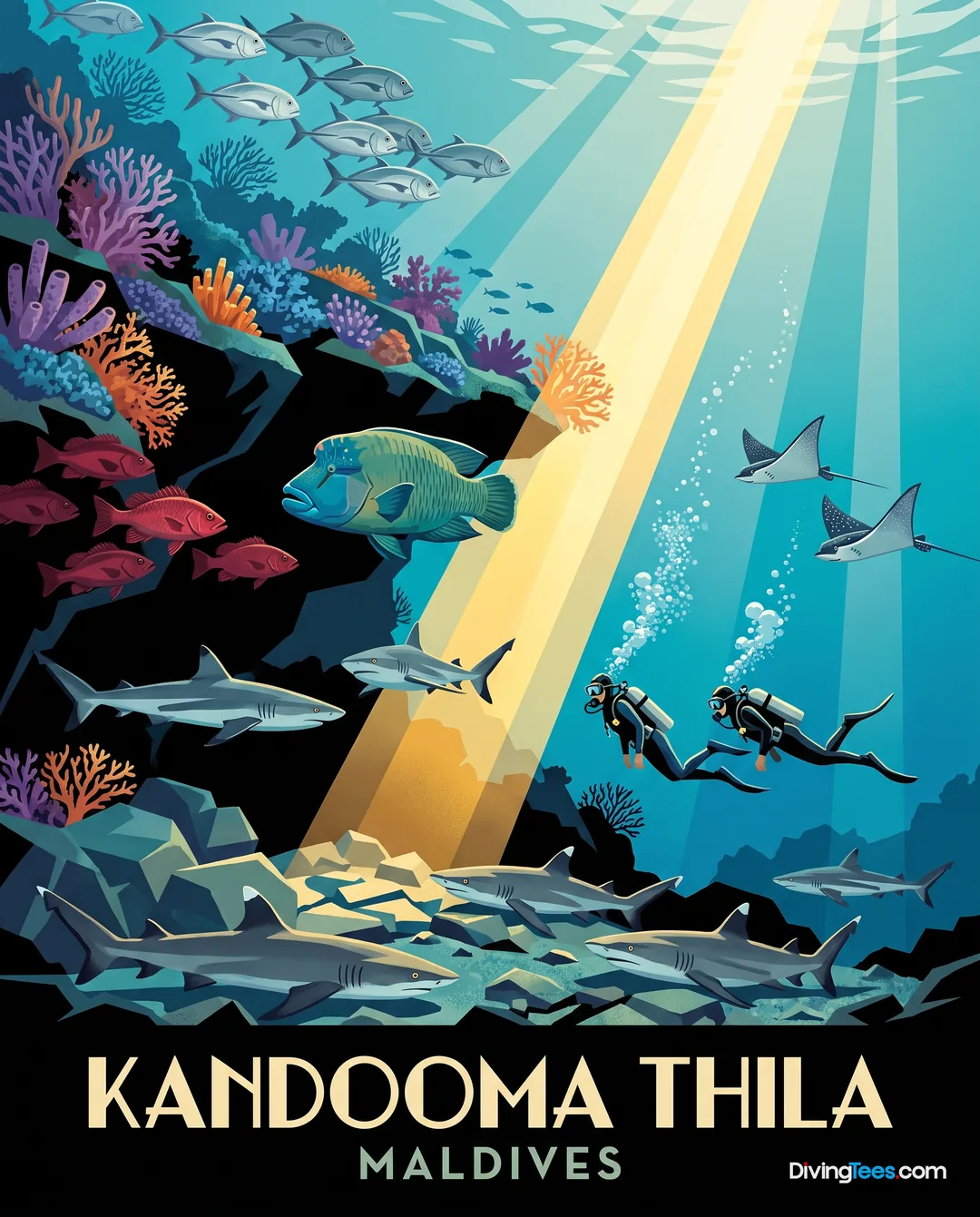
Kandooma Thila gives a good sense of what diving from Malé involves: a submerged pinnacle, a descent from 12 to 30 metres, and grey reef sharks and eagle rays moving through the current. Malé is principally a working base for boat trips towards the central atolls, not a shore-diving resort. That makes it practical for a short stay, with varied day trips and urban life on the doorstep, but boat traffic and busy reefs are part of the bargain.
The diving is built around thilas, channel walls, passes and cleaning stations rather than sheltered lagoon laps. Kandooma Thila and Guraidhoo Corner are drift dives where the tide determines both the pace and the most useful position in the water; grey reef sharks, tunas and jacks are typical rewards. Barracuda Giri has pinnacles beginning at five metres and dropping to 30, while Kudarah Thila adds clefts, overhangs, caves and swim-throughs. Foththeyo Kandu reaches 40 metres, with strong flow at the channel mouth, large yellow soft corals and occasional need to hook in. Visibility on the clearer sites can reach 30 metres, but current, swell and suspended particles can reduce it. Boat diving is the norm, with timing more important than depth alone.
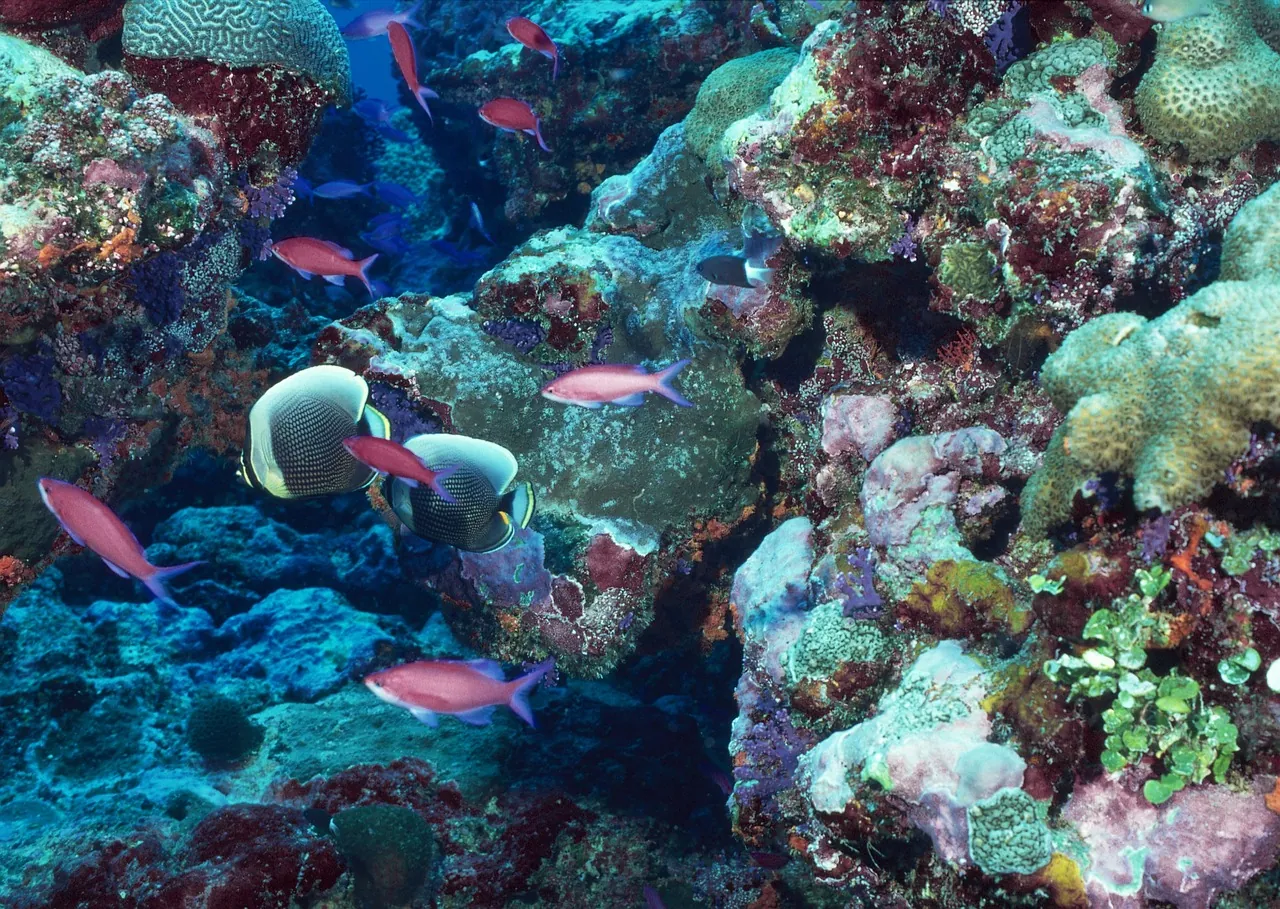
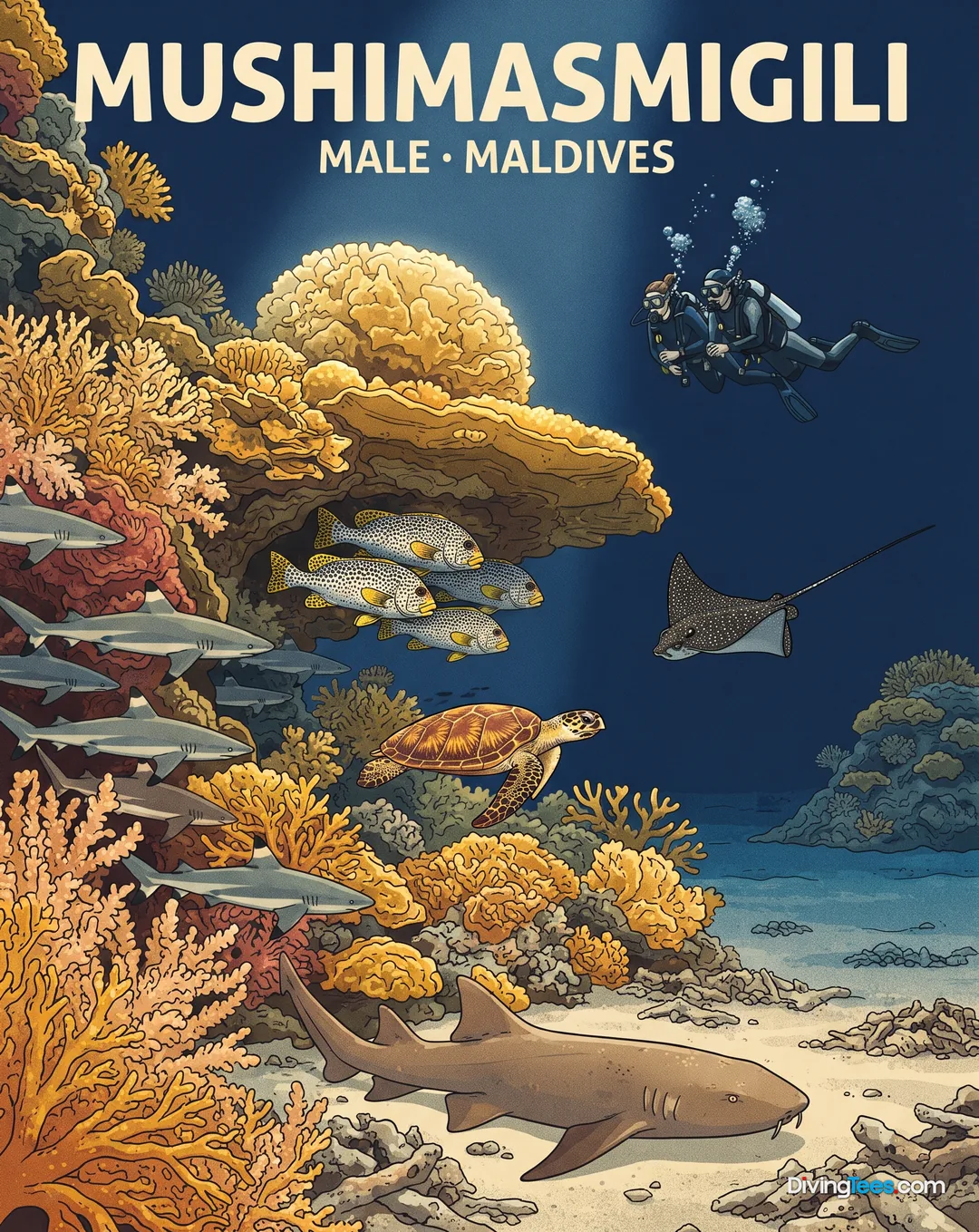
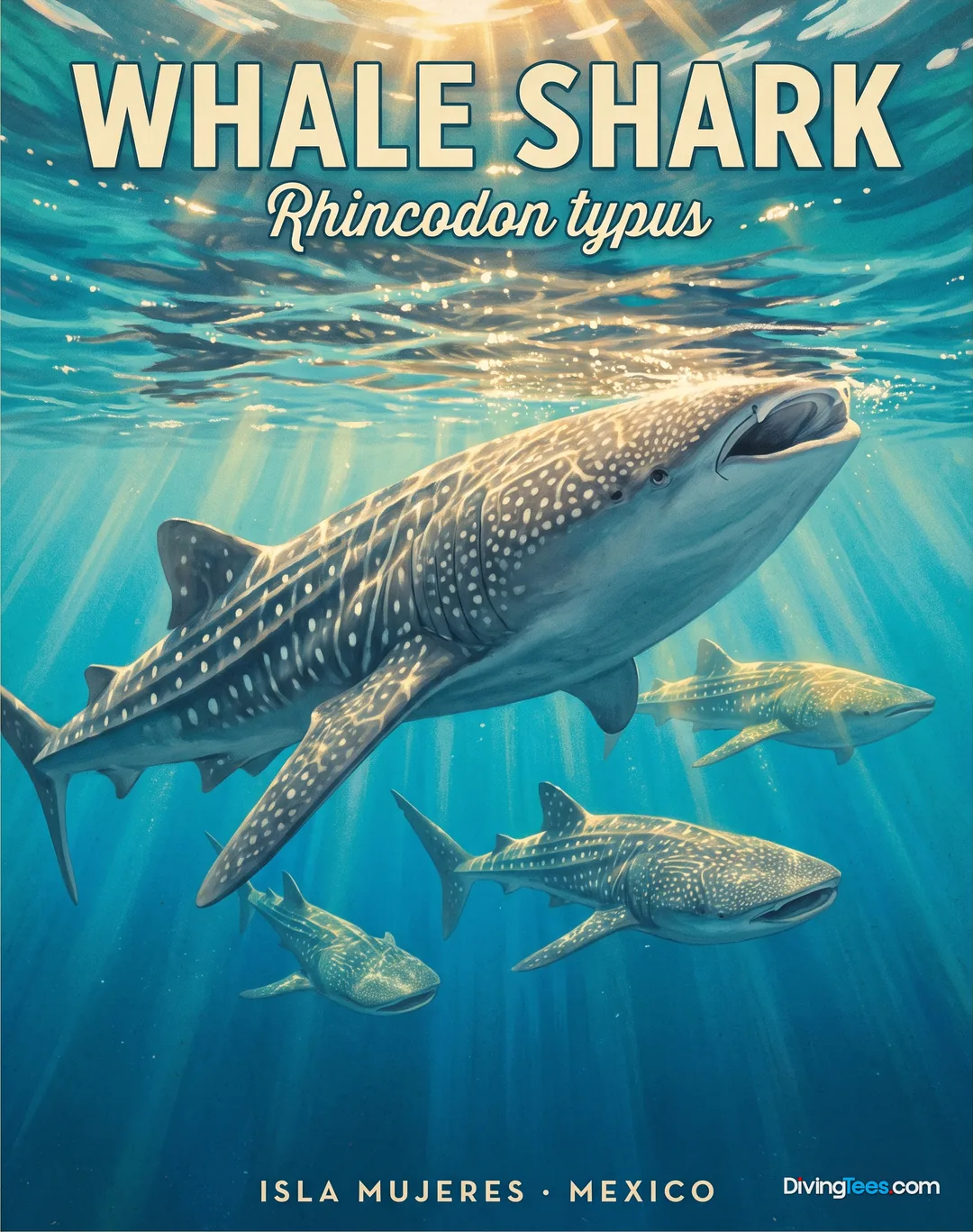
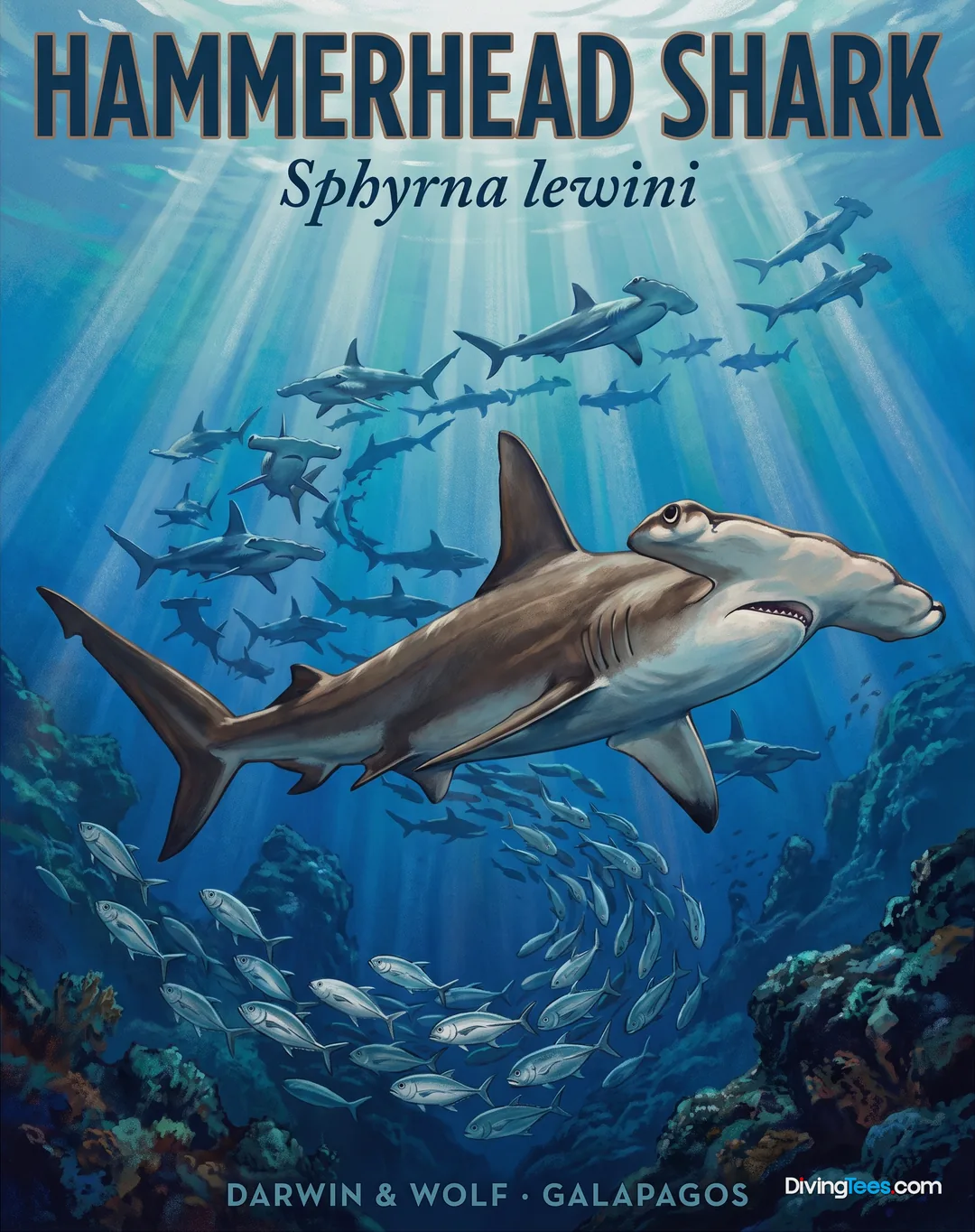
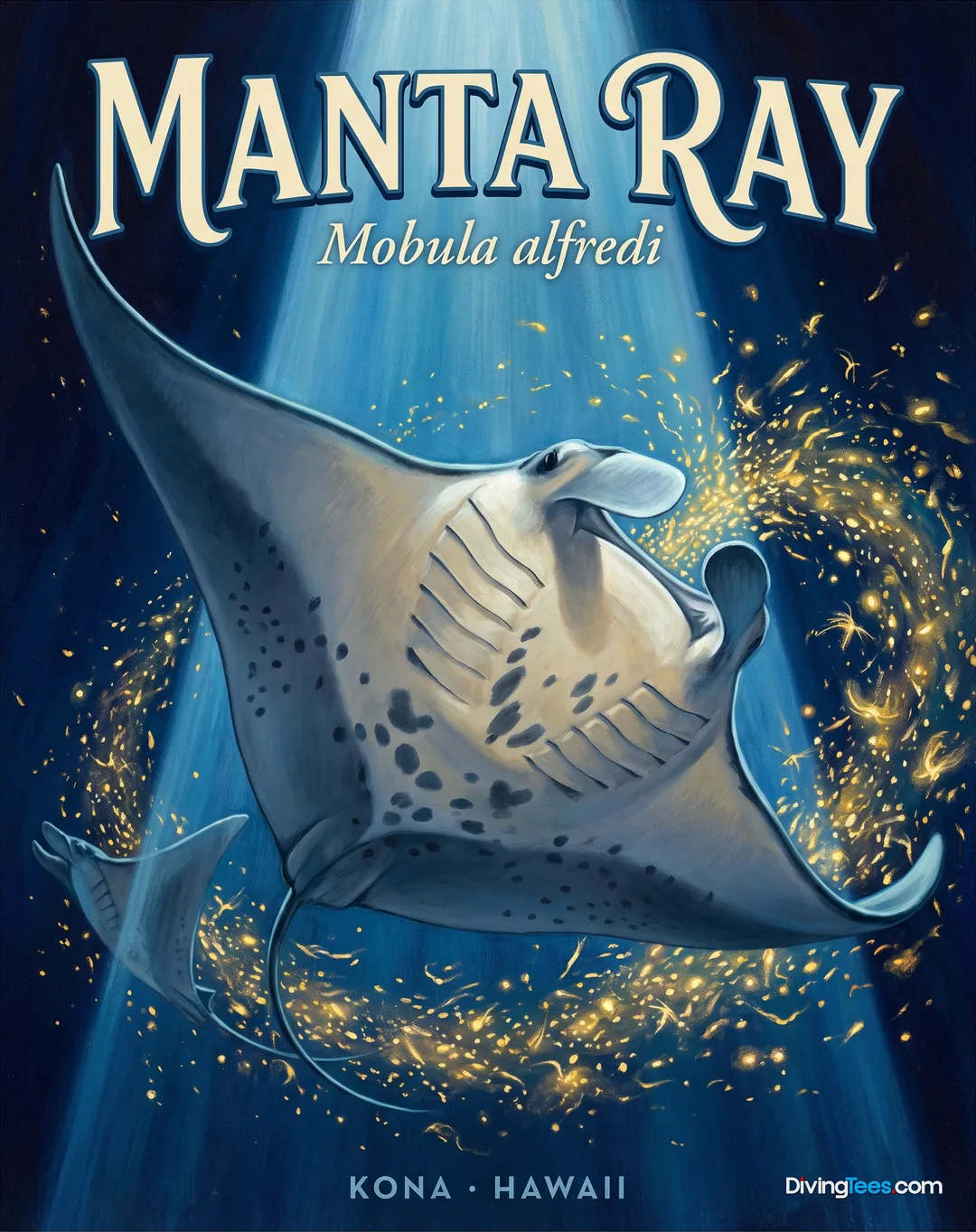
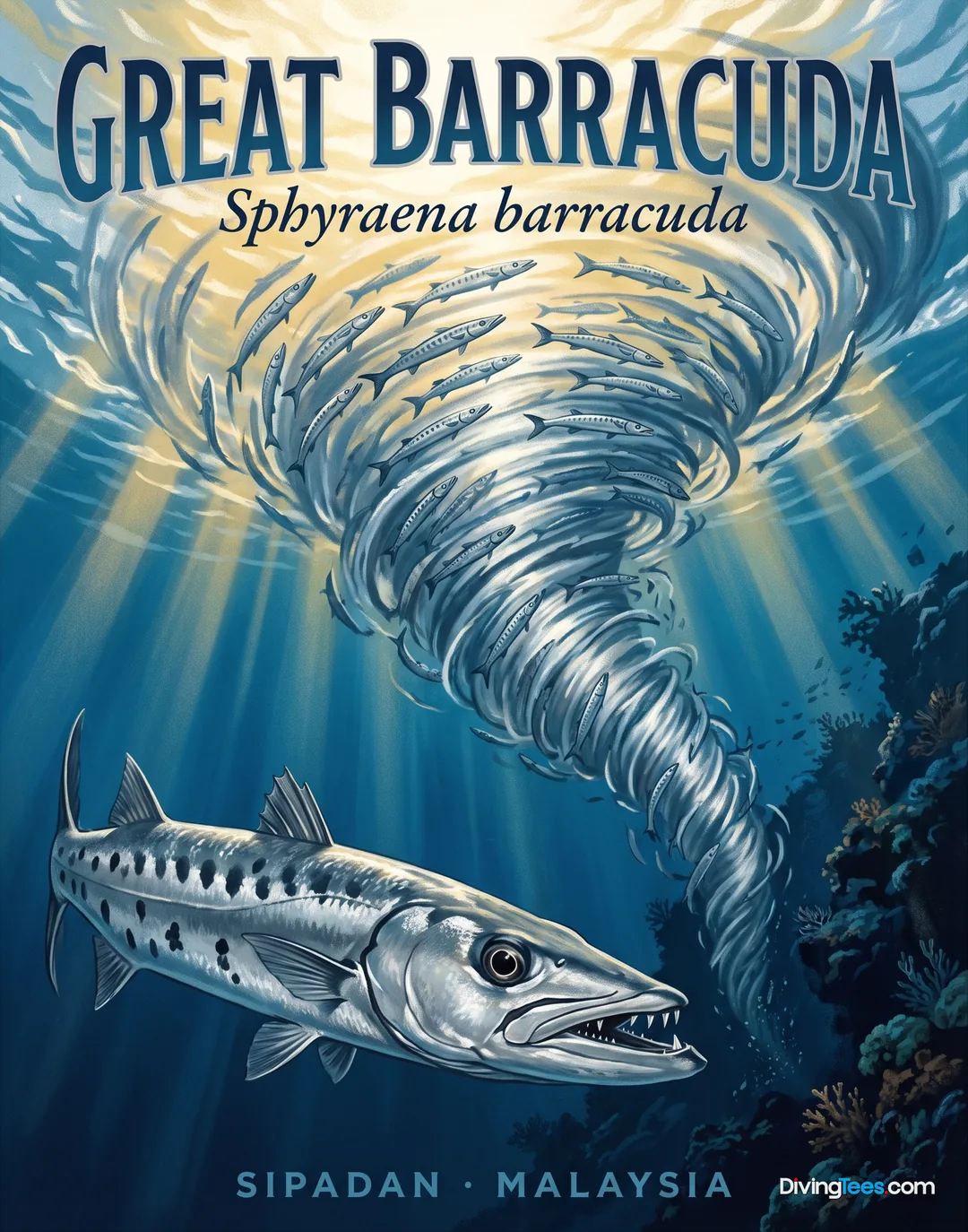
Grey reef sharks are regular visitors to the passes and current-swept walls, with white-tipped reef sharks adding to the shark encounters at places such as Myaru Kandu Marine Reserve. Schools of fusilier, tuna, jack and bigeye trevally bring movement to the blue water, while great barracuda and batfish give the reef itself a more deliberate focus. Napoleon wrasse can be seen throughout the year around busy reefs and cleaning stations. Dhonkalo is associated with manta rays when the cleaning stations are active, while Maamigili and Maamigili Beiyru offer opportunities for manta rays and whale sharks, though these pelagic encounters remain occasional. Eagle rays may pass Kandooma Thila, and hammerheads are possible at some deeper channel sites rather than something to schedule the whole trip around.
The most settled period is November to April, when the sea is generally calmer and rainfall is lower, particularly from January to April. That corresponds with the north-east monsoon and usually gives more dependable boat operations and clearer water. The south-west monsoon from May to July brings more rain, swell and suspended matter, although an August-to-November window can still produce worthwhile diving depending on the site. Manta activity follows local cleaning-station conditions rather than a simple calendar, and current strength changes with the tide. A few spare days make sense because a rough crossing can matter more than a poor forecast on land.
Malé can suit all levels, but the diving most likely to reward a visiting diver demands comfort in current and drift procedures. Advanced Open Water, BSAC Advanced Diver or equivalent experience is useful for deeper thilas and channel work; a Drift Diver qualification is directly relevant, and Nitrox can help with repeated boat dives when the operator permits it. Beginners have calmer options, but should not assume that every famous site will be a gentle reef tour. Good buoyancy and a controlled descent are more valuable here than bravado.
From London Heathrow, London Gatwick or Manchester, the journey begins with an international flight to Malé airport, followed by the local boat arrangements attached to the island or accommodation being used. Total travel from western Europe is typically around 12 to 18 hours, depending on the airline, stopovers and the maritime connection. Qatar Airways, Emirates, Turkish Airlines, Etihad Airways and SriLankan Airlines are among the European-facing options listed for the route. In Malé itself, dive departures are concentrated around the quays and ports. Depending on where the diver sleeps, reaching the boat may mean walking, taking a taxi or making a short maritime transfer between nearby islands; there is no continuous road network to rely on, and a ferry is not structurally required for the diving itself.
Keep the first part of the morning for the sites that matter most. Cleaning stations and reef passages tend to be easier to read before boat traffic builds, and the current window may be the difference between a focused observation and a hurried drift. Ask whether the day is aimed at an outer face, a pass or a cleaning station: the broad Malé area covers very different dives under similar trip descriptions. Treat Kandooma Thila, Guraidhoo Corner and Myaru Kandu as current dives, not as ordinary reef sightseeing, and be honest about separation procedures before entering the water. A small personal surface marker buoy and reliable exposure and buoyancy equipment are worth carrying, because a quick stabilisation after descent matters on these drifts. Leave a weather day in the itinerary; neighbouring-atoll boat trips are more exposed to sea conditions than a map may suggest. After several consecutive dives, protect the final day from long transfers before flying.
A five- to seven-day stay works well as a land-based diving holiday: several boat days, a weather reserve and a sensible recovery pace can be fitted around the port schedule. Malé makes it easy to combine diving with a short urban walk, the quays and ports, or an excursion to an inhabited island or nearby sandbank when the sea allows. A liveaboard is the alternative for linking more distant sites with fewer repeated transfers, but the capital’s main strength is the flexibility of daily departures.
Hello, I'm Marina, DivingDeal.com's AI assistant. I guide you through destinations, areas and countries.
Thinking about the whole trip and the flights? Talk it over with Edith →
Marina is an AI. Some links are affiliate links: DivingDeal may earn a commission, at no extra cost to you. Bookings are made with the partner.
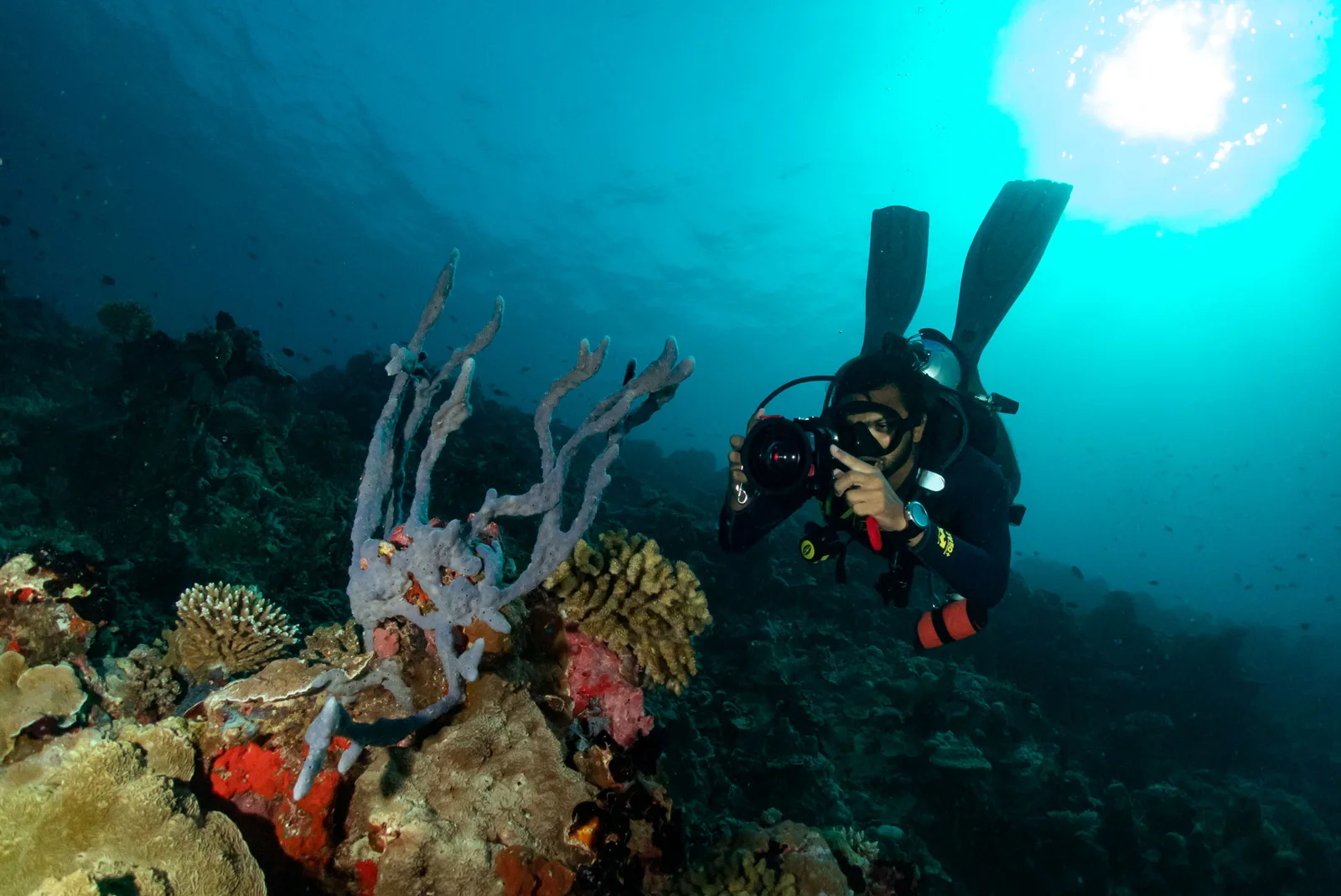
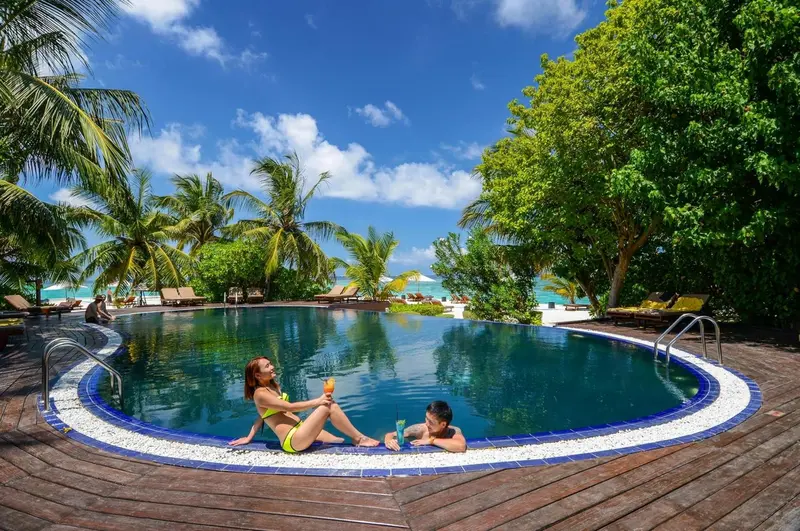
In each one, the dive centre is inside the hotel: step out of your room and go diving.
Dive centre in the hotel★★★★★
Google 4.8/5 (1,764 reviews)
The dive centre
Dive Club Nasandhura
PADI
Google 4.8/5 (4 reviews)
Dives: Back Faru, Banana Reef, Coral Garden
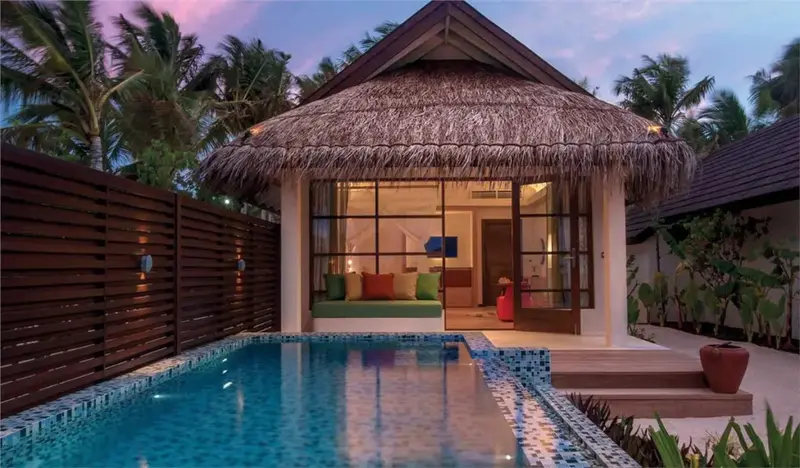 Dive centre in the hotel
★★★★★
Google 4.8/5 (1,459 reviews)
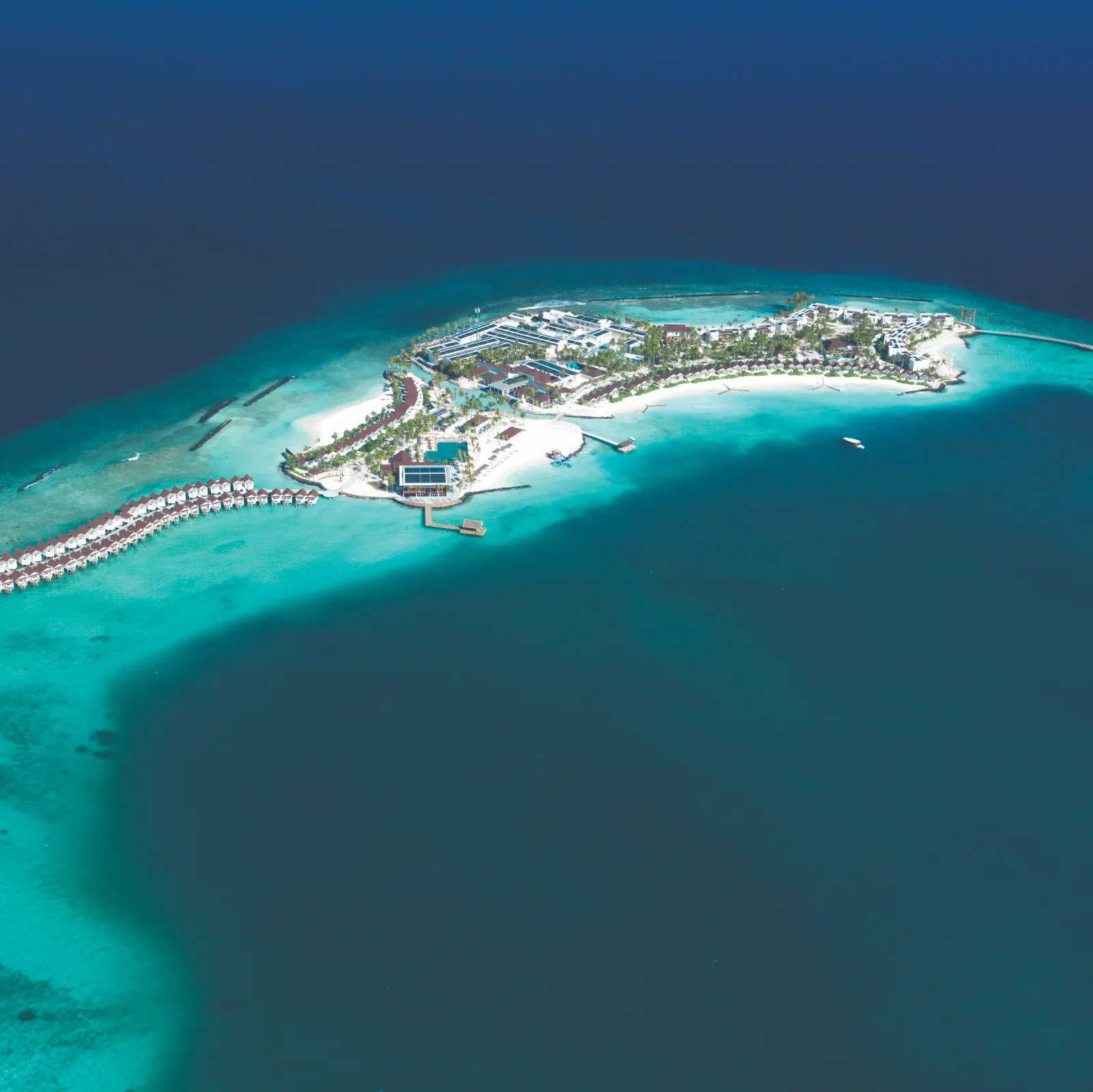
The dive centre
TGI Sangeli
PADI
Google 4.8/5 (1,464 reviews)
Dives: Sangeli Lagoon - Muraka Garden, Sangeli House Reef
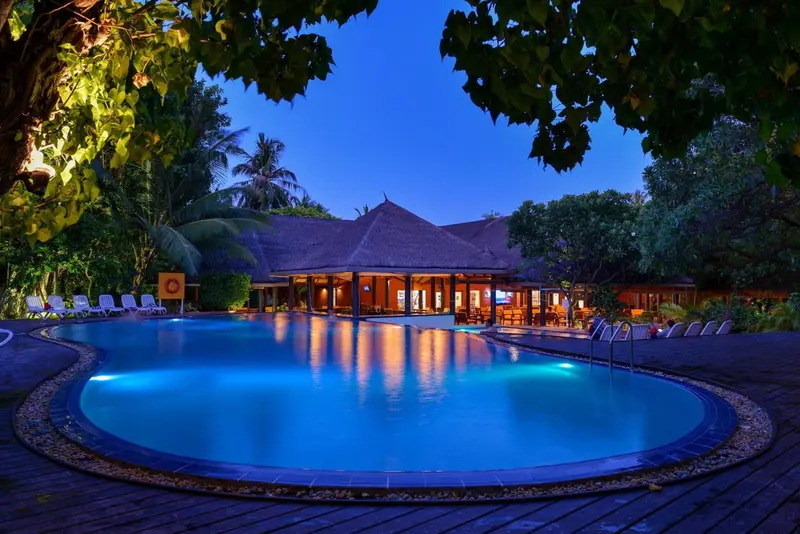 Dive centre in the hotel
★★★★★
Booking 8.7/10 (169 reviews)
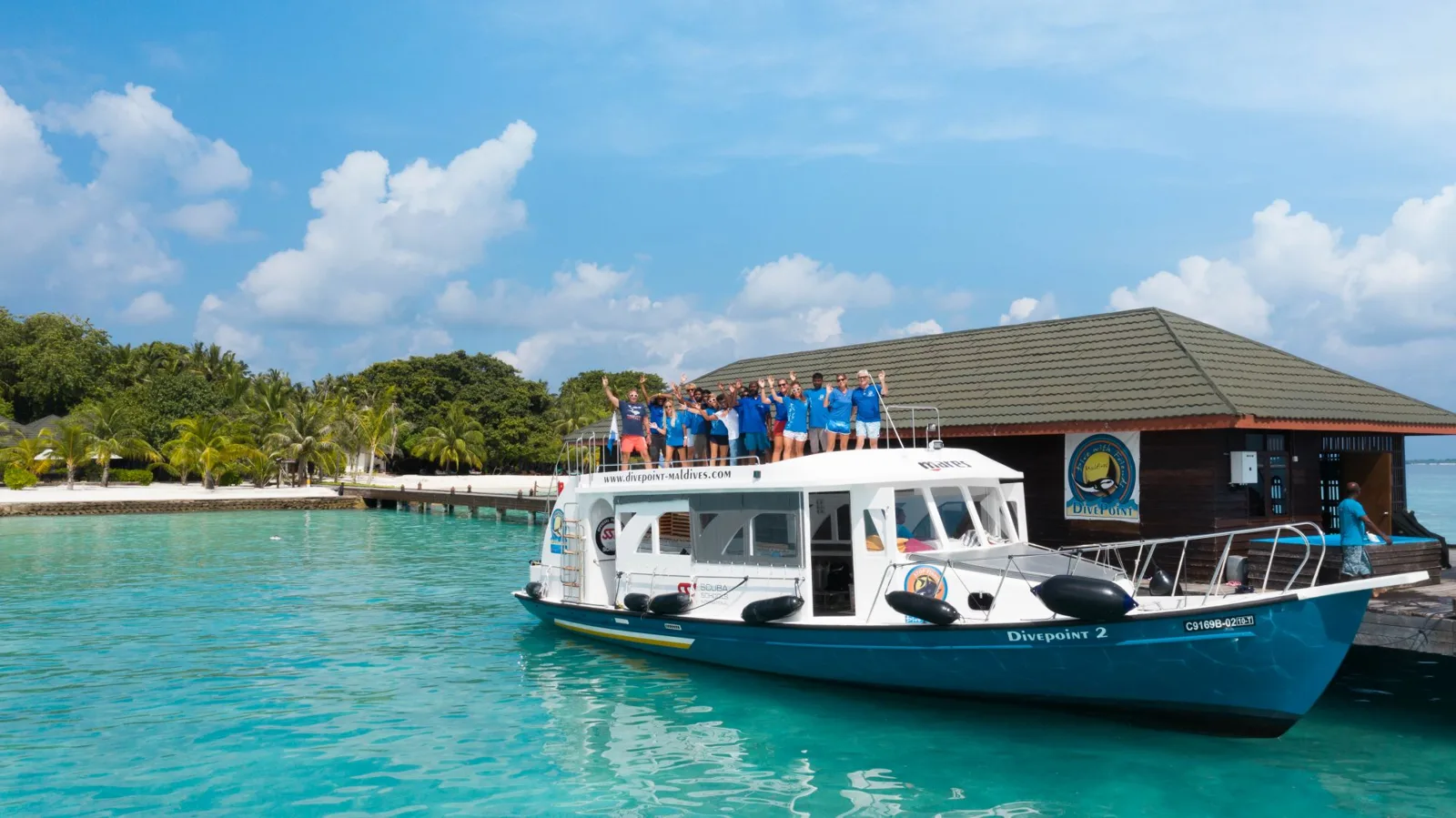
The dive centre
plongee avec divepoint hudhuran fushi
SSI
Google 5/5 (63 reviews)
Dives: Aquarium, Colosseum, Reef Manta Point
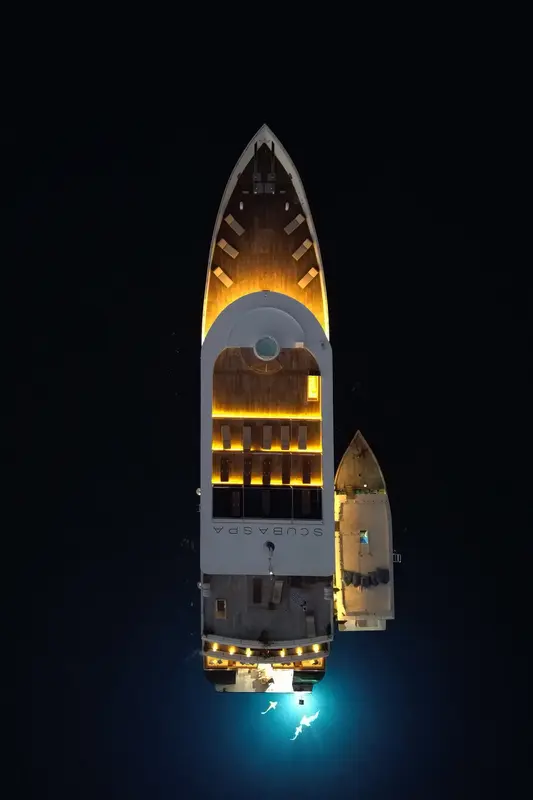
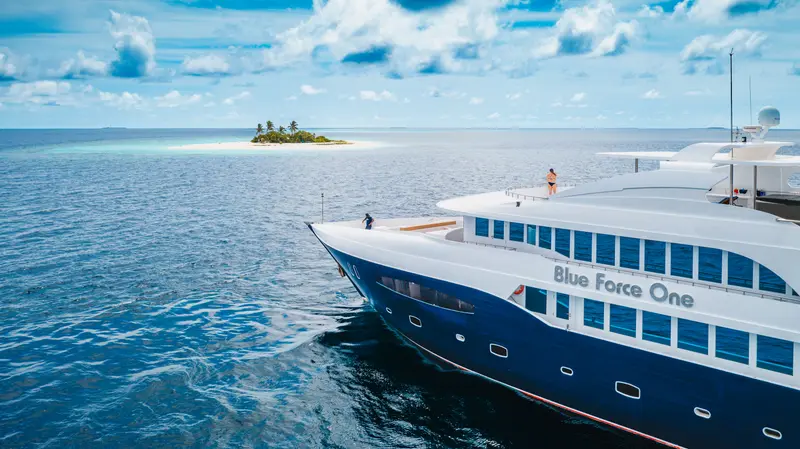
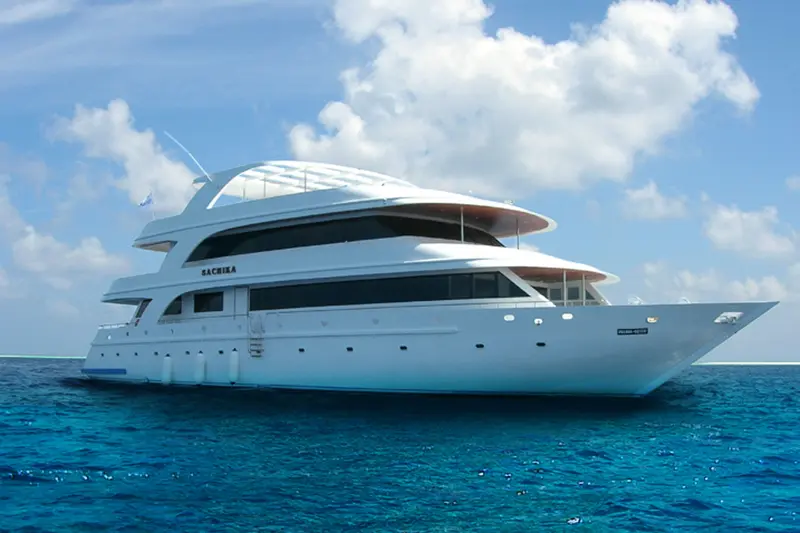
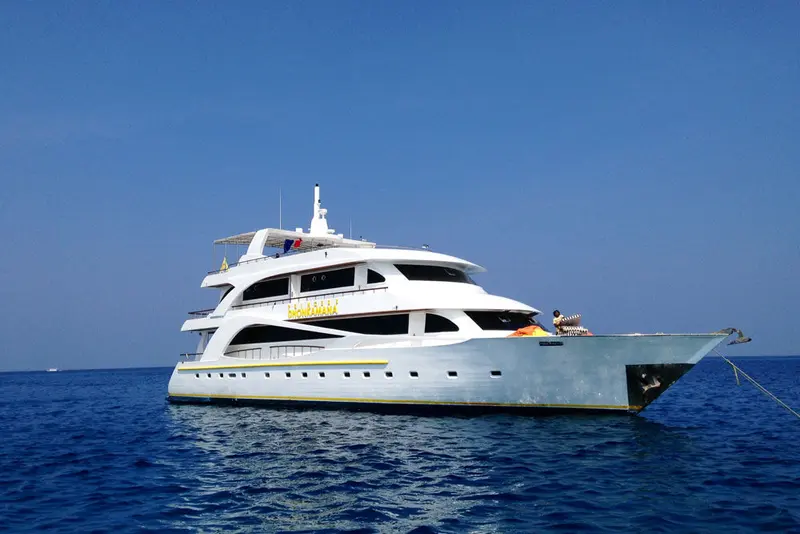
38 liveaboards depart from Male another way to explore the region, over several days at sea.
Your last day stays dry: no diving in the 18-24 hours before a flight, the perfect window to see the destination from another angle.
 Culture
⏱ 3 h · ★ 5.0 (58 reviews)
from £30$40€35
see on Viator ↗
 Culture
⏱ 2 h · ★ 4.3 (16 reviews)
from £26$34€31
see on Viator ↗
 City
City⏱ 8 h · ★ 3.7 (9 reviews)
from £125$168€150
see on Viator ↗
 Nature
⏱ 0 h
from £106$142€127
see on Viator ↗
Ratings and reviews collected by Viator and Tripadvisor.
The most settled diving period in Malé is November to April, when seas are generally calmer and rainfall is lower, particularly from January to April. This usually supports more dependable boat operations and clearer water. From May to July, rain, swell and suspended matter can increase, while August to November remains variable.
Malé can suit divers of all levels, but many rewarding sites involve current and drift procedures. Comfort with current, good buoyancy and a controlled descent are important. Advanced Open Water, BSAC Advanced Diver or equivalent experience helps with deeper thilas and channel work, while Drift Diver training is directly relevant.
Diving in Malé features grey reef sharks, white-tipped reef sharks, eagle rays, manta rays, tunas, jacks, fusiliers and trevally. You can explore thilas, channel walls, passes, caves, swim-throughs and pinnacles, with yellow soft corals at Foththeyo Kandu. Manta rays and occasional whale sharks are associated with Dhonkalo and Maamigili.
Malé works as a land-based base for boat trips towards the central atolls, with urban life nearby. A five- to seven-day stay allows several boat days, a weather reserve and recovery time. Plan around tides and sea conditions, keep a spare weather day, and consider a liveaboard for more distant sites.