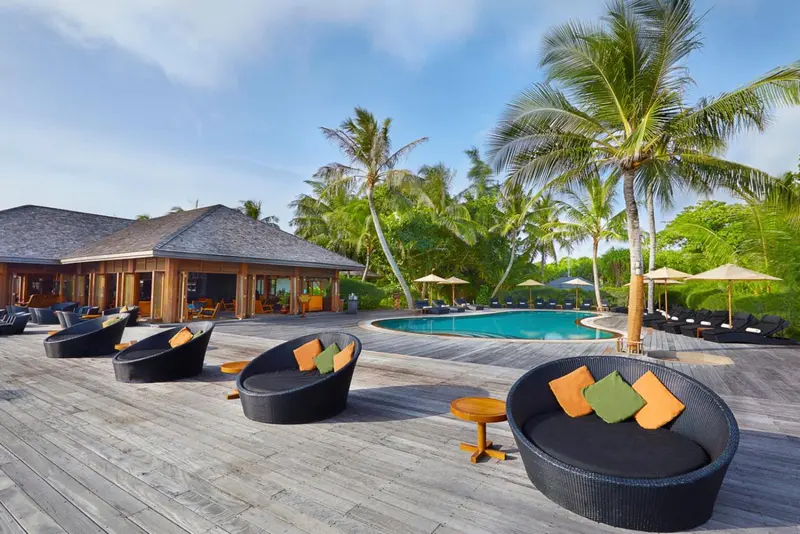
 Dive centre in the hotel
Kuredu Island Resort & Spa
★★★★
Google 4.8/5 (2,590 reviews)
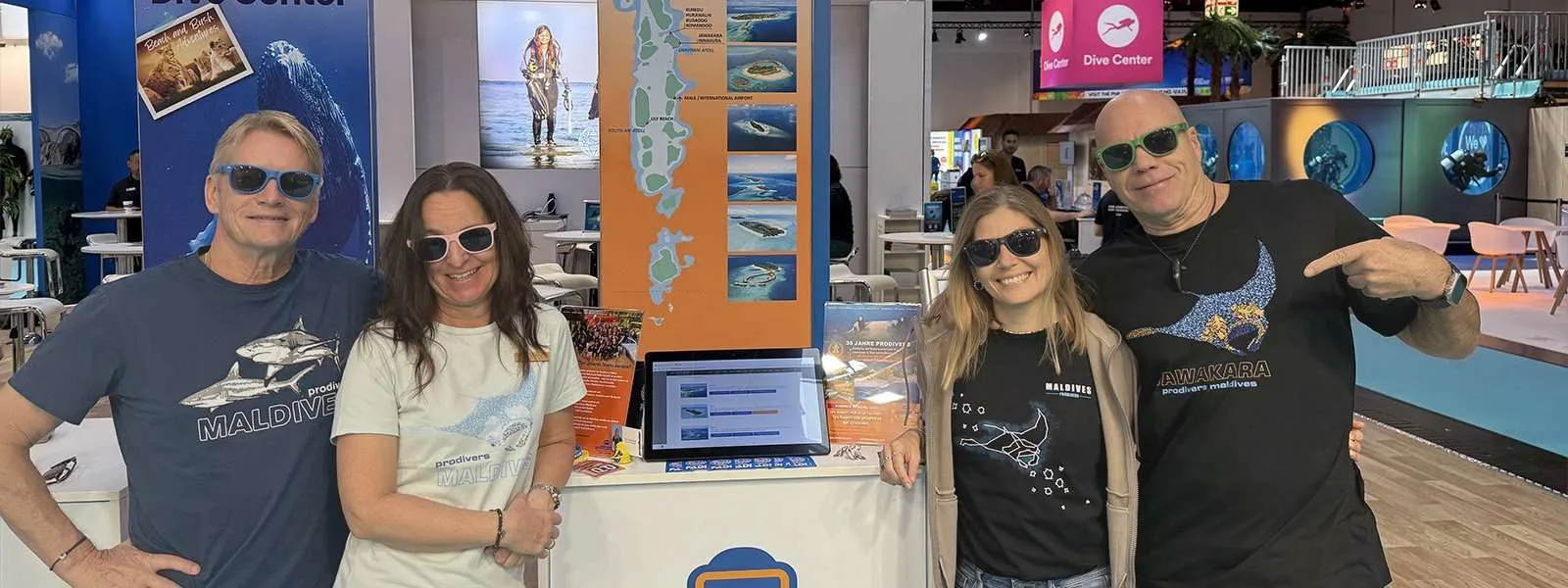
The dive centre
Prodivers Kuredu
PADI
Google 4.8/5 (73 reviews)
Dives: Kuredu Express, Kuredu Caves, House Reef
Maldives · Indian Ocean
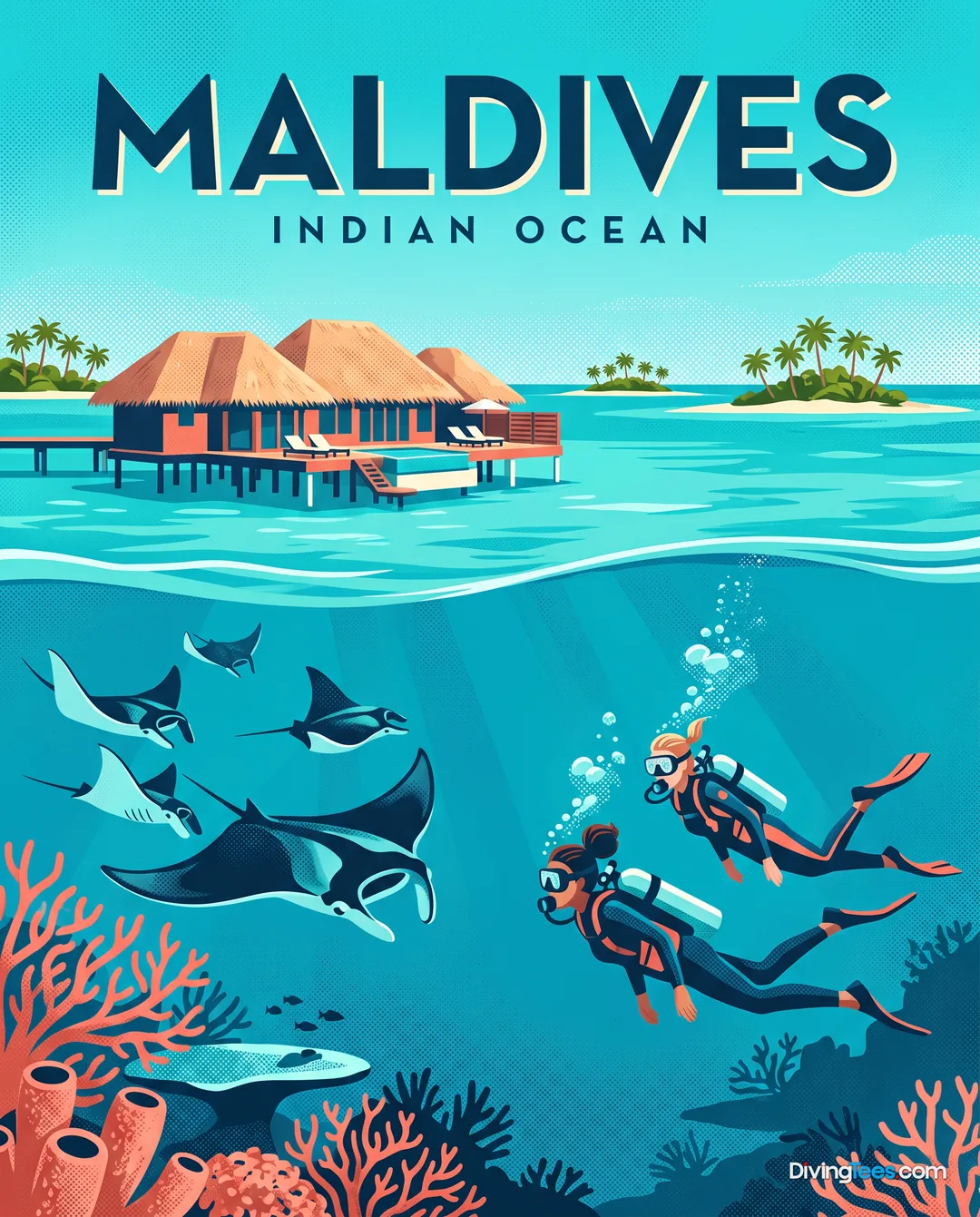
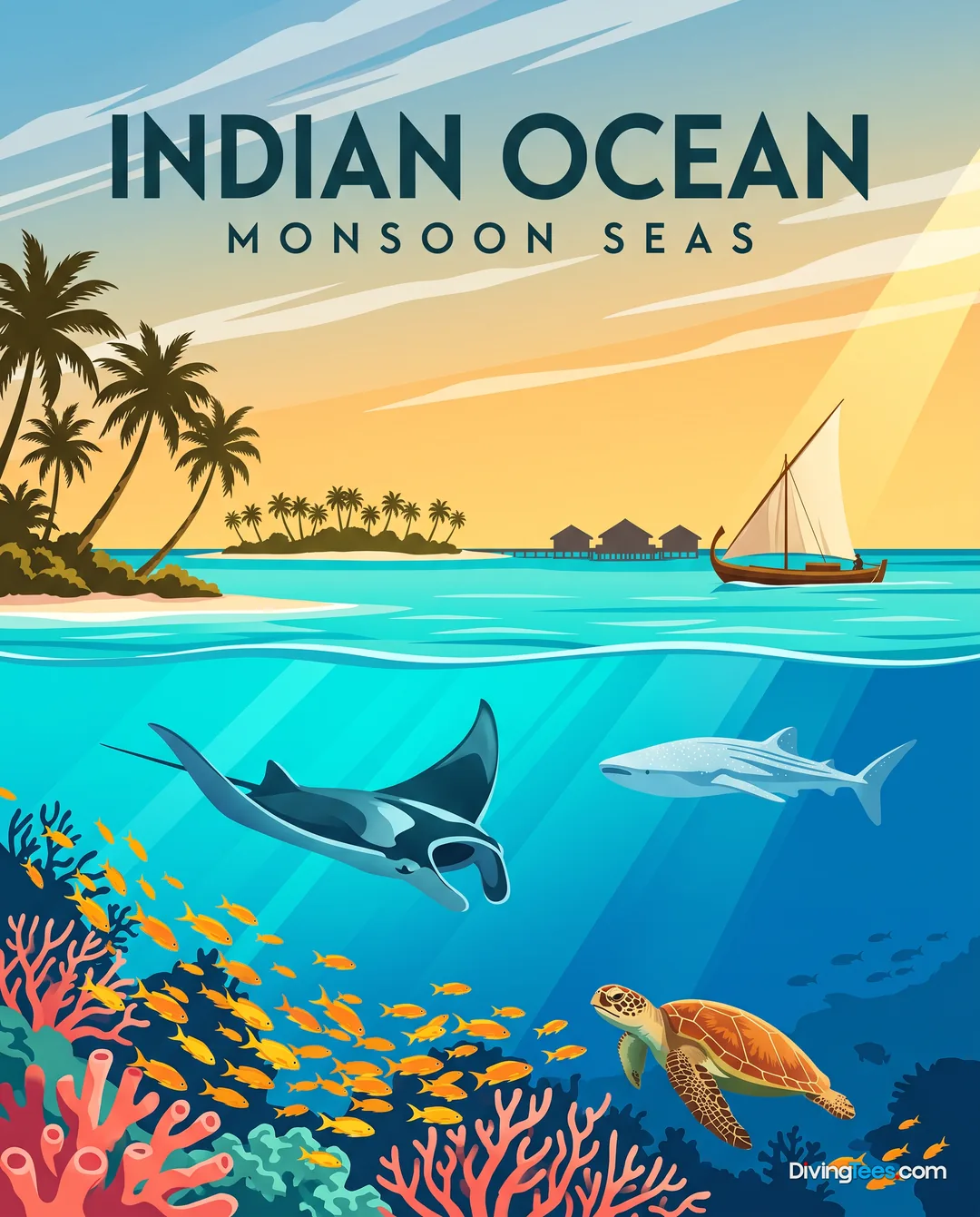
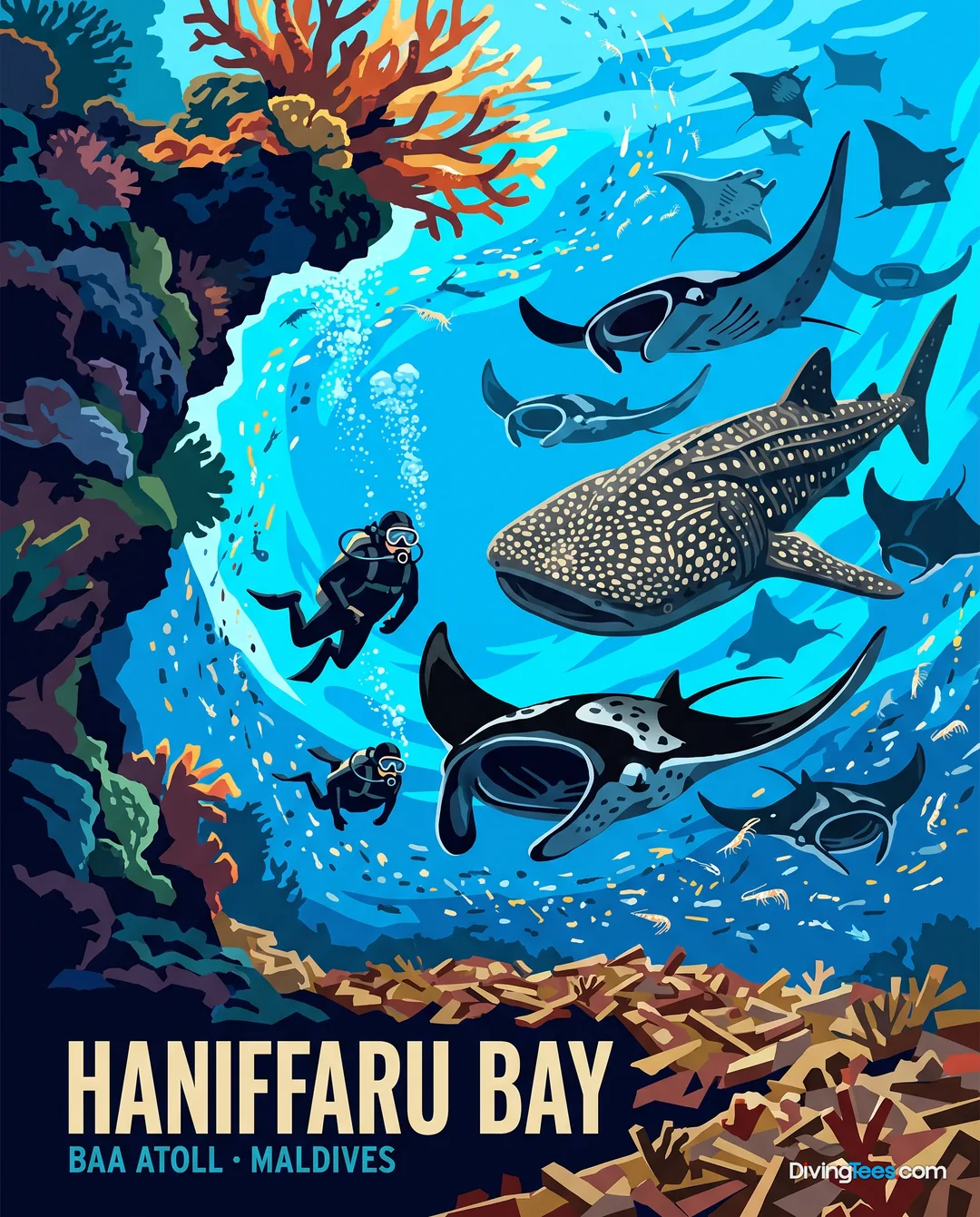
Outer reefs, Turtle Reef’s coral garden, Aquarium’s morays and Hanifaru Bay’s feeding mantas make Baa Atoll a boat-diving destination with a clear seasonal focus.
For subtitles in English: start the video firstthen click the gearat the top right of the video, select “Subtitles/CC”, then “Auto-translate” and choose “English”.
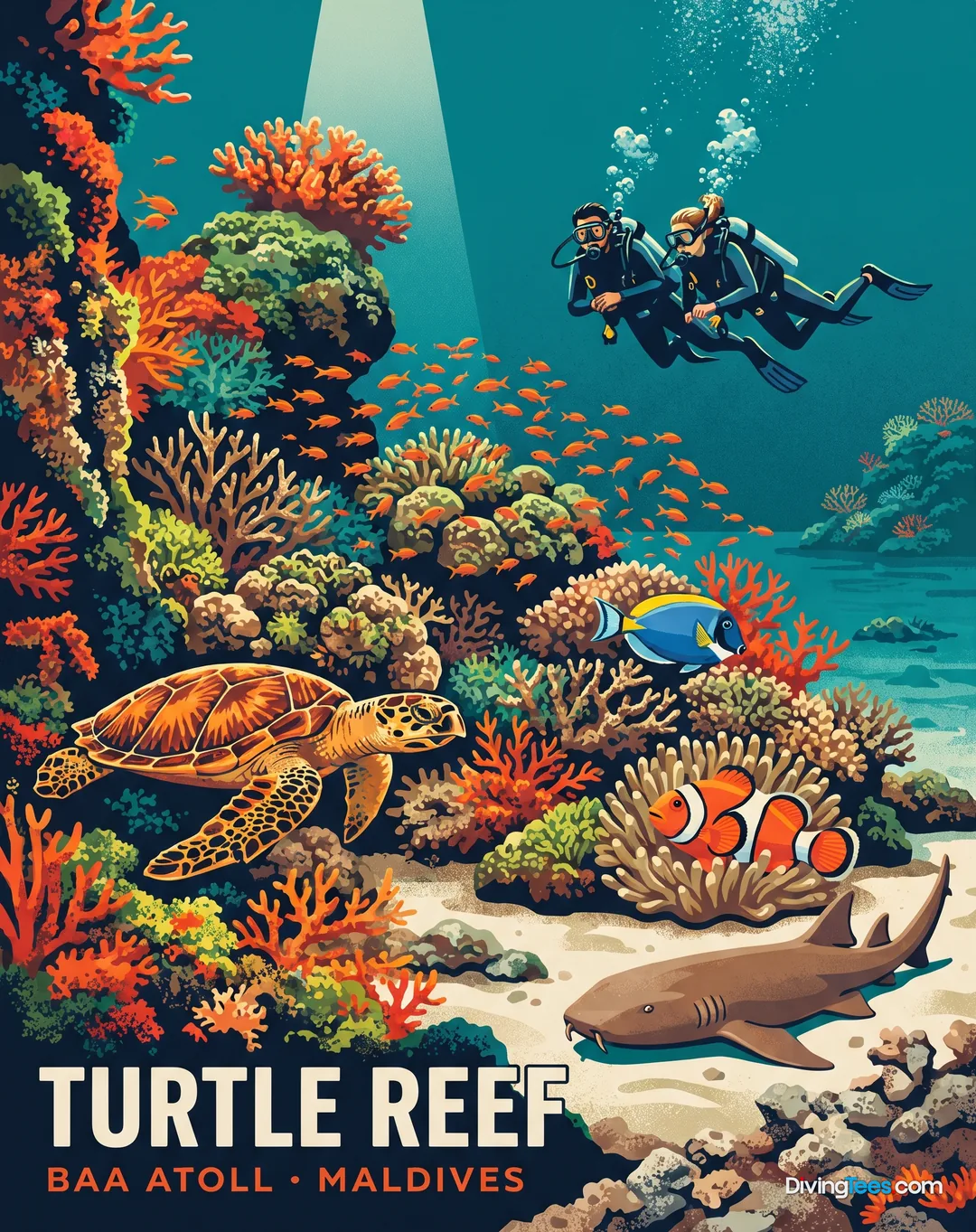
Baa Atoll is a largely boat-based Maldivian destination built around outer reefs, channels and lagoon sites rather than wrecks or shore diving. Its most distinctive experience is Hanifaru Bay, where reef manta rays gather in plankton-rich water during the southwest monsoon. Away from the bay, sites such as Aquarium, Turtle Reef and Coral Gardens provide colourful, straightforward reef diving, with turtles, schooling fish, morays, eagle rays and tuna.
The diving here is mainly conducted from boats, with reef, channel and lagoon sites selected according to conditions and the day’s plan. Profiles are generally reef-based rather than deep, with Turtle Reef reaching 22 metres and Coral Gardens spreading across hard-coral formations where deeper sections may bring eagle rays and tuna into view. Currents are variable: many dives suit all levels, while channel drifts and Hanifaru Bay demand greater comfort in moving water. At the bay, strong and sometimes lunar-driven currents can produce the feeding conditions that draw mantas together, as well as considerable swirling water. Plankton-rich conditions are part of the attraction but can limit clarity. There is no wreck or cave-diving agenda here; the interest lies in watching animals, managing position in current and making repeated boat dives across the atoll.
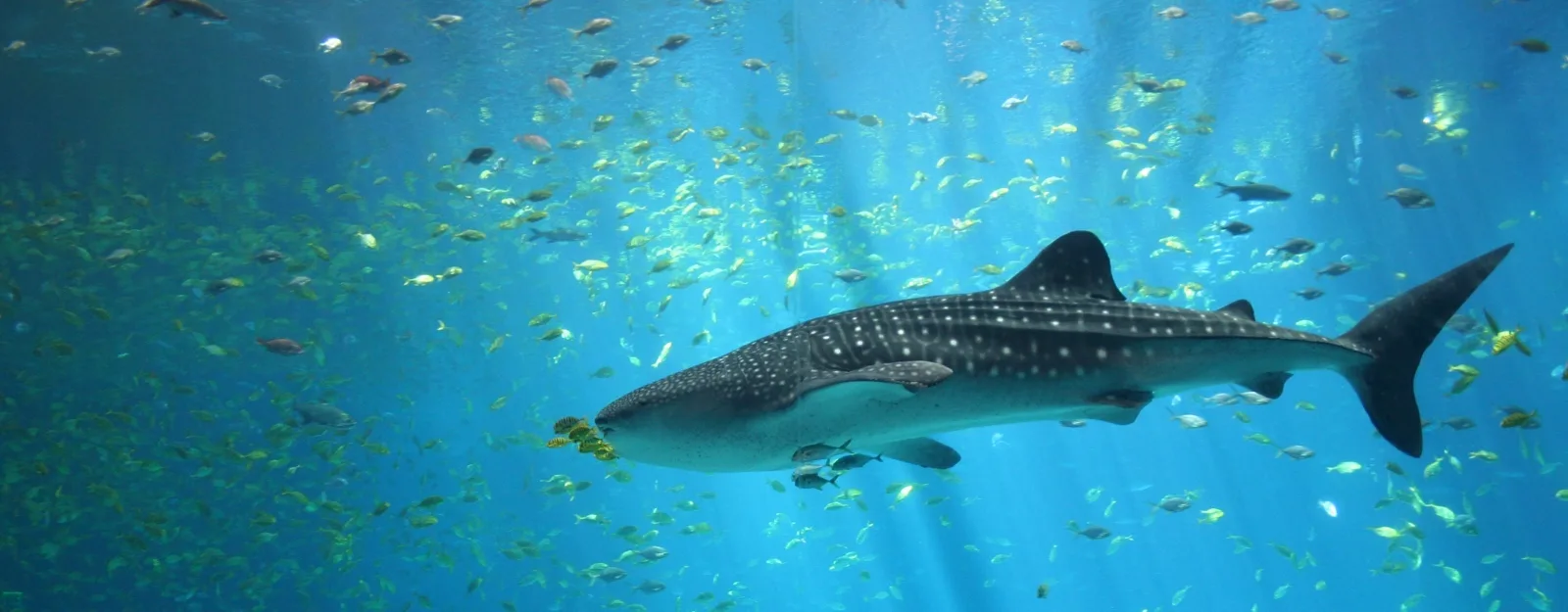
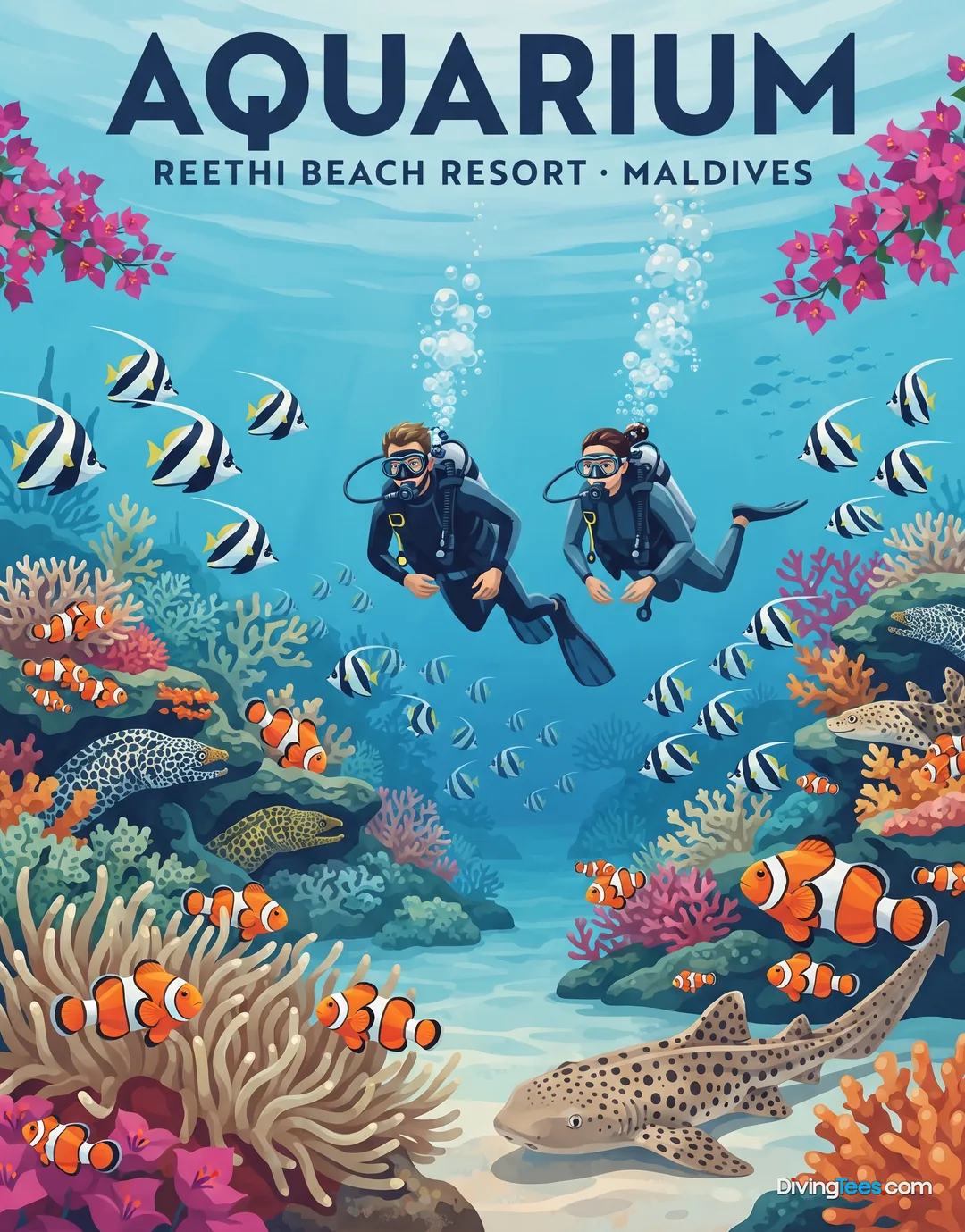
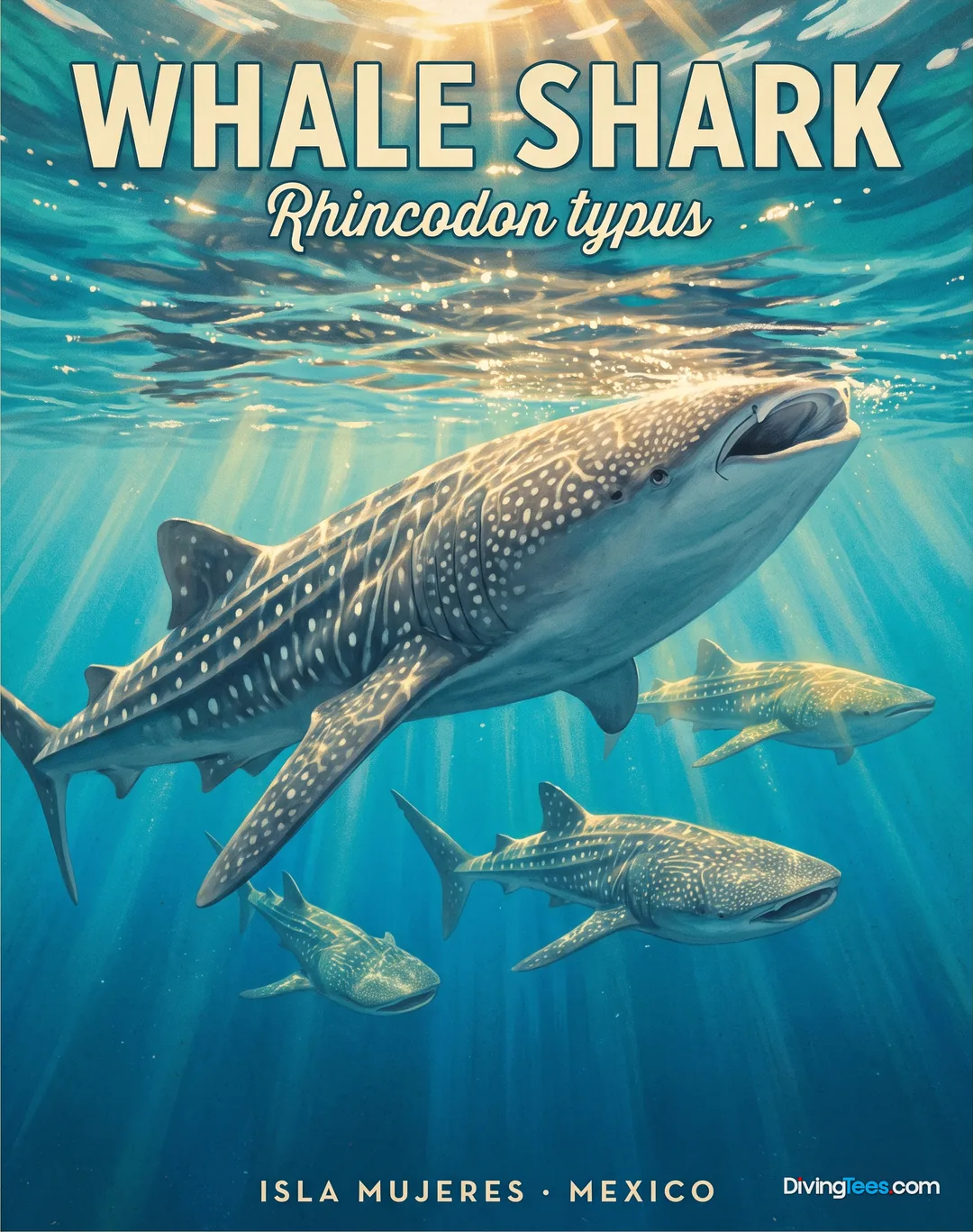
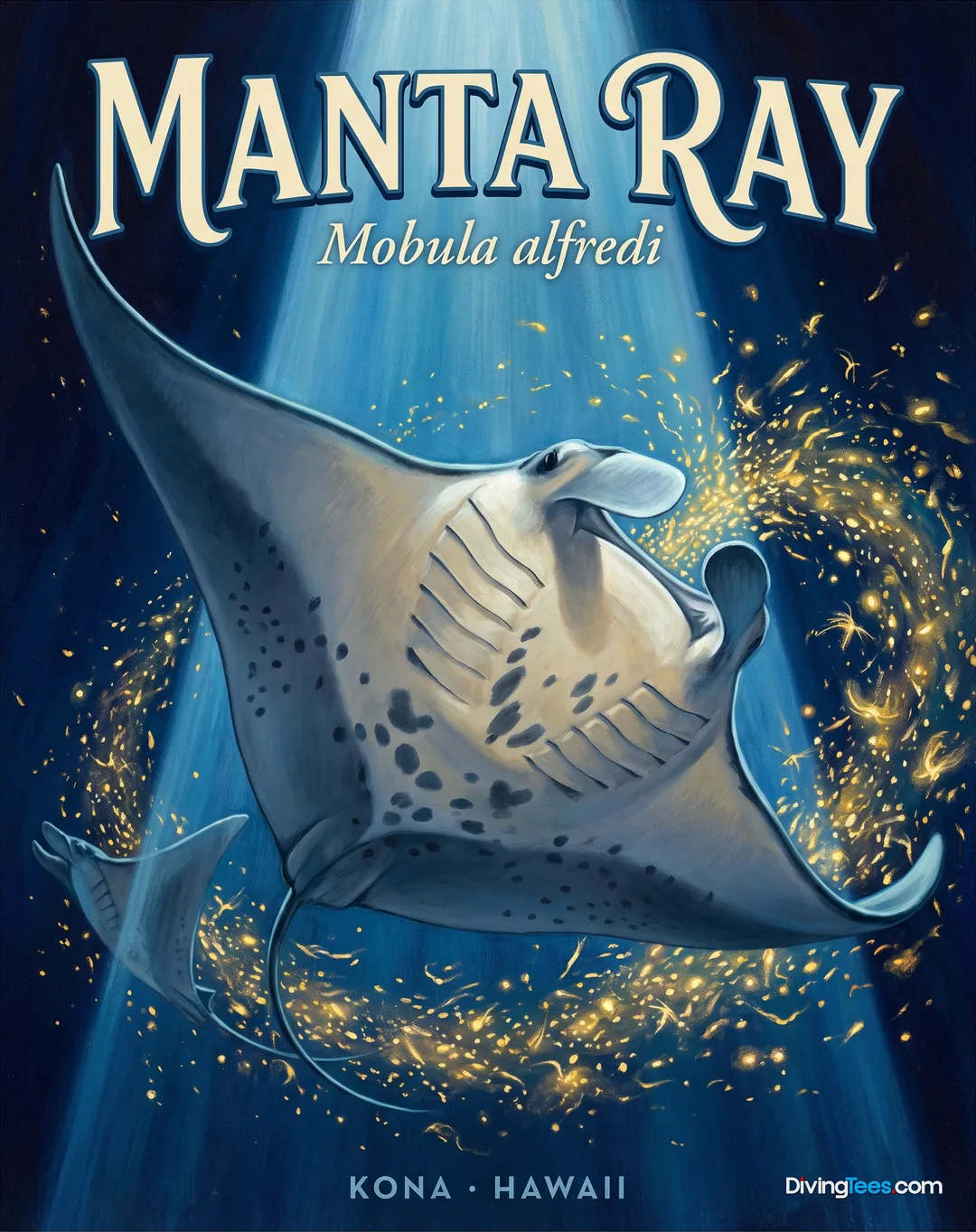
Manta rays are the headline encounter, particularly from May to November when plankton concentrations bring them into Hanifaru Bay. During feeding events, several animals may circle and pass through the shallow, sandy-bottomed inlet, so the important task is to remain still, keep clear of their route and avoid crowding them. Green and hawksbill turtles are regular year-round residents at Turtle Reef, where they move through a developed coral garden. Aquarium brings bannerfish schools, moray eels and clownfish among colourful corals. Coral Gardens adds the possibility of eagle rays and tuna in deeper water. Whale sharks are occasional rather than a dependable Baa Atoll feature, despite reports from the wider Maldives.
The right season depends on whether calm reef conditions or mantas matter more. November to April brings the calmest seas, with the weakest rainfall from January to April, making this the easier window for relaxed reef diving and boat movements. Hanifaru Bay’s manta gatherings are linked instead to the southwest monsoon, roughly May to November, when plankton-rich water concentrates feeding animals. That period is also the busiest around the bay, with more boats and tighter visitor management. A diver seeking mantas should accept more variable conditions and possible crowding; a diver prioritising calm reef days may prefer the drier, calmer part of the year.
Baa Atoll suits all levels for many ordinary reef dives, including divers qualified through BSAC, PADI or SSI. It is less forgiving at current-sensitive channel sites and during Hanifaru Bay visits, where open-water boat experience, controlled buoyancy and confidence in moving water matter more than depth. Drift Diver training is useful, while Nitrox is practical for a schedule built around repeated dives. The destination is not aimed at cave or technical wreck divers; its rewards come from marine life and well-managed reef profiles.
From London Heathrow, Gatwick or Manchester, the journey normally begins with a flight to Malé and takes roughly 14 to 20 hours overall, depending on the connection and onward transfer. Reaching Baa Atoll then requires either a domestic flight to Dharavandhoo or a speedboat transfer, so the international arrival is not the end of the travel day. At least one connection is unavoidable, and many itineraries add a second air or sea leg after Malé. Once on the relevant island, transfers are usually handled by resort boat shuttle, dive-centre pickup or a short island transfer. Accommodation and diving are generally clustered together, rather than linked by long road journeys.
Treat Hanifaru Bay as a managed wildlife visit, not an ordinary drift dive. Permits, visitor limits and advance arrangements apply, so the manta day needs to be built into the itinerary rather than improvised after arrival. Do not assume every Baa Atoll dive will produce mantas: Aquarium, Turtle Reef and Coral Gardens are regular reef sites, and the aggregation is concentrated in particular conditions and locations. A package combining reef diving with at least one manta-focused day gives a more accurate picture of the atoll. Nitrox makes sense when several boat dives are planned in a day. Divers particular about fit should bring their own mask, and perhaps fin straps, since spare-equipment choice can be limited on a remote atoll. At Hanifaru Bay, never touch, chase or crowd the mantas, avoid reef contact and follow the local anchoring or mooring arrangements. For a quieter trip, schedule reef dives outside the busiest manta window.
A five- to seven-day stay works well as a self-contained reef-and-manta break. Most days revolve around short boat runs, repeated reef dives and a possible Hanifaru Bay visit, with lagoon time or a beach day between heavier schedules. Resort or guesthouse accommodation keeps the practical routine simple because the dive operation is usually nearby. Non-diving companions can use beaches, sandbanks, snorkelling and boat-based marine-life watching, but the atoll remains primarily a diving and snorkelling destination.
Hello, I'm Marina, DivingDeal.com's AI assistant. I guide you through destinations, areas and countries.
Thinking about the whole trip and the flights? Talk it over with Edith →
Marina is an AI. Some links are affiliate links: DivingDeal may earn a commission, at no extra cost to you. Bookings are made with the partner.
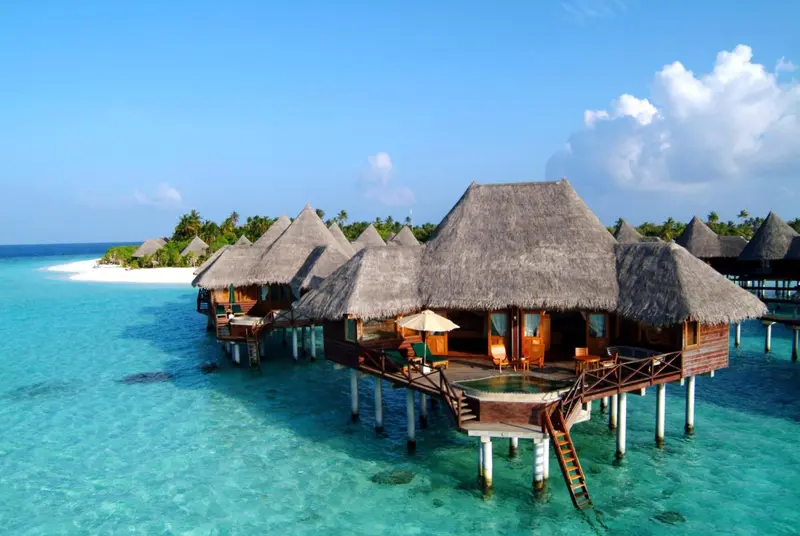
In each one, the dive centre is inside the hotel: step out of your room and go diving.
Dive centre in the hotel★★★★
Google 4.8/5 (2,590 reviews)
The dive centre
Prodivers Kuredu
PADI
Google 4.8/5 (73 reviews)
Dives: Kuredu Express, Kuredu Caves, House Reef
 Dive centre in the hotel
★★★★
Google 4.7/5 (785 reviews)
The dive centre
Coco Dive Dhuni Kolhu
PADI
Google 4.7/5 (6 reviews)
 Dive centre in the hotel
★★★★★
Google 4.7/5 (669 reviews)
The dive centre
Plongée au Dusit Thani Maldives
PADI
Google 4.7/5 (665 reviews)
Dives: Hanifaru Bay, House Reef
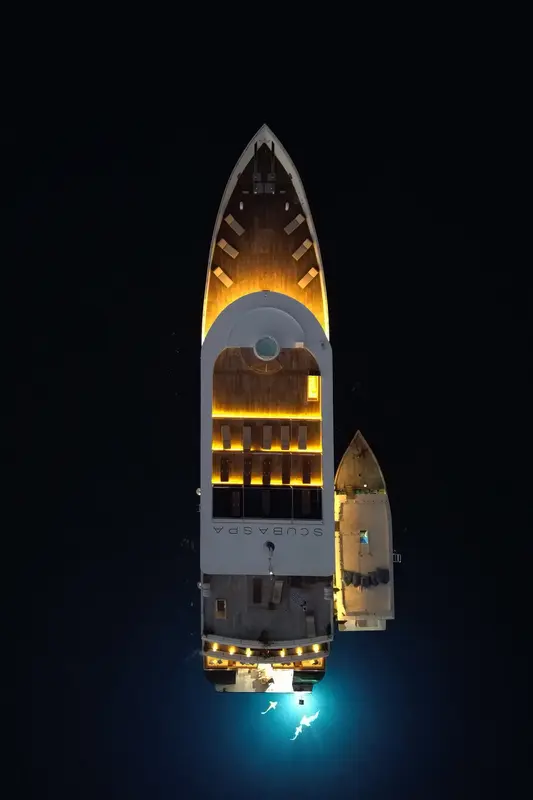
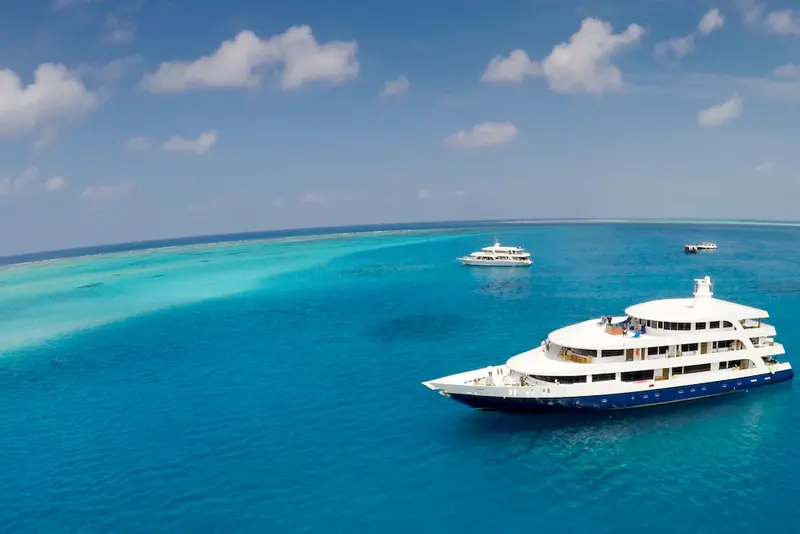
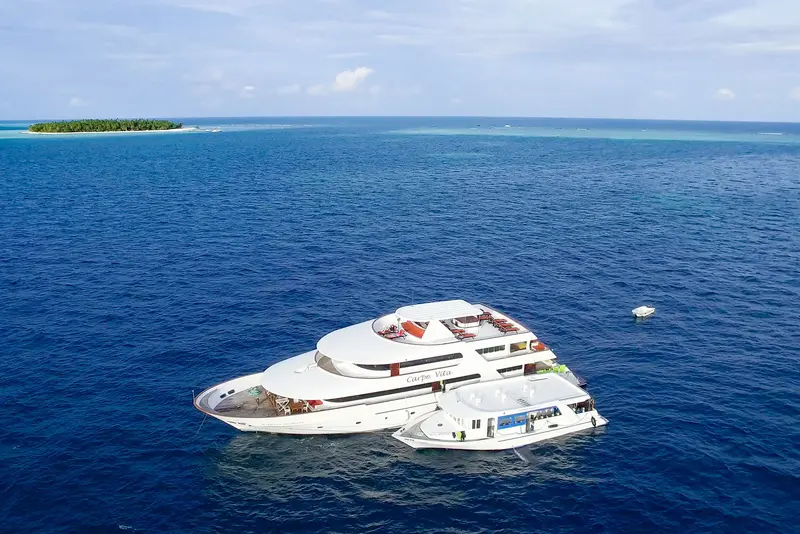
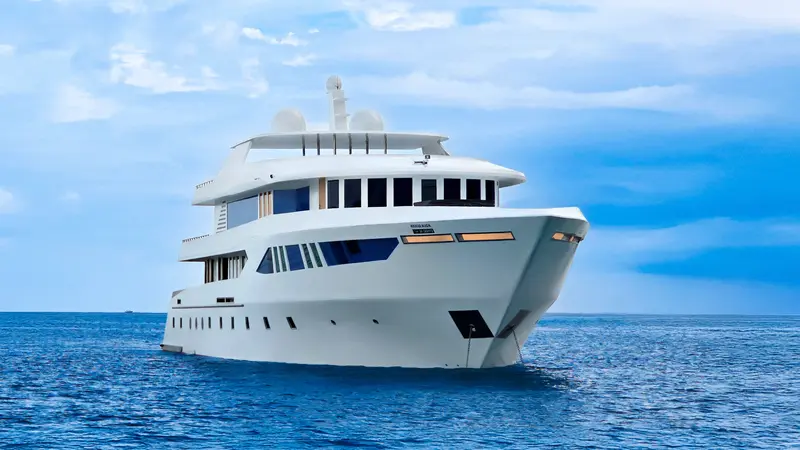
15 liveaboards run trips to Baa Atoll.
Visit Baa Atoll from May to November if manta gatherings at Hanifaru Bay are your priority, as plankton-rich water brings feeding animals into the inlet. Choose November to April for calmer seas and relaxed reef diving. January to April generally brings the weakest rainfall, while the manta season can be busier and more variable.
Baa Atoll suits divers of all levels on many ordinary reef dives, including those qualified through BSAC, PADI or SSI. Channel drifts and Hanifaru Bay require more comfort in moving water, controlled buoyancy and open-water boat experience. Drift Diver training is useful, while Nitrox can help with repeated boat dives.
In Baa Atoll, Hanifaru Bay brings reef manta rays into a shallow, sandy-bottomed inlet during feeding events. Turtle Reef has green and hawksbill turtles among coral gardens. Aquarium features bannerfish schools, morays and clownfish, while Coral Gardens offers hard corals with possible eagle rays and tuna in deeper water.
Plan Baa Atoll as a boat-based reef and manta trip, with accommodation and diving near each other. Arrange Hanifaru Bay access in advance because permits, visitor limits and management apply. A reef package with a manta-focused day gives variety, while Nitrox, personal mask equipment and a quieter schedule can make repeated dives easier.