 Dive centre in the hotel
Adaaran Select Meedhupparu
★★★★★
Google 4.8/5 (1,685 reviews)
The dive centre
plongee avec divepoint meedhupparu
SSI
Google 4.7/5 (64 reviews)
Maldives · Indian Ocean
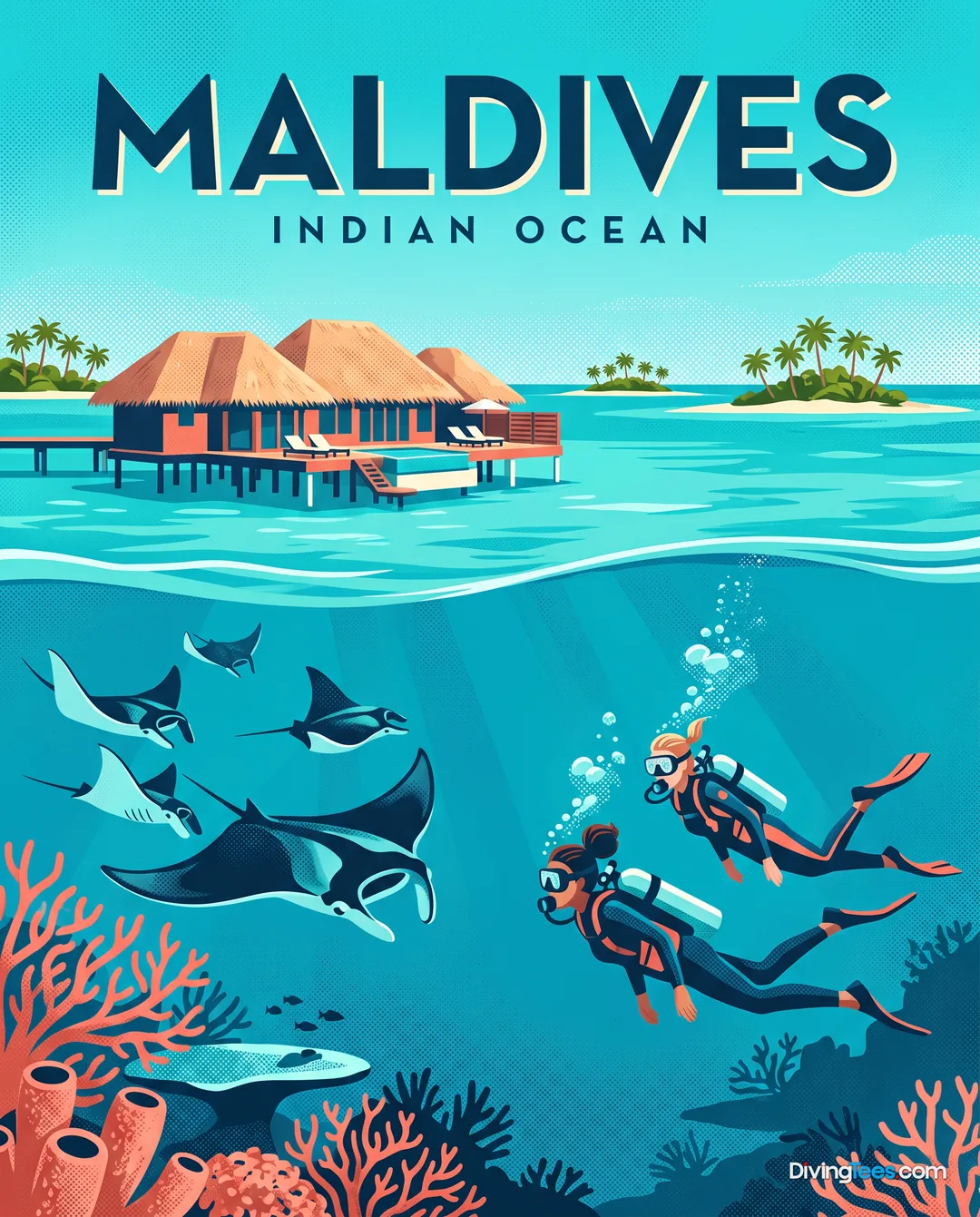
Horseshoe reefs, current-swept passes, spinner dolphins and manta rays shape Raa Atoll’s boat diving across a wide, lightly visited Maldivian atoll.
For subtitles in English: start the video firstthen click the gearat the top right of the video, select “Subtitles/CC”, then “Auto-translate” and choose “English”.
Raa Atoll is a boat-diving destination built around movement: between islands, across the lagoon and out to reefs, passes and pinnacles on different sides of the atoll. Its most distinctive named site, Shab Samadai, is a horseshoe reef known as Dolphin House, where spinner dolphins may share the water with divers. The appeal lies less in one signature dive than in combining current-shaped sites, open-reef scenery and the chance of larger marine life over a week-long stay.
Most dives leave from a boat and reach external reefs, walls, passes or isolated pinnacles. Conditions are variable: a sheltered reef may suit a relaxed dive, while a pass can become a proper drift dive when the tide is running. There are no reliable depth figures for the destination’s sites, so the day’s plan needs to follow the briefing rather than a fixed depth expectation. Shab Samadai combines a horseshoe reef with drifting water and the possibility of dolphins, sharks, eagle rays and manta rays. Judge the day by sea state, current and site choice. The practical attraction is flexibility: a boat can move across the atoll instead of relying on one house reef.
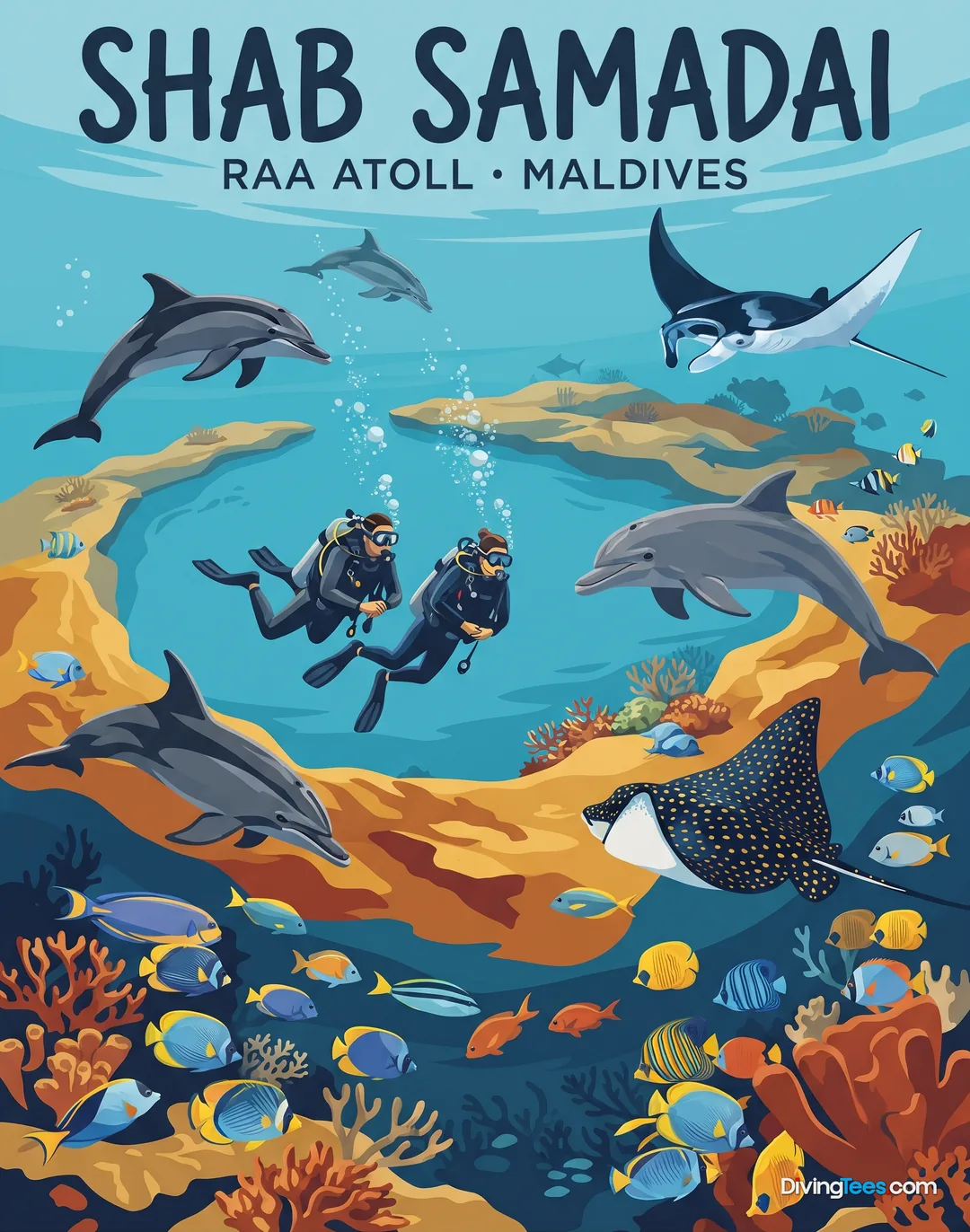
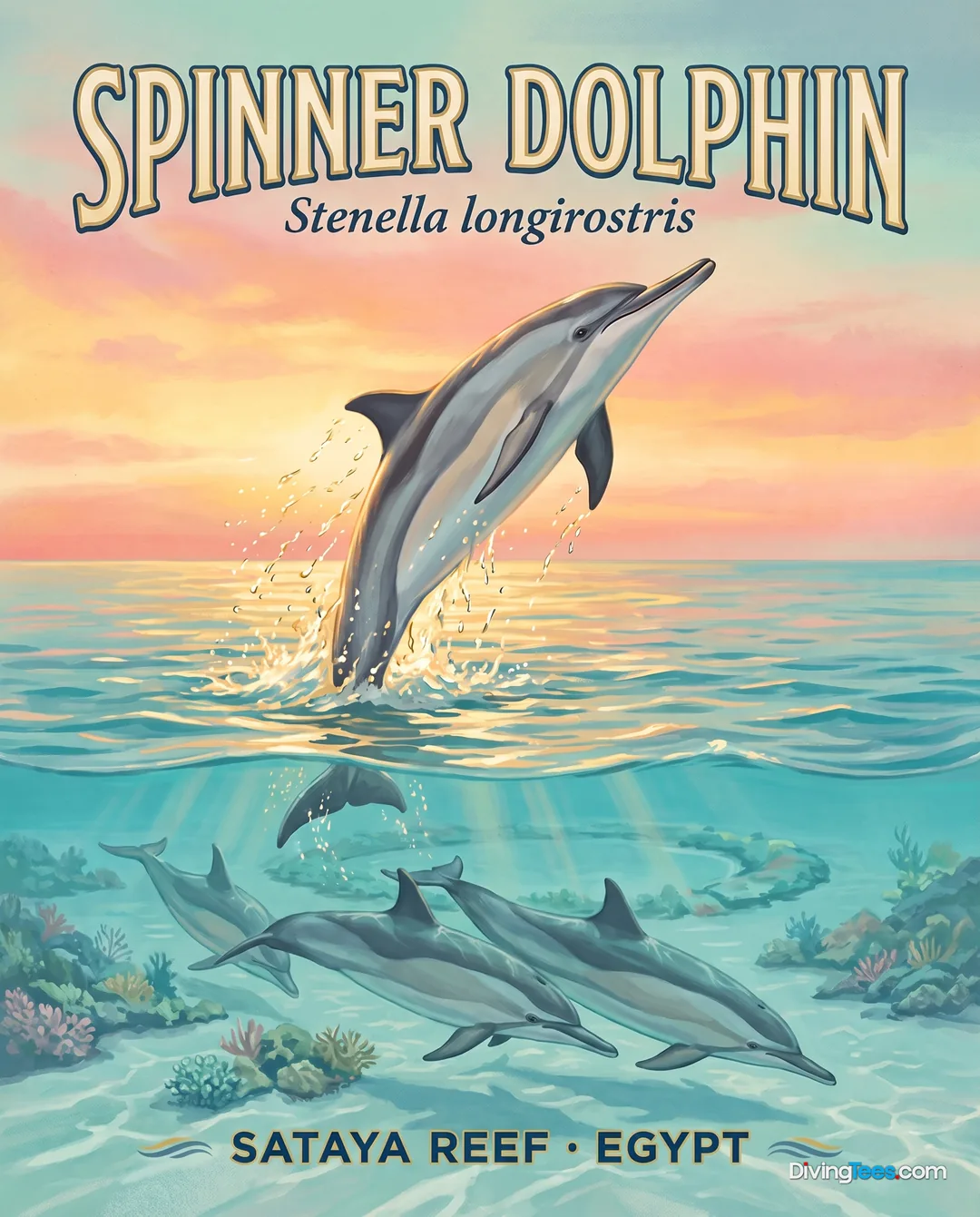
Spinner dolphins are the defining encounter at Shab Samadai, the horseshoe-shaped reef also known as Dolphin House. They may be seen alongside drift diving, rather than as a guaranteed performance, so the experience remains a dive site first and a wildlife opportunity second. Sharks and eagle rays are also possible there, while manta rays occur occasionally in the wider atoll picture. Whale sharks are rare. The site information describes dolphin encounters as possible throughout the year, whereas the broader seasonal record does not establish a dependable month for mantas or whale sharks. Divers should therefore value the reef, current and surrounding marine life even when the larger visitors are absent.
The measured pattern points to November through April for the calmest sea, with the lightest rainfall from January through April. That makes this the more comfortable window for a destination whose diving depends on regular boat transfers and access to exposed reefs and passes. Calmer conditions can also make long days on the water more manageable, particularly for older divers who would rather avoid unnecessary rolling transfers between sites. The season is not a guarantee of manta rays or whale sharks: manta sightings are occasional and whale sharks rare. The sensible reason to favour these months is therefore the sea and weather pattern, not a promised flagship encounter.
Raa Atoll can suit all levels when the centre selects calmer reefs, but passes and exposed sites require comfort in current and open water. An Advanced Open Water qualification is useful, while Nitrox and Drift training have clear practical value for repeated boat dives and tide-led drifts. BSAC, PADI and SSI divers should expect the same principle: certification matters, but recent experience with current, controlled ascents and boat procedures matters just as much. Anyone wanting the more energetic sites should discuss that experience before booking.
From London departures at Heathrow or Gatwick, and from Manchester, the journey begins with an international flight to Malé. Raa Atoll is not reached by road: after Malé, the itinerary continues by a domestic flight or seaplane, depending on the arrival island, followed by a boat transfer to the resort or inhabited island. The exact transfer time varies considerably with the chosen base, so a connection that looks simple on paper may still involve a substantial maritime leg. Once there, getting to the dive centre may mean walking, using an internal shuttle or taking another boat, depending on the accommodation layout. A package with the diving transfers built in keeps that chain from becoming a daily logistical exercise.
The base matters more than a map suggests. A resort or island that can send boats to several sides of the atoll gives the dive team more options when wind, sea state or tide makes one area unattractive. Build in several consecutive diving days, so pass dives can be placed on a useful tidal window rather than forced into one outing. Ask specifically how much of the programme is exposed to current, and whether the boat leaves early enough to cover more distant sites. Keep the expectation of shore diving out of the plan: Raa is organised around boats and maritime transfers. Nitrox is more useful here than an additional wreck speciality, particularly when repeated dives are made on atoll structures. An ordinary computer with Nitrox handling and a Drift qualification are practical advantages; neither removes the need to treat a pass as a current dive.
A seven- to ten-day stay gives the boat programme room to adjust to tides and daily conditions. A resort or inhabited island works best for a stay-based trip, with beach, lagoon and surface activities available to a non-diving companion. A liveaboard is also possible, especially for divers wanting to combine Raa with other atolls, but the atoll itself is most naturally experienced from a fixed base with regular boat departures. Snorkelling and quiet lagoon time fill the gaps between dives.
Hello, I'm Marina, DivingDeal.com's AI assistant. I guide you through destinations, areas and countries.
Thinking about the whole trip and the flights? Talk it over with Edith →
Marina is an AI. Some links are affiliate links: DivingDeal may earn a commission, at no extra cost to you. Bookings are made with the partner.
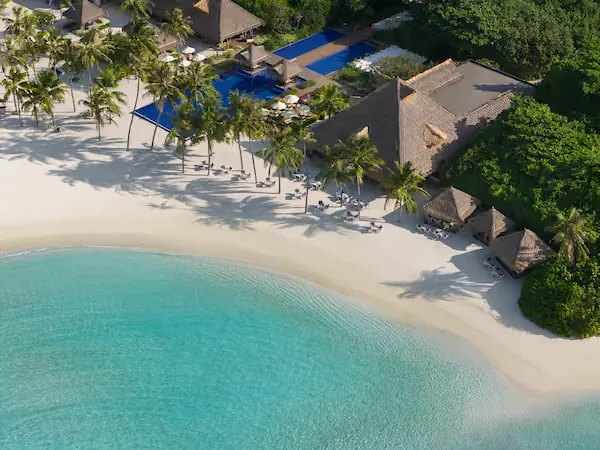
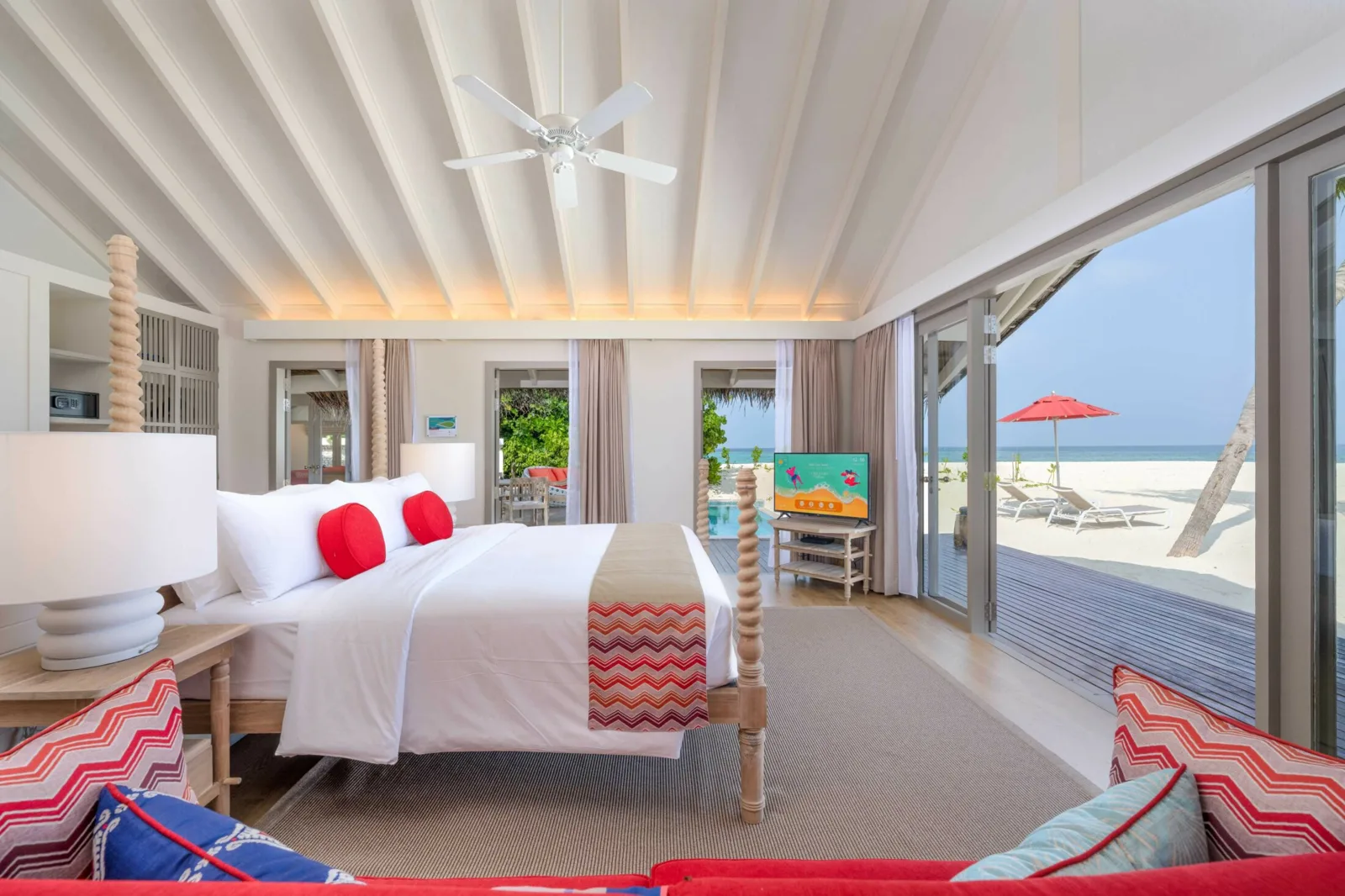
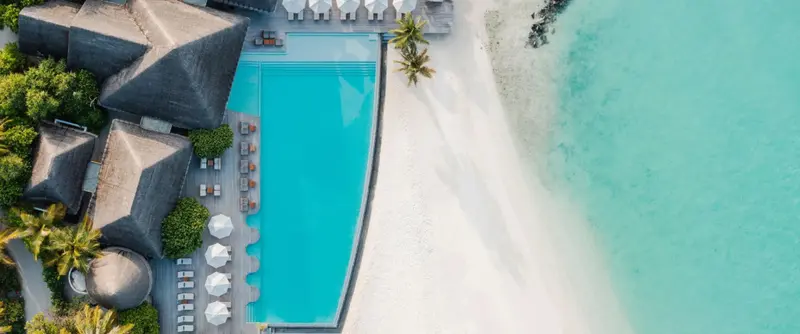
In each one, the dive centre is inside the hotel: step out of your room and go diving.
Dive centre in the hotel★★★★★
Google 4.8/5 (1,685 reviews)
The dive centre
plongee avec divepoint meedhupparu
SSI
Google 4.7/5 (64 reviews)
 Dive centre in the hotel
★★★★★
Google 4.8/5 (626 reviews)
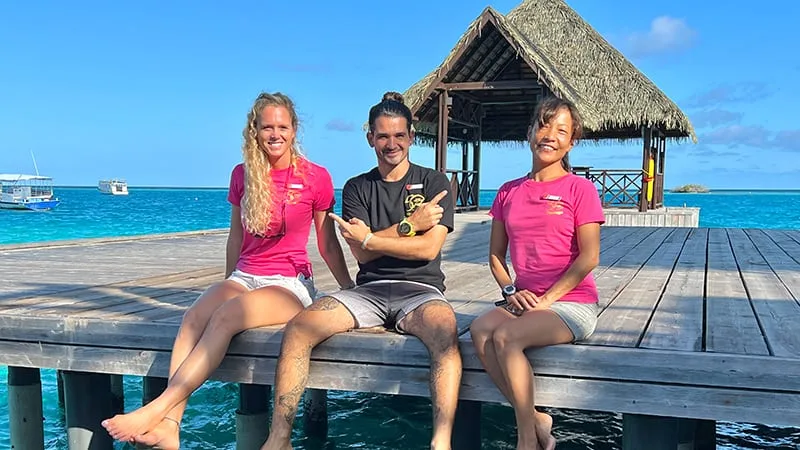
The dive centre
Euro-Divers Niva Dhigali
PADI
Google 4.9/5 (50 reviews)
Dives: Niva Dhigali House Reef, Sola Corner, Kottefaru Bodu Thila
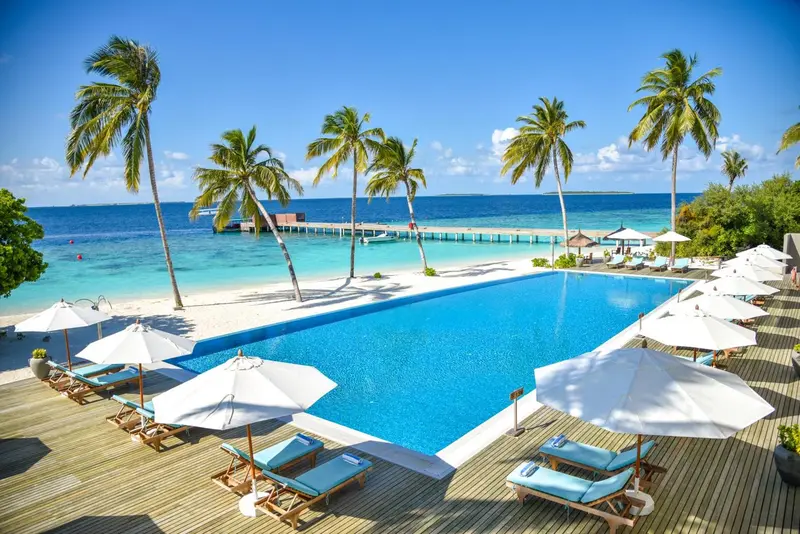 Dive centre in the hotel
★★★★★
Google 4.6/5 (982 reviews)
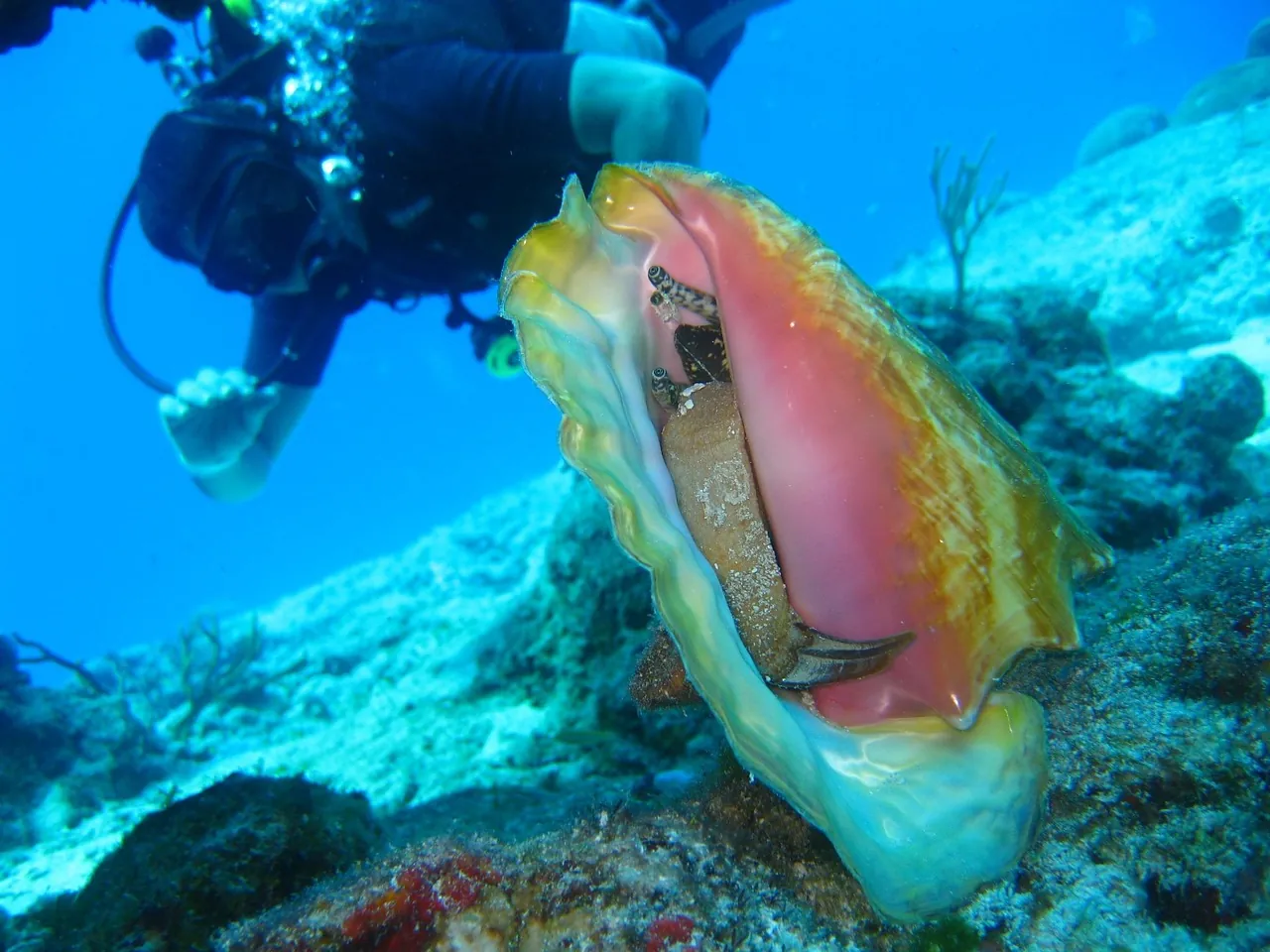
The dive centre
Reethi Faru
PADI · SSI
Google 4.6/5 (989 reviews)
Choose November through April for calmer seas, with the lightest rainfall from January through April. This can make boat transfers and exposed reefs or passes easier to manage. These months do not establish dependable manta or whale shark encounters, so plan around sea and weather conditions rather than a guaranteed wildlife sighting.
You can dive Raa Atoll at different levels when the centre selects calmer reefs. Comfort in current and open water matters for passes and exposed sites. Advanced Open Water is useful, while Nitrox and Drift training help with repeated boat dives and tide-led drifts. Recent practice with ascents and boat procedures also matters.
At Shab Samadai, also known as Dolphin House, you may encounter spinner dolphins around a horseshoe reef and drifting water. Sharks and eagle rays are possible there, while manta rays occur occasionally across the atoll. Whale sharks are rare. Pinnacles, walls, passes and open reefs add varied tropical scenery when larger animals are absent.
Plan a stay from a resort or inhabited island with regular boat departures, and allow several consecutive diving days so pass dives can follow useful tides and conditions. Reaching Raa Atoll involves Malé, a domestic flight or seaplane, and a boat transfer. A package including diving transfers can simplify the journey and daily logistics.