
Bigorno Diving Center
Google 5/5 (558 reviews)
3.6 km away as the crow flies
Trou aux biches · Mauritius · Indian Ocean
Max. depth · 13 mExplore the scattered reef patches of Moray Reef, where abundant juvenile fish and a diverse moray population inhabit a tranquil, white sandy seafloor between 11 and 13 metres.
Descending onto Moray Reef, you enter a calm, shallow environment situated over a white sandy bottom. The site is defined by its scattered coral patches, each forming small, vibrant oases. The overall ambiance is one of tranquility, particularly evident in the spectacular turquoise light filtering down through the water column, creating a natural stage for the smaller marine life that thrives here. This topography provides numerous small hiding spots and territories, ensuring that every patch brings new discoveries.
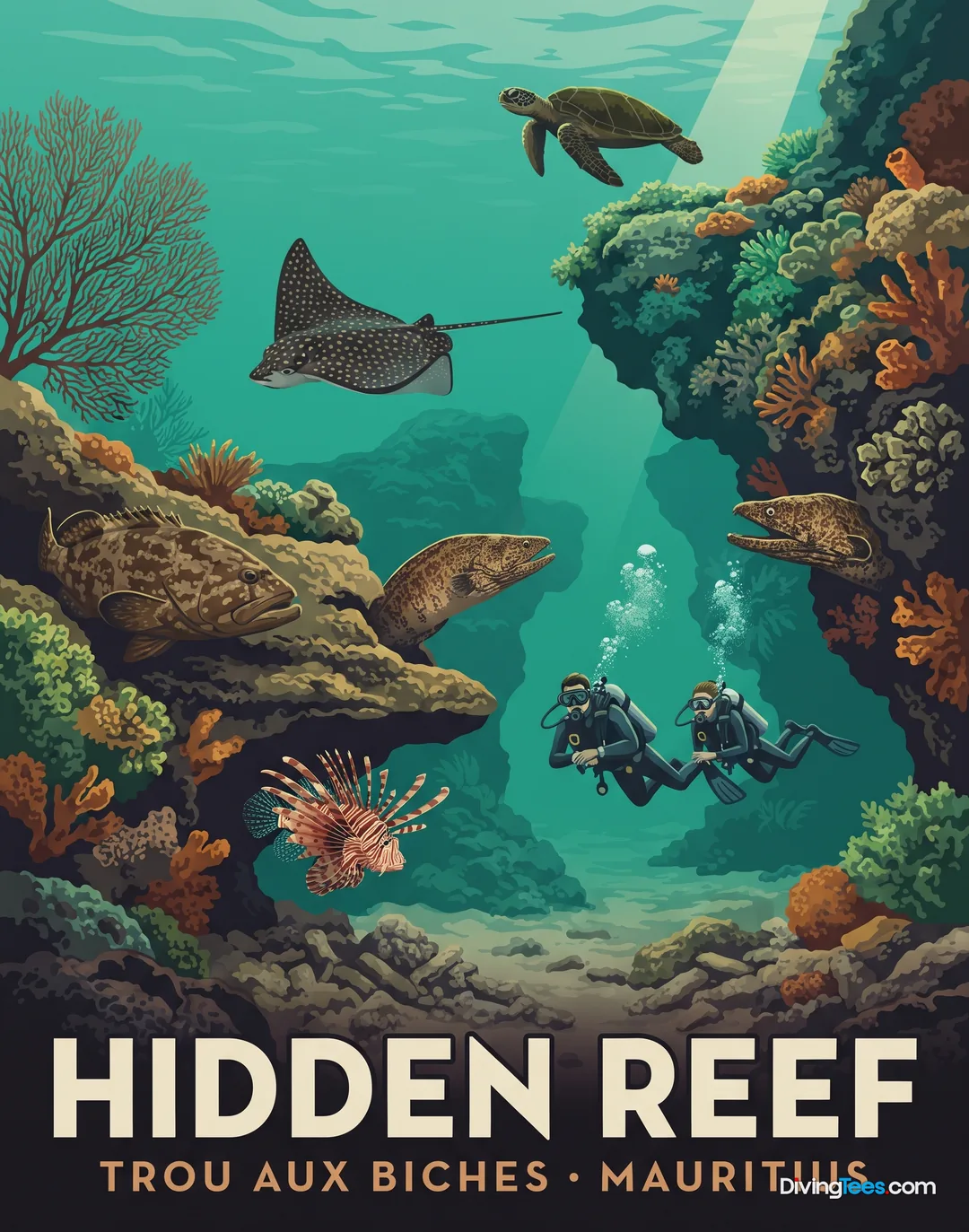
The reef patches themselves act as natural nurseries, teeming with shoals of juvenile fish. As you move between the patches, you'll encounter a rich diversity of moray eels (Muraenidae), many of which are easily spotted tucked into crevices or extending their heads from rocky shelters. This site is known for numerous species, including the striking yellow tail moray-eel, and occasionally, the more elusive Megamouth Moray (Channomuraena vittata) can be observed, a rare sight that adds to the unique character of this particular reef.
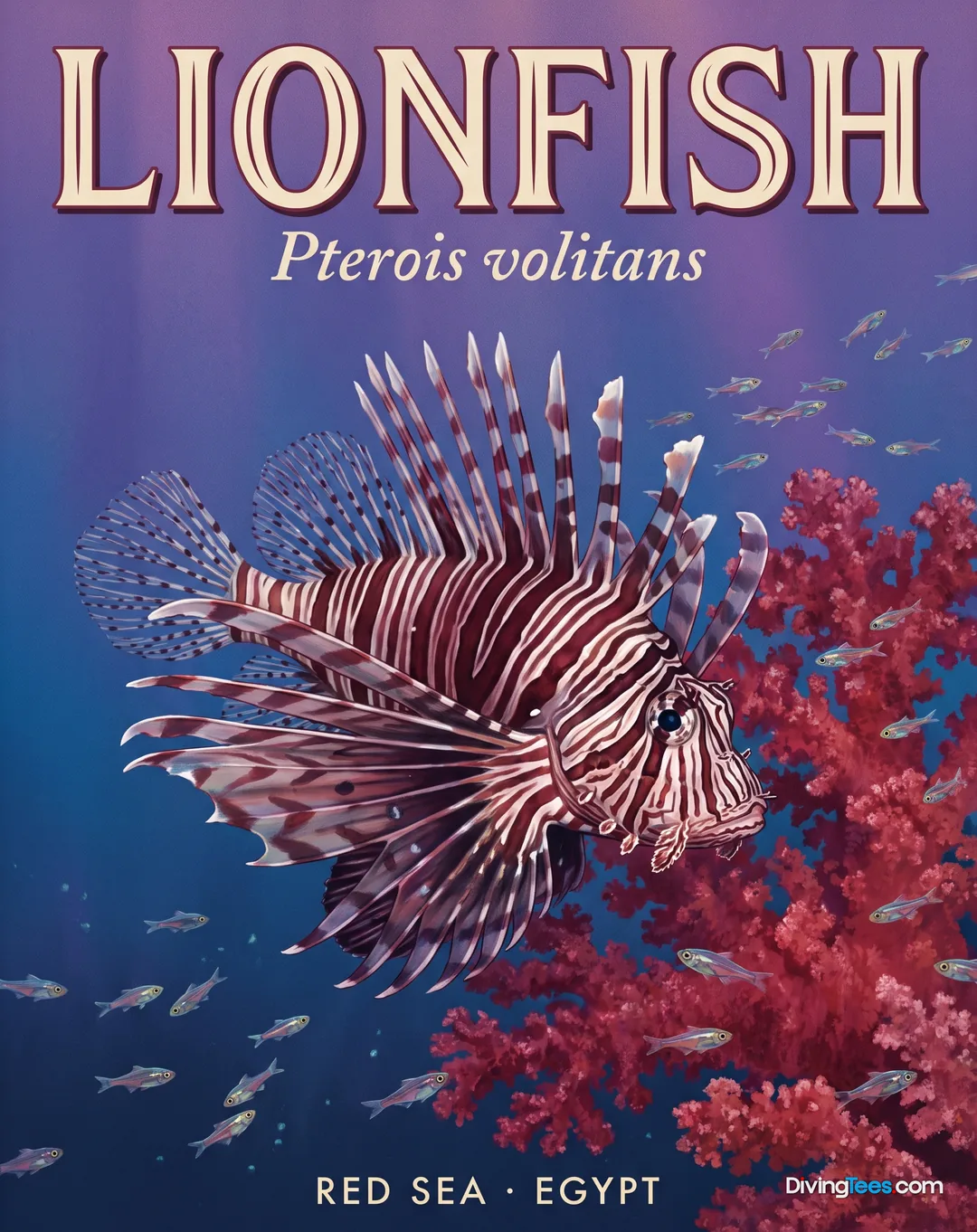
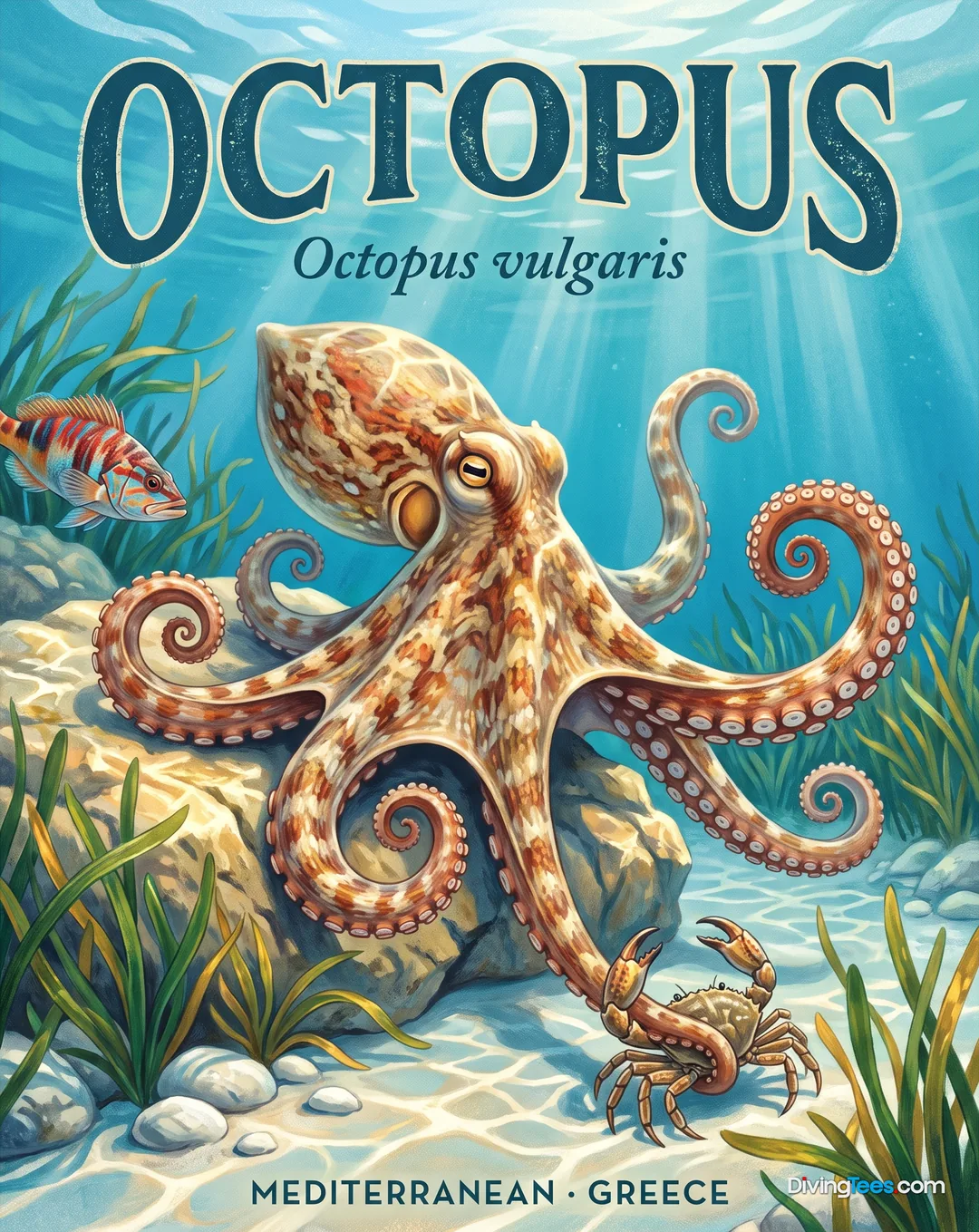
Beyond the morays, Moray Reef reliably hosts a variety of other benthic species. Keep your eyes peeled for the camouflaged forms of lionfish (Pterois), scorpionfish (Scorpaenidae), and stonefish (Synanceia), each masters of blending into the reef structure. Young octopuses (Octopoda) are also frequent residents, often seen changing colour and texture as they navigate their surroundings, a behaviour that always captures attention. This concentration of diverse, often hidden, smaller species makes the site particularly rewarding for patient observation.
The shallow depth range, consistently between 11 and 13 metres, allows for extended bottom times and relaxed exploration. The prevailing conditions are typically calm, making it an excellent location for divers who want to focus on macro photography or simply enjoy a leisurely exploration without the challenge of strong currents. The combination of gentle conditions and rich, easily accessible marine life renders Moray Reef a consistently engaging dive, appealing to those seeking an unhurried underwater experience.
For photographers, the consistent light penetration and the high concentration of adaptable subjects, from the colourful juvenile fish to the intricately patterned morays, provide ample opportunities for compelling shots. The clear, warm waters and the lack of strong surge mean that getting stable framed shots is generally straightforward. This focus on smaller, resident reef life distinguishes Moray Reef from sites known for larger pelagics, offering a different, yet equally rich, diving narrative.
Dive depth at Moray Reef consistently ranges between 11 and 13 metres, accommodating extended bottom time for exploration. The site is accessible to Open Water Diver certified individuals, and its tranquil conditions make it suitable for beginner divers or those seeking a refresher dive. Currents are typically absent, contributing to the site's calm environment.
Moray Reef is accessible to Open Water Diver certified individuals. Its tranquil conditions make it suitable for beginner divers and for anyone seeking a refresher dive. The shallow setting and relaxed exploration allow you to concentrate on buoyancy, observation, or photography without the challenge of strong currents.
Moray Reef consistently ranges between 11 and 13 metres deep. This shallow depth allows you to enjoy extended bottom time while exploring scattered coral patches across white sand. You can move between the reef oases at a relaxed pace and spend time observing smaller marine life in the clear, warm water.
Currents at Moray Reef are typically absent, contributing to a calm and tranquil environment. You can explore the scattered reef patches without the challenge of strong currents, making the site suitable for relaxed diving and macro photography. The lack of strong surge also helps you achieve stable framed shots of resident marine life.
At Moray Reef, you can see shoals of juvenile fish around scattered coral patches, along with diverse moray eels, including yellow tail morays. Look for lionfish, scorpionfish, stonefish, and young octopuses changing colour and texture. You may also encounter the rare Megamouth Moray tucked into a reef crevice.