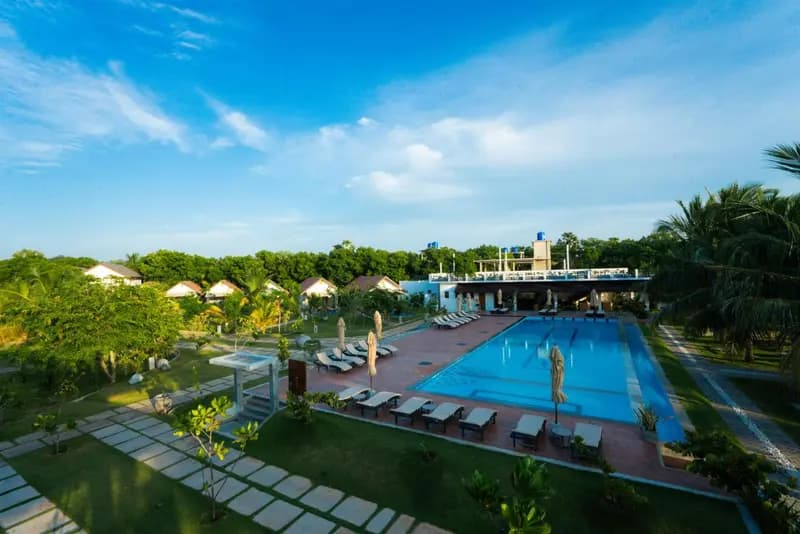
Uppuveli Beach by DSK
★★★★★
★ 9/10 (371 reviews)
4.6 km away as the crow flies
Dive centre · Trincomalee · Sri Lanka
4.9168 Google reviewsExplore the wrecks and pinnacles of Trincomalee Bay using 12-litre steel cylinders for improved buoyancy and longer bottom times.
For subtitles in English: start the video firstthen click the gearat the top right of the video, select “Subtitles/CC”, then “Auto-translate” and choose “English”.
Located in the heart of Trincomalee Bay, Taprobane Divers serves as a dedicated base for divers looking to explore the east coast of Sri Lanka. The centre is positioned just 500m from the Trincomalee Bus Stand and 1.5km from the train station, making it easily accessible for those travelling through the region.
With over a decade of experience, the centre operates year-round, though the primary diving season runs from March to the end of October. Whether you are looking for a relaxed reef dive or a more technical expedition, the team provides guided excursions and private charters to over 20 different dive sites in the area.
The centre is run by a team of ocean-obsessed instructors, skippers, and guides who have grown up diving these specific waters. As a PADI certified dive resort, they focus on maintaining high safety standards while providing the relaxed hospitality typical of the local Sri Lankan crew.
Instruction is available for all levels, from those taking their first breaths underwater to professional candidates working towards their Divemaster certification. The team is experienced in managing everything from simple fun dives to more structured training programmes.
Taprobane Divers offers a comprehensive catalogue of PADI courses. Beginners can start with Discover Scuba Diving or the Open Water Diver course, with subsequent training available through Advanced Open Water Diver, Deep Diver, and Underwater Navigation.
For those looking to refine their skills or move into professional diving, the centre provides Rescue Diver, Divemaster, and specialty courses such as Enriched Air Diver, Wreck Diver, Night Diver, Perfect Buoyancy, and Dive Against Debris. They also offer Emergency First Response and Reactivate Scuba Refresher programmes.
The centre provides a full range of equipment for hire, including high-grade UK standard kit. For those who prefer to bring their own, there is ample space to manage your gear on-site.
Nitrox is available for divers looking to extend their no-decompression limits. The centre utilises 12-litre steel cylinders, which offer better weight advantages and more air than standard aluminium tanks, helping you manage your buoyancy more effectively throughout the dive.
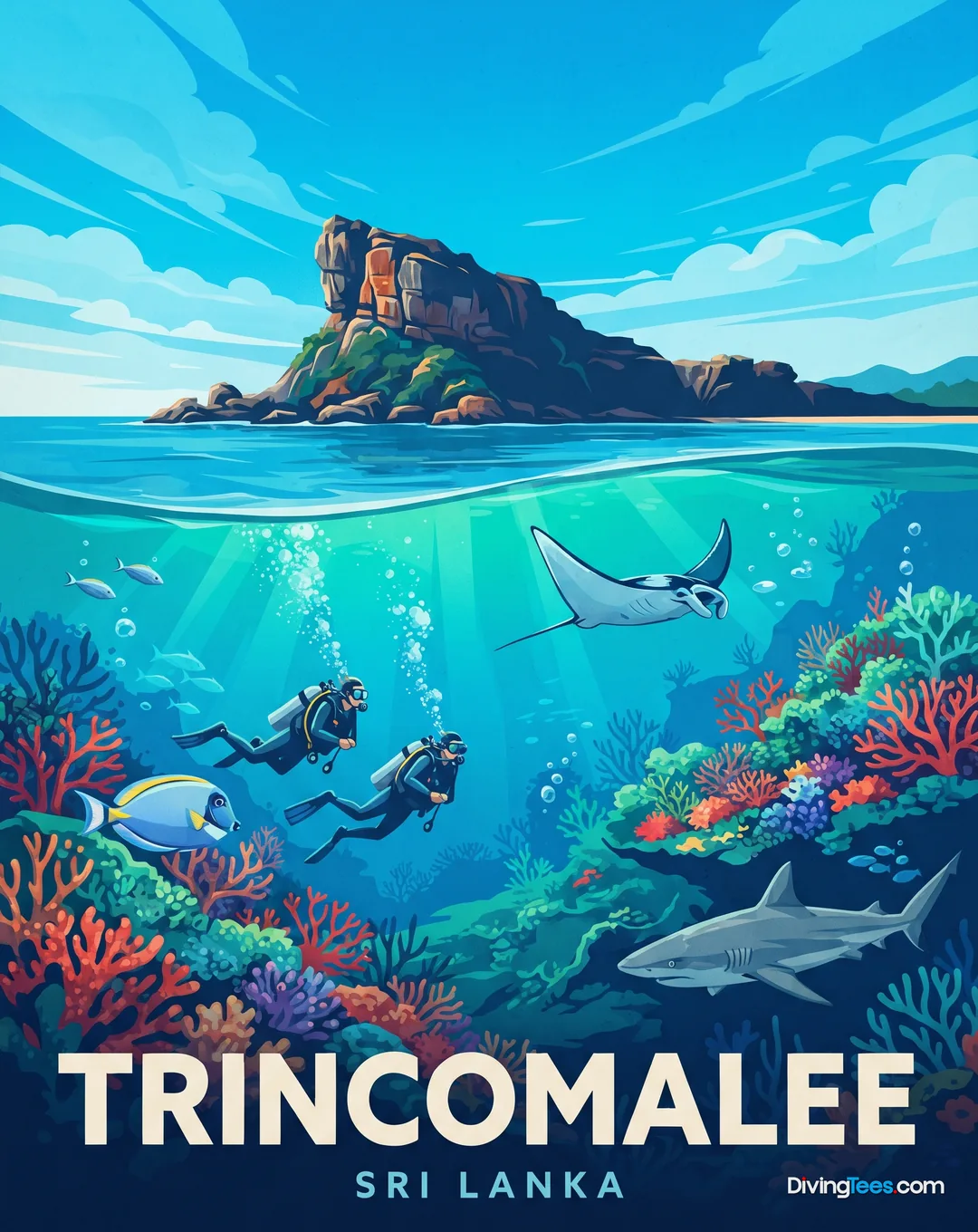
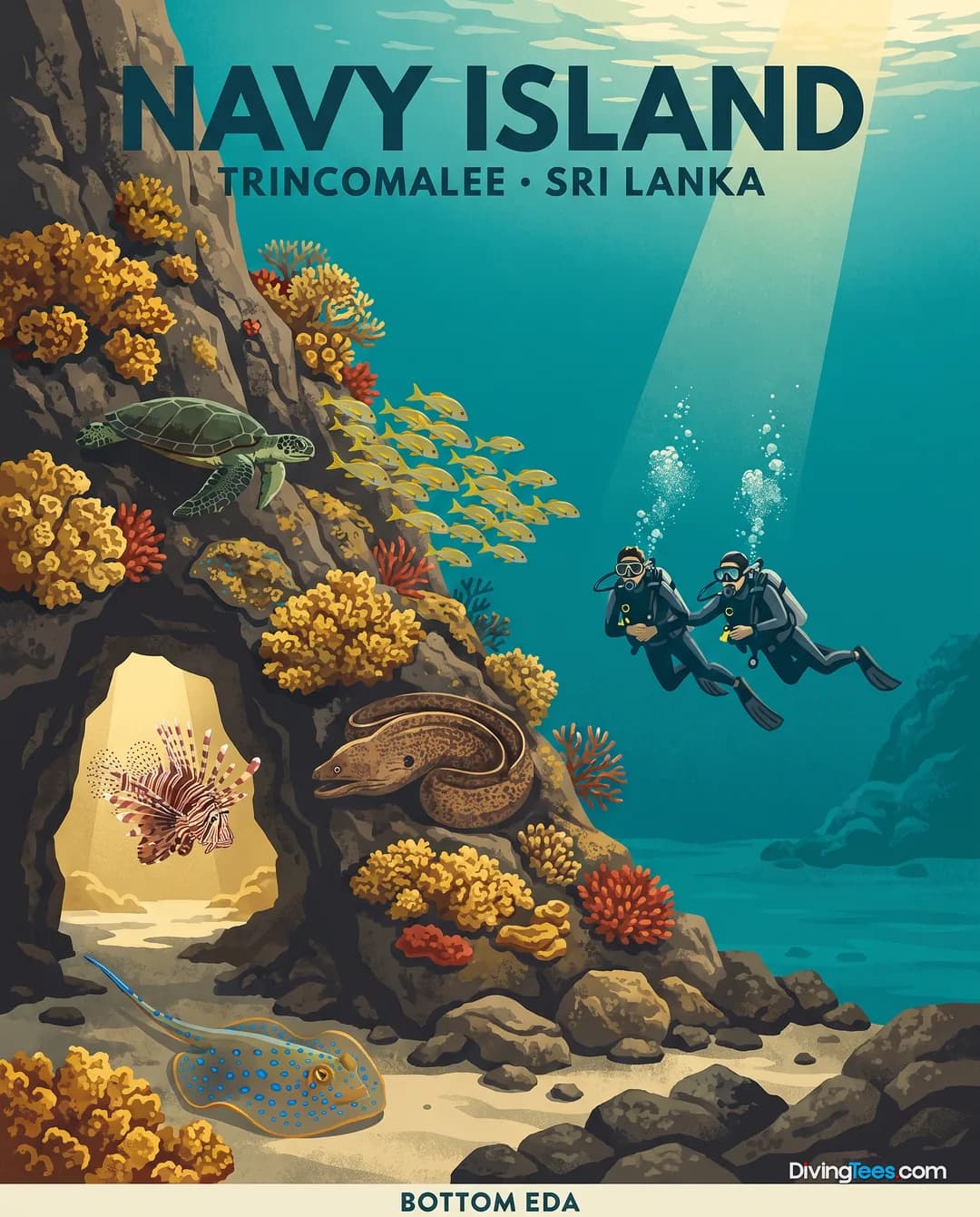
Navy Island is a versatile site featuring reefs, walls, and cave formations, such as igloo-like structures. It is accessible from the Open Water Diver level and is a popular location for training due to the abundance of fish.
Klathipa Deep Dive is a pinnacle site reaching depths of 18 to 40 metres. This site is intended for advanced divers and offers excellent visibility and the chance to see large groups of marine animals, ideally during morning dives.
Navy Underwater Museum & Wreck features two sunken gunboats covered in coral, alongside an underwater museum of military equipment. These wrecks sit at depths of approximately 23 metres and offer a unique look at local naval history.
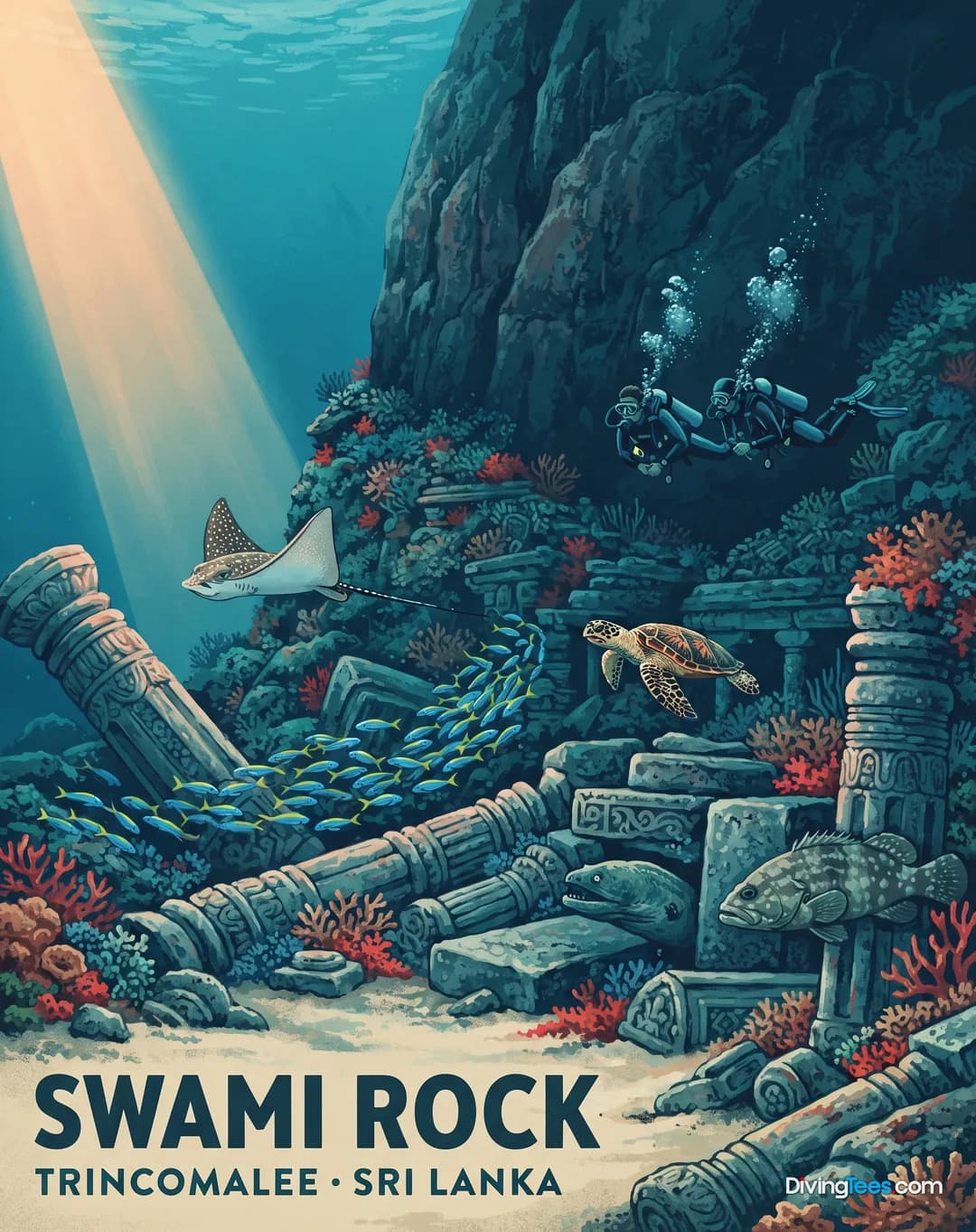
Swami Rock is a unique site featuring submerged Hindu statues, including Shiva and Ganesh, at depths between 5 and 24 metres. The site combines pinnacle and wall elements, providing an interesting landscape for divers.
And some of the dive sites the centre runs.
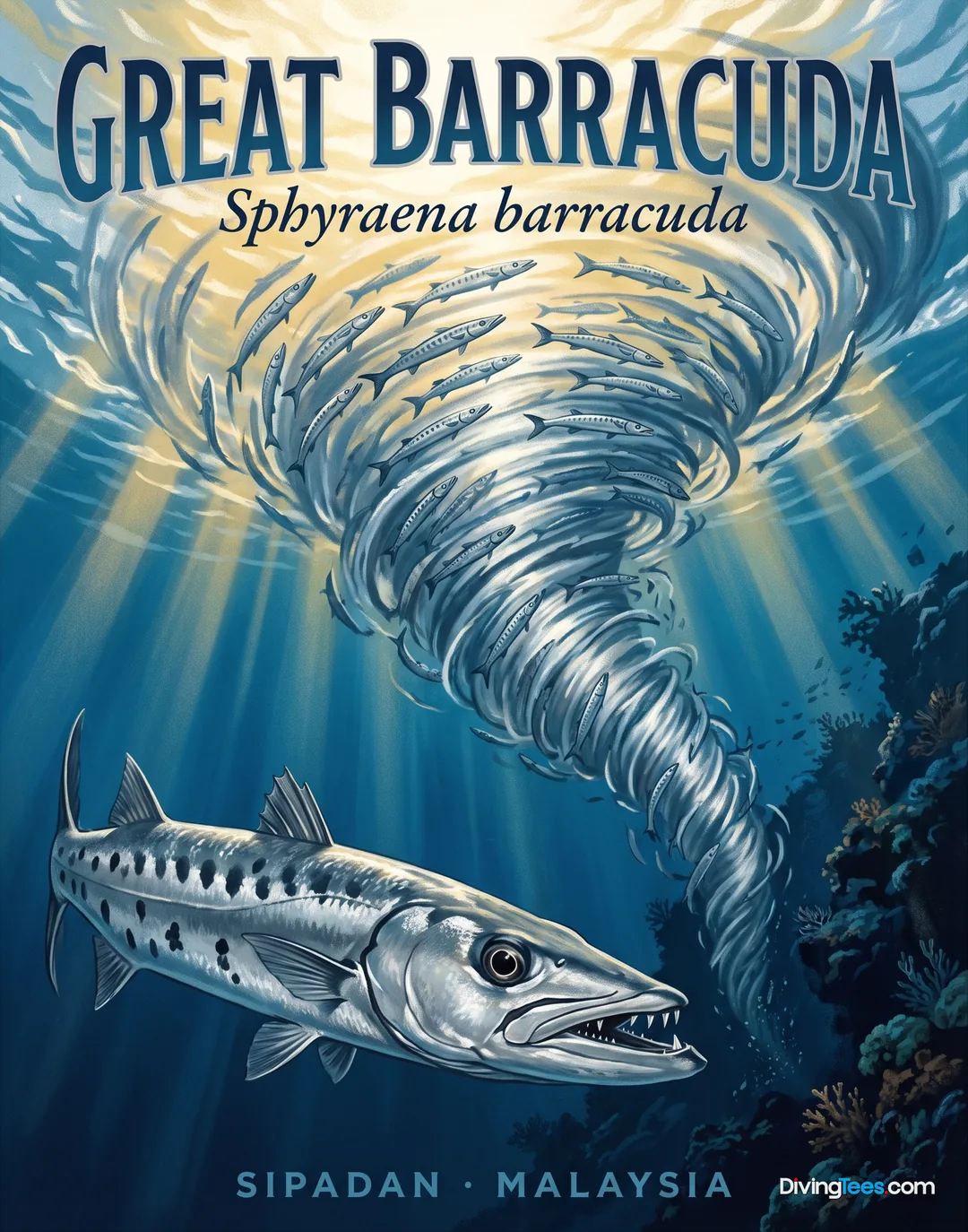
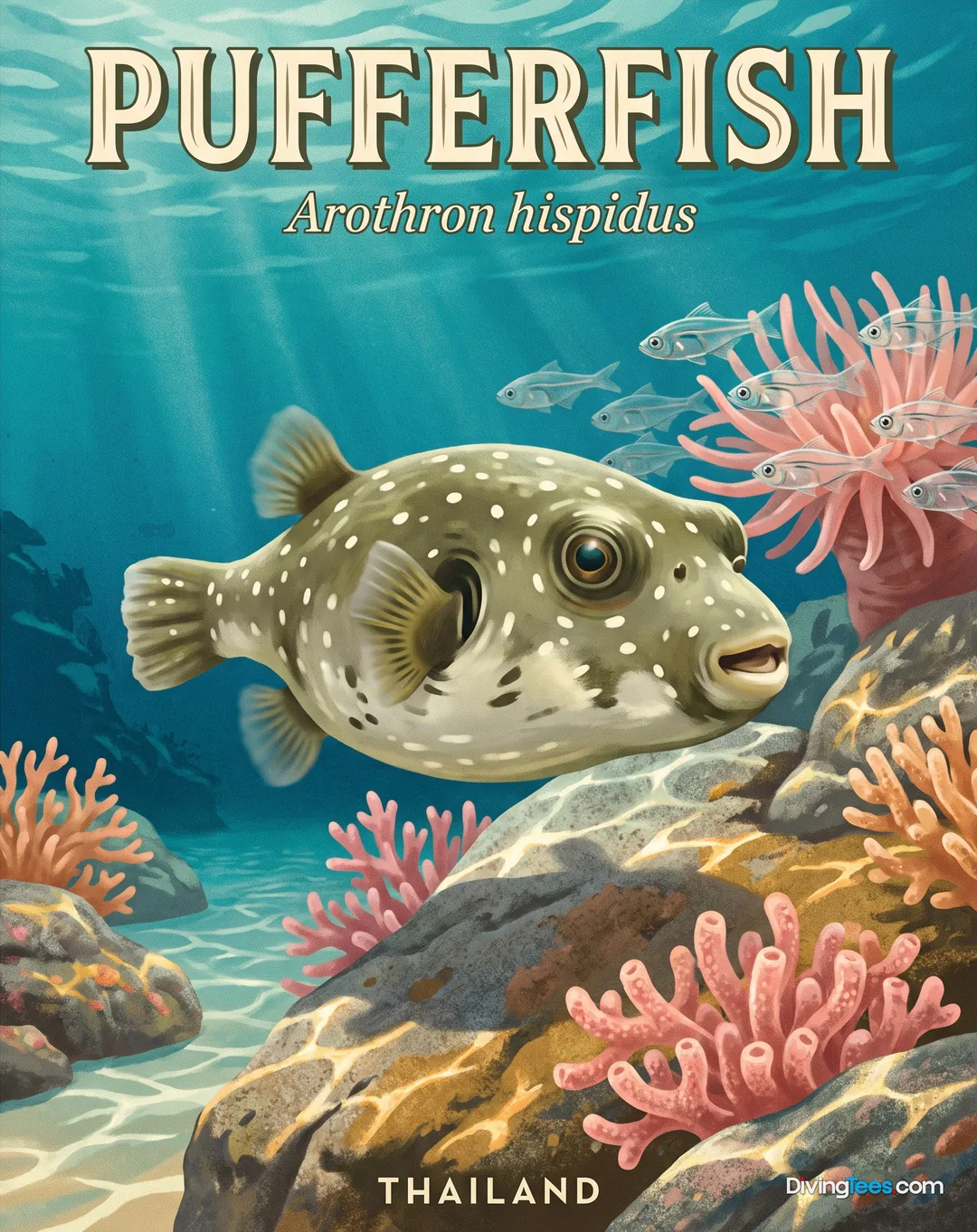
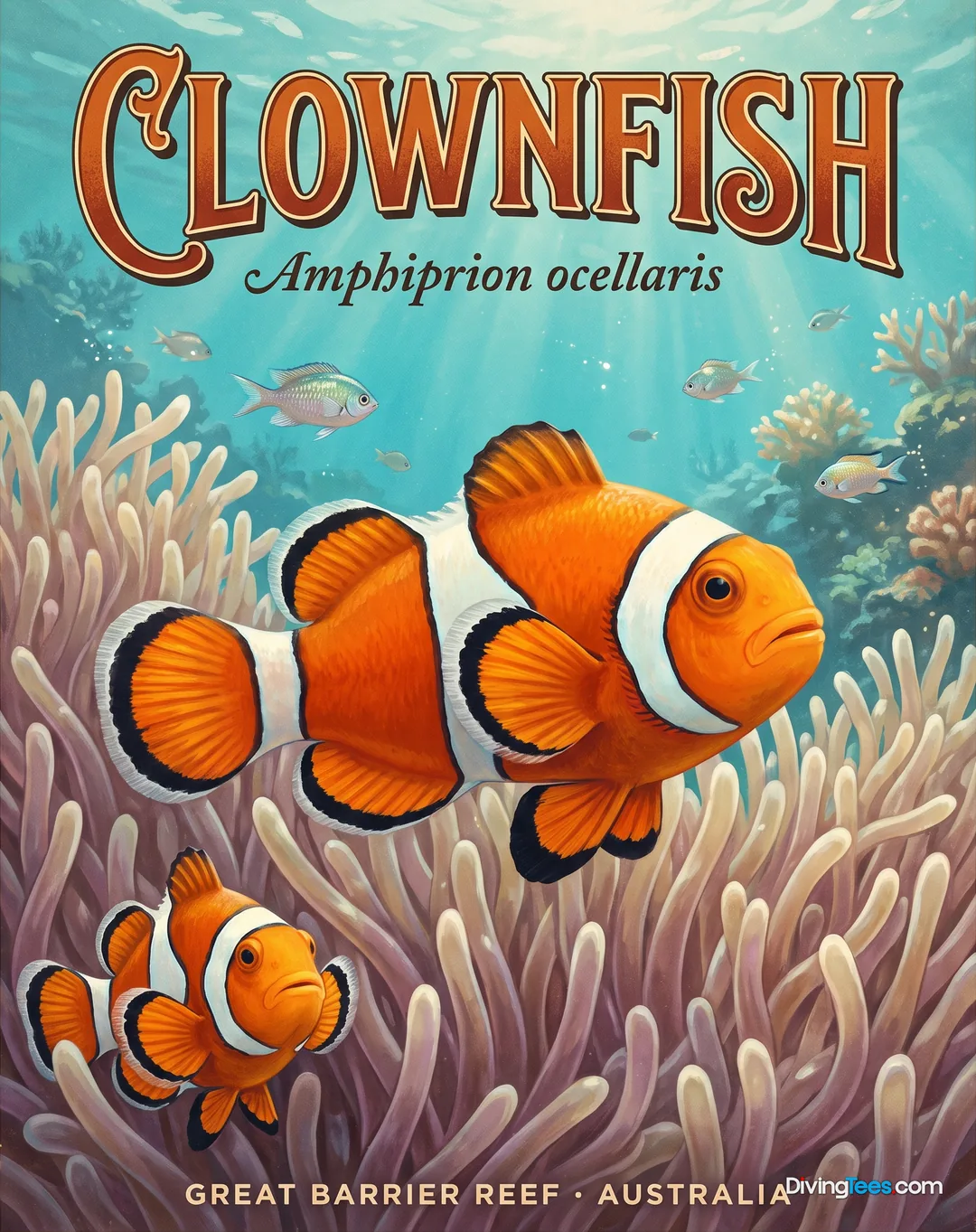
The reefs are home to a diverse array of colourful fish, including Angelfish (Pomacanthidae), Clownfish (Amphiprion), Moorish idols, Parrotfish, and various snappers. You will often see large schools of fish moving across the reef, alongside Trevally, Great barracuda (Sphyraena barracuda), and Grouper (Epinephelus).
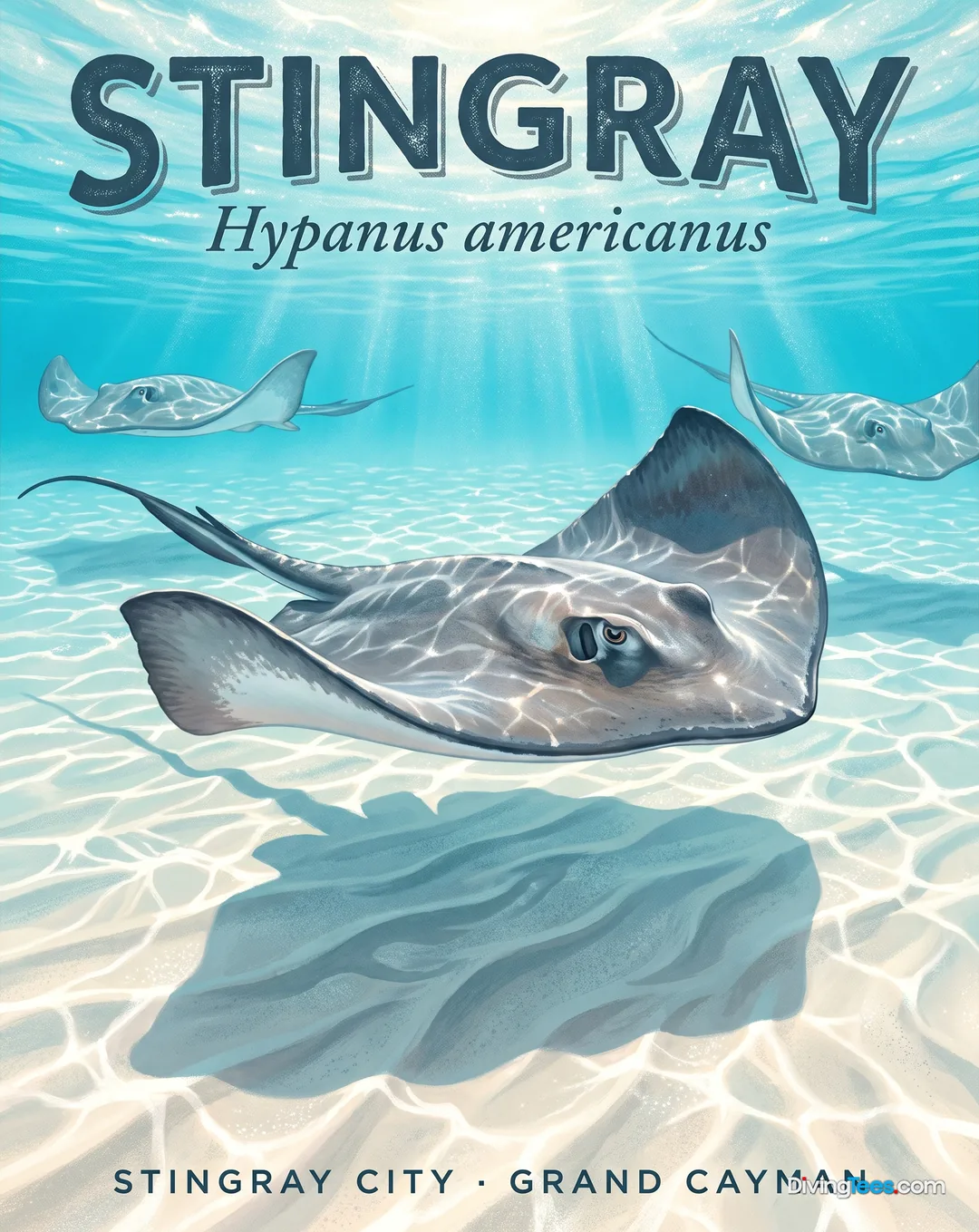
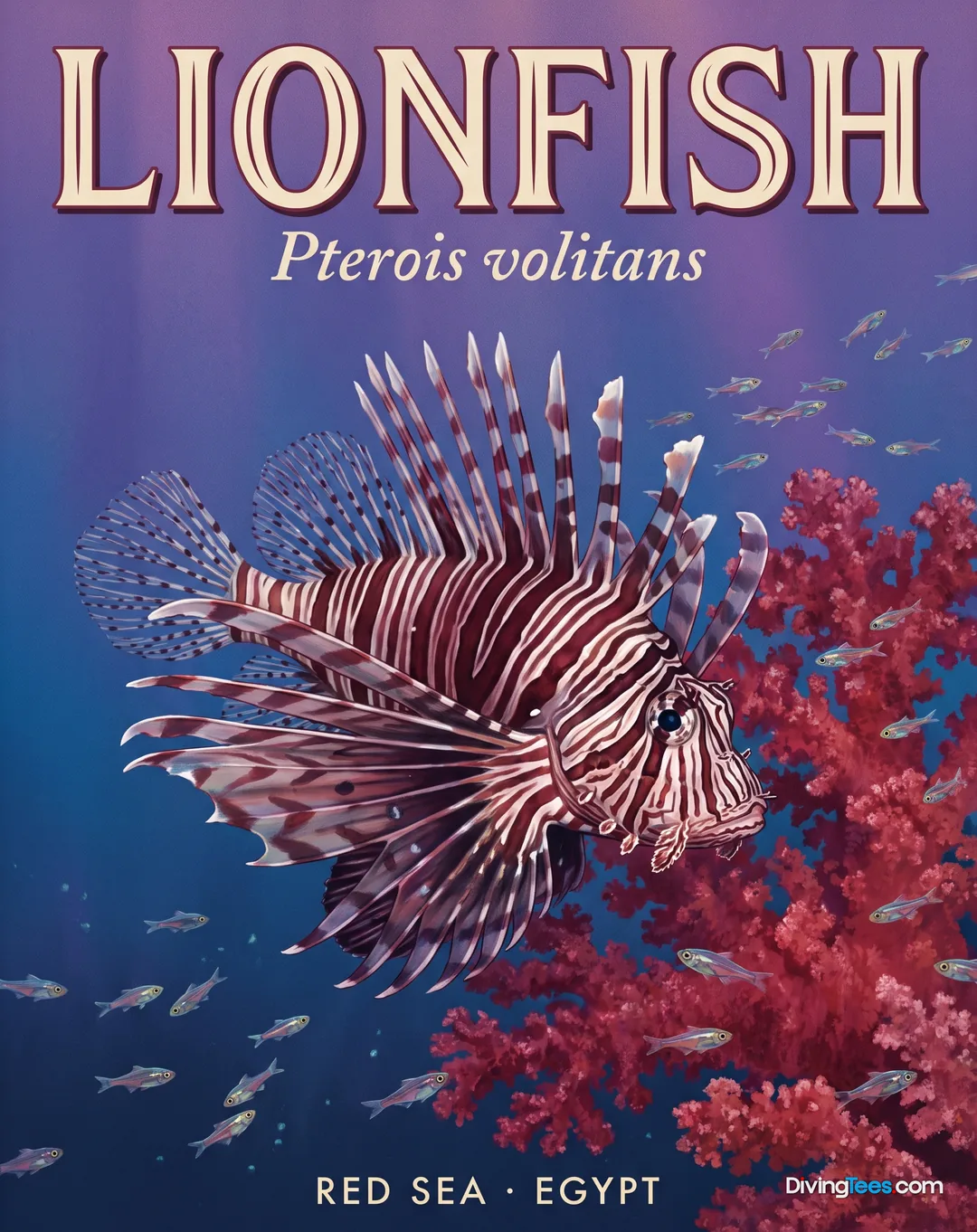
For those interested in larger pelagics, the area hosts various species of turtles and Rays (Batoidea), including stingrays and blue spotted stingrays. You may also encounter Lionfish (Pterois volitans), Batfish, and Cuttlefish patrolling the structures.
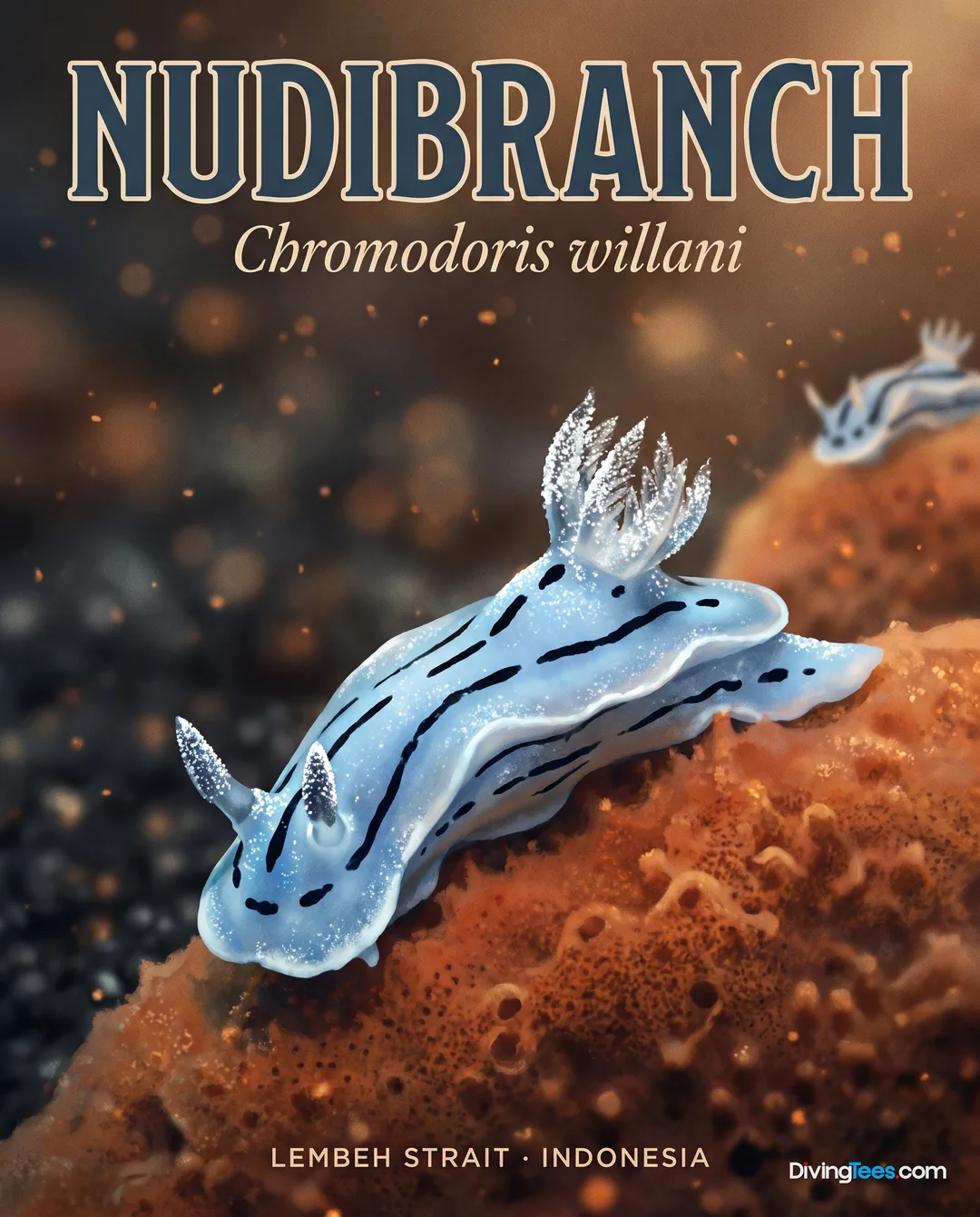
Macro enthusiasts can look for smaller, more specialised life such as Octopus (Octopus vulgaris), Moray eels (Muraenidae), and various Scorpionfish. The seabed also hosts Lobster, Squid, and Electric rays, while Nudibranch (Chromodoris willani) can be found amongst the reef life.
Seasonal sightings of larger marine life are possible depending on the coast; however, the centre's specific location in Trincomalee is noted for its year-round reef biodiversity.
The best time to dive in this region is from March to the end of October, when the seas are generally calm. During this period, mild currents make most of the local sites accessible to divers of all levels.
From November to February, the monsoon season brings rougher seas and reduced visibility, which is a period to be aware of when planning your trip.
Hello, I'm Marina, DivingDeal.com's AI assistant. I answer in detail about hotels, dive centres and liveaboards.

Thinking about the whole trip and the flights? Talk it over with Edith →
Marina is an AI. Some links are affiliate links: DivingDeal may earn a commission, at no extra cost to you. Bookings are made with the partner.
★★★★★
★ 9/10 (371 reviews)
4.6 km away as the crow flies
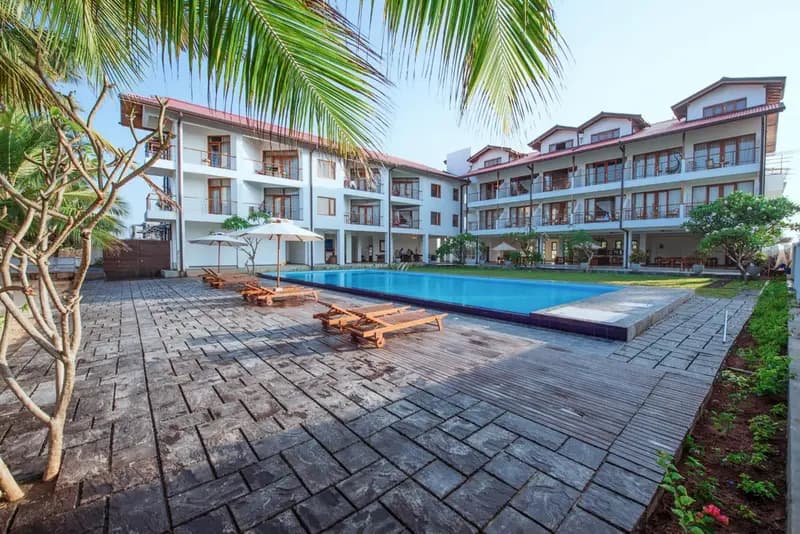
★★★
★ 8.9/10 (522 reviews)
14 km away as the crow flies
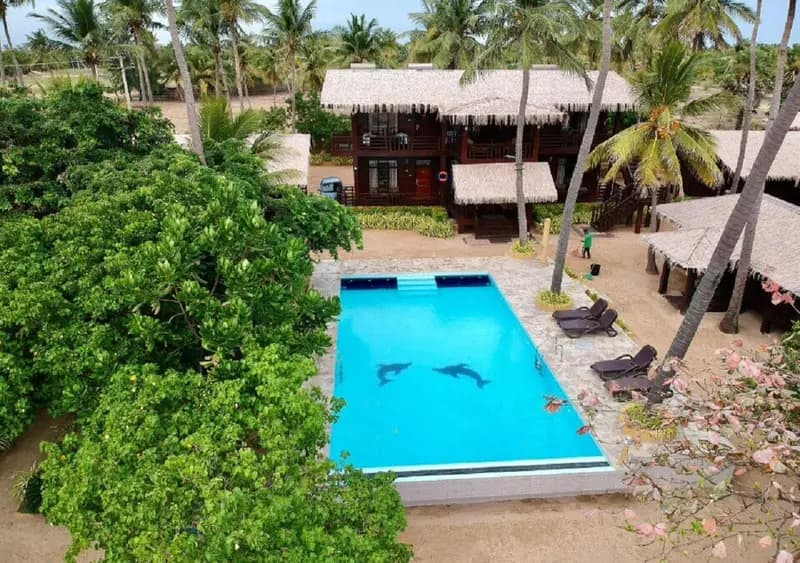
★★★★
★ 8.9/10 (226 reviews)
18 km away as the crow flies
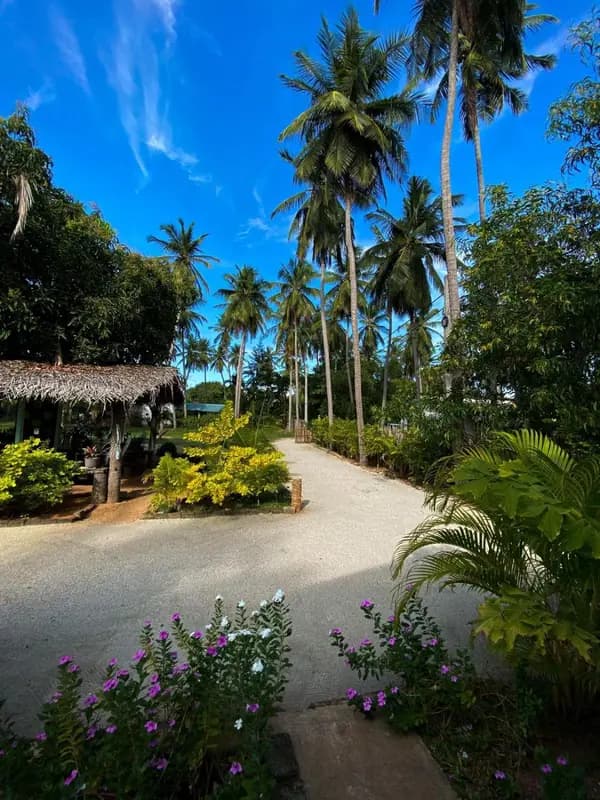
★ 8.6/10 (346 reviews)
5.2 km away as the crow flies