
Viking Divers
Google 4.9/5 (192 reviews)
36 km away as the crow flies
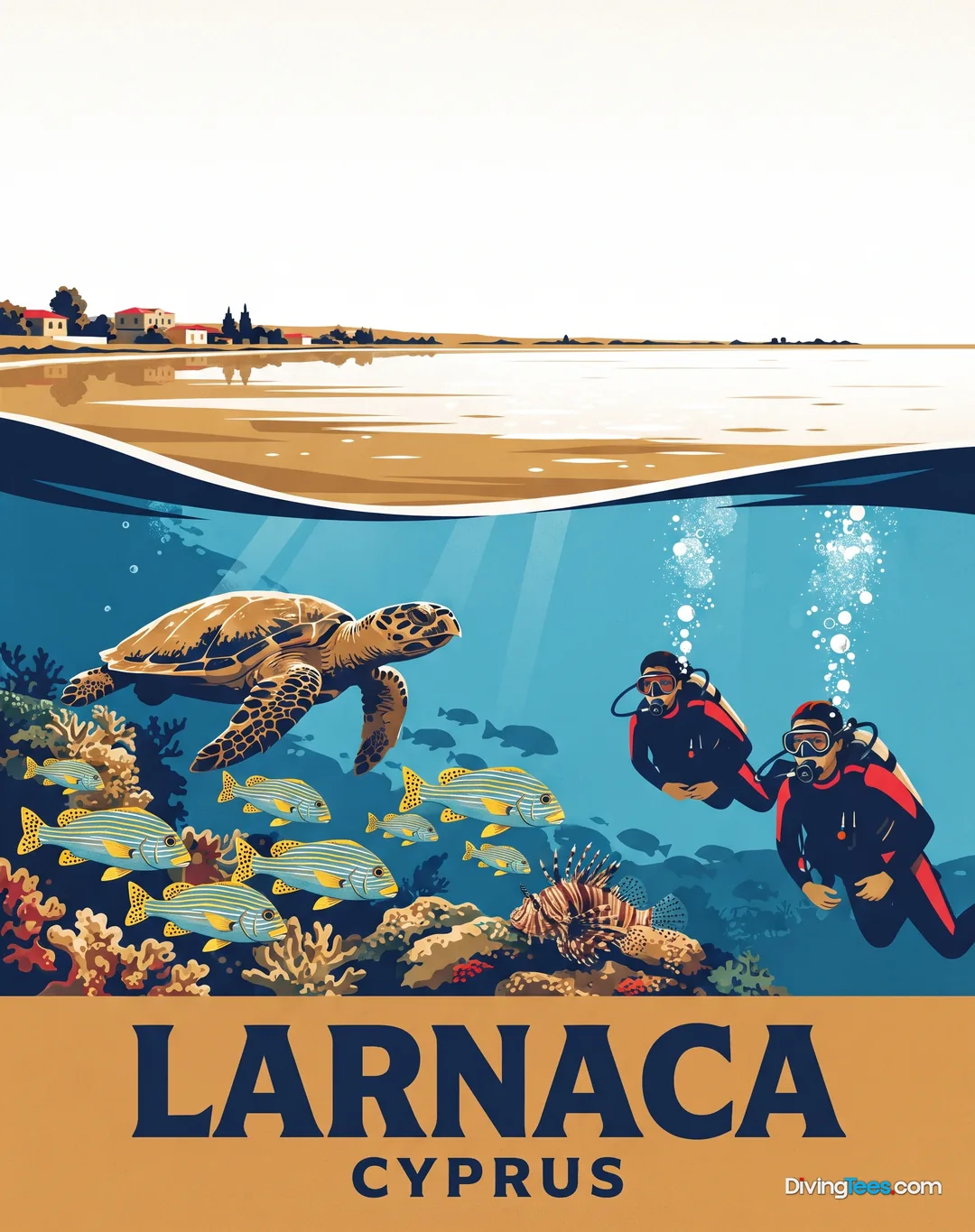
Larnaca · Cyprus · Mediterranean
Max. depth · 15 mNavigate continuous sunlit passages where natural architecture guides you through a unique cave system in Larnaca.
For subtitles in English: start the video firstthen click the gearat the top right of the video, select “Subtitles/CC”, then “Auto-translate” and choose “English”.
Diving Tunnels and Caves brings you into a network of natural formations just off the coast of Larnaca. The site is characterized by its accessible underwater architecture, where the primary attraction is a series of tunnels and caves that remain consistently within the daylight zone. This constant presence of natural light ensures a comfortable penetration dive, avoiding the need for specialized cave diving equipment or advanced training.
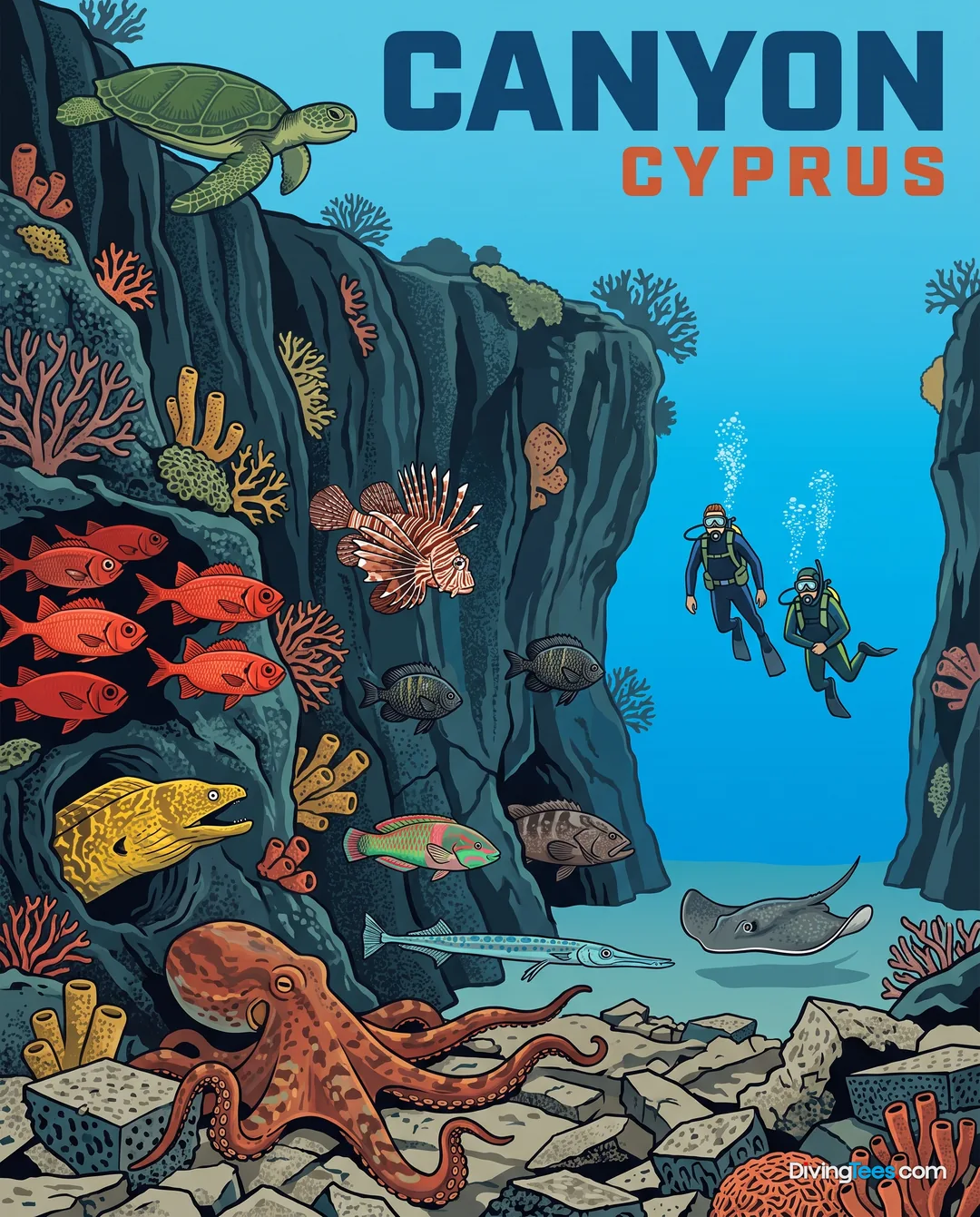
The dive typically begins with a descent to an average depth of 12 metres, though sections range from 10 to 15 metres. You'll find yourself navigating through spacious passages, including one tunnel that stretches over 40 metres in length. The contours of the rock formations at the entrance of the main cave system are said to resemble a map of Cyprus, a detail that adds to the unique character of the site.
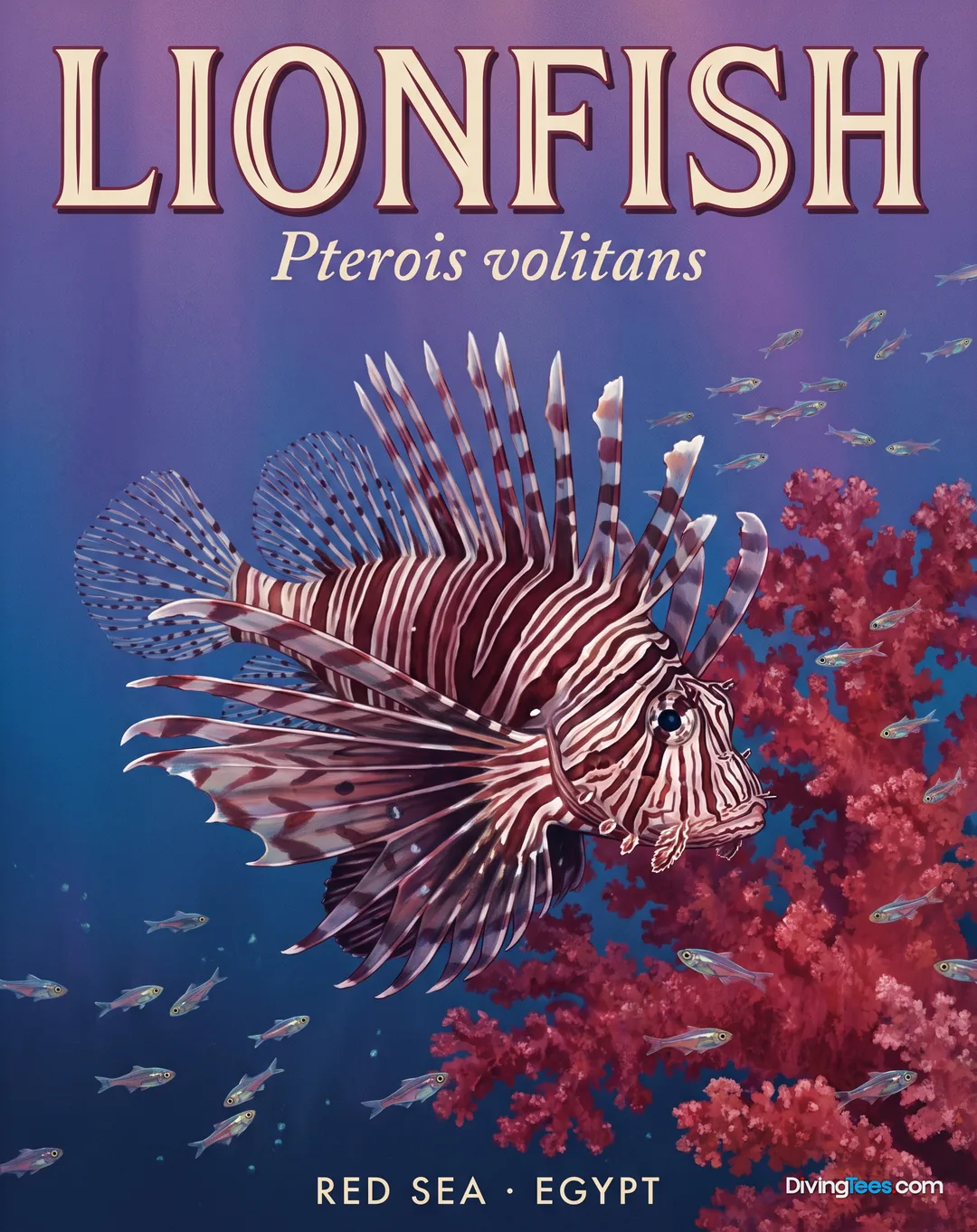
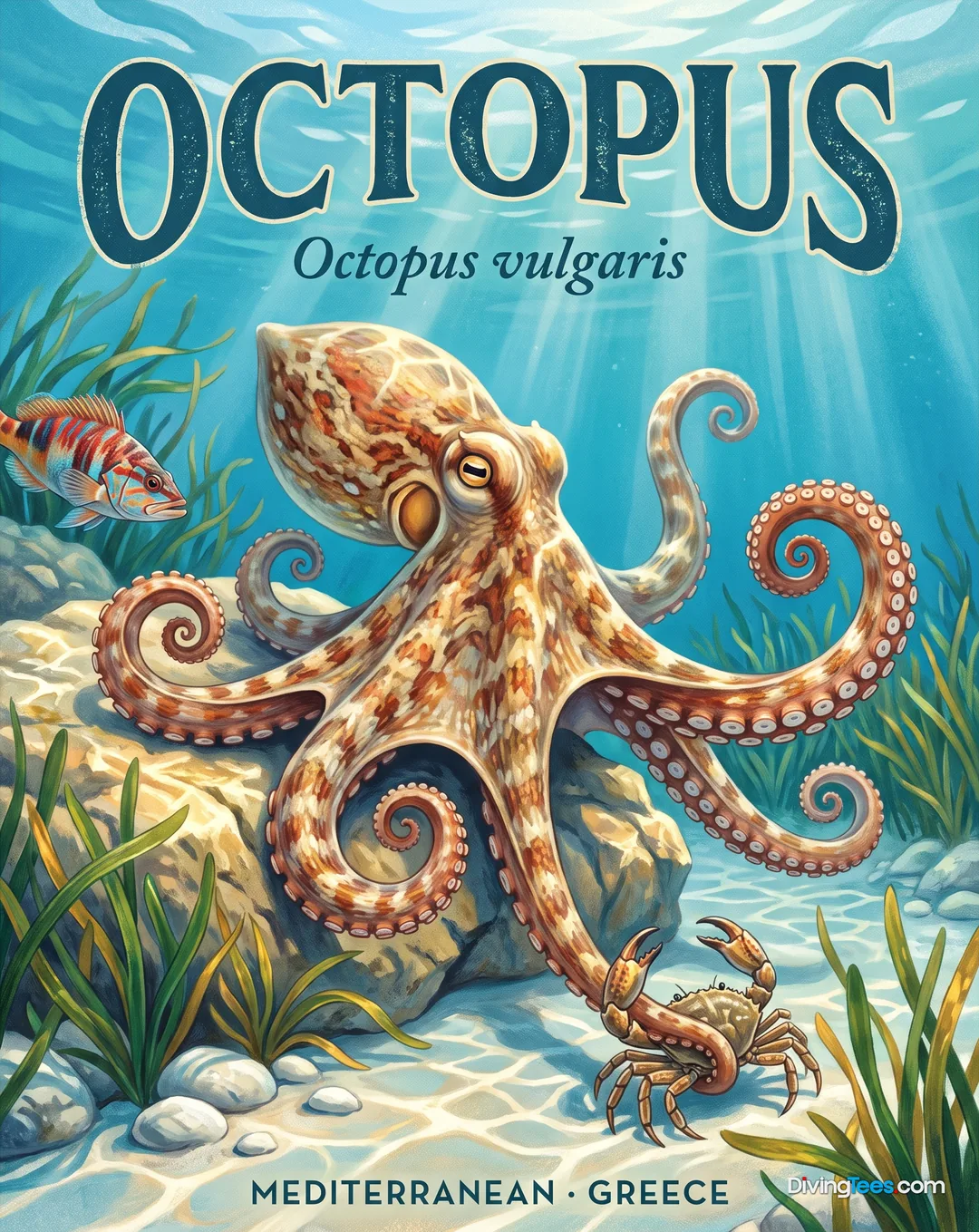
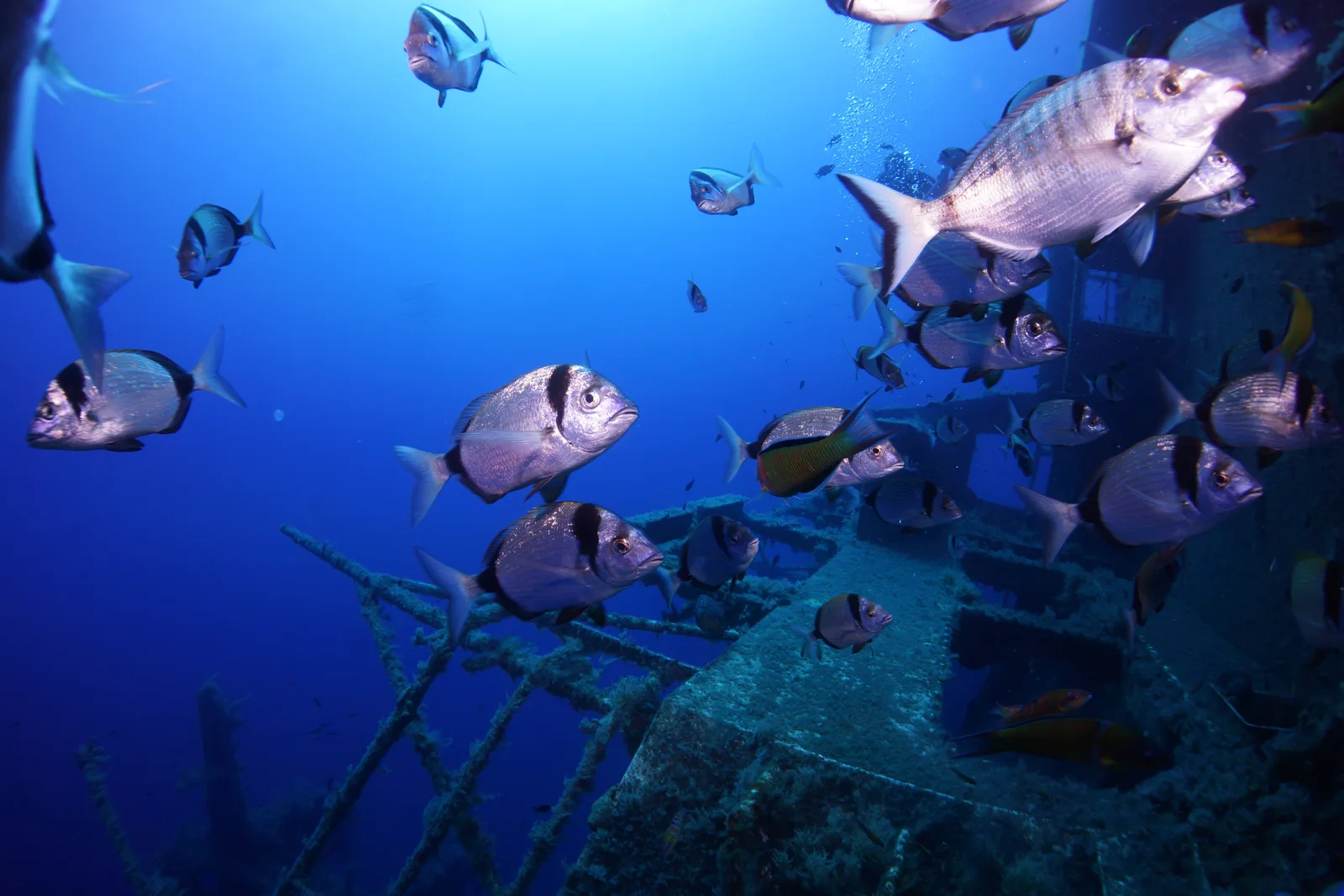
While exploring these formations, keep an eye on the resident marine life. Octopus (Octopus vulgaris) are often seen in crevices, blending seamlessly with the rockwork until they reveal themselves. Schools of Sea Bream (Diplodus sargus) are common in the open sections, moving through the light shafts. Lionfish (Pterois miles), while introduced, have established themselves here and can be spotted hovering near the cave entrances or within the more shadowed areas.
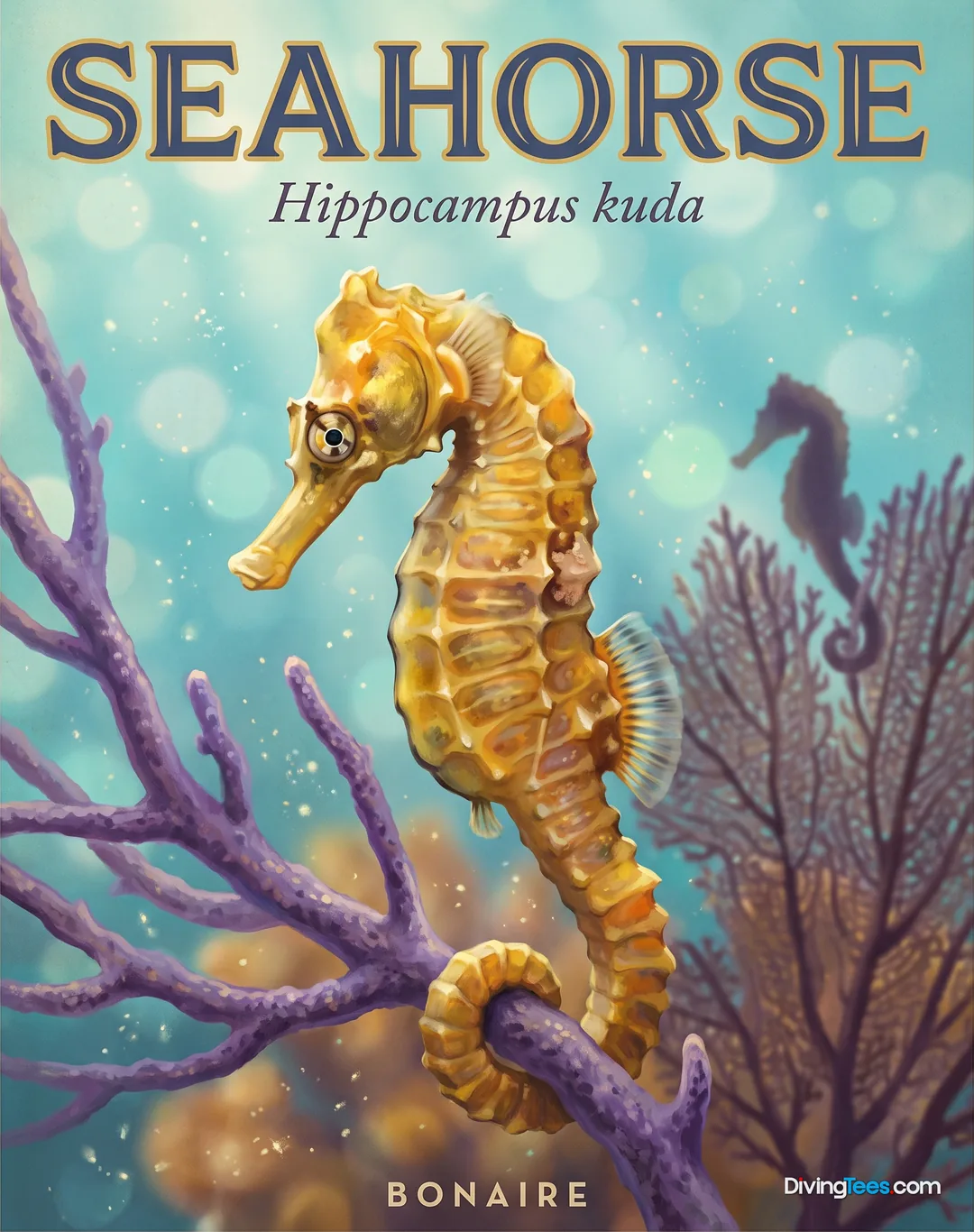
The sandy patches around the entrances and within some of the larger chambers are known habitats for smaller, more elusive creatures. Look closely for Seahorses (Hippocampus hippocampus) among scattered seagrass or camouflaged against the sand, requiring a slower pace and keen observation. Their presence underscores the sheltered nature of the site, providing a calm environment for these delicate animals.
This site is accessible from Open Water Diver level. Dive depths range from 10 to 15 metres. The best period to dive Tunnels and Caves is from June to September. Water temperatures average between 25 and 27°C during this season. There is no significant current to contend with.
Plan your dive at Tunnels and Caves between June and September, when water temperatures average between 25 and 27°C. This seasonal window suits a dive through the site’s natural formations, with daylight present throughout the passages and no significant current to contend with.
You can dive Tunnels and Caves with Open Water Diver level certification. The natural tunnels and caves remain within the daylight zone, so you can explore their passages without specialized cave diving equipment or advanced training. The site’s accessible underwater architecture supports a straightforward penetration dive.
At Tunnels and Caves, depths range from 10 to 15 metres, with the dive typically beginning around 12 metres. You can explore spacious passages and natural formations within this range. There is no significant current to contend with while moving through the tunnels and caves.
At Tunnels and Caves, you can explore natural tunnels and caves filled with constant natural light, including a tunnel extending over 40 metres. Watch for octopus in crevices, Sea Bream in open sections, and Lionfish near entrances. Sandy areas and seagrass may reveal Seahorses.