

Viking Divers
Google 4.9/5 (192 reviews)
6.5 km away as the crow flies
Larnaca · Cyprus · Mediterranean
Max. depth · 42 mDive one of the world's 'Top Ten' shipwrecks, a colossal cargo ship that offers a unique blend of history, structural complexity, and vibrant marine life.
For subtitles in English: start the video firstthen click the gearat the top right of the video, select “Subtitles/CC”, then “Auto-translate” and choose “English”.
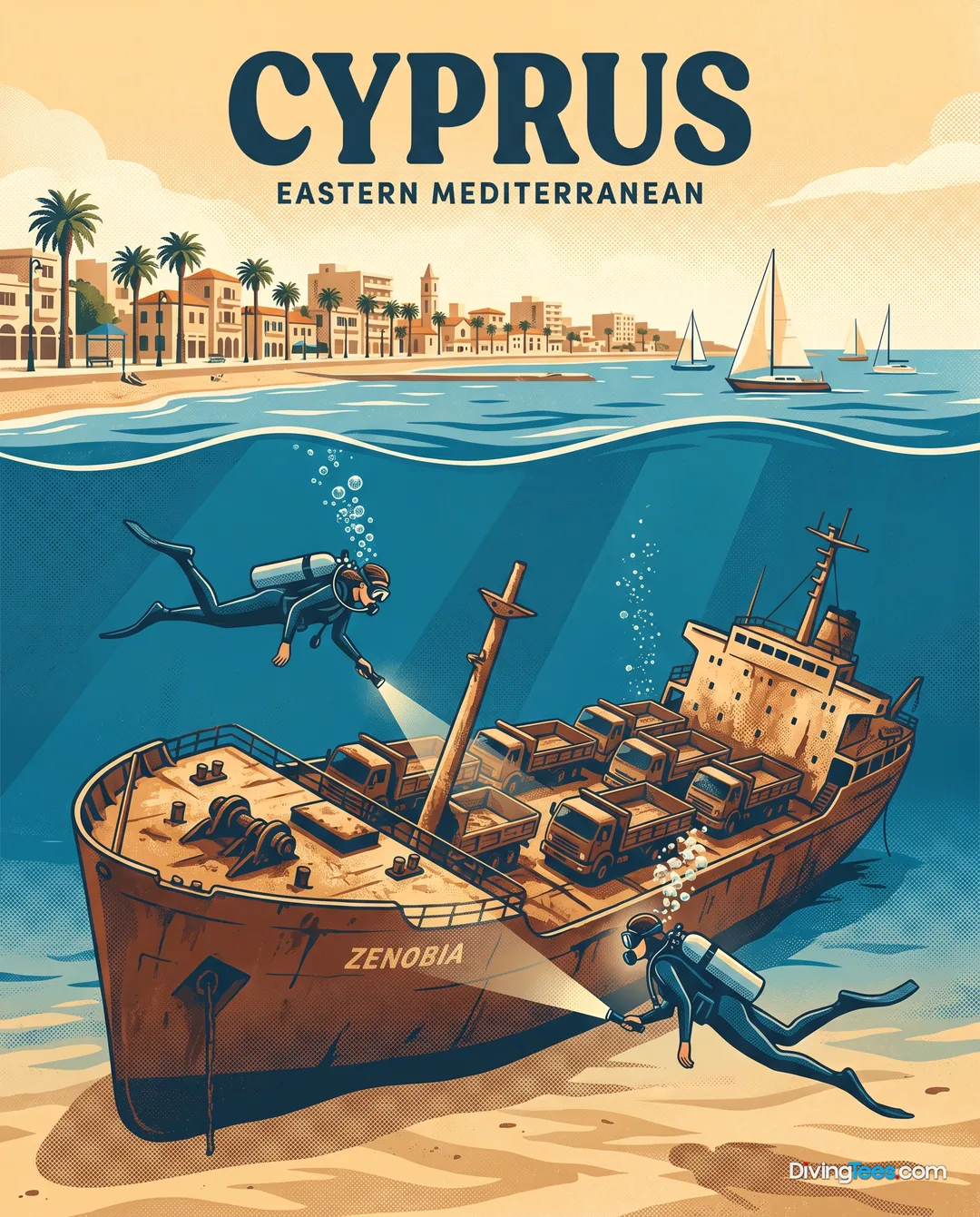
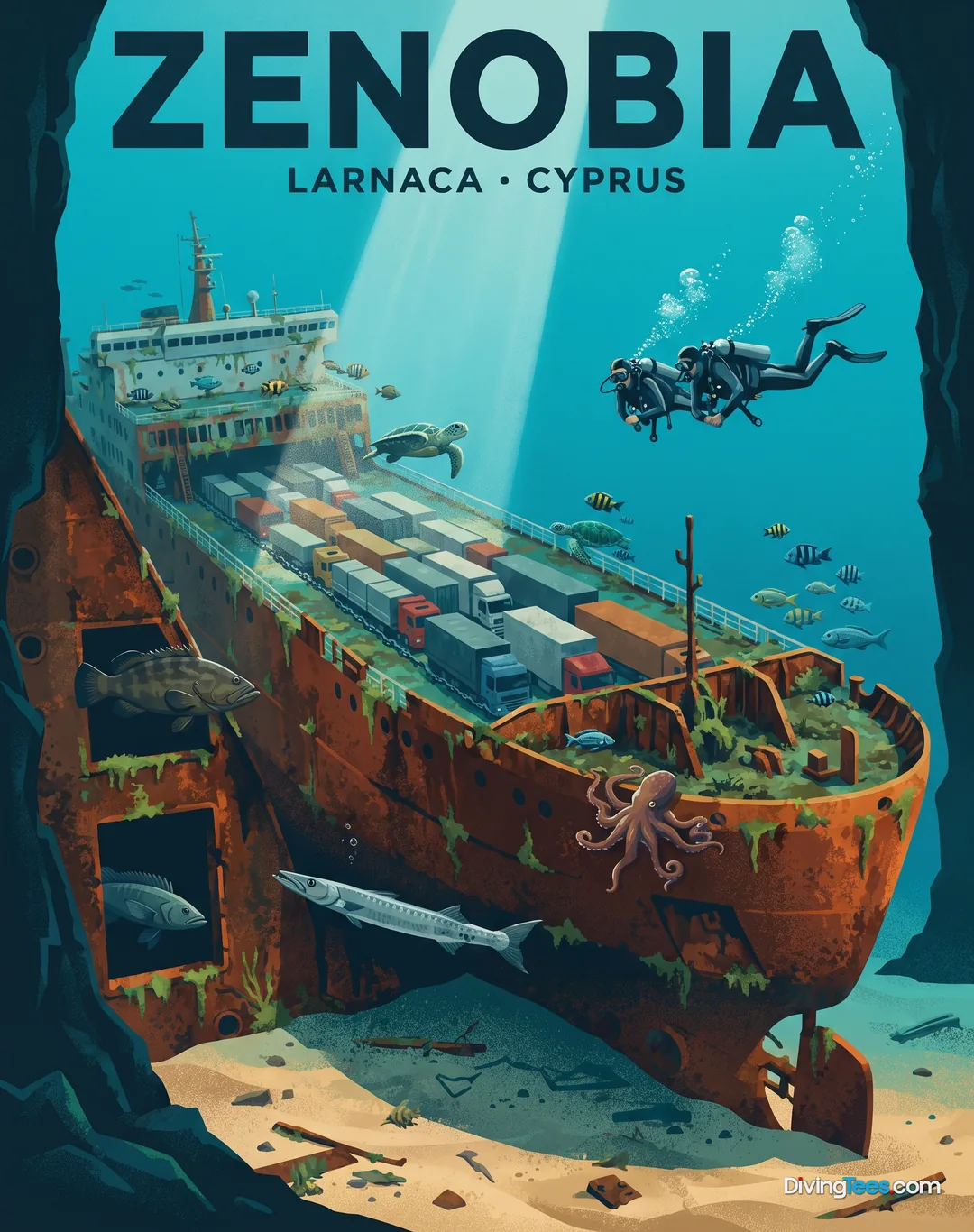
The Zenobia, a 172-meter Swedish Ro-Ro ferry, rests on its port side at a maximum depth of 42 meters, with its starboard side rising to 16 meters. This colossal cargo ship, now considered a 'Top Ten' wreck globally, sank during its maiden voyage in 1980 due to a computer system malfunction, never reaching its destination. The vessel is accessible approximately 1.5 kilometers off Paphos, its position allowing for a variety of dive profiles.
The impressive size of the Zenobia becomes apparent as you descend. Its massive hull dominates the site, with the starboard side offering shallower access for external exploration. The entirety of its cargo of 108 articulated lorries is still on board, some securely attached, others scattered across the seabed or within the holds. This unique cargo creates a complex environment to explore, distinguishing the Zenobia from wrecks stripped of their contents.
Your first dive can focus on the stern section, where you can examine the enormous propellers and stern doors. You can then progress towards the cargo deck and the lifeboat area. The wreck's structure is clearly discernible even from the outside, making it a site of interest for divers passionate about maritime history and the mechanics of large ships.
A second dive on the Zenobia might include exploring the bow section, with partial incursions into the cafeteria and the bridge. To facilitate access and enhance safety, some windows have been removed. You will also discover the ship's anchor and can explore the interior of the upper funnels, offering different perspectives on the wreck's infrastructure. Penetrations, large or small, reveal new perspectives and details of this world-famous wreck, making every dive a discovery.
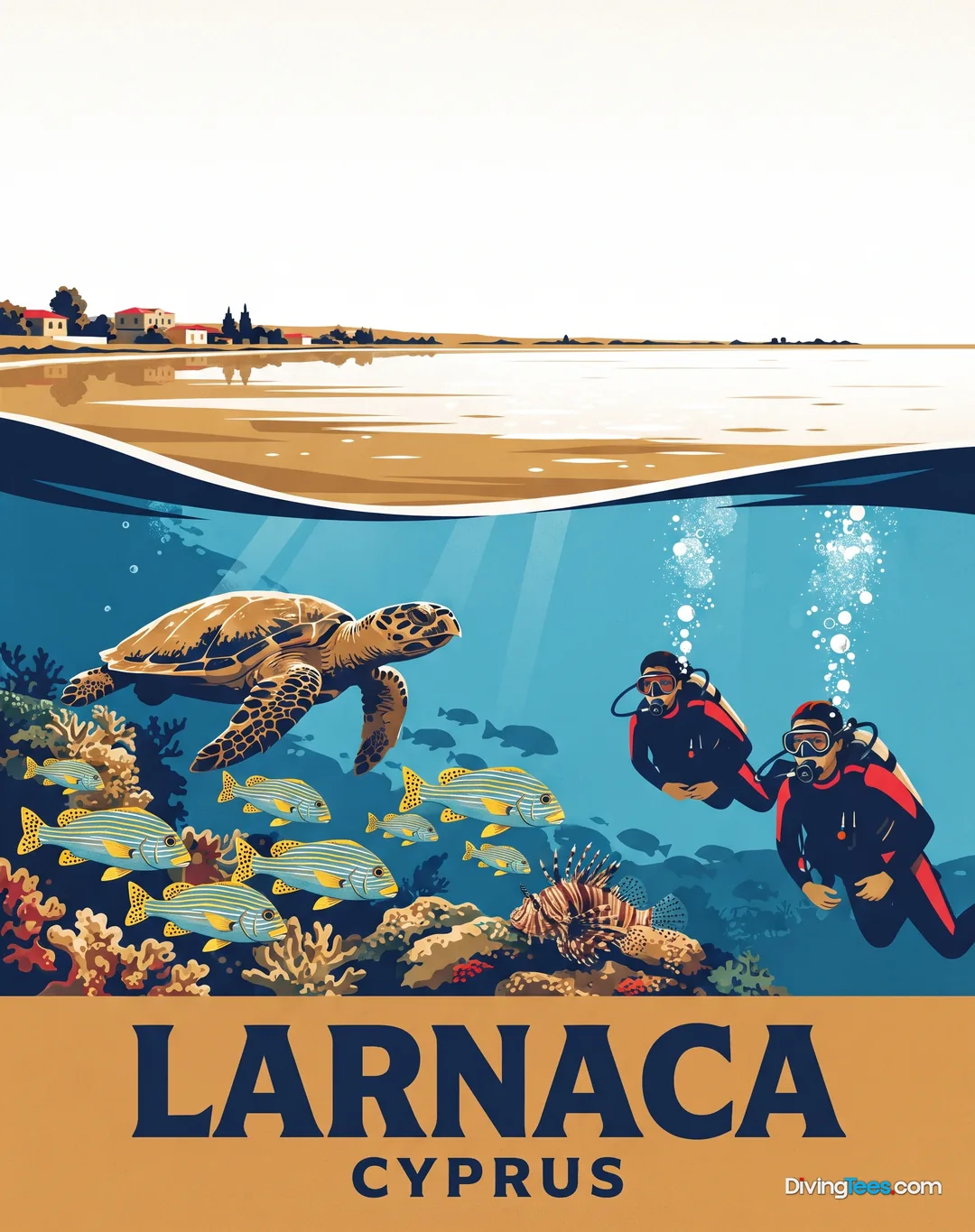
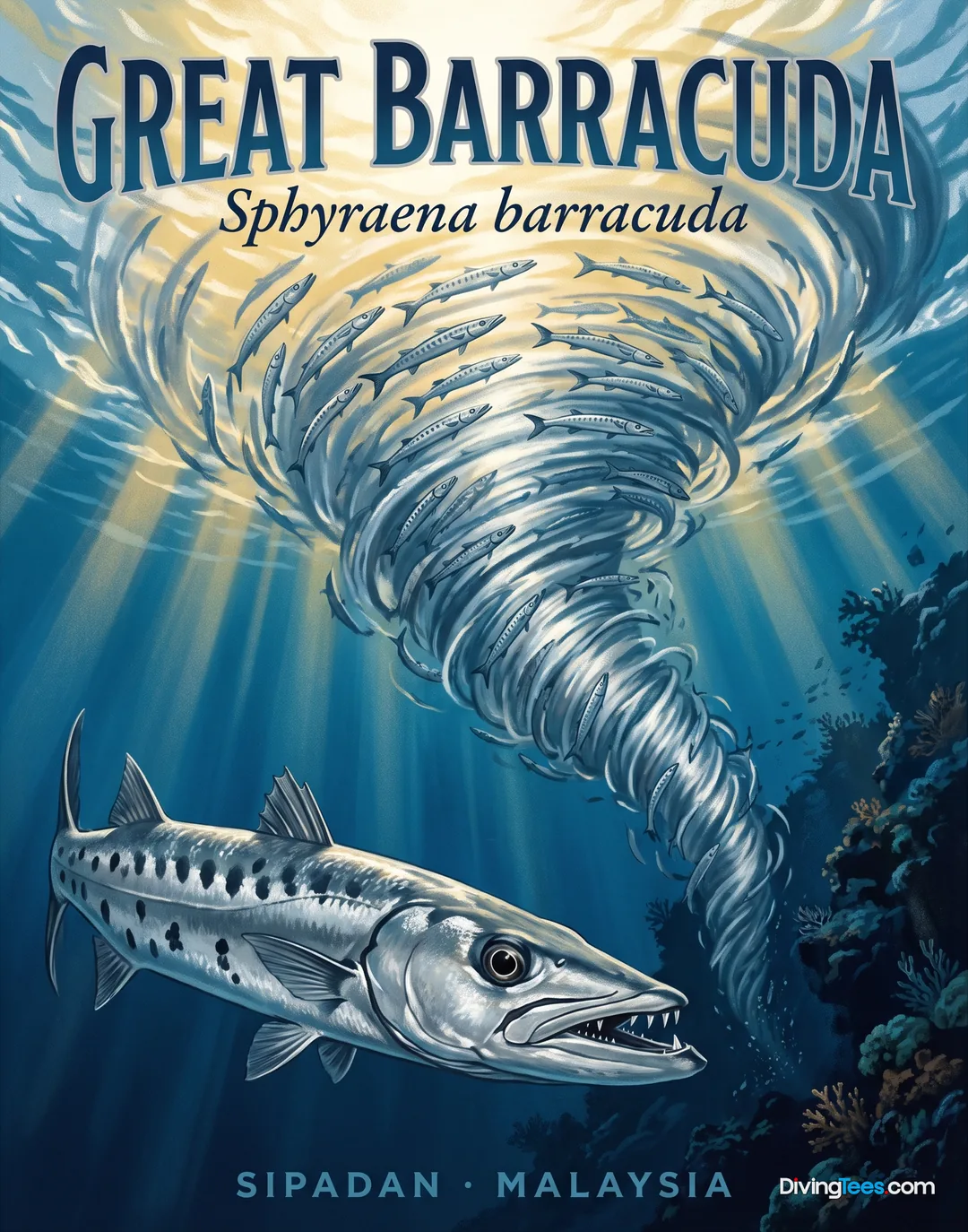
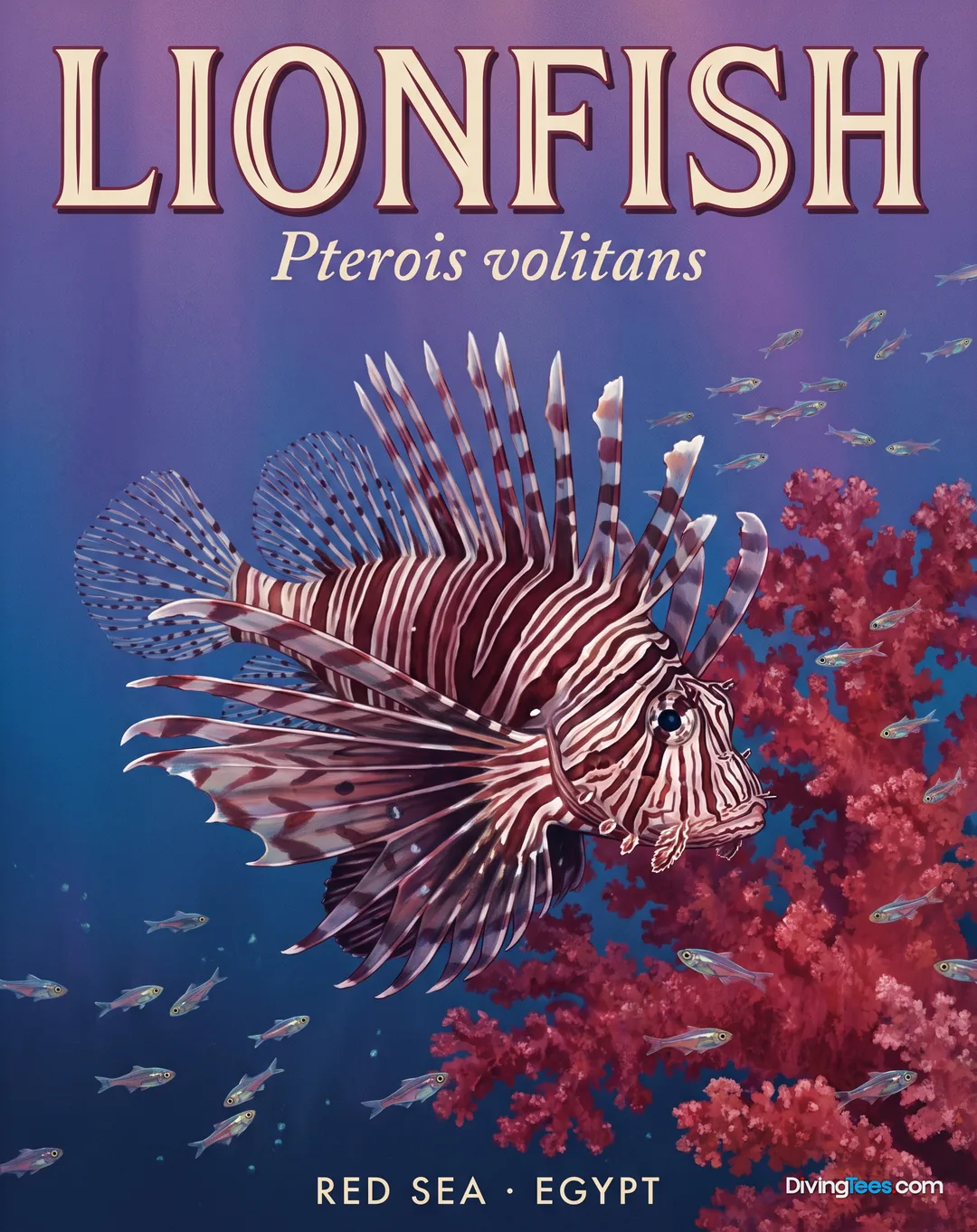
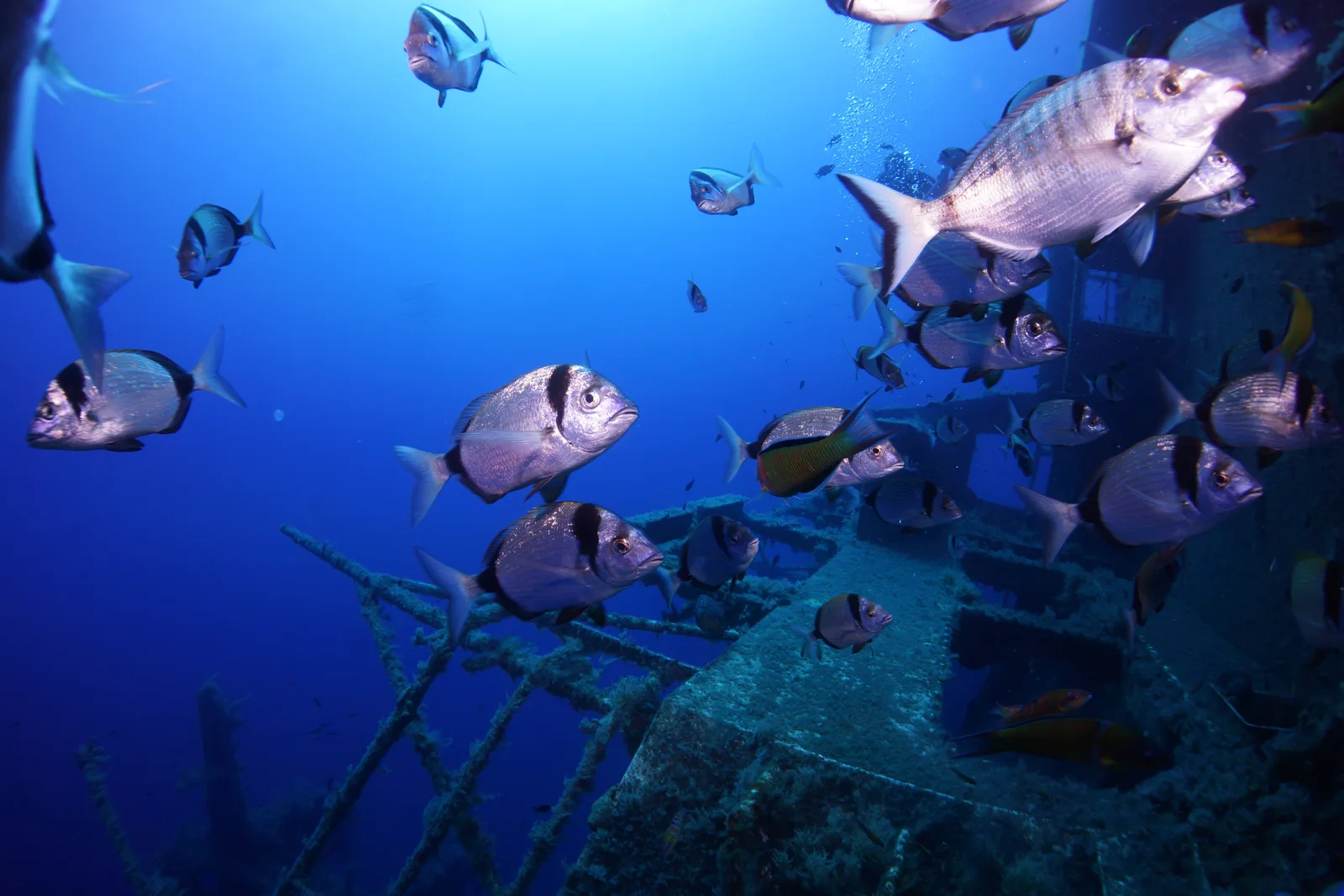
The Zenobia is a vibrant artificial reef, teeming with marine life. You will encounter groupers, snappers, barracudas, and various species of moray eels inhabiting the wreck's structures. Damselfish, wrasses, and triggerfish frequent the truck decks and superstructure. Lionfish are also common, finding refuge in the wreck's crevices. Beyond the resident fauna, larger pelagic species are attracted to this massive underwater structure. It is possible to observe tuna and trevally cruising above the wreck, as well as rare loggerhead sea turtles. These animals use the Zenobia as a feeding ground and a navigation landmark in the open sea, illustrating the wreck's role in supporting a broader marine ecosystem.
The Zenobia offers a varied dive profile. You can dedicate an entire dive to exploring the shallower external sections of the starboard side. Alternatively, deeper dives can focus on the keel, down to 42 meters, or more complex penetrations into the lower decks. The size and structure of the site warrant multiple dives to fully appreciate its extent and complexity. The silence of the deep amplifies the creaks and groans of the settling metal, a constant reminder of the immense forces at play. This interaction with a large, intact man-made structure offers a different kind of dive, one focused on the marvel of its preservation and the story it tells.
The Zenobia Wreck is accessible from 16 meters, reaching 42 meters on the seabed. An Advanced Open Water Diver certification is the minimum required level to explore the external parts of the wreck. Technical certification is recommended for any penetration. Visibility is generally excellent, often exceeding 25-30 meters, which facilitates navigation around the structure. The current is usually weak. The ideal season for diving the Zenobia extends from April to October, offering optimal conditions.
The ideal season for diving Zenobia Wreck extends from April to October, when conditions are considered optimal. Planning your visit during this period gives you access to the wreck’s varied profiles, from shallower external exploration along the starboard side to deeper dives around the keel and lower sections.
Zenobia Wreck is accessible from 16 meters, with the seabed reaching 42 meters. An Advanced Open Water Diver certification is the minimum required level for exploring the external parts. Technical certification is recommended for penetration into the wreck, including areas such as the bridge, cafeteria, engine room, and lower decks.
At Zenobia Wreck, the current is usually weak, making navigation around the structure more manageable. Visibility is generally excellent, often exceeding 25 to 30 meters, which helps you examine the hull, cargo areas, superstructure, propellers, and other features during external exploration or planned wreck dives.
At Zenobia Wreck, you can see a 172-meter Ro-Ro ferry, two intact propellers, and 108 articulated lorries still in the holds. The wreck shelters groupers, barracudas, snappers, moray eels, lionfish, and other reef fish. You may also encounter tuna, trevally, or loggerhead sea turtles around this artificial reef.