

Viking Divers
Google 4.9/5 (192 reviews)
36 km away as the crow flies
Larnaca · Cyprus · Mediterranean
Max. depth · 18 mDescend into a narrow gorge with sheer rock faces leading to the open ocean, revealing vibrant walls and a sandy bottom.
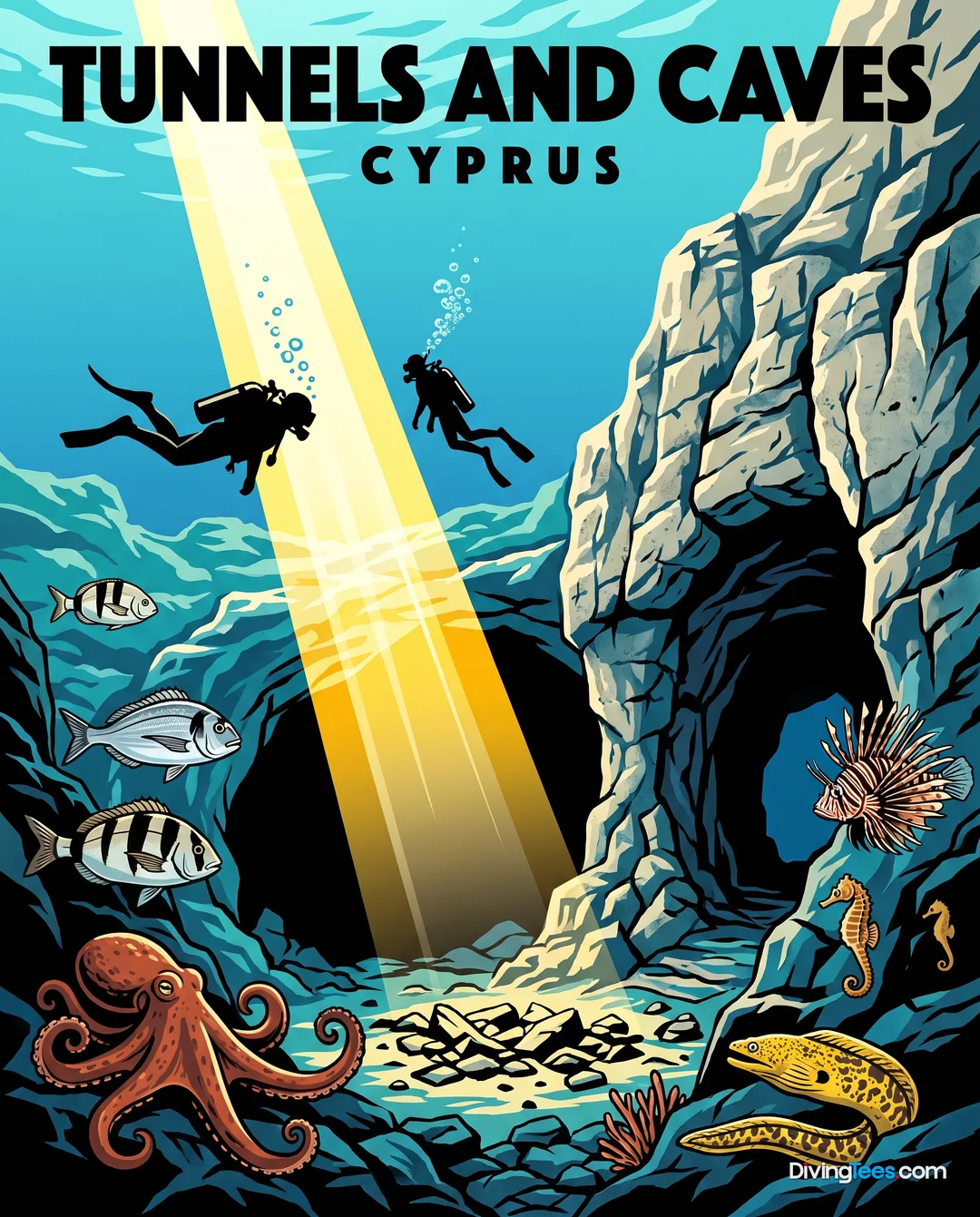
The Canyon dive site, located in the vicinity of Larnaca, presents a topographical profile unlike many others in the region. You begin by navigating a relatively challenging entry, and once oriented, you find yourself within a natural, narrow gouge defined by dramatic, steep rock walls. This initial descent through the canyon formations naturally guides you towards the open ocean, setting the stage for the rest of the dive profile.
As you progress, the main Canyon transitions into a more defined wall dive, presenting a dynamic contrast between vertical rock faces on one side and a sandy seabed on the other. This configuration creates varied habitats, from crevices in the rocks to expansive sand flats. A secondary, smaller canyon offers additional geological interest, particularly in the morning light when the sun illuminates the vibrant colours within its formations, making it a point of interest for underwater photographers.
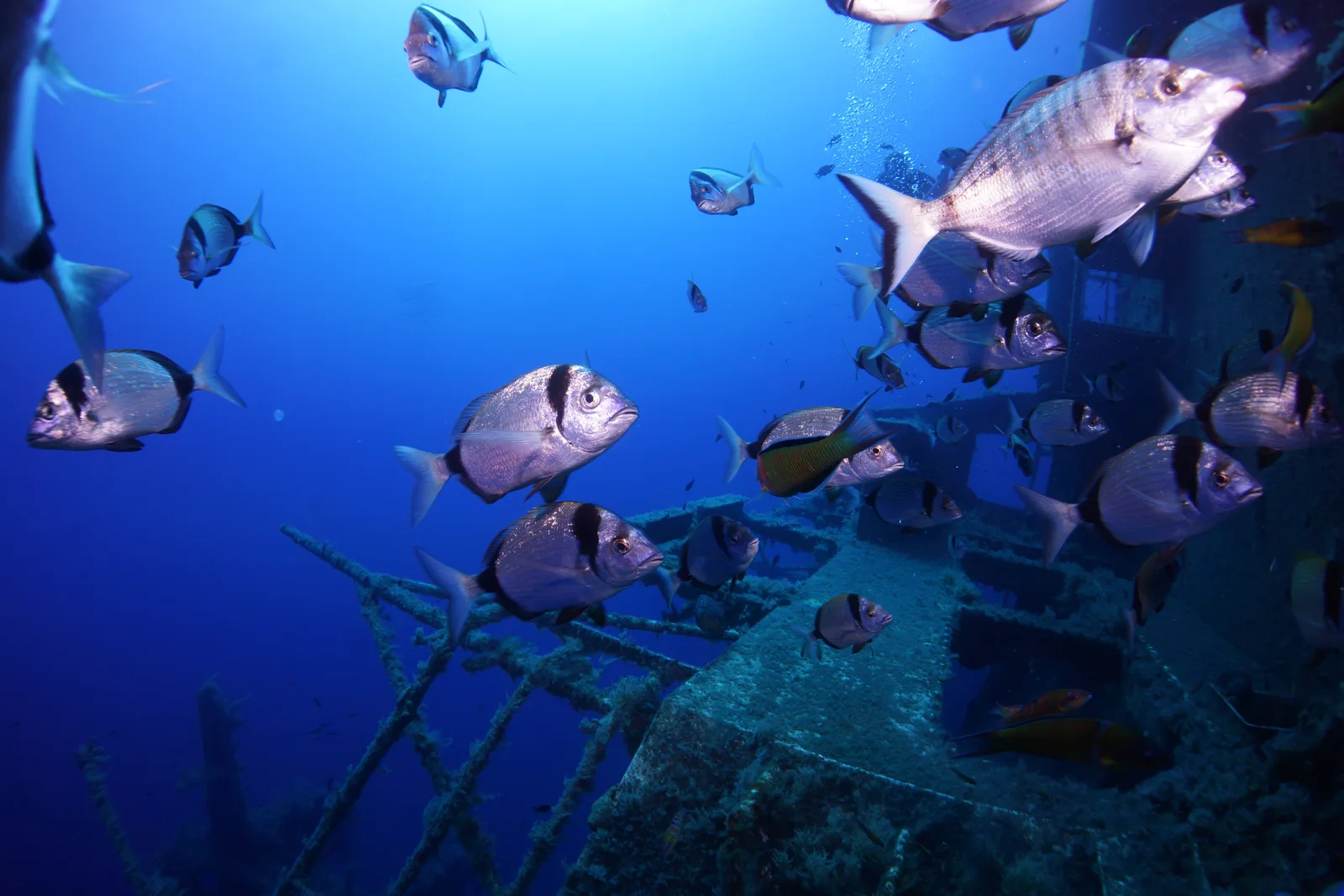
The maximum depth you'll reach here is around 18 meters, making this an accessible dive for many. Along the wall and especially on the sandy bottom, you're likely to encounter a range of resident marine life. Monkfish are often present, camouflaged against the seafloor, while moray eels discreetly occupy the rocky crevices, peering out as you pass. Groupers and soldierfish also inhabit these structures, finding shelter and hunting grounds within the wall's many features.
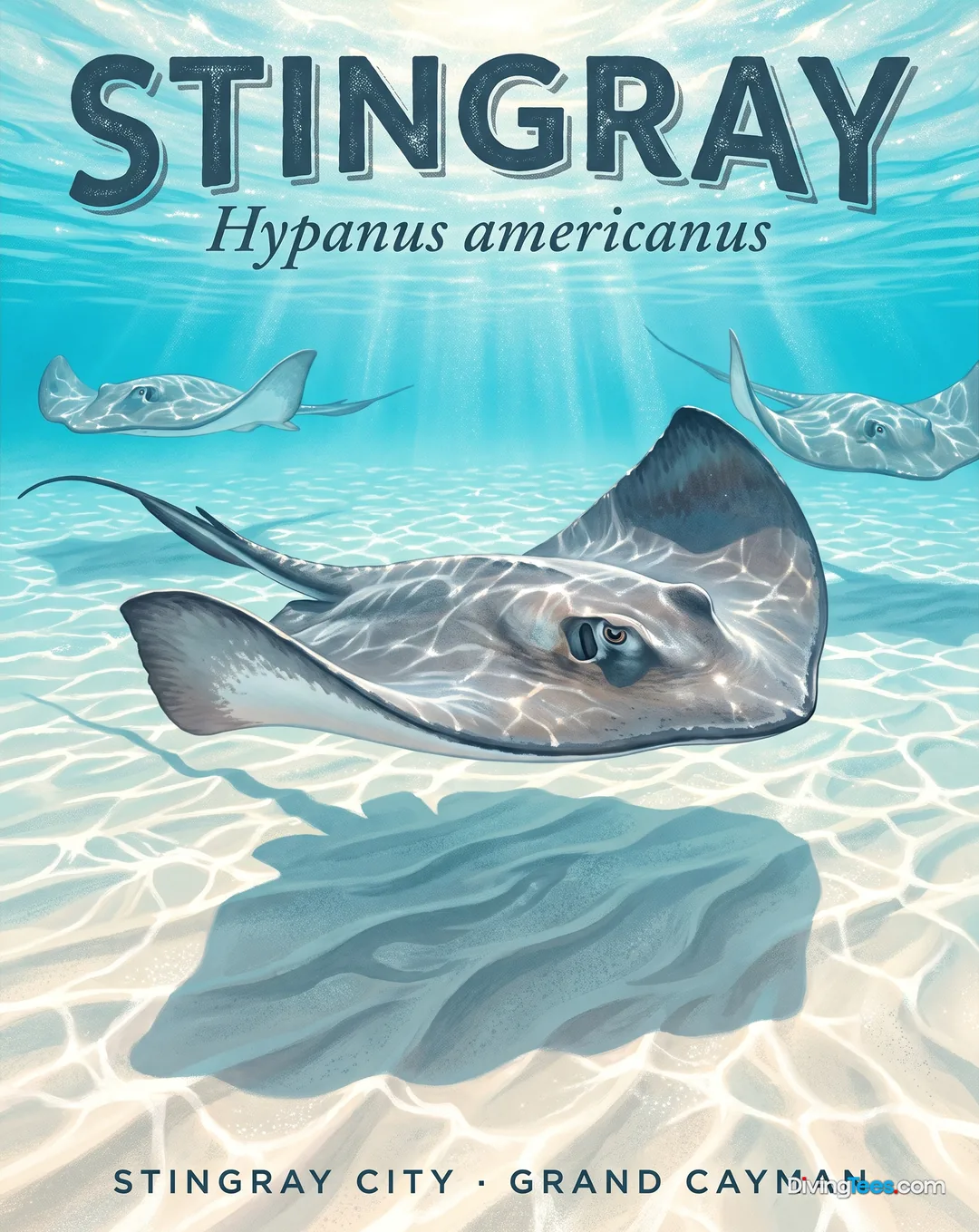
The site is particularly recognized for its ray population. Stingrays frequently patrol the sandy areas, and it is here that a unique local behaviour has been noted: stingrays often choose this site for mating. Observing this interaction requires patience and a good eye, but it is a distinct highlight for those fortunate enough to witness it.
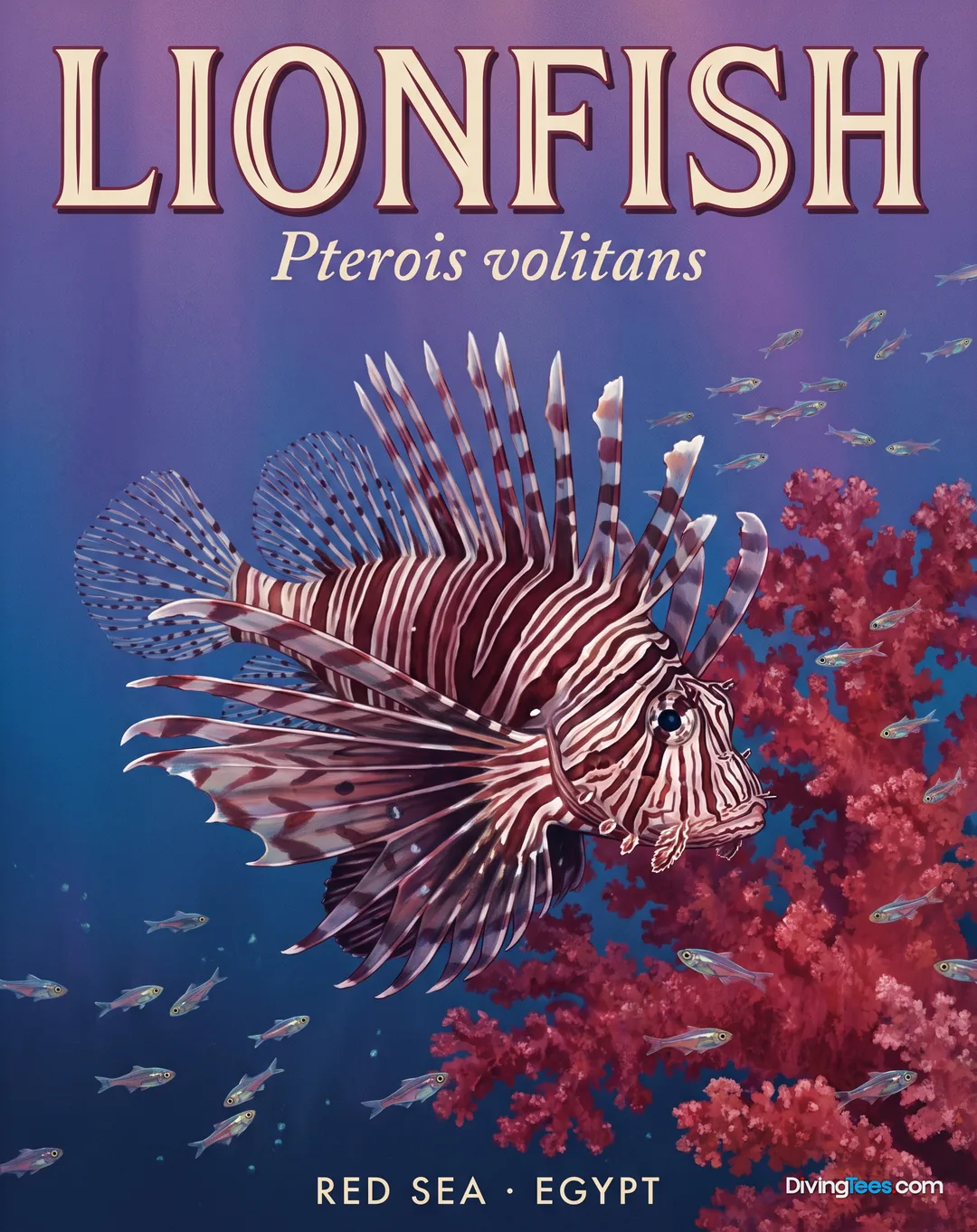
Beyond the larger fauna, the reef itself supports a busy community of smaller species. Damselfish dart among the rock formations, adding constant movement to the scenery. Wrasse, such as the ornate wrasse, feed actively on the reef, while blue-spotted cornetfish cruise the edges. You may also spot lionfish, an invasive species, often found near ledges or within sheltered areas of the canyon.
Adjacent to the main canyon and wall, there are also distinct seagrass meadows, sometimes referred to as 'islands'. These biodiverse patches offer another exploration area, rich in different species that thrive within the seagrass beds. Keep an eye out for conger eels, which are commonly found among the seagrass, often in significant numbers, blending with the environment until you approach closely.
While the primary entry features can be demanding, typically involving a small ladder, the underwater experience offers a rewarding journey through a diverse site. Visibility here tends to be good, allowing you to appreciate the details of the wall and the vibrant marine life at all depths. The site generally experiences calm conditions, though currents can sometimes allow for a gentle drift, facilitating an effortless coastal exploration.
This site is currently considered suitable for all certified divers, reaching a maximum depth of 18 meters. The entry point can be physically demanding, involving a small ladder to access the water, so a reasonable level of fitness is beneficial. While generally calm, a gentle current may occasionally be present, allowing for a relaxed drift.
Canyon is generally calm, and visibility tends to be good, helping you appreciate the wall and marine life throughout the dive. The smaller canyon is especially interesting in the morning, when sunlight illuminates the colours in its formations. You can also explore the site during a gentle drift when a current is present.
Canyon is considered suitable for all certified divers, with an underwater profile accessible to many. You should allow for a physically demanding entry, as reaching the water involves a small ladder. A reasonable level of fitness is beneficial before navigating the entry and beginning your dive through the canyon formations.
Canyon ranges from five to eighteen metres deep. You begin by descending through a narrow, eroded canyon bordered by steep rock walls. The main canyon then opens toward the ocean and transitions into a wall dive, with vertical rock faces on one side and a sandy seabed on the other.
Canyon is generally calm, although a gentle current may occasionally create a relaxed drift. You may see stingrays on the sand, including mating pairs, as well as monkfish, moray eels, groupers, soldierfish, conger eels in seagrass, damselfish, wrasse, blue-spotted cornetfish and lionfish around the reef.