
Ikion Diving
Google 4.9/5 (126 reviews)
Greece · Mediterranean
Peristera’s archaeological wreck, protected islands and Mediterranean coastal habitats sit alongside boat dives from Patitiri and regulated marine-park access.
For subtitles in English: start the video firstthen click the gearat the top right of the video, select “Subtitles/CC”, then “Auto-translate” and choose “English”.
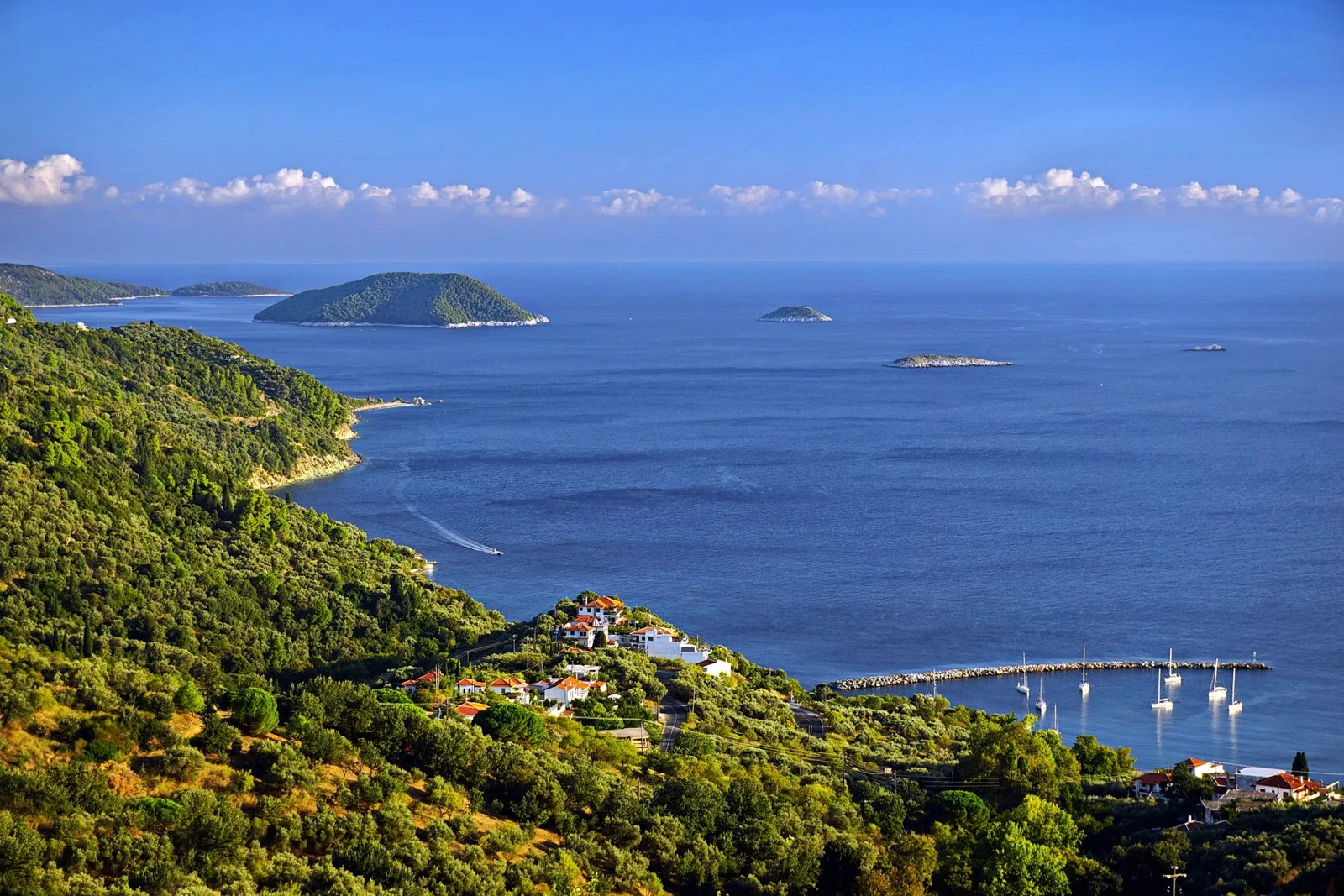
Peristera’s archaeological wreck gives Alonissos its defining underwater landmark, but the destination is broader than one controlled dive. From Patitiri, boats run towards coastal sites, uninhabited islands and designated areas of the National Marine Park of Alonissos and Northern Sporades. The result is a Greek island diving holiday built around protected habitats, boat days and maritime planning. Beginners can learn here, while experienced divers have a more specialised objective in the deeper, certification-controlled sections of Peristera.
Diving is organised principally from Patitiri by boat, with routes reaching coastal sites, uninhabited islands and authorised sectors of the marine park. The underwater character comes from Mediterranean coastal habitats and the changing settings around the islands, rather than from a single shore-based reef. Currents are variable, so a site that looks straightforward on the chart still needs a proper briefing and a controlled ascent. Peristera is a separate proposition: an archaeological wreck where depth, certification and guided access shape the dive. Treat it as regulated underwater heritage, not as an unrestricted wreck exploration. Outings are guided and conditions at sea can influence the plan, making flexibility more useful than an over-packed schedule. Some coastal diving may be available, but the local pattern is boat diving, with the day's practical rhythm set by the harbour and the chosen park sector.
The marine attraction here is the protected setting itself: Mediterranean habitats around coastal sites and uninhabited islands, with the possibility of encountering wildlife in an area managed for conservation. Alonissos also lends itself to boat excursions devoted to wildlife observation, so a non-diving day can add context to what you see underwater. The park protects fauna and sensitive places, but it does not turn every dive into a guaranteed animal encounter. Expect the interest to come from the combination of habitat, isolation and regulated access rather than from a promised species checklist. In summer, when boat activity and visitor numbers are higher, wildlife trips and dive outings need to be fitted around the operating schedule. Snorkelling and swimming in authorised areas offer a second way to experience the shallower coastal habitats.
Alonissos works best when the ferry timetable, boat programme and sea conditions are given room to breathe. High summer brings more activity around the island and greater demand for boat outings, while the edges of the tourist season are generally quieter. Those quieter periods can suit divers who want less pressure around a particular park sector, but centres and ferries should be checked before committing to dates. Allow a spare day for a weather-disrupted boat plan, especially when Peristera is a key reason for travelling. The island is not a rainy season or monsoon destination in the usual diving sense, yet maritime conditions still matter more here than a fixed promise of calm water.
Alonissos suits beginners through to certified divers, with local centres offering introductory dives, training and guided outings for different abilities. The main qualification issue is Peristera. A deeper dive there requires certification appropriate to the planned depth, along with suitable recent experience and compliance with the site's guiding and archaeological controls. BSAC, PADI and SSI divers should have their qualification details and recent depth experience ready when discussing the plan. Currents are variable, so comfort in boat-diving procedures and following a guide matters even on less demanding sites.
From London Heathrow, London Gatwick or Manchester, the journey normally begins with travel to Athens or Thessaloniki, followed by a connection to a ferry port. Alonissos has no airport, so the sea crossing is not an optional extra but part of the route. Ferries run from Volos and Mantoudi, and another practical link is through Skiathos, followed by the ferry to Alonissos. Allow generous time between air, land and sea connections, because services change with the season and a tight connection can unravel the journey. Once on the island, Patitiri is the practical base for diving. Depending on where you stay, reaching the harbour and centre means walking, taking a taxi or using a transfer arranged by the provider.
Build the trip around Patitiri if diving is the priority. Staying higher up or away from the harbour can add a daily taxi or transfer, which becomes tiresome when every outing starts by boat. In high season, reserve boat days early if Peristera or a particular park sector matters. Ask in advance which areas need permission, especially Zone A, and do not assume that marine-park access means free entry everywhere. Check Peristera's depth and certification requirements before arrival, including whether your recent experience is acceptable. Keep the ferry connections deliberately loose, both on the way in and on the way out. Pack personal accessories whose local availability is uncertain. It is sensible to place several dives after arrival, then keep a non-diving day before the return flight. Spearfishing is prohibited throughout the park, and camping or lighting fires there is not an alternative to organised accommodation.
A stay of seven days or more gives the island's timetable some resilience. Use Patitiri as the working base, grouping boat dives into several days and leaving space for a different park sector, a weather pause or Peristera. The remaining time can be split between wildlife excursions, swimming, snorkelling and walks through old Alonissos town. The arrangement also suits non-divers, since the marine park, beaches, villages and boat trips provide a full day ashore or afloat without turning the holiday into a dive-only schedule.
Hello, I'm Marina, DivingDeal.com's AI assistant. I guide you through destinations, areas and countries.
Thinking about the whole trip and the flights? Talk it over with Edith →
Marina is an AI. Some links are affiliate links: DivingDeal may earn a commission, at no extra cost to you. Bookings are made with the partner.
High summer brings more boat activity and visitor demand, while the edges of the tourist season are generally quieter. Check centres, ferries and operating schedules before fixing dates, because maritime conditions can alter plans. Allow a spare day for a weather-disrupted boat outing, particularly if Peristera is central to your trip.
Alonissos suits beginners through certified divers, with introductory dives, training and guided outings available. Variable currents mean you should be comfortable with boat-diving procedures and following a guide. Peristera is more specialised: its deeper sections require suitable certification, recent depth experience and compliance with guided archaeological access.
Diving around Alonissos focuses on Mediterranean coastal habitats, uninhabited islands and protected areas of the National Marine Park of Alonissos and Northern Sporades. Peristera adds an archaeological wreck. Wildlife may be encountered in the conservation area, but the appeal is the combination of habitat, isolation and regulated access rather than a guaranteed species list.
Use Patitiri as your practical base, since diving is organised mainly by boat from its harbour. Reserve boat days early if Peristera or a particular park sector matters, and ask which areas require permission. Keep ferry connections loose, leave space for weather changes, and consider wildlife excursions, swimming, snorkelling and walks through old Alonissos town.