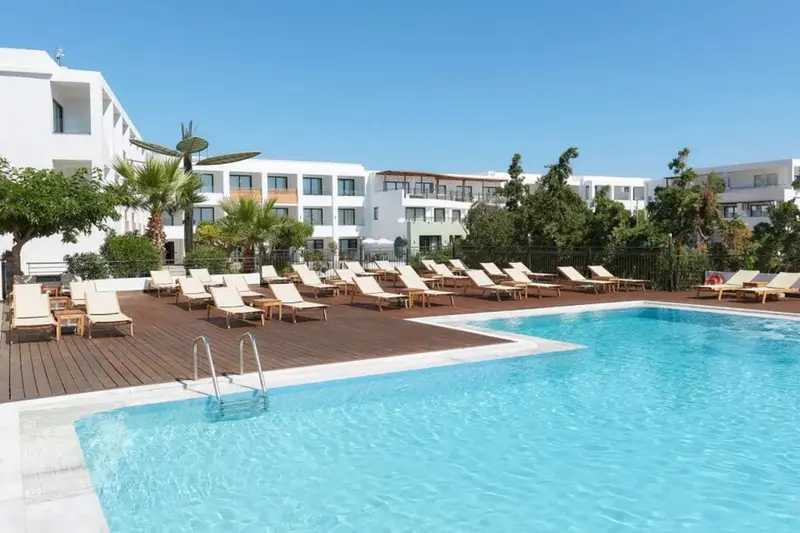
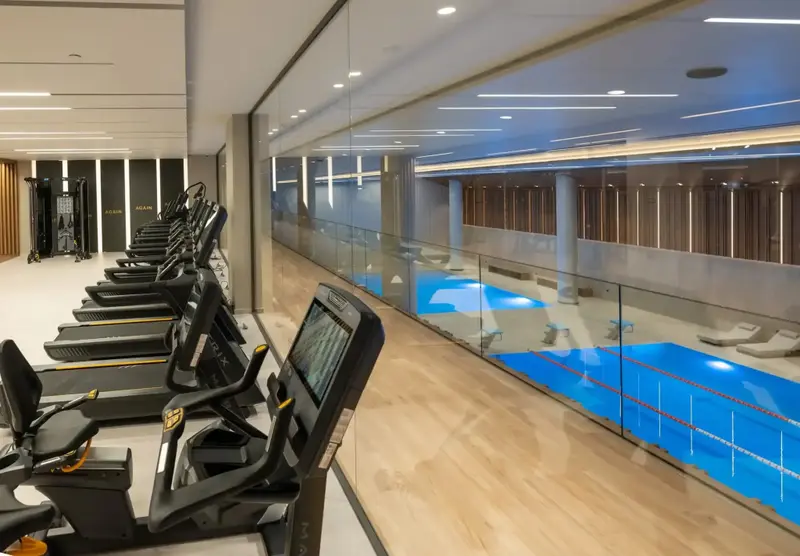
 Dive centre in the hotel
Nana Golden Beach
★★★★★
Google 4.8/5 (1,930 reviews)
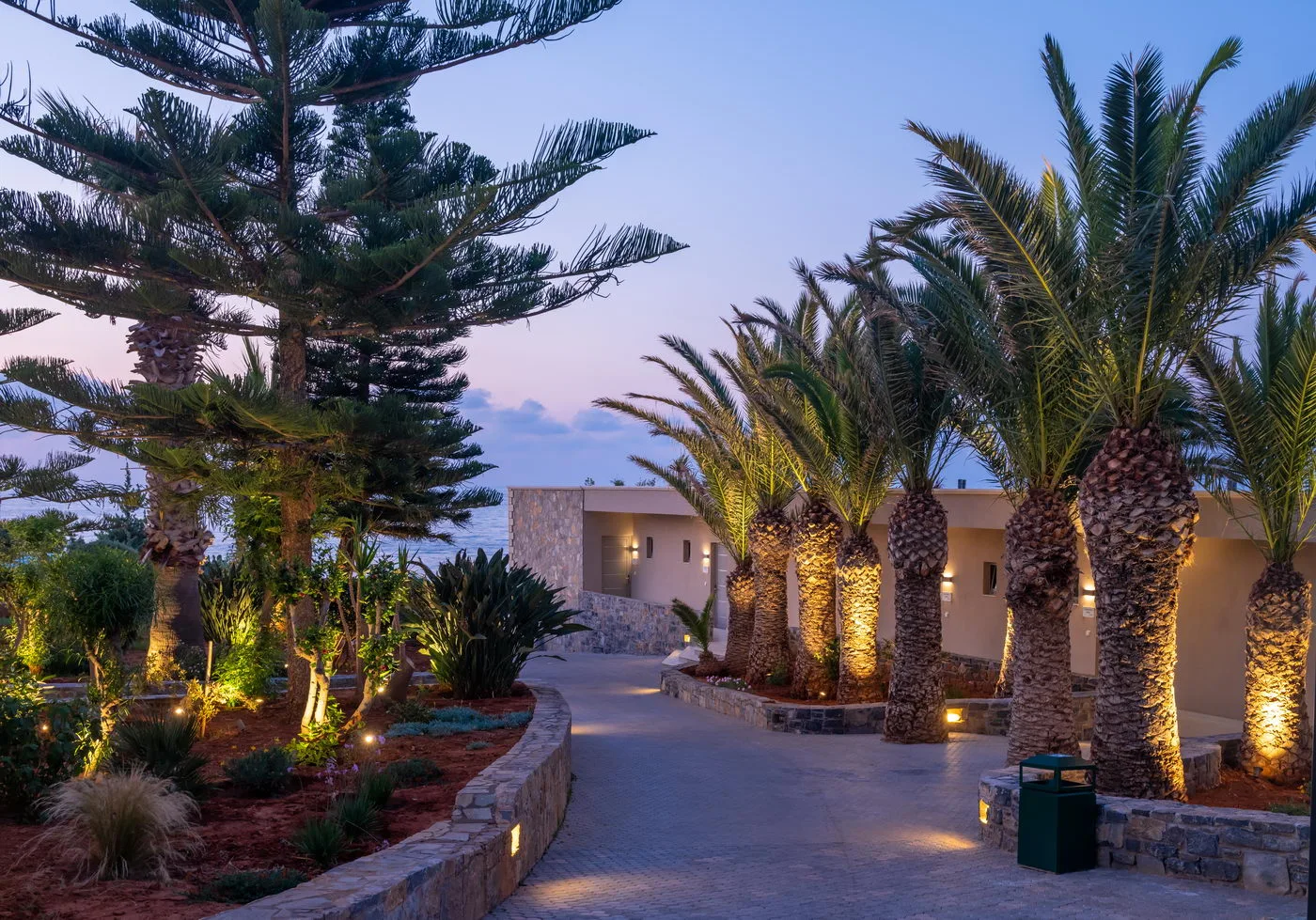
The dive centre
SCUBAKRETA
SSI
Google 4.9/5 (345 reviews)
Greece · Mediterranean
Posidonia meadows, small caverns, drop-offs to 25 metres and the Messerschmitt aircraft wreck put shore dives, wildlife watching and advanced profiles within Hersonissos Bay.
For subtitles in English: start the video firstthen click the gearat the top right of the video, select “Subtitles/CC”, then “Auto-translate” and choose “English”.
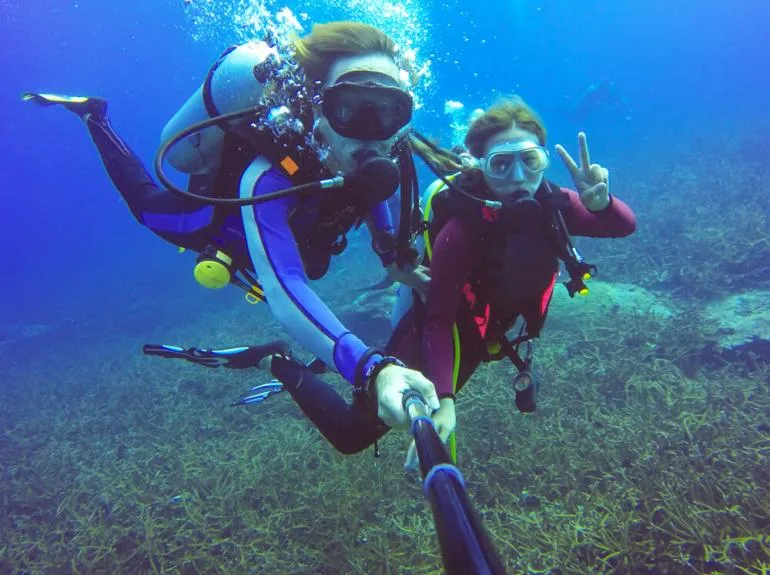
Posidonia meadows, low reefs and small caverns give Hersonissos its character underwater. This is a shore-based Crete holiday with short boat trips into the bay, rather than a liveaboard destination or a place built around one signature dive. Profiles generally run from 5 to 25 metres, so a newly qualified diver can start gently at St George while a more experienced visitor can work towards the deeper sections and the Messerschmitt aircraft wreck. Above water, beaches, swimming and eastern Crete's cultural sights make the arrangement easy for a mixed group.
Diving in Hersonissos alternates between straightforward shore entries and short boat outings across the bay. The underwater scenery moves from shallow reef and Posidonia beds to drop-offs, small cavities and deeper profiles approaching 25 metres. Shore reefs can keep a day going when boats are unavailable, with some routes reaching about 15 metres. St George is particularly useful because its shallow section is suitable for all levels, while its deeper section changes the character of the dive. Currents are generally absent, so these are not downcurrent or drift dive conditions. Water clarity is commonly good, with visibility reaching up to 20 metres. The result is unhurried diving, with time to inspect crevices and seagrass rather than simply cover ground, and enough variation to mix easy morning dives with a more committed boat or wreck outing.
The smaller life is the dependable attraction. Look into the reef and Posidonia for octopus, moray eels, groupers, scorpionfish and nudibranchs, particularly on slower shore dives where close observation matters more than distance covered. Barracuda are an occasional bonus, with local reports placing the better chance at the beginning and end of the season. Rays and sea turtles are possible but rare, while lionfish and yellow-spotted pufferfish are occasional sightings rather than something to plan a trip around. The bay's shallow reefs and seagrass are therefore worth treating as wildlife dives in their own right. Hersonissos is not presented as a destination where every descent brings large animals, but it can reward a diver who searches carefully around the reef and Posidonia rather than hurrying towards the deeper water.
The practical diving season runs broadly from April into October or November, with May, June and September the most attractive months. May and September usually offer a quieter feel than the height of summer, while June is a useful middle ground between visibility and visitor numbers. August is likely to be busier, which matters in a compact bay with both shore and boat activity. The start and finish of the season also give the better stated chance of seeing barracuda. Choose these shoulder months for a calmer overall holiday, not because the middle of summer stops diving, but because Hersonissos is easier to enjoy when the coastline is less crowded.
Hersonissos works for beginners, refresher dives and certified divers who want uncomplicated profiles. St George's shallow section and the shore reefs suit first dives and divers returning after a break. More experienced divers can choose deeper drop-offs and small cavities with a guide. An Advanced Open Water qualification or equivalent is useful for the deeper profiles and required for the Messerschmitt wreck. Do not treat the two parts of St George as interchangeable: the deeper section is not a sensible first dive for a complete beginner.
From London Heathrow, London Gatwick or Manchester, the regional route is by air to Heraklion, followed by a road transfer to Hersonissos. No ferry is needed, which keeps the journey simpler than many Greek island itineraries. Build the trip around the flight and road connection rather than assuming that a boat transfer will form part of the arrival. Once in Hersonissos, the practical choice between walking and a taxi depends on where the accommodation sits in relation to the diving facilities. Check that location before booking, especially if carrying mask, snorkel and fins. The destination itself is reached by road after landing, with no further domestic flight or harbour connection required.
Start with St George's shallow section or a shore reef, especially after a long break from diving. Ask specifically whether the planned St George dive is shallow or deep, because the name covers two different experiences. Treat the Messerschmitt as a separate advanced objective, not as an automatic part of a holiday package. If sea conditions or boat availability disrupt the plan, switch to the shore reefs rather than losing a diving day. Include a Posidonia dive for octopus, nudibranchs and smaller life, and allow time for careful looking. If a guide considers the small cave at St George unsuitable on the day, leave it alone. Aim for May, June or September if you want less crowding, and target the beginning or end of the season for the better barracuda chance. Do not build the whole week around the aircraft wreck or boat departures, because the shore diving is central to Hersonissos, not merely a fallback.
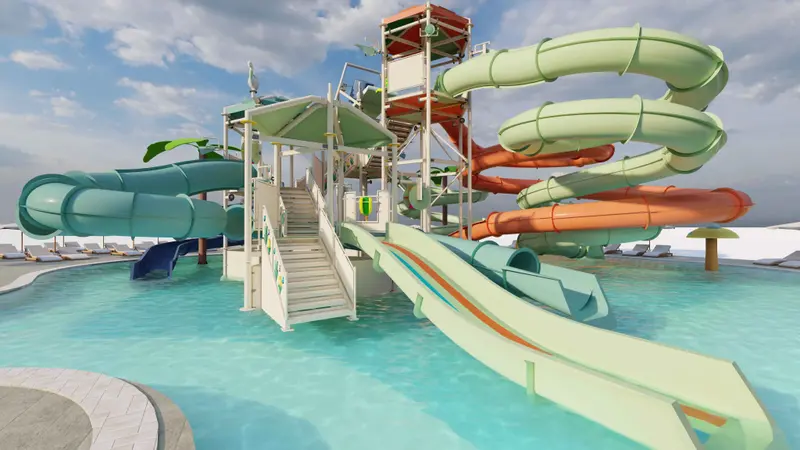
Plan Hersonissos as a five-to-seven-day shore-based stay. Mix the easy reefs and Posidonia with St George, then keep the Messerschmitt for a day when the diver's qualification and the boat plan both fit. Leave some time without a tank for swimming, snorkelling, coastal excursions and eastern Crete's cultural sites. A non-diving companion has beaches and station activities close at hand, so the holiday does not depend on every day being a dive day.
Hello, I'm Marina, DivingDeal.com's AI assistant. I guide you through destinations, areas and countries.
Thinking about the whole trip and the flights? Talk it over with Edith →
Marina is an AI. Some links are affiliate links: DivingDeal may earn a commission, at no extra cost to you. Bookings are made with the partner.
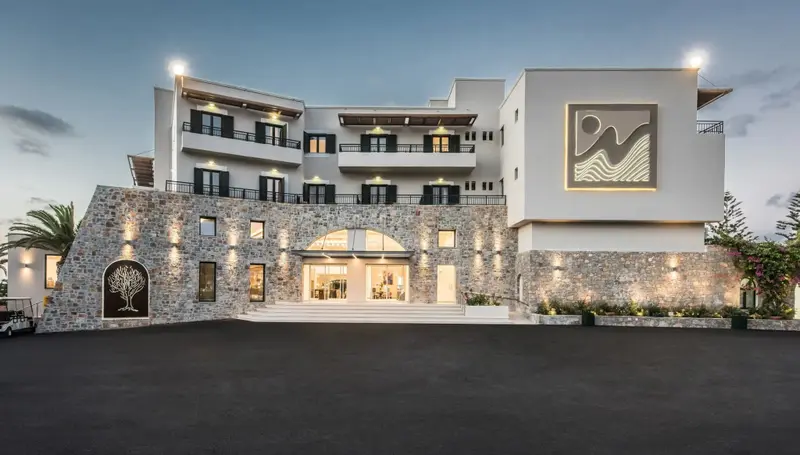
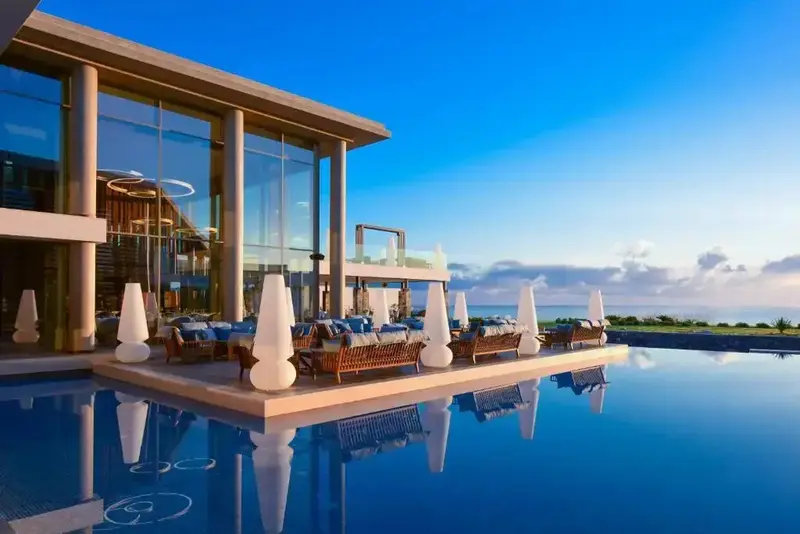
In each one, the dive centre is inside the hotel: step out of your room and go diving.
Dive centre in the hotel★★★★★
Google 4.8/5 (1,930 reviews)
The dive centre
SCUBAKRETA
SSI
Google 4.9/5 (345 reviews)
You can dive in Crete Hersonissos from April into October or November. May, June and September offer an appealing balance of visibility and visitor numbers, with May and September generally quieter than summer. Barracuda sightings are more likely at the beginning and end of the season, while August can feel busier around the bay.
Crete Hersonissos suits beginners, refresher divers and certified divers seeking uncomplicated profiles. Start at St George's shallow section or a shore reef, while experienced divers can explore deeper drop-offs and small caverns with a guide. An Advanced Open Water qualification or equivalent is useful for deeper profiles and required for the Messerschmitt wreck.
In Crete Hersonissos, you can explore Posidonia meadows, low reefs, drop-offs and small caverns, with visibility reaching up to twenty metres. Look carefully for octopus, moray eels, groupers, scorpionfish and nudibranchs. Barracuda may appear near the season's edges, while rays, sea turtles, lionfish and yellow-spotted pufferfish are occasional sightings.
Plan Crete Hersonissos as a shore-based holiday with short boat trips across the bay. Mix St George, easy shore reefs and Posidonia dives with a separate day for the Messerschmitt wreck if your qualification and the boat plan fit. Leave time for beaches, swimming and eastern Crete's cultural sights, which also suit non-divers.