
Diveinmilos
Google 5/5 (369 reviews)
Greece · Mediterranean
Milos puts volcanic caves, pale-rock arches, sheer walls and Mediterranean wildlife together, with boat dives reaching Kleftiko, Polyaigos and exposed coastal reliefs.
For subtitles in English: start the video firstthen click the gearat the top right of the video, select “Subtitles/CC”, then “Auto-translate” and choose “English”.
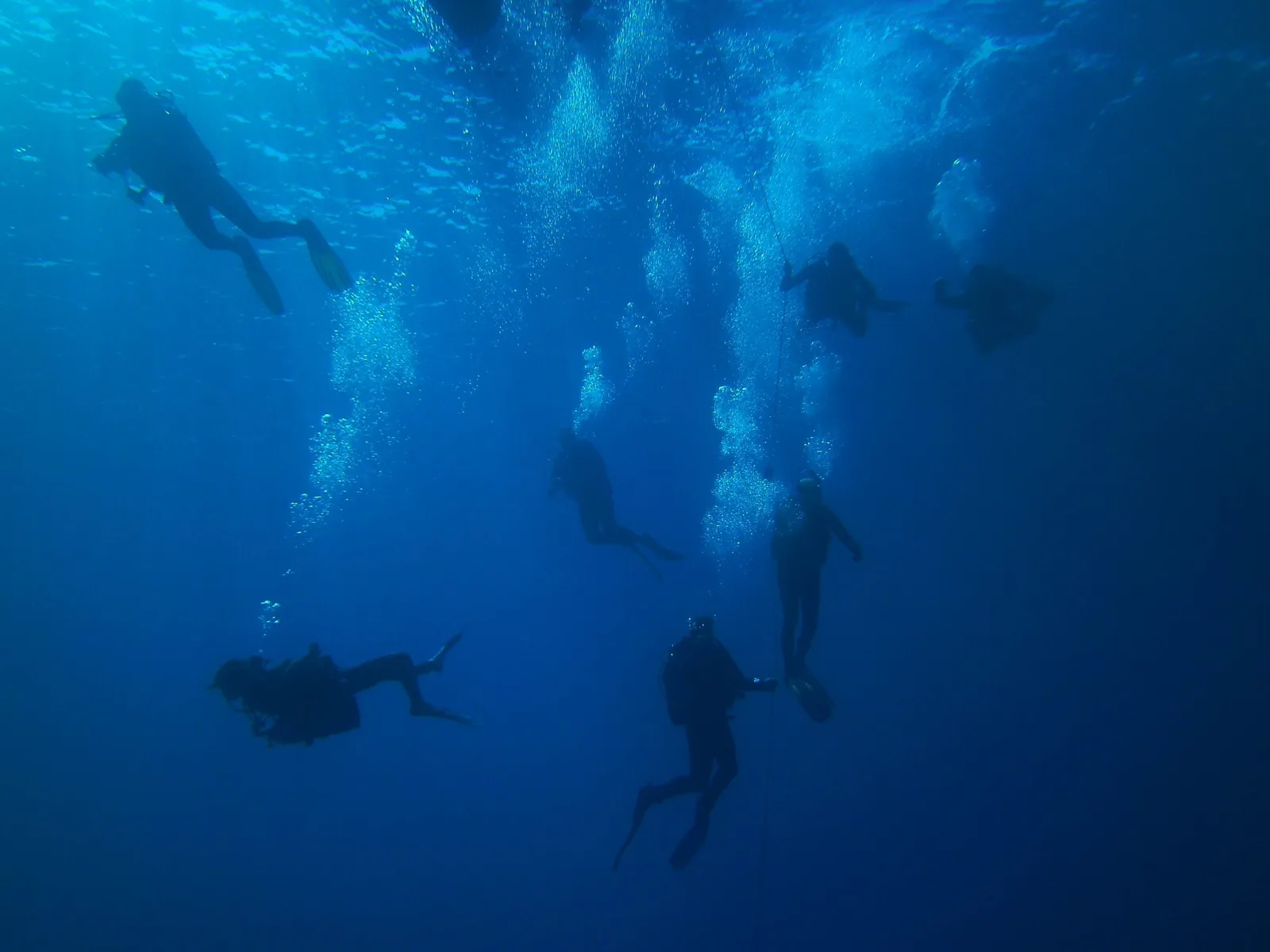
Milos is for divers who enjoy the shape of the seabed as much as its inhabitants. Volcanic walls, arches, tunnels, caves and fields of boulders give the underwater landscape its character, particularly around Kleftiko, the coastal formations and the neighbouring island of Polyaigos. This is Mediterranean diving rather than a tropical reef holiday: brown grouper, common octopus and Mediterranean moray appear against rock, while the real visual reward is the way the island’s pale, sculpted coastline continues below the surface.
Most diving is arranged from Adamas or Pollonia as a day boat outing, with routes shaped by wind and exposure. Expect volcanic caverns, arches, tunnels, walls, pinnacles and boulder fields rather than coral gardens. Kleftiko is the obvious example, but Glaronissia, Bombarda Reef and Polyaigos offer reasons to look beyond the famous southern coast. Currents are variable, so a site may feel quiet one day and require more careful positioning on another. Visibility can reach roughly fifteen to thirty metres when the water is settled, but wind, swell and suspended particles reduce it. The Africa wreck adds a different kind of dive, while some coastal sites suit newer divers. Bring a torch when the route includes cavities, and ask exactly where the boat will anchor or drop divers, since a sightseeing itinerary is not automatically a dive trip.
The regular encounters are familiar Mediterranean animals rather than reef spectacles. Brown grouper, common octopus and Mediterranean moray can be found from May to October, with the octopus often tucked into rock and the moray occupying a crevice. Barracuda and common cuttlefish are occasional rather than dependable sightings. Around exposed reliefs, a larger grouper or another pelagic visitor may appear between June and September. The Mediterranean monk seal is present in the wider region throughout the year, but seeing one around Milos is rare and should never be treated as part of the itinerary. The setting matters as much as the wildlife: a fish seen in a dark volcanic passage or beneath a pale arch is the memory this island tends to give you.
The practical diving season runs from May to October. June and September are the sensible compromise for many travellers, with good visibility, fewer excursion boats and less pressure on the most recognisable coastal areas than in July and August. May and October extend the season but call for a little more flexibility, especially if several diving days are planned. High summer brings the greatest visitor numbers, more boat traffic around Kleftiko and episodes of wind that can disrupt exposed routes. A three to five millimetre suit covers the main season, with extra warmth useful for repeated dives early or late in the year.
Milos can suit beginners, with introductory dives and shallower sites available, but the island is not one uniform training ground. Caves, tunnels, walls, exposed pinnacles and the Africa wreck should be matched to experience and current conditions. An Advanced qualification is useful for deeper sites and drop-offs, while a Wreck qualification is relevant for the Africa itinerary. Divers comfortable with boat procedures and changing plans will get more from the island than anyone expecting every outing to follow a fixed shore-based pattern.
From London or Manchester, reach Milos via Athens, then continue either on a domestic flight or by ferry from Piraeus. The ferry takes roughly three to eight hours depending on the vessel, and the whole journey from Britain commonly occupies around six to twelve hours, longer when an overnight wait is needed. Ferries are particularly useful when carrying a car or linking Milos with other Cyclades islands, including Santorini or Paros. Once on Milos, Adamas harbour is the main arrival point, while dive departures also run from Pollonia. The island’s road and bus network links Adamas with other districts, but a taxi or hire car may be more practical when accommodation lies away from either diving base.
Keep a spare day for wind. On an open Aegean island, a forecast change can move or cancel a boat route to exposed reliefs, and planning every dive on one short day leaves no useful alternative. For Kleftiko, an early departure usually means fewer sightseeing boats around the caves and arches. Do not assume that a Kleftiko cruise includes scuba, because the area is heavily visited by boats carrying passengers without cylinders. Ask for volcanic pinnacles, drop-offs or Polyaigos when conditions and experience allow, rather than spending the whole stay on the busiest southern scenery. A small torch earns its place on routes through tunnels and cavities, provided the crew confirms it is appropriate. Check in advance whether an outing involves the Africa wreck or deeper water, as the equipment and certification expectations change. Most importantly, arrive wanting Mediterranean rock, not a tropical reef: the geology is the headline and the fish life is an occasional bonus.
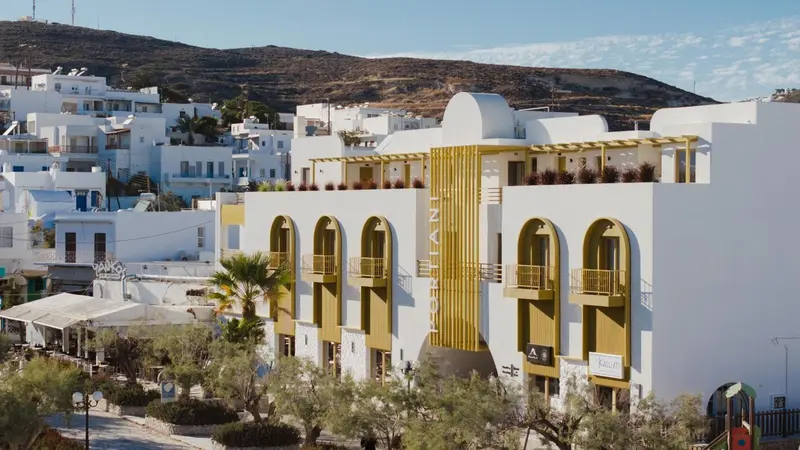
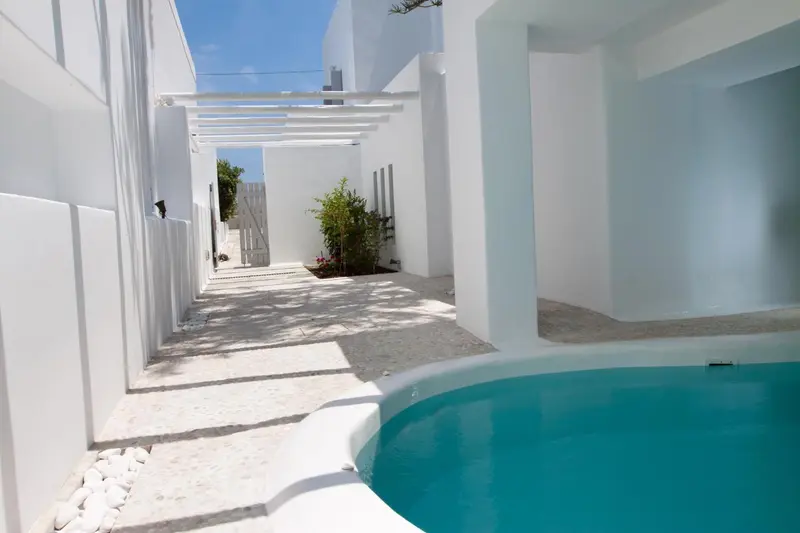
This is a land-based diving holiday, with boats returning to Milos after day outings rather than a liveaboard routine. Staying near Adamas or Pollonia simplifies access to the main departure points, while accommodation elsewhere means arranging a car, taxi or local transport before the first dive. Five to seven days gives room for several boat days, a weather reserve and a non-diving day before flying home. Between dives, the island supplies beaches, volcanic scenery, villages, coastal walks, kayaking and boat trips.
Hello, I'm Marina, DivingDeal.com's AI assistant. I guide you through destinations, areas and countries.
Thinking about the whole trip and the flights? Talk it over with Edith →
Marina is an AI. Some links are affiliate links: DivingDeal may earn a commission, at no extra cost to you. Bookings are made with the partner.
The practical diving season in Milos runs from May to October. June and September offer a useful balance of visibility, fewer excursion boats and less pressure around recognisable coastal areas. May and October allow flexibility, while July and August bring more visitors, boat traffic and possible wind disruption.
Milos can suit beginners through introductory dives and shallower sites. However, caves, tunnels, walls, exposed pinnacles and the Africa wreck require matching your experience to conditions. An Advanced qualification helps with deeper sites and drop-offs, while a Wreck qualification is relevant to Africa. Boat skills and flexibility also matter.
Around Milos, you can see volcanic walls, arches, tunnels, caves, pinnacles and boulder fields, especially around Kleftiko and Polyaigos. Brown grouper, common octopus and Mediterranean moray occur from May to October. Barracuda and common cuttlefish are occasional, while monk seals are rare. Visibility can reach fifteen to thirty metres in settled conditions.
Plan your Milos stay around land-based day boats from Adamas or Pollonia, with accommodation near either harbour simplifying departures. Keep a spare day for wind, since exposed routes can change or cancel, and confirm whether an outing is scuba, a sightseeing cruise or includes the Africa wreck. A hire car, taxi or local transport may help elsewhere.