
Nima Dive Center
Google 4.9/5 (525 reviews)
Greece · Mediterranean
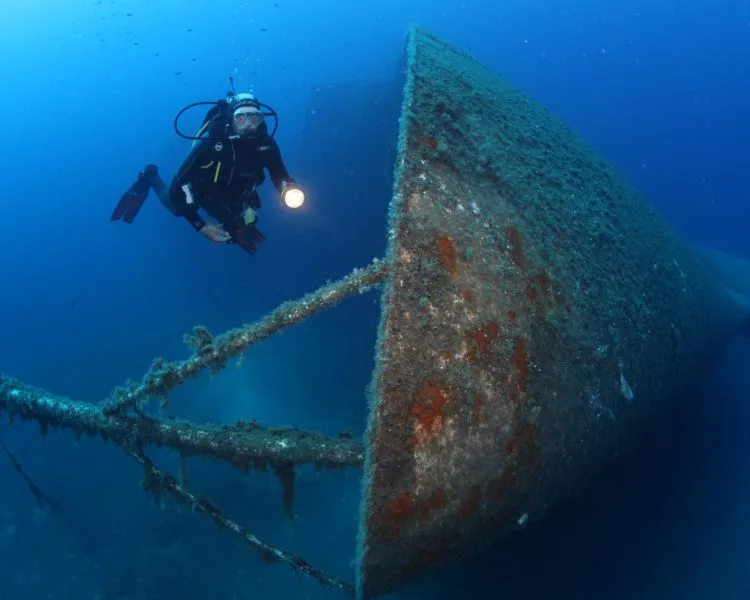
Rocky reefs, cave passages, canyon walls, the Marianna and a Bristol Beaufighter give Naxos a distinctly three-dimensional Mediterranean character.
For subtitles in English: start the video firstthen click the gearat the top right of the video, select “Subtitles/CC”, then “Auto-translate” and choose “English”.
Naxos is a shore-based island diving destination where a holiday can move easily between a short coastal dive and a semi-rigid outing to more committed terrain. Beneath the beaches of Agios Prokopios and Agia Anna, the scenery is rock rather than coral: cavities, tunnels, canyons, walls and reefs. The Marianna and Bristol Beaufighter add wreck interest, while Paros, Antiparos and the Small Cyclades widen the range when weather and navigation allow. It is a practical base for divers who want proper diving without giving up villages, archaeology, beaches and walking.
The underwater shape of Naxos is built from rock. Expect reefs dropping into darker water, swim-throughs, caves, canyon lines and walls, with the exact character changing between a near-shore dive and a boat trip. Frouros, Megalo Glaronissi, Amaras Reef, Black Rock, Calypso, Graviera-Frouros and Panagia are names to discuss with the skipper, rather than assumptions to make from a map. The Marianna brings wreck diving and deeper sections, while the Bristol Beaufighter offers a very different piece of history on the seabed. Currents are variable, so a site may be calm on one outing and less forgiving on another. Visibility is often around 20 to 30 metres from June to September, although wind and swell can quickly affect exposed coasts. Most sites are reached by boat, with selected coastal dives close to the beaches.
Naxos is not a destination to book around a named seasonal animal spectacle. The underwater interest lies in what the rock and wreck habitats reveal on the day: life tucked into cavities, along canyon edges and around the Marianna and Bristol Beaufighter. These structures create more visual variety than a plain sandy bottom, especially when visibility opens the reef and wall contours beyond the diver’s immediate group. A torch earns its place in the darker sections, where the shape of a cave or tunnel matters as much as what is moving inside it. The islands and exposed reefs may feel different from one visit to the next, depending on wind, swell and visibility. Plan for Mediterranean habitat and changing encounters, not a guaranteed wildlife calendar.
May, June, September and October make the most comfortable compromise for a Naxos diving holiday. The island is less crowded than in July and August, and the beaches and boat departures are easier to manage. June to September generally brings the clearest visibility, often around 20 to 30 metres, but the meltemi can trouble exposed coasts, particularly in high summer. Spring and autumn offer a useful margin for quieter days and potentially calmer surface conditions. November through April is outside the main diving season, so a week built around boat diving is less sensible then. Whatever the month, keep room to move a trip when the north wind changes the plan.
Naxos suits beginners on introductory dives and certified divers looking for uncomplicated Mediterranean rock scenery. Coastal sites and shallower sections provide a gentler introduction, while caves, walls, the Marianna and Black Rock require a more considered briefing. Advanced Open Water, or an equivalent depth qualification through PADI, SSI or BSAC, is useful for deeper outings and may be expected for particular sites. Experience in overhead environments should be discussed before entering caves or tunnels. Currents vary, so comfort with a changing water movement matters more than simply having logged dives.
From London Heathrow, Gatwick or Manchester, plan on reaching Athens or Santorini first, then continuing to Naxos by domestic flight or ferry. There is no established direct international air link to rely on, so the journey needs a proper connection margin. Ferries also run from Piraeus and Rafina, as well as from neighbouring islands, with crossings taking several hours depending on the port and service. Do not attach an important first dive to a same-day ferry or flight connection. On Naxos, centres are concentrated around Agios Prokopios, Agia Anna and other west-coast areas. Depending on where you stay, the daily transfer may be a walk, taxi, hire car or organised centre pick-up rather than a simple trip from Naxos town.
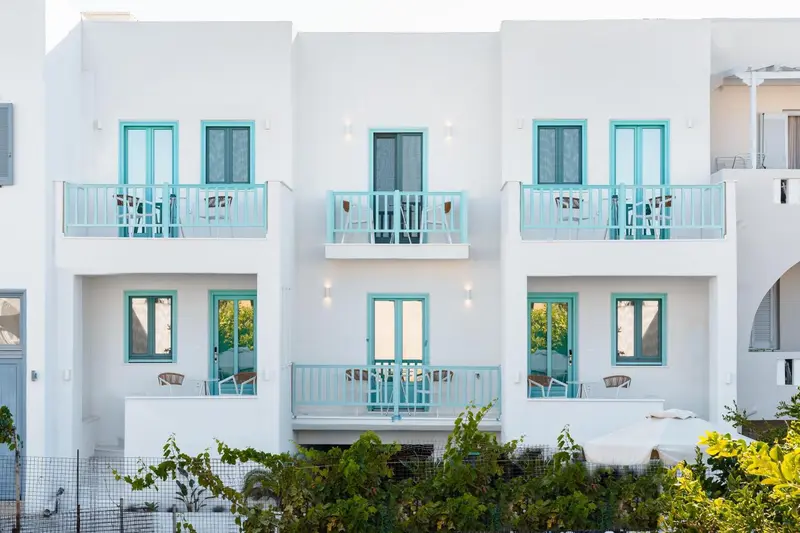
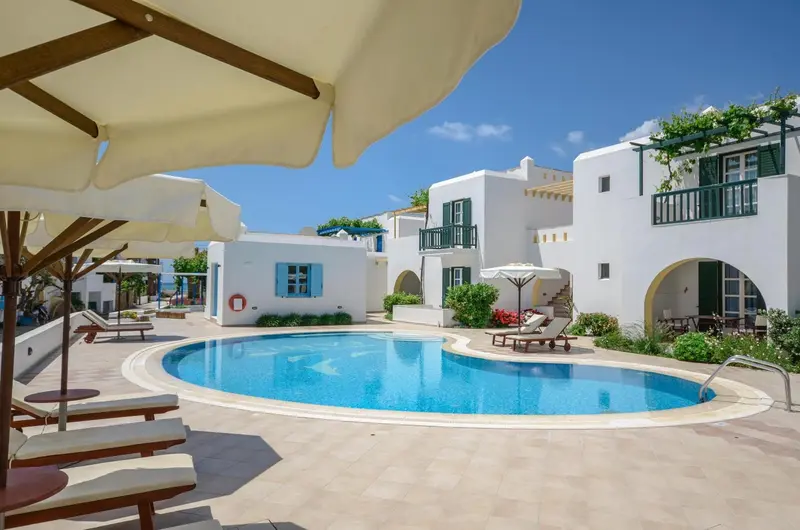
Build a spare day into the programme. The meltemi can cancel or move a boat outing, especially in July and August, and a site sheltered from the north wind is not necessarily interchangeable with one on an exposed coast. Ask which departures remain workable when the wind rises, rather than treating the day’s advertised route as fixed. Morning starts are worthwhile in high summer, before the wind is fully established and the beaches become busy. If the Marianna is the reason for coming, settle the required qualification and depth experience before travelling, as it is not an introductory wreck in every section. Keep a replacement day for boat diving, and check the navigation time before committing to Paros, Antiparos or a Small Cyclades trip. Choose accommodation with the departure beach in mind, since a room near Naxos town may still mean a daily taxi or car journey.
Allow about seven days on the island. That gives time for several diving days without turning one spell of meltemi into a ruined itinerary, and leaves space for an excursion towards Paros, Antiparos or the Small Cyclades. Non-divers have plenty to do while boats are away: Naxos town, the kastro, Apollo’s temple, inland villages, archaeological sites, Mount Zas, beaches and surface watersports. A stay based near the west-coast departure areas keeps the diving days simpler.
Hello, I'm Marina, DivingDeal.com's AI assistant. I guide you through destinations, areas and countries.
Thinking about the whole trip and the flights? Talk it over with Edith →
Marina is an AI. Some links are affiliate links: DivingDeal may earn a commission, at no extra cost to you. Bookings are made with the partner.
May, June, September and October offer a comfortable balance of diving conditions and fewer crowds. June through September generally brings visibility of around twenty to thirty metres, although the meltemi can affect exposed coasts. Spring and autumn may bring calmer surface conditions. Keep your plans flexible because wind can move boat departures.
Naxos suits beginners on introductory dives and certified divers seeking Mediterranean rock scenery. Coastal sites and shallower areas offer a gentler introduction, while caves, tunnels, walls, the Marianna and Black Rock require careful briefing. Advanced Open Water or an equivalent qualification is useful for deeper outings, and cave experience should be discussed before entering overhead environments.
Naxos offers rocky reefs, cavities, tunnels, canyons, walls and darker water rather than coral scenery. The Marianna provides wreck diving with deeper sections, while the Bristol Beaufighter adds another historic wreck. A torch helps in darker passages. Visibility, wind, swell and currents can change how much of the rock and wreck habitats you see.
Allow about seven days, with a spare day for weather-related changes to boat trips. Stay near the west-coast departure areas if you want simpler diving days, and check transfers from your accommodation. Reach Naxos through Athens or Santorini by flight or ferry, allowing connection time. Morning departures can help before the meltemi strengthens.