
Mare sud diving center
Google 4.7/5 (67 reviews)
Greece · Mediterranean
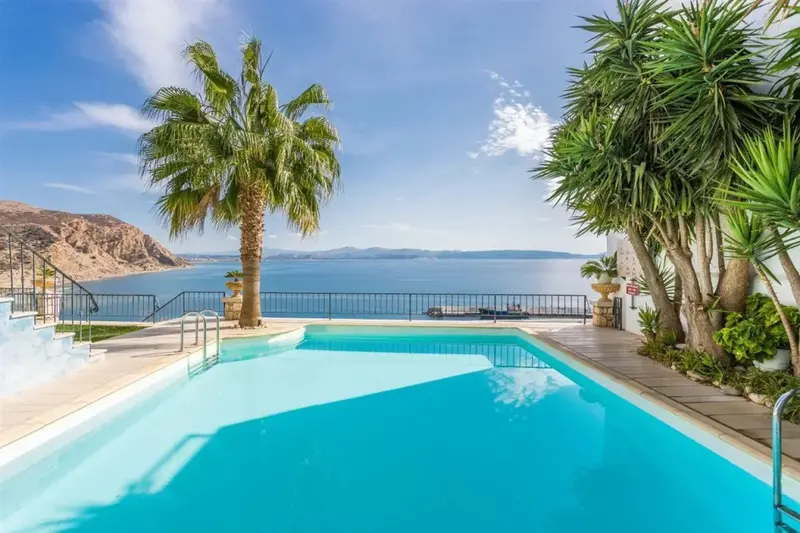
Agios Titos harbour, Timpaki’s inland streets and the open Messara coast give this southern Crete base its appeal for independent exploration.
Agios Titos harbour is the useful coastal reference for Timpaki, a small inland town close to the southern Cretan shore. This is a place to use as a land base rather than approach as a finished dive resort. The attraction lies in having the Messara area behind you and the south coast ahead, with local diving to be arranged around the conditions and the people operating there. It suits divers who enjoy making a destination work on the ground, rather than buying a packaged week.
Underwater, Timpaki belongs to the broader Cretan setting of caves, arches, drop-offs, archaeological sites and wrecks. Those features are part of Crete’s established diving character, but should not automatically be assigned to the coastline beside Timpaki. Treat each proposed outing as a local coastal investigation, with the exact entry point, depth, route and conditions settled before getting wet. Currents are not predictable enough here to plan around a downcurrent, drift dive or fixed safety-stop profile in advance. The practical format is therefore a shore or boat outing organised from the land base, not a liveaboard itinerary. Divers looking for named sites with published contours and a settled operating routine will find the arrangement less straightforward. Those happy to explore the Messara coast with a flexible plan may find the uncertainty part of the appeal.
There is no particular seasonal animal encounter around Timpaki that should drive the booking decision. The realistic attraction is the underwater landscape, with Crete’s wider diving identity built around caves, arches, drop-offs, archaeological remains and wrecks. Whether any of those features belongs to a particular local outing needs to be established locally, rather than assumed from a general Cretan guide. Plan for observation rather than a checklist: the pleasure here is seeing what the coast offers on the day, not travelling for a promised species. The same applies to visibility and marine-life timing. Keep expectations broad, take time to examine rock and structure carefully, and leave the water without turning an ordinary Mediterranean dive into a claim about wildlife that has not been verified for this coast.
Timpaki has no firmly established seasonal window that can be stated for local diving. The sensible approach is to travel when a local plan has been confirmed and to keep flexibility for the coast rather than building the trip around a promised month, animal or visibility figure. This matters because Timpaki is a land base, not a structured resort with a published calendar of departures. A spring, summer or autumn booking may work, but the reason to choose one period over another must come from the actual operator and the prevailing local conditions at the time. Leave room in the itinerary for a change of plan, especially if the intended outing depends on a particular coastal site.
Timpaki cannot be assigned a reliable beginner, intermediate or advanced label for its local diving. The exact sites, depths, entries and current exposure need to be agreed locally before booking. PADI, SSI and BSAC qualifications may all provide a useful framework, but the certification card alone does not settle whether a proposed outing suits you. Experienced divers should be comfortable with a less formal site structure and changing the plan after a briefing. Newer divers should not assume that a nearby coast automatically means an easy dive, and should ask for a clearly defined route, depth and exit before committing.
From London Heathrow, Gatwick or Manchester, treat Timpaki as an overland journey to southern Crete rather than a destination with a simple doorstep transfer. The final approach links an inland town with the coast and the harbour at Agios Titos, so connections need to be planned as part of the trip, not left to chance after arrival. Allow spare time between the international journey, onward road travel and any arranged dive departure. Once in the area, getting between Timpaki, the harbour and coastal meeting points is likely to require road transport rather than a walkable resort layout. Confirm the meeting place, collection arrangement and return plan before travelling, particularly if the dive depends on a boat leaving from Agios Titos.
The first rule for Timpaki is not to book it on the assumption that it functions like a recognised dive centre town. Confirm before travelling who is operating locally, where the meeting point is, which coastline is intended and whether the outing is from shore or boat. Ask for the proposed depth, entry, exit and route in plain terms, then leave a spare day if a coastal plan has to move. Keep Agios Titos and the Messara coast as separate map references, since an inland base and a harbour departure are not the same thing. Do not infer local sites from a general Crete list of caves, arches, wrecks or archaeological locations. If the promised dive is described only in broad island-wide terms, treat that as a reason to ask further questions, not as a substitute for a briefing. Carry the flexibility to abandon an unsuitable plan rather than forcing a dive to justify the journey.
Organise the stay around Timpaki as a land base, with the Messara area and the southern coast forming the wider setting. Keep the diving days adaptable, since the practical arrangement depends on a locally confirmed meeting point and outing rather than a fixed resort timetable. Agios Titos provides the obvious coastal reference, while Timpaki offers the inland base. A stay works best when it leaves time for the coast beyond the diving itself, rather than packing every day with pre-booked underwater plans.
Hello, I'm Marina, DivingDeal.com's AI assistant. I guide you through destinations, areas and countries.
Thinking about the whole trip and the flights? Talk it over with Edith →
Marina is an AI. Some links are affiliate links: DivingDeal may earn a commission, at no extra cost to you. Bookings are made with the partner.
Timpaki has no firmly established seasonal window for local diving. Choose the destination when a local operator has confirmed a workable plan, and keep your itinerary flexible for changing coastal conditions. Spring, summer or autumn may work, but the actual operator and conditions should guide your timing rather than a promised month or wildlife encounter.
Timpaki cannot be given a reliable beginner, intermediate or advanced label. Before booking, agree the proposed site, depth, entry, exit and current exposure locally. Newer divers should request a clearly defined route and exit, while experienced divers should be comfortable with a less formal site structure and changing plans after the briefing.
Timpaki offers access to the broader Cretan underwater setting of caves, arches and drop-offs, while archaeological sites and wrecks belong to Crete’s wider diving identity. Do not assume those features lie beside Timpaki. Treat each outing as a local investigation, with the exact landscape and marine life determined on the day.
Use Timpaki as an inland land base, with Agios Titos harbour as the coastal reference and the Messara coast as the wider setting. Confirm the local operator, meeting point, shore or boat format, route and return plan before travelling. Allow road-transfer time and spare days, rather than relying on a fixed resort timetable.